
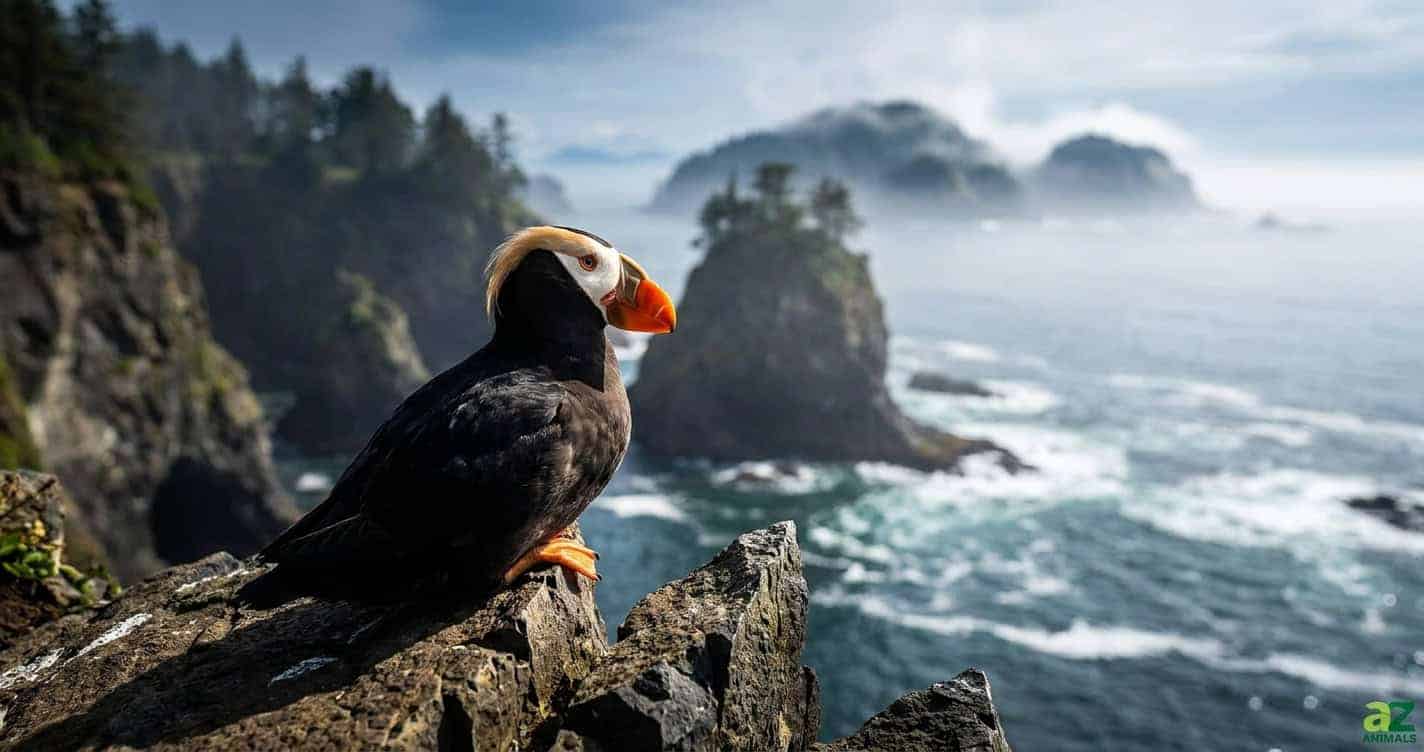
People tend to arrive in the Pacific Northwest with a pretty specific picture in their heads: gray skies, endless rain, evergreen trees, and maybe a ferry or two. Some of that is fair. What catches first-time visitors off guard is how quickly the region changes.
Seattle’s summer can be surprisingly dry, the far side of the Cascades turns semi-arid, Olympic National Park has a genuine temperate rainforest, and some of those beautiful mountains looming over Northwest cities are active volcanoes. Then there are ferries that function like highways, snow hanging around on summer hiking trails, brutally cold ocean water, wildfire smoke, and summer evenings that somehow stay light past 9 p.m.
Before your first trip through Washington, Oregon, or Idaho, these are 18 things about the Pacific Northwest that tend to surprise people once they actually get here.
Seattle’s Summer Is Much Drier Than the Stereotype
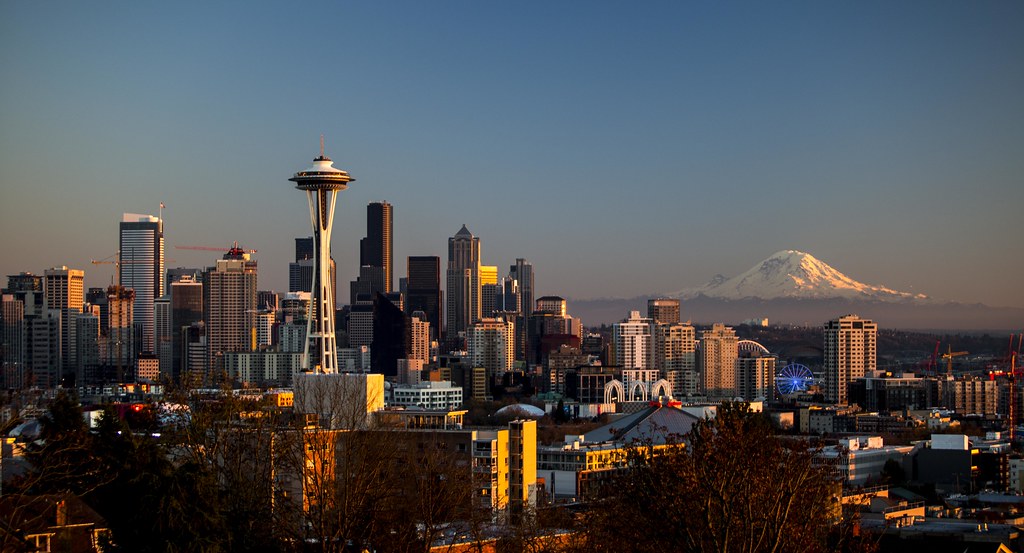
©"Downtown Seattle" by tiffany98101 is licensed under BY 2.0. - Original / License
First-time visitors often arrive ready for nonstop drizzle, then hit July and wonder where all the famous rain went. Seattle’s 1991-2020 climate normals tell the story pretty clearly. Seattle-Tacoma International Airport averages 39.34 inches of precipitation a year, but only 0.60 inch in July. November averages 6.31 inches. In other words, the gray, wet reputation is mostly a cool-season thing. Summer in western Washington can be remarkably dry, sunny, and mild, so packing nothing but waterproof gear for a July trip is overkill.
The Daylight Swings Are Bigger Than Many Visitors Expect
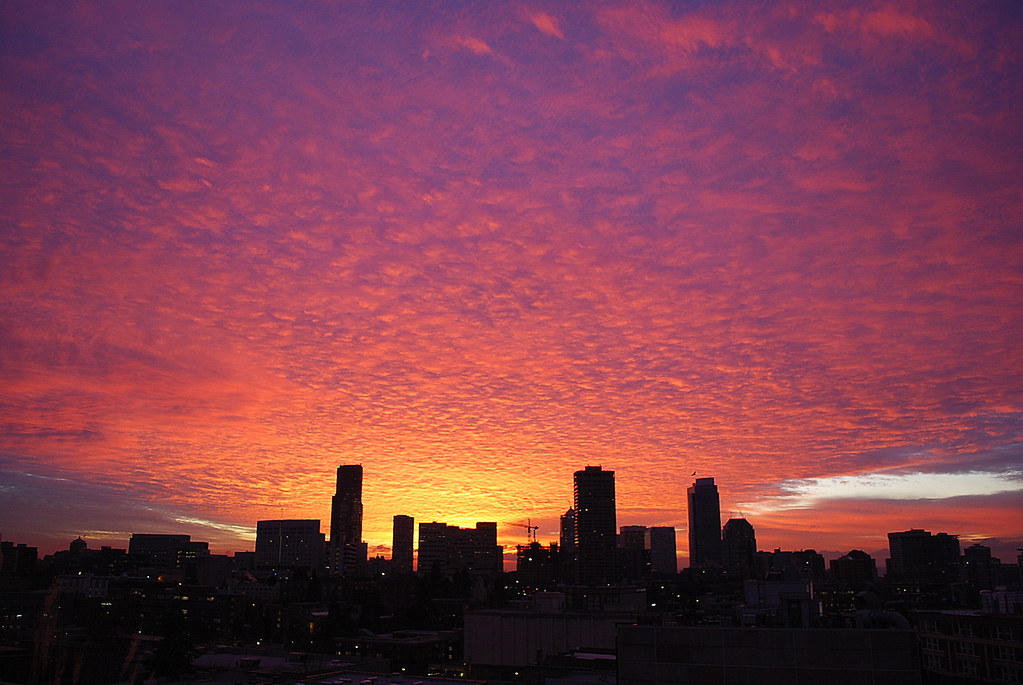
©"Seattle Sunset 01.13.12 Part 2" by JoeInSouthernCA is licensed under BY-ND 2.0. - Original / License
Seattle sits far enough north that the amount of daylight changes dramatically with the seasons. Around the June solstice, the city gets almost 16 hours of daylight, with sunset after 9 p.m. Around the December solstice, daylight shrinks to roughly 8 1/2 hours and sunset comes around 4:20 p.m. That makes summer evenings feel almost endless, while winter afternoons can get dark in a hurry. If you are visiting in June, you may find yourself eating dinner while it still looks like late afternoon outside.
Yes, There Is an Actual Temperate Rain Forest
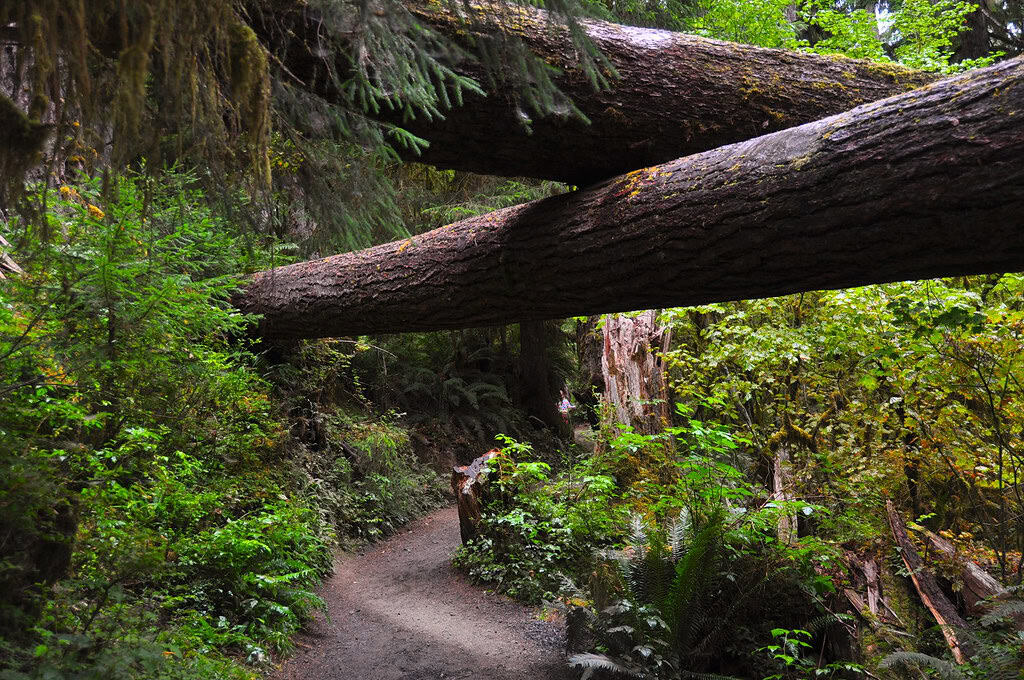
©"Hoh Rain Forest, Olympic National Park, WA" by faungg's photos is licensed under BY-ND 2.0. - Original / License
The Hoh Rain Forest is not a cute nickname somebody slapped on a particularly mossy patch of woods. Olympic National Park says its west-side rain forests receive roughly 140 to 167 inches of precipitation a year, making them some of the finest remaining examples of temperate rain forest in the lower 48 states. Giant conifers, maples draped in moss, ferns, and a nearly unreasonable amount of green fill the valleys. For visitors who think the Pacific Northwest rainforest thing is just branding, the Hoh clears that up quickly.
Cross the Cascades and the Landscape Changes Fast
©"Palouse Falls Eastern Washington" by Knowles Gallery is licensed under BY 2.0. - Original / License
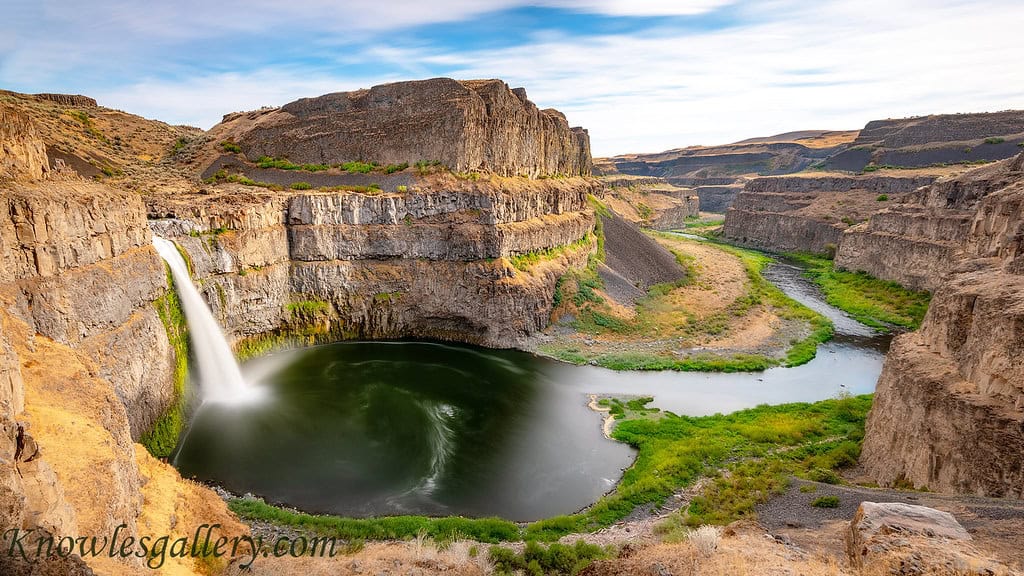
The evergreen image of the Pacific Northwest only tells half the story. The Cascade Range wrings moisture out of Pacific storms, leaving much of eastern Washington and Oregon in a rain shadow. Washington’s Department of Ecology describes parts of eastern Washington as semi-arid, with some areas receiving less than 8 to 12 inches of precipitation a year. Drive east from Seattle or Portland and dense forests can give way to sagebrush, dry hills, farmland, and wide-open country surprisingly quickly. It can feel like you crossed into another region without ever leaving the state.
Seattle Is on Saltwater, But It Is Not on the Open Pacific
©"Our town, Seattle, Washington, view of Hi 5, skyscrapers, top of the Space Needle, Puget Sound, from Amazon.com, Beacon Hill, on a lovely summer day, USA" by Wonderlane is licensed under BY 2.0. - Original / License
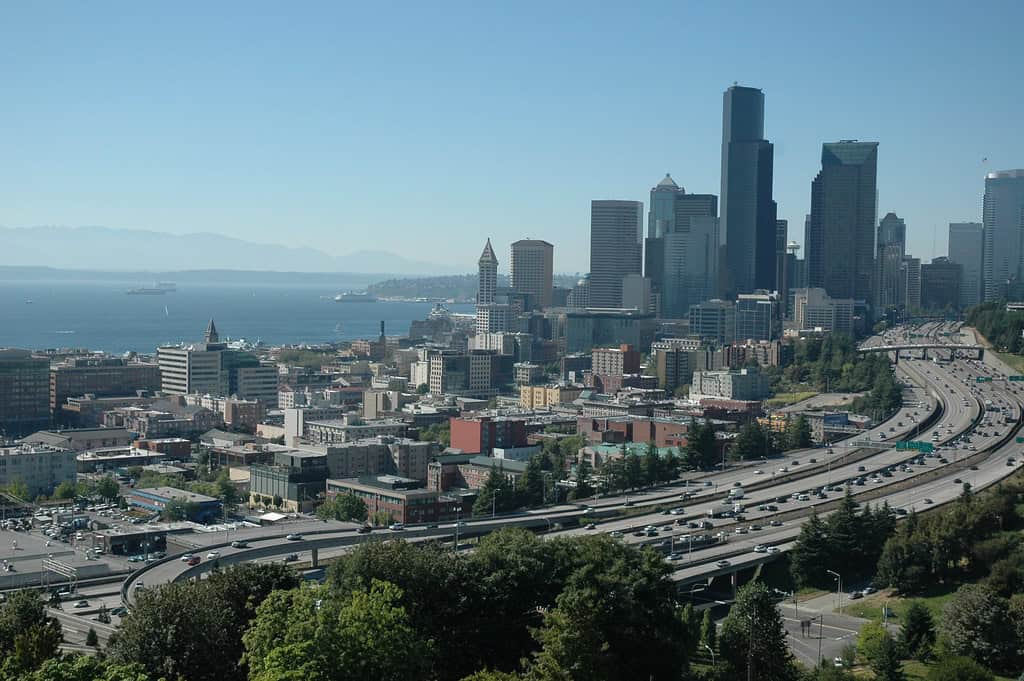
Seattle looks and feels like an ocean city, but the water beside downtown is not the open Pacific. The city sits on Puget Sound, part of the larger Salish Sea, an inland marine system that also includes the Strait of Juan de Fuca and Canada’s Strait of Georgia. Puget Sound connects to the Pacific through the Strait of Juan de Fuca. That geography helps explain the islands, ferries, protected waterways, and marine life that define the Seattle area. To reach Washington’s true Pacific coast, you still have a road trip ahead of you.
Oregon’s Sandy Beaches Are Open to the Public
©"Oregon Coast, in November" by Bonnie Moreland (free images) is licensed under PDM 1.0. - Original / License
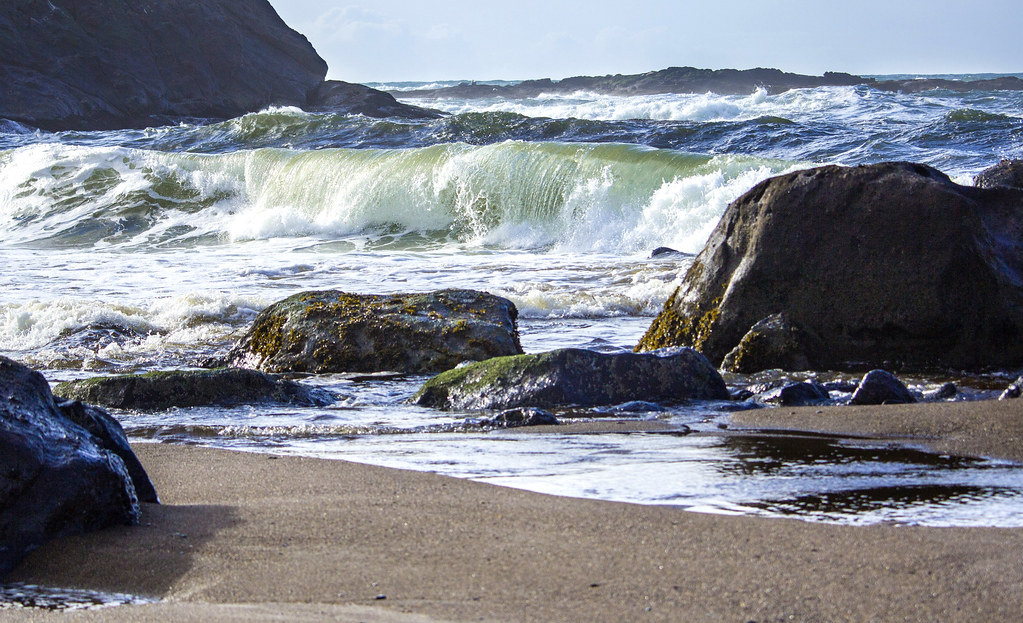
Visitors used to private resort beaches are often surprised by Oregon’s approach to the coast. The state’s 1967 Beach Bill established a permanent public easement for access and recreation along the ocean shore seaward of the existing vegetation line, building on protections that date back to 1913. The practical result is one of Oregon’s defining travel perks: broad public access to its sandy beaches. You still need to use designated access points and respect protected areas, but a hotel cannot simply rope off a prime stretch of sand and declare it guests only.
The Pacific Is Colder Than It Looks
©"Pacific Ocean at Cannon Beach, Oregon" by Matt McGee is licensed under BY-ND 2.0. - Original / License
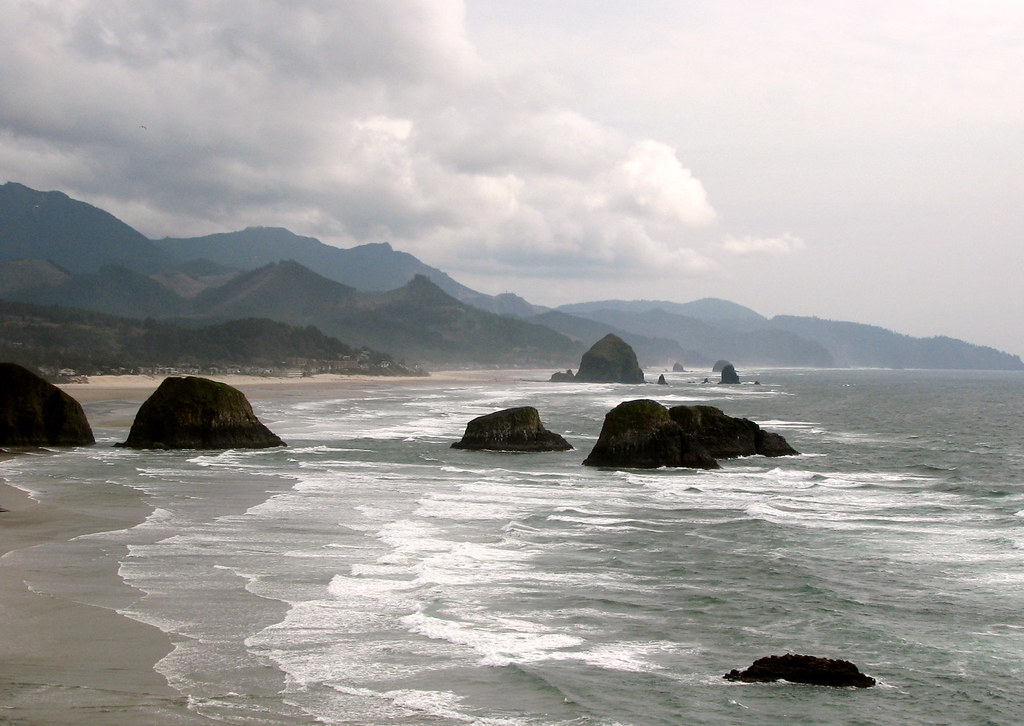
A sunny beach day on the Washington or Oregon coast does not turn the Pacific into Southern California. The National Weather Service describes Northwest coastal waters as cold to frigid and warns that cold-water immersion can become dangerous very quickly. Even strong swimmers can lose muscle control after sudden immersion. That is why locals can be standing on a gorgeous beach in jackets while visitors are wondering why nobody is swimming. The coastline is spectacular, but it demands a different kind of respect than a warm-water beach vacation.
Sneaker Waves and Driftwood Are Serious Hazards
©M.Curtis/Shutterstock.com
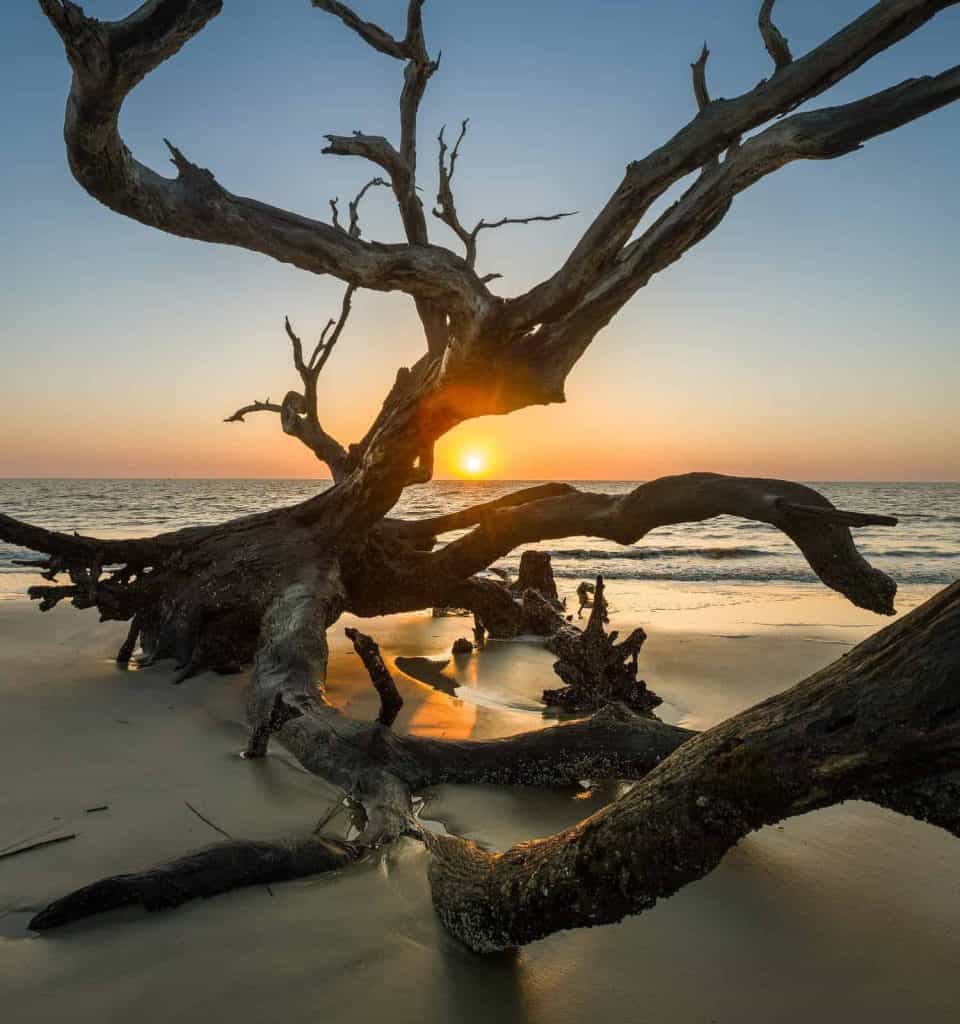
The logs scattered along Northwest beaches may look like convenient seats. They are not always safe. The National Weather Service warns that sneaker waves can surge at least 150 feet farther up a beach than expected, sometimes after 10 to 20 minutes of smaller waves. Those waves can also lift and roll waterlogged logs that weigh hundreds of pounds. Rising tides can cut off escape routes on enclosed beaches as well. The local rule to never turn your back on the ocean is not a folksy overreaction. It is practical advice.
Ferries Are Part of the Highway System
©"Washington ferries and cranes in Elliott Bay" by roy.luck is licensed under BY 2.0. - Original / License
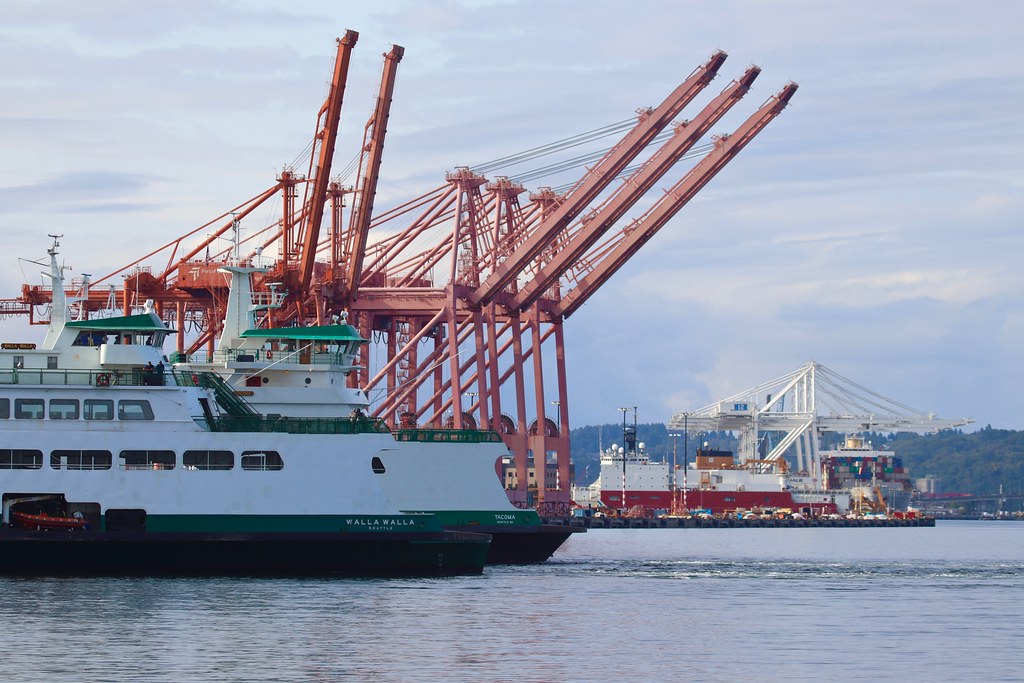
In a lot of places, a ferry ride is a vacation activity. Around Puget Sound, it can simply be the way home from work. Washington State Ferries operates the largest ferry system in the United States, with 21 vessels serving routes across Puget Sound and the greater Salish Sea. The state describes those routes as a marine highway used by businesses, tourists, and daily commuters. Cars, delivery trucks, cyclists, and walk-on passengers all pile aboard. For a first-time visitor, watching an entire line of traffic disappear into a boat is one of those distinctly Northwest moments.
Those Beautiful Snowy Mountains Are Volcanoes
©"Mount Rainier" by tiffany98101 is licensed under BY 2.0. - Original / License
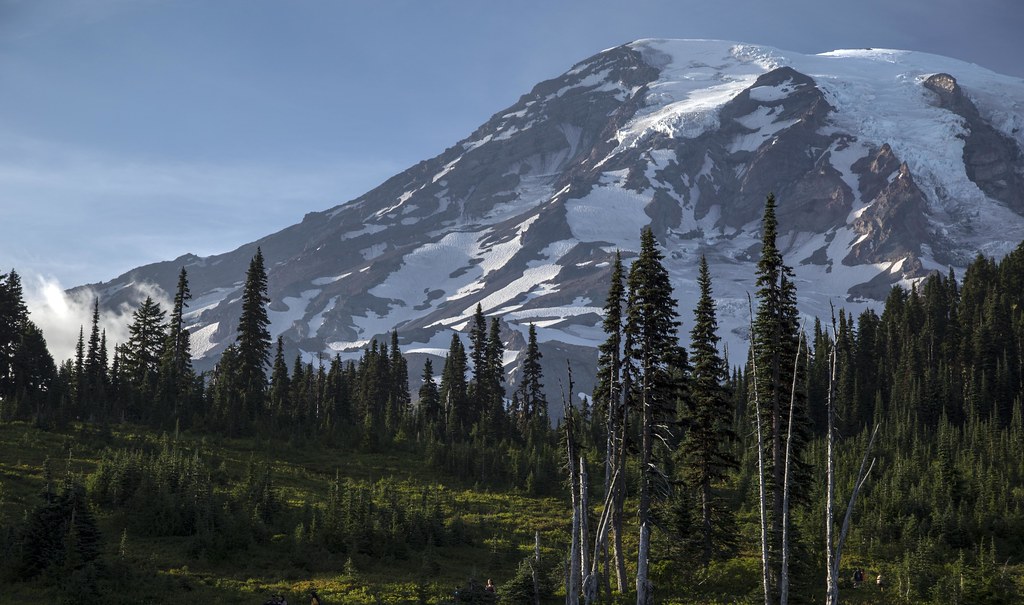
Mount Rainier, Mount Hood, Mount Baker, Mount St. Helens, and several other familiar Northwest peaks are part of an active volcanic arc. The U.S. Geological Survey’s Cascades Volcano Observatory monitors volcanoes across Washington, Oregon, and Idaho, and lists several Cascade volcanoes as high or very high threat. That does not mean visitors should expect an eruption during vacation. It does mean the postcard scenery is geologically alive. Mount St. Helens made that point rather dramatically in 1980, and the region still treats volcano monitoring as a serious public-safety job.
Mount Rainier Has a Huge Amount of Glacier Ice
©"Paradise @ Mount Rainier National Park" by lawdawg1 is licensed under BY 2.0. - Original / License
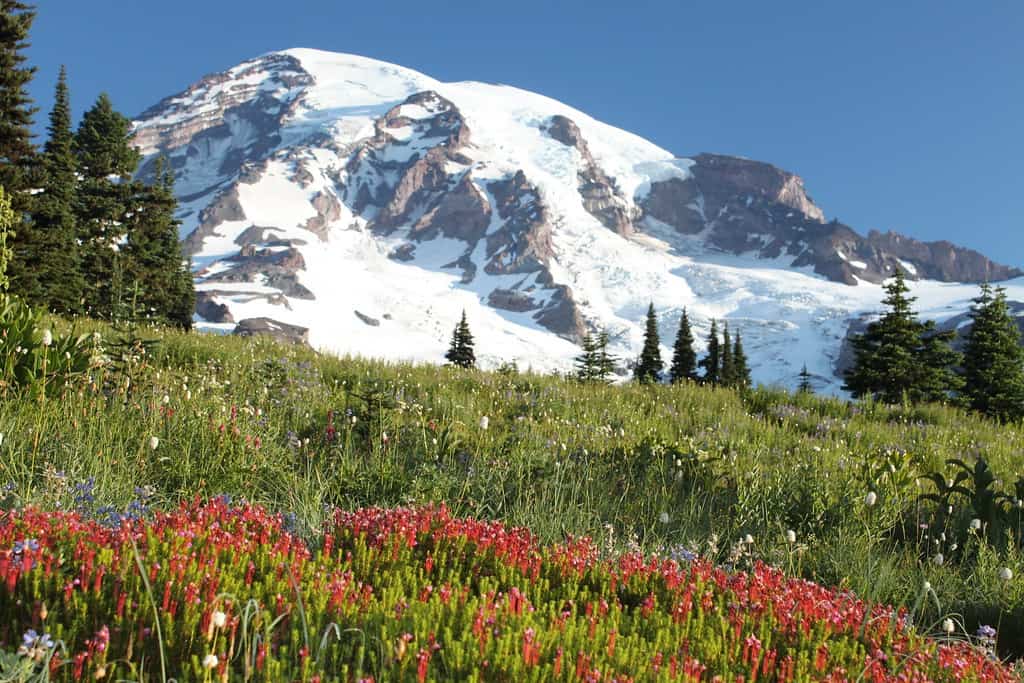
Mount Rainier looks snowy from Seattle, but the scale is easy to underestimate until you get closer. The National Park Service identifies 28 named glaciers on the mountain, plus numerous snowfields, and calls Rainier the most glaciated peak in the contiguous United States. Its glacier systems feed major rivers flowing away from the mountain. For visitors used to seeing glaciers only in Alaska or Canada, finding this much permanent ice towering over western Washington can be a genuine surprise, especially when the mountain finally comes out from behind the clouds.
A Summer Hike Can Still Mean Walking Through Snow
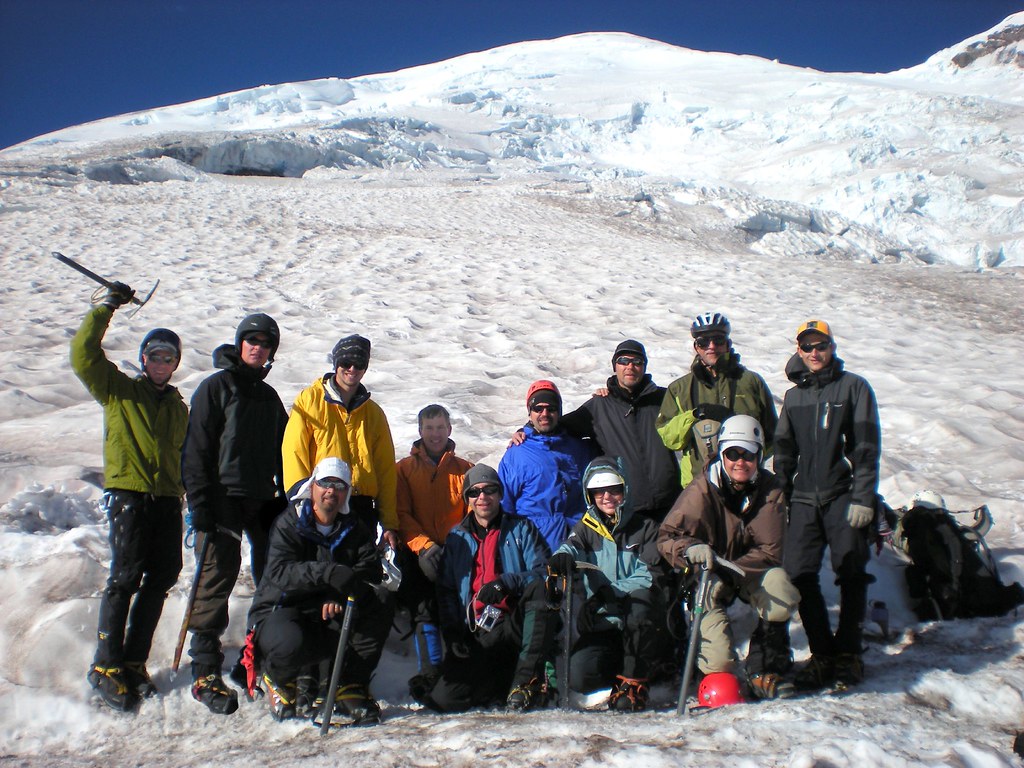
©"Rainier Team Picture" by Andrew E. Larsen is licensed under BY-ND 2.0. - Original / License
June or even July on the calendar does not guarantee a dry mountain trail. Mount Rainier National Park warns that snow can linger well into summer at higher elevations, turning otherwise straightforward hikes into slick or hazardous routes. Snow bridges can form over streams, steep slopes can stay icy, and trail markers may be harder to follow. The same basic reality applies across higher parts of the Cascades. If your trip includes mountain hiking, check current trail conditions instead of assuming that summer in the city means summer has fully arrived at 5,000 or 6,000 feet.
Wildfire Smoke Can Become Part of the Summer Forecast
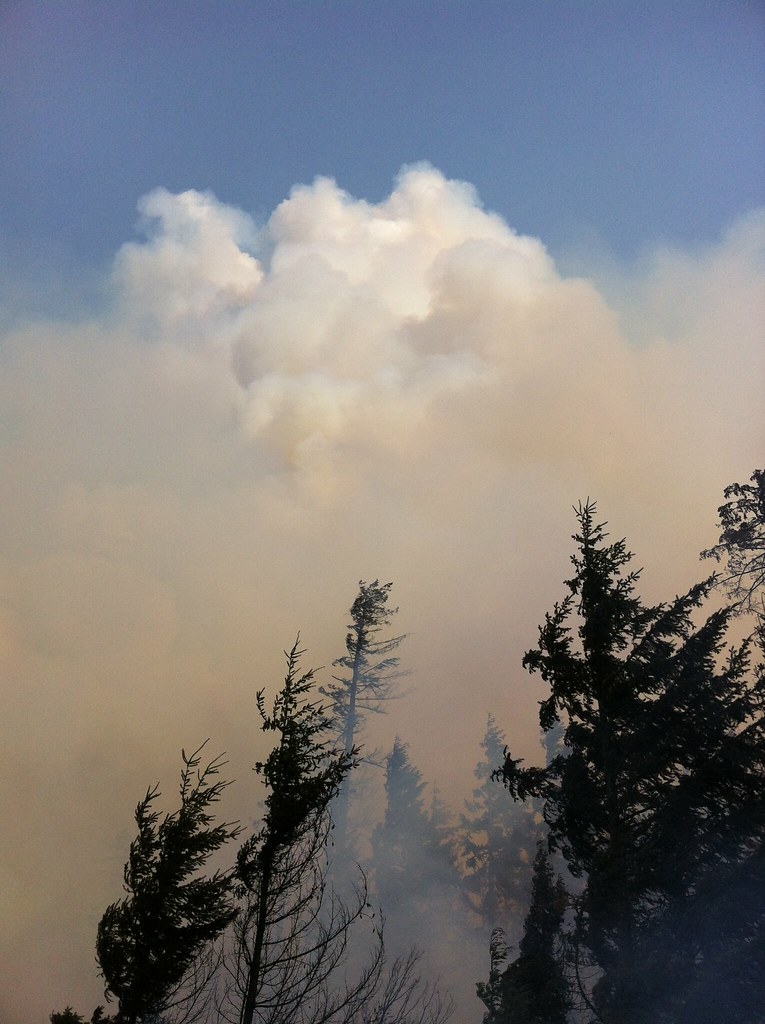
©"Wildfire Smoke" by BigWindyORFire is licensed under BY 2.0. - Original / License
The Pacific Northwest’s postcard summer weather has an unpleasant wildcard: wildfire smoke. The Washington State Department of Health calls wildfire smoke a growing health risk, especially during summer and early fall. A beautiful stretch of warm, dry weather can turn hazy when fires are burning in the region. Smoke levels can affect hiking plans, outdoor events, and visibility, and they matter most for people with respiratory or heart conditions, older adults, children, and pregnant people. During fire season, checking air quality can be just as useful as checking the temperature.
The Tsunami Signs Are Not Just Coastal Decoration
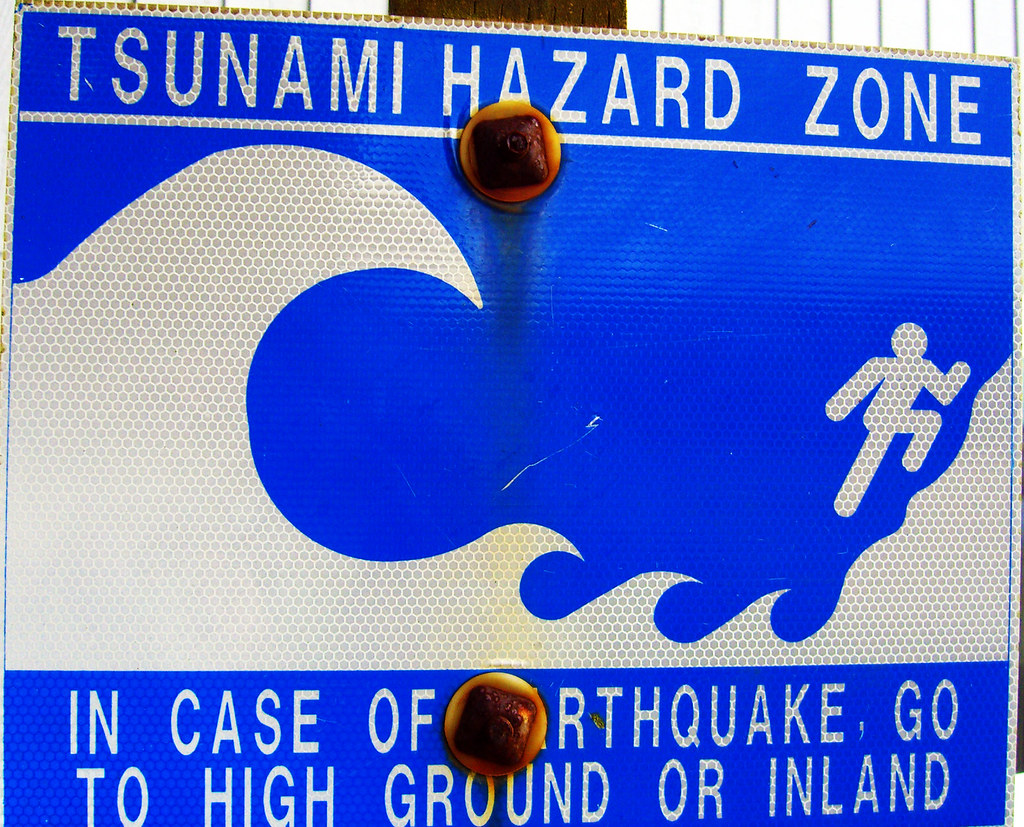
©"Oregon's Tsunami Signs" by timquijano is licensed under BY 2.0. - Original / License
Visitors driving the Washington or Oregon coast will eventually notice tsunami evacuation signs. They are there for a very real reason. The Cascadia Subduction Zone is a roughly 700-mile fault offshore from northern California to British Columbia. Oregon emergency officials say its last great rupture occurred on January 26, 1700, and produced an estimated magnitude 9 earthquake and tsunami. Scientists cannot say when the next major event will happen, but the hazard is taken seriously throughout the region. On the outer coast, knowing the evacuation route is worth the minute it takes to look.
Oregon Really Does Not Have a General Sales Tax
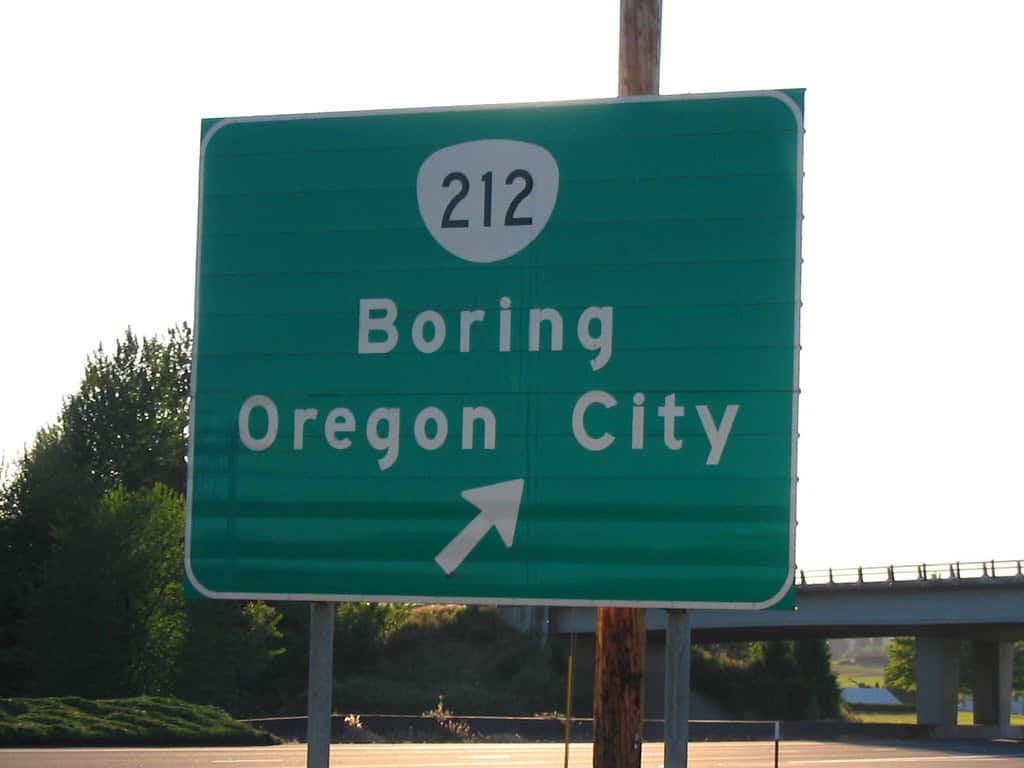
©"Boring Oregon City" by functoruser is licensed under BY 2.0. - Original / License
One of the nicer surprises comes when the total at the register matches the sticker price. Oregon does not have a general sales, use, or transaction tax. That does not mean every expense in the state is tax-free, and travelers can still encounter lodging taxes, fuel taxes, and other charges. But for normal retail purchases, there is no statewide general sales tax added at checkout. Visitors coming from Washington notice this immediately, especially if they planned to do a little shopping while they are in Portland or elsewhere in Oregon.
Idaho Is Much Wilder Than a Lot of People Picture
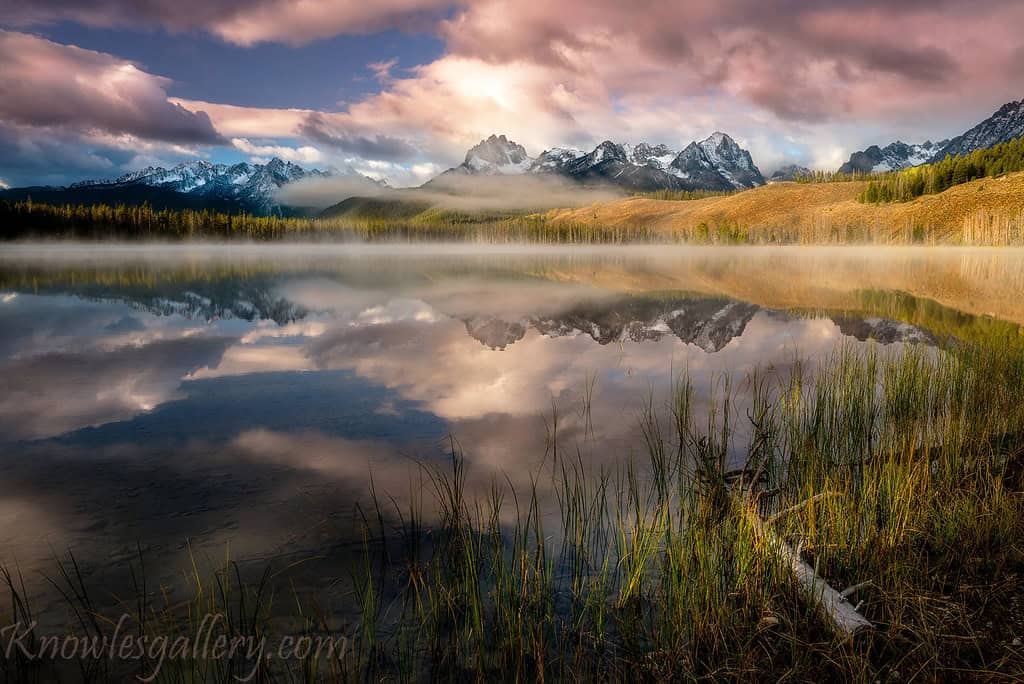
©"Chuck Knowles - Dramatic sunrise over Little Redfish Lake Idaho" by Knowles Gallery is licensed under BY 2.0. - Original / License
If your mental image of Idaho begins and ends with farmland, central Idaho will rearrange it pretty quickly. The Frank Church-River of No Return Wilderness covers nearly 2.4 million acres of rugged mountains, rivers, and alpine lakes, and the U.S. Forest Service calls it the largest contiguous wilderness in the Lower 48. The Sawtooth National Recreation Area adds another 756,000 acres of mountain scenery, lakes, and backcountry. Idaho’s portion of the Pacific Northwest can feel enormous, remote, and genuinely wild, especially once you leave the interstate corridors behind.
The Columbia River Gorge Can Be Ridiculously Windy
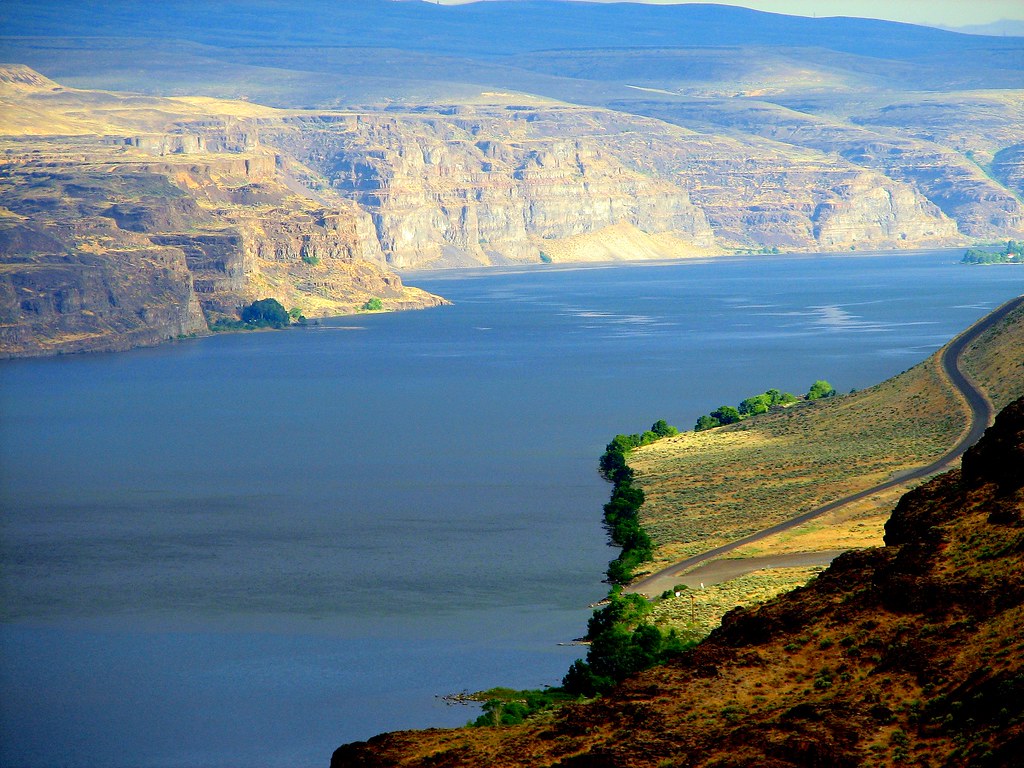
©"Columbia River Gorge" by Jan Tik is licensed under BY 2.0. - Original / License
The Columbia River Gorge is famous for waterfalls, cliffs, and the river slicing through the Cascades. First-timers may not expect the wind. The narrow east-west corridor channels air between the cooler maritime climate west of the mountains and the drier interior, creating frequent strong winds. Those conditions helped turn the Gorge into an internationally known windsurfing destination, especially around Hood River. On a calm Portland morning, it can be easy to underestimate just how different conditions may feel an hour east. Secure the hat before admiring the view.
Orca Watching Comes With a Very Big Buffer Zone
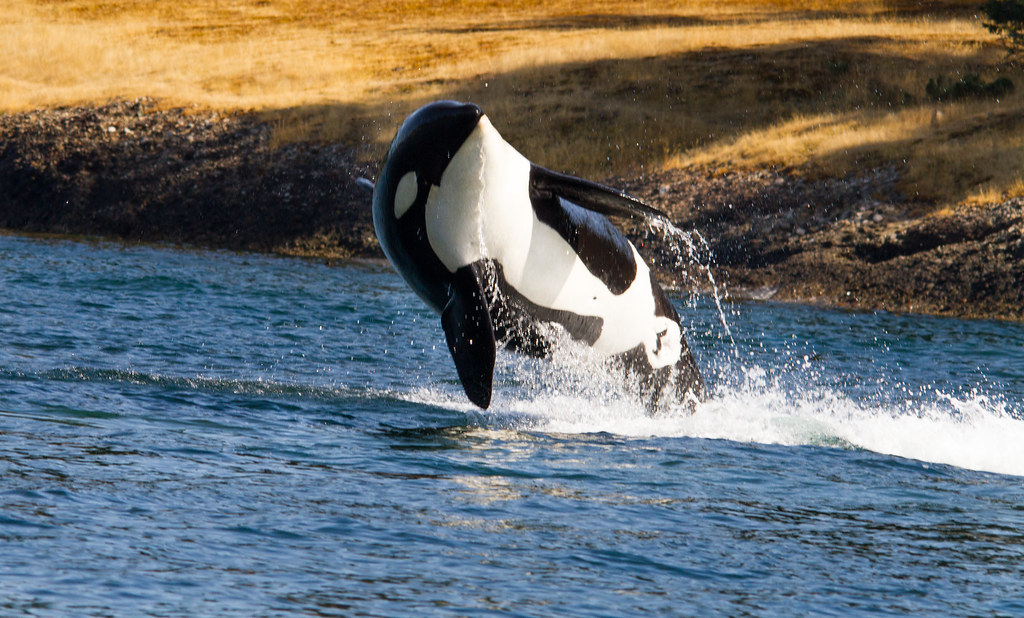
©"Killer Whale (Resident Orca)" by Shawn McCready is licensed under BY-ND 2.0. - Original / License
Seeing an orca in Washington waters is unforgettable, but getting closer is not the goal. Since January 1, 2025, Washington law requires motorized and non-motorized vessels, including kayaks and paddleboards, to stay 1,000 yards from Southern Resident killer whales. Federal rules also prohibit approaching other killer whales within 200 yards in Washington’s inland waters. The distance can surprise visitors expecting tour boats to pull alongside a pod. The rules are designed to reduce noise and disturbance around the endangered Southern Residents while still allowing people to experience one of the region’s signature animals responsibly.

