
Indiana has plenty of places where local history is still part of everyday life. Sometimes that means a former state capitol or a restored resort hotel. Other times, it’s a courthouse square, a preserved downtown, or a town with a name that has an unusual story behind it. You don’t need to pretend you’ve traveled back a century to appreciate any of that.
These eight Indiana communities are spread across the state, from the banks of the Ohio and Wabash rivers to the farmland of northern Indiana. Some are good stops for history enthusiasts, while others offer walking trails, local shops, museums, and attractions that developed alongside the communities themselves. They’re not all tiny rural towns, and that’s fine. Each has a bit of history worth knowing and something visitors can explore today.
1. French Lick
©"File:French Lick Resort and Larry Bird Boulevard, French Lick, Indiana 01-13-2002.JPG" by Ichabod is licensed under BY-SA 3.0. - Original / License
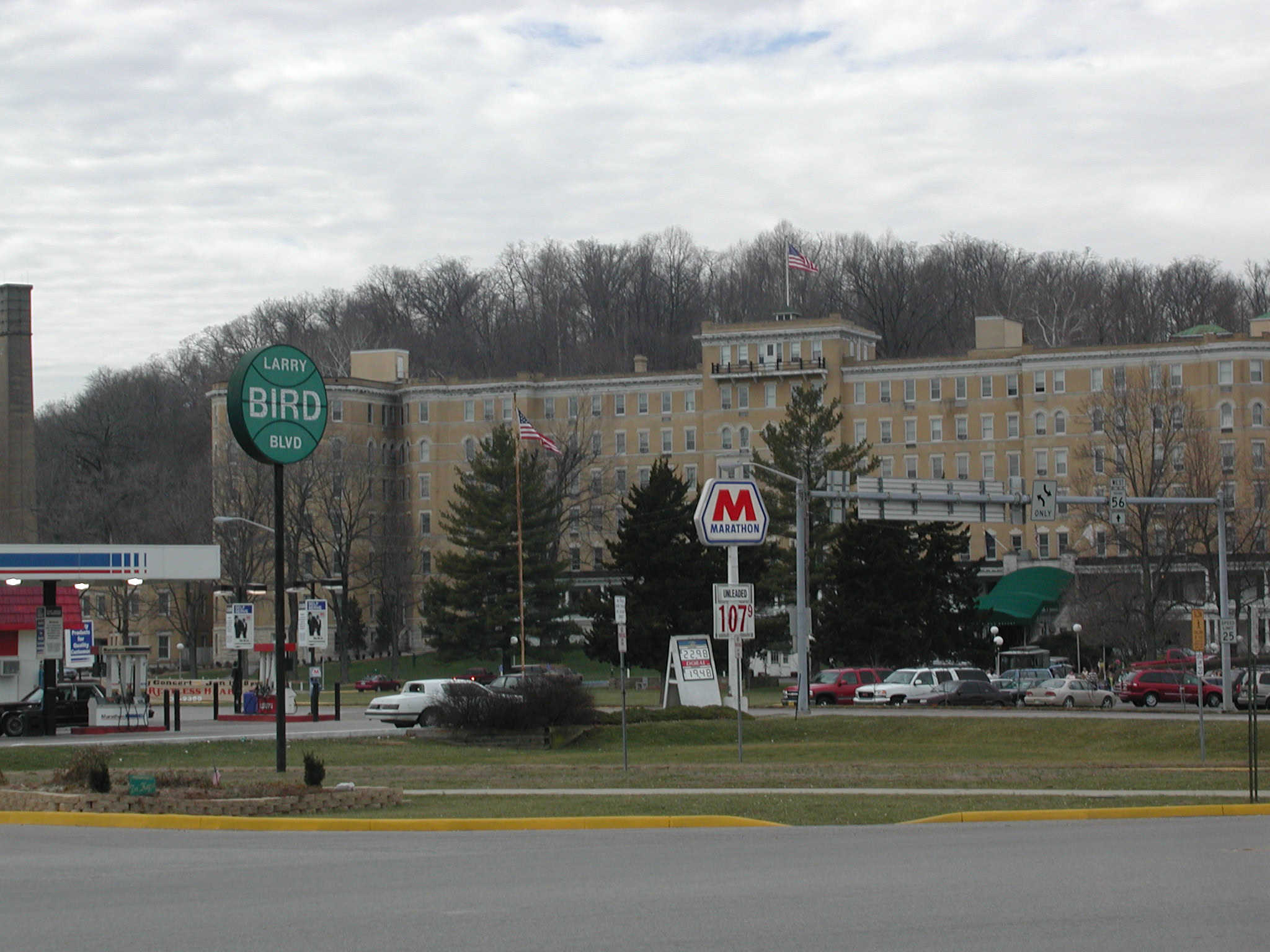
French Lick is a small southern Indiana town with a history closely tied to its mineral springs. During the 19th century, the water was promoted for its supposed health benefits, attracting visitors who were willing to travel considerable distances in search of a cure. Dr. William Bowles opened French Lick Springs Hotel in 1845, helping establish the area as a resort destination. The medicinal claims haven’t exactly stood the test of time, but the town’s connection to the springs remains an important part of its history.
1. French Lick (continued)
©"Donald Ross Golf Course, French Lick, Indiana" by danperry.com is licensed under BY 2.0. - Original / License
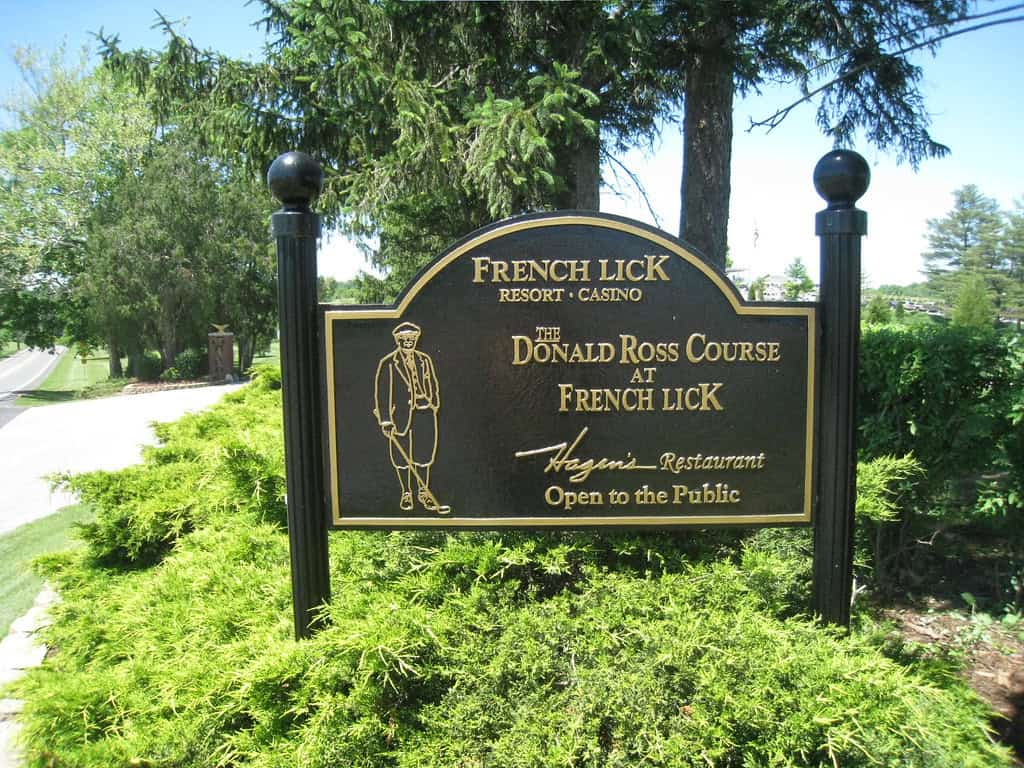
Today, French Lick Resort includes the restored French Lick Springs Hotel, nearby West Baden Springs Hotel, championship golf courses, and a casino. A major restoration project brought the historic hotels back to life during the 2000s, preserving buildings that had seen much better days. Visitors can explore the properties, take historical tours, or book a round at the Donald Ross Course. It’s a good example of how a small town’s biggest attraction can also be an important piece of its past.
2. Williamsport
©"Williamsport Courthouse Warren County" by HystericalMark is licensed under BY-SA 2.0. - Original / License
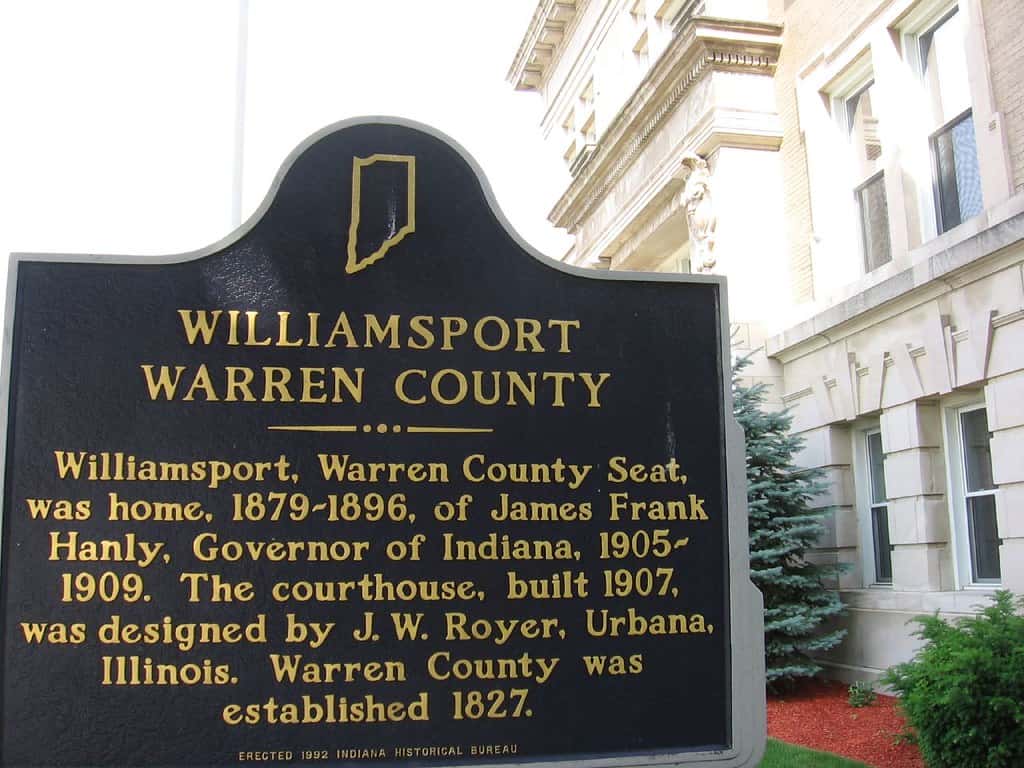
Williamsport sits near the Wabash River in western Indiana, not far from the Illinois border. Established in 1828, the town became the seat of Warren County the following year. Its courthouse and older downtown buildings reflect its long history as a local center of government and commerce. It’s a relatively quiet community compared with Indiana’s larger destinations, but visitors interested in courthouse architecture and traditional town centers will find some worthwhile stops.
2. Williamsport (continued)
©"Williamsport Falls" by Jim.buckley22 is licensed under BY-SA 3.0. - Original / License
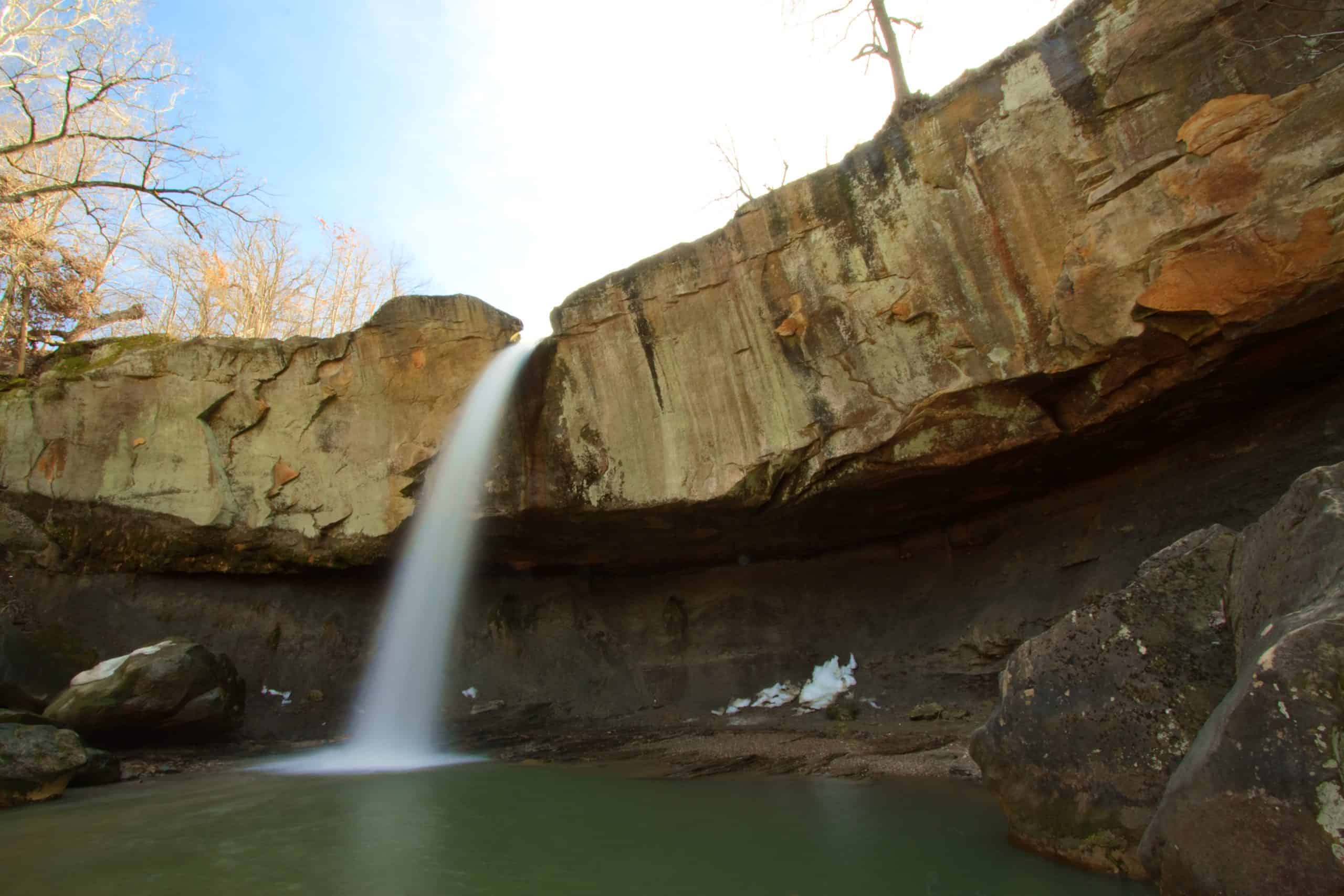
One of Williamsport’s main attractions has nothing to do with its buildings. Williamsport Falls drops approximately 90 feet over a sandstone ledge just a short distance from downtown. There’s an observation area and a trail leading toward the streambed below. The catch is that the waterfall depends heavily on recent rainfall, so visitors arriving during a dry spell might find considerably less water than the photographs suggest. Spring and periods following substantial rain generally offer a better chance of seeing it flowing.
3. Vincennes
©SNEHIT PHOTO/Shutterstock.com
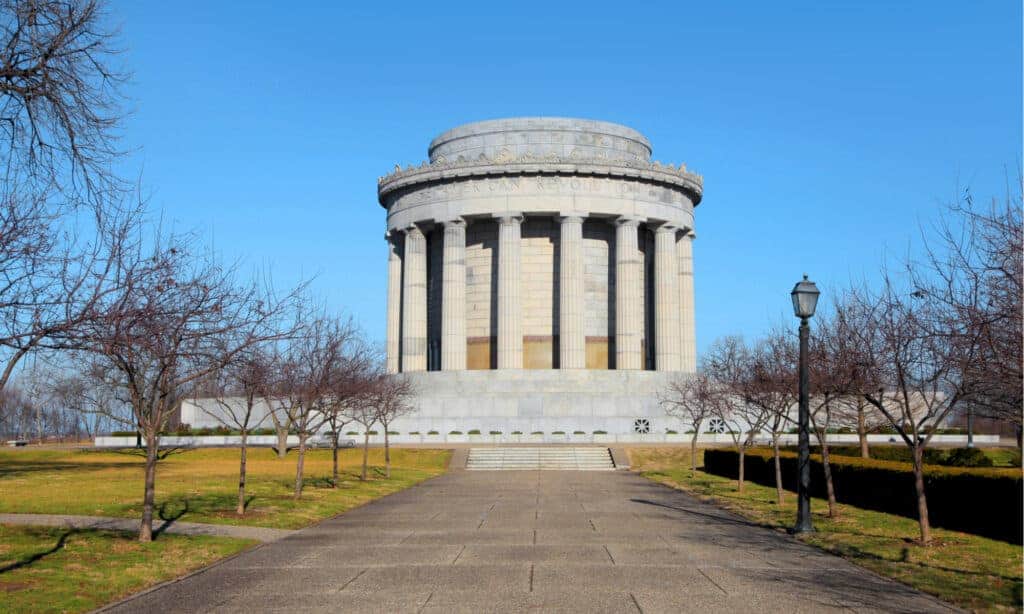
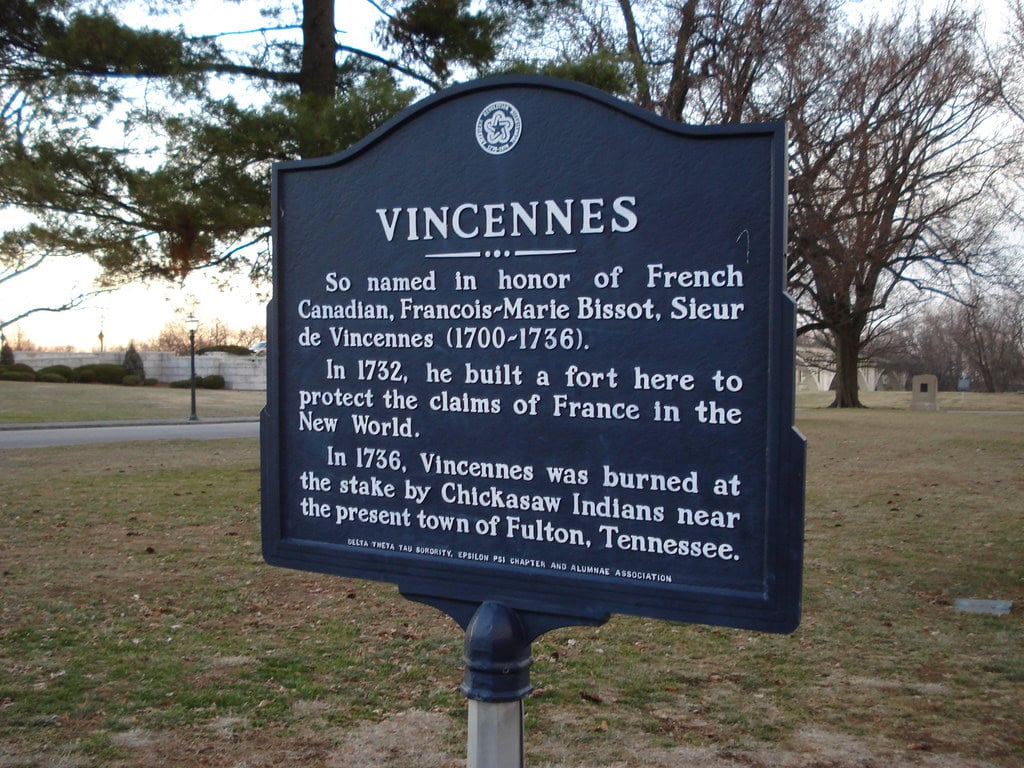
Vincennes has one of the longer recorded histories of any Indiana city. Indigenous peoples lived in the area long before European settlement, and the French established a trading post here in 1732. Located along the Wabash River, Vincennes later became the first capital of the Indiana Territory. Its location made it strategically important during the American Revolution, and the city still has several preserved sites connected to that period. For visitors interested in early Midwestern history, there’s quite a bit to explore.
3. Vincennes (continued)
©"Historical marker, Vincennes, Indiana" by Eric Fischer is licensed under BY 2.0. - Original / License
The George Rogers Clark National Historical Park commemorates the American capture of British-held Fort Sackville in 1779. Another significant stop is Grouseland, the former home of William Henry Harrison, who served as Indiana’s territorial governor before becoming president. The city also hosts the annual Spirit of Vincennes Rendezvous, featuring historical demonstrations, period crafts, and Revolutionary War reenactments. Between the museums, historic buildings, and preserved sites, Vincennes offers plenty for visitors who want more than a quick look at an old courthouse.
4. Santa Claus
©"Kristine Morrison Lake '01 - Santa Claus, Indiana" by University of Delaware Alumni Relations is licensed under BY-ND 2.0. - Original / License
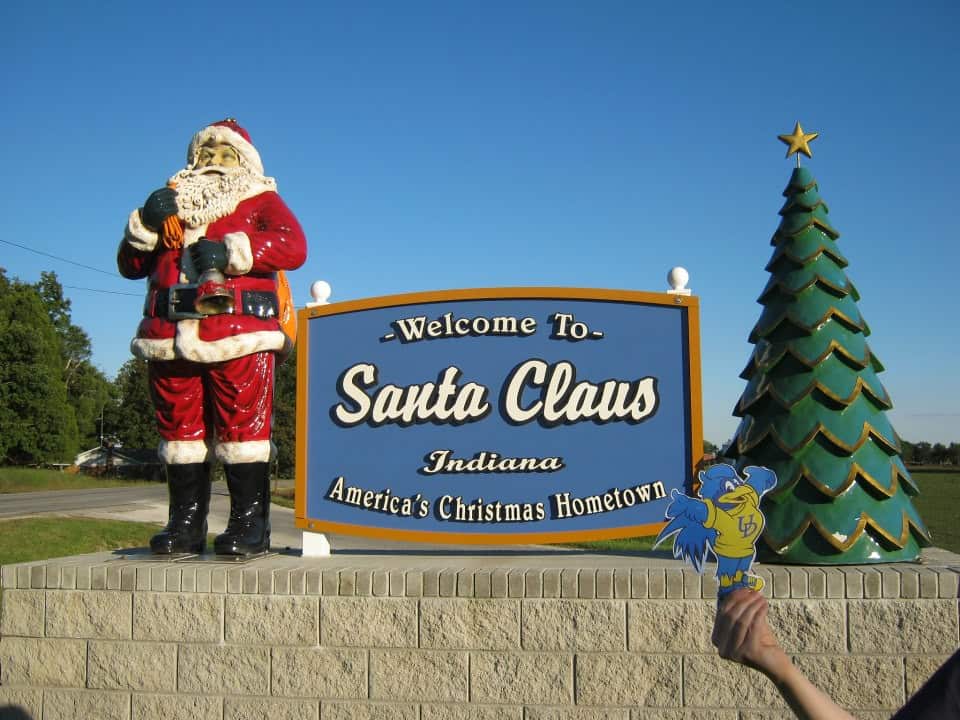
Yes, Santa Claus is an actual town in southern Indiana, and its name has a surprisingly practical explanation. The settlement was originally known as Santa Fe, but when residents applied for a post office in 1856, that name was already in use elsewhere in Indiana. Santa Claus was eventually accepted instead, and the town has been associated with Christmas ever since. Its post office receives letters addressed to Santa from children around the world, with volunteers continuing a tradition of answering those letters that dates back more than a century.
4. Santa Claus (continued)
©"Kristine Morrison Lake '01 - Santa Claus, Indiana" by University of Delaware Alumni Relations is licensed under BY-ND 2.0. - Original / License
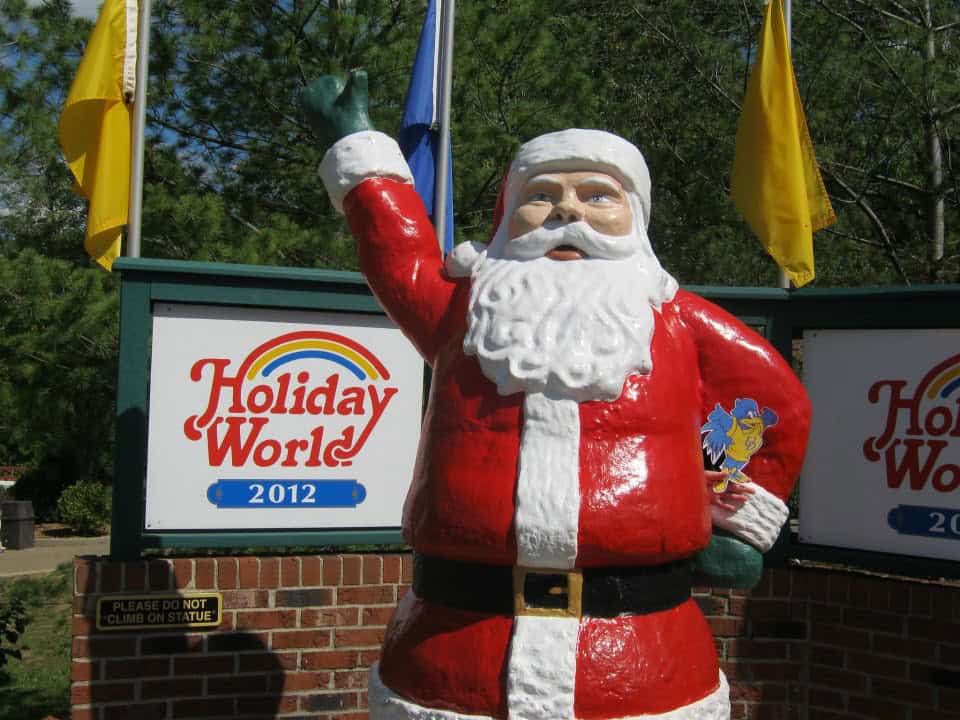
The town has made its unusual name part of its tourism industry. The Santa Claus Museum & Village documents the community’s history, while Santa’s Candy Castle offers a decidedly more sugary experience. The area’s largest attraction is Holiday World & Splashin’ Safari, an amusement and water park that traces its beginnings to Santa Claus Land, which opened in 1946. The park operates seasonally, and museum hours vary, so it’s worth checking schedules before making the drive.
5. Goshen
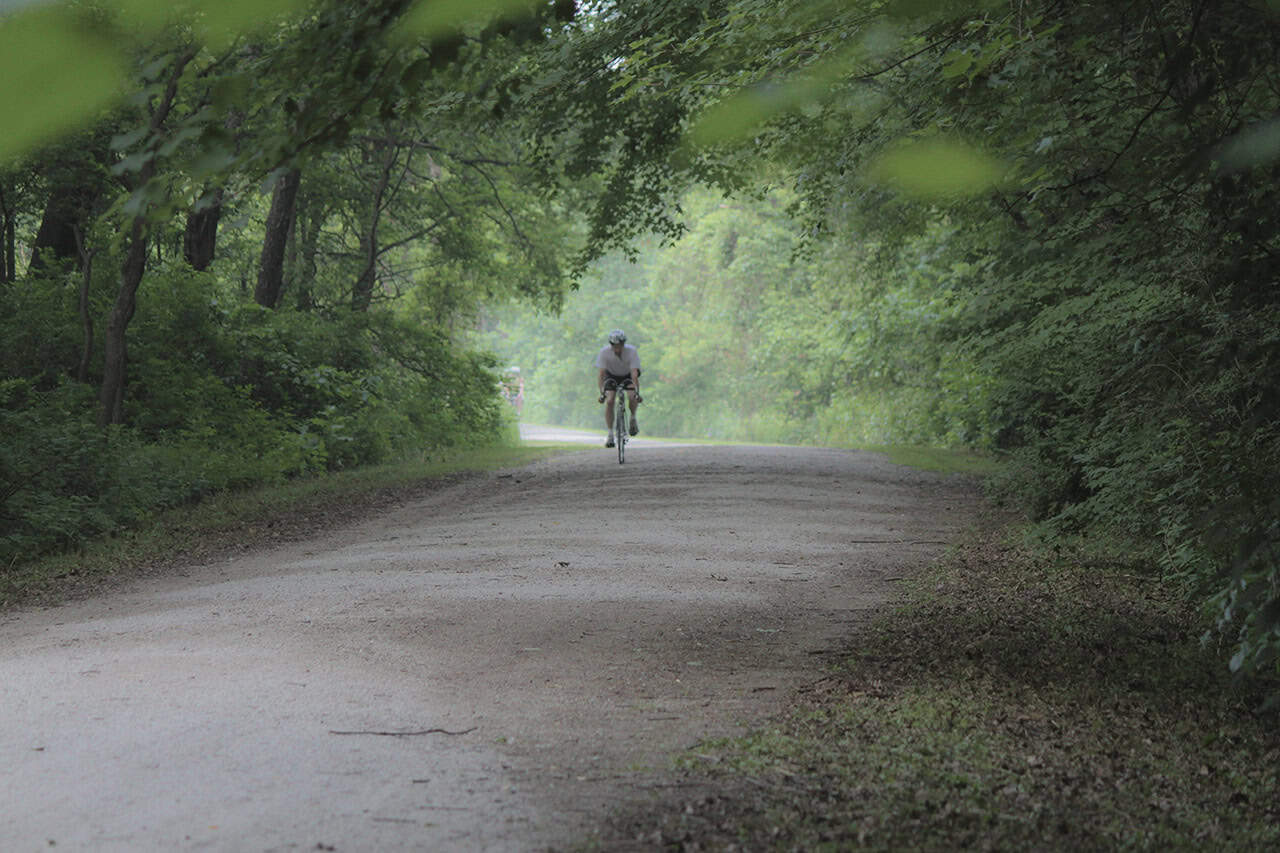
©"Pumpkinvine Trail Outside of Goshen" by Bbeachy2001 is licensed under BY-SA 3.0. - Original / License
Goshen is a northern Indiana city known for its historic downtown, independent businesses, and connections to the surrounding agricultural communities. Nicknamed the Maple City, it has preserved many of its older commercial buildings while developing a local arts and dining scene. Outdoor enthusiasts can also explore the Pumpkinvine Nature Trail, a former railroad corridor that connects Goshen with Middlebury and Shipshewana. The trail passes through farmland and wooded areas, making it a practical way to see parts of the surrounding countryside without spending the entire day behind a windshield.
5. Goshen (continued)
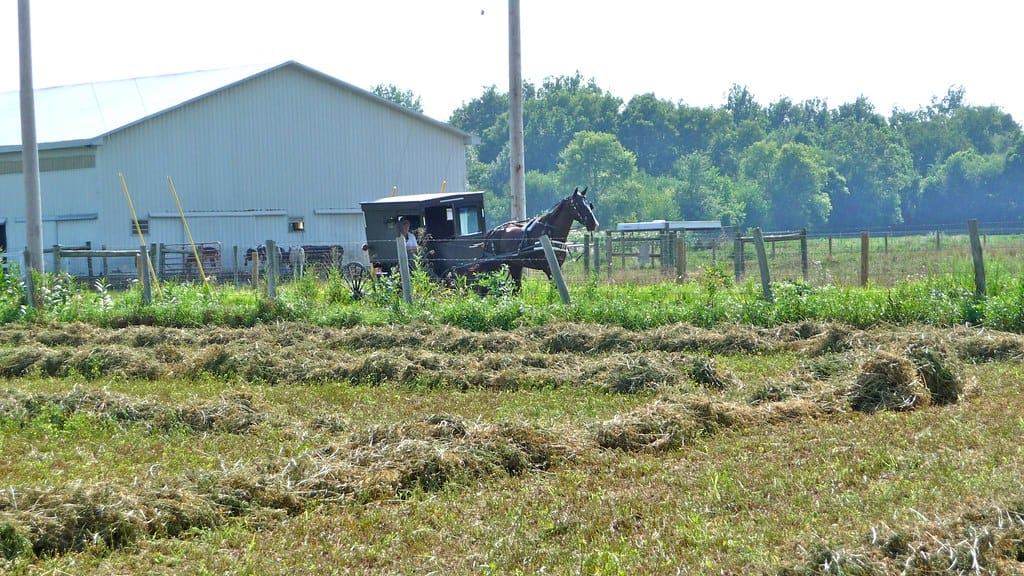
©"Amish buggy near Goshen, IN" by Martin Dougiamas is licensed under BY 2.0. - Original / License
Goshen is also part of a region with a substantial Amish population. Horse-drawn buggies are a familiar sight on some surrounding roads, although visitors should remember that these are working communities, not tourist exhibits. Give buggies plenty of room when driving and respect residents’ privacy. Back in Goshen, the year-round farmers market sells locally produced foods, baked goods, and handmade items. It’s a useful stop for anyone interested in the area’s agricultural traditions and the businesses that continue to support them.
6. Paoli
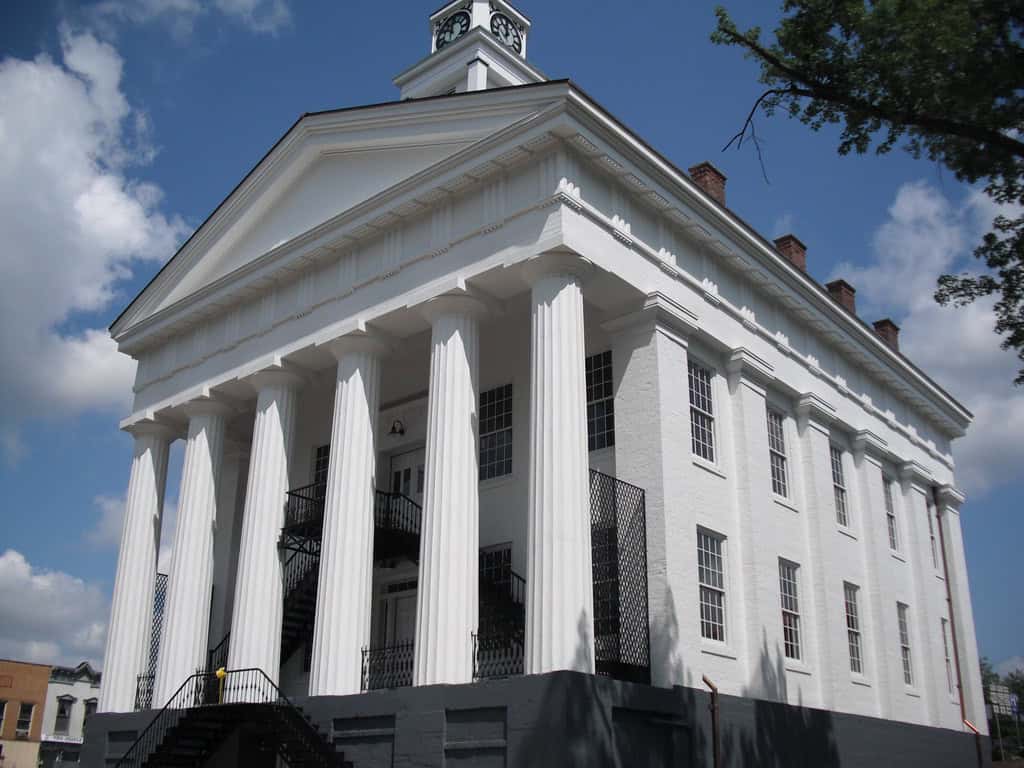
©"Orange County Courthouse, Indiana" by MT_Image is licensed under BY 2.0. - Original / License
Paoli, the seat of Orange County, was established in 1816 and has a history connected to the Quaker community and the Underground Railroad. Today, its courthouse square and surrounding countryside provide a quieter alternative to Indiana’s larger tourist destinations. One of the area’s better-known recreational attractions is Paoli Peaks, which offers skiing, snowboarding, and snow tubing during its winter operating season. The resort relies on snowmaking, and opening dates depend on conditions. Visitors interested in local history can also explore the town and nearby Pioneer Mothers Memorial Forest, which protects a remnant of southern Indiana’s original woodland.
7. Madison

©Wirestock Creators/Shutterstock.com
Madison sits along the Ohio River in southeastern Indiana and has one of the state’s most extensive collections of preserved historic buildings. Its downtown National Historic Landmark District covers approximately 133 blocks, with architecture reflecting the city’s importance as a river port and commercial center during the 19th century. Visitors can tour the Lanier Mansion State Historic Site, explore older residential streets, and visit museums focused on local history. The combination of riverfront scenery and preserved architecture makes Madison a particularly interesting stop for anyone who enjoys walking through historic neighborhoods.
7. Madison (continued)
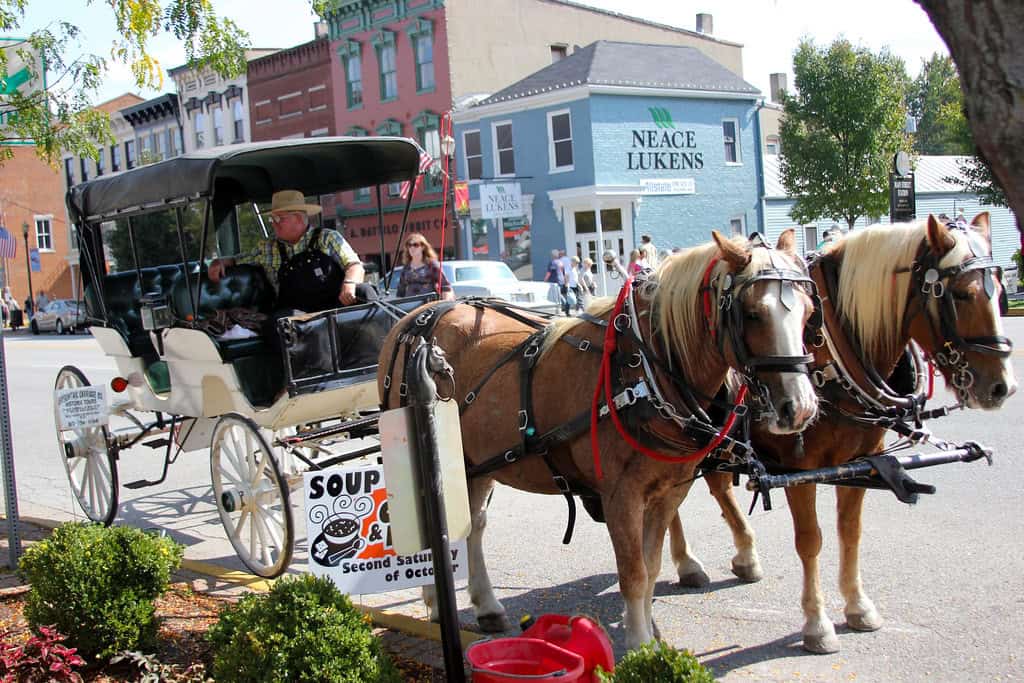
©"Horse-Drawn Carriage Rides-Madison, Indiana" by LuAnn Snawder Photography is licensed under BY-ND 2.0. - Original / License
Madison also offers several ways to explore its historic district beyond simply walking the streets. Broomtail Carriage Company lists horse-drawn carriage tours, although availability should be confirmed in advance. Visitors who prefer to explore on foot can browse locally owned shops, restaurants, and galleries along Main Street. The riverfront is another worthwhile stop, particularly for those interested in the Ohio River’s role in the city’s development. With so much of the original streetscape still standing, the architecture is a major part of the visit.
8. Corydon
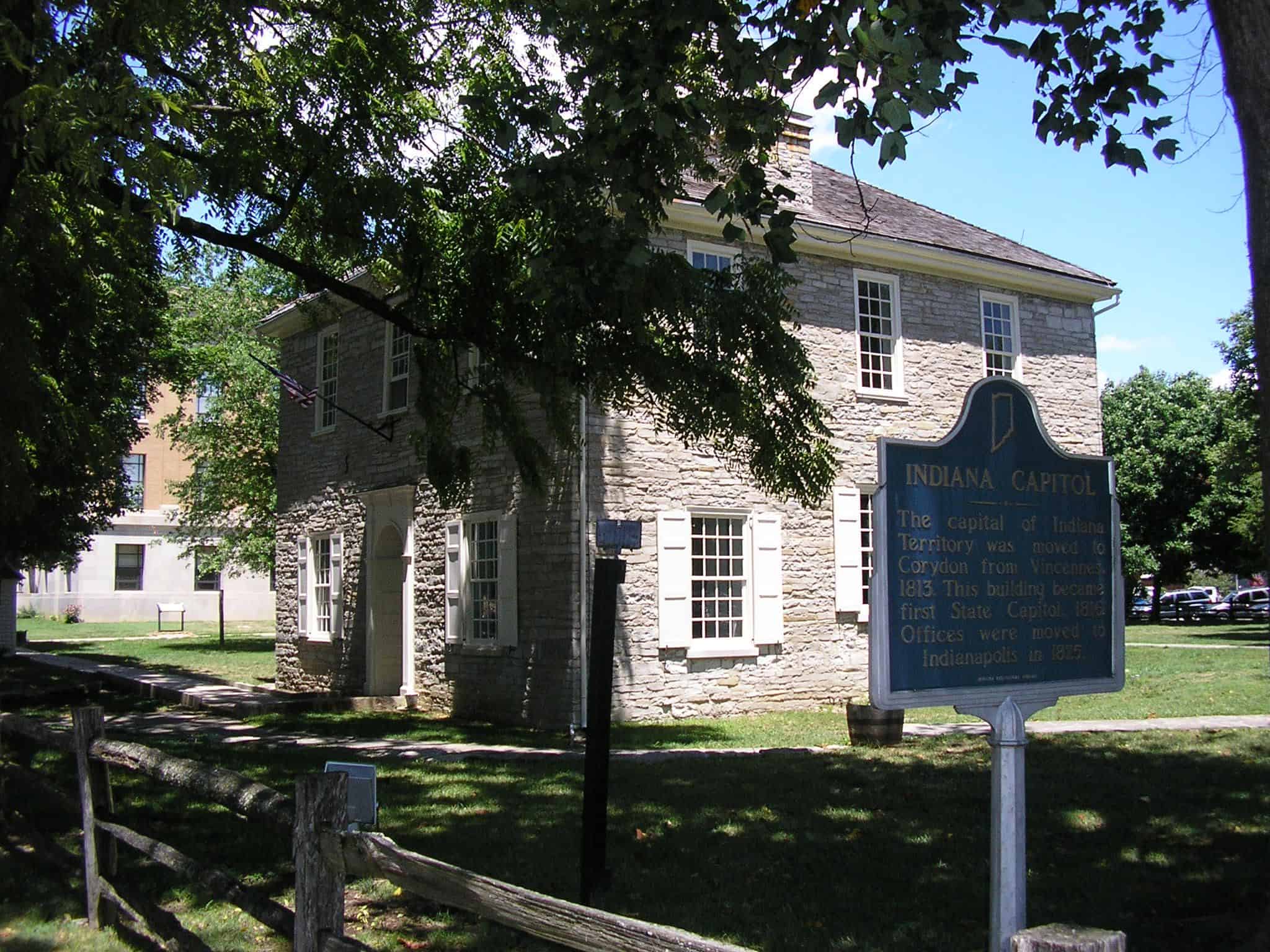
©"Corydon old capitol" by W.marsh is licensed under BY-SA 3.0. - Original / License
Before Indianapolis became Indiana’s capital, that job belonged to Corydon. The southern Indiana community served as the state’s first capital from 1816 until 1825, and its original capitol building still stands downtown. Delegates also gathered here in 1816 to draft Indiana’s first constitution. Today, visitors can tour the Corydon Capitol State Historic Site and explore the surrounding historic district. It’s one of the more straightforward places to learn about Indiana’s early state government without having to piece together the history from scattered markers.
8. Corydon (continued)
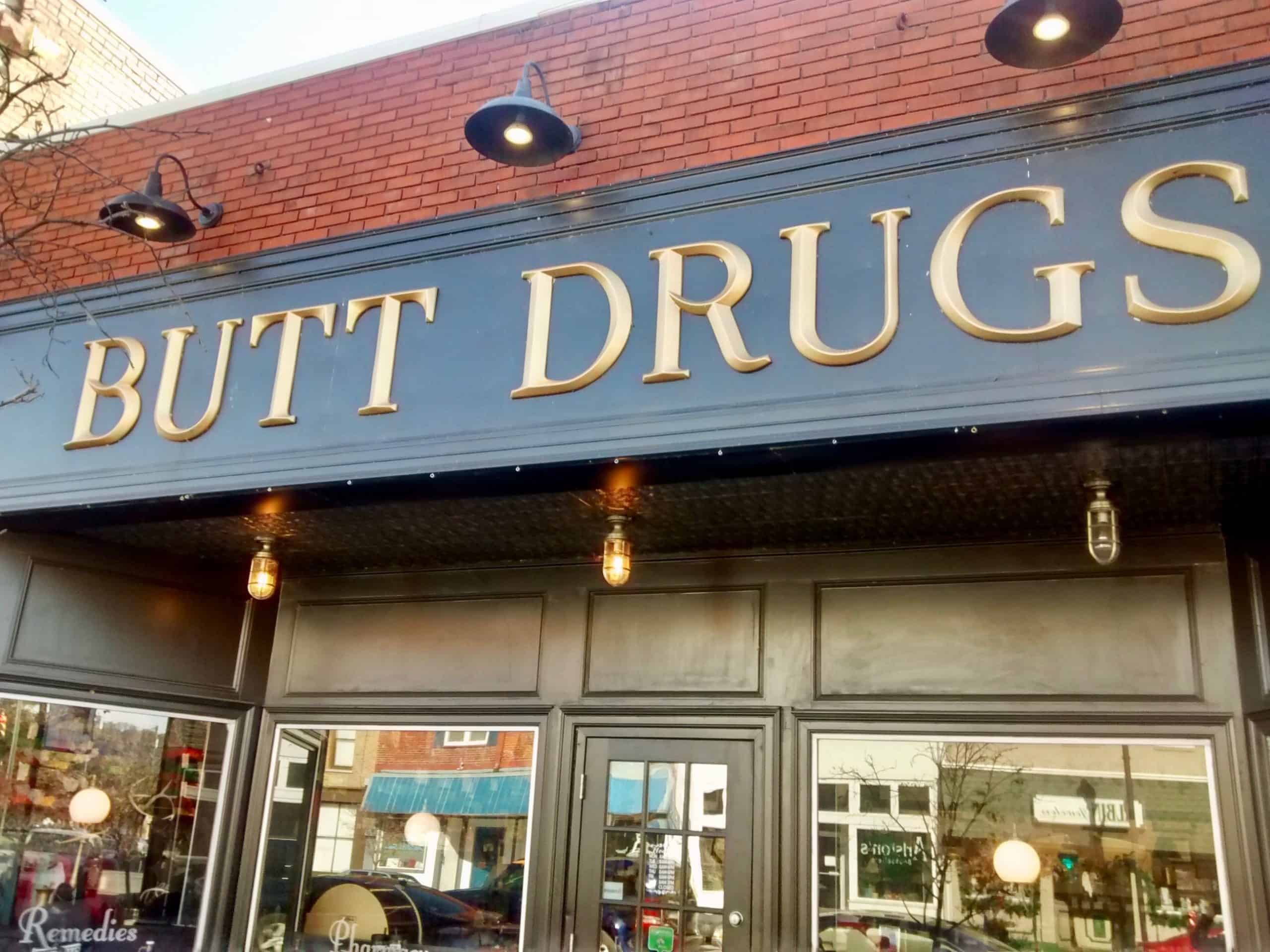
©"File:Butt Drugs (Store Front).jpg" by Bildflut is licensed under CC0 1.0. - Original / License
Not every piece of Corydon’s history involves state politics. The Leora Brown School, established in 1891 as a school for Black children, is another important part of the community’s story. Then there’s Butt Drugs, the family-owned pharmacy whose unfortunate name and memorable advertising made it something of a regional celebrity. The business operated for 71 years before closing in 2023, so it’s no longer a stop for visitors. Still, its history is a reminder that the character of a town comes from its local institutions as much as its official landmarks.

