
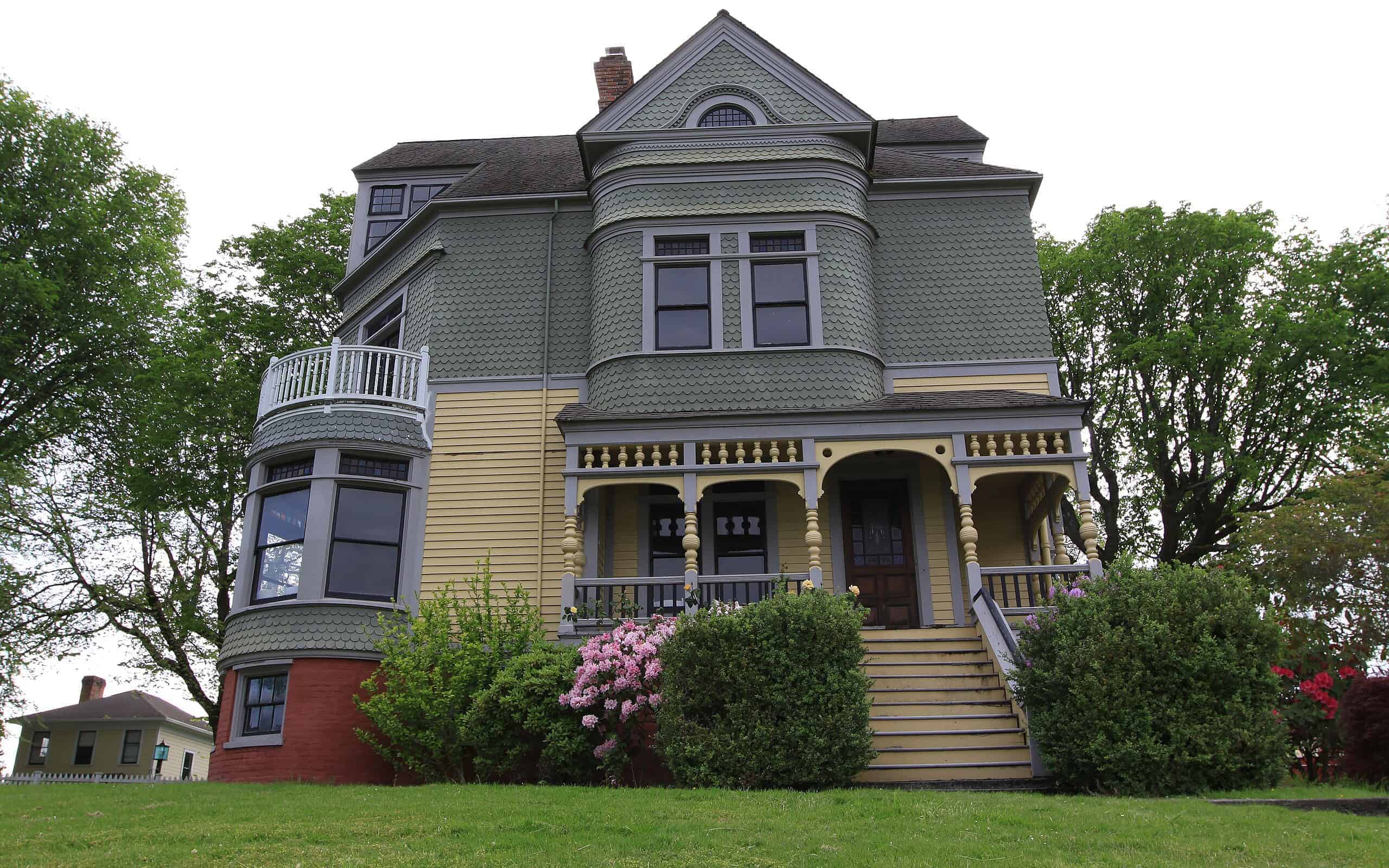
Washington State packs a remarkable amount of history into its landscape. Beyond its dramatic coastline, mountain ranges, and active volcanoes, the state is home to 24 National Historic Landmarks. They range from archaeological sites and preserved company towns to Victorian seaports and some of the most recognizable places in Mount Rainier National Park.
In this guide, Seattle Travel highlights five of the most fascinating. Some are easy to explore in person, while one, Marmes Rockshelter, now sits underwater. Together, they offer a deeper look at Washington’s history and a few good reasons to get out and see more of the state.
5. Marmes Rockshelter (Franklin County)
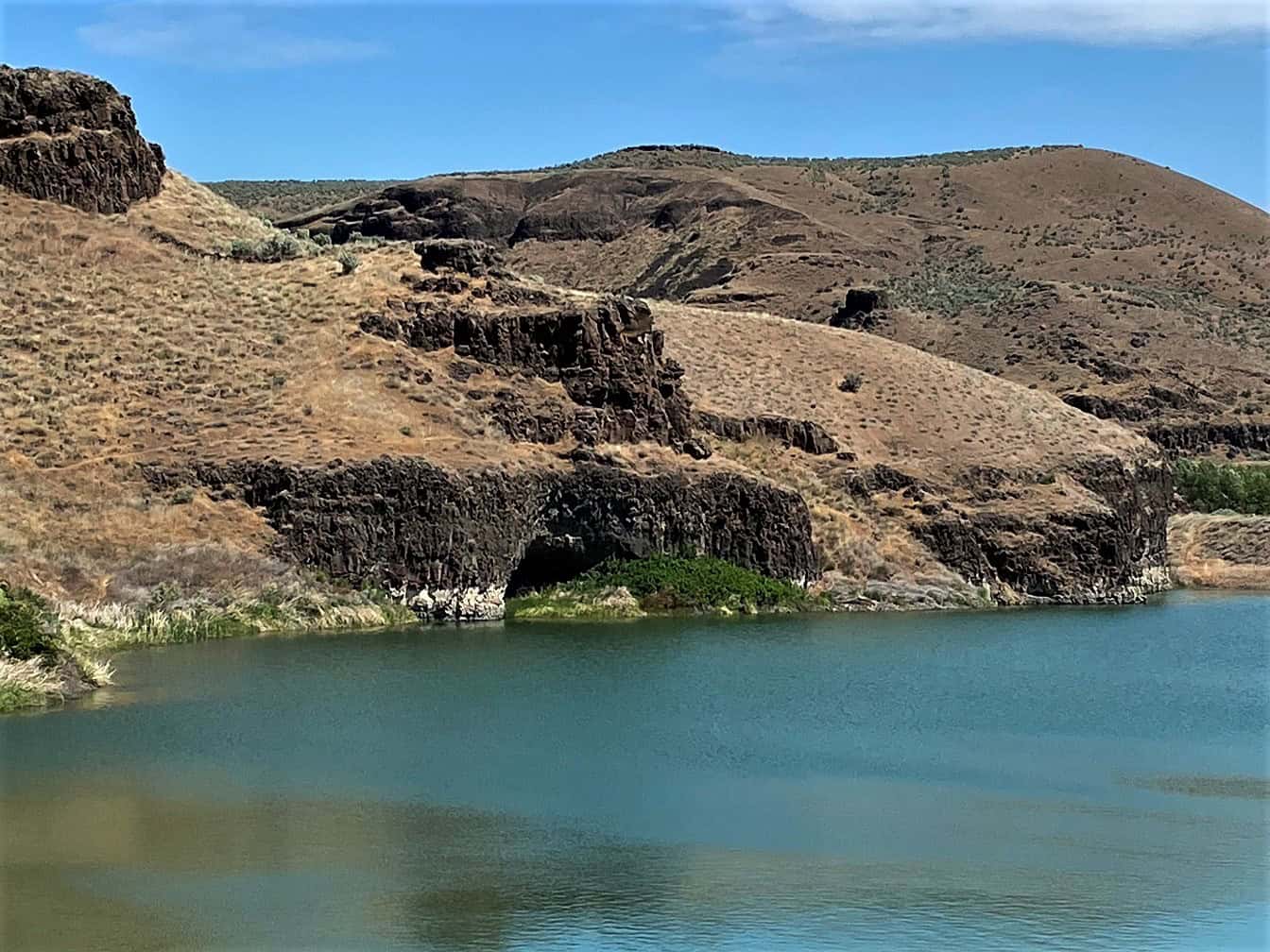
©"Marmes Rockshelter NRHP 66000745 Franklin County, WA" by Jon Roanhaus is licensed under BY-SA 4.0. - Original / License
Marmes Rockshelter is one of the most significant archaeological sites in the Pacific Northwest, preserving a record of human use stretching back roughly 11,000 years. Washington State University archaeologist Richard Daugherty first explored the lower Palouse River area in 1952 after local rancher John McGregor showed him several caves and rockshelters, including one on land owned by Roland Marmes. Daugherty returned with WSU colleagues in 1962 and began excavating the site, eventually uncovering hundreds of artifacts, storage pits, and human burials.
5. Marmes Rockshelter (Franklin County)
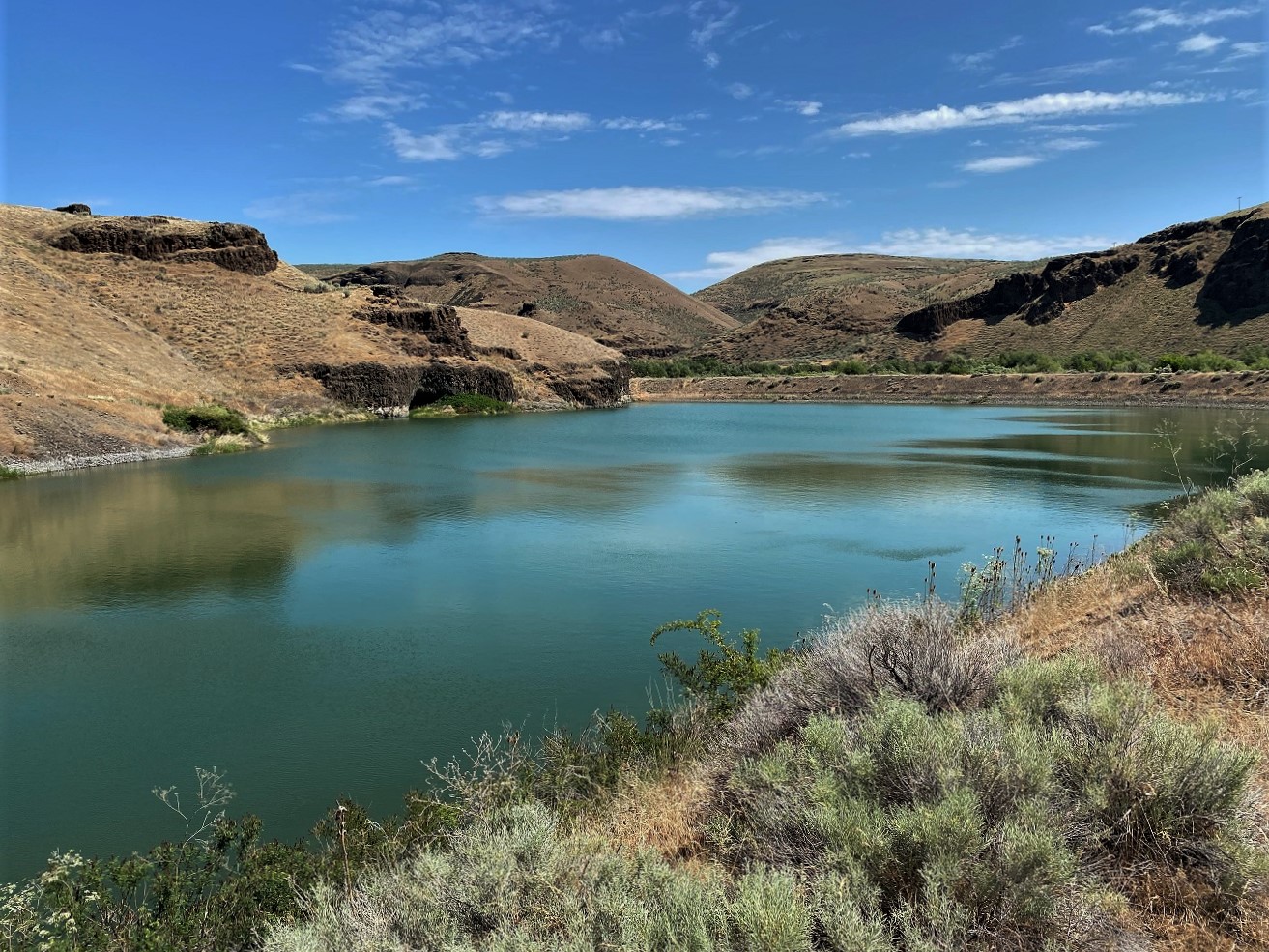
©"Palouse Canyon Archaeological District3 NRHP 84000464 Franklin County, WA" by Jon Roanhaus is licensed under BY-SA 4.0. - Original / License
The excavation became a race against time because construction of Lower Monumental Dam would eventually flood the canyon. Researchers found evidence that people had used the site for shelter, storage, and burial over thousands of years. Later work in the floodplain uncovered human remains more than 10,000 years old. President Lyndon B. Johnson authorized funding for a protective coffer dam, but permeable gravel beneath the site allowed water to seep through. When Lower Monumental Dam closed in February 1969, the reservoir rose and Marmes Rockshelter was submerged.
Why You Should Visit Marmes Rockshelter
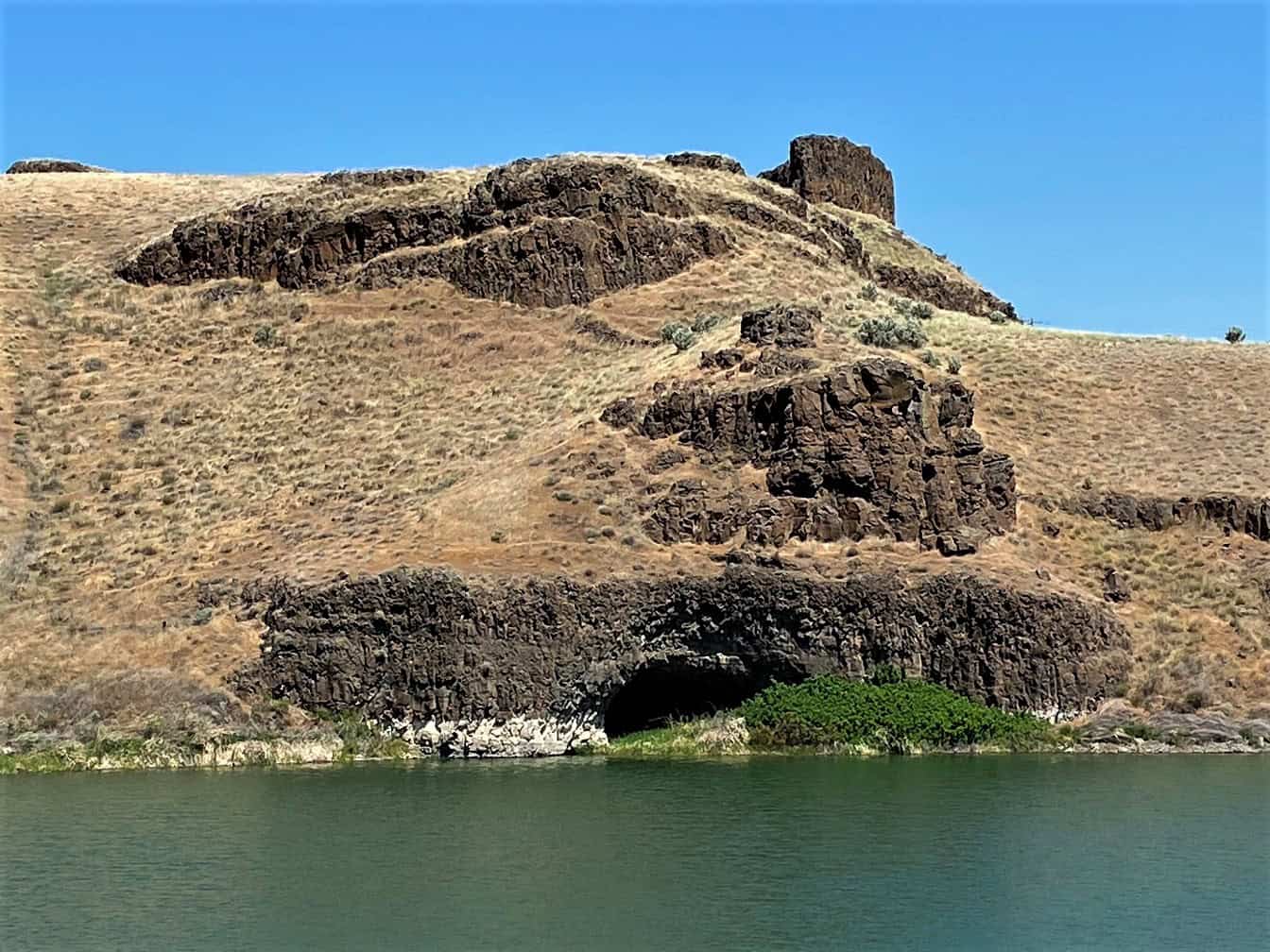
©"Marmes Rockshelter2 NRHP 66000745 Franklin County, WA" by Jon Roanhaus is licensed under BY-SA 4.0. - Original / License
Visiting Marmes Rockshelter itself is impossible today because the site is underwater. Still, its story makes the surrounding Snake and Palouse river landscape especially interesting for anyone drawn to Washington history. Marmes Rockshelter was designated a National Historic Landmark in 1964, years before the reservoir submerged it. This one is less about walking through historic ruins and more about appreciating just how much history is hidden beneath the landscape.
4. Port Gamble Historic District (Kitsap County)
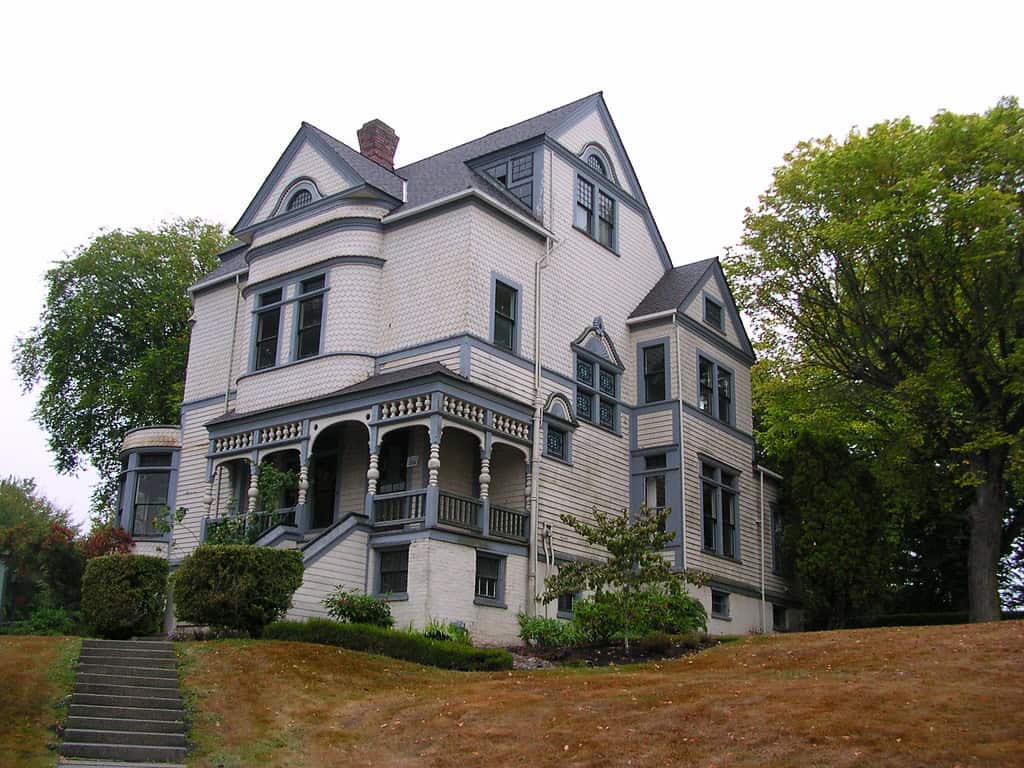
©"Walker-Ames House Port Gamble, Washington Front View" by brewbooks is licensed under BY-SA 2.0. - Original / License
Port Gamble sits on the Kitsap Peninsula along Hood Canal and encompasses a 120-acre National Historic Landmark district. The sawmill established there in 1853 operated continuously until November 30, 1995, making it the oldest continuously operating sawmill in the United States at the time it closed. The company town that grew around the mill reflected the New England roots of its founders, and many of its historic homes and civic buildings remain today.
Why You Should Visit Port Gamble
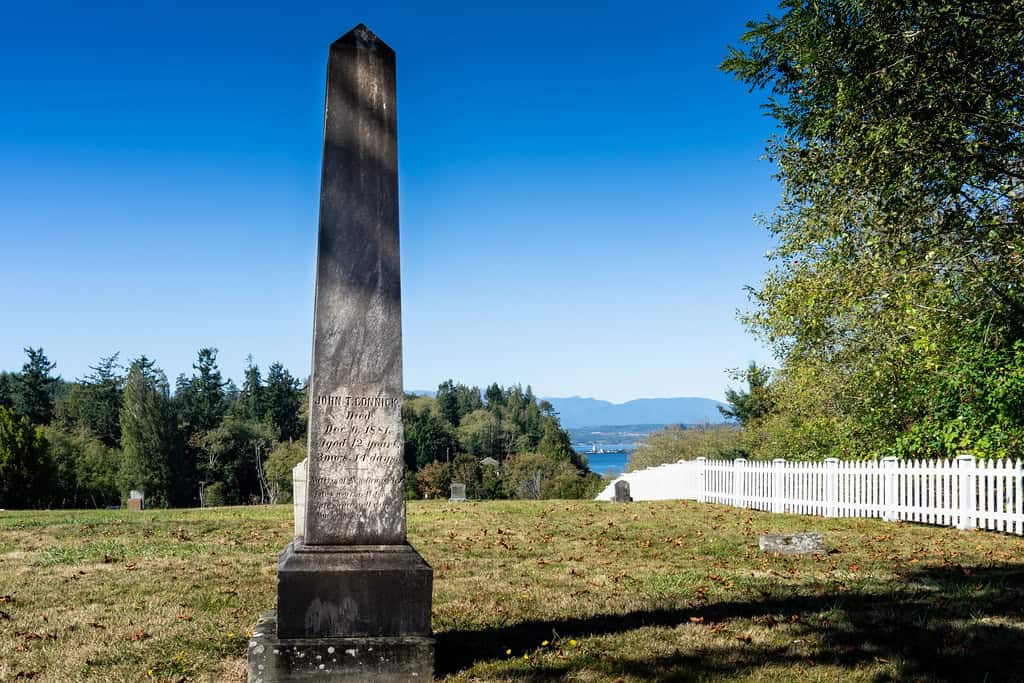
©"Port Gamble, WA - USA / 0929/2020 - Headstone Markers in Historic Graveyard" by ShebleyCL is licensed under BY 2.0. - Original / License
Port Gamble is one of Washington’s clearest surviving examples of a 19th-century mill company town. Visitors can walk among New England-style homes, see historic St. Paul’s Church, stop by the Port Gamble Historic Museum, and explore the town’s shops and restaurants. It is one of those places where the history is not tucked away behind a museum wall. Much of it is still sitting right along the street.
3. Port Townsend (Jefferson County)
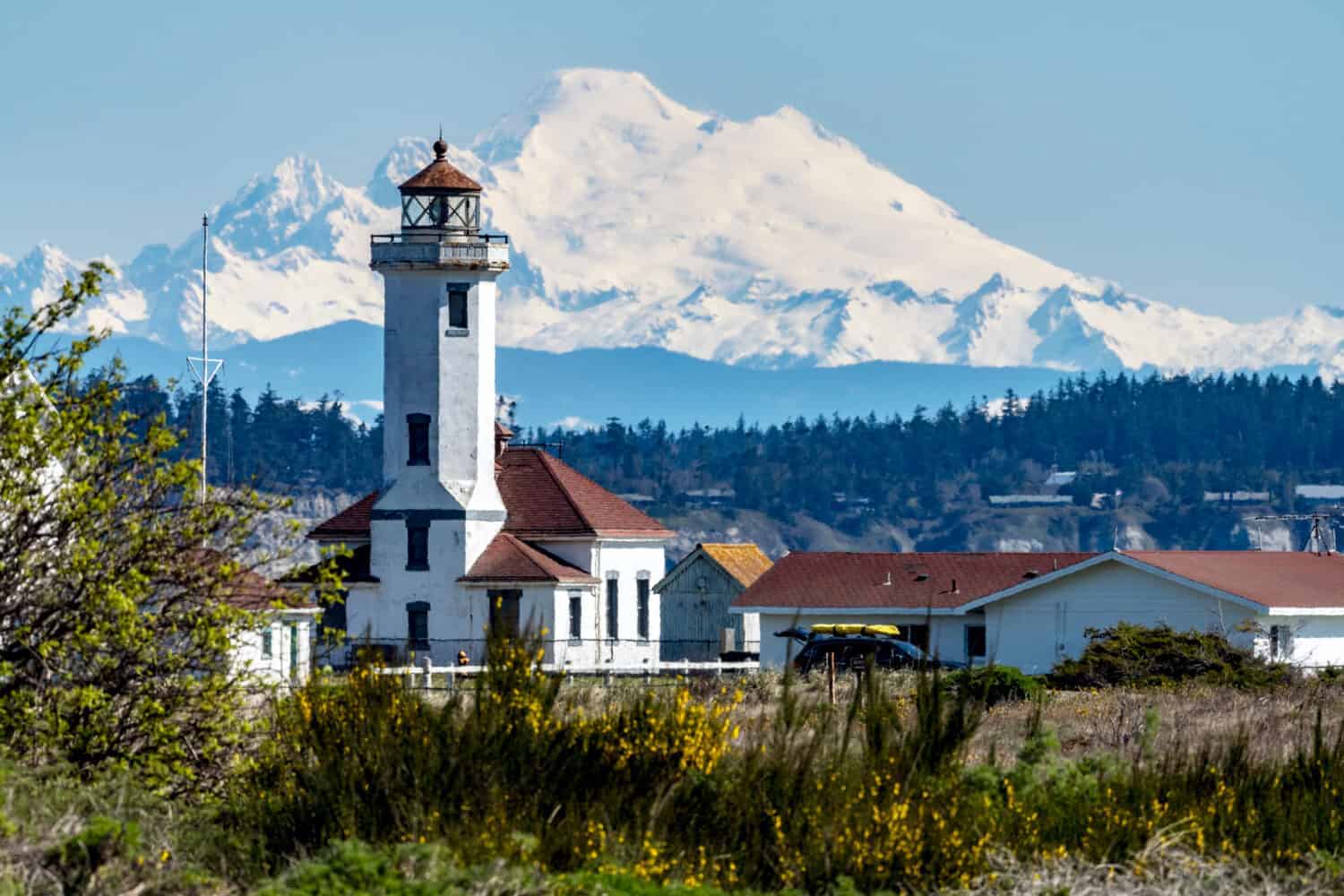
©Dene' Miles/Shutterstock.com
The Port Townsend Historic District covers much of the city’s historic waterfront, downtown, and residential bluff at the northeastern tip of the Olympic Peninsula. Port Townsend grew as an important maritime community during the 19th century, then entered a major building boom during the 1880s and early 1890s. Much of that optimism centered on plans for a railroad connection to the rest of the country. Union Pacific began work on a line intended to connect Port Townsend with Portland, but the project collapsed before the route was completed.
3. Port Townsend (Jefferson County)
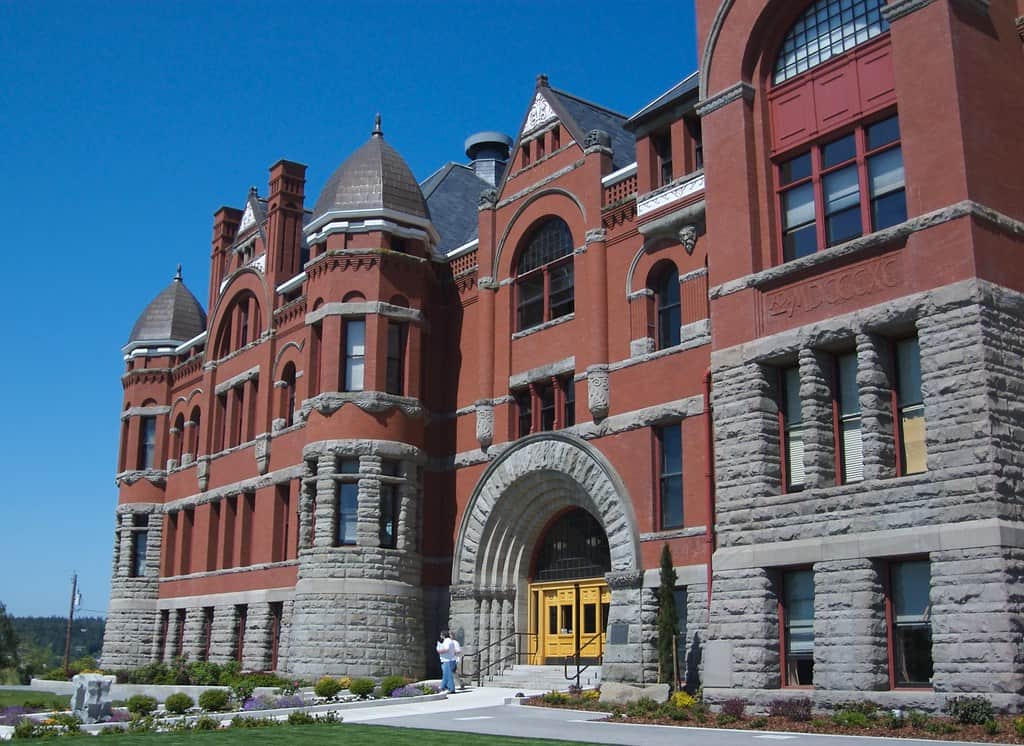
©"Jefferson County Courthouse" by A.Davey is licensed under BY 2.0. - Original / License
The boom left Port Townsend with an unusually intact collection of late-Victorian commercial buildings and homes. Preservation efforts picked up in 1961, when Seattle architect Victor Steinbrueck spoke to local residents about the value of protecting the city’s architecture. Port Townsend held its first Homes Tour in January 1963, drawing nearly 2,000 people when organizers had expected only a few hundred. The historic district was added to the National Register of Historic Places in 1976 and designated a National Historic Landmark the following year.
Why You Should Visit Port Townsend
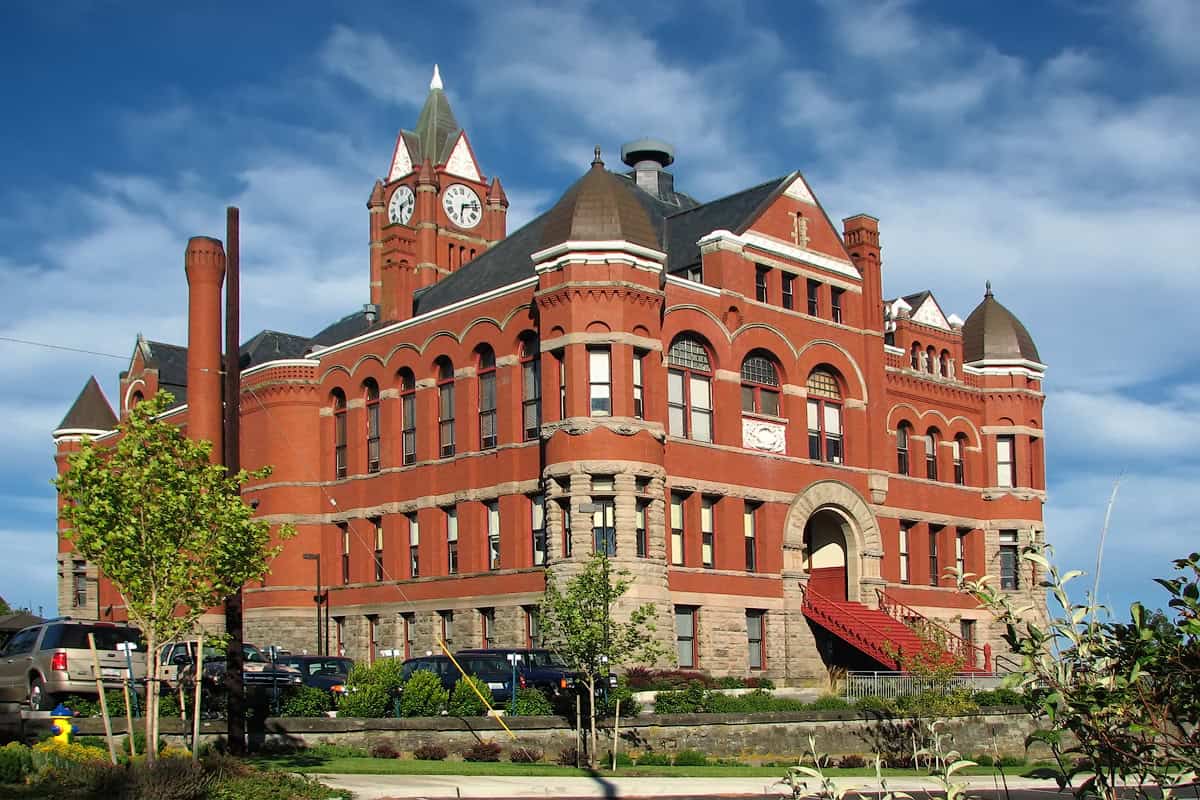
©"File:Jefferson County Courthouse in Port Townsend, WA.jpg" by Steven Pavlov is licensed under BY-SA 3.0. - Original / License
Port Townsend gives you a lot more than old buildings. The historic downtown is packed with Victorian architecture, local shops, restaurants, galleries, and a thriving arts scene. You can also head to Fort Worden and Point Wilson Lighthouse, browse the Port Townsend Farmers Market in season, or simply walk downtown and take in the waterfront. It is an easy place to spend a day without running out of things to look at.
2. Mount Rainier National Park (Pierce and Lewis Counties)
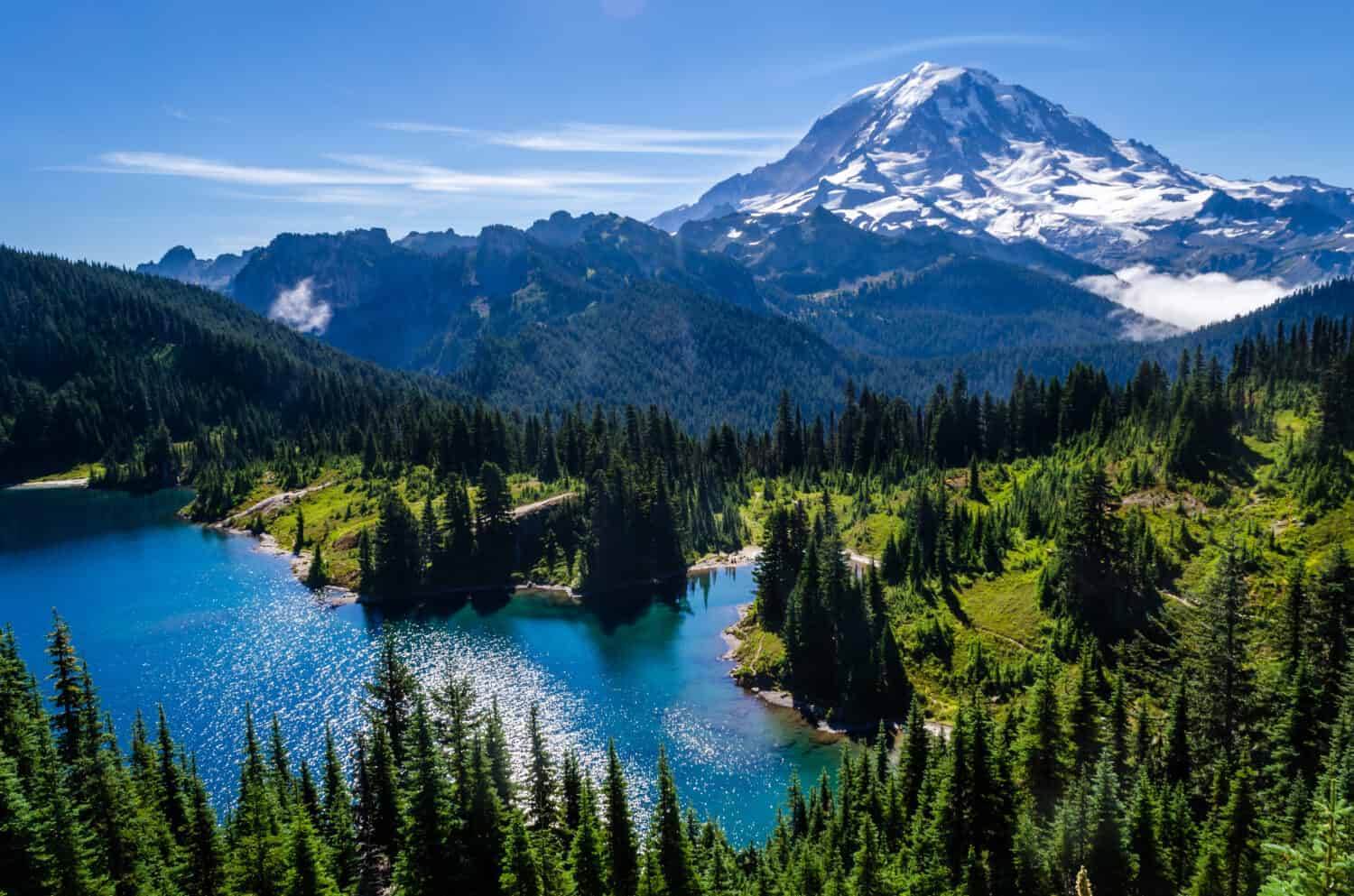
©KYPhua/Shutterstock.com
Mount Rainier became America’s fifth national park on March 2, 1899. Located in west-central Washington in Pierce and Lewis counties, the park covers about 236,381 acres. Its centerpiece is 14,410-foot Mount Rainier, the highest peak in the Cascade Range and an active volcano that dominates the surrounding landscape.
Why You Should Visit Mount Rainier

©"Mount Rainier, Washington State" by Harold Litwiler, Poppy is licensed under BY-ND 2.0. - Original / License
Mount Rainier National Park offers hiking, climbing, camping, scenic drives, and plenty of places where simply stopping to look around is enough. The park has more than 260 miles of maintained trails winding through old-growth forests, river valleys, and subalpine meadows. Wildflower season usually ramps up in mid-July, with many meadows reaching their most impressive displays in July and August.
1. Paradise Inn (Pierce County)
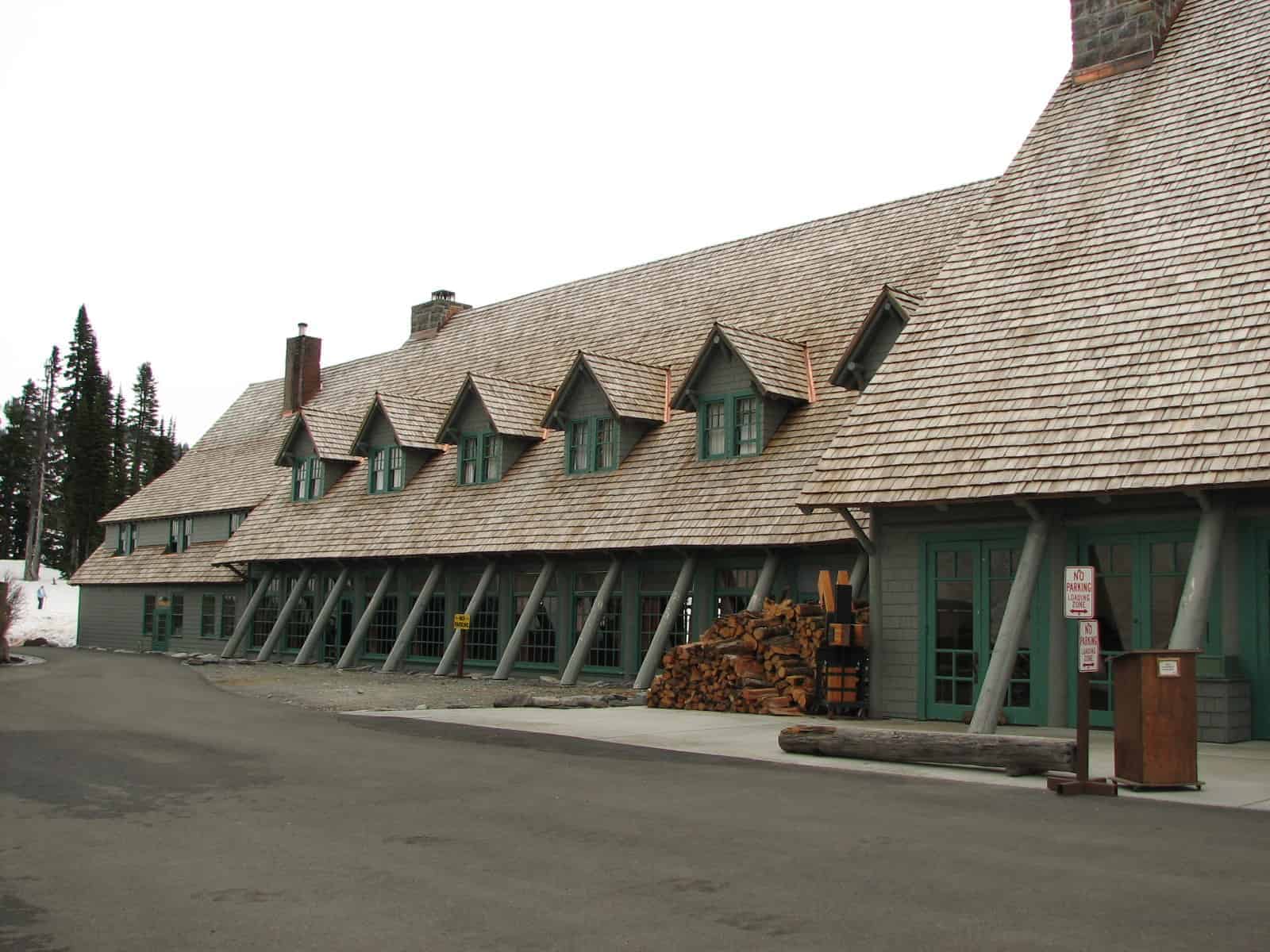
Paradise Inn opened on July 1, 1917, with 37 guest rooms. Today, the historic lodge has 121 rooms along with its dining room, café, gift shop, and dramatic timber-framed lobby. Carpenter Hans Fraehnke created many of the distinctive furnishings, including the cases for the inn’s 14-foot clock and rustic piano. Guest rooms intentionally skip modern amenities such as internet, televisions, and telephones.
1. Paradise Inn (Pierce County)
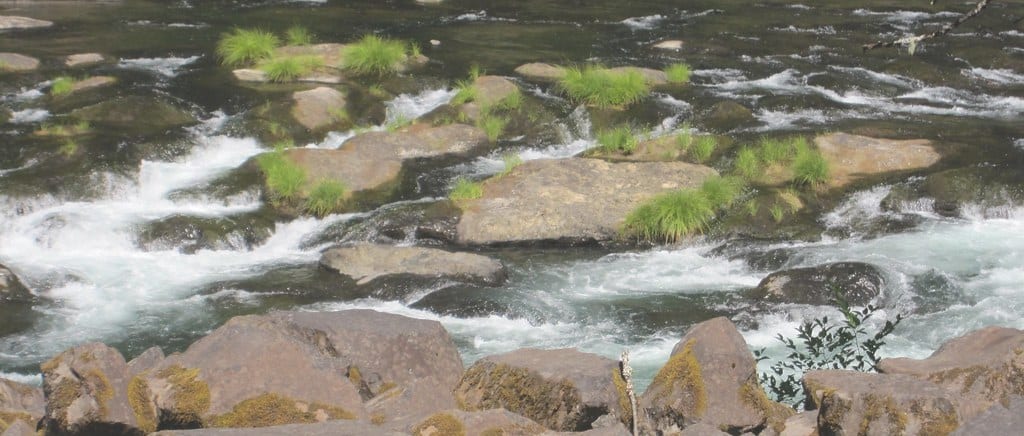
©"Clack Headwaters Carter Falls, photo by Robert Roth." by Forest Service Pacific Northwest Region is licensed under PDM 1.0. - Original / License
Long before Paradise Inn was built, John Reese operated summer tent camps at Paradise for visitors who wanted to eat and spend the night near the mountain. As roads improved and tourism increased, the Rainier National Park Company bought out Reese and began construction on a permanent lodge in 1916. Paradise Inn opened with 37 rooms the following summer, and a major annex completed in 1920 added 104 more. The building has undergone substantial rehabilitation over the decades, but the National Park Service has worked to preserve the historic character that made it famous.
Why You Should Visit Paradise Inn
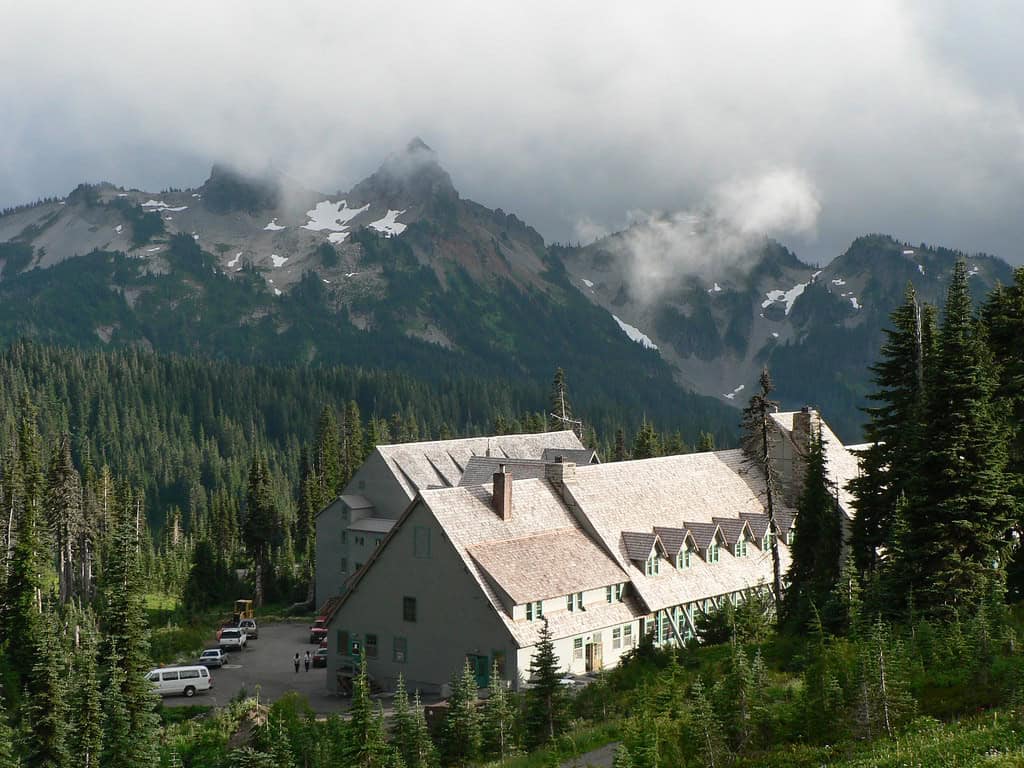
©"Paradise Inn sunshine" by Mount Rainier NPS is licensed under BY 2.0. - Original / License
If you want to disconnect for a while and experience Mount Rainier without giving up a roof and a bed, Paradise Inn is hard to beat. The lodge puts you right in the historic Paradise area, surrounded by mountain views and within easy reach of trails, wildflower meadows, waterfalls, and some of the park’s most popular scenery.

