
International travel can get expensive almost anywhere if you try hard enough. Upgrade the hotel, eat every meal in a tourist district, add a few private tours, and suddenly the credit card is having a vacation of its own. Some destinations, though, start getting pricey before you add any of the fancy stuff.
Switzerland, Iceland, Denmark, Bhutan, and the Maldives all present different budgeting challenges. In one country it may be hotels and meals. In another, it is transportation. Bhutan actually builds a nightly tourism fee into the cost of visiting, while reaching a remote Maldivian resort can involve another flight or boat ride after your international trip is technically over.
None of that means these places are not worth visiting. It just means the math deserves a closer look before you book. Here are five spectacular destinations where costs can climb quickly, along with some of the reasons travelers wind up spending more than they expected.
1. Switzerland
©Rasto SK/Shutterstock.com
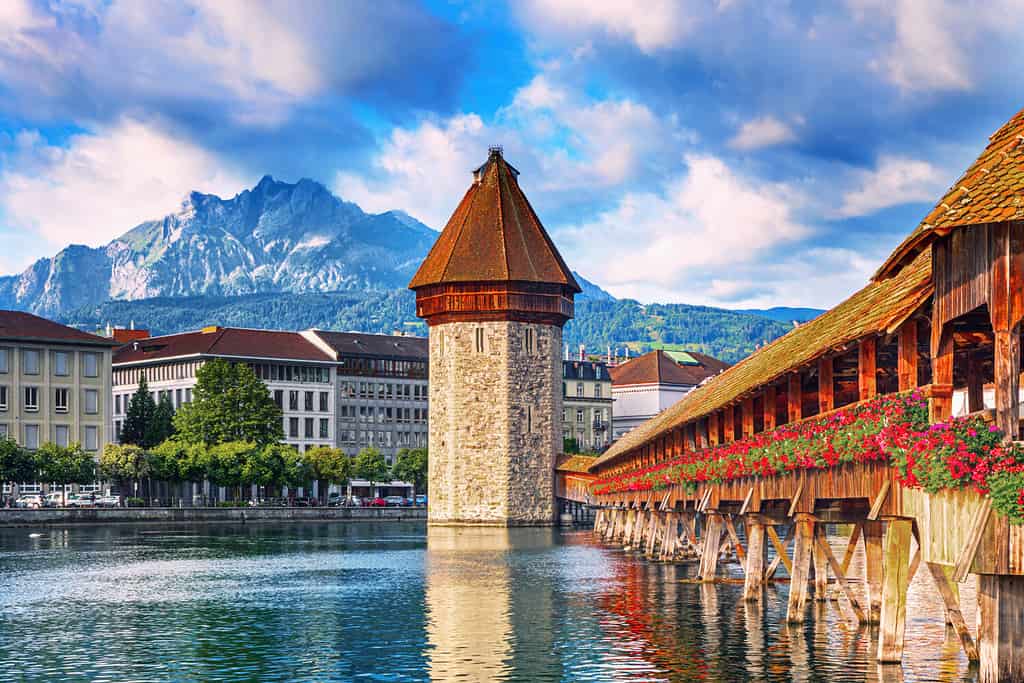
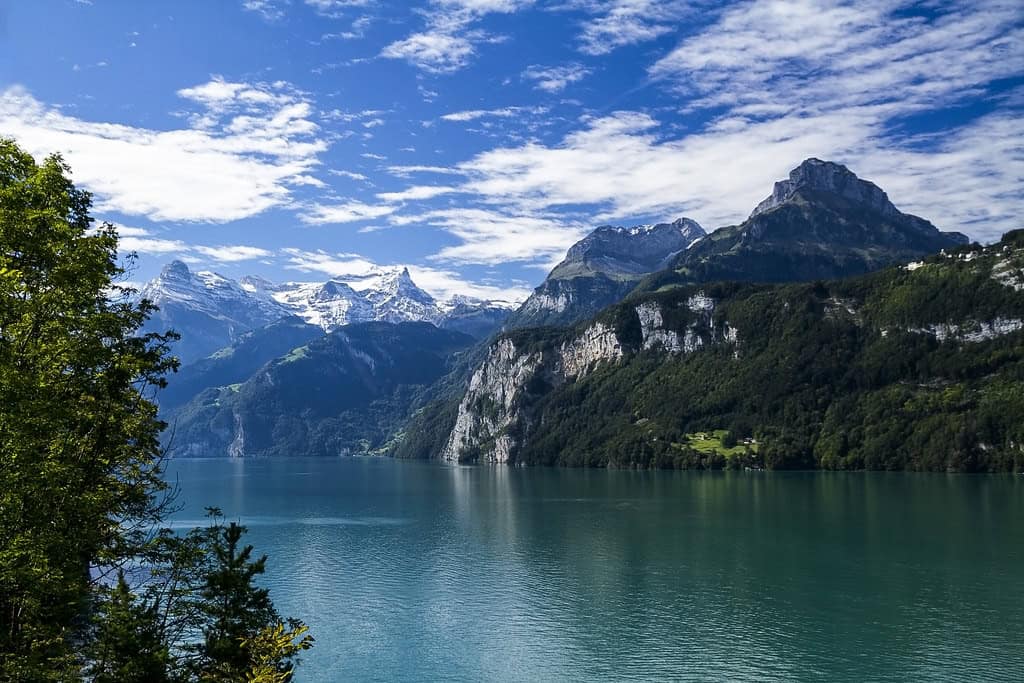
Switzerland is one of those places where the scenery can make you forget about the bill until the bill actually arrives. Alpine towns, lakefront cities, rail journeys, and mountain excursions are a huge part of the appeal, but everyday travel costs can be high. Switzerland Tourism says a visitor survey found average spending of CHF 100 to CHF 200 per day on meals and accommodation alone, before international travel. That does not mean the country is only for luxury travelers. Grocery-store meals, hostels, regional travel passes, and free hiking routes can keep costs under control, but hotels, restaurants, and famous mountain attractions can add up quickly.
©"Switzerland, Urner See" by Lex Kravetski is licensed under BY 2.0. – Original / License
The good news is that Switzerland is unusually easy to tailor to your budget. Travelers can spend heavily on panoramic trains, cable cars, ski resorts, and upscale hotels, or build a far cheaper trip around public transportation, walking, picnics, and outdoor scenery. The country’s rail network also makes it possible to stay outside some of the priciest resort centers and visit them during the day. The key is planning before you arrive. A casual meal, a mountain railway ticket, and a hotel in a popular destination can add up faster than many first-time visitors expect. Switzerland is absolutely doable without a luxury budget, but it rewards travelers who price the details in advance.
2. Iceland
©Getty Images
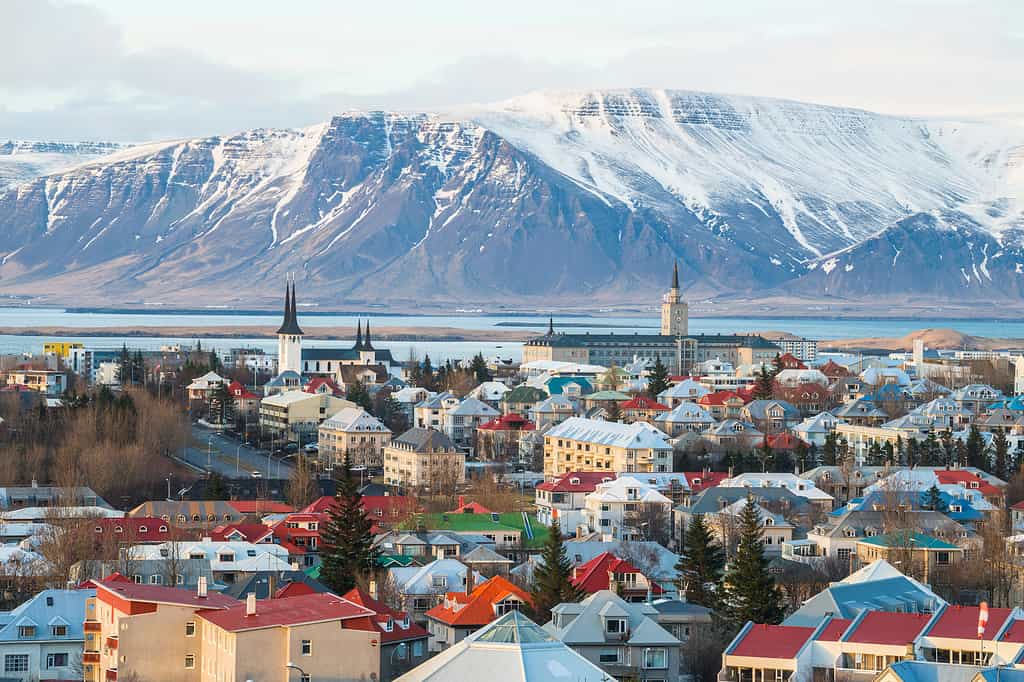
Iceland can feel wonderfully empty once you are outside Reykjavík, but traveling there is not especially cheap. The country’s small population and island geography contribute to higher costs for many goods, and official 2025 European price comparisons found food and nonalcoholic beverages in Iceland were 56% above the European Union average. Hotels, restaurant meals, rental cars, and fuel can push a road-trip budget higher than expected. The upside is obvious once you start exploring: waterfalls, lava fields, black-sand beaches, geothermal landscapes, and enormous stretches of scenery are everywhere. Plenty of natural sights do not require a traditional admission ticket, which helps offset some of the expense.
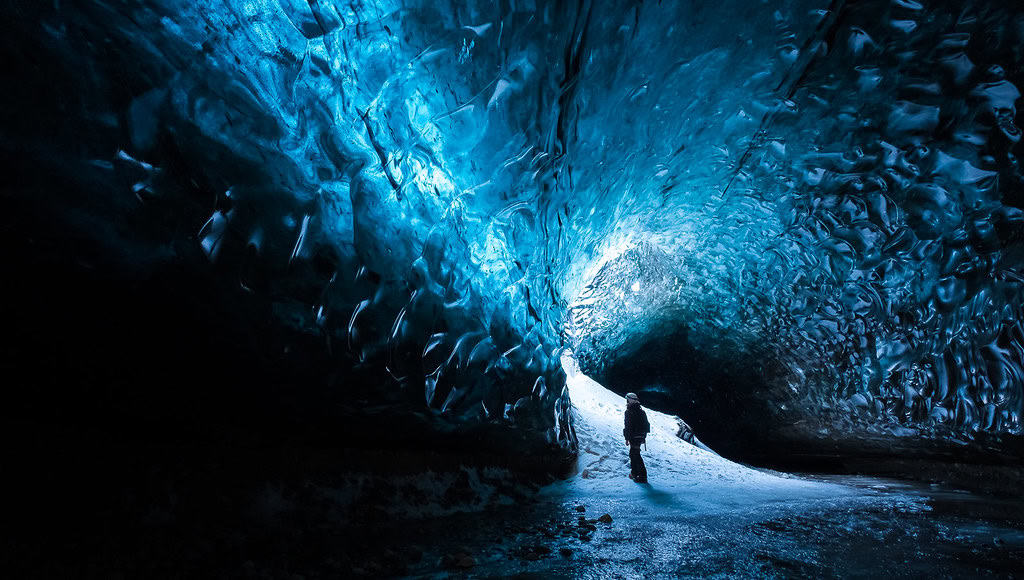
©"Lightroom Ice Cave – Iceland – Travel photography" by Giuseppe Milo (www.pixael.com) is licensed under BY 2.0. – Original / License
Iceland is a good example of a destination where the expensive part is often everything surrounding the attraction. You may pay nothing to stand in front of a waterfall or walk a dramatic coastal trail, then spend heavily on the rental car, fuel, lodging, and dinner that got you there. Travelers can keep the total down by booking accommodations with kitchens, shopping for some meals instead of eating exclusively in restaurants, and comparing transportation before committing to an itinerary. Many popular routes involve either renting a vehicle or joining an organized excursion. Iceland can still be worth every dollar, but all that free scenery should not fool anyone into assuming the trip itself will be inexpensive.
3. Denmark
©Getty Images
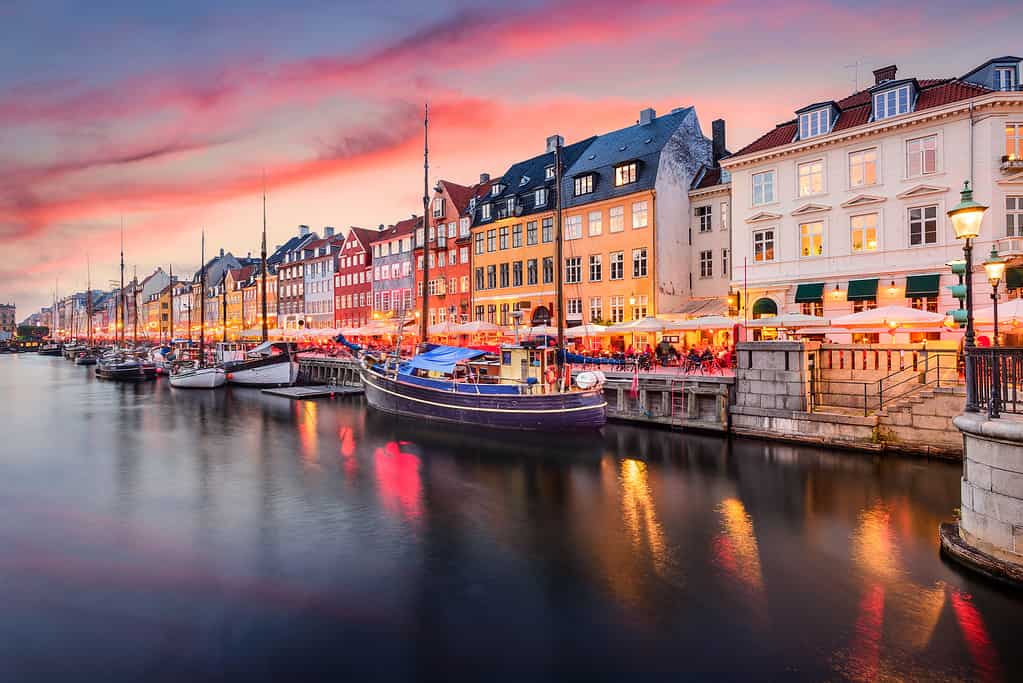
Denmark has a reputation for being expensive, and even the country’s official tourism organization acknowledges that Scandinavia is not known for bargain travel. Copenhagen is usually where visitors notice it most, especially when hotels, restaurant meals, drinks, and major attractions are stacked into the same day. Still, Denmark is not a place where every good experience requires an admission ticket. Historic neighborhoods, waterfront walks, parks, beaches, and cultural sights can fill plenty of time without blowing the budget. The smarter approach is to decide where you actually want to spend. A few expensive meals and attractions are easier to absorb when the rest of the day is built around walking, transit, and lower-cost food.
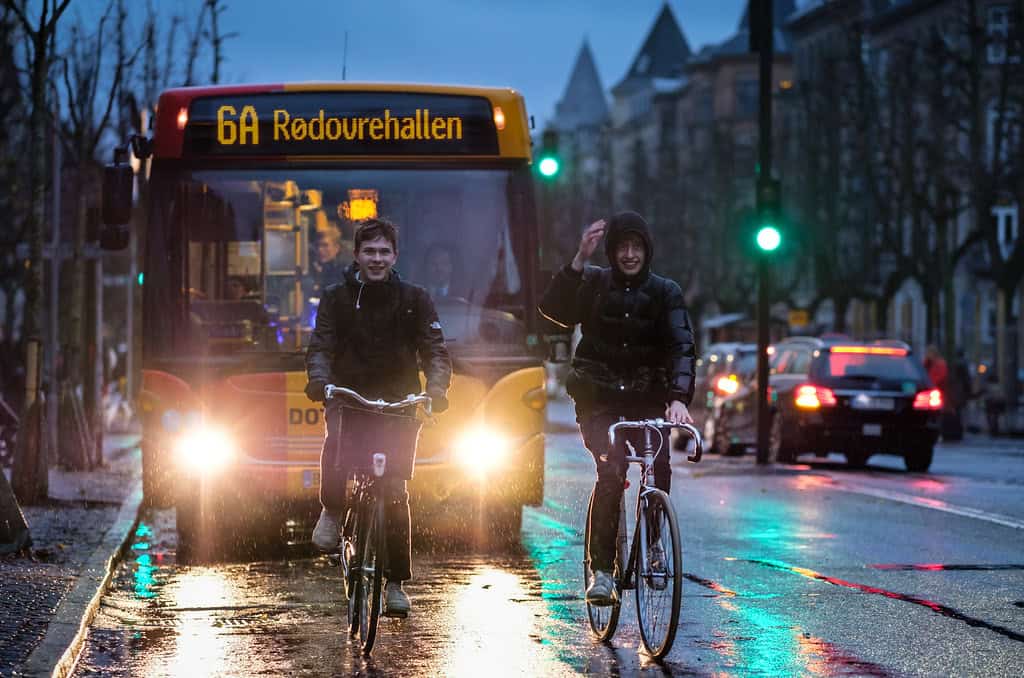
©"Bikes on Frederiksberg Allé in the Rain, Copenhagen, Denmark (København, Danmark)" by Kristoffer Trolle is licensed under BY 2.0. – Original / License
Denmark is also more budget-friendly than its reputation suggests if you travel with a plan. VisitDenmark specifically points travelers toward street-food markets, free attractions, and lower-cost ways to see Copenhagen and the rest of the country. Staying outside the most tourist-heavy parts of the capital can help, and Denmark’s trains make day trips practical without renting a car. What catches visitors off guard is not necessarily one outrageous charge but the accumulation of normal expenses at Danish price levels. Coffee, lunch, dinner, drinks, hotel nights, and attraction tickets can quietly turn a short city break into a costly one. Pick your splurges, and Denmark becomes much easier to manage.
4. Bhutan
©Getty Images
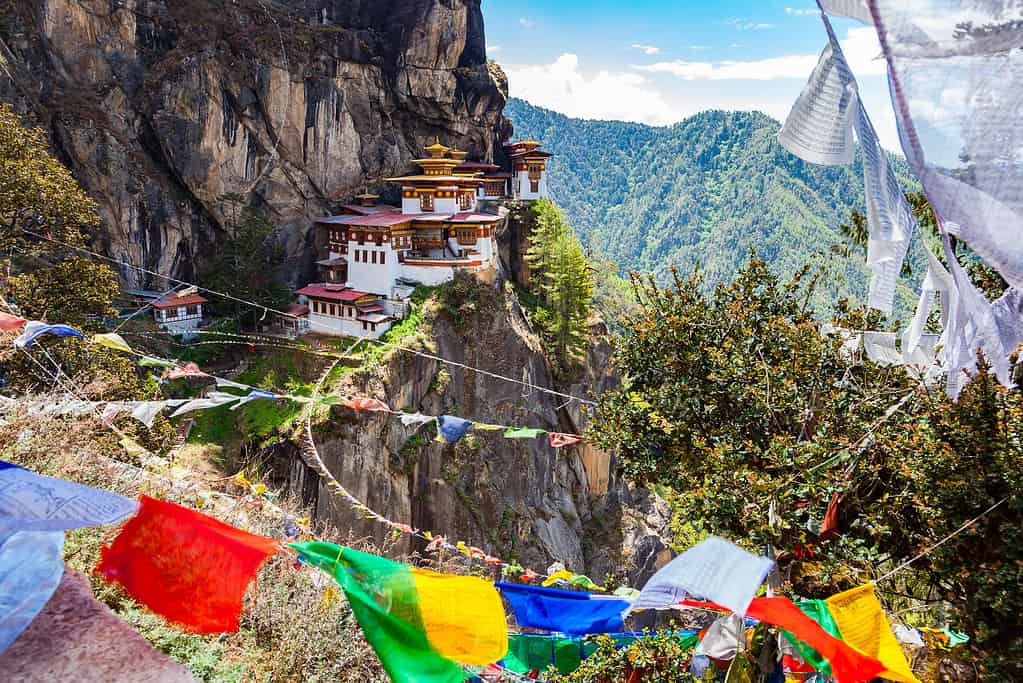
Bhutan is expensive for a different reason than the European countries on this list: part of the cost is built directly into national tourism policy. Most international adult visitors currently pay a Sustainable Development Fee of $100 per person, per night, in addition to lodging, transportation, meals, and other travel costs. Bhutan says the fee supports projects tied to infrastructure, conservation, education, cultural preservation, and other development goals. Visitors are also generally required to travel with a certified local guide while moving around the country. That makes Bhutan difficult to approach as a spontaneous bargain trip, but the system is intentional rather than an accidental side effect of high demand.

©"Bhutan – DochuLa Pass" by Göran Höglund (Kartläsarn) is licensed under BY 2.0. – Original / License
The old claim that every traveler must pay $200 a day is outdated. Bhutan’s current Sustainable Development Fee is $100 per adult per night for most international visitors, with different rules for Indian nationals and reduced rates for children. The fee is separate from hotels and most other trip expenses, so it becomes a meaningful part of the budget on a weeklong visit. A certified guide is also mandatory for tourists traveling around Bhutan, although travelers have more flexibility in choosing accommodations and service providers than under the old package system. This is one destination where comparing airfare alone tells you almost nothing. The real cost becomes clear only after the daily fee, guide, hotel, meals, and ground transportation are added together.
5. The Maldives
©Siraphob Werakijpanich/Shutterstock.com
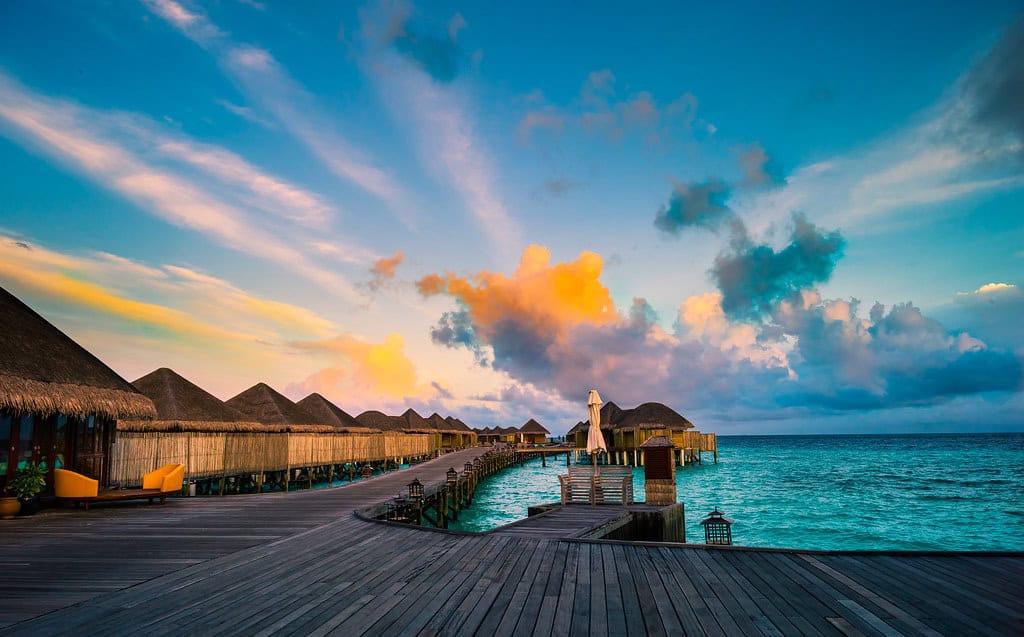
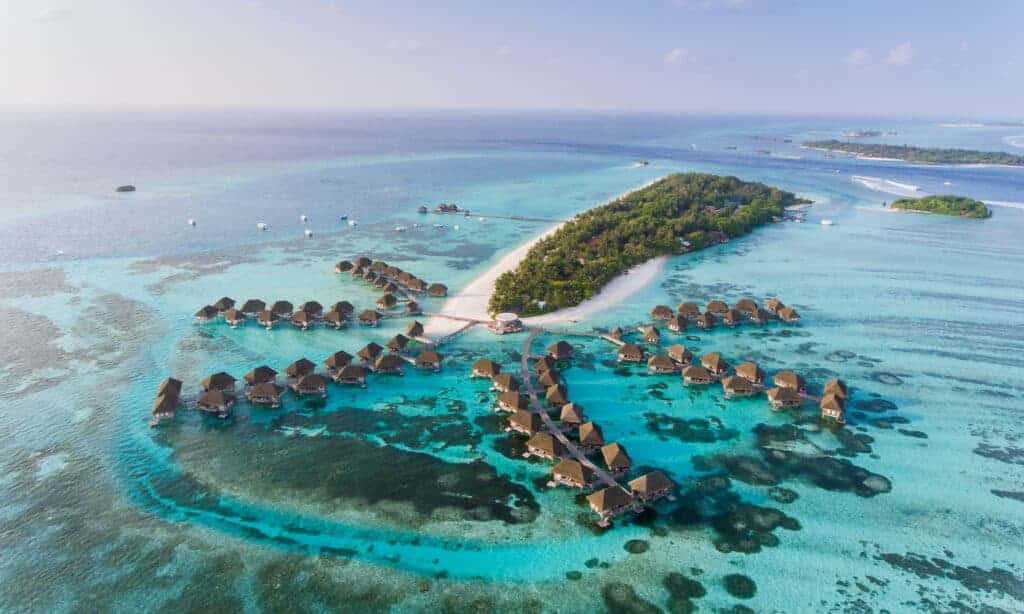
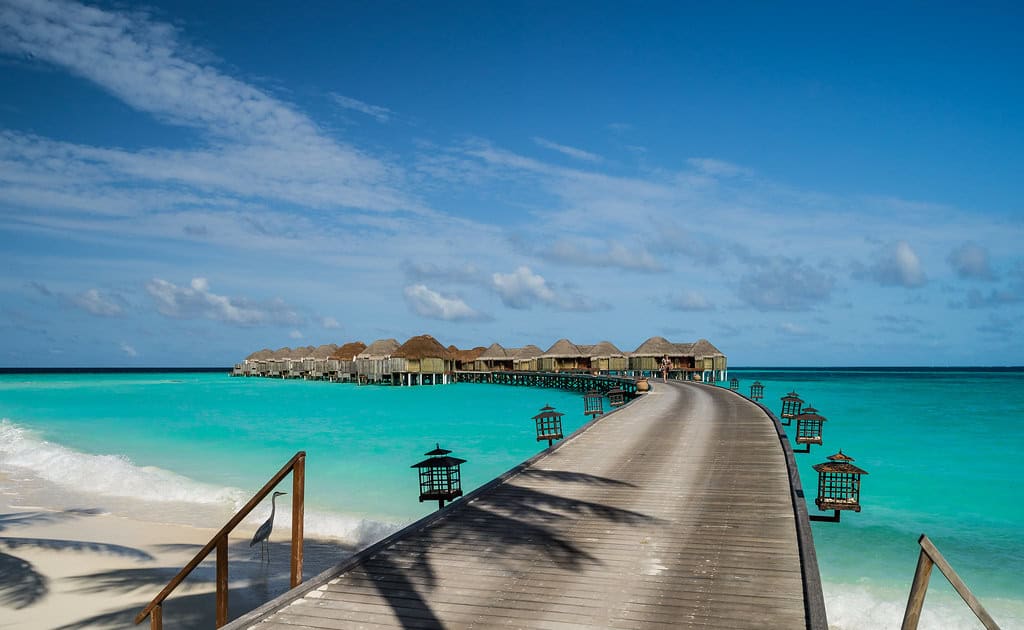
The Maldives is often pictured as a string of private-island resorts, but that is only part of the country’s tourism scene. The official tourism site lists hundreds of guesthouses along with resorts, hotels, and liveaboards, giving travelers far more choices than the classic overwater-villa image suggests. The expensive part is that many visitors still want the version of the Maldives they have seen in advertisements: a remote resort island, beachfront or overwater lodging, boat or seaplane transfers, diving, spa treatments, and resort dining. None of those are cheap by default. The country can be visited on a more moderate budget, especially on inhabited local islands, but the iconic resort experience can become expensive before extras are added.
©"Maldives (Constance Halaveli Resort & Spa)" by Mac Qin is licensed under BY-ND 2.0. – Original / License
Taxes and transfers can make a Maldives vacation climb even higher. The Maldives applies a 17% tourism-sector GST, and most resort guests also face a Green Tax of $12 per person per day, with lower Green Tax rates applying to certain smaller properties on inhabited islands. Then there is the question of getting from the international airport to your accommodation. Depending on the island, that may require a speedboat, domestic flight, or seaplane, and the transfer can be a substantial line item of its own. Travelers trying to keep costs reasonable should compare the total price, not just the nightly room rate. A cheaper room on a faraway island is not always cheaper once taxes, meals, and transportation are included.

