

Spending a few weeks or even several months exploring another country sounds pretty appealing, especially when you don’t have to deal with an expensive or complicated tourist visa application. Fortunately, Americans have quite a few options. Some countries allow U.S. passport holders to visit for 90 days without a visa, while others permit stays of six months or even an entire year. That’s plenty of time to explore somewhere beyond the usual weeklong vacation.
Of course, traveling without a visa doesn’t mean you can simply show up and stay as long as you’d like. Immigration officials may limit your visit, some countries require electronic arrival forms or proof of insurance, and certain medications or everyday items that are perfectly legal at home can create serious problems abroad. There’s also a difference between visiting a country for several months and actually being permitted to live or work there.
These 22 countries offer visa-free tourist entry for American passport holders, with permitted stays ranging from 30 days to one year. We’ve included some of the more important entry requirements, local laws, and practical details worth understanding before booking a trip. The information reflects rules available as of October 2026, and we’ve also identified one country that remains under a U.S. government Do Not Travel advisory. Since immigration policies and security conditions can change, always confirm the latest requirements with official authorities before departure.
Japan — Up to 90 Days Without a Visa

©"Osaka, Japan" by szeke is licensed under BY-SA 2.0. - Original / License
Japan has become an increasingly popular destination for American travelers, and it’s easy to understand why. Between Tokyo’s enormous entertainment districts, Kyoto’s historic temples, spectacular mountain scenery, and some of the best food you’ll ever eat, there’s enough to keep someone occupied for months. Fortunately, U.S. passport holders can visit for tourism or certain unpaid business activities without obtaining a visa in advance, provided their stay is within the permitted 90-day period.
One of the most important things to check before traveling is your medication. Japan has strict pharmaceutical import rules, and certain medications routinely prescribed in the United States, including Adderall, cannot legally be brought into the country even with a valid American prescription. Other medications may require advance authorization. Japan also has well-established social customs, including removing shoes in certain indoor spaces and being considerate of noise on public transportation. Those are cultural expectations rather than automatically criminal offenses, but they’re still worth understanding. For current entry requirements, consult the U.S. State Department’s Japan travel guidance.
Costa Rica — Up to 180 Days Without a Visa
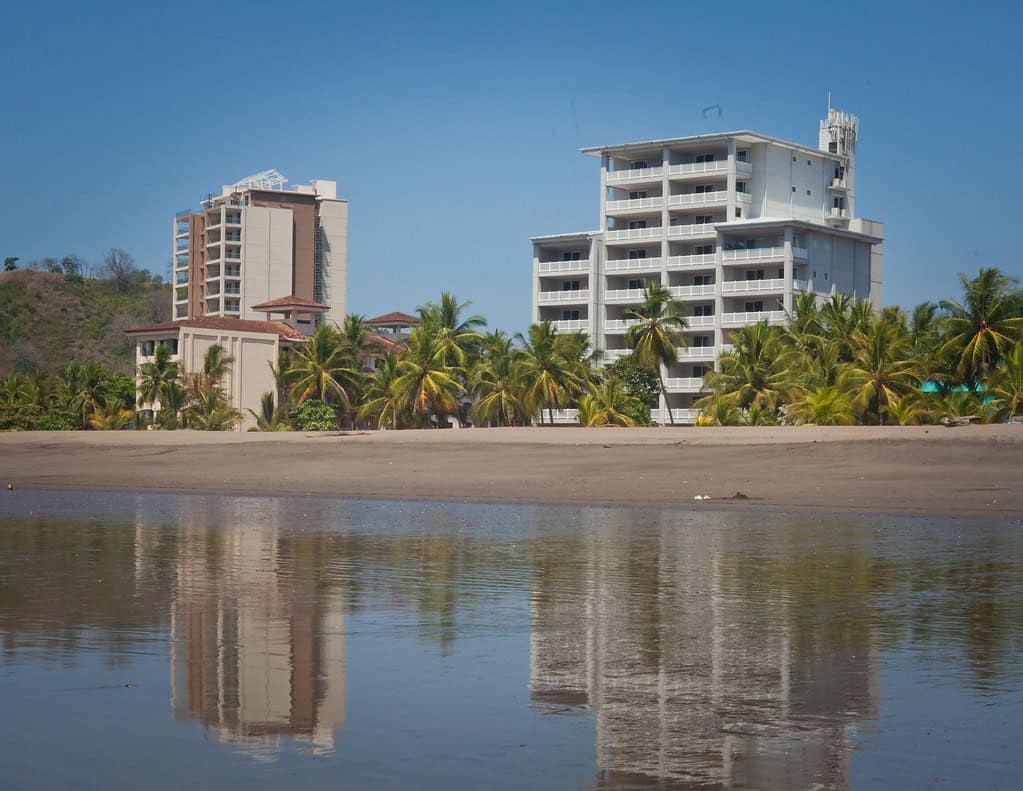
©"2013-01-29 Costa Rica - Beach-36.jpg" by gt8073a is licensed under BY 2.0. - Original / License
Costa Rica is one of those destinations where spending a week barely seems long enough to get started. Between its tropical rainforests, active volcanoes, Pacific beaches, and Caribbean coastline, there’s an impressive amount to explore in a relatively small country. The good news for American visitors is that Costa Rica now permits tourist stays of up to 180 days without a visa, a significant improvement over the 90-day limit many travelers may remember.
However, six months isn’t automatically guaranteed. Immigration authorities determine how long each visitor may remain in the country, and travelers need proof of onward or return transportation. Costa Rica also takes wildlife protection seriously, so visitors should follow national park regulations and avoid disturbing animals or removing natural materials from protected areas. Another important consideration is the country’s beaches, where powerful rip currents can create dangerous conditions even when the water looks inviting. Travelers should carry copies of their identification and immigration documents and make sure they leave before their authorized stay expires. The State Department’s Costa Rica guidance provides additional details.
Georgia — Up to One Year Without a Visa
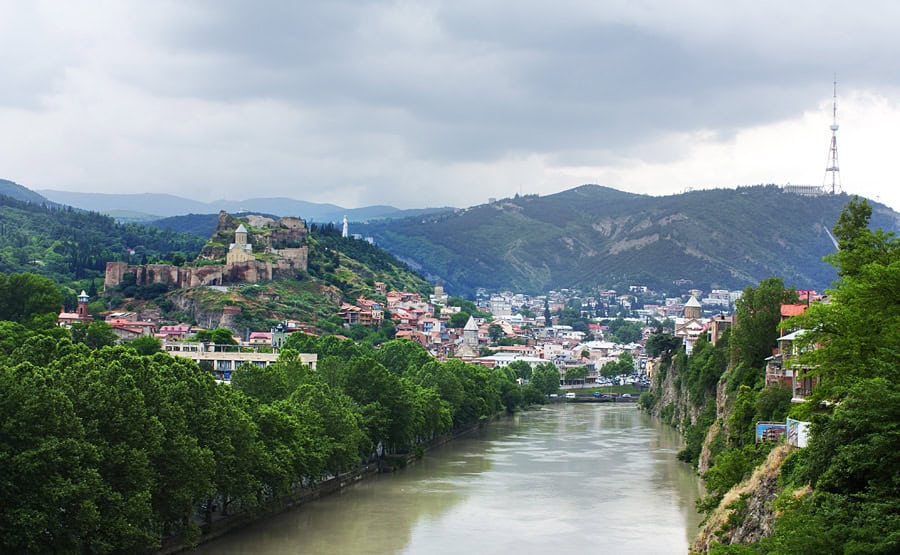
©"File:Tbilisi, Georgia — View of Tbilisi.jpg" by Levan Gokadze (uploader Giorgi Balakhadze) is licensed under BY-SA 2.0. - Original / License
If you’ve ever considered spending an extended period overseas, Georgia offers one of the more generous visa-free arrangements available to Americans. U.S. citizens can generally remain in the country for up to 365 days without obtaining a tourist visa. Located in the Caucasus region between Europe and Asia, Georgia offers everything from the historic streets of Tbilisi to mountain villages, Black Sea beaches, and a wine-making tradition that stretches back thousands of years.
There are some important requirements to understand, particularly following changes introduced in 2026. Since January 1, tourists must have health and accident insurance covering their entire visit, with coverage of at least 30,000 Georgian lari. Additionally, most foreign nationals working in Georgia became subject to new work-permit requirements in March 2026, meaning the generous tourist allowance isn’t necessarily permission to take a local job. Travelers should also avoid the Russian-occupied regions of Abkhazia and South Ossetia, where the U.S. government advises against all travel. Georgia’s rules regarding certain prescription medications are also stricter than those in the United States. Check the latest Georgia travel requirements before planning a lengthy stay.
Serbia — Up to 90 Days Without a Visa

©"Serbia-0419 - Serbian Countryside" by archer10 (Dennis) is licensed under BY-SA 2.0. - Original / License
Serbia doesn’t always appear at the top of American vacation wish lists, but it has plenty to offer travelers interested in history, architecture, and destinations that aren’t completely overrun with tourists. Belgrade has an energetic nightlife scene, impressive historic fortifications, and a growing restaurant culture, while the country’s smaller towns and national parks offer a much quieter experience. American passport holders can generally visit without a visa for up to 90 days within a 180-day period.
One requirement that visitors shouldn’t overlook is registration. Foreign travelers are expected to register their accommodation with local police within 24 hours of arrival. Hotels typically handle this automatically, but anyone staying with friends or in a private rental should confirm who is responsible. Serbia also has strict drug laws, and photography restrictions apply to certain sensitive military and security facilities. That doesn’t mean photographing every government building is automatically prohibited, as the original version of this article suggested. Visitors should simply respect posted restrictions and avoid photographing sensitive installations without permission. The U.S. State Department provides more information about local requirements.
Morocco — Up to 90 Days Without a Visa
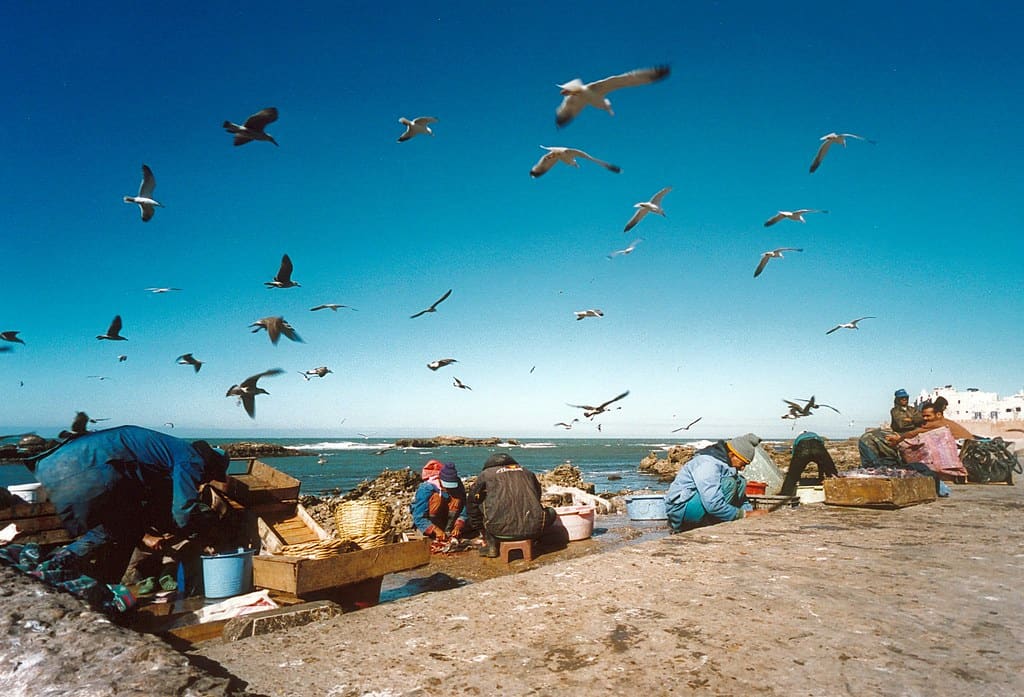
©"021 Morocco, Essaouira" by tango- is licensed under BY-SA 2.0. - Original / License
Morocco offers an impressive mix of historic cities, mountain landscapes, Atlantic beaches, and the sweeping scenery of the Sahara. Visitors can wander through the markets of Marrakech, explore the winding streets of Fez, or spend a few days enjoying the coastal atmosphere of Essaouira. Americans can generally visit for up to 90 days without a tourist visa, making it relatively straightforward to plan a longer vacation without dealing with an advance visa application.
One restriction that’s particularly important for photographers and travelers with drones is Morocco’s strict regulation of unmanned aircraft. Drones cannot be imported, possessed, or operated without prior government authorization, and authorities may confiscate unauthorized equipment. Satellite phones are also subject to special restrictions. Cultural considerations matter, too. Dressing modestly is generally appreciated, particularly around religious sites and in more conservative communities, although customs should not be confused with universal legal requirements. Travelers should also use caution when photographing sensitive security facilities and obtain permission before photographing people. The State Department’s Morocco information covers these requirements in greater detail.
Mexico — Tourist Visits of Up to 180 Days

©"Puebla Mexico" by RussBowling is licensed under BY 2.0. - Original / License
Mexico is easily one of the most convenient international destinations for Americans, particularly those living in the southern and western United States. Whether you’re interested in the beaches of the Yucatan Peninsula, Mexico City’s museums and restaurants, or the colonial architecture of San Miguel de Allende, there’s no shortage of places worth exploring. U.S. citizens visiting for tourism generally don’t need a visa for stays of up to 180 days.
However, 180 days shouldn’t be treated as an automatic entitlement. Mexican immigration officials determine the period of admission, and travelers must follow the date or duration they’re actually authorized to stay. Entry procedures also vary depending on whether visitors arrive by air or land, with electronic immigration records increasingly replacing traditional paper FMM forms at some airports. Another important consideration is that Mexico has strict restrictions on importing firearms, ammunition, certain drugs, and vaping devices. Security conditions also differ significantly by state and region, so travelers should check the latest destination-specific advisories before making plans. The State Department’s Mexico travel page provides detailed guidance on these issues.
Panama — Visa-Free Visits of Nearly Six Months
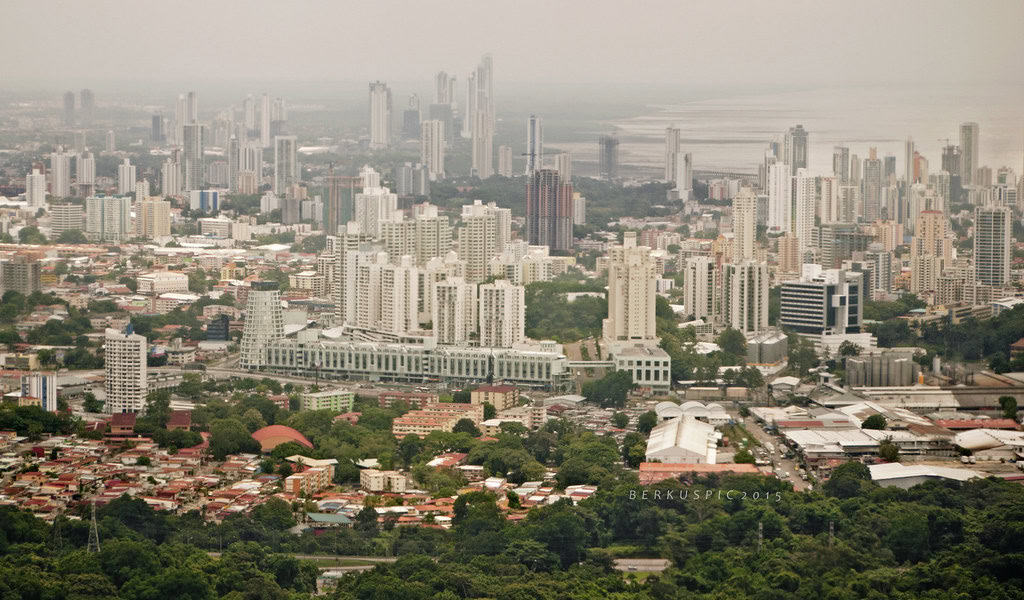
©"Panama city, Panama." by Bernal Saborio G. (berkuspic) is licensed under BY-SA 2.0. - Original / License
Panama offers something for just about every type of traveler. Panama City has an impressive skyline and a modern restaurant scene, while the rest of the country includes tropical rainforests, Caribbean islands, mountain communities, and, of course, the Panama Canal. For Americans interested in spending more than a week or two exploring Central America, Panama permits visa-free tourist visits for periods of less than 180 days, subject to immigration approval.
There are a few entry requirements worth paying attention to before departure. Visitors must generally show a return or onward ticket, and authorities may require proof of at least $500 or equivalent financial resources. The country also maintains strict rules against importing marijuana, cannabis products, CBD products, and firearms without proper authorization. Even empty ammunition casings can create legal problems. As with any destination, being allowed to visit as a tourist doesn’t automatically authorize employment or establish residency. Travelers planning an extended stay should check their passport validity and confirm the actual period granted by immigration officials. The official Panama travel guidance explains these requirements.
Albania — Up to One Year Without a Visa
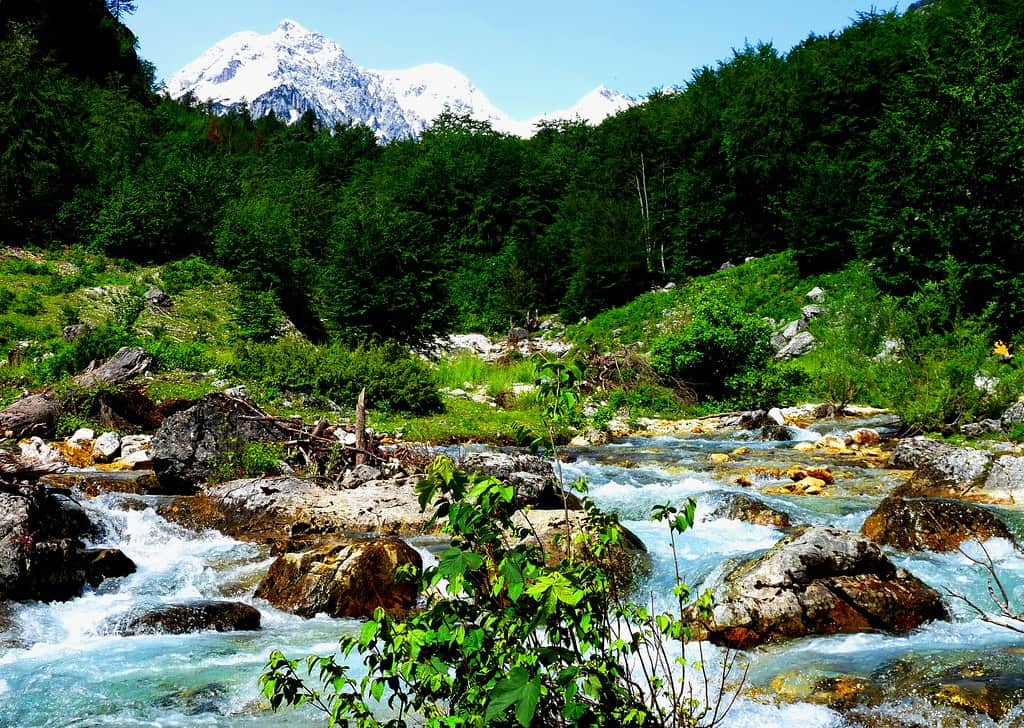
©"Valbona Albania #dailyshoot" by Leshaines123 is licensed under BY 2.0. - Original / License
Albania has developed a reputation as an appealing destination for travelers who enjoy Mediterranean scenery without necessarily paying the prices associated with some of Europe’s better-known coastal destinations. Between the beaches of the Albanian Riviera, the historic town of Berat, and the mountains of the north, there’s quite a bit to explore. Better yet, Americans can remain in Albania for up to one year from their initial entry without obtaining a tourist visa.
That makes Albania one of the more flexible options on this list for extended visits, although there are still requirements to understand. Travelers need a valid passport with sufficient remaining validity, and anyone planning to work, study, or remain beyond the permitted year must investigate the appropriate residence authorization. Albania also has strict rules concerning marijuana, CBD products, weapons, and ammunition. While the visa-free policy is generous, it shouldn’t be confused with permission to establish permanent residency or work without the necessary documents. Travelers interested in a longer stay should review the current entry and residency requirements before making commitments such as signing a lengthy lease.
Montenegro — Up to 90 Days Without a Visa

©"Montenegro Coastline near Kotor [explored 2-3-14]" by trishhartmann is licensed under BY 2.0. - Original / License
Montenegro might be small, but it’s certainly not short on scenery. The country offers dramatic mountains, medieval coastal towns, and the remarkable Bay of Kotor, where steep hillsides rise above the Adriatic Sea. It’s the kind of destination where you can spend the morning walking through a historic town and the afternoon exploring mountain roads with extraordinary views. Americans can generally visit Montenegro without a visa for up to 90 days within any 180-day period.
One particularly important rule involves accommodation registration. Visitors must register their stay within 24 hours of arriving, although hotels and licensed accommodations normally handle the process automatically. If you’re staying in a private apartment or with friends, confirm whether you need to register personally through the local tourism office. Montenegro also requires government approval for importing drones, and restrictions apply to photographing military and certain security facilities. Travelers planning to drive should be aware that the legal blood-alcohol limit is lower than in many parts of the United States. You can find the details in the State Department’s Montenegro guidance.
North Macedonia — Up to 90 Days Without a Visa

©"Aerial view of Struga, Lake Ohrid & Black Drin (7)" by Liridon is licensed under BY-SA 4.0. - Original / License
North Macedonia is another Balkan destination that deserves more attention than it typically receives. Its capital, Skopje, offers an unusual mix of architecture and history, while Lake Ohrid is surrounded by beautiful scenery, centuries-old churches, and waterfront communities. American travelers can generally enter without a visa for tourism or certain business visits lasting less than 90 days within a six-month period.
Despite the relatively straightforward entry process, the country has some requirements worth understanding. Foreign visitors must register with local police within 48 hours of arrival, although hotels usually handle the process for their guests. Those staying in private accommodation should coordinate registration with their host. Travelers are also expected to have travel medical insurance, and the country maintains strict restrictions on cannabis and CBD products, firearms, and ammunition. Public drunkenness can result in fines, and some prescription medications may be subject to additional controls. None of these issues should discourage a properly planned visit, but they are good reasons to review the current travel requirements rather than assuming the rules are identical throughout Europe.
Bulgaria — 90 Days Within the Schengen Area

©"Bulgaria-1001 - Right side of Tsarevets as I Leave" by archer10 (Dennis) is licensed under BY-SA 2.0. - Original / License
Bulgaria offers a surprisingly diverse collection of places to explore, from the beaches of the Black Sea to the mountain scenery around Bansko and the historic streets of Plovdiv. It’s also become more closely connected to the rest of Europe in recent years. Bulgaria joined the Schengen Area in stages and became a full member on January 1, 2025. American tourists generally don’t need a visa for short stays, but the country’s participation in Schengen introduces an important consideration for anyone planning an extended European vacation.
Under the Schengen rules, Americans can generally spend no more than 90 days within any rolling 180-day period across the entire Schengen Area. That means time spent in countries such as France, Germany, or Italy counts toward the same limit as a visit to Bulgaria. You can’t simply spend 90 days elsewhere in Schengen and expect another 90 days in Bulgaria. Travelers may also be asked to provide proof of medical insurance, and driving with a U.S. license involves specific documentation requirements. Bulgaria also adopted the euro in January 2026, another recent change worth knowing before visiting. Review the latest Bulgaria travel guidance and calculate your total Schengen days before departure.
Chile — Up to 90 Days Without a Visa
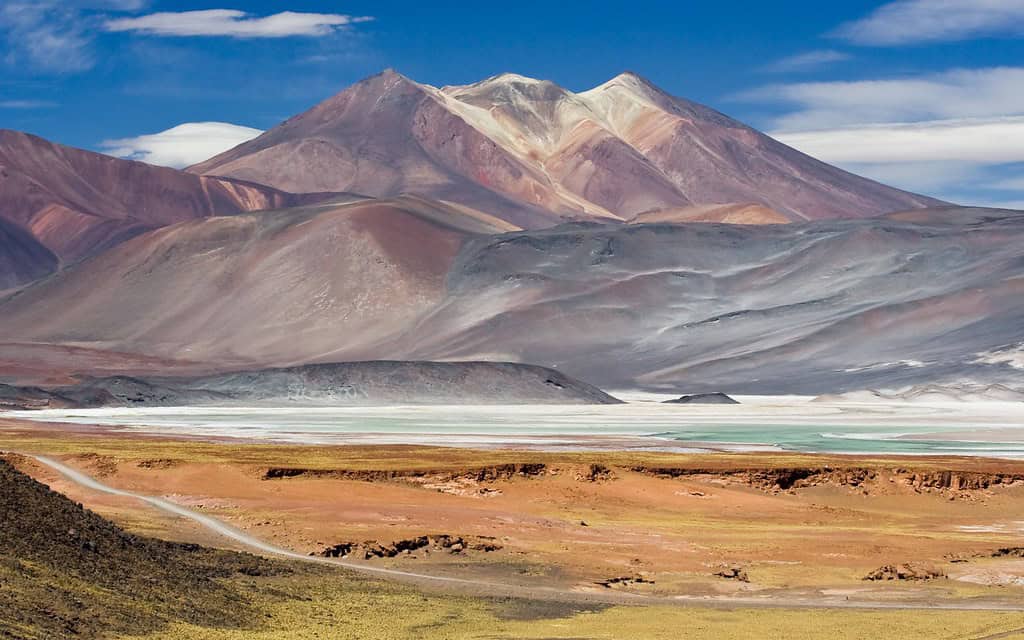
©"Miscanti Lagoon - San Pedro de Atacama, Chile" by Trodel is licensed under BY-SA 2.0. - Original / License
Chile is one of those countries where the landscape seems to change dramatically every time you travel a few hundred miles. In the north, the Atacama Desert offers some of the driest scenery on Earth. Farther south, visitors can explore Patagonia’s mountains, glaciers, and enormous national parks. Santiago provides a more urban experience, complete with museums, restaurants, and access to nearby wine-growing regions. American tourists can generally visit Chile for up to 90 days without a visa.
Upon arrival, visitors receive a tourist card documenting their authorized stay, and it’s important to keep track of that document or its electronic record. Travelers may need it when leaving the country, and replacement procedures can create delays if it is lost. Chile also allows eligible visitors to apply for an additional 90-day extension through immigration authorities, subject to approval and applicable fees. Another important consideration is the country’s strict agricultural inspection process. Certain foods, seeds, plants, and animal products must be declared on arrival, and failing to follow the requirements can lead to penalties. The State Department’s Chile travel information provides guidance on entry and departure procedures.
South Korea — Up to 90 Days Without a Visa

©"Bukchon Hanok Village, Seoul, South Korea" by sunbeams879 is licensed under BY 2.0. - Original / License
South Korea has become an enormously popular destination thanks to its entertainment industry, food, technology, and fascinating blend of modern and traditional culture. Seoul offers enough restaurants, shopping districts, palaces, and museums to keep visitors busy for weeks, while destinations such as Busan and Jeju Island provide entirely different experiences. American tourists can generally visit South Korea without a visa for up to 90 days.
There’s also an important update involving the country’s electronic travel authorization system. U.S. passport holders remain exempt from the Korean Electronic Travel Authorization, or K-ETA, through December 31, 2026. Under the currently published rules, Americans traveling beginning January 1, 2027, will need to obtain a K-ETA unless the exemption is extended again. Travelers who choose not to obtain one during the exemption period may still need to complete the applicable arrival-card process. South Korea also has strict rules concerning illegal drugs, including marijuana, regardless of whether those substances are legal in a visitor’s home state. Anyone planning a trip should check the current South Korea entry requirements, particularly for travel scheduled in 2027 or later.
Bosnia and Herzegovina — Up to 90 Days Without a Visa

©"Bosnia and Herzegovina-02260 - Old Bridge - Other side" by archer10 (Dennis) is licensed under BY-SA 2.0. - Original / License
Bosnia and Herzegovina offers a fascinating mix of history, mountain scenery, and cultural traditions. Sarajevo’s historic neighborhoods reflect centuries of Ottoman and European influence, while Mostar’s famous bridge remains one of the most recognizable landmarks in the Balkans. Travelers can also explore rivers, waterfalls, and national parks that don’t always appear on the usual European vacation itinerary. Americans can generally visit without a visa for up to 90 days within a six-month period.
As in several neighboring countries, accommodation registration is important. Visitors must register with the appropriate authorities within 48 hours, although hotels and registered accommodations normally take care of that requirement. Travelers staying in a private rental or with friends should confirm that the registration process has been completed and retain the paperwork. Another serious consideration is the presence of landmines and unexploded ordnance in some rural areas dating back to the conflicts of the 1990s. Visitors should remain on established roads and marked trails rather than wandering into abandoned buildings or remote fields. For more information, consult the current Bosnia and Herzegovina travel guidance.
The Philippines — 30 Days Without a Visa, With Extensions Available
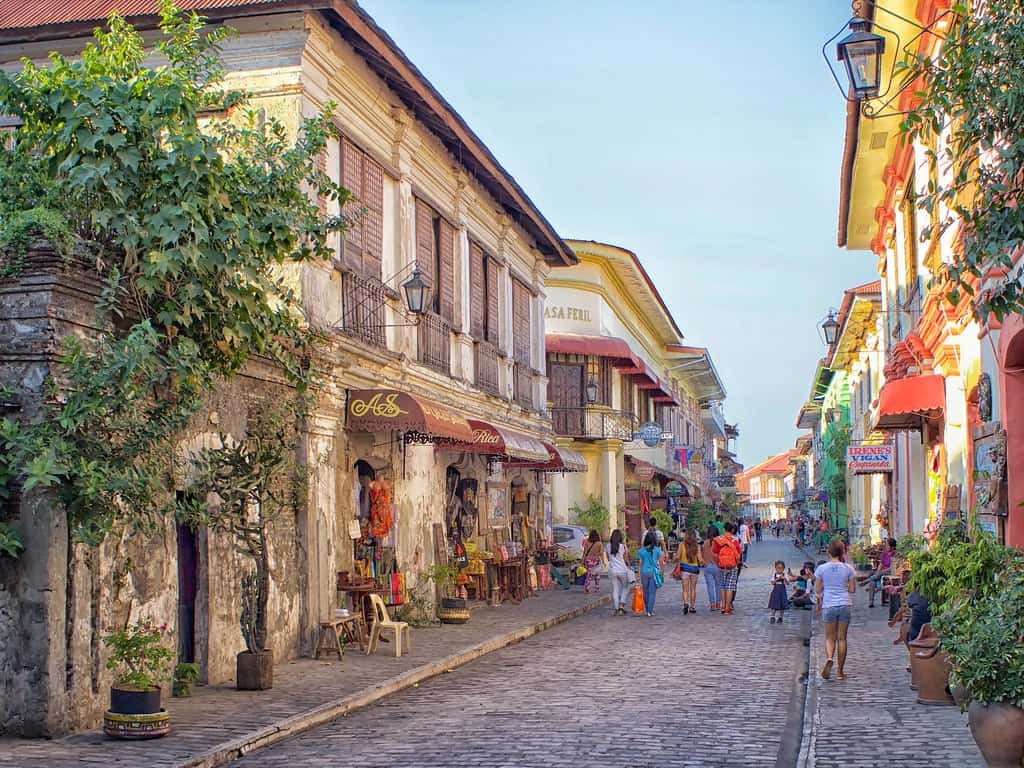
©"Calle Crisologo, Vigan, Philippines - One of The New 7 Wonder Cities of The World" by Ray in Manila is licensed under BY 2.0. - Original / License
With more than 7,000 islands, the Philippines offers a remarkable variety of beaches, diving destinations, mountain scenery, and cultural attractions. Travelers can explore the historic neighborhoods of Manila, spend time around Cebu, or head to Palawan for some of the country’s most impressive coastal landscapes. Americans can generally enter the Philippines without a visa for an initial stay of up to 30 days, provided they meet the applicable passport and onward-travel requirements.
Thirty days might not sound particularly generous compared with some other destinations on this list, but the Philippines has an established process for extending tourist stays. Eligible visitors can apply through the Bureau of Immigration for an initial 29-day extension, with additional extensions available through separate procedures. These aren’t automatic, and travelers should apply before their authorized period expires. Another important requirement is the country’s eTravel registration system, which travelers should complete through the official government platform around their departure date. It’s free, so be wary of third-party websites charging unnecessary fees. The Philippine Bureau of Immigration provides information about extensions and the necessary documents.
Malaysia — Up to 90 Days Without a Visa

©"Kuala Lumpur" by FullofTravel is licensed under BY 2.0. - Original / License
Malaysia offers a particularly appealing combination of modern cities, tropical islands, rainforests, and extraordinary food. Kuala Lumpur has the skyscrapers and shopping districts you’d expect from a major international capital, while Penang, Langkawi, and Malaysian Borneo offer very different experiences. American travelers can generally enter without a tourist visa and receive a social visit pass allowing a stay of up to 90 days.
However, visa-free doesn’t mean there’s no advance paperwork. Malaysia requires most foreign visitors to complete the Malaysian Digital Arrival Card, or MDAC, before traveling. The country also has strict laws concerning illegal drugs, with severe penalties for trafficking offenses. Certain prescription medications may be subject to additional controls, so travelers should investigate the rules before packing anything that could be considered a controlled substance. It’s also worth remembering that Malaysia is a culturally and religiously diverse country, and customs may vary significantly between regions and communities. Dressing appropriately at religious sites and respecting local traditions are sensible expectations rather than reasons to be intimidated. The State Department’s Malaysia guidance explains the current entry requirements.
Ukraine — Visa-Free Entry, but Travel Is Strongly Discouraged

©"Skyline of Sumy" by Максим Бондаревский is licensed under BY-SA 4.0. - Original / License
Ukraine has historically offered American visitors visa-free tourist entry for stays of up to 90 days within a 180-day period, and that policy remains reflected in current U.S. government travel information. However, there’s a very important reason Ukraine should not be treated like the other vacation destinations on this list. As of October 2026, the U.S. State Department maintains a Level 4: Do Not Travel advisory for Ukraine because of Russia’s ongoing war against the country.
Active military operations, missile and drone attacks, air-raid warnings, and unexploded ordnance present serious risks. Travelers may also face transportation disruptions, curfews, and limited access to emergency assistance. Although Ukraine is home to extraordinary cultural landmarks, historic cities, and beautiful landscapes, the country’s current security conditions make recreational travel inappropriate. The fact that a visa may not be required should never be mistaken for an indication that a destination is safe. Anyone reviewing Ukraine’s entry policies should also consult the current U.S. State Department advisory, which explicitly recommends against traveling there for any reason.
Belize — 30 Days Without a Visa, With Extensions Available
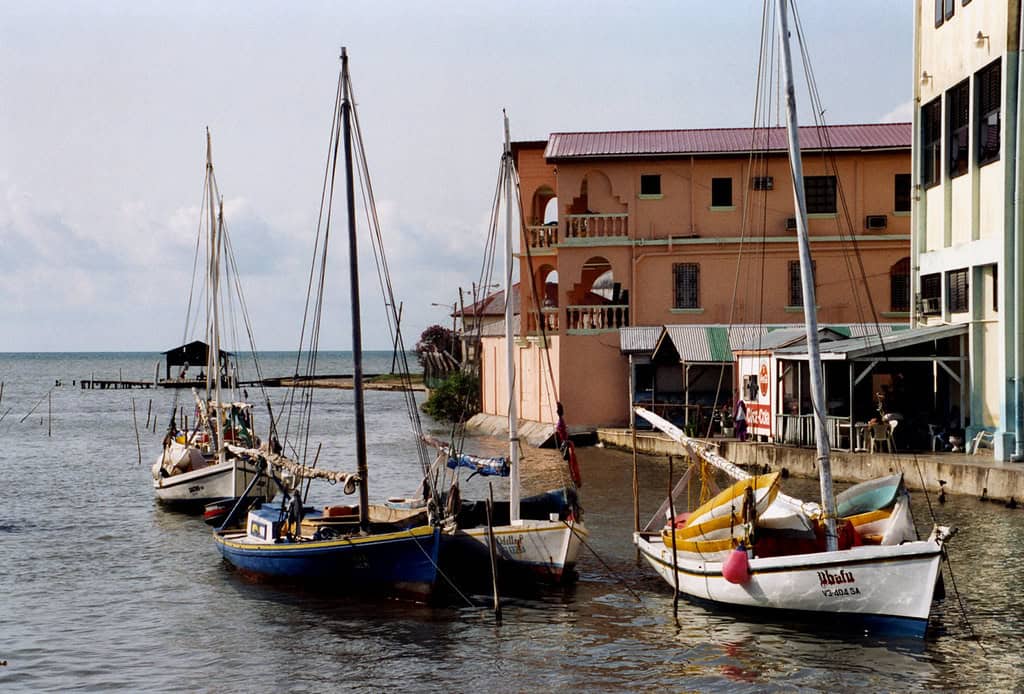
©"2001 Belize 1 Harbour" by anoldent is licensed under BY-SA 2.0. - Original / License
Belize has a lot going for it, especially for Americans interested in visiting Central America without navigating an unfamiliar language. English is the country’s official language, and the surrounding scenery includes Caribbean beaches, tropical jungles, ancient Maya sites, and the enormous Belize Barrier Reef. U.S. tourists can generally enter without a visa for an initial stay of up to 30 days, making shorter vacations relatively straightforward to arrange.
Visitors hoping to stay longer have options, although they’ll need to deal with immigration authorities rather than simply remaining in the country indefinitely. According to current U.S. government guidance, travelers can apply for monthly extensions at an immigration office, generally paying $100 for each additional month during the initial extension period. Visitors should also have proof of onward or return transportation and sufficient funds to support themselves. Belize maintains restrictions on illegal drugs, including products that may be legal in parts of the United States, and environmental rules protect the country’s marine habitats and wildlife. Anyone considering a lengthy visit should confirm current extension procedures through the State Department’s Belize guidance and local immigration authorities.
Fiji — Up to Four Months Without a Visa
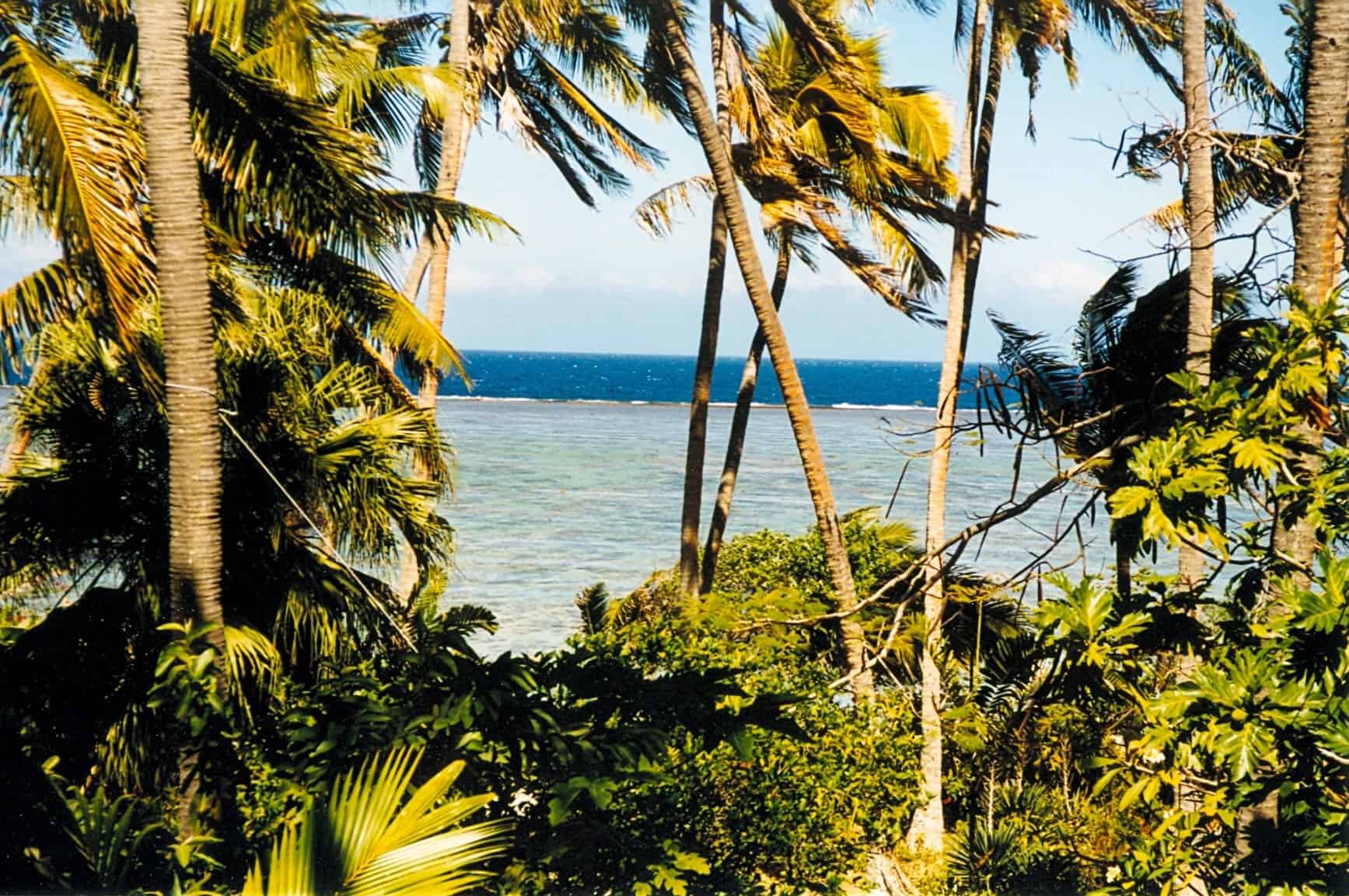
©"Korotogo" by User:Doron is licensed under BY-SA 3.0. - Original / License
Fiji is the kind of place that looks like somebody took a tropical vacation advertisement and turned it into an actual country. With hundreds of islands, colorful coral reefs, beautiful beaches, and welcoming communities, it’s easy to understand why travelers might want to stay longer than the usual week or two. American passport holders can generally visit Fiji without a tourist visa for up to 120 days, or approximately four months.
Visitors should be prepared to show proof of onward or return transportation, accommodation arrangements, and sufficient funds for their stay. There are also some important cultural expectations, particularly when visiting traditional villages. Modest clothing is generally appropriate, and visitors should ask permission before photographing residents or participating in local activities. Touching someone’s head is considered disrespectful in traditional Fijian culture, but it should not be described as a blanket criminal offense, as the original article suggested. Removing hats and sunglasses when entering a village may also be expected. These customs are part of showing respect to local communities, not a collection of secret laws designed to catch unsuspecting visitors. Additional details are available through the State Department’s Fiji travel guidance.
Canada — Tourist Visits of Up to Six Months
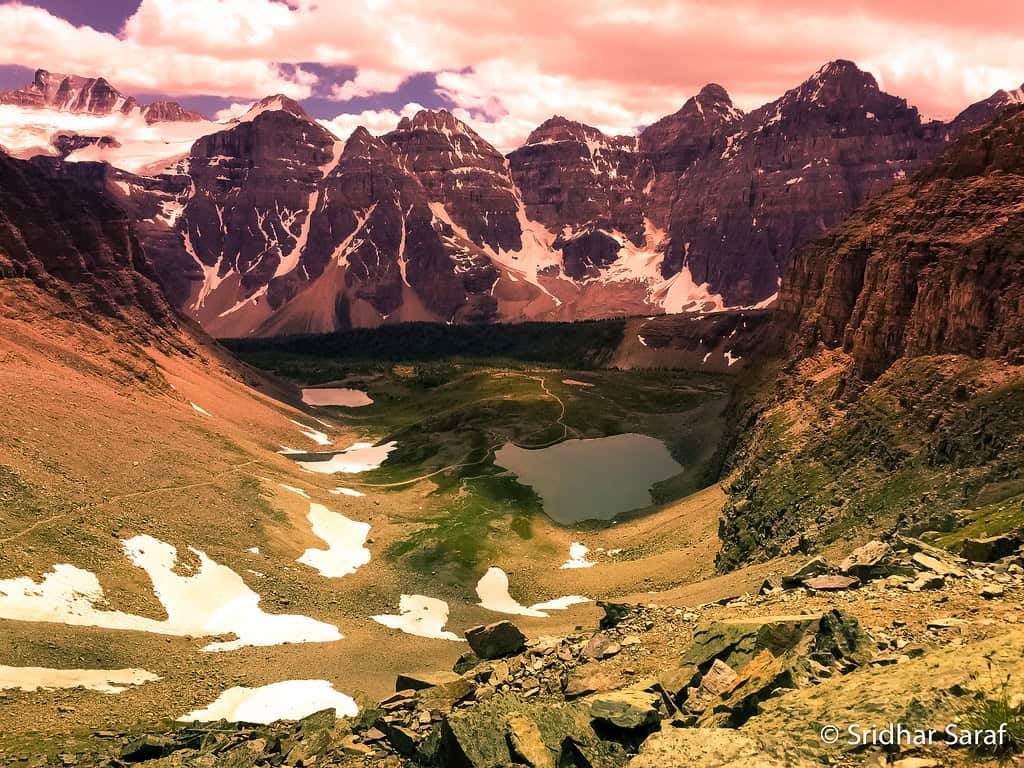
©"Sentinel Pass Trail, Banff National Park (Canada) - July 2017" by SridharSaraf is licensed under BY-SA 2.0. - Original / License
For travelers in Washington and the rest of the Pacific Northwest, Canada might be the most obvious addition to this list. British Columbia alone offers enough mountains, coastal communities, national parks, and interesting cities to fill several vacations. And if you’re willing to travel farther, Canada’s enormous size means there’s no shortage of places worth exploring. U.S. citizens generally don’t need a visa for tourist visits lasting up to approximately six months, although border officials determine the actual period of admission.
One important warning involves cannabis. Although recreational marijuana is legal in Canada under certain circumstances, transporting cannabis or CBD products across the international border without the required authorization remains illegal. That applies even when the products were purchased legally on either side. Travelers should also understand the documentation requirements for entering by air versus land, particularly when using a passport card or NEXUS card. And if you’re planning to work remotely or spend most of the year in Canada, be sure to investigate the immigration and tax implications rather than assuming a tourist visit covers everything. The current Canada travel guidance provides additional details.
Armenia — Up to 180 Days Without a Visa
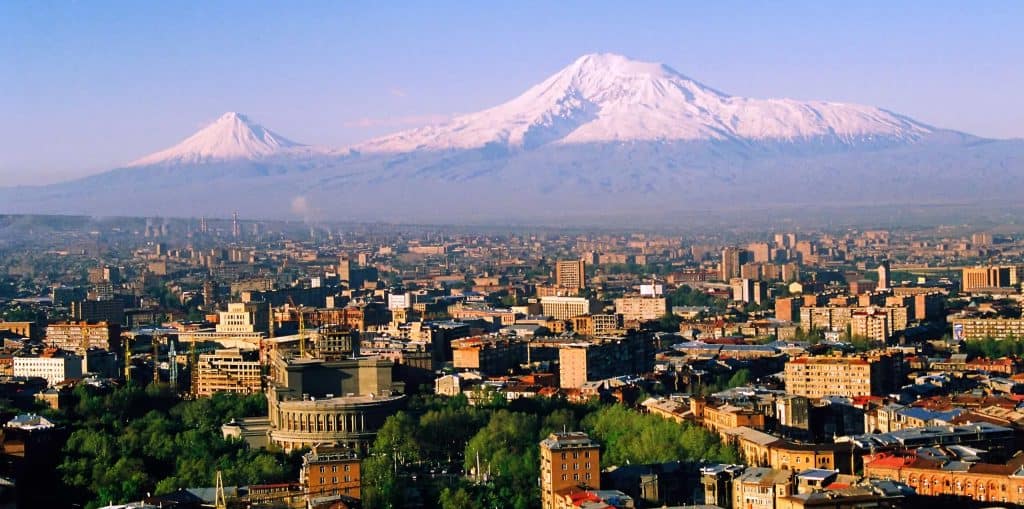
©iStock.com/marlenka
Armenia is another destination that deserves consideration from travelers who enjoy history, mountain landscapes, and places that aren’t always featured in mainstream vacation guides. The capital, Yerevan, offers museums, restaurants, and a lively cafe culture, while the surrounding countryside is home to centuries-old monasteries and remarkable scenery. Americans can generally visit Armenia without a visa for up to 180 days per year, making it a relatively flexible option for an extended stay.
However, Armenia does have important security considerations. The U.S. State Department advises against traveling to the border region with Azerbaijan because of the potential for armed conflict, landmines, and unexploded ordnance. Some roads near the border may also cross sensitive areas without obvious warning. Travelers should be equally careful about bringing prescription medications into the country, since certain drugs legally prescribed in the United States are restricted or prohibited in Armenia. Cannabis and CBD products are also prohibited. A little preparation can go a long way, particularly if you plan to explore beyond the capital. Review the current Armenia travel advisory before deciding where to visit.
Barbados — Up to Six Months Without a Visa
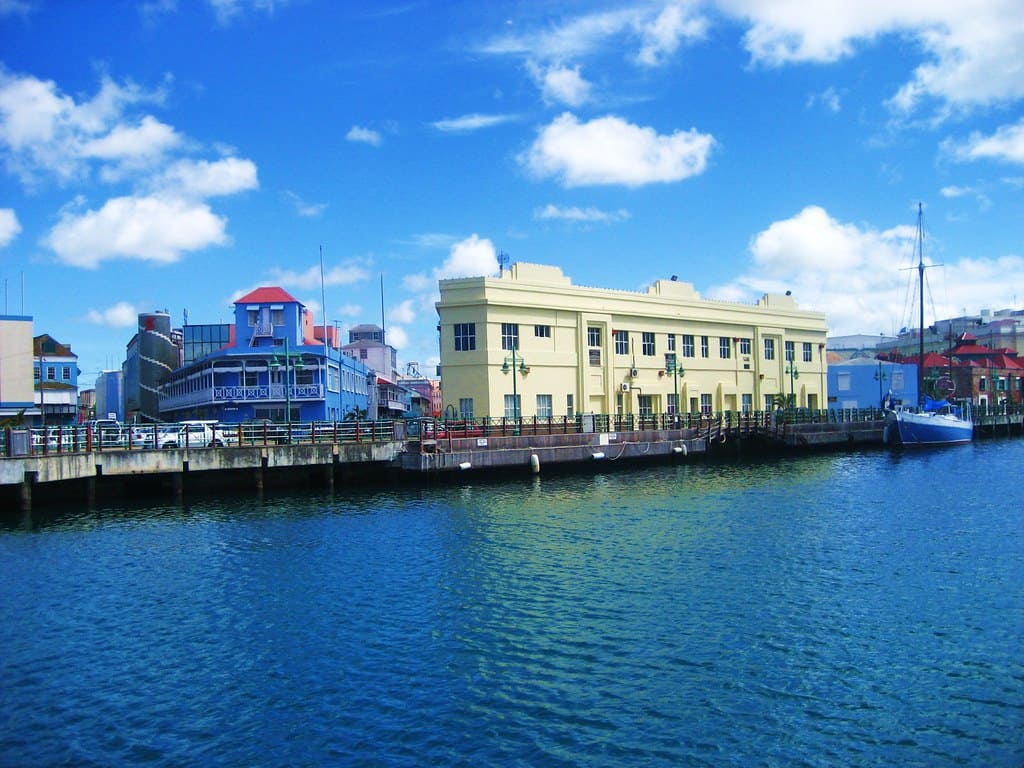
©"Barbados 2009" by ben.ramirez is licensed under BY 2.0. - Original / License
Barbados offers a particularly appealing combination of Caribbean scenery, warm weather, beautiful beaches, and a well-established tourism industry. Travelers can explore historic Bridgetown, visit the island’s rugged Atlantic coastline, or spend their days enjoying the calmer waters along the western shore. American tourists generally don’t need a visa for visits of up to six months, although entry is always subject to approval by immigration authorities.
There’s also an unusual local restriction that’s worth knowing before you start packing. Barbados prohibits civilians from wearing camouflage clothing, which is generally reserved for military personnel. Customs officials may confiscate camouflage clothing or accessories found in visitors’ luggage. It’s one of those rules that can catch travelers by surprise, particularly when camouflage patterns are commonly worn as everyday fashion in the United States. Visitors must also demonstrate plans to leave the island and should be prepared to provide details about their accommodation and financial resources. The country maintains strict rules concerning illegal drugs and importing firearms or ammunition. For more information, consult the State Department’s Barbados travel guidance.
What to Check Before Planning a Visa-Free Trip
©Sean Pavone/Shutterstock.com
One of the biggest misconceptions about international travel is that not needing a visa means there aren’t any additional entry requirements. Unfortunately, it isn’t quite that simple. Some countries require electronic arrival forms, proof of insurance, registration with local authorities, or evidence that you have enough money to support yourself during your visit. Others have strict restrictions on medications, firearms, drones, or everyday products that might be completely legal in the United States.
It’s also important to understand that tourist admission and residency are two very different things. Being allowed to visit for six months doesn’t necessarily mean you’re authorized to work, establish permanent residency, or repeatedly leave and reenter the country indefinitely. The actual length of stay may be determined by immigration officials, and overstaying can result in fines, removal, or restrictions on future travel.
Before making plans, check your destination’s official immigration requirements, review the latest U.S. State Department travel advisory, and confirm whether your passport has enough remaining validity. A little research ahead of time can prevent some fairly expensive surprises once you’re overseas. After all, the point of traveling somewhere new is to enjoy the experience, not to spend the first afternoon trying to explain a paperwork problem to an immigration officer.

