
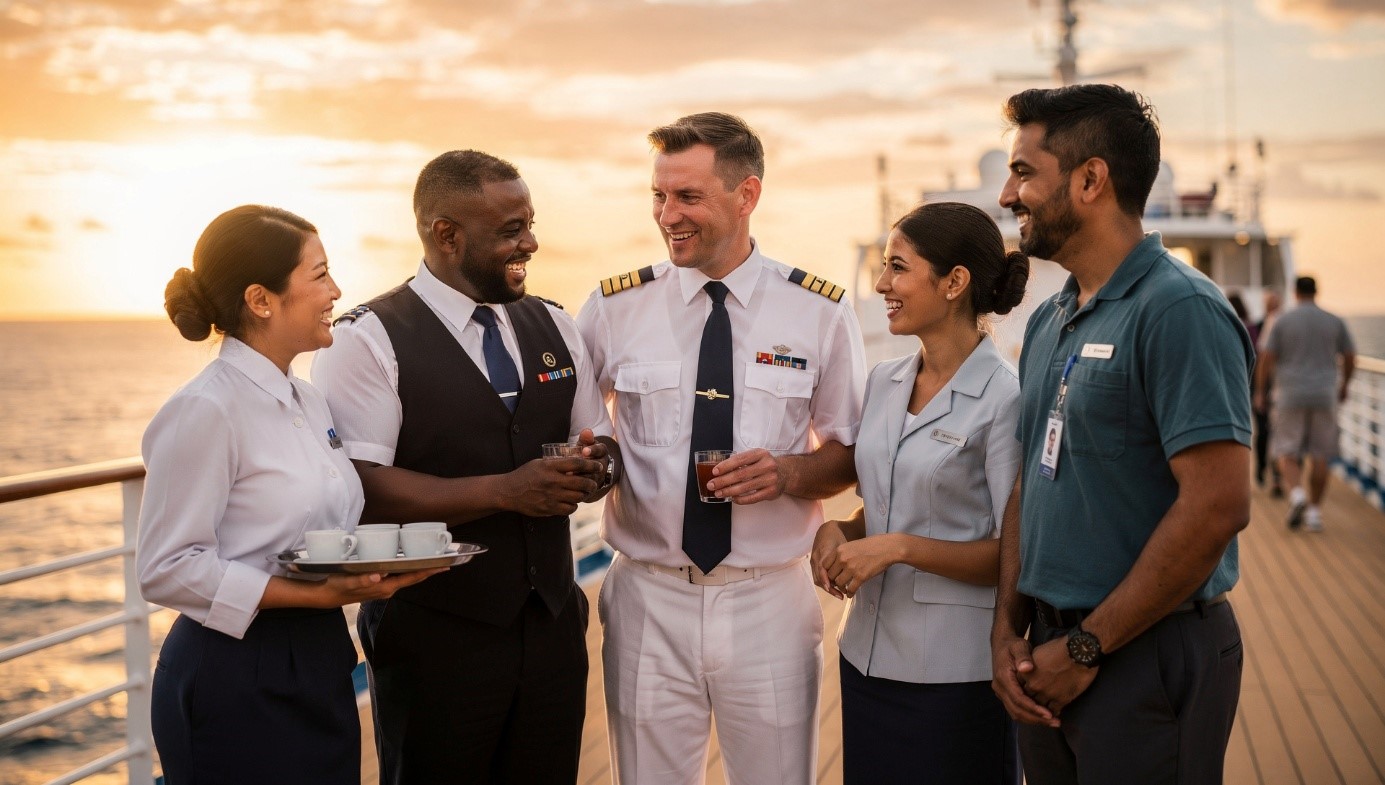
Cruises can be a fantastic way to travel. You unpack once, visit multiple destinations, and have restaurants, entertainment, and plenty of activities just a short walk from your cabin. Whether you’re sailing from Seattle to Alaska or heading somewhere tropical, there’s a lot to appreciate about having most of your vacation planned for you.
But spending several days aboard a cruise ship comes with some trade-offs. You’re sharing a floating resort with thousands of other people, following a schedule you don’t entirely control, and dealing with rules and expenses that might not be obvious when you book. Even something as simple as using your phone or pressing a wrinkled shirt can work a little differently at sea.
None of that means cruising is a bad vacation. Far from it. But it’s worth knowing what you’re signing up for, especially if you’ve never sailed before. From unexpected costs and cramped cabins to the enormous operation happening behind the scenes, these 17 facts offer a closer look at cruise ship life and why the experience isn’t necessarily for everyone.
17. Seasickness Can Happen on Large Ships
©WebMD
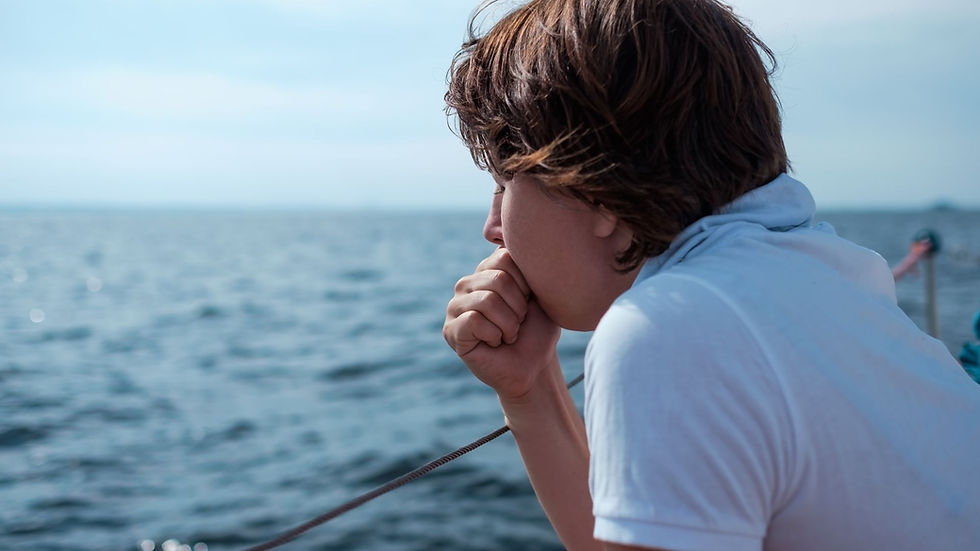
Modern cruise ships are enormous, and many are equipped with stabilizers that help reduce rolling in rough seas. Unfortunately, that doesn’t mean you won’t feel the ocean moving. Some passengers are more sensitive to motion than others, and even a massive ship can encounter uncomfortable conditions. The good news is that cabin location can make a difference. Rooms on lower decks near the middle of the ship generally experience less noticeable movement than those positioned high up or near the bow. Looking toward the horizon can also help some travelers. If you’re particularly prone to motion sickness, it’s worth discussing preventive medication with a healthcare professional before sailing rather than waiting until you’re already feeling miserable. This is especially important when booking itineraries that cross open water, including certain Alaska cruises departing from the Pacific Northwest.
16. Cruise Cabins Can Be Surprisingly Small
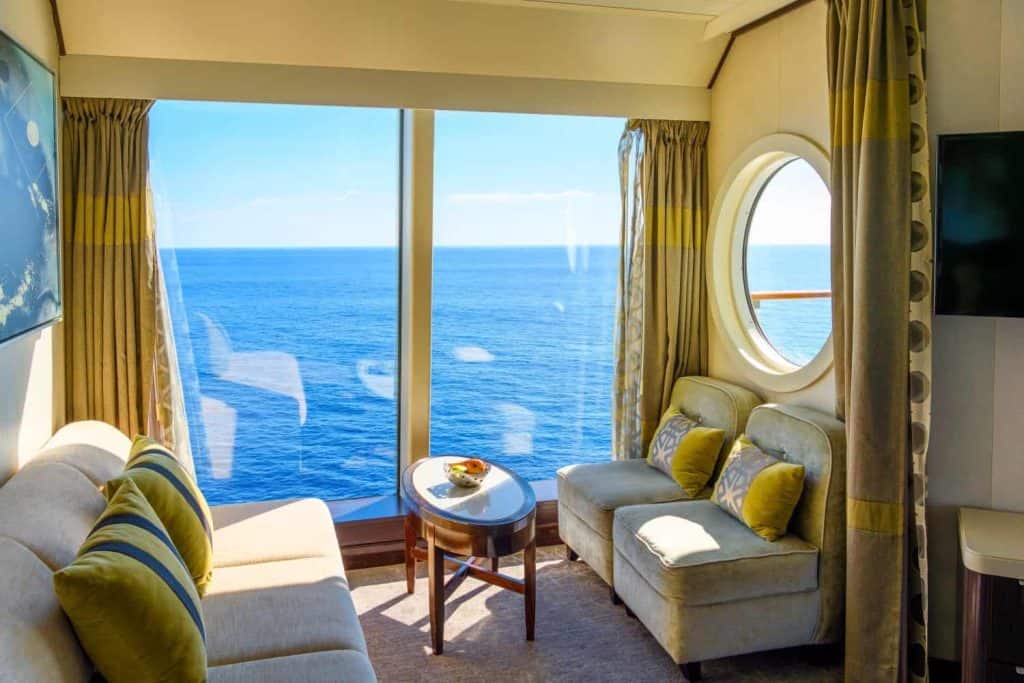
That beautiful cruise ship brochure might show spacious suites, private balconies, and enough room to host a small dinner party. The least expensive cabins are usually a different story. Interior staterooms on some Royal Caribbean ships, for example, measure around 160 square feet. That’s enough space for a bed, a bathroom, storage, and a few other essentials, but it can feel pretty cozy when you’re sharing it with another person. Add a third or fourth passenger using pull-down beds, and things can get crowded quickly. Interior cabins also lack traditional exterior windows, which some travelers find uncomfortable. Location matters, too. A room near elevators, late-night entertainment, or busy public areas may experience more hallway noise than one tucked away in a quieter section. Before choosing the cheapest cabin available, take a few minutes to review the actual floor plan and surrounding decks. A good deal isn’t quite as appealing when you’re spending a week wishing you had more room.
15. Your Scheduled Ports Aren’t Guaranteed
©"DSC01166, The Rotterdam and Celebrity Cruise Ship Century" by jimg944 is licensed under BY 2.0. - Original / License
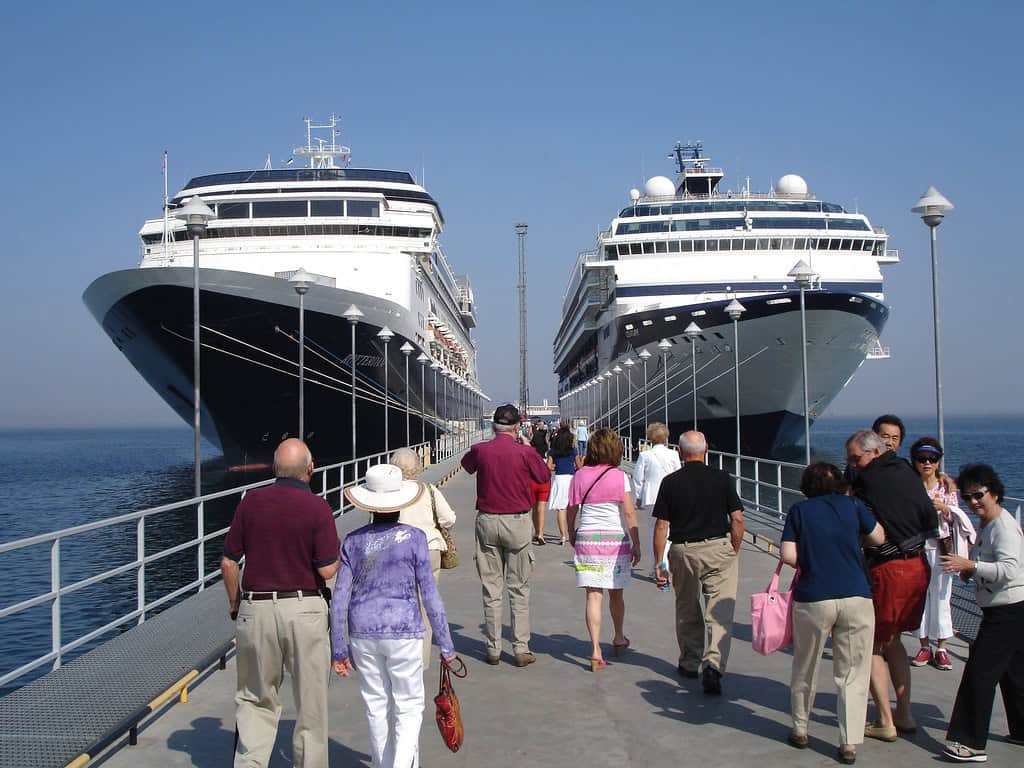
One of the biggest attractions of cruising is visiting several destinations without repeatedly packing your bags. But there’s an important detail buried in most cruise contracts: the itinerary can change. Bad weather, unsafe sea conditions, mechanical problems, and other operational issues can force a ship to skip a port, arrive late, or substitute a different destination. Royal Caribbean and Carnival both reserve the right to make itinerary adjustments under certain circumstances. That can be frustrating if you booked an Alaska cruise specifically to visit a particular coastal town or see a landmark that was supposed to be the highlight of your trip. Depending on the cruise line, circumstances, and applicable rules, compensation or refunds may be limited. The practical lesson is simple: treat the itinerary as a plan rather than an absolute guarantee. If visiting one particular destination is the entire reason for your vacation, a land-based trip might give you more control.
14. Daily Gratuities Can Add Up

©Tip Calculator
That attractive cruise fare you found online isn’t necessarily the final amount you’ll spend. Many mainstream cruise lines add daily service gratuities unless you’ve prepaid them or booked a fare that includes them. As of 2026, Royal Caribbean lists a daily gratuity of $18.50 per person for standard staterooms and $21 for suites. For two adults sharing a regular cabin on a seven-night cruise, that’s $259 in gratuities alone. These charges help compensate dining staff, cabin attendants, and other crew members who make the vacation possible. Additional service charges may also apply to specialty restaurants, drinks, and spa services. Policies vary by cruise line, and some fares include gratuities in the advertised price. Before booking, check what’s included and calculate the cost for everyone traveling. There’s nothing wrong with paying for good service, but it’s better to know about the expense before it appears on your onboard account.
13. Contagious Illnesses Can Spread Quickly

©WebMD
Whenever thousands of people share dining areas, elevators, restrooms, and entertainment spaces, preventing the spread of illness becomes an important part of everyday operations. Cruise ships are no exception. Norovirus is one of the more familiar concerns because it can cause vomiting and diarrhea and spread rapidly in crowded environments. According to the CDC, cruise ships account for only a small percentage of reported norovirus outbreaks overall, but outbreaks do occasionally occur at sea. Major cruise lines maintain sanitation procedures and require passengers and crew with certain symptoms to report to medical staff. In some situations, sick passengers may be instructed to remain in their cabins temporarily to avoid infecting others. Nobody wants to spend their vacation staring at the same four walls, but preventing a larger outbreak matters. Frequent handwashing with soap and water and promptly reporting symptoms are among the practical steps travelers can take to protect themselves and others.
12. Cabin Door Decorations Have Rules

If you’ve ever wandered down a cruise ship hallway, you’ve probably noticed some cabin doors decorated with magnets, birthday messages, or personalized signs. It’s a popular tradition, and the decorations can make it easier to find your room after a long day of exploring. But there are rules. Royal Caribbean, for example, has reminded passengers that decorations shouldn’t block peepholes, create fire hazards, interfere with door frames, or damage the ship. Magnets are generally a safer choice than adhesives. There’s also the occasional decoration with a meaning that isn’t obvious to everyone. An upside-down pineapple, for instance, is sometimes associated with the swinging community, although it would be a mistake to assume that’s what every pineapple decoration means. Before bringing your own decorations, check the cruise line’s policies. The last thing you need is a dispute over a cabin-door magnet when you’re supposed to be enjoying your vacation.
11. Medical Care Isn’t Included in Your Fare

Cruise ships have medical facilities staffed by trained professionals, but visiting the onboard doctor isn’t necessarily covered by the price of your vacation. Consultations, medications, tests, and other treatments can result in additional charges. Royal Caribbean, for example, does not accept traditional land-based health insurance directly as payment onboard, although passengers may be able to submit reimbursement claims afterward. Whether your own insurance covers treatment at sea depends on the specific policy, and emergency medical evacuation can create an entirely different set of expenses. The CDC recommends that cruise travelers consider insurance covering overseas medical care and medical evacuation. Before sailing, it’s worth checking your existing health coverage and reviewing any travel insurance you’re considering. Nobody books a cruise expecting to need medical attention, but it’s much easier to sort through the insurance details at home than while dealing with an unexpected emergency in the middle of the ocean.
10. Food Is Everywhere, but Not Everything Is Included

One thing you probably won’t have trouble finding on a cruise ship is food. Between buffets, main dining rooms, cafés, and casual restaurants, most major cruise lines provide plenty of options throughout the day. That can be wonderful, especially when you don’t have to worry about finding somewhere to eat in an unfamiliar destination. But unlimited access to included dining doesn’t mean every restaurant is free. Specialty dining venues often charge extra, and certain drinks, room service orders, and premium menu items may come with additional fees. It’s also surprisingly easy to eat more than you intended when there’s another buffet or snack counter around every corner. There’s no reliable evidence supporting the claim that the average passenger gains a pound every day at sea, however. Enjoy the food, take advantage of the included options, and remember that you don’t have to sample everything in the buffet just because it’s sitting there.
9. Clothes Irons and Steamers Are Often Prohibited

If you’re packing for a cruise, you might want to leave the travel iron at home. Royal Caribbean and several other major cruise lines prohibit passengers from bringing personal clothes irons and garment steamers onboard because their heating elements can create a fire hazard. Fires are taken particularly seriously at sea, where evacuation and emergency response are far more complicated than they are at a hotel. Prohibited items may be confiscated during embarkation security screening. Fortunately, you still have options if your favorite outfit looks like it spent three days at the bottom of a suitcase. Depending on the ship, laundry or professional pressing services may be available, sometimes for an additional fee. Certain cruise lines also provide designated self-service laundry facilities with approved equipment. Since policies differ, check your cruise line’s prohibited-items list before packing. A few wrinkles are considerably less troublesome than having your luggage held up at security.
8. Your Phone Can Rack Up Roaming Charges

©Stockfoo / iStock Editorial via Getty Images
Your smartphone doesn’t suddenly become useless when a cruise ship leaves port, but it can become expensive if you aren’t careful. Many vessels offer cellular service through maritime networks that connect to satellites rather than traditional land-based towers. Your phone may automatically connect to one of these networks while at sea, and the resulting charges are generally determined by your wireless carrier and roaming plan. Regular international roaming packages don’t always include maritime service. One easy way to avoid unexpected cellular charges is to enable airplane mode while sailing, then turn Wi-Fi back on if you’ve purchased an internet package or want to use available onboard services. Some cruise line apps also provide useful features without a paid internet plan. If you need normal cellular service at sea, check whether your carrier offers a cruise-specific package before departure. Otherwise, that quick phone call home could end up costing considerably more than you expected.
7. Some People Spend Almost the Entire Year at Sea

For most people, a cruise lasts a few days or perhaps a couple of weeks. Then there’s Mario Salcedo, better known to Royal Caribbean regulars as “Super Mario.” He has spent much of his adult life living aboard cruise ships, typically sailing around 50 weeks per year. In January 2025, he celebrated his 1,000th Royal Caribbean cruise aboard Explorer of the Seas, a milestone few passengers will ever come close to matching. Interestingly, Salcedo hasn’t simply been enjoying an unusually long retirement. He has continued working remotely in finance while traveling, effectively turning cruise ships into his home and office. Of course, living this way requires serious financial planning and a willingness to give up some of the conveniences and personal space that come with having a permanent home on land. It’s certainly an interesting lifestyle, although I suspect most of us would want to try a few shorter cruises before committing to spending nearly an entire year at sea.
6. Leaving Your Balcony Door Open Can Cause Problems

A private balcony can be one of the nicest features of a cruise cabin, particularly when you’re sailing through scenic destinations like Alaska’s Inside Passage. Being able to step outside for fresh air and ocean views is a major selling point. But leaving the balcony door open for extended periods isn’t necessarily a good idea. On many modern ships, the cabin’s air conditioning automatically reduces or shuts off cooling when the balcony door is open. That can make the room warmer and more humid, especially in tropical destinations. Wind and air pressure can also become an issue, particularly if someone opens the cabin’s hallway door while the balcony is open. Nobody wants to come back from dinner to find papers scattered across the room or curtains blowing around. Enjoy the balcony as much as you like, but close and secure the door when you’re finished, especially before leaving the cabin or going to sleep.
5. Cruise Ship Kitchens Operate on an Enormous Scale

Preparing dinner for a family of four can be enough work. Now imagine feeding several thousand passengers and crew members multiple times a day while floating in the middle of the ocean. That’s the challenge cruise ship culinary teams handle on a regular basis. Royal Caribbean’s Icon of the Seas, for example, has been reported to operate 23 galleys serving 27 restaurants, with hundreds of culinary employees involved in preparing food for the ship’s enormous passenger population. The main dining room alone can serve around 6,000 guests during a single dinner service lasting approximately three and a half hours. Behind the scenes, crews manage food storage, preparation, sanitation, and deliveries while ensuring there are enough ingredients for the entire voyage. Every menu requires careful planning because there’s no convenient supermarket waiting around the corner. The original claim that a typical ship uses 250,000 eggs per week couldn’t be substantiated, but the documented figures are impressive enough without exaggerating them.
4. Dress Codes Still Exist, but They’re Usually Relaxed

If the idea of packing a tuxedo or evening gown for your vacation sounds exhausting, there’s some good news. Formal dress isn’t nearly as demanding on many mainstream cruise lines as it once was. Royal Caribbean, for instance, offers casual and smart-casual dining options along with occasional “Dress Your Best” evenings when passengers are encouraged to wear more formal clothing. In practice, guests have considerable flexibility, especially when choosing casual restaurants and buffets. That doesn’t mean anything goes, however. Bare feet aren’t allowed in Royal Caribbean’s dining venues, and tank tops aren’t permitted in its main dining room or specialty restaurants at dinner. Certain upscale restaurants may also enforce their own requirements. Other cruise lines have different policies, so it’s worth checking the dress expectations before packing. You probably won’t need an entire suitcase of formalwear, but having a few suitable dinner outfits can save you from an awkward conversation at the restaurant entrance.
3. Some Cruise Ships Skip Certain Deck Numbers

You might notice something unusual while looking at the elevator buttons on certain cruise ships: some deck numbers are missing. Royal Caribbean’s Symphony of the Seas, for example, has no Deck 13, reflecting a superstition commonly associated with that number in the United States and other countries. But not every cruise line follows the same practice. MSC Cruises has Italian roots, and some of its vessels skip Deck 17 instead, because 17 is traditionally considered unlucky in Italy. MSC Seaside offers a useful example: its published deck plans include Deck 13 but jump from Deck 16 to Deck 18. Of course, the absence of a particular number doesn’t mean an entire physical level has disappeared. It’s simply a numbering choice. While there’s no evidence that either number creates an actual safety risk, the tradition has found its way into cruise ship design, much as it has in some hotels and other buildings around the world.
2. Crew Members Have Their Own Living and Recreation Areas

Passengers see cruise ship employees serving meals, cleaning cabins, running activities, and helping guests throughout the day. What they generally don’t see is the separate community operating behind the scenes. Many larger cruise ships provide crew-only dining areas, lounges, bars, gyms, and other recreational facilities where employees can spend their time off. Princess Cruises, for example, describes dedicated crew cafeterias, recreation rooms, fitness facilities, and other spaces that aren’t normally accessible to passengers. But working aboard a ship is quite different from vacationing on one. Crew members may spend months at sea under contracts that require long hours, and many share relatively small cabins with other employees. Some positions also have limited access to passenger areas. The separate facilities provide opportunities to relax and socialize, but they don’t make crew life equivalent to an extended holiday. It’s worth remembering how much work goes into keeping everyone else’s vacation running smoothly.
1. Cruise Ships Have Facilities for Deaths at Sea

It’s not something most passengers think about while booking a vacation, but cruise lines have to prepare for medical emergencies of all kinds, including the possibility that someone dies during a voyage. Large oceangoing cruise ships typically have designated refrigerated facilities where human remains can be stored temporarily until arrangements can be made with authorities at an appropriate port. The CDC confirms that shipboard morgues are used to manage deaths that occur during cruises. Exact facilities, capacity, and location can vary between vessels, so the claim that every cruise ship has a morgue hidden on its lowest deck is too broad. Cruise lines also have procedures for reporting deaths and assisting surviving family members with arrangements. It’s a sobering detail, but it reflects the practical realities of operating a vessel that may be days away from its next port. Fortunately, most passengers will never have any reason to encounter this part of a ship’s operations.

