
When most people think about the Pacific Northwest, they picture mountains, forests, coastal towns, and some of the country’s most beautiful scenery. Military history probably isn’t the first thing that comes to mind. But long before Seattle became a major city or eastern Washington’s farmland looked anything like it does today, the region was the site of several significant battles. Some were fought in places that thousands of people drive past every day without knowing what happened there.
Most of these conflicts took place during the 1800s, as American expansion, disputed treaties, and forced relocation brought settlers and the U.S. military into conflict with Native American nations defending their homelands. Some battles ended in decisive Native victories, while others led to devastating military campaigns that permanently changed the region. It’s a complicated chapter of Pacific Northwest history, and one that deserves to be understood from more than one perspective.
Today, some of these battlefields are preserved as historical parks, complete with interpretive trails and monuments. Others have become farmland, neighborhoods, or relatively unremarkable stretches of countryside. From downtown Seattle to the rugged canyons of Idaho, here are 10 historical battles fought in the Pacific Northwest, what happened, and what remains of these locations today.
Battle of Seattle (1856)
©US History Archive
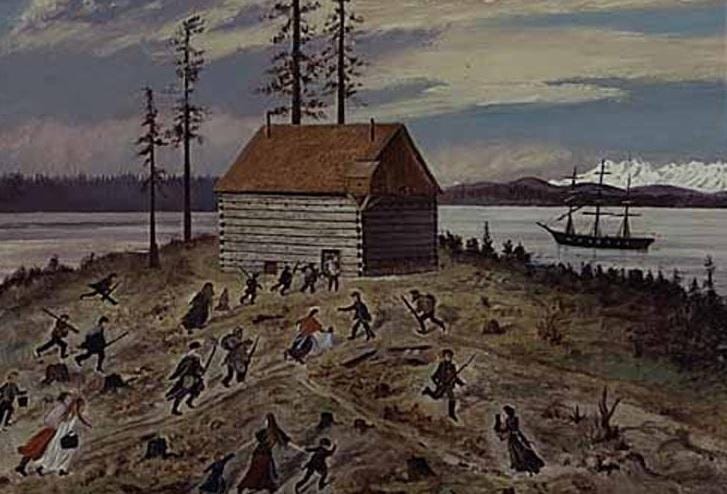
Long before Seattle became a major city, fighting broke out near what is now Pioneer Square. On January 26, 1856, Native warriors opposing territorial expansion attacked the small settlement during the Puget Sound War. Settlers and U.S. Marines defended the town, with cannon fire from the USS Decatur in Elliott Bay playing a major role. Two settlers were killed; accounts of Native casualties are uncertain. The conflict grew from disputed treaties, displacement, and mounting tensions between Native communities and settlers. Today, the streets around Pioneer Square and First Hill look nothing like that frontier settlement, which makes the location particularly striking. It’s worth remembering that Native people were not united on either side: some warned Seattle residents of the approaching attack.
Battle of Toppenish Creek (1855)
©Wikimedia Commons
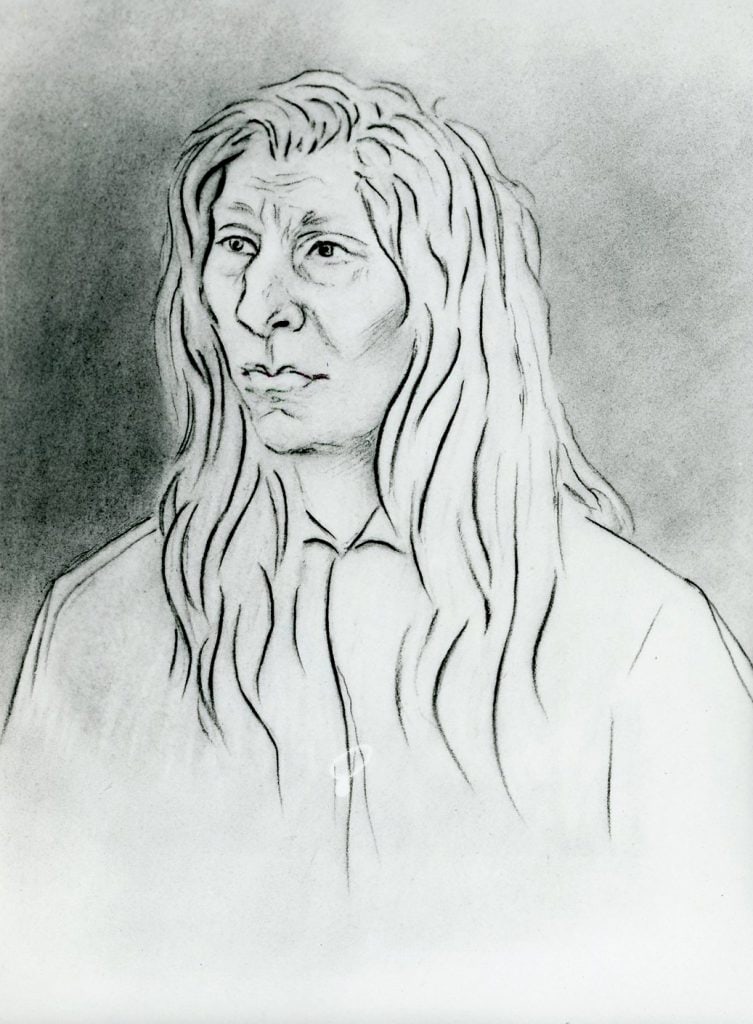
The Yakama Valley was the scene of a major confrontation on October 5, 1855, when Yakama warriors led by Kamiakin faced U.S. Army troops commanded by Major Granville Haller near Toppenish Creek. The soldiers were attempting to move into Yakama country amid anger over treaties, incoming settlers, and miners crossing tribal lands. After fighting near a creek crossing, Haller’s outnumbered force withdrew. The encounter is widely recognized as the opening battle of the Yakama War, which spread well beyond the valley. The setting today is agricultural country rather than a bustling battlefield attraction, but the historical stakes were enormous. The fighting was about much more than a single crossing: it reflected a struggle over who would control land that Native nations had occupied for generations.
Battle of Hungry Hill (1855)
©Wikimedia Commons
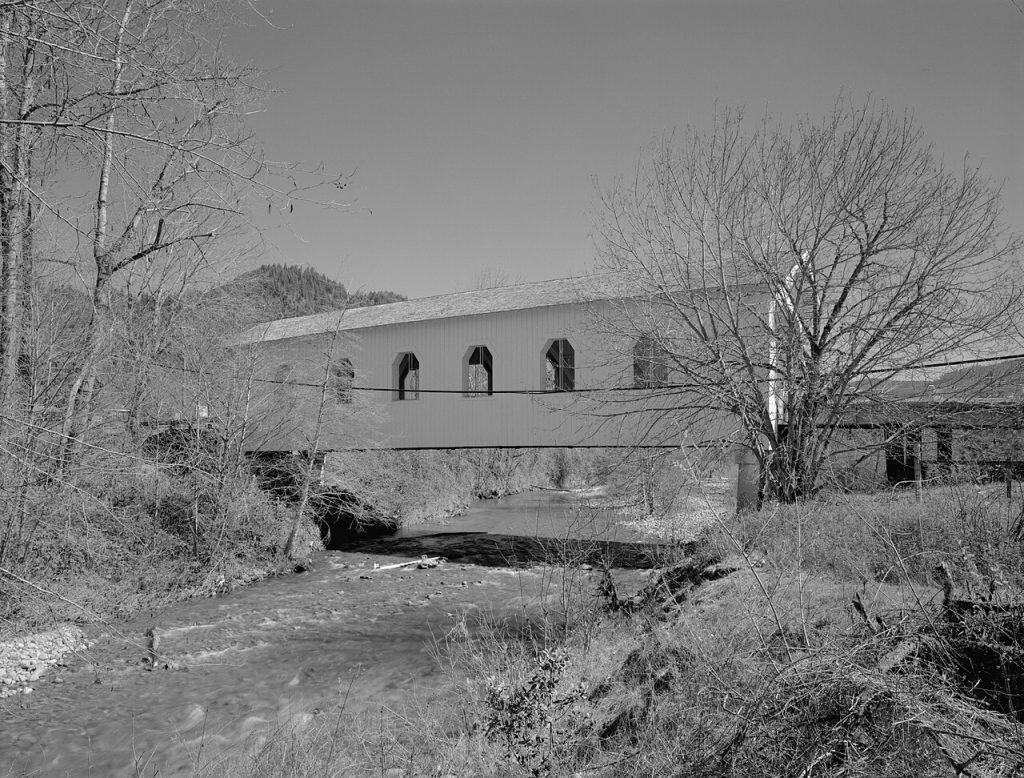
One of the largest engagements of the Rogue River War unfolded in southern Oregon’s Grave Creek Hills on October 31 and November 1, 1855. U.S. Army dragoons and Oregon volunteers advanced against Takelma fighters occupying difficult ground. The defenders repelled the poorly coordinated attack, forcing the soldiers and volunteers to pull back. The battle followed escalating violence in the Rogue Valley, including a massacre of Native people by white vigilantes earlier that October. Its exact location was largely forgotten for generations until archaeologists and historians identified the site again in 2012. Hungry Hill isn’t a conventional tourist battlefield with a visitor center, but the surrounding landscape offers a reminder that some of Oregon’s most consequential historical events happened far from its present-day cities.
Battle of Walla Walla (1855)
©Wikimedia Commons
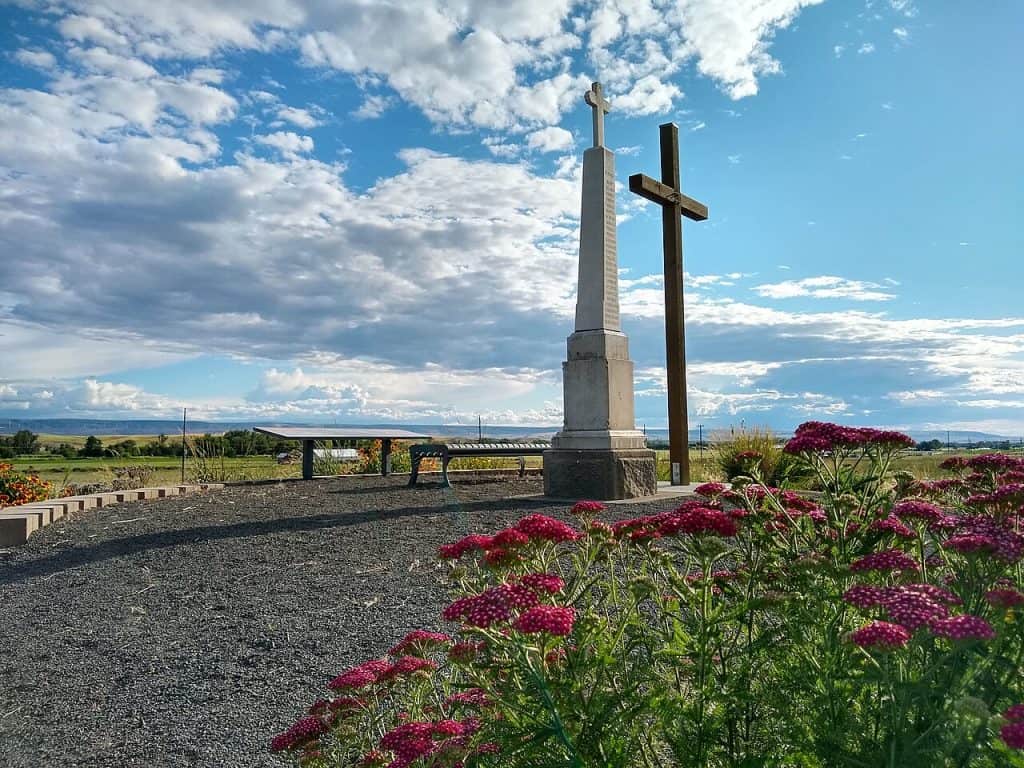
Between December 7 and 10, 1855, four days of fighting unfolded west of present-day Walla Walla, much of it around the settlement known as Frenchtown. Oregon Mounted Volunteers fought warriors from the Walla Walla, Cayuse, Palouse, and Yakama nations during a conflict driven by treaty disputes and settlement on tribal land. One of its darkest episodes involved Walla Walla chief Peopeomoxmox, who had approached under a flag of truce, was held captive, and was killed during the battle. The volunteers eventually received reinforcements, and the Native forces withdrew. Today, the Frenchtown Historic Site preserves and interprets the history of this area with signs and surviving structures. It’s a worthwhile stop for anyone who wants more context than the usual one-paragraph roadside history lesson.
Battle of the Cascades (1856)
©<a href="https://commons.wikimedia.org/wiki/File:Cascade_on_left_bank_Columbia_River_(Cascades_of_the_Columbia)_-_NARA_-_305501.jpg">James Madison Alden</a>, Public domain, via Wikimedia Commons
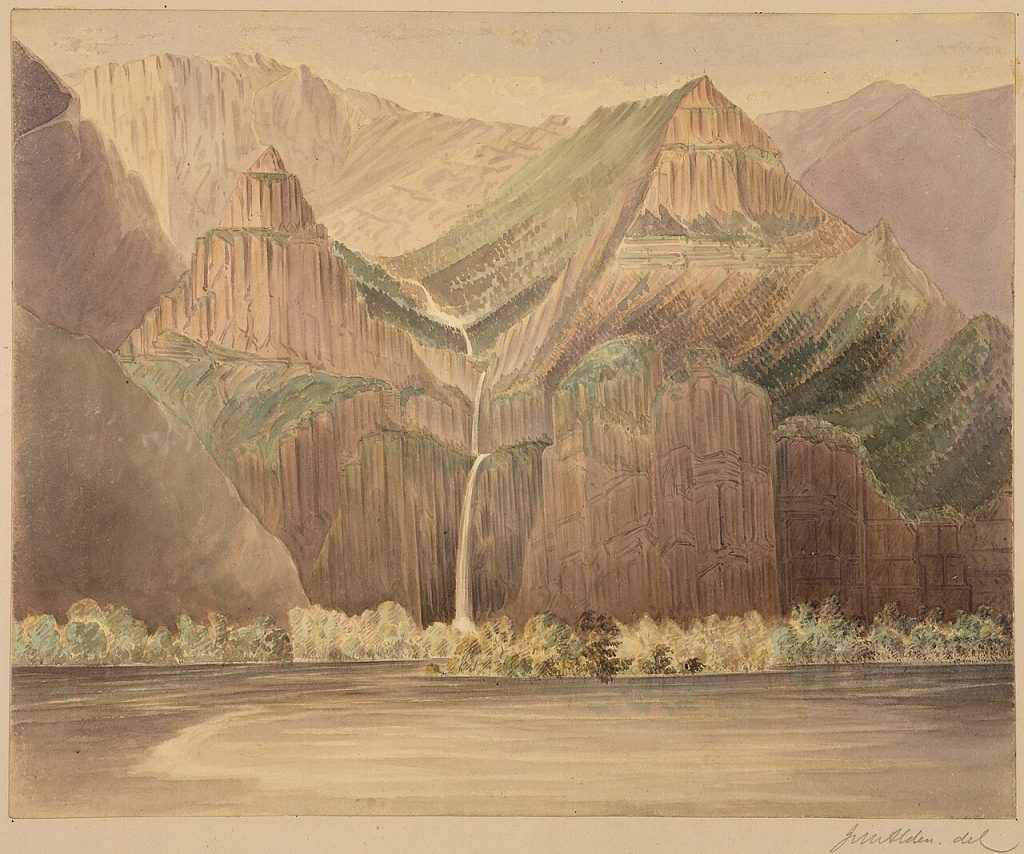
The Columbia River Gorge looks peaceful from most scenic overlooks, but it was the site of fierce fighting beginning March 26, 1856. Yakama, Klickitat, and Cascades warriors attacked settlements and military positions near the river’s Cascades portage, an important transportation link around dangerous rapids. The attack and siege, sometimes called the Cascades Massacre, killed civilians and U.S. soldiers before reinforcements arrived from The Dalles. Control of the portage mattered because so many people and supplies traveled along the Columbia. Bonneville Dam and later development transformed the old river landscape, so visitors won’t find the rapids exactly as they appeared in 1856. Still, the Gorge’s geography makes it easy to understand why this narrow passage became a flashpoint during the Yakama War.
Steptoe’s Defeat at Pine Creek (1858)
©Wikimedia Commons
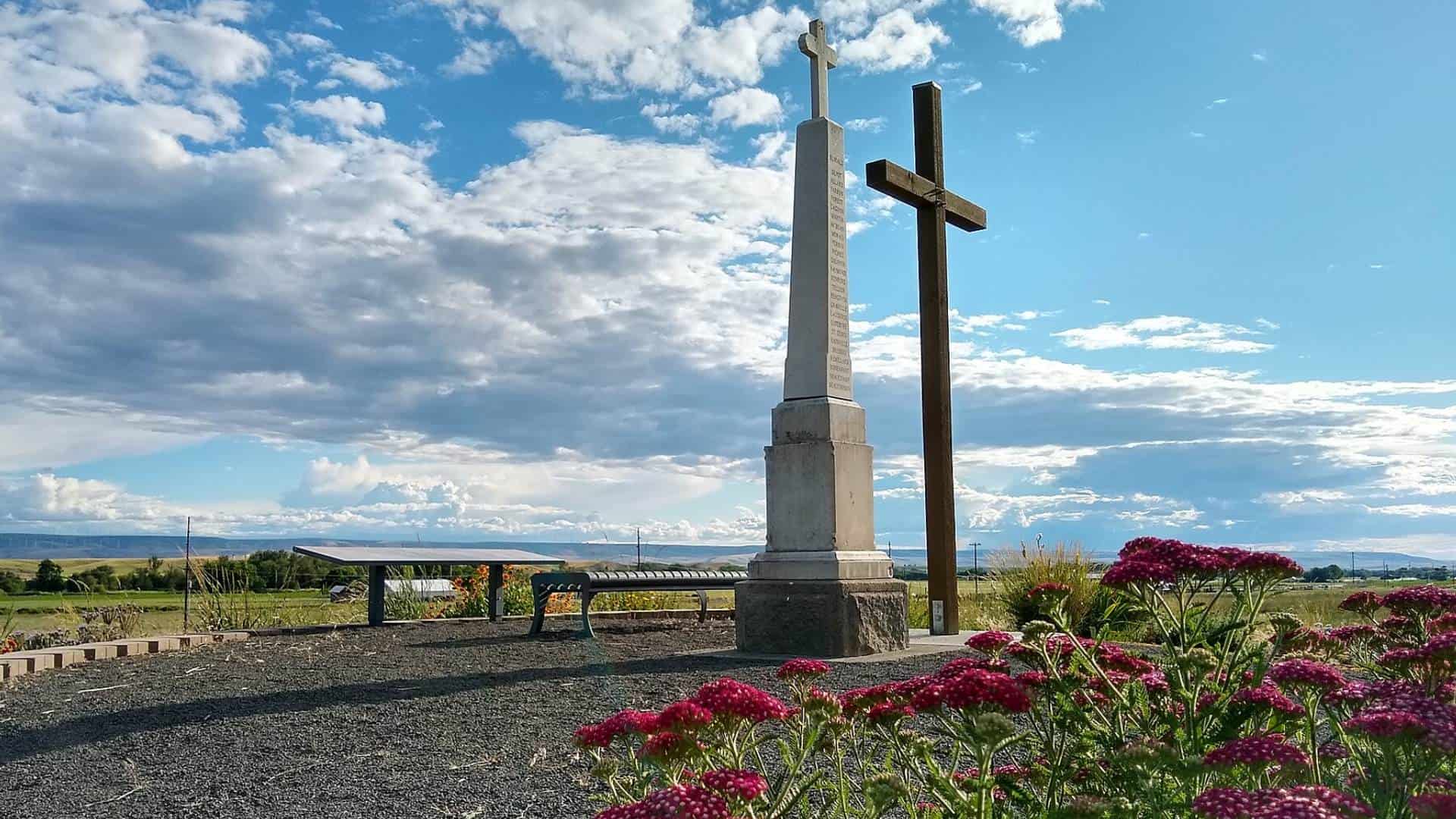
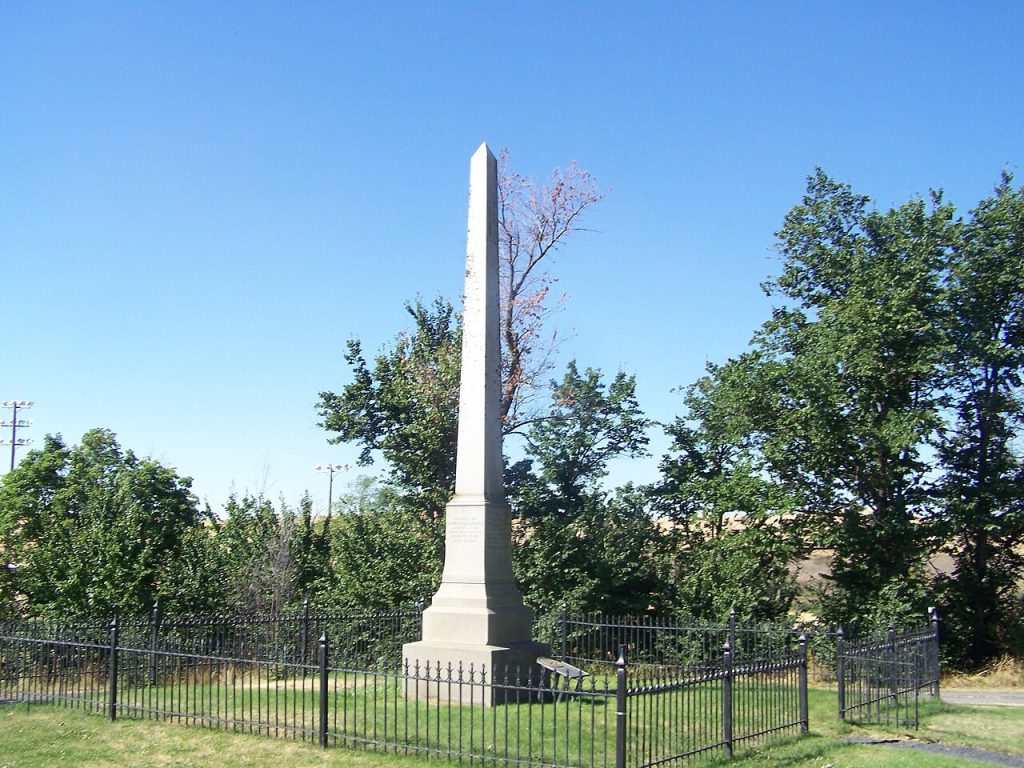
Near today’s Rosalia, Washington, a U.S. Army column under Lieutenant Colonel Edward Steptoe ran into determined resistance from allied Indigenous warriors on May 17, 1858. The force, which included Spokane, Palouse, Coeur d’Alene, and Yakama fighters, opposed the movement of troops through tribal homelands. After a lengthy running battle, Steptoe’s men were pinned down, low on ammunition, and forced to retreat under cover of darkness. The defeat was a major Native victory, although a much larger U.S. punitive expedition followed later that year. Unlike many remote battlefield locations, this one has a designated historic park: Steptoe Battlefield State Park Heritage Site in Rosalia includes a stone monument and interpretive panels. The site’s history is considerably more complex than the old monument alone might suggest.
Battle of Four Lakes (1858)
©Wikimedia Commons
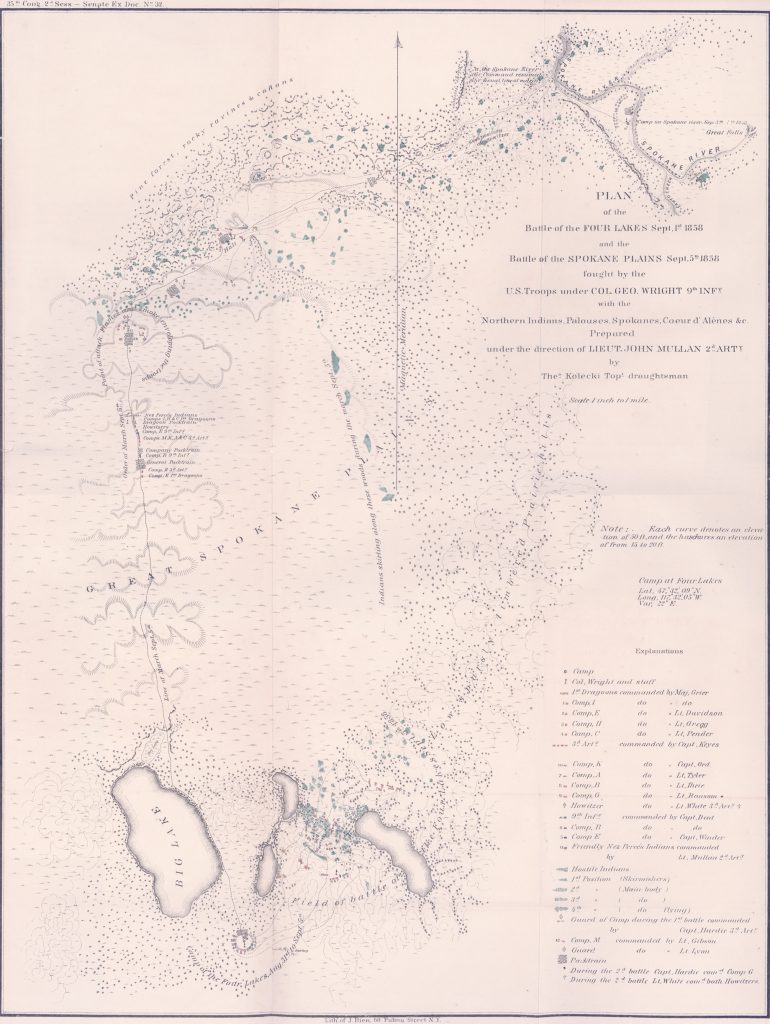
On September 1, 1858, U.S. troops under Colonel George Wright fought a coalition of Native warriors near the communities now known as Four Lakes and Medical Lake, southwest of Spokane. Wright’s force had entered the region after Steptoe’s defeat earlier that spring. His soldiers carried longer-range rifles and used organized infantry and cavalry attacks to drive the Indigenous force from the field. The battle marked a turning point in the campaign, though it was followed by further fighting and harsh reprisals. A historical monument near Four Lakes commemorates the engagement, while the surrounding roads and neighborhoods have transformed the original setting. It’s a reminder that this quiet corner of eastern Washington was once at the center of a major struggle over Native sovereignty and U.S. expansion.
Battle of Spokane Plains (1858)
©Wikimedia Commons
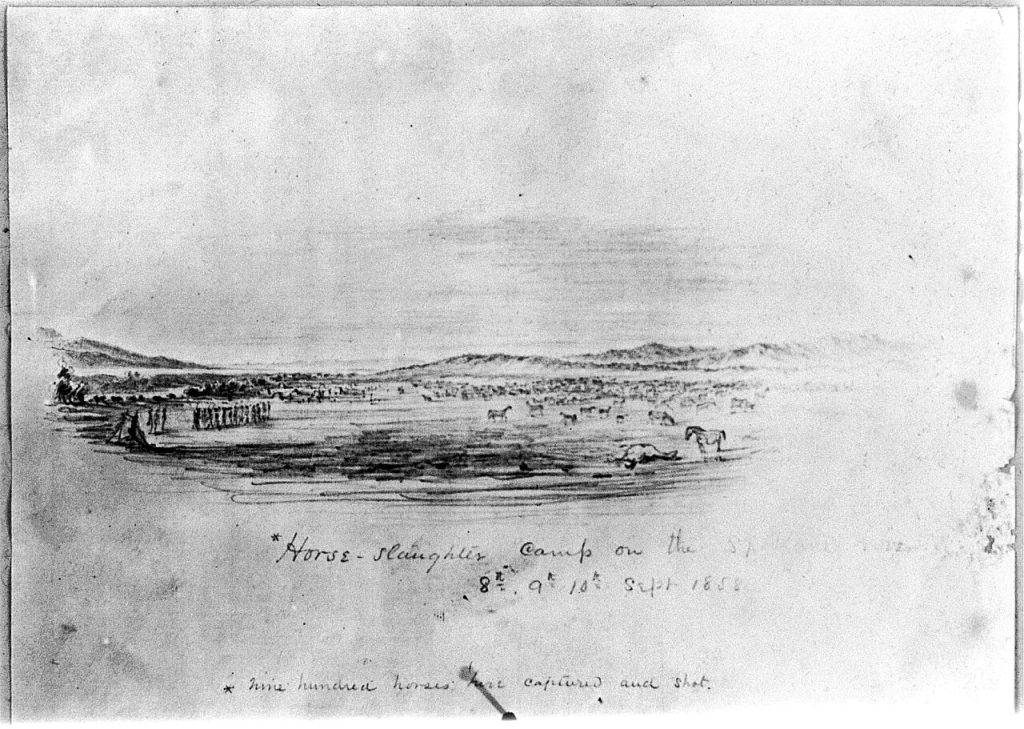
Just four days after Four Lakes, Colonel George Wright’s soldiers clashed again with allied Native fighters on September 5, 1858, during the Battle of Spokane Plains. The fighting stretched across miles of prairie west of present-day Spokane. Native warriors set grass fires while maneuvering against the troops, but Wright used infantry, cavalry, and artillery to push them back. The U.S. victory was followed by a campaign that destroyed Indigenous food supplies and hundreds of horses, weakening the tribes’ ability to resist. Today, historical markers west of Spokane identify parts of the battlefield area. The city’s modern roads and neighborhoods make it easy to overlook what happened here, but this was one of the decisive military episodes in the struggle for control of the Inland Northwest.
Battle of Lost River (1872)
©Wikimedia Commons
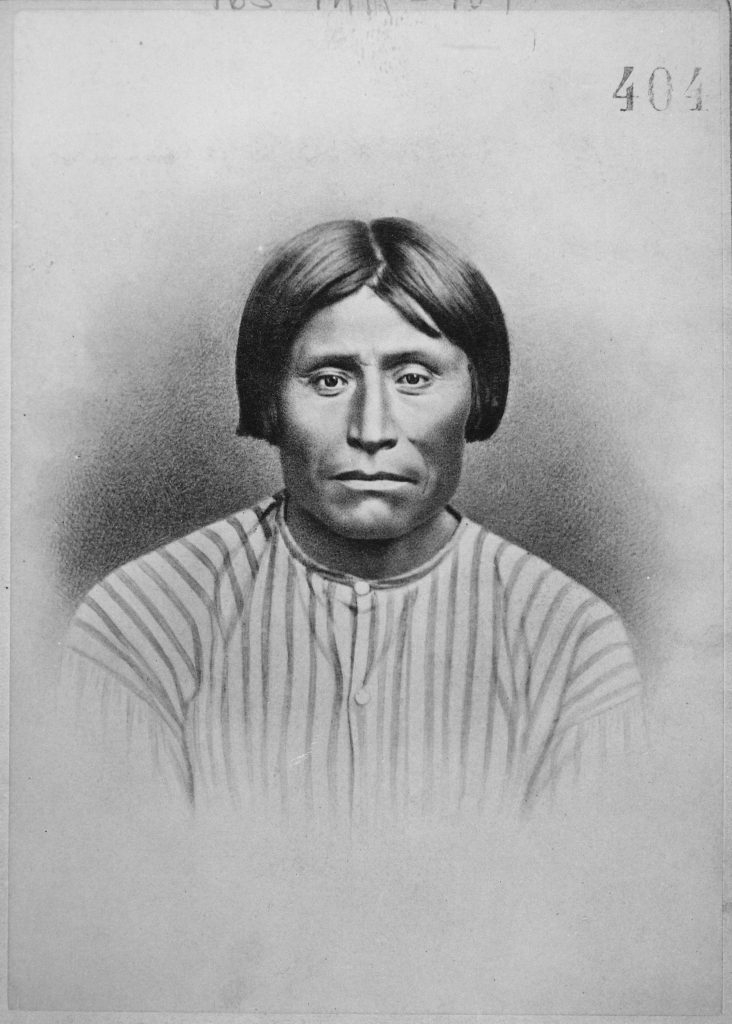
The Modoc War began with a confrontation near Lost River in southern Oregon on November 29, 1872, close to present-day Merrill and Tule Lake. U.S. troops were sent to force a group of Modoc people, led by Kintpuash, also known as Captain Jack, back to the Klamath Reservation. Many Modoc families had returned to their traditional homeland after serious problems on the reservation. When an attempt to disarm the group escalated into gunfire, people on both sides were killed and the Modocs withdrew across the lake. They eventually took refuge in the rugged lava landscape of what is now Lava Beds National Monument in California, where the war continued for months. The first battle was in Oregon, even though the conflict’s best-known stronghold lies just across the state line.
Battle of White Bird Canyon (1877)
©Wikimedia Commons
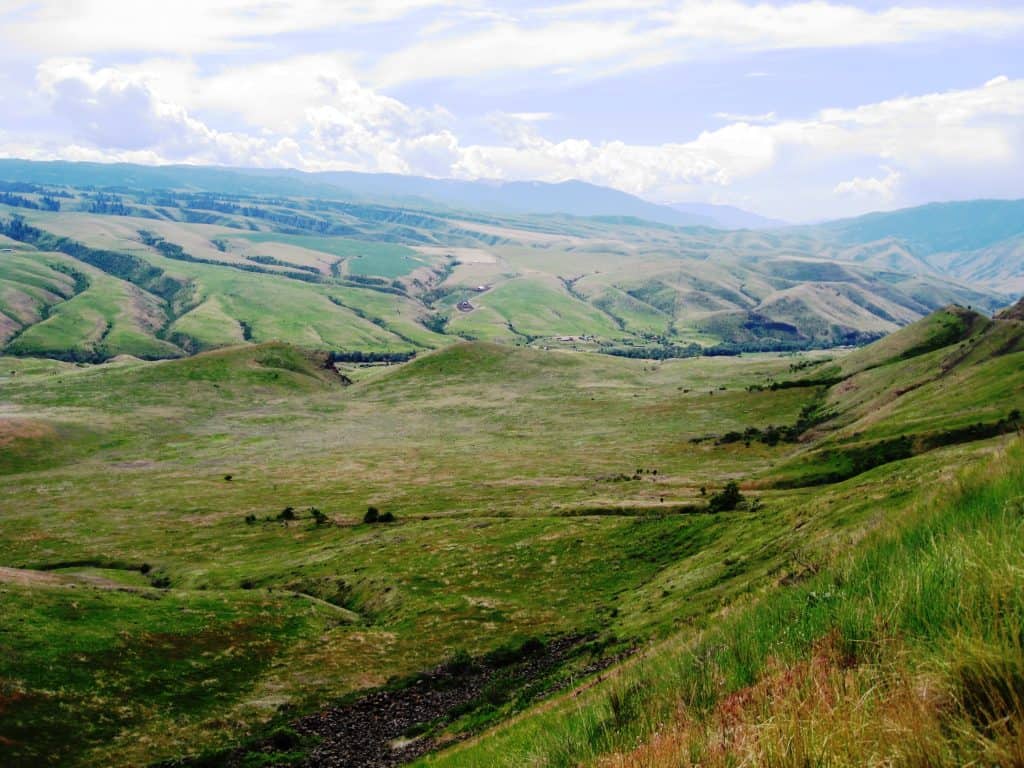
One of the U.S. Army’s most significant defeats in the Nez Perce War happened in north-central Idaho on June 17, 1877. Cavalry troops under Captain David Perry approached a Nez Perce (Nimiipuu) camp in White Bird Canyon as tensions mounted over attempts to force non-treaty bands onto a reservation. According to the National Park Service, a Nez Perce peace party rode forward carrying a white flag, but a civilian volunteer fired at them and the battle began. The cavalry was routed, with 34 soldiers killed. The victory was followed by the Nez Perce people’s long and difficult flight across the West. Today, White Bird Battlefield is part of Nez Perce National Historical Park, with an overlook and interpretive trail south of Grangeville. It’s one of the region’s clearest places to connect the landscape with the history.

