
There is no perfect state to call home. Florida gives you beaches and hurricanes. Alaska gives you scenery that barely looks real and a grocery bill that occasionally does. Wherever you go, choosing a place to live means balancing housing costs, jobs, health care, schools, taxes, weather, safety, and the kind of lifestyle you actually want.
Some states, however, come with a longer list of tradeoffs. High poverty rates, limited access to services in rural communities, expensive housing or basic necessities, extreme weather, weak health outcomes, and infrastructure problems can all make everyday life more difficult. None of that means these are universally bad places to live. Every state on this list has communities people love, along with plenty of reasons to visit.
Seattle Travel looked at 15 states where current Census data and other government sources point to notable quality-of-life challenges prospective residents should understand before packing the moving truck. This is not a ranking of the “worst” states in America. Think of it instead as a reminder that the postcard version of a place rarely tells the whole story.
Mississippi
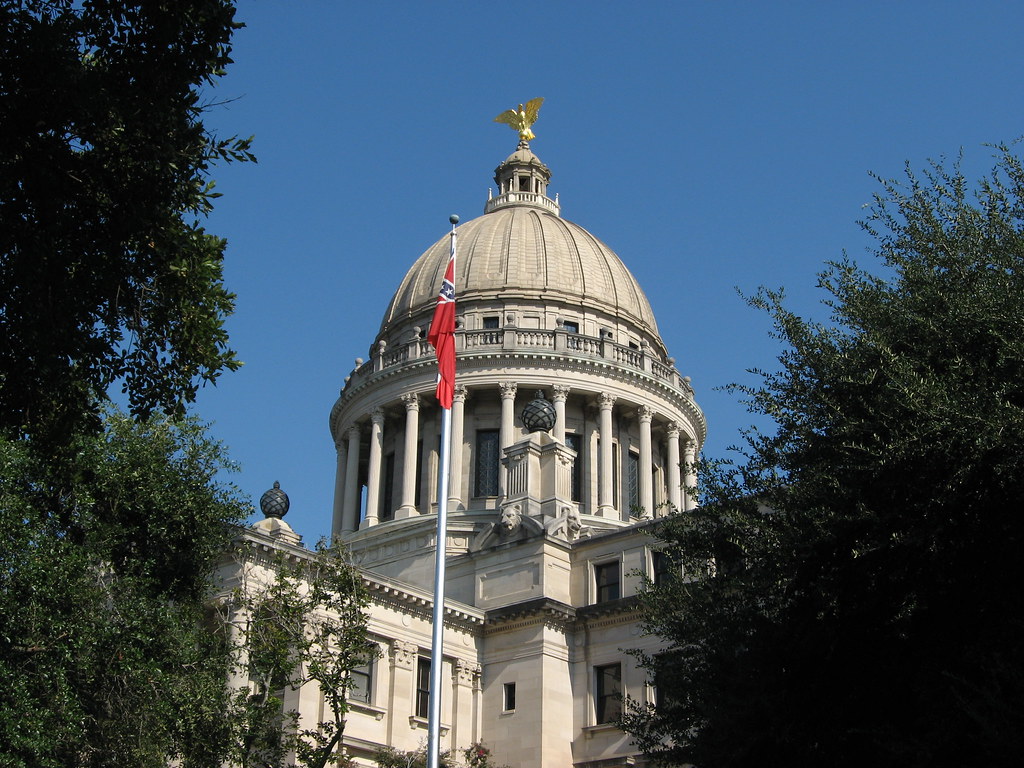
©"Mississippi State Capitol, Jackson, Mississippi" by Ken Lund is licensed under BY-SA 2.0. - Original / License
Mississippi remains one of the country’s lowest-income states. Census estimates for 2020 through 2024 put its poverty rate at 17.8% and median household income at $56,447. About 11.7% of residents under 65 also lack health insurance. That does not erase the state’s low housing costs, Gulf Coast communities, music history, or famously good food, but anyone considering a move should look carefully at employment opportunities, medical access, and the availability of services in the specific community they have in mind.
West Virginia
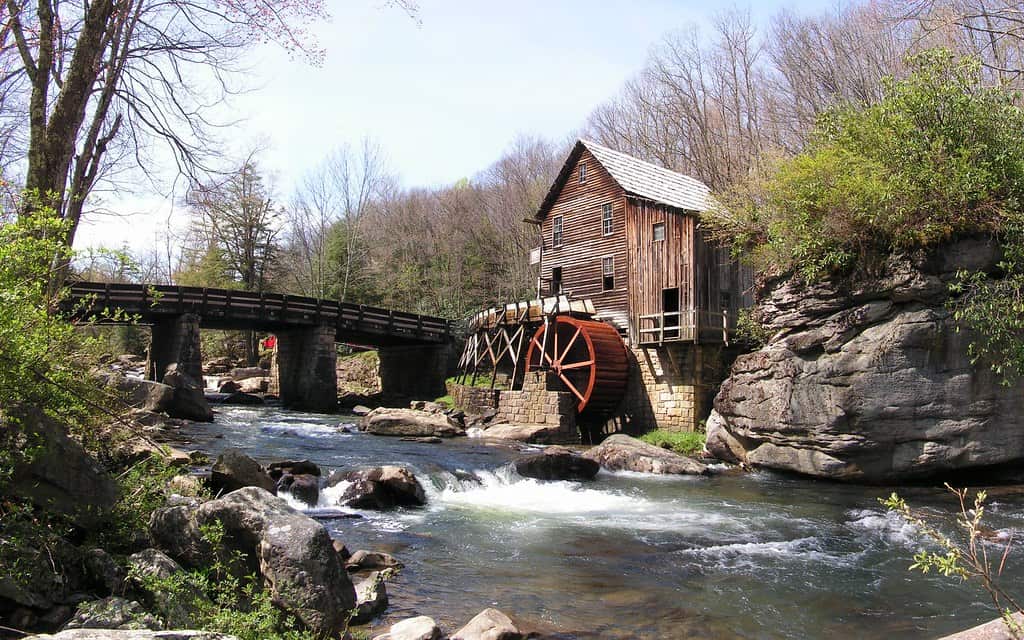
©"Glade Creek Grist Mill - Babcock State Park, West Virginia" by Trodel is licensed under BY-SA 2.0. - Original / License
West Virginia is beautiful, affordable, and practically made for anyone who would rather see mountains than skyscrapers. The economic picture is tougher. Census estimates put median household income at $59,608 and the poverty rate at 16.7%. The state’s scattered population and mountainous geography can also mean longer trips for work, shopping, and medical care in more remote communities. West Virginia can be an appealing choice for the right person, but employment and access to everyday services deserve a closer look before moving.
Louisiana

©"Streetcars in New Orleans: 2000 series - Perley A. Thomas Car Works 900 Series Replicas" by Flavio~ is licensed under BY 2.0. - Original / License
Louisiana is one of America’s most culturally distinctive states, which makes the numbers behind everyday life there a little jarring. Census estimates put 18.7% of residents below the poverty line and median household income at $60,756. Then there is the weather. Hurricanes, storm surge, heavy rain, and flooding are recurring realities in parts of the state, particularly closer to the Gulf Coast. Louisiana has plenty to recommend it, from New Orleans to Cajun Country, but prospective residents should factor flood exposure and insurance into the cost of living, not just the price of the house.
Alabama
©Gustavo Frazao/Shutterstock.com
Alabama remains relatively affordable compared with many fast-growing parts of the country, but lower costs come alongside some economic and health-care challenges. Census data puts median household income at $63,999 and the poverty rate at 15.2%. About 10% of residents under 65 lack health insurance. The experience also varies enormously between growing metros such as Huntsville and more rural parts of the state, so Alabama is one of those places where researching the county can matter almost as much as researching the state.
Arkansas
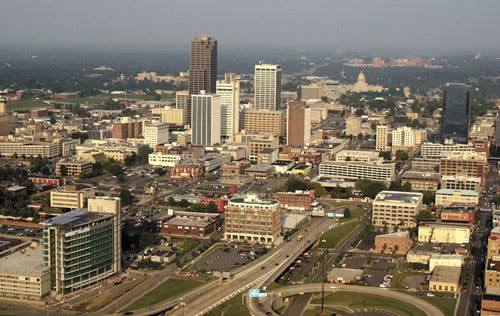
©"Little Rock" by Murrayultra is licensed under BY-SA 3.0. - Original / License
Arkansas makes a strong first impression if you like mountains, lakes, forests, and a cost of living that has not completely lost its mind. The economic numbers are less rosy. The state’s median household income is $60,773, while 15.5% of residents live below the poverty line. Rural living also means that access to jobs, hospitals, broadband, and other services can vary considerably depending on where you settle. Northwest Arkansas is booming, but that experience is not representative of every corner of the state.
Kentucky
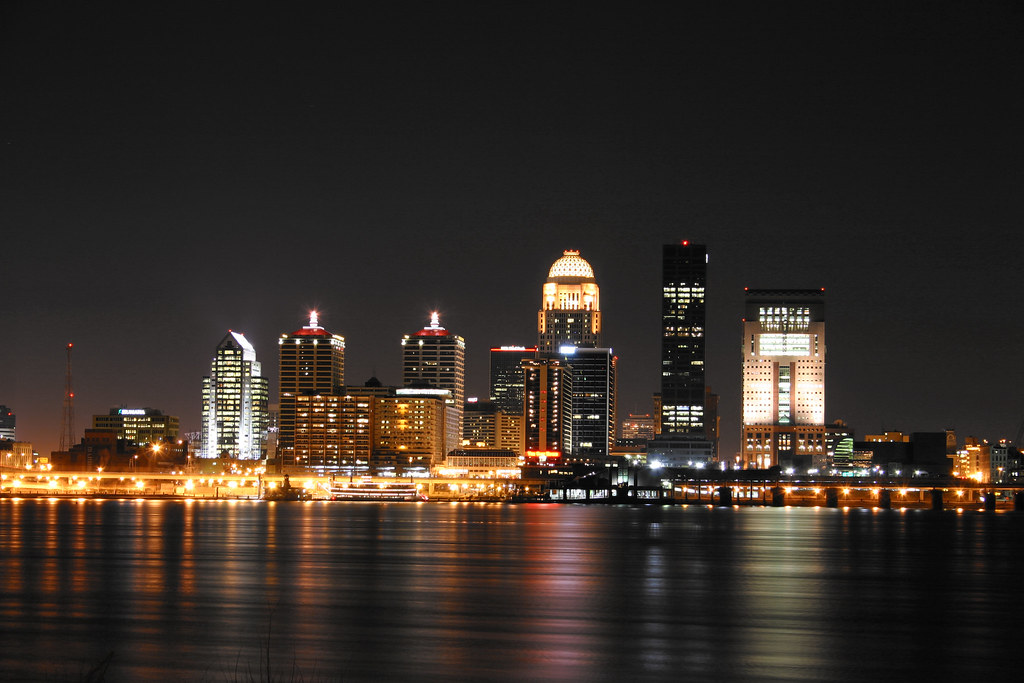
©"Louisville Skyline" by The Pug Father is licensed under BY 2.0. - Original / License
Kentucky can be inexpensive, scenic, and surprisingly varied, from Louisville and Lexington to small Appalachian communities in the east. It is that variation that matters. Census estimates put 15.6% of Kentucky residents below the poverty line and median household income at $63,726. Communities that once depended heavily on coal have faced particularly difficult economic transitions. Someone moving to Lexington for a university or health-care job is looking at a very different Kentucky from someone considering a remote county in the eastern mountains.
New Mexico
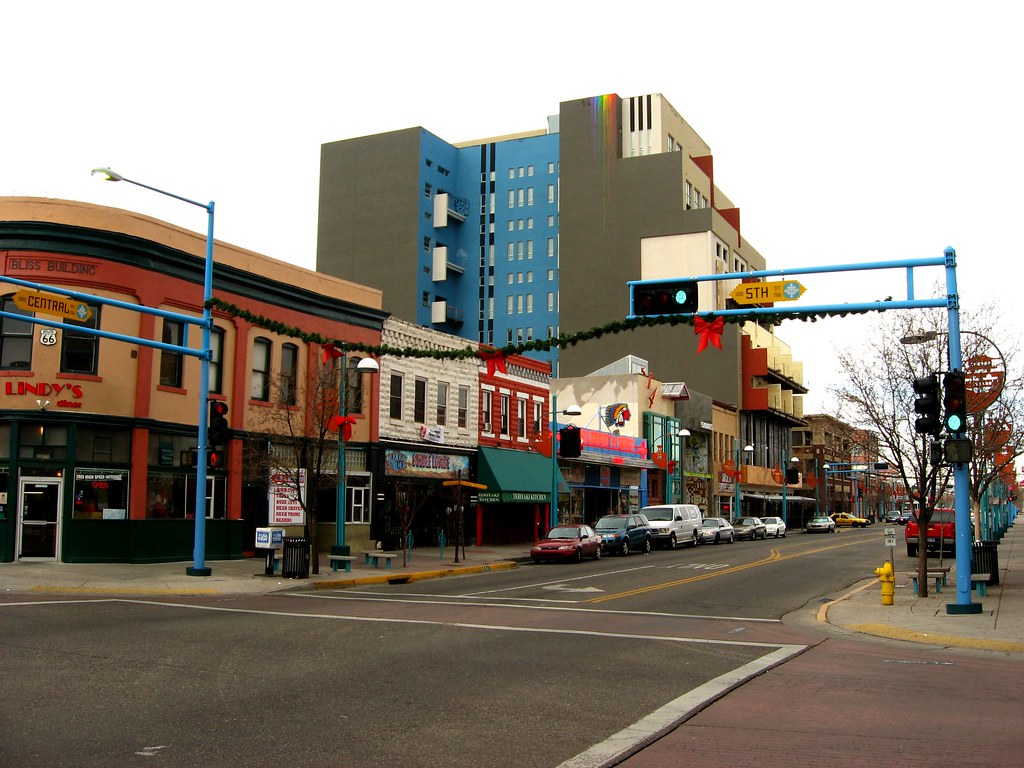
©"Central Avenue, Albuquerque, New Mexico, as seen from KiMo Theatre" by Ken Lund is licensed under BY-SA 2.0. - Original / License
New Mexico is spectacular to look at. It also has some numbers that deserve attention before a move. Census estimates put 16.4% of residents below the poverty line, median household income at $64,059, and the uninsured rate for people under 65 at 12.4%. Its population is spread across a huge amount of territory, so access to hospitals and other services can be very different in Albuquerque or Santa Fe than in a remote rural community. The scenery may sell the state, but location within New Mexico matters quite a bit.
Indiana
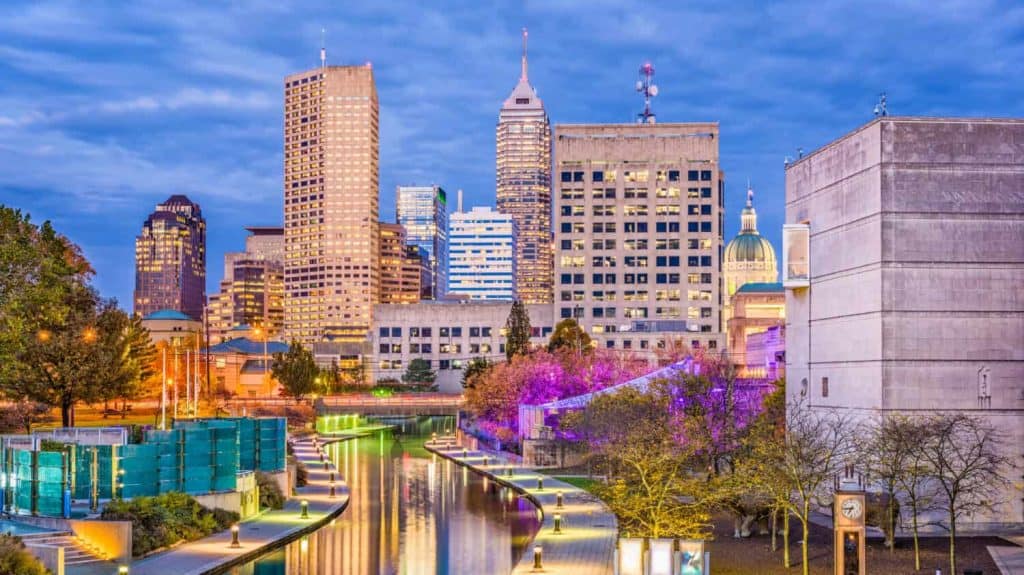
©Sean Pavone - Original
Indiana does not have the same poverty levels as several states earlier on this list, and its relatively moderate housing costs can be appealing. Census estimates put median household income at $71,957 and poverty at 12.2%. The tradeoffs depend heavily on location. Indianapolis and its suburbs offer a much broader job and service base than many smaller communities, while parts of the state have long dealt with the environmental legacy of heavy industry. Indiana can make financial sense, but prospective residents should research the specific city rather than judge the whole state by one set of numbers.
Alaska

©"O'Malley Peak - Anchorage" by Accretion Disc is licensed under BY 2.0. - Original / License
Alaska is the oddball on this list. Poverty is not especially high, with Census estimates putting it at 10.2%, and median household income is a healthy $92,788. The challenge is what that money has to buy. Federal economic data shows prices in Alaska run above the national average, and the state’s enormous size and extremely low population density make transportation, groceries, health care, and other essentials expensive or difficult to reach in many communities. Living in Anchorage is one thing. Living hundreds of miles from the road system is another universe entirely.
Michigan

©"Dodge Charger Michigan State Police car" by Corvair Owner is licensed under BY-SA 2.0. - Original / License
Michigan is difficult to generalize. Grand Rapids, Ann Arbor, Detroit, the Lake Michigan shoreline, and the Upper Peninsula might as well be different states some days. Statewide, Census estimates put median household income at $72,875 and poverty at 13.4%. Some older industrial cities continue to wrestle with population loss, aging housing, and infrastructure needs, while other parts of Michigan are attracting residents and investment. Flint’s water crisis remains an important part of the state’s recent history, but federal regulators lifted the city’s emergency drinking-water order in 2025 after the system met required standards.
Oklahoma
©Sean Pavone / iStock via Getty Images
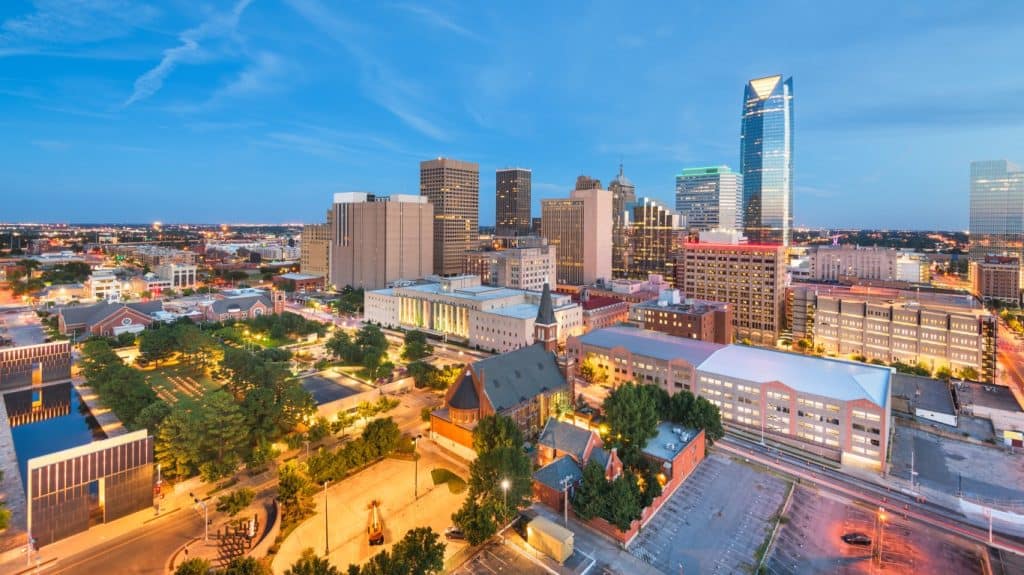
Oklahoma remains relatively inexpensive by national standards, but affordability is only part of the equation. Census estimates put median household income at $65,039, and poverty remains elevated in many communities. Severe thunderstorms, hail, tornadoes, extreme heat, and drought are also normal parts of life on the southern Plains. Oklahoma City and Tulsa provide the amenities of substantial metro areas, but anyone eyeing a smaller town should take a hard look at nearby medical care, employment options, and the condition of the housing stock before moving.
Missouri
©"Gateway Arch - St. Louis - Missouri" by Arch_Sam is licensed under BY 2.0. - Original / License
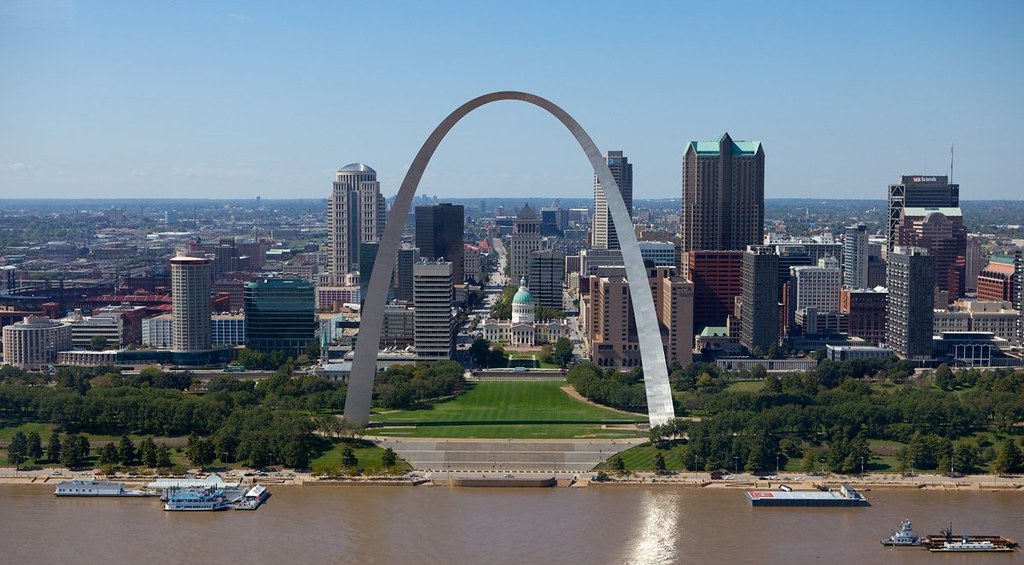
Missouri offers a lot for the money, especially compared with pricier states on either coast. Census estimates put median household income at $70,702 and the poverty rate at 12.3%. The bigger issue is how uneven life can look across the state. Kansas City and St. Louis offer major hospitals, universities, entertainment, and diverse job markets, while some rural communities have fewer services and economic opportunities. Crime can be a serious issue in particular neighborhoods and cities, but it makes little sense to treat that as a statewide condition.
Nevada

©"Las Vegas Statue of Liberty" by Gage Skidmore is licensed under BY-SA 2.0. - Original / License
Nevada’s old reputation as little more than Las Vegas surrounded by empty desert is increasingly outdated. The state has grown quickly, and Census estimates put median household income at $78,260 with an 11.6% poverty rate. The bigger long-term concern is water. As of late August 2026, 88% of Nevada was in drought, and the Colorado River system that supplies much of southern Nevada remains under serious pressure. Add brutal summer heat and rapid growth around Las Vegas and Reno, and newcomers have some very real infrastructure and climate tradeoffs to consider.
South Carolina
©Sean Pavone/Shutterstock.com
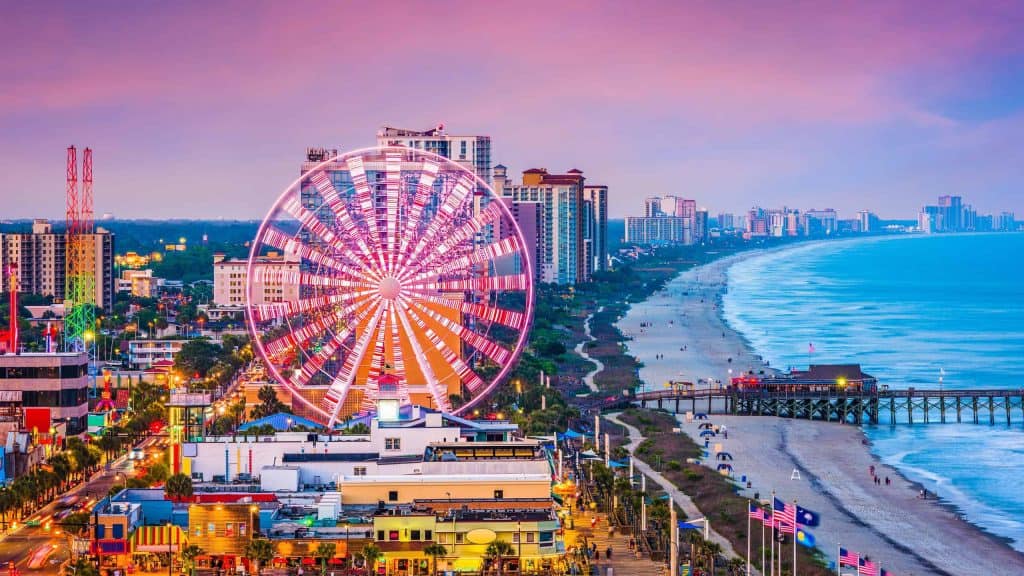
South Carolina is growing quickly for a reason. Charleston, Greenville, the beaches, mild winters, and a generally lower cost of living than much of the Northeast have attracted plenty of newcomers. Still, statewide Census estimates show a 13.3% poverty rate, and 11% of residents under 65 lack health insurance. Coastal residents also have hurricane, flooding, and insurance exposure to consider. South Carolina can be a very attractive place to live, but the math looks much different in a booming suburb than it does in a rural county or flood-prone coastal neighborhood.
Illinois

©"Chicago" by szeke is licensed under BY-SA 2.0. - Original / License
Illinois is another state where the original “bad place to live” framing falls apart pretty quickly. Median household income is $83,390, well above several states on this list, and the poverty rate is 11.6%. Chicago alone offers an employment market, cultural scene, transportation network, and collection of major universities and hospitals few American cities can match. The tradeoffs include relatively high costs in parts of the Chicago region, aging infrastructure, and long-running state and local fiscal pressures. Illinois’ population was also still slightly below its 2020 level in the Census Bureau’s July 2025 estimate. The challenges are real, but so are the advantages.

