

The Pacific Northwest is famous for its breathtaking mountains, misty forests, rugged coastlines, and vibrant cities, but the region also has a distinctly strange and mysterious side. From alleged Bigfoot encounters and unexplained lights in the sky to haunted landmarks, unsettling discoveries, and bizarre events that continue to defy easy explanation, these stories reveal a side of the Northwest that most travel guides leave out.
Some have become enduring local legends, while others come from reports that sound almost too unusual to be true. Whether you’re fascinated by the paranormal, drawn to unsolved mysteries, or simply enjoy a chilling tale, these are 15 of the creepiest and most bizarre things ever reported in Washington, Oregon, and the wild landscapes beyond.
D.B. Cooper Jumped Into the Night and Vanished

©"DB Cooper kickass history cropped" by theNerdPatrol is licensed under BY 2.0. - Original / License
On November 24, 1971, a man calling himself Dan Cooper boarded Northwest Orient Flight 305 in Portland, bound for Seattle. After takeoff, he told a flight attendant he had a bomb and demanded $200,000 and four parachutes. The passengers were released in Seattle, the plane took off again, and Cooper jumped from the rear of the Boeing 727 somewhere between Seattle and Reno. A portion of the ransom money turned up along the Columbia River in 1980, but Cooper’s identity and ultimate fate have never been conclusively established. More than half a century later, it is still one of the Pacific Northwest’s all-time great mysteries.
Human Feet Started Washing Ashore in British Columbia

©"Sand-Between-Toes_Woman-Feet__392810" by Public Domain Photos is licensed under BY 2.0. - Original / License
Beginning in 2007, human feet, many still inside running shoes, began turning up along shorelines in southwestern British Columbia. The discoveries were creepy enough to inspire plenty of dark theories, but the B.C. Coroners Service repeatedly found a less sinister explanation. Many of the feet were matched by DNA to missing people, and examinations found that they had separated naturally after prolonged immersion in water rather than being mechanically removed. By 2019, the Coroner’s Service described a West Vancouver discovery as the 15th human foot found on B.C. shorelines since August 2007. Creepy? Absolutely. Evidence of a mysterious serial killer? Investigators said no.
The Oakville Blobs Seemed to Rain From the Sky
©Creative Commons
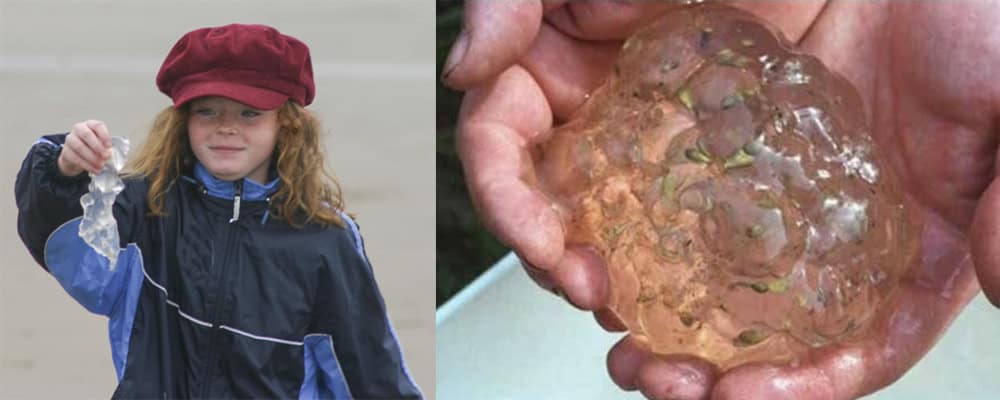
In August 1994, residents around Oakville, Washington, reported finding small translucent blobs of gelatinous material after rainfall. Contemporary accounts described the globs as tiny, roughly around the size of a grain of rice, and similar reports continued over the next few weeks. A Washington State Department of Health microbiologist found two species of bacteria in samples, but there was no evidence those bacteria were responsible for the illnesses some residents later reported. Theories ranged from shredded jellyfish to military activity, but none was proven. Three decades later, the Oakville blobs remain one of those stories that sounds like somebody started writing an X-Files episode and forgot to finish it.
Washington Drivers Thought Something Was Attacking Their Windshields
©"Hailstone-smashed front windshield of a car from 4 July 2010 hailstorm (Limon, eastern Colorado, USA)" by James St. John is licensed under BY 2.0. - Original / License
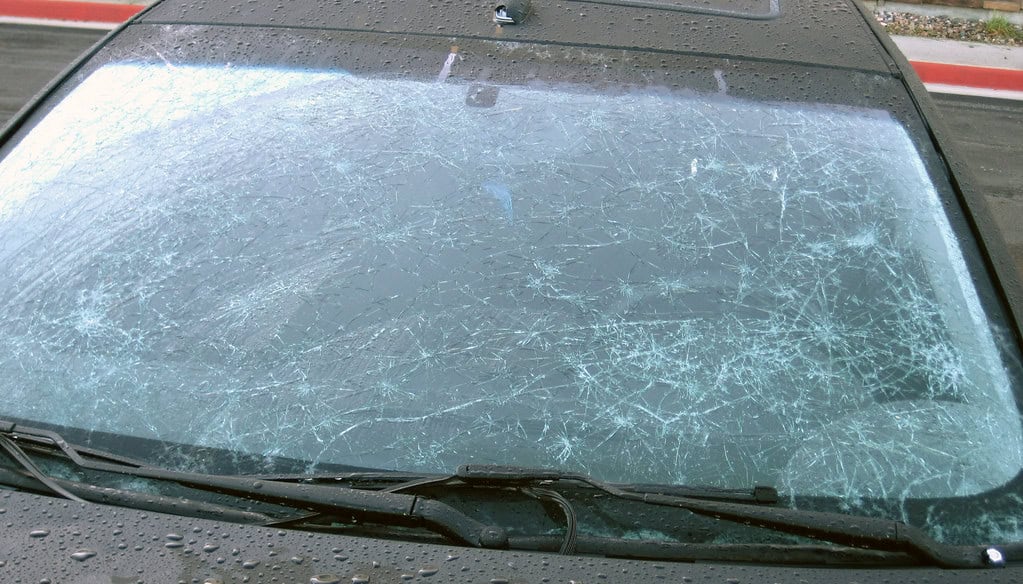
In the spring of 1954, drivers from Bellingham south toward Seattle began reporting mysterious pits, chips, and tiny holes in their windshields. Explanations got weird fast, with theories involving vandals, H-bomb fallout, cosmic rays, and even sand-flea eggs. University of Washington scientists examined cars and concluded that most of the supposed new damage was ordinary wear that people had only started noticing after the story took off. Seattle police reached a similar conclusion after finding that older cars showed the pitting while new cars generally did not. Within days, the reports faded, leaving behind a textbook Pacific Northwest example of collective delusion.
The ‘Lady of the Lake’ Rose From Lake Crescent
©
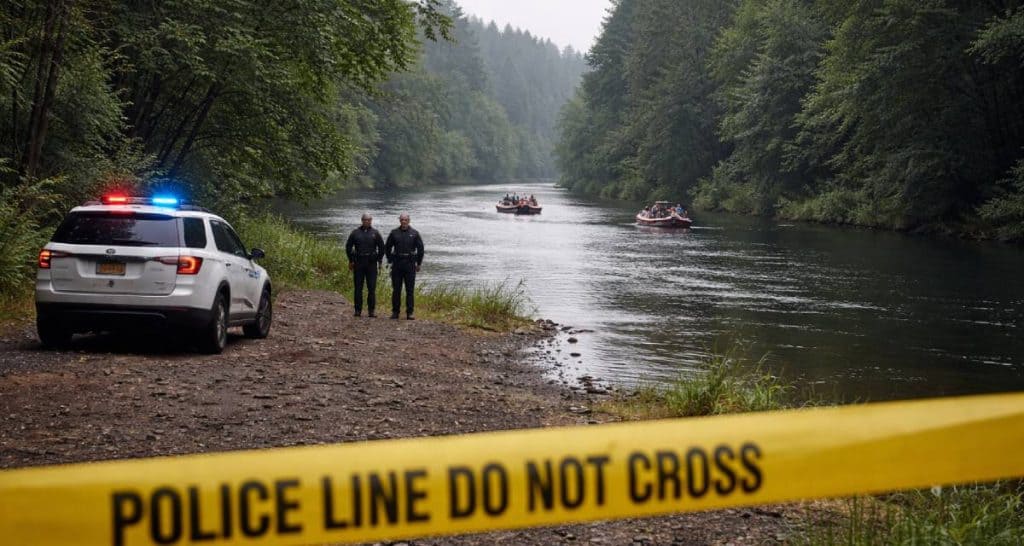
In 1940, a woman’s body floated to the surface of Lake Crescent on the Olympic Peninsula, wrapped in blankets and tied with heavy rope. She had been strangled, but the strangest part was the condition of the body: a chemical process called saponification had transformed much of the tissue into a soap-like substance. Investigators eventually identified her as Hallie Illingworth, a Port Angeles waitress who had disappeared in 1937. Her husband, Monty Illingworth, was convicted of second-degree murder in 1942 after evidence, including the rope used to bind the body, helped connect him to the crime. The nickname sounds like folklore. The case was very real.
The Maury Island UFO Story Helped Create the ‘Men in Black’ Myth

©Creative Commons
In 1947, two Tacoma-area men claimed that a strange doughnut-shaped craft had malfunctioned near Maury Island and showered a boat with debris. Harold Dahl also said a mysterious man in a black suit later warned him to keep quiet, an element that became part of the broader ‘men in black’ mythology. The FBI investigated, and Dahl and Fred Crissman eventually admitted that the flying-saucer story had been fabricated. The supposed debris was ordinary scrap and pumice. Two Army officers did die in a B-25 crash after investigating the claims, but the crash was attributed to an engine fire, not sabotage. Somehow, the debunking only made the story more durable.
A Mount Rainier Sighting Helped Launch the Flying Saucer Craze
©"Flying Saucers! 1967" by A.Davey is licensed under BY 2.0. - Original / License
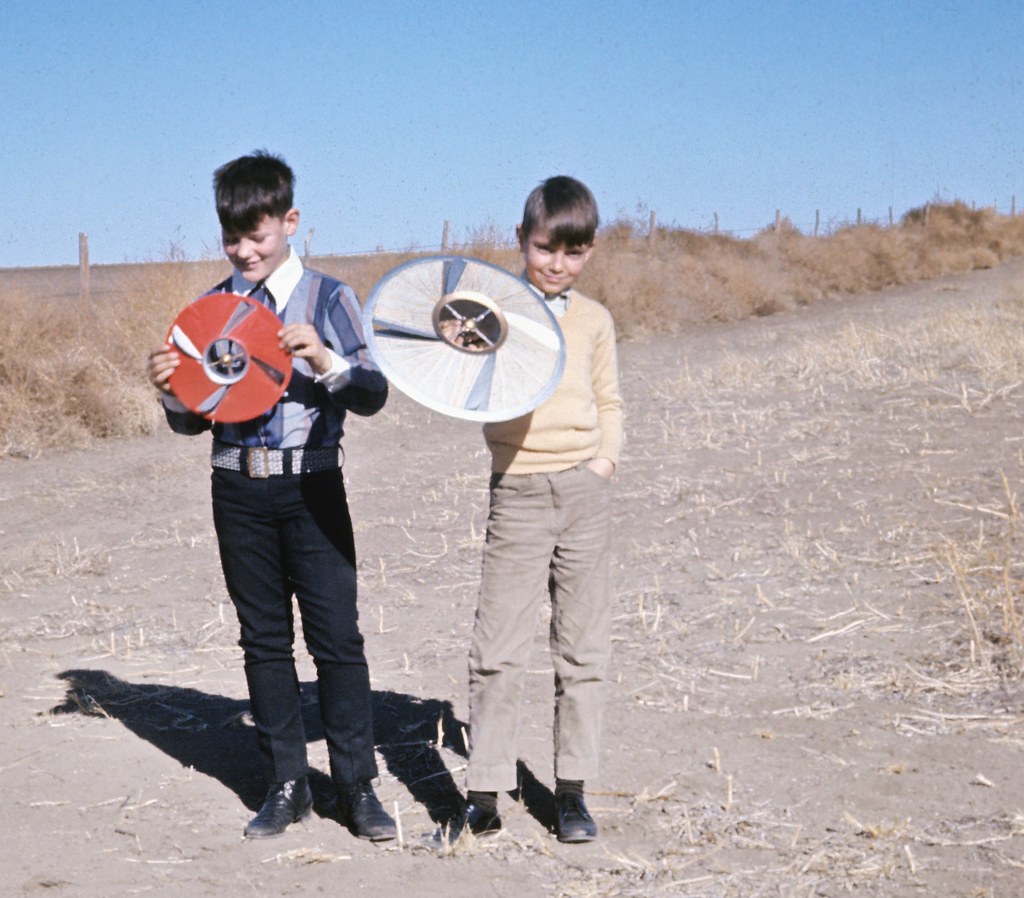
On June 24, 1947, pilot Kenneth Arnold reported seeing nine bright objects moving along the Cascade Range near Mount Rainier. He described their motion as being like a saucer skipping across water, and newspaper coverage helped turn ‘flying saucer’ into a national phrase almost overnight. His account made headlines far beyond Washington and was followed by a wave of similar reports around the country. HistoryLink notes that an Air Force investigation later concluded Arnold had likely seen a mirage or disc-shaped lenticular clouds. Whatever he actually saw, the modern flying-saucer craze has a very strong Pacific Northwest origin story.
Prospectors Said ‘Ape-Men’ Attacked Their Cabin Near Mount St. Helens
©Jean Faucett/Shutterstock.com
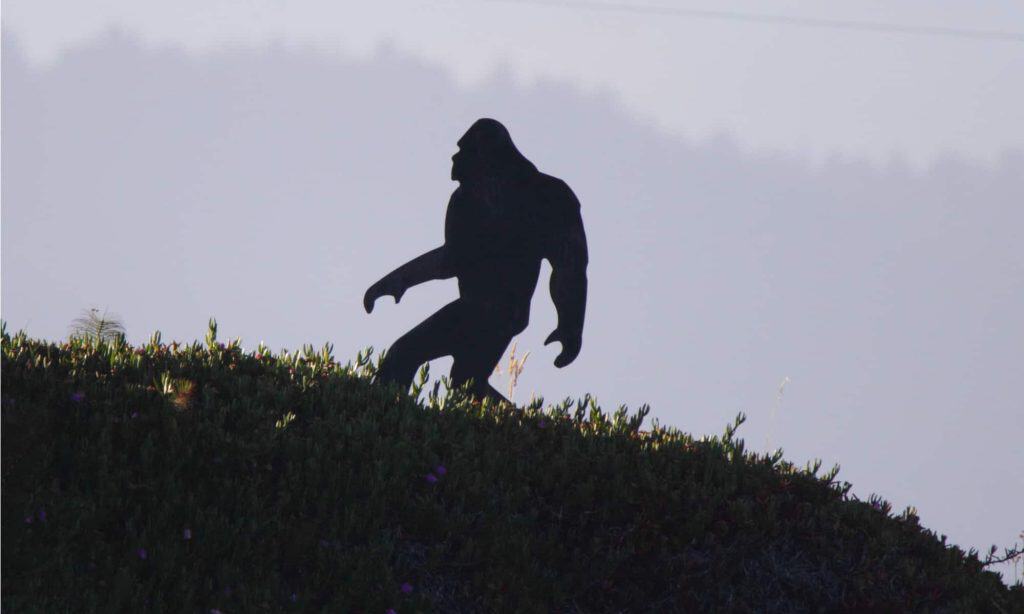
In 1924, a group of prospectors near Mount St. Helens claimed that large, hairy, ape-like creatures surrounded their remote cabin and hurled rocks at it through the night. Fred Beck, one of the men, later published his own account and said the trouble began after the prospectors fired at one of the creatures earlier in the day. The story spread through newspapers and became closely associated with the gorge now known as Ape Canyon. No physical evidence has ever established that the alleged creatures were real, so this belongs firmly in the category of regional legend rather than confirmed wildlife encounter. Still, as Bigfoot stories go, this one has serious staying power.
The McMinnville UFO Photos Became a National Sensation
©Wikimedia Commons
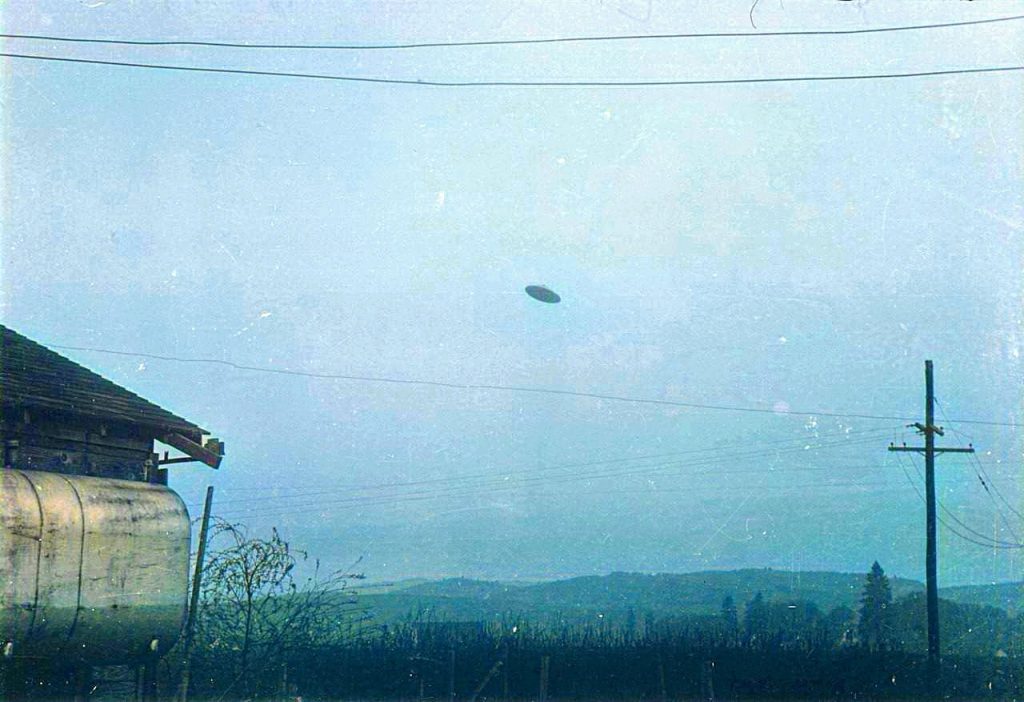
On May 11, 1950, Evelyn and Paul Trent said they saw a bright, disc-shaped object near their farm southwest of McMinnville, Oregon. Paul took two photographs, and the images soon appeared in the local newspaper before being reproduced nationally, including in Life magazine. The photos were later examined as Case 46 in the University of Colorado’s Condon UFO study. Investigator William Hartmann found that several aspects of the case were consistent with the Trents’ account, but he also said the evidence did not rule out fabrication. That is basically where the case still lives: famous, heavily analyzed, and unresolved enough to keep people arguing.
A Religious Commune Poisoned Oregon Salad Bars

This one sounds like conspiracy fiction, except the CDC documents it in painful detail. In 1984, members of the Rajneeshee movement contaminated salad bars at 10 restaurants in The Dalles, Oregon, with Salmonella as part of an effort tied to influencing county elections. At least 751 cases of salmonellosis were documented in the outbreak. Investigators eventually connected the attack to the commune, and the FBI found a vial of the same strain in a laboratory on the group’s compound. The Pacific Northwest has plenty of strange stories, but a deliberate mass food-poisoning attack at local salad bars is in its own category.
Oregon Tried to Dispose of a Dead Whale With Dynamite

©qingqing/Shutterstock.com
On November 12, 1970, Oregon highway officials faced a roughly 45-foot, eight-ton sperm whale carcass on a beach near Florence and settled on a disposal method that seemed reasonable to somebody at the time: dynamite. The blast did not neatly vaporize the whale. Instead, chunks of blubber rained down around spectators and a piece described as about the size of a coffee table crushed the roof of a nearby Oldsmobile. KATU reporter Paul Linnman and cameraman Doug Brazil captured the whole thing on film. Decades later, the footage became one of Oregon’s earliest viral-video legends and a permanent reminder that some problems should probably not be solved with explosives.
A Japanese Balloon Bomb Killed Six People in the Oregon Woods
©Wikimedia Commons
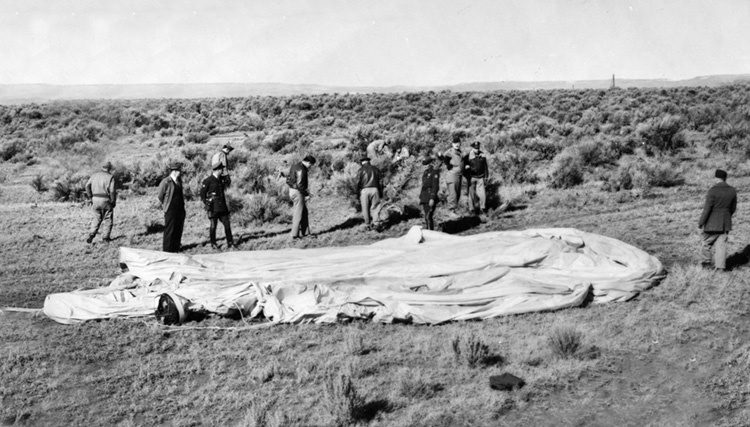
On May 5, 1945, a pregnant woman and five children on a picnic near Bly, Oregon, encountered a Japanese balloon bomb that had crossed the Pacific on the jet stream. The device exploded, killing all six. Japan had launched more than 9,000 of the hydrogen balloons between late 1944 and spring 1945 in hopes of causing fires and panic in North America. The Oregon Encyclopedia notes that the Bly site is the only place in the continental United States where Americans were killed by enemy action during World War II. The idea that a weapon could drift silently across an ocean and wait in the woods is unsettling all by itself.
Oregon’s Beeswax Shipwreck Mystery Lasted for Centuries
©"Shipwreck" by ceg is licensed under BY-SA 2.0. - Original / License
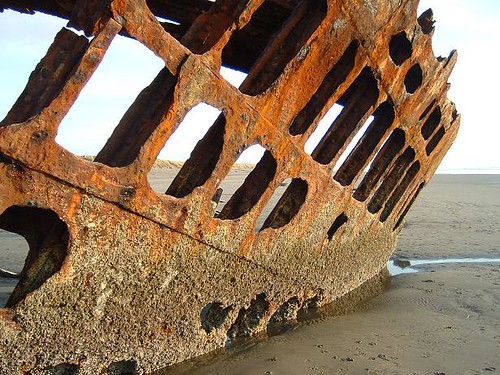
For generations, chunks of beeswax and pieces of Chinese porcelain washed ashore around Nehalem Spit on the northern Oregon Coast, pointing to a shipwreck that nobody could quite identify. Archival and archaeological research now strongly points to the Santo Cristo de Burgos, a Spanish Manila galleon that left the Philippines on July 1, 1693, and was never seen again by the Spanish. Researchers have matched the age of recovered beeswax and porcelain to the right period, and Native oral traditions also preserve accounts of a wreck in the area. No piece of wreckage has definitively proved the ship’s identity, but the evidence has turned an old coastal legend into a pretty serious historical case.
An Avalanche Swept Two Trains Off the Mountain at Wellington
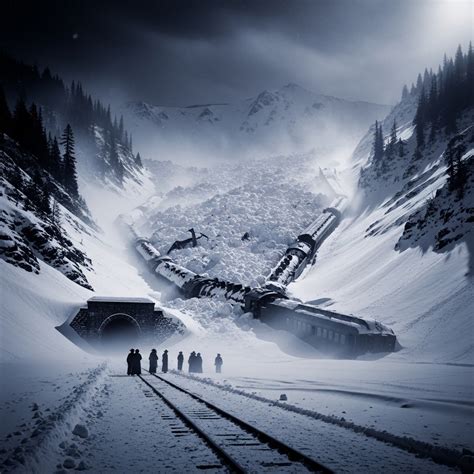
In late February 1910, two Great Northern trains became stranded near Wellington, Washington, after brutal winter weather and repeated avalanches blocked the route through the Cascades. During the early morning hours of March 1, a massive avalanche roared down Windy Mountain and swept the trains from the tracks. Ninety-six people were killed. HistoryLink describes the catastrophe as one of the worst train disasters in U.S. history and the deadliest natural disaster in Washington by loss of life. The truly grim part is that many of the victims had already spent days trapped by the snow before the mountain finally came down on them.
Starvation Heights Was a Real Place, and Somehow Worse Than the Name
©Wikipedia
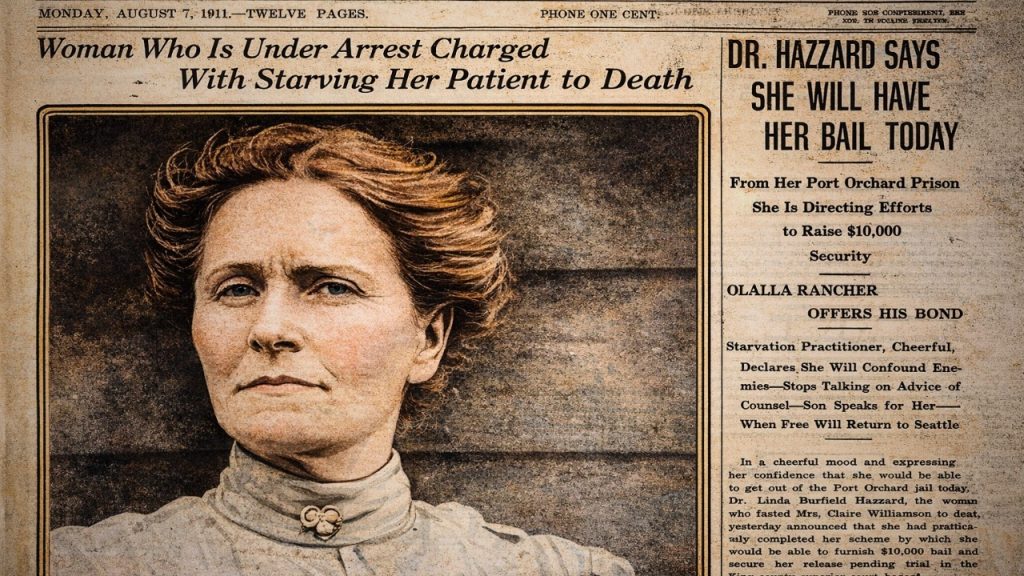
In the early 1900s, Linda Burfield Hazzard promoted extreme fasting as a cure for disease and treated patients in Washington, including at a property in Olalla that locals nicknamed Starvation Heights. Washington State Archives says at least 14 patients in the state died from starvation while under her direct care, and some had turned over property, inheritances, or power of attorney to Hazzard before their deaths. She was convicted of manslaughter in connection with the death of Claire Williamson and eventually served time in the state penitentiary. Hazzard later returned to Olalla and resumed operating a health facility. Every part of that story somehow gets worse the longer you read it.

