
If an international vacation has been sitting on your bucket list, this may be the trip that finally convinces you to cash in those airline miles and credit card rewards. Flights are only the beginning in some destinations. Hotels, meals, transportation, taxes and even mandatory visitor fees can turn an already expensive getaway into a serious splurge.
These aren’t necessarily the five most expensive destinations on Earth in a strict ranking. They are five international trips where current prices can make your travel budget disappear surprisingly fast. From Switzerland and Iceland, where everyday prices rank among Europe’s highest, to Bhutan and the Maldives, where visitor fees and tourism taxes add another layer, this is where those carefully hoarded points and miles might finally earn their keep.
1. Switzerland
©Rasto SK/Shutterstock.com
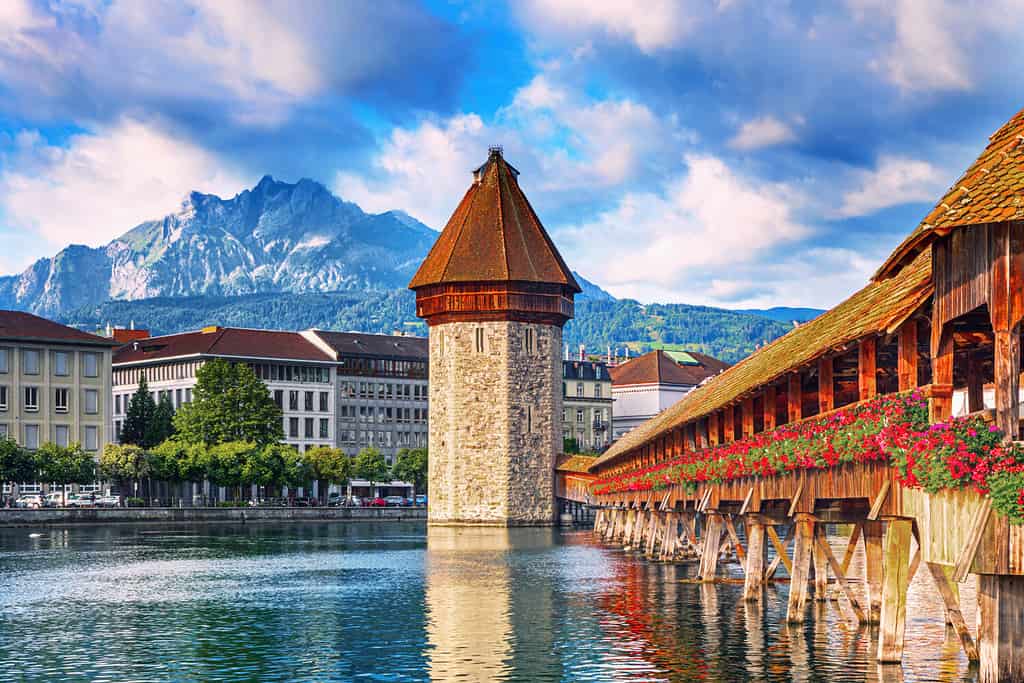
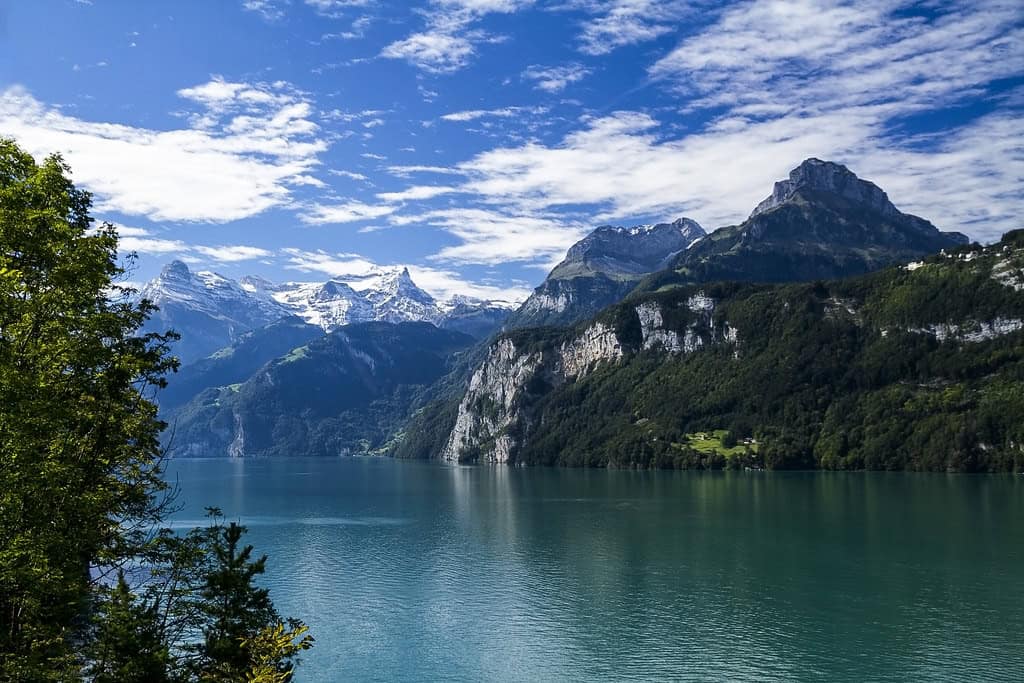
Switzerland has no trouble earning a place on an expensive-travel list. The Alps, postcard-worthy lakes, mountain villages and famously efficient transportation system make it one of Europe’s dream destinations, but the prices can bring you back to reality pretty quickly.
Eurostat’s 2025 comparison put Switzerland’s overall consumer price level at about 171% of the European Union average. Among the 36 European countries included in the comparison, only Iceland came in slightly higher.
Switzerland (continued)
©"Zurich, Switzerland" by szeke is licensed under BY-SA 2.0. - Original / License
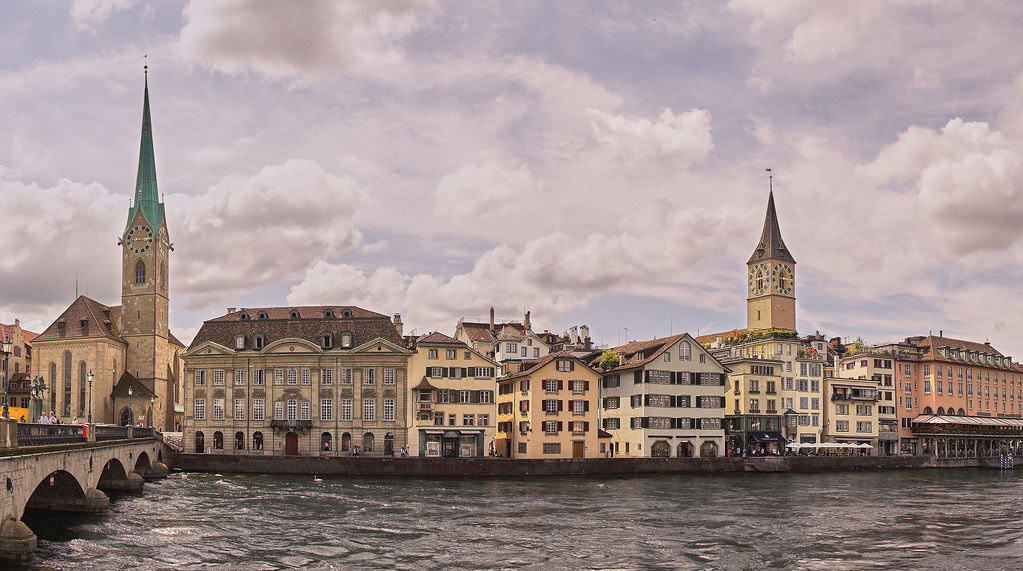
The sticker shock isn’t limited to luxury hotels or once-in-a-lifetime restaurants. Eurostat’s 2025 data put food and non-alcoholic beverage prices in Switzerland at roughly 159% of the EU average. That means even travelers trying to keep things relatively simple can notice the difference at restaurants, grocery stores and cafés.
Switzerland’s high incomes and overall cost structure help support those prices for residents, but visitors earning and spending money elsewhere don’t get the same benefit. For Americans arriving with dollars, this is one destination where a strong rewards strategy can make a noticeable difference.
Switzerland (continued)
©"Switzerland, Urner See" by Lex Kravetski is licensed under BY 2.0. - Original / License
You certainly don’t need to book five-star everything to enjoy Switzerland, and careful travelers can find ways to trim the bill. Still, inexpensive by Swiss standards can look pretty expensive compared with much of Europe.
This is where airline miles and hotel points become more than a fun perk. Taking a major chunk out of the airfare or accommodations can leave more room in the budget for the trains, meals and mountain excursions you’ll actually remember once the trip is over.
2. Iceland
©Getty Images
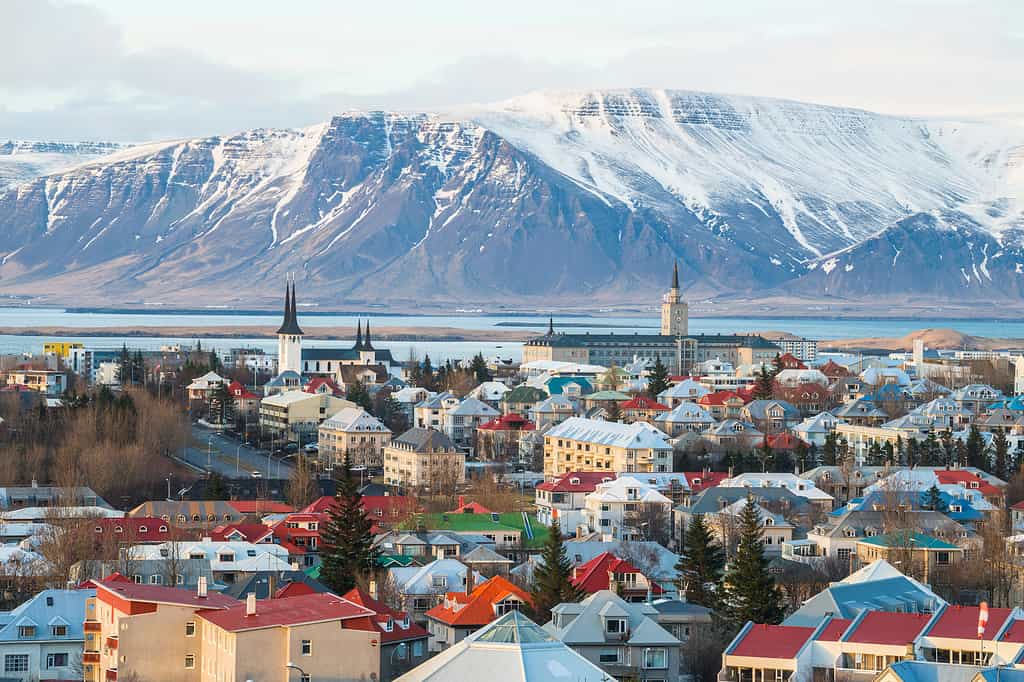
Iceland offers the kind of scenery that makes spending a little extra feel tempting. Waterfalls, glaciers, volcanic landscapes, geothermal pools and extraordinarily long summer days have helped make the North Atlantic island a bucket-list destination.
The trouble comes when the bill arrives. According to Eurostat’s 2025 comparison, Iceland’s consumer price level was about 174% of the EU average, the highest among the 36 European countries included in the dataset.
Iceland (continued)
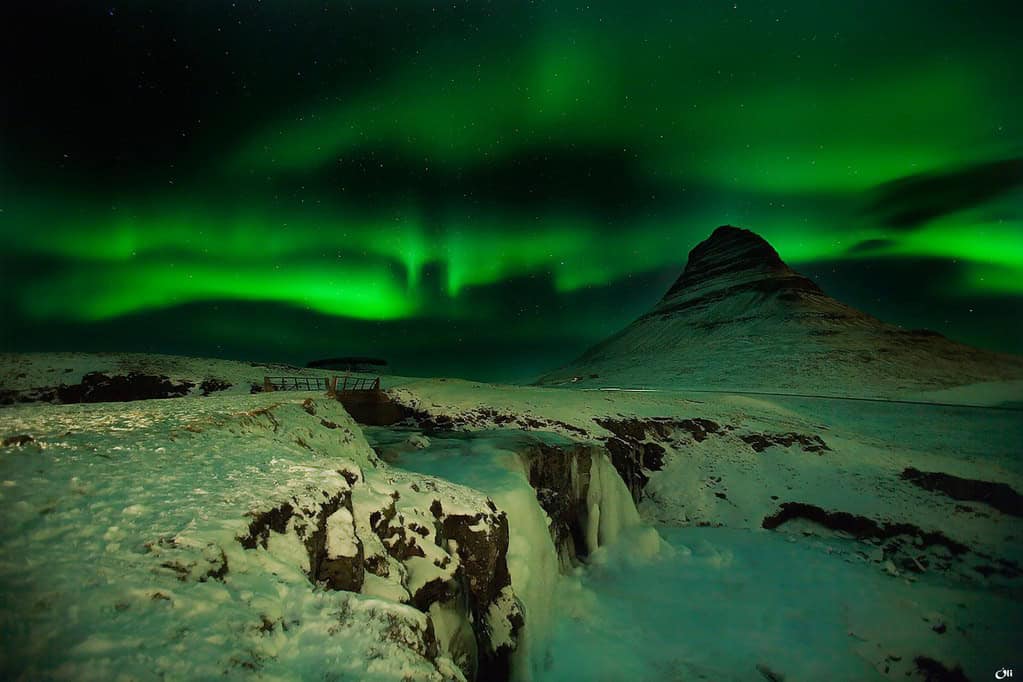
©"Iceland: Aurora Borealis" by vicmontol is licensed under BY 2.0. - Original / License
Iceland’s remote island geography, small domestic market, relatively high wages and reliance on imported goods all contribute to a high-cost environment. Food is a good example. Eurostat put Iceland’s 2025 food and non-alcoholic beverage price level at roughly 159% of the EU average.
That can make seemingly ordinary parts of a vacation, from grabbing lunch to stocking up before a road trip, more expensive than visitors expect. Lodging, rental vehicles and organized excursions can add another sizable layer.
Iceland (continued)
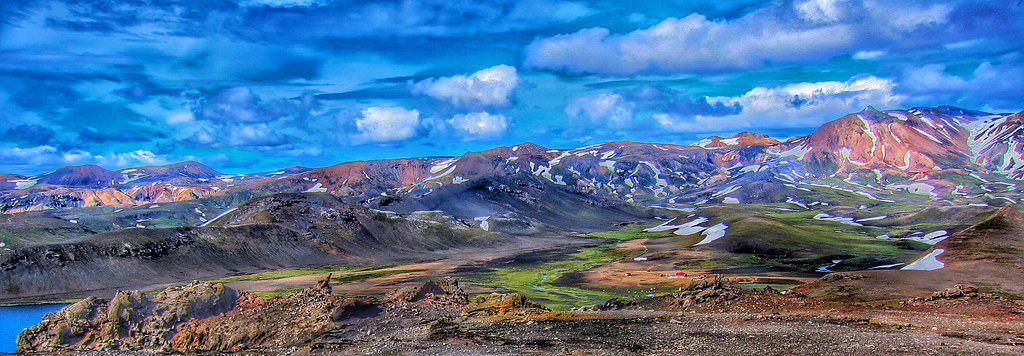
©"Iceland ~ Landmannalaugar Route ~ Ultramarathon is held on the route each July" by Onasill - Bill Badzo - 149 Million Views - Thank Y is licensed under BY-SA 2.0. - Original / License
Iceland does give budget-conscious travelers one major break: many of the country’s headline natural attractions don’t require an admission ticket. You can see waterfalls, black-sand beaches, lava fields and enormous stretches of dramatic countryside without paying every time you stop the car.
Getting there and sleeping, eating and traveling around the country are different matters. If you’ve been waiting for a trip worthy of that airline-mile balance, Iceland makes a convincing case.
3. Denmark
©Getty Images
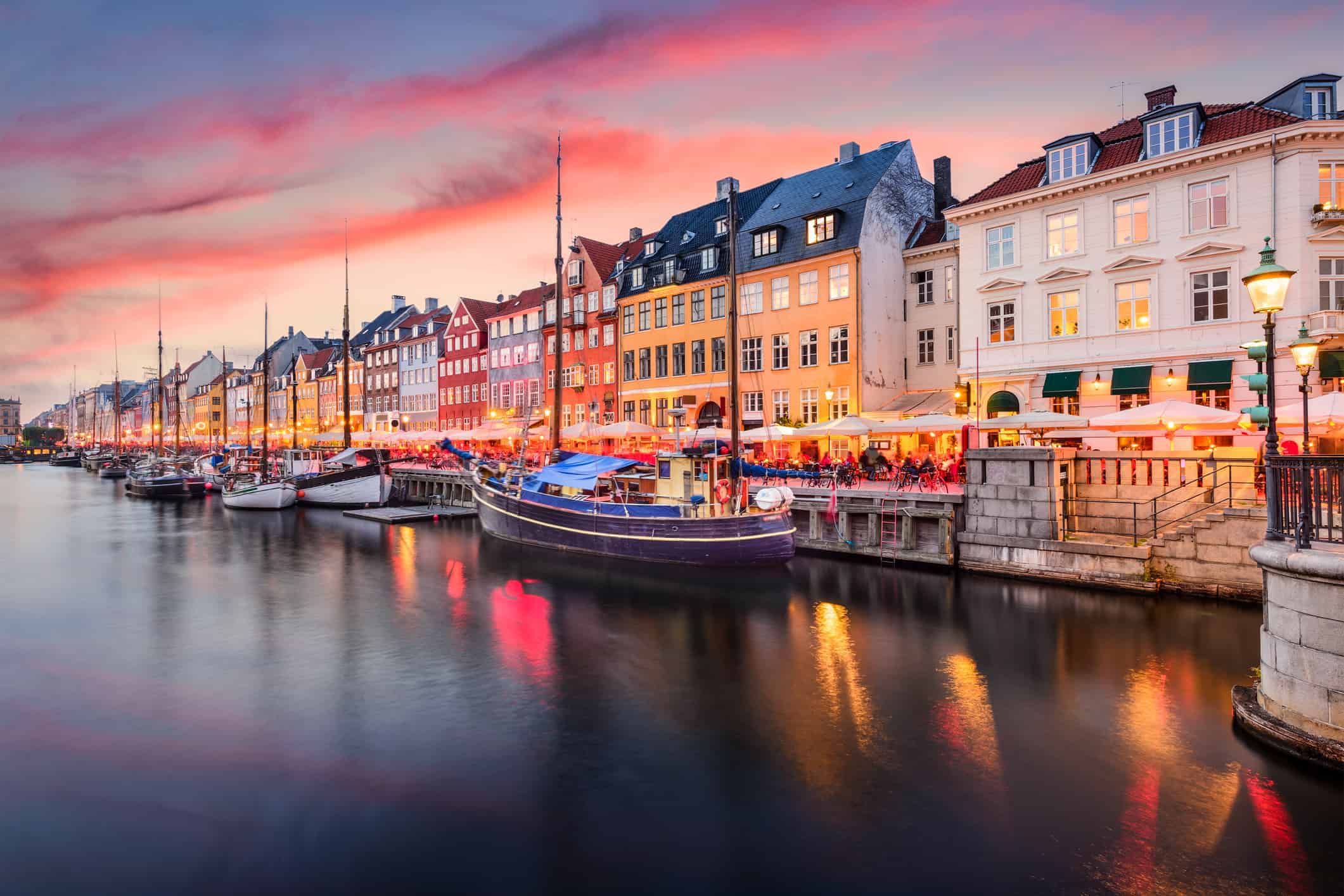
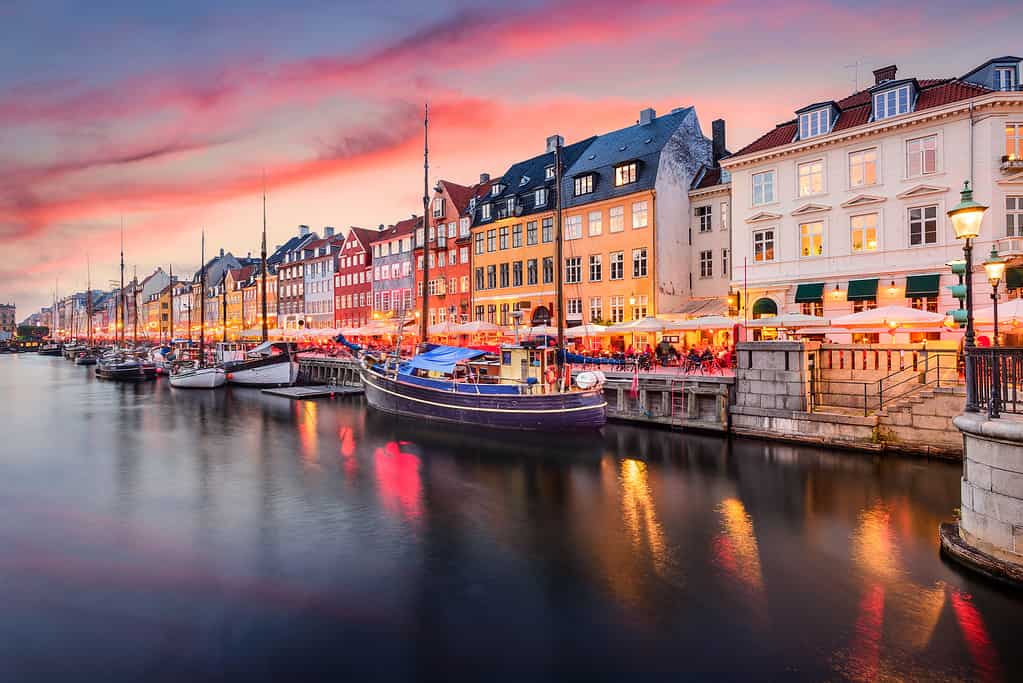
Denmark combines historic towns, colorful waterfronts, castles and some of Scandinavia’s best-known modern design. Copenhagen alone can easily fill a vacation with palaces, museums, restaurants and neighborhoods worth exploring on foot or by bicycle.
It also happens to be a particularly expensive place to do all of that. Eurostat found Denmark had the highest overall consumer price level in the European Union in 2025, at roughly 140% of the EU average.
Denmark (continued)
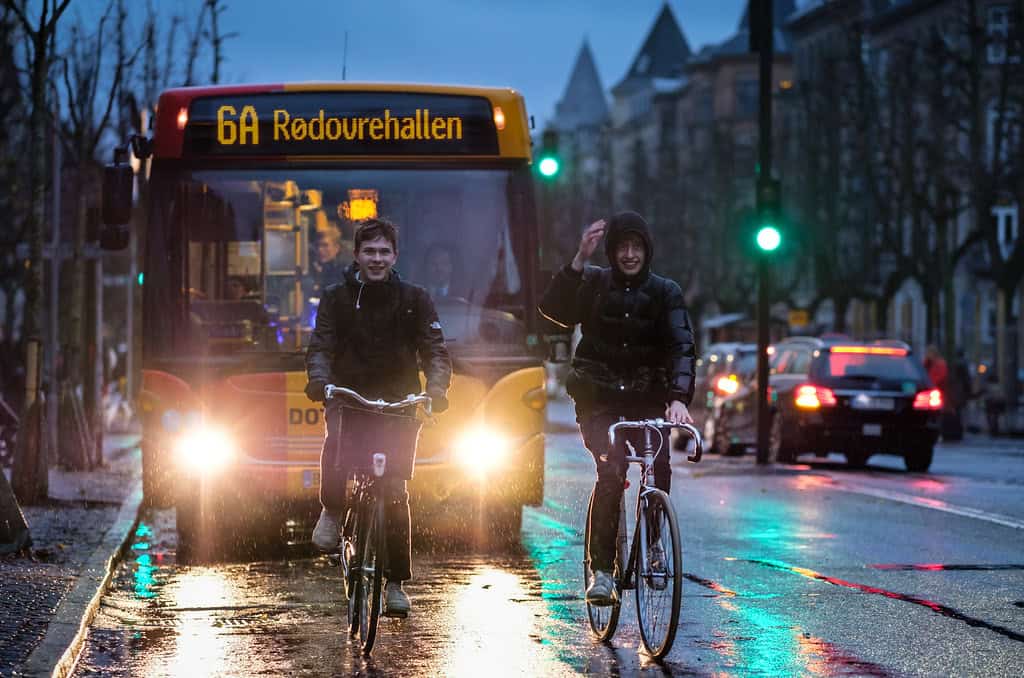
©"Bikes on Frederiksberg Allé in the Rain, Copenhagen, Denmark (København, Danmark)" by Kristoffer Trolle is licensed under BY 2.0. - Original / License
The cost becomes especially noticeable when a vacation starts stacking restaurant meals and hotel nights. In Eurostat’s 2024 comparison, Denmark had the highest restaurant and hotel price level in the EU, at 148% of the bloc’s average.
None of that makes Copenhagen or the rest of Denmark less appealing, but it does make planning ahead more important. A few free hotel nights from rewards points can go a lot further here than they would in a cheaper destination.
Denmark (continued)
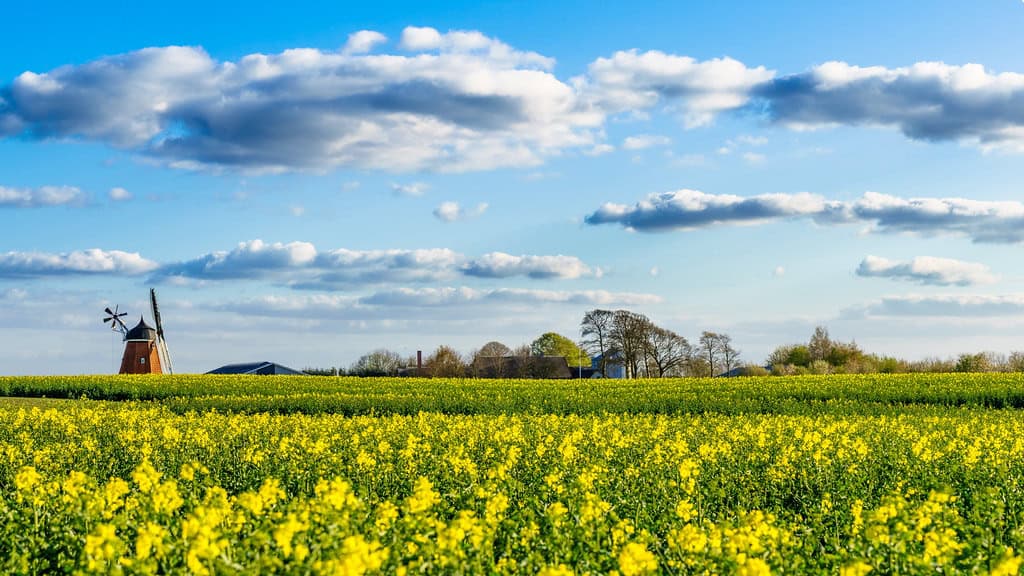
©"Bjerre windmill, Stenderup, Denmark - Landscape photography" by Giuseppe Milo (www.pixael.com) is licensed under BY 2.0. - Original / License
Denmark’s relatively high wages and broader cost structure are reflected in the prices travelers see on the ground. Visitors shouldn’t assume the expense is confined to a few upscale blocks of Copenhagen either. The country’s national price level remains high compared with most of Europe.
The upside is that Denmark is easy to enjoy without turning every hour into a paid attraction. Walking historic neighborhoods, exploring waterfront areas and simply taking in the architecture can help balance out the meals and hotel bills that hit a little harder.
4. Bhutan
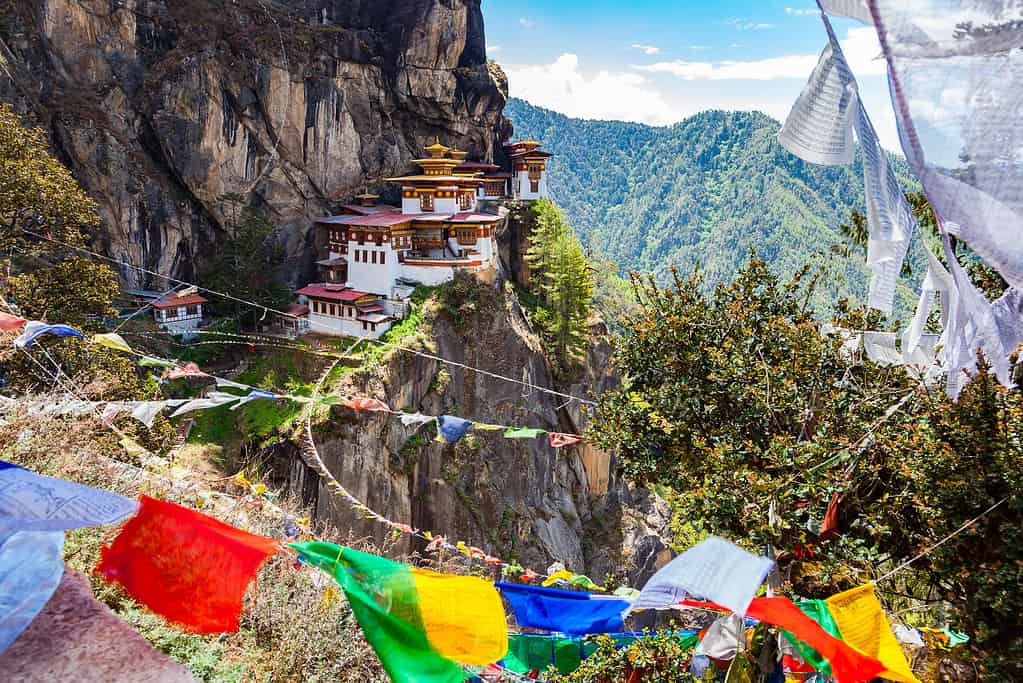
©Getty Images
Bhutan is different from the other destinations on this list because part of the price is built directly into the country’s tourism policy. The Himalayan kingdom deliberately manages international tourism rather than trying to attract the highest possible number of visitors.
For most international visitors in 2026, the biggest line item before normal vacation spending even begins is Bhutan’s Sustainable Development Fee.
Bhutan (continued)

©"Thimphu, Bhutan" by hktang is licensed under BY 2.0. - Original / License
Bhutan currently charges most international adult visitors a Sustainable Development Fee of $100 per person for each night of their stay. There is also a one-time $40 visa application fee for most visitors who require a visa. Children receive reduced rates or exemptions depending on age.
That means a seven-night trip for one adult starts with $700 in Sustainable Development Fees before airfare, lodging, meals, transportation or sightseeing are added. Unlike an airline ticket, that is not a charge you can simply make disappear with frequent-flyer miles.
Bhutan (continued)

©"Bhutan - DochuLa Pass" by Göran Höglund (Kartläsarn) is licensed under BY 2.0. - Original / License
Bhutan has loosened one old rule: visitors no longer have to book every part of the trip through a tour operator and can arrange many parts of a vacation independently. However, the country’s current tourism guidance still requires visitors to be accompanied by a certified local guide while traveling around Bhutan, with additional requirements for trekking and certain areas.
That makes Bhutan a very different kind of expensive destination. The costs come with a highly managed travel experience and access to a country that has intentionally limited mass tourism, but anyone planning the trip should understand the mandatory expenses before converting those rewards points into a ticket.
5. The Maldives
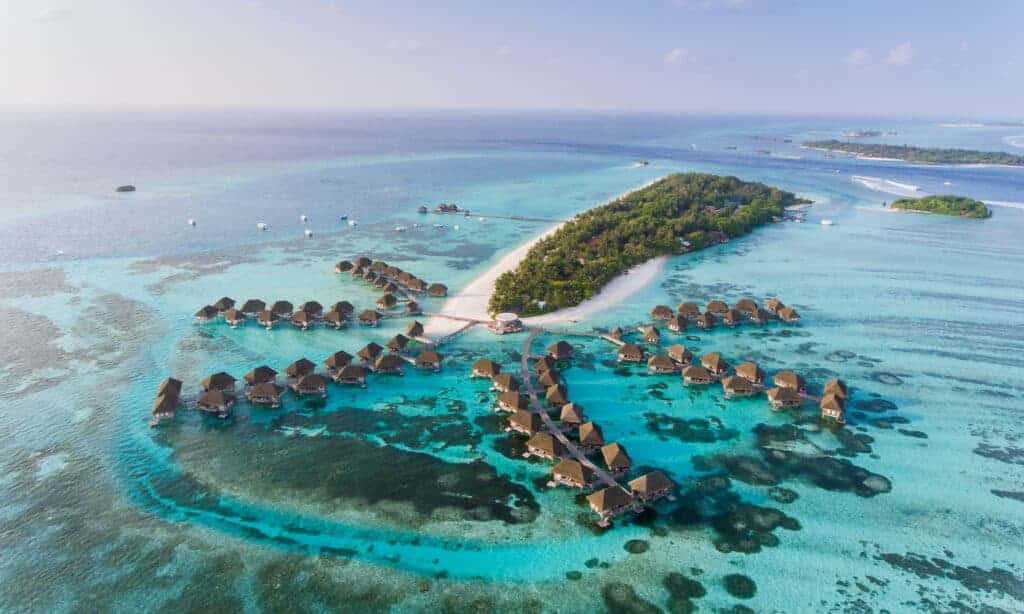
©Siraphob Werakijpanich/Shutterstock.com
The Maldives is the picture most people have in mind when someone says “dream vacation”: tiny coral islands, white-sand beaches, turquoise lagoons and overwater villas stretching into the Indian Ocean.
One thing you won’t find is mountains. The Maldives is one of the lowest-lying countries on Earth, with its islands averaging only about five feet above sea level. The dramatic scenery comes from coral reefs, lagoons and ocean, not elevation.
The Maldives (continued)
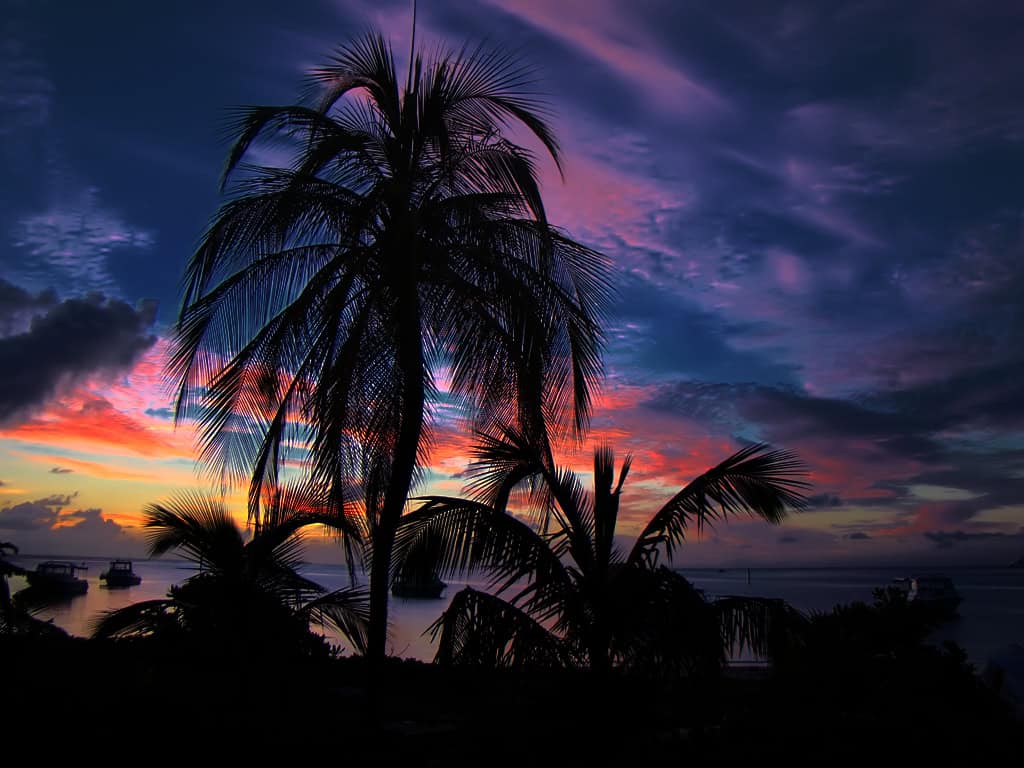
©"Maldives Sunrise Thinadhoo" by Badruddeen is licensed under BY-ND 2.0. - Original / License
Tourism is enormously important to the Maldivian economy, accounting for roughly one-fifth of GDP according to the World Bank. The country is famous for luxury private-island resorts, but those are not the only option. Travelers can also stay in hotels, liveaboards and guesthouses on inhabited local islands, which can bring the price down considerably.
Still, the classic Maldives vacation built around an upscale resort and overwater villa can get expensive fast, especially once meals, activities and transportation between islands enter the equation.
The Maldives (continued)
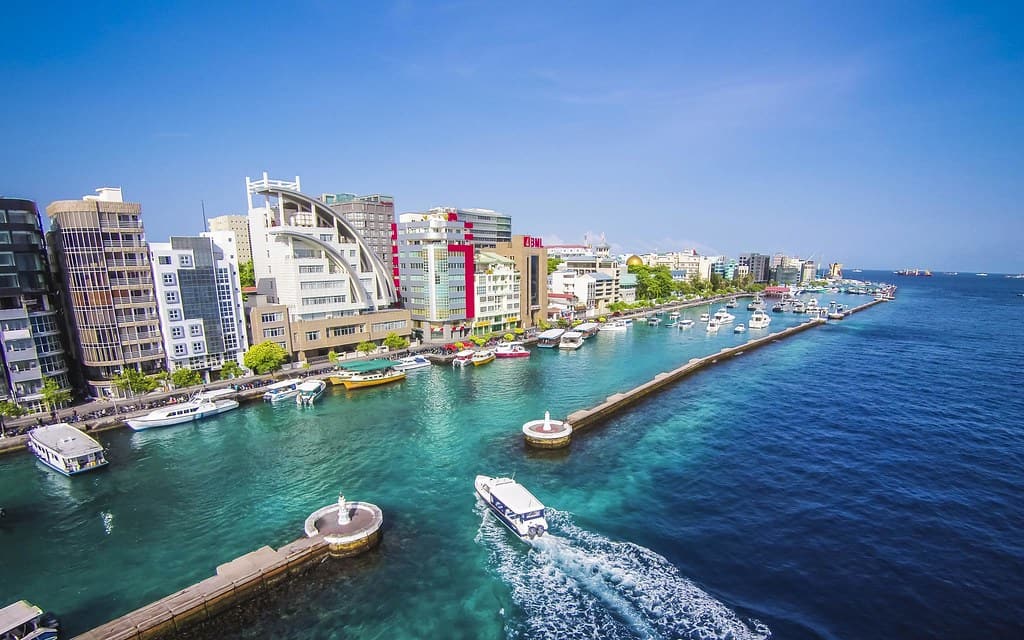
©"Male' City, Maldives" by nattu is licensed under BY 2.0. - Original / License
The tax bill has also grown. Since July 2025, the Maldives’ Tourism Goods and Services Tax has been 17%. The country’s Green Tax also increased in 2025 to $12 per person per day at resorts and many larger tourist properties, while qualifying smaller hotels and guesthouses on inhabited islands charge $6 per person per day.
Then there is the geography. Depending on the island you book, reaching your resort after landing at Velana International Airport may require another speedboat, domestic flight or seaplane transfer. Airline miles can make getting across the world less painful, but they won’t necessarily cover all the costs waiting once you reach paradise.

