
Washington’s Tri-Cities doesn’t demand that you choose between a city break and an outdoor getaway. Kennewick, Pasco, and Richland sit where the Columbia, Snake, and Yakima rivers shape a landscape of waterfront parks, sunny trails, and vineyards. You can spend the morning on the water, the afternoon exploring local history, and the evening at a game or a tasting room.
The catch? Some of the area’s best-known activities are seasonal, and a few older travel guides still recommend attractions that have closed or are temporarily inaccessible. Here’s what is actually worth planning around, with practical details to check before you go.
1. Spend an Afternoon at Columbia Park

Columbia Park follows the Columbia River through Kennewick and Richland, offering a long stretch of shoreline for walking, cycling, picnicking, and watching boats go by. It is one of the easiest ways to get a feel for the Tri-Cities without spending much money.
Bring comfortable shoes and take your time along the riverfront paths. The park also hosts community events, which can affect parking and access to particular areas. Ordinary park visits are generally free, but organized events may have separate admission charges.
2. Hike Badger Mountain for Big Views
Badger Mountain Centennial Preserve is the place to go when you want to earn your view. Its established trails climb through open shrub-steppe terrain, with sweeping looks across the Tri-Cities, surrounding farmland, and the Columbia Basin. There is little shade, so carry water and plan around summer heat.
Hiking is the main draw. Cyclists should check the preserve’s current trail rules rather than assume every route is open to bikes. Stay on designated trails to protect the fragile landscape.
3. Get Out on the Columbia or Snake River

The Tri-Cities has an obvious advantage for anyone who enjoys being on the water: several major rivers meet here. Kayaking, paddleboarding, and boating can turn an ordinary afternoon into the highlight of the trip. Choose a launch and route that match your experience, and check local conditions before setting out.
River currents, wind, boat traffic, and water temperatures can make conditions more demanding than the calm-looking shoreline suggests. Wear a properly fitted life jacket and use a reputable outfitter if you’re new to paddling.
4. Explore Art in Downtown Kennewick
Historic downtown Kennewick has galleries, shops, restaurants, and local artwork that reward a slower walk through the neighborhood. The area’s First Thursday art activities have offered a chance to meet artists and explore participating businesses.
Because participating venues, hours, and special events can change, check Downtown Kennewick’s current calendar before promising yourself an art walk on a particular Thursday. You can still explore the neighborhood even when a formal event isn’t scheduled.
5. Catch a Tri-City Americans Hockey Game
When hockey season rolls around, a Tri-City Americans game brings a very different kind of energy to the itinerary. The Western Hockey League team plays its home games at the Toyota Center in Kennewick, where you can enjoy a fast-paced night out without making a trip to a major metropolitan arena.
The schedule generally runs through fall and winter into spring, depending on postseason play. Check the team’s official schedule and ticket listings before heading over; there isn’t a game every night.
6. Discover Hanford’s Manhattan Project History
Few places in Washington carry historical weight quite like Hanford. The B Reactor was the world’s first full-scale plutonium-production reactor and played a central role in the Manhattan Project. It’s a fascinating and complicated chapter of American history, including the impact on communities displaced to make way for the site.
One major planning update: public tours inside the B Reactor are currently suspended for preservation and construction work, with reopening projected for late summer 2027. Don’t drive out expecting a walk-in museum. Instead, explore the National Park Service’s Hanford visitor programs and virtual reactor tour, and check whether guided pre-Manhattan Project historic-site tours are available for your dates.
7. Visit Sacajawea State Park
At the meeting of the Snake and Columbia rivers in Pasco, Sacajawea State Park combines river scenery with stories that go back long before the modern Tri-Cities existed. The Lewis and Clark expedition passed through this area in 1805, but the confluence also has a much longer Indigenous history that deserves more than a passing mention.
Walk the grounds, enjoy the water views, and look for interpretive displays when available. Park hours and seasonal services vary, and Washington’s Discover Pass or applicable day-use admission rules may apply. Check the state parks website before visiting.
8. Explore the REACH Museum
If an older guide sends you to the Columbia River Exhibition of History, Science, and Technology, skip that address: CREHST closed in 2014. The modern stop is the REACH Museum in Richland, which explores the natural and human history of the Columbia Basin, including the Hanford story.
It’s a smart choice for families, curious travelers, or anyone who wants context for the landscape they’ve been driving through. Exhibitions and hours change, so confirm what’s on display and when the museum is open before making the trip.
9. Go Birdwatching at McNary National Wildlife Refuge
McNary National Wildlife Refuge, near Burbank, protects wetlands and other habitat used by waterfowl, shorebirds, and many other species. Bring binoculars and give yourself enough time to look rather than racing from one viewpoint to the next. Migration seasons can be especially rewarding.
Stick to designated public access areas and observe posted seasonal restrictions. Wildlife is unpredictable, which is part of the appeal: you might see a busy stretch of water or spend a quiet hour watching a single bird work the shoreline.
10. Try Your Luck Fishing the Local Rivers
The Columbia, Snake, and Yakima rivers give anglers several very different places to cast a line around the Tri-Cities. Depending on the waterway, season, and regulations, opportunities can include bass, walleye, and salmon or steelhead fisheries.
Don’t assume a species is open for harvest simply because it lives in the river. Washington fishing licenses, emergency rule changes, protected species, and location-specific limits all matter. Check the Washington Department of Fish and Wildlife regulations for the exact stretch of water before you go.
11. Watch the Tri-City Dust Devils Play Baseball
For a classic warm-weather outing, head to a Tri-City Dust Devils home game at Gesa Stadium in Pasco. The minor-league baseball experience is relaxed enough for families and lively enough for anyone who enjoys a ballpark on a summer evening.
Baseball is seasonal, so this is one to save for the team’s playing schedule rather than a winter visit. Check game dates, promotions, and ticket availability directly with the club.
12. Sample Washington Wine Country
The Tri-Cities sits in the heart of a major Washington wine-growing region, with tasting rooms and wineries in and around Richland, Kennewick, and nearby Red Mountain. You don’t need to be a wine expert to appreciate the range of styles or the views across the vineyards.
Some tasting rooms take walk-ins; others recommend reservations, particularly for groups and weekends. Check hours and tasting policies in advance, arrange a designated driver, and consider pairing the outing with dinner at a local restaurant.
13. Browse a Seasonal Farmers Market
The region’s agricultural roots show up in its farmers markets, where seasonal produce, baked goods, and locally made products make for an easy morning outing. What you’ll find changes with the harvest, and that’s half the fun.
Most outdoor markets run on seasonal schedules rather than year-round hours. Verify the current market location and dates before leaving the hotel, especially if you’re visiting in late fall or winter.
14. Plan a Golf Day—But Check Access First
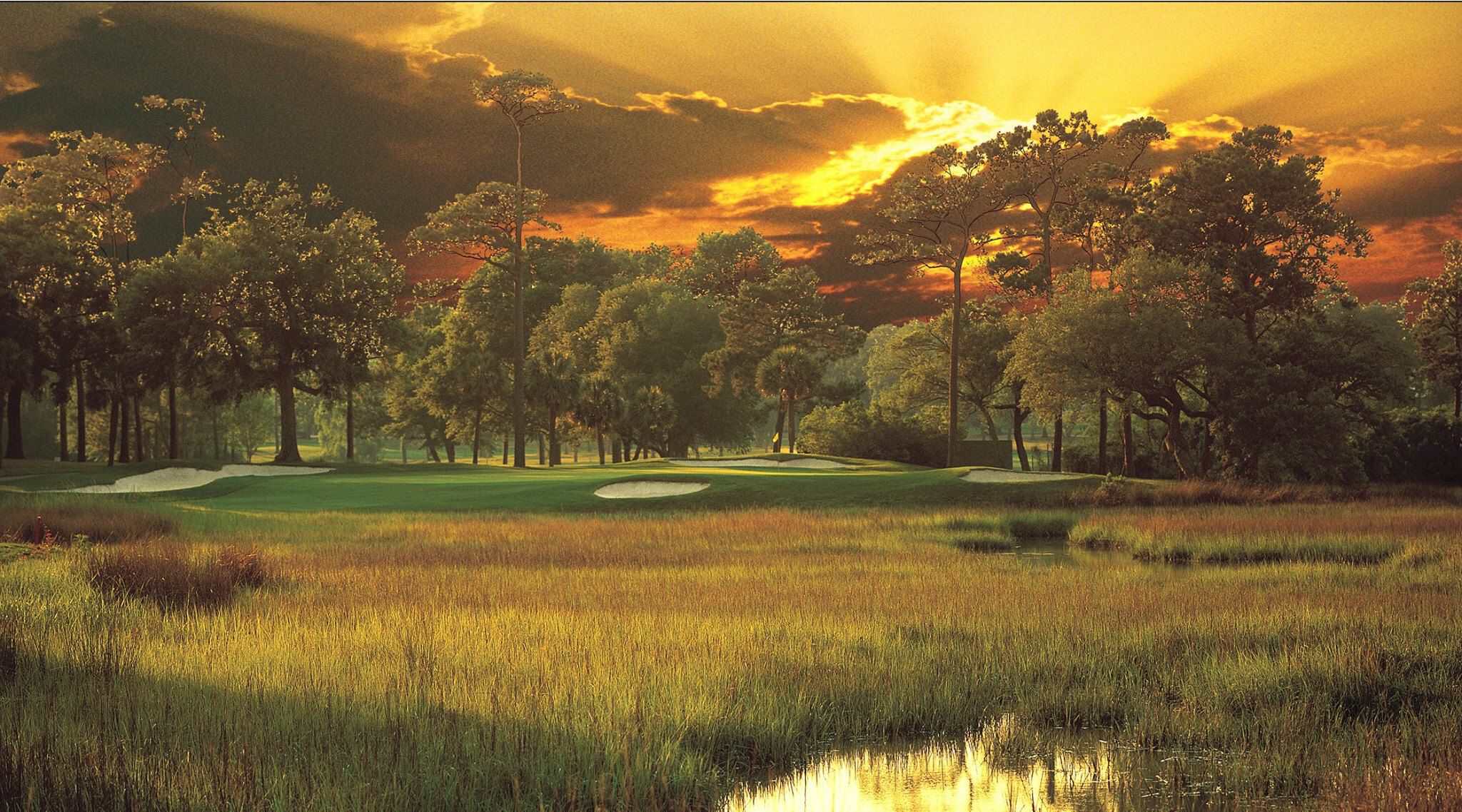
Meadow Springs Country Club is a well-known Richland course, but there’s an important distinction missing from many travel lists: it’s a private, member-owned club, not a public course where anyone can book a tee time. Playing there generally requires membership or guest access.
If you’re traveling without a local connection, look into public-access golf options in the Tri-Cities instead. You’ll still find plenty of open landscapes and sunshine, but you won’t waste a morning showing up at a private clubhouse expecting a walk-on round.

