
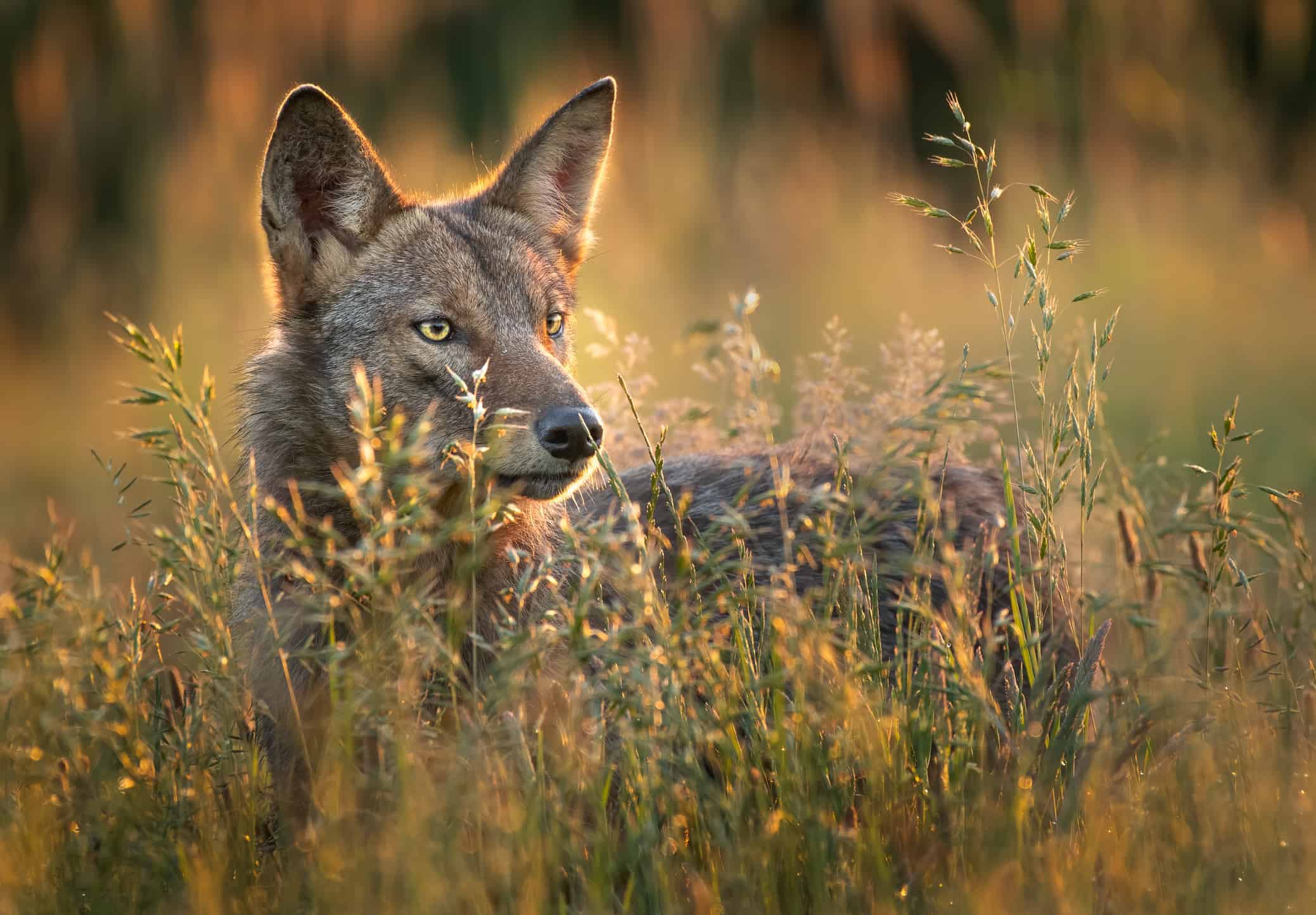
Coyotes (Canis latrans) are among the most adaptable wild animals in North America, and the West gives them plenty of room to prove it. They live in everything from deserts and grasslands to forests, mountain country, suburbs, and major cities.
Across the western United States and Pacific Northwest, coyotes are widespread in states including Washington, Oregon, Idaho, California, Nevada, Arizona, New Mexico, Colorado, and Wyoming. Some are spotted along hiking trails and rural roads. Others are perfectly comfortable slipping through neighborhood greenbelts after dark.
Because exact statewide population estimates can be difficult to pin down, this slideshow focuses instead on where coyotes are commonly found, the habitats they use, and how well they have adapted to living near people across the West.
Washington
©Emily_M_Wilson/iStock via Getty Images
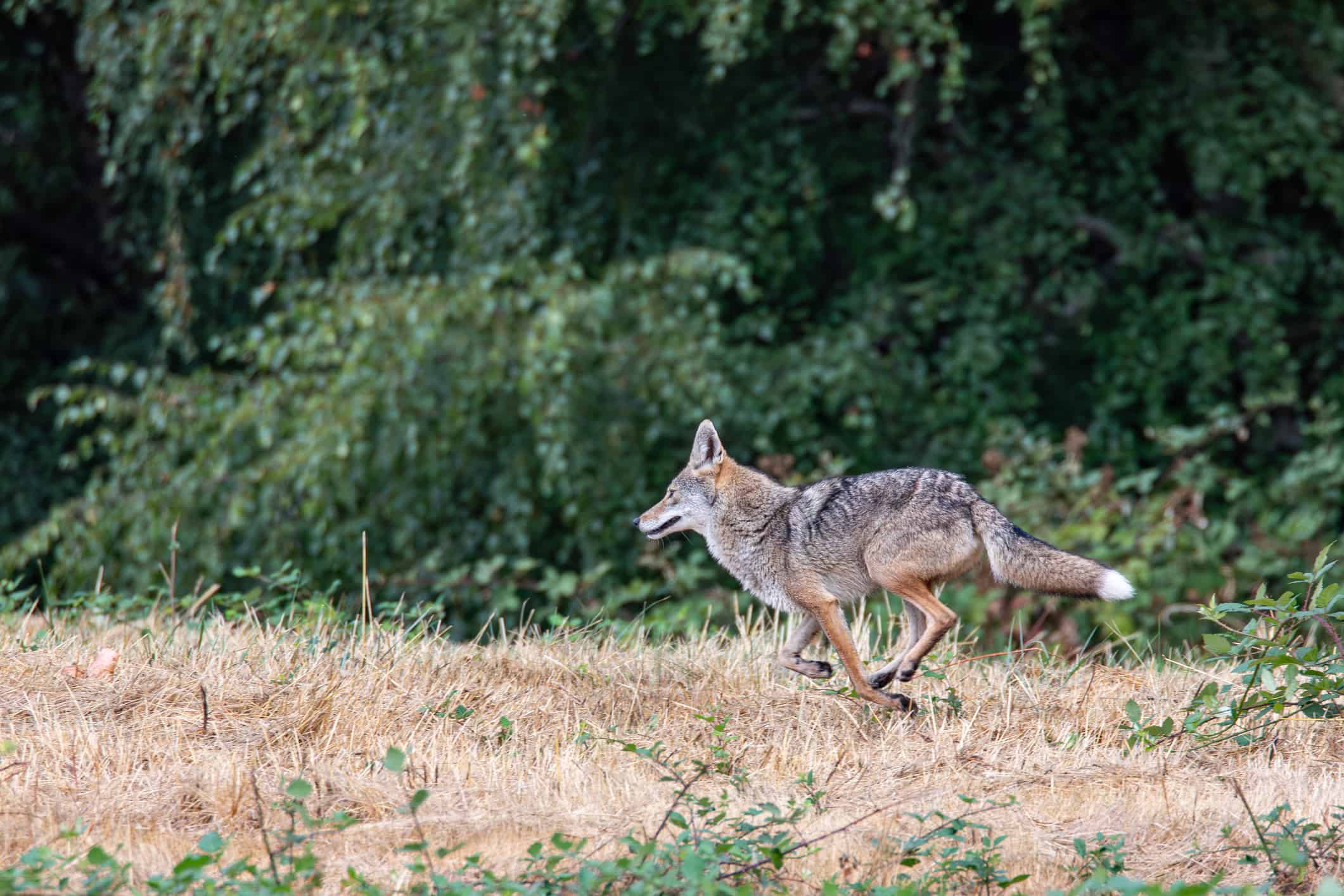
Coyotes are found across nearly all of Washington and have adapted to just about every habitat the state can throw at them. The Washington Department of Fish and Wildlife says they occur from open shrubsteppe and forests to urban parks, suburban greenbelts, and other developed areas. In other words, you do not have to be deep in the Cascades to cross paths with one.
Idaho
©gjohnstonphoto/iStock via Getty Images
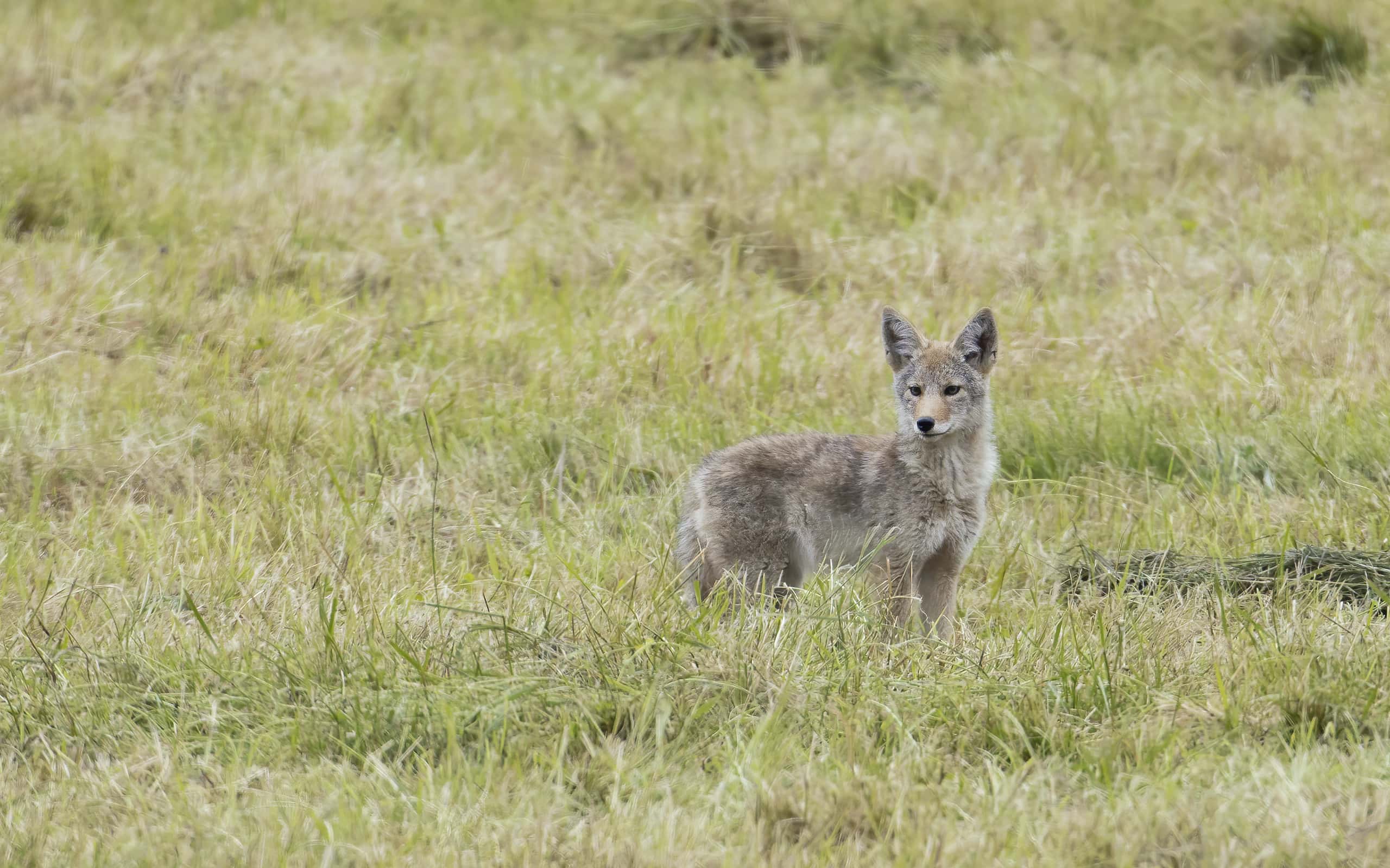
Coyotes are native to Idaho and occur throughout the state. Idaho Fish and Game classifies the species as regularly occurring and secure in the state. Their ability to use open country, agricultural areas, forests, and human-altered landscapes makes Idaho very comfortable territory for coyotes.
Nevada
©TerryKelly/iStock via Getty Images
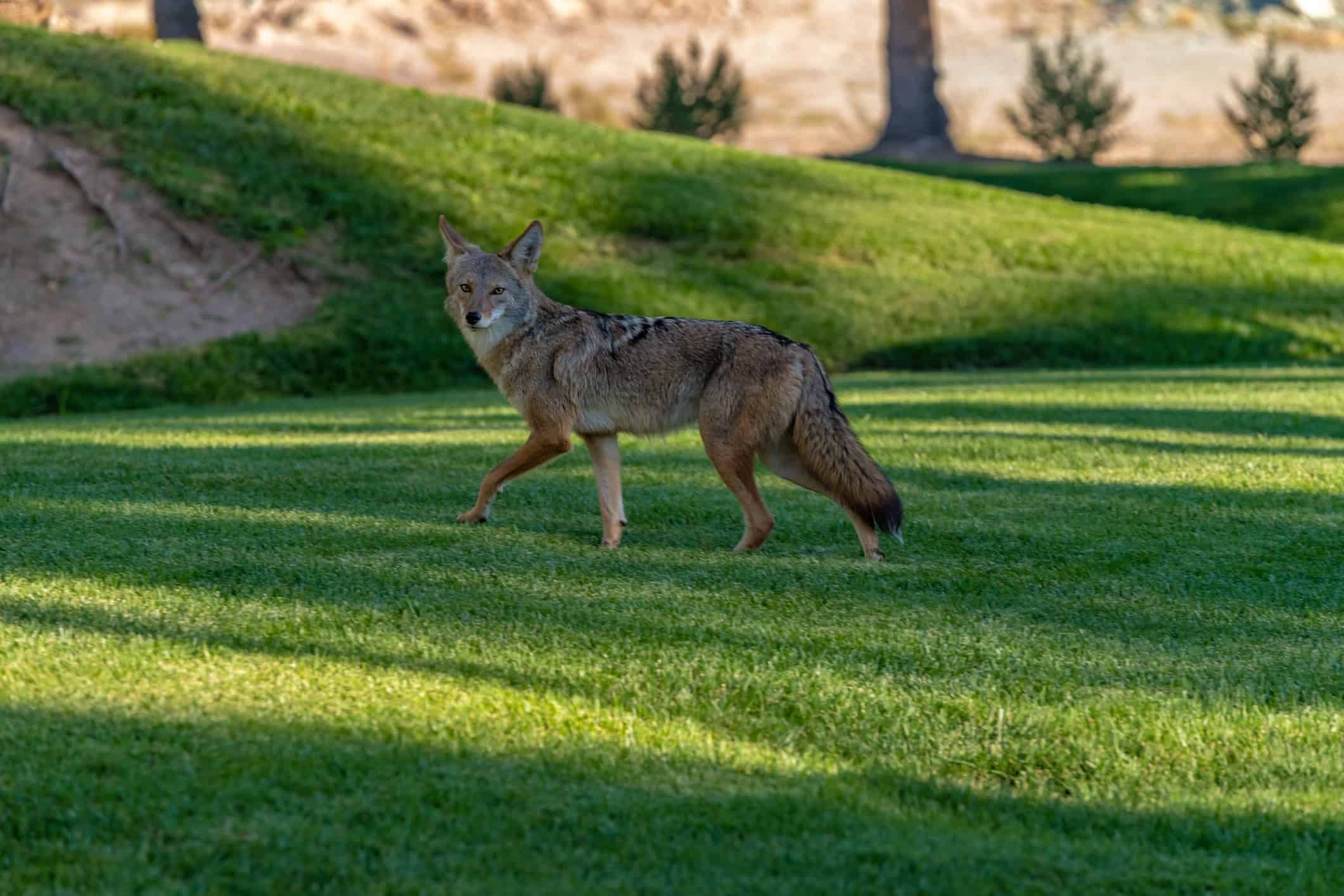
Nevada coyotes are not limited to empty stretches of desert. The Nevada Department of Wildlife says they occupy a wide range of habitats, from sagebrush and desert country to upland forests and developed areas. They thrive in both wild and urban settings anywhere they can find food and cover.
Colorado
©Wirestock/iStock via Getty Images
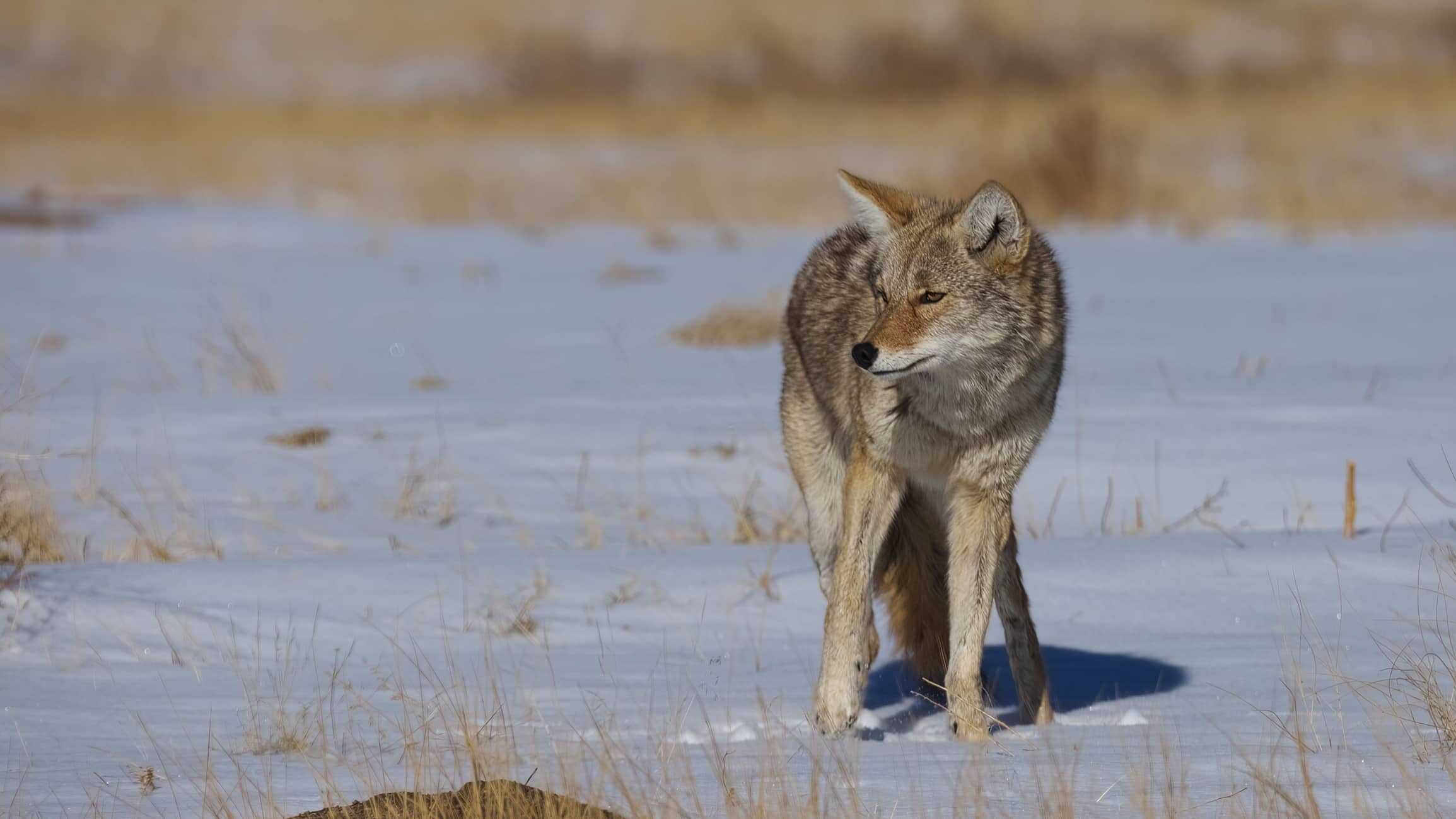
Coyotes live statewide in Colorado and are common in many areas. Colorado Parks and Wildlife says they can make themselves at home almost anywhere, including plains, forests, mountains, towns, and cities. Open prairie and desert may support especially high numbers, but coyotes are hardly picky when food and shelter are available.
Oregon
©michaelschober/iStock via Getty Images
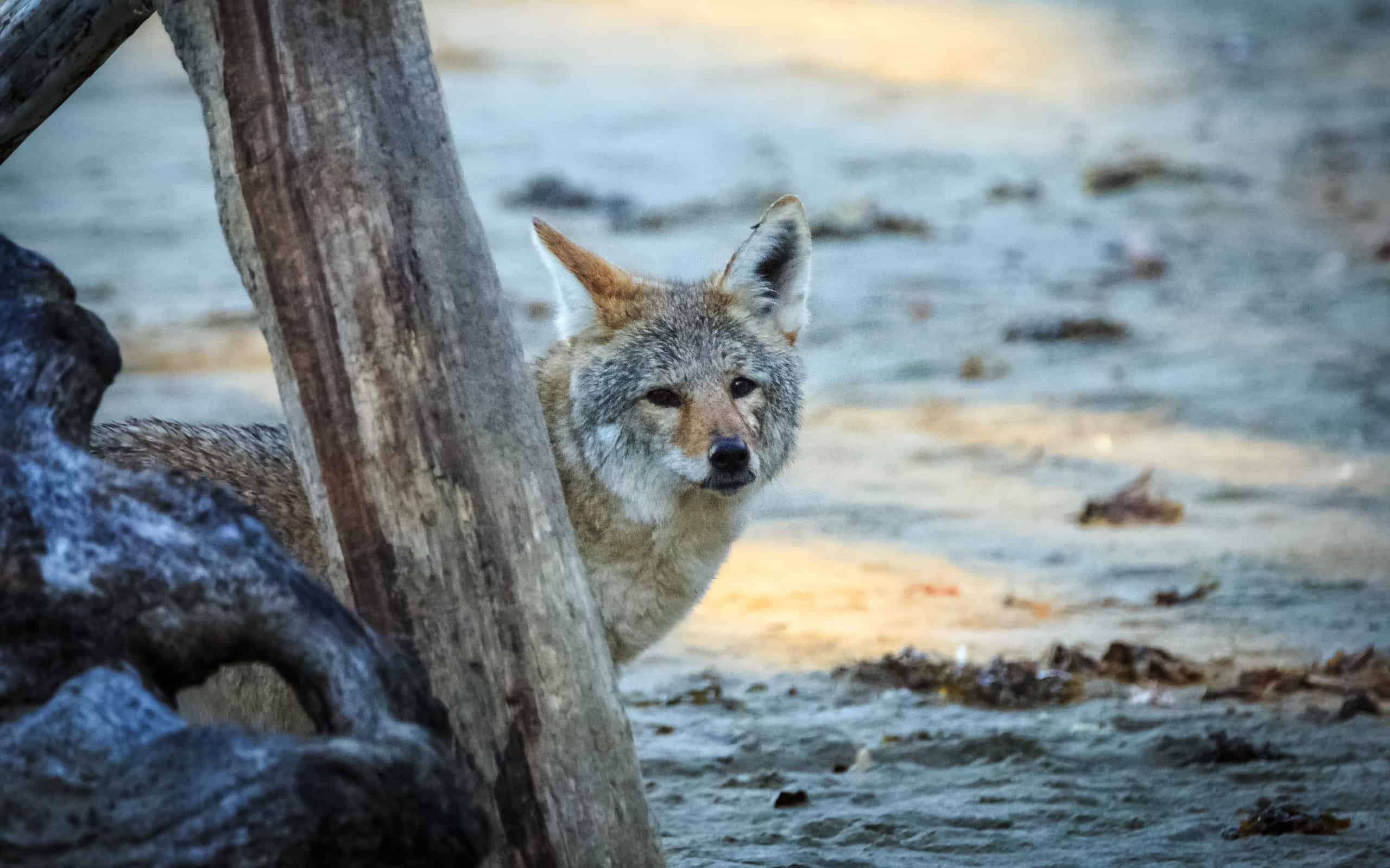
Coyotes are well established in Oregon, including both rural landscapes and areas close to people. The Oregon Department of Fish and Wildlife notes that rural coyotes rely heavily on natural prey but will also take advantage of food around homes, barns, and livestock operations. They can be active at any hour, so seeing one in daylight does not automatically mean something is wrong.
Wyoming
©Jeremiah Psiropoulos/iStock via Getty Images
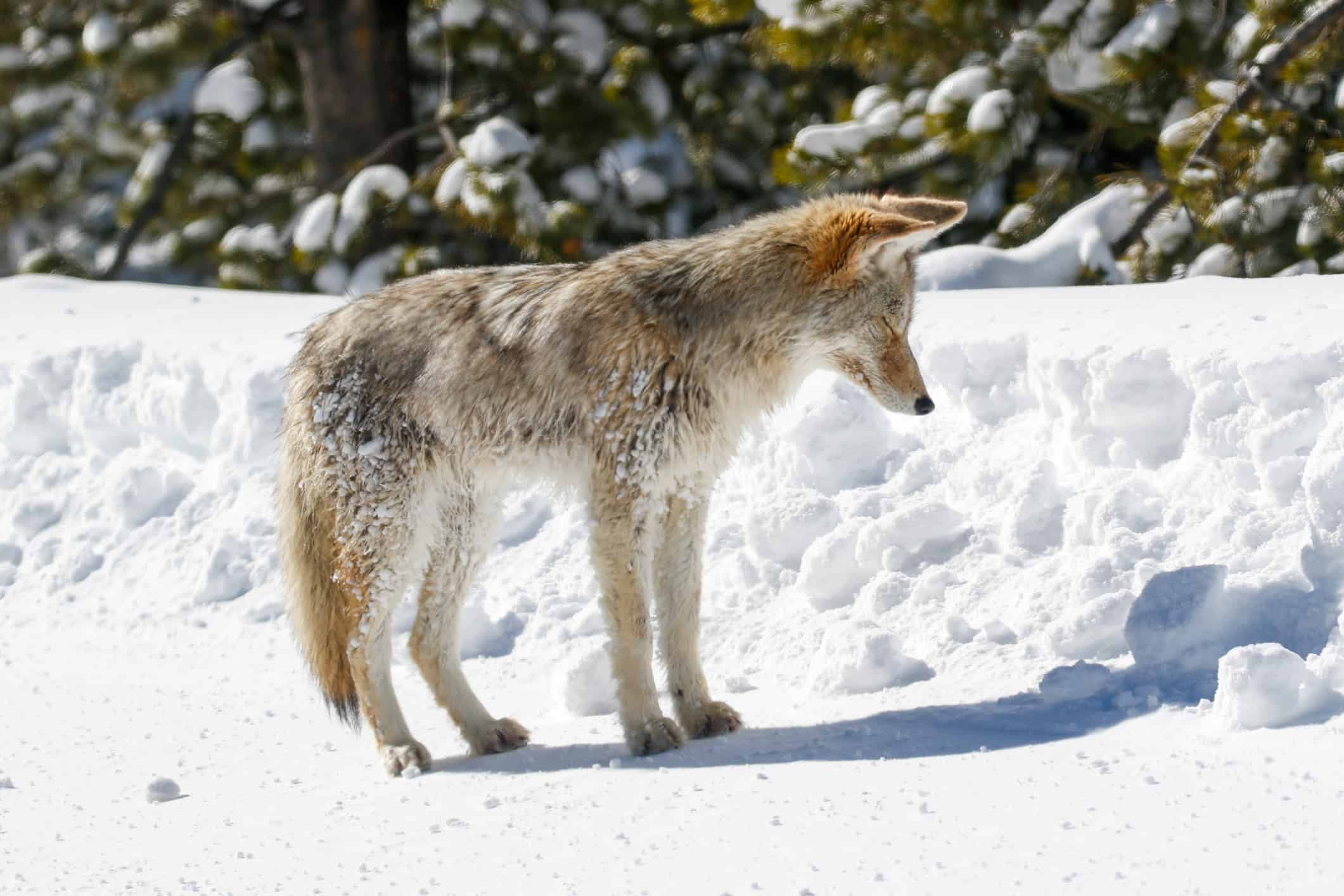
Coyotes are common residents across Wyoming and are not confined to the state’s forested northwest. They can be found in habitats throughout the state, including plains, deserts, mountains, shrublands, and forests. That broad range is one reason coyotes remain one of the West’s most familiar predators.
New Mexico
©Frank Fichtmueller/Shutterstock.com
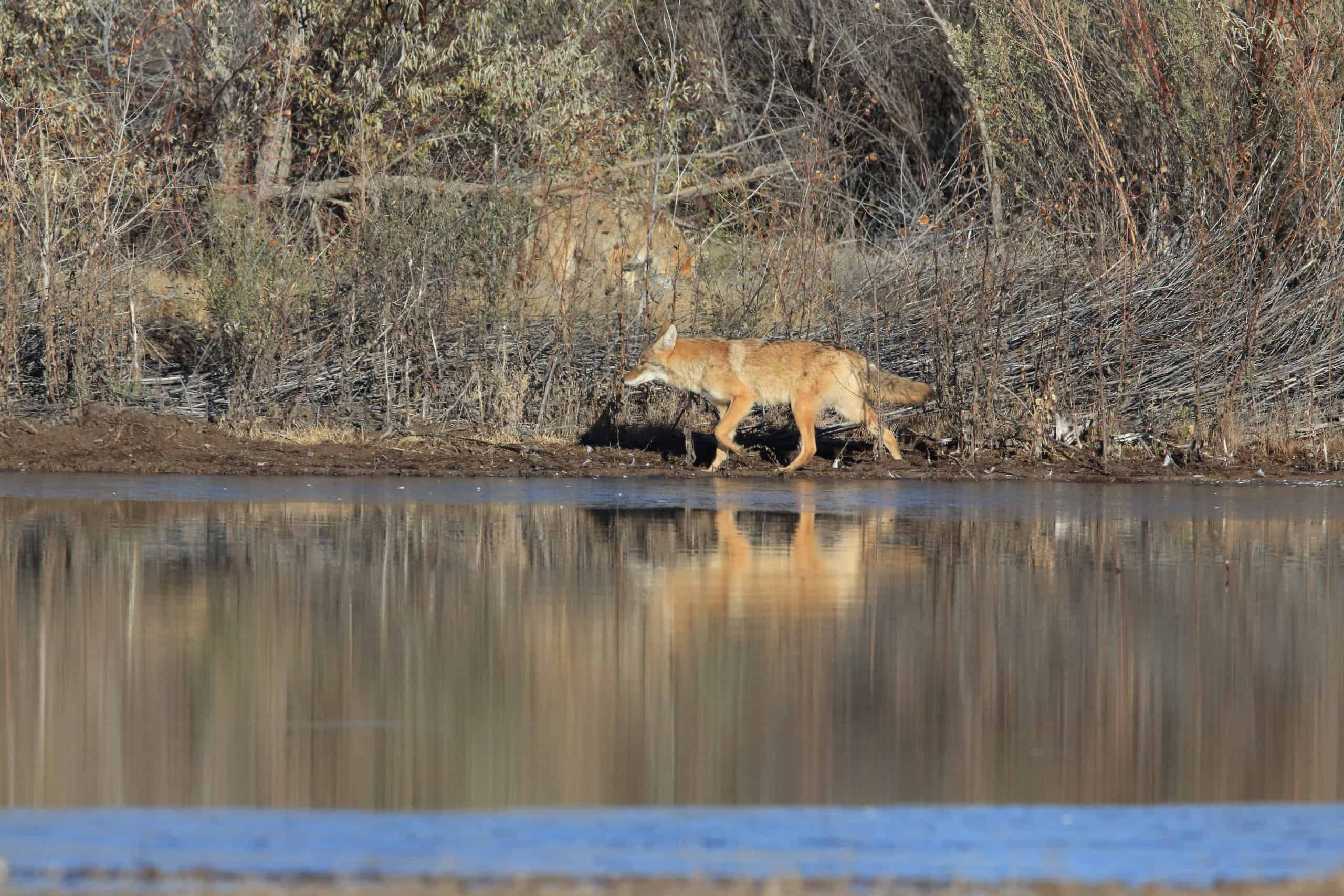
Coyotes are widespread and common in New Mexico, where desert, grassland, mountain, rural, and urban habitats all give them room to operate. They are native to the Southwest and play an important role as predators of rodents, rabbits, and other small animals.
Arizona

©JayPierstorff/Shutterstock.com
Coyotes are common and abundant throughout Arizona. The Arizona Game and Fish Department says they occur in virtually every part of the state, from desert scrub and grasslands to forests, rural communities, cities, and suburbs. They may be strongly associated with the desert Southwest, but even Arizona coyotes refuse to stay in one ecological lane.
California
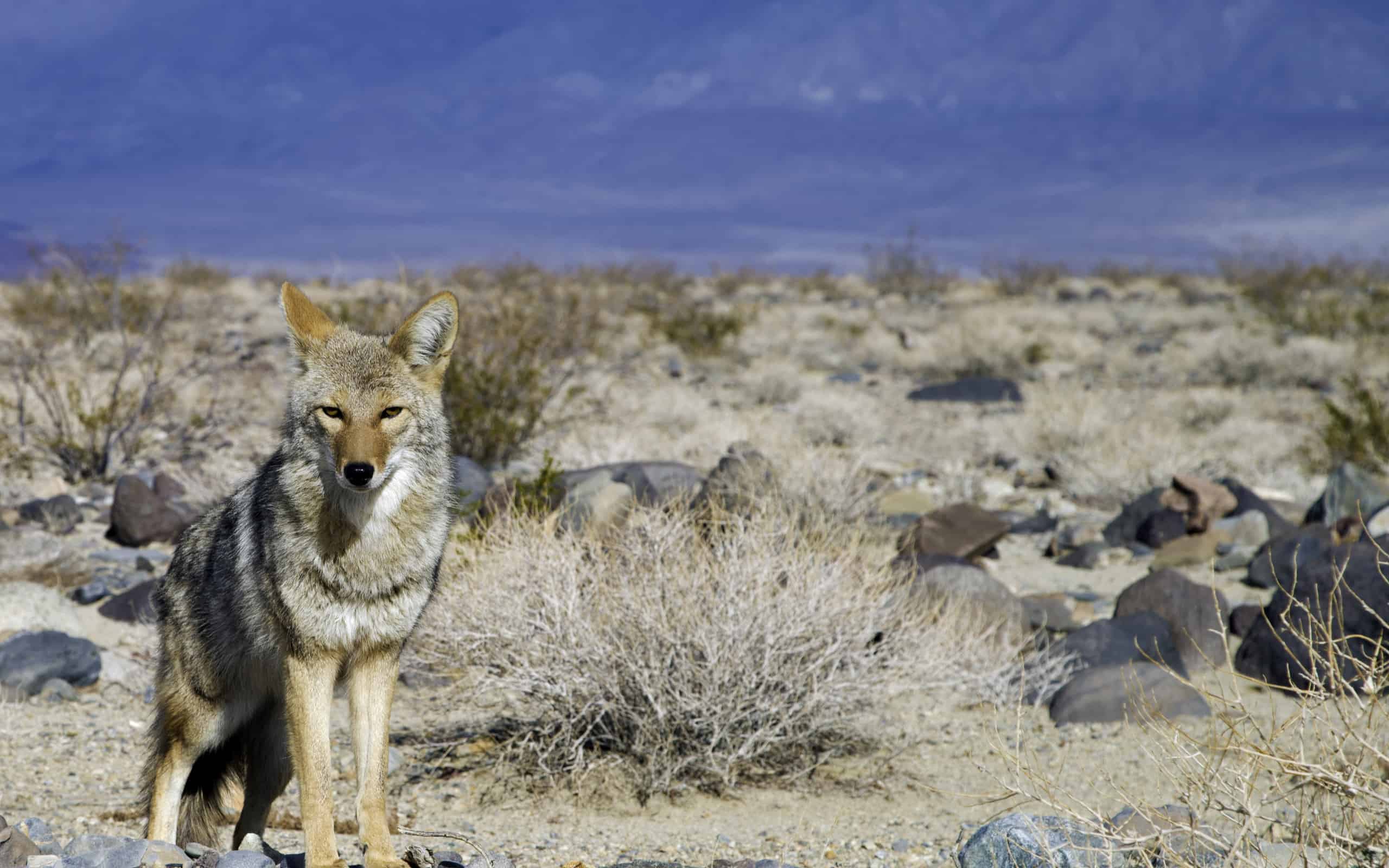
©hpzima/ via Getty Images
Coyotes are native to California and live in an enormous range of environments across the state. The California Department of Fish and Wildlife says they occur in rural, residential, and urban areas and have become particularly good at living alongside people. They remain wary wild animals, but access to pet food, garbage, and other human-provided food can make individual coyotes increasingly comfortable around neighborhoods.
Coyote Diet

©Sandyjim/Shutterstock.com
Coyotes are opportunistic omnivores, which is a big part of why they adapt so well. Their diet can include rodents, rabbits, birds, insects, carrion, fruit, seeds, and other plant material. They may also prey on livestock and can be drawn toward neighborhoods by unsecured garbage, pet food, or other easy meals. Small mammals make up an important part of their natural diet, giving coyotes a useful role as predators even when their presence around people creates occasional conflicts.

