
Sinkholes are some of the most unsettling geological features on Earth. Many form in karst landscapes, where groundwater slowly dissolves soluble rock such as limestone, gypsum, or salt and creates underground cavities. The process can take thousands of years, even though the final collapse at the surface may happen with very little warning.
They also come in wildly different forms. Some are water-filled cenotes or marine blue holes, while others are enormous collapse pits. This gallery even includes Egypt’s Qattara Depression, which is not a classic karst sinkhole, and Louisiana’s Bayou Corne Sinkhole, which resulted from the human-influenced collapse of a salt cavern. From famous dive sites to holes more than 2,000 feet deep, these are some of the most remarkable examples on the planet.
Devil’s Bath – Canada
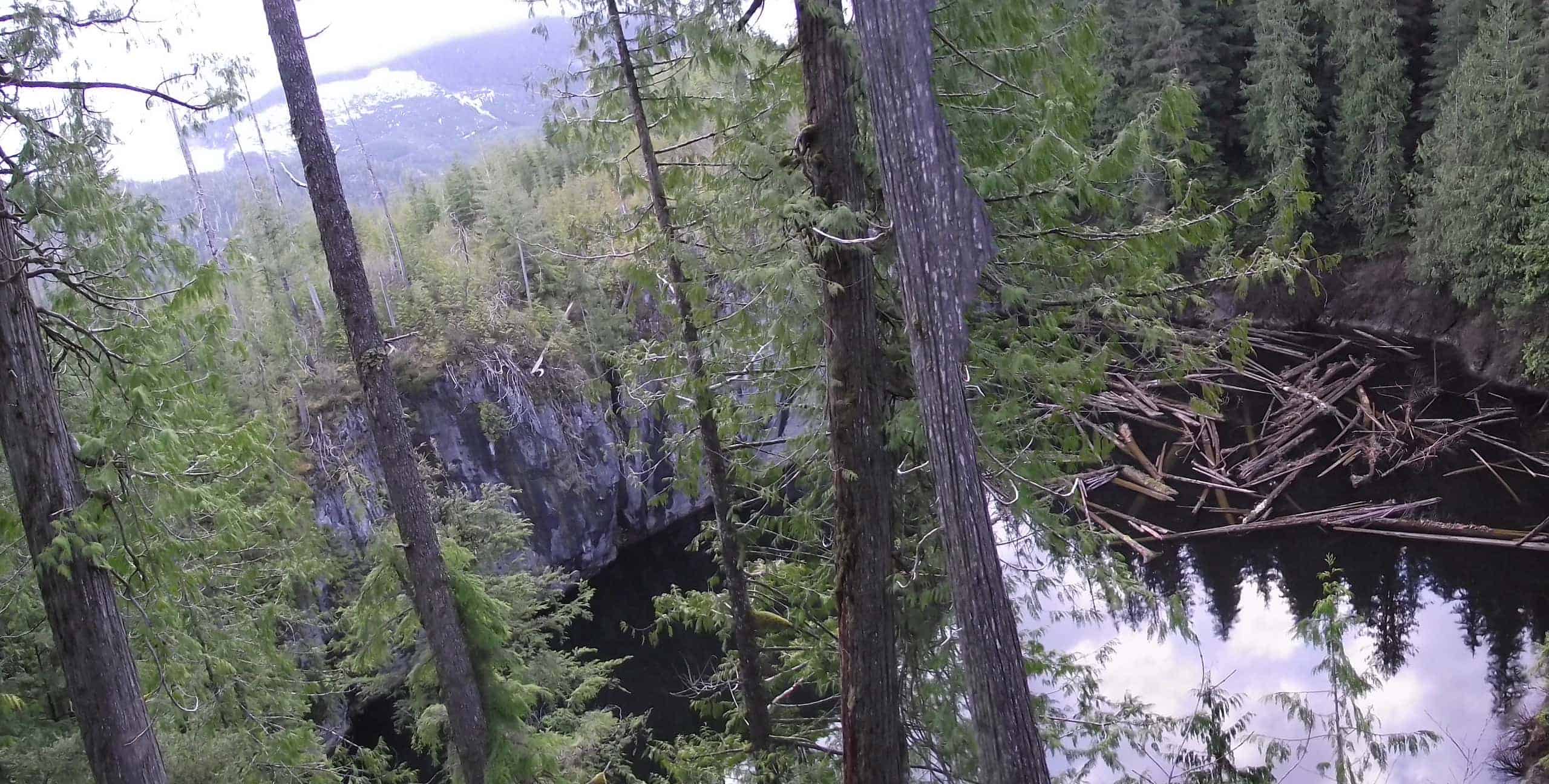
Devil’s Bath is a large water-filled karst sinkhole on northern Vancouver Island, British Columbia. It measures about 44 meters, or 144 feet, deep and roughly 359 meters, or 1,178 feet, around, making it one of Canada’s largest cenotes.
Devil’s Bath is hydrologically connected to the nearby Benson River through underground cave passages roughly 80 meters below the water table. Despite the steep terrain surrounding the sinkhole, visitors can see it from a viewing platform at the Devil’s Bath Recreation Site near Port Alice.
Qattara Depression – Egypt
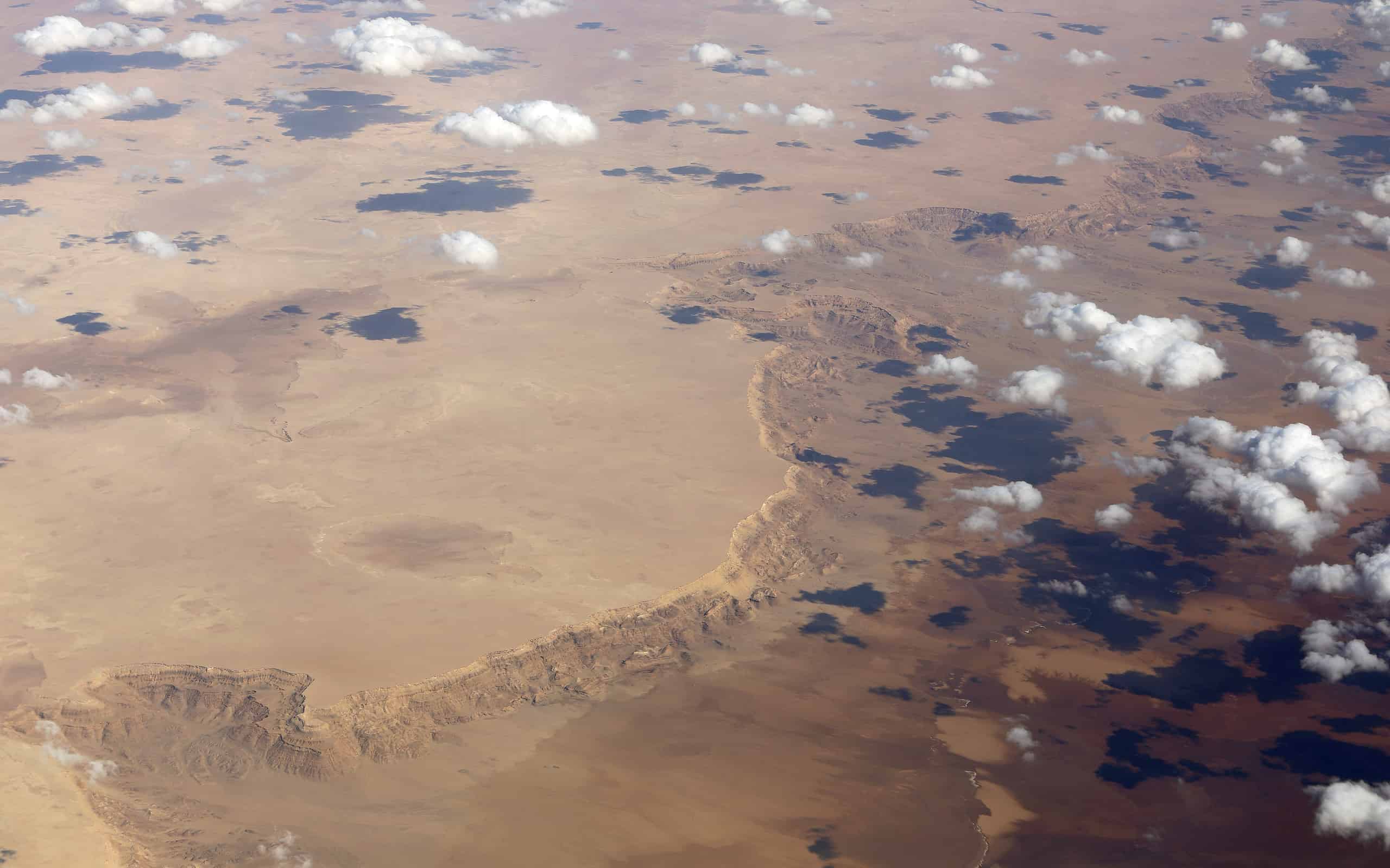
The Qattara Depression is a vast closed basin in Egypt’s Western Desert rather than a classic karst sinkhole. Its lowest point sits about 133 to 135 meters, or roughly 436 to 443 feet, below sea level, making it the second-lowest point in Africa after Lake Assal in Djibouti.
The depression covers roughly 20,000 square kilometers, or about 7,700 square miles, and includes salt flats, salt marshes, and sand dunes. Its formation reflects a long mix of erosion, salt weathering, wind deflation, and other geological processes. Engineers have proposed filling part of the depression with Mediterranean water to generate hydroelectric power for more than a century, but those plans have never been carried out.
Sótano de las Golondrinas – Mexico
©via Wikimedia Commons - Original
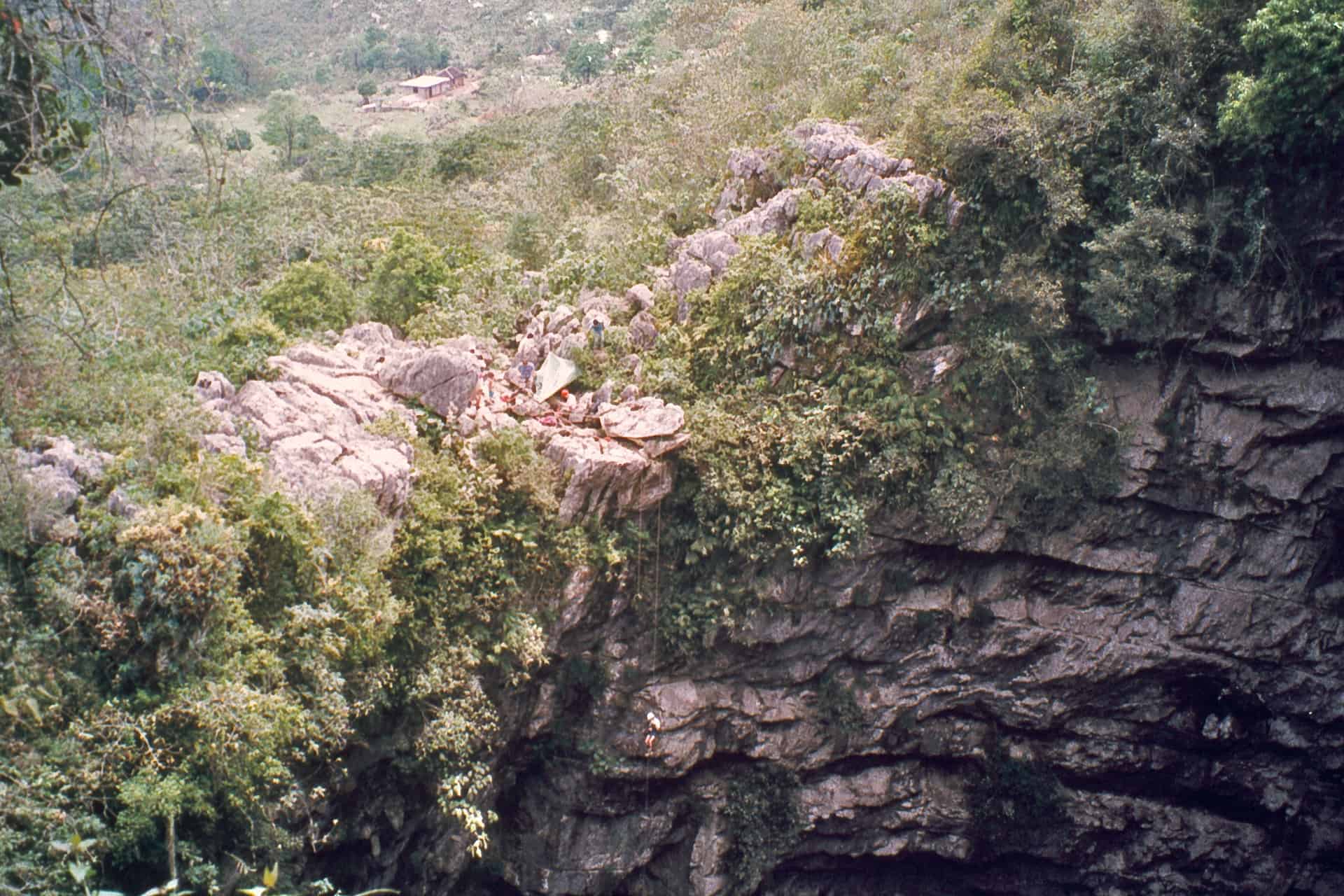
Better known in English as the Cave of Swallows, Sótano de las Golondrinas is a huge vertical karst pit near Aquismón in San Luis Potosí, Mexico. Its opening is roughly 60 meters across, while the main uninterrupted drop is about 376 meters, or 1,234 feet. Deeper portions of the cave extend to roughly 512 meters, or 1,680 feet, below the highest points around the entrance.
The chamber widens dramatically underground, with a floor approaching 300 meters across. The site is also famous for the large numbers of swifts and green parakeets that roost inside and spiral out of the cavern around dawn, creating one of the more spectacular wildlife displays in Mexico.
Great Blue Hole – Belize
©iStock.com/Lomingen
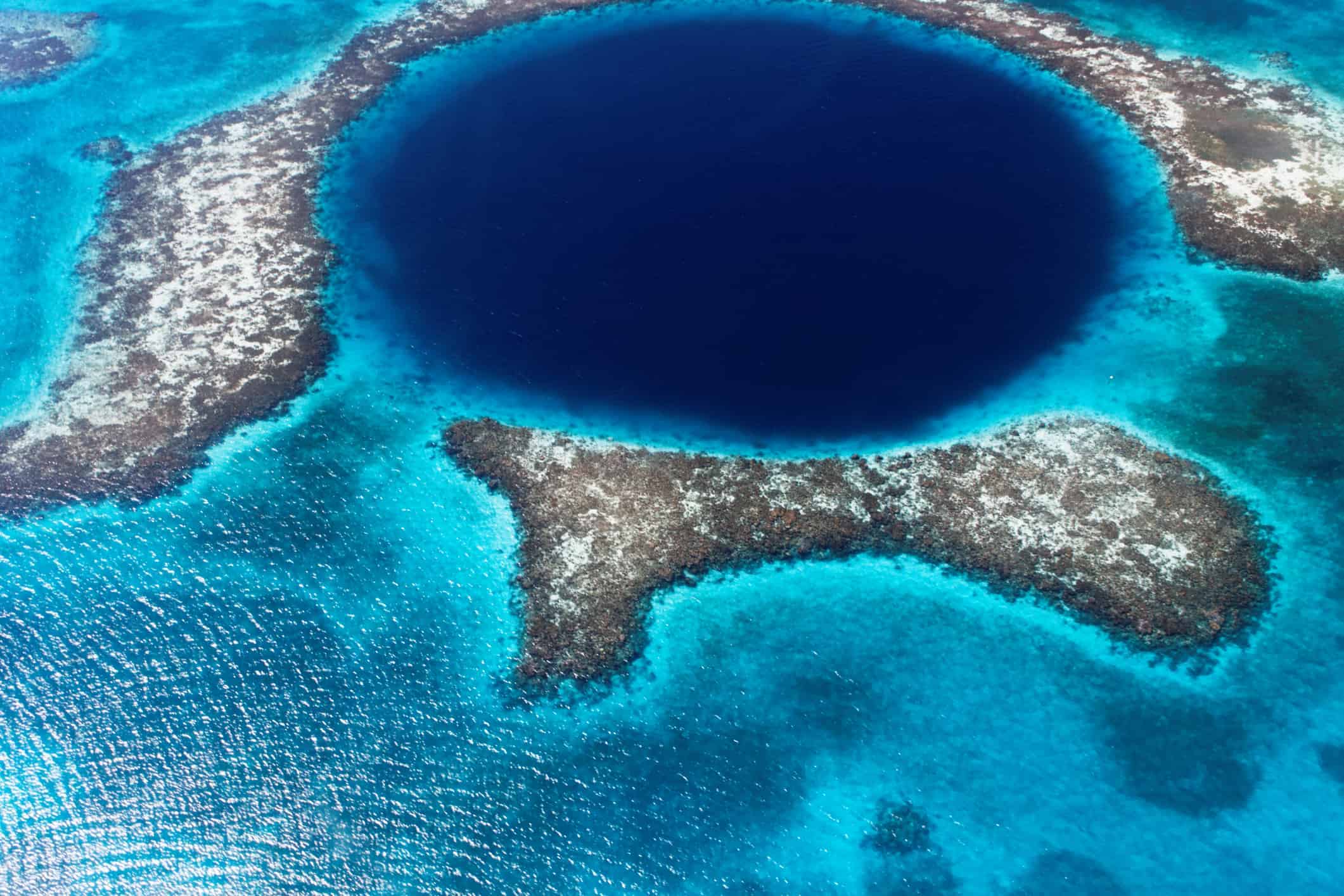
The Great Blue Hole is a giant marine sinkhole near the center of Lighthouse Reef Atoll off the coast of Belize. It is nearly 1,000 feet, or about 300 meters, across and more than 400 feet, or 120 meters, deep. The limestone cave system developed when sea levels were much lower and was later flooded as the oceans rose after the last Ice Age.
Today the Great Blue Hole is one of the world’s most recognizable scuba-diving destinations. Its underwater walls, overhangs, stalactites, and deep-blue water are part of the Belize Barrier Reef Reserve System, which UNESCO added to the World Heritage List in 1996.
Taam Ja’ Blue Hole – Mexico
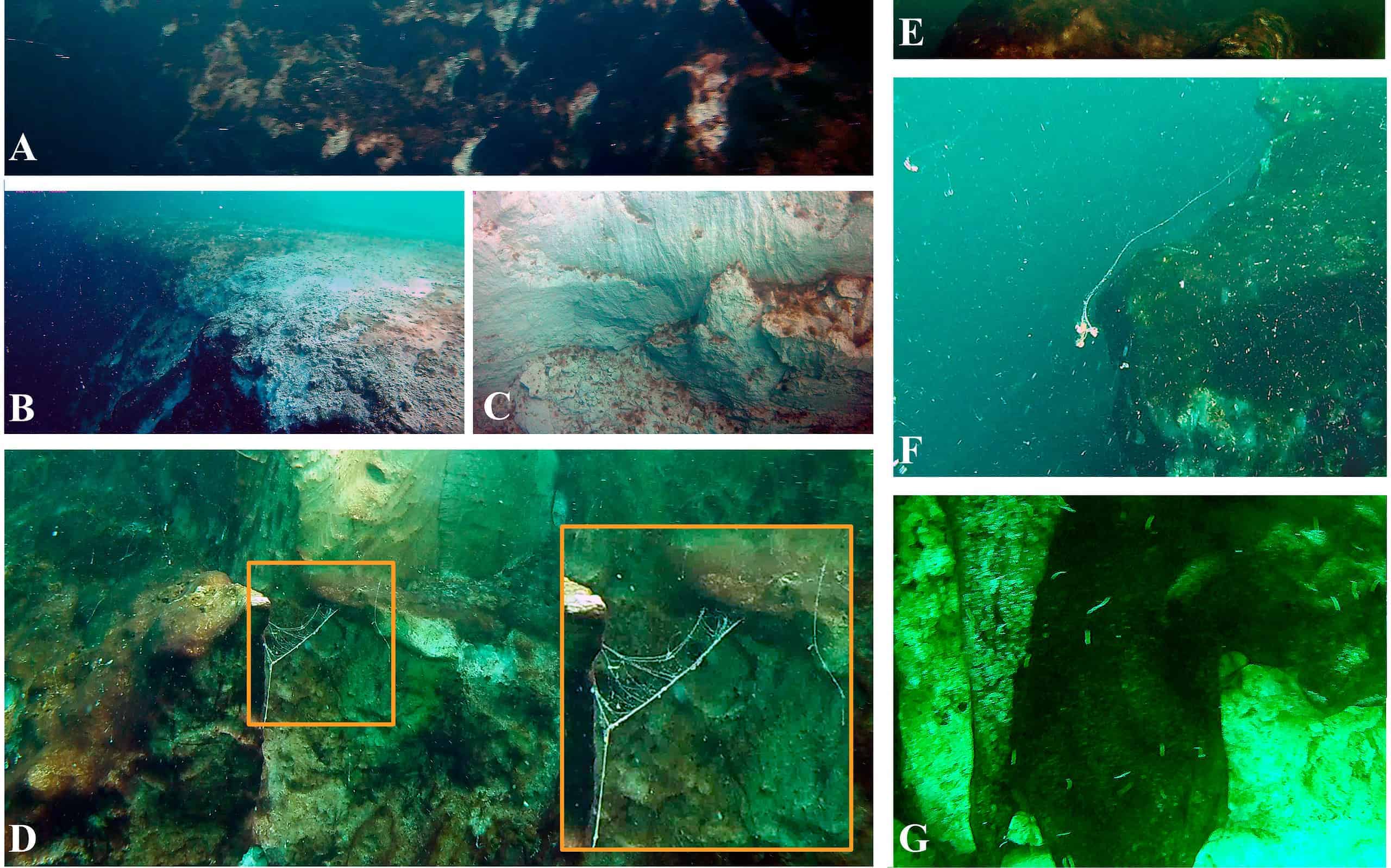
Taam Ja’ Blue Hole sits beneath the shallow waters of Chetumal Bay on Mexico’s Yucatán Peninsula. Researchers first scientifically documented it after surveys conducted in 2021, initially measuring it at about 274 meters deep. Later measurements changed the picture dramatically.
In December 2023, researchers lowered instruments to 423.6 meters, or about 1,390 feet, without reaching the bottom. That makes Taam Ja’ the deepest known blue hole measured to date. Its mouth covers roughly 13,690 square meters, while the water column becomes increasingly oxygen-poor with depth and turns anoxic in its deeper layers. The true bottom is still unknown.
El Zacatón Sinkhole – Mexico
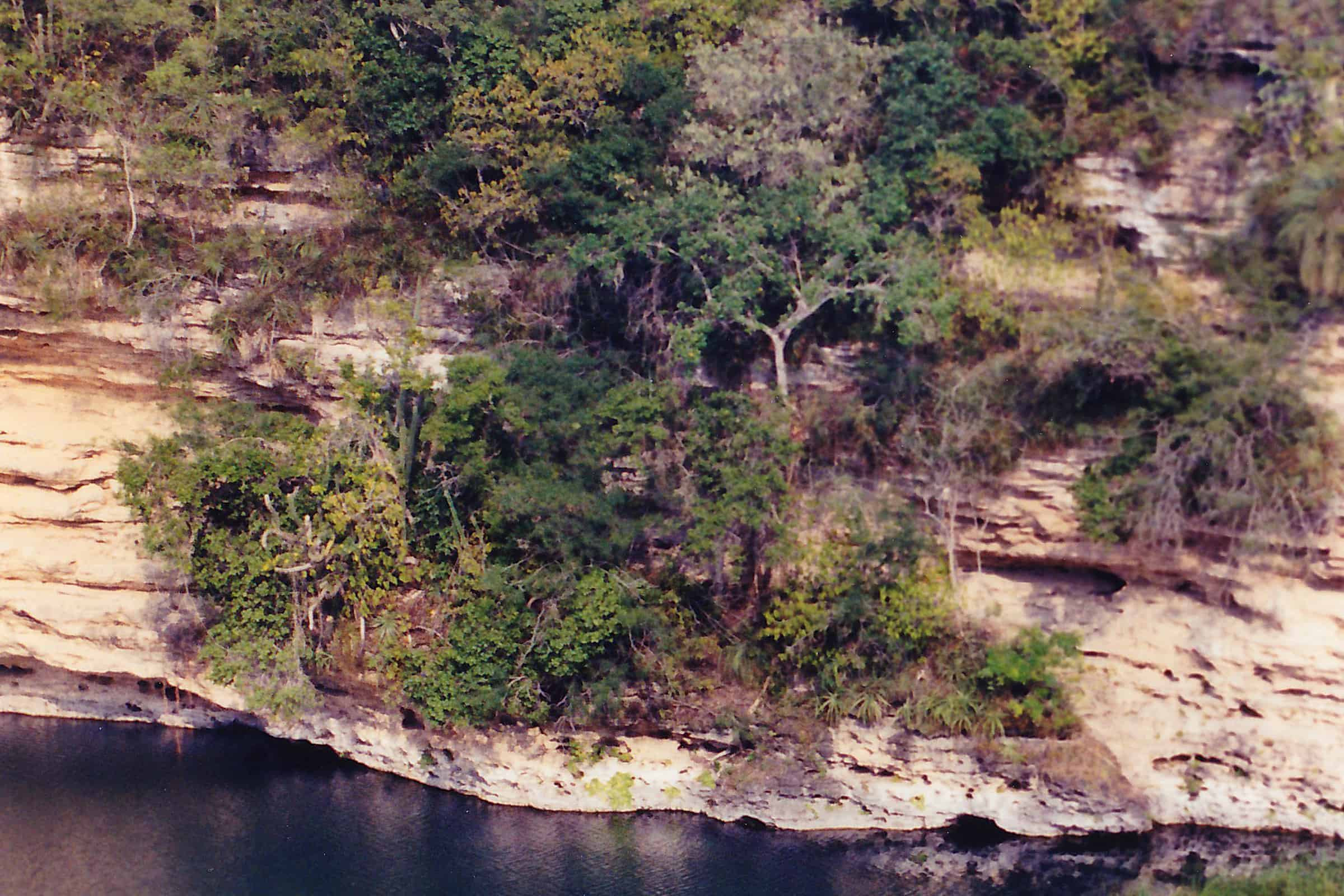
El Zacatón is an enormous thermal, water-filled sinkhole in Tamaulipas in northeastern Mexico. Robotic exploration mapped its underwater shaft to about 319 meters, or 1,047 feet, deep. When the cliff between the water and the surrounding rim is included, the total vertical relief is roughly 339 meters, or 1,112 feet.
The name comes from the floating islands of zacate grass that drift across its surface. Zacatón has also drawn scientists for reasons beyond its depth. NASA-supported robotic expeditions sampled diverse microbial communities from its submerged walls, including organisms from an environment where sunlight never reaches.
Bayou Corne – Louisiana
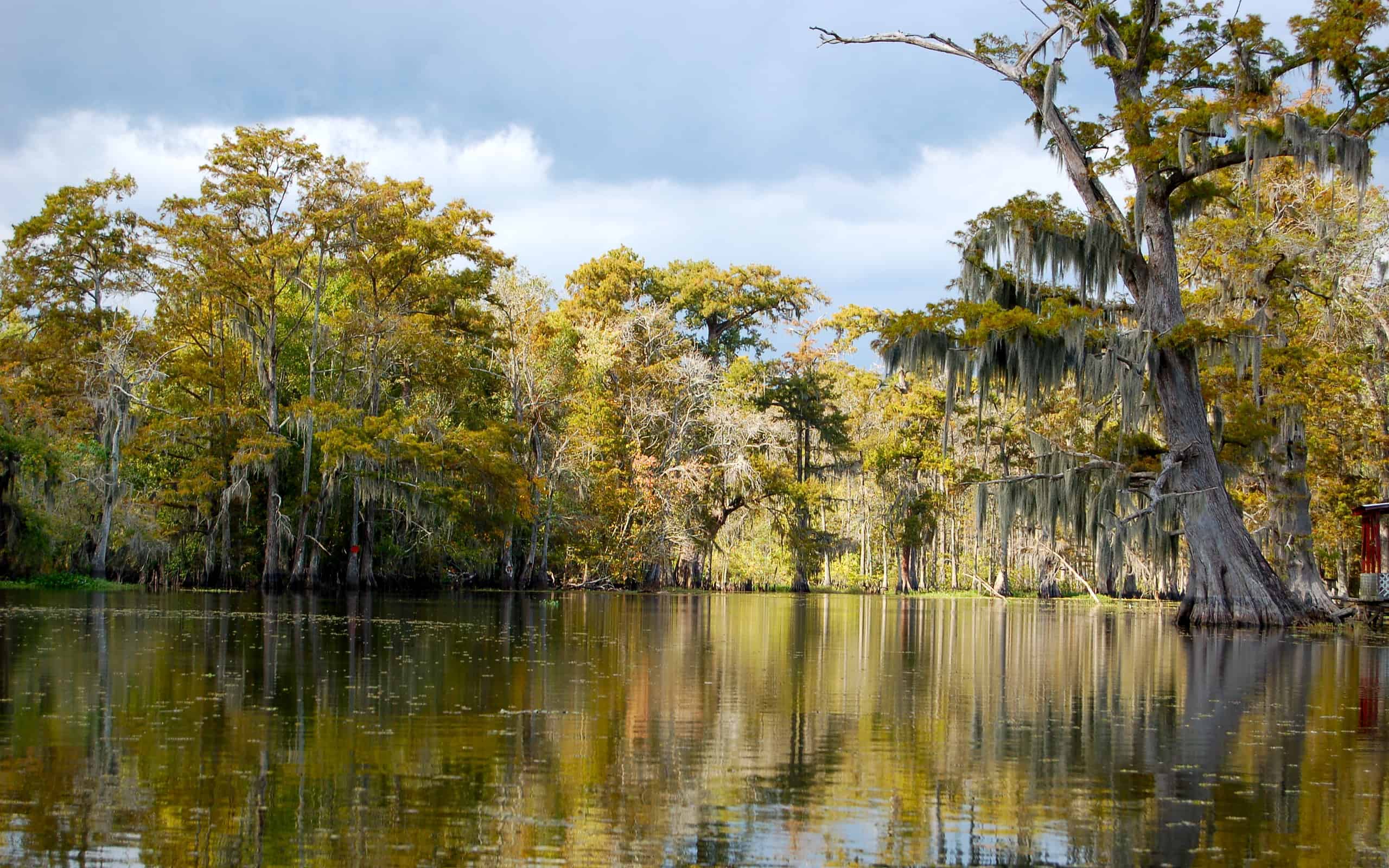
The Bayou Corne Sinkhole formed near the community of Bayou Corne in Assumption Parish, Louisiana, on Aug. 3, 2012. Unlike the natural karst features elsewhere on this list, it resulted from the human-influenced collapse of an underground salt cavern associated with Texas Brine’s operations in the Napoleonville Salt Dome.
Officials had already been investigating unexplained bubbling in Bayou Corne and nearby waterways during June and July. When the ground began collapsing in August, Assumption Parish ordered a mandatory evacuation that affected about 350 residents. The sinkhole continued expanding after its initial formation, turning the incident into a years-long environmental and public-safety response.
Dragon Hole – South China Sea
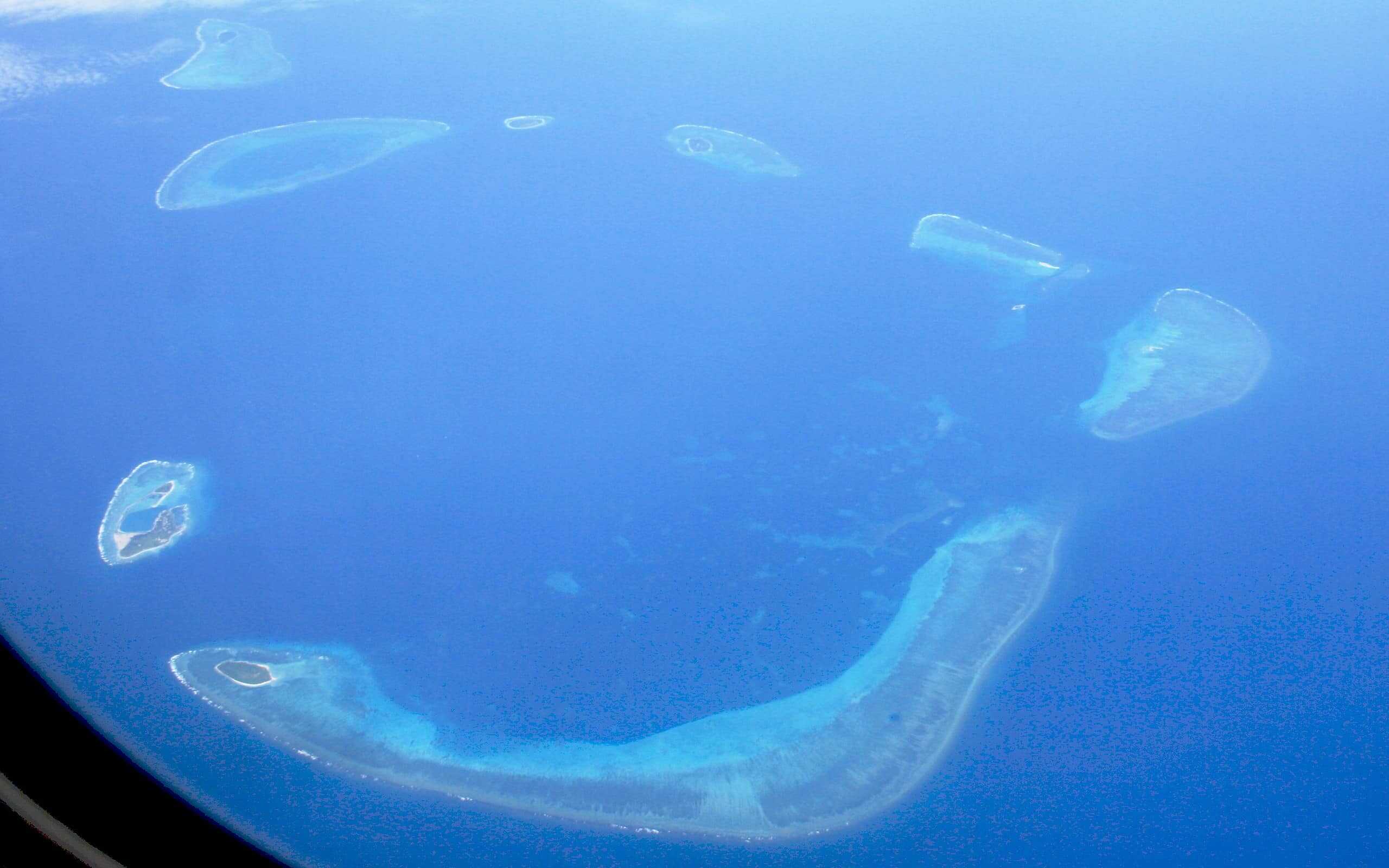
Dragon Hole, also known as the Sansha Yongle Blue Hole, lies at the eastern end of Yongle Atoll in the Paracel Islands of the South China Sea. Detailed robotic mapping measured its deepest point at about 301 meters, or 988 feet, below mean sea level.
For several years, that made Dragon Hole the deepest known marine blue hole. It lost that distinction after researchers exploring Mexico’s Taam Ja’ Blue Hole descended beyond 420 meters without reaching bottom. Dragon Hole is still an extraordinary structure, with an irregular system of underwater chambers rather than a simple vertical cylinder.
Crveno Jezero – Croatia
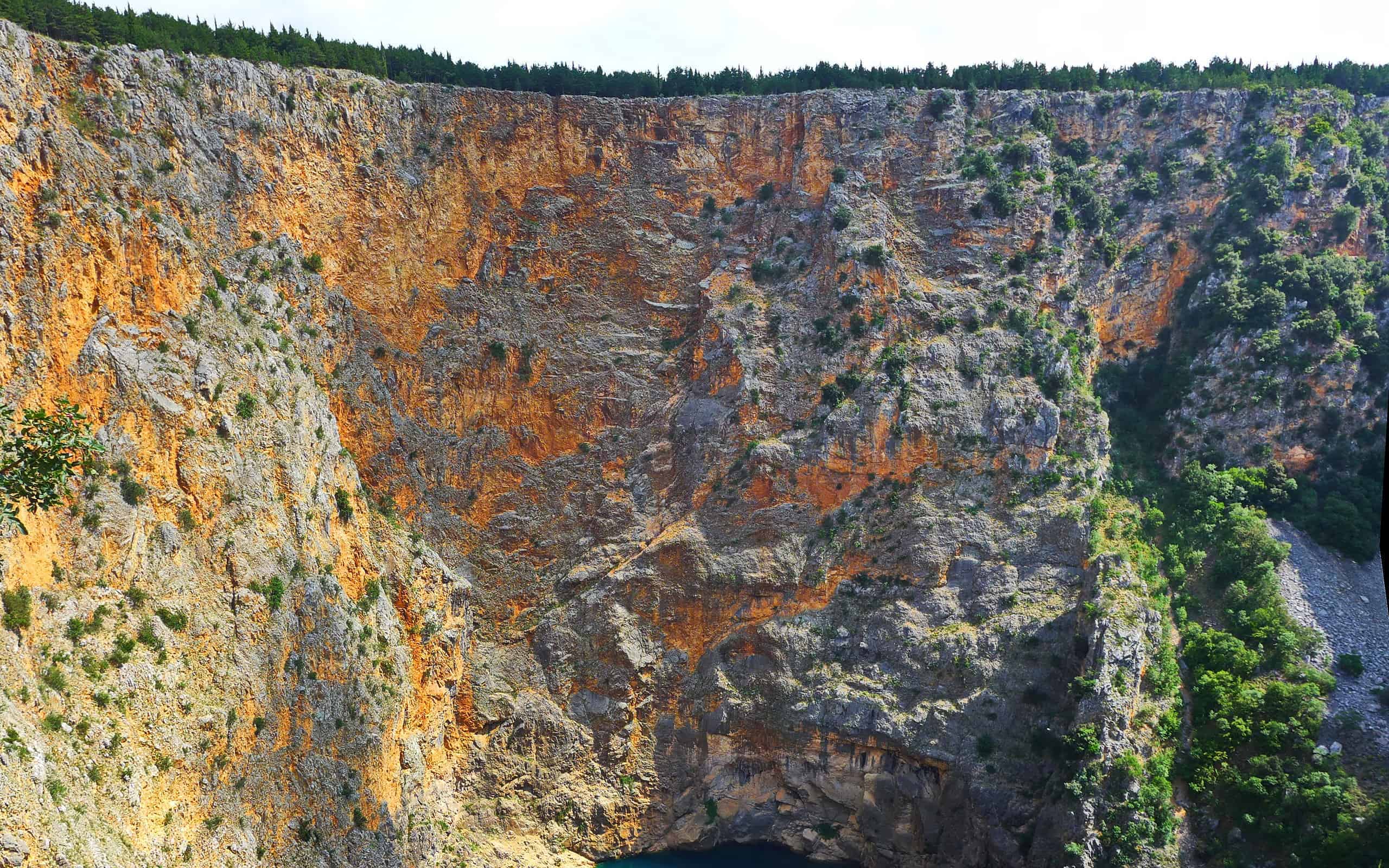
Crveno Jezero, or Red Lake, is a spectacular water-filled collapse sinkhole near Imotski, Croatia. Measurements put the total vertical extent of the feature at roughly 527 to 529 meters, or more than 1,700 feet, with a water column that can approach 287 meters in depth.
Researchers generally attribute the enormous feature to the collapse of an underground cave system. Its name comes from the reddish-brown cliffs surrounding the lake, a color produced largely by iron oxides in the carbonate rock. The combination of sheer walls and deep water makes Red Lake one of the most dramatic karst features in Europe.
Xiaozhai Tiankeng – China
©Poliorketes/Shutterstock.com
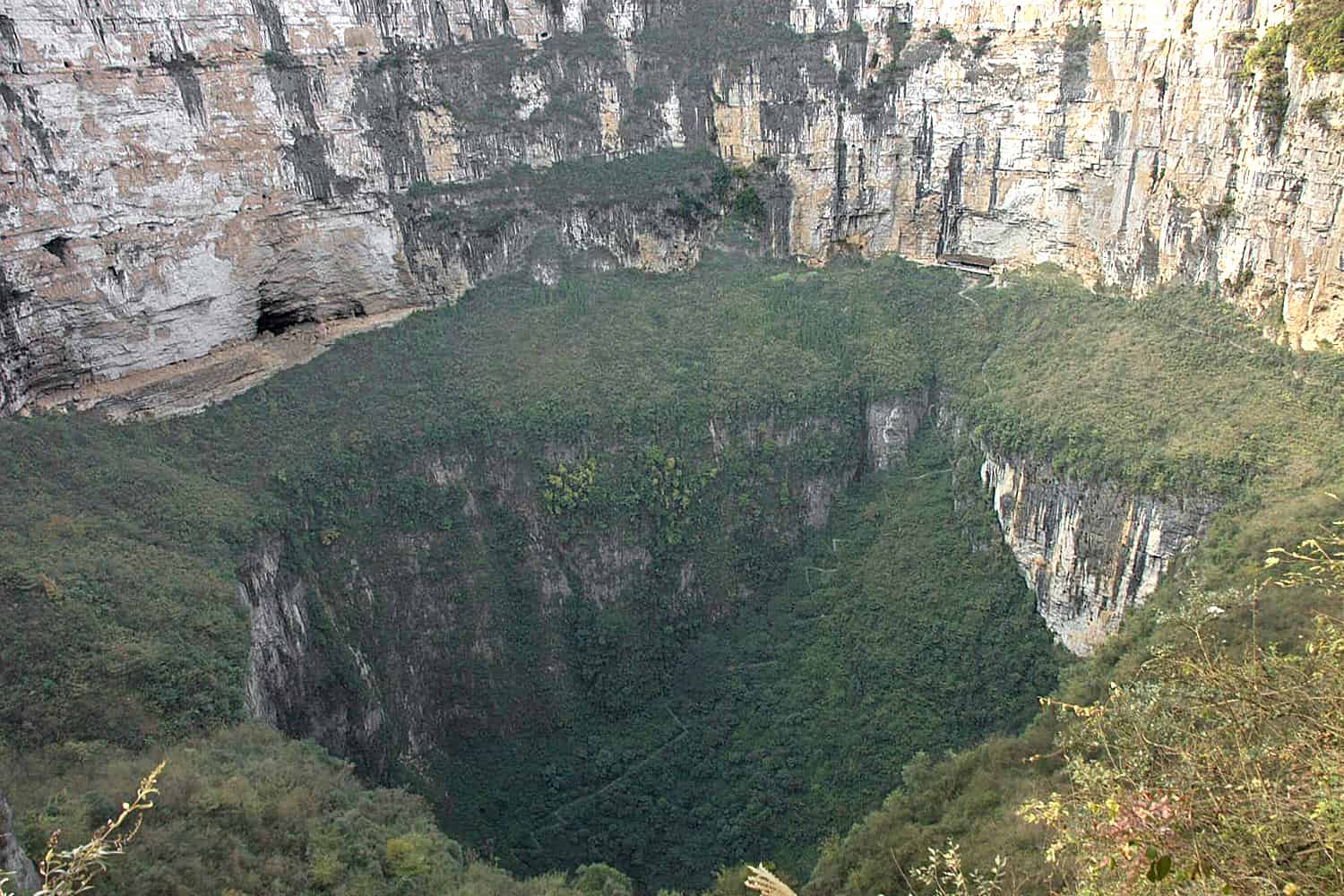
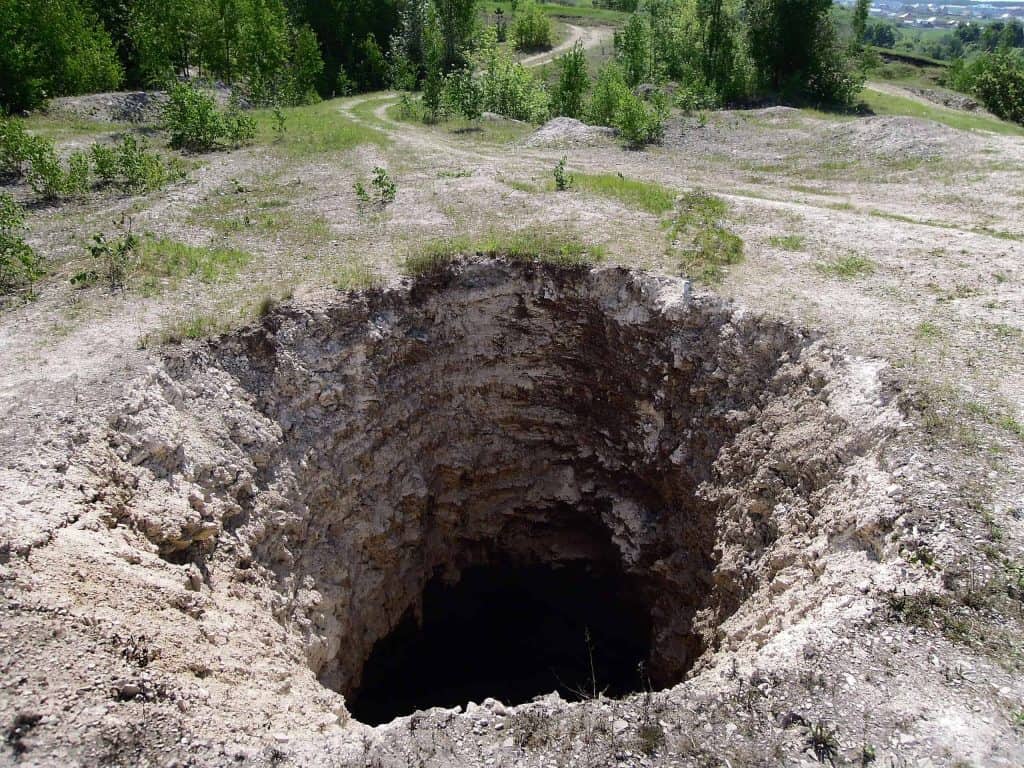
Xiaozhai Tiankeng in China is the largest known doline, or giant sinkhole, and its dimensions are difficult to wrap your head around. The opening measures roughly 626 meters, or 2,054 feet, along its long axis and about 537 meters, or 1,762 feet, across its shorter axis. From its highest rim to the underground river below, its maximum depth reaches about 662 meters, or 2,172 feet.
The sinkhole formed above an enormous underground river and cave system. A path and roughly 2,800 stone steps descend through a collapse slope from the rim toward the floor, giving visitors a much closer look at a feature big enough to make most ordinary sinkholes seem like potholes.
The isolated environment also supports an unusually rich ecosystem. More than 1,200 plant species have been recorded in the sinkhole, and rare wildlife reported from the area includes the clouded leopard and Chinese giant salamander. During wet weather, water can also cascade through the enormous karst system below.

