
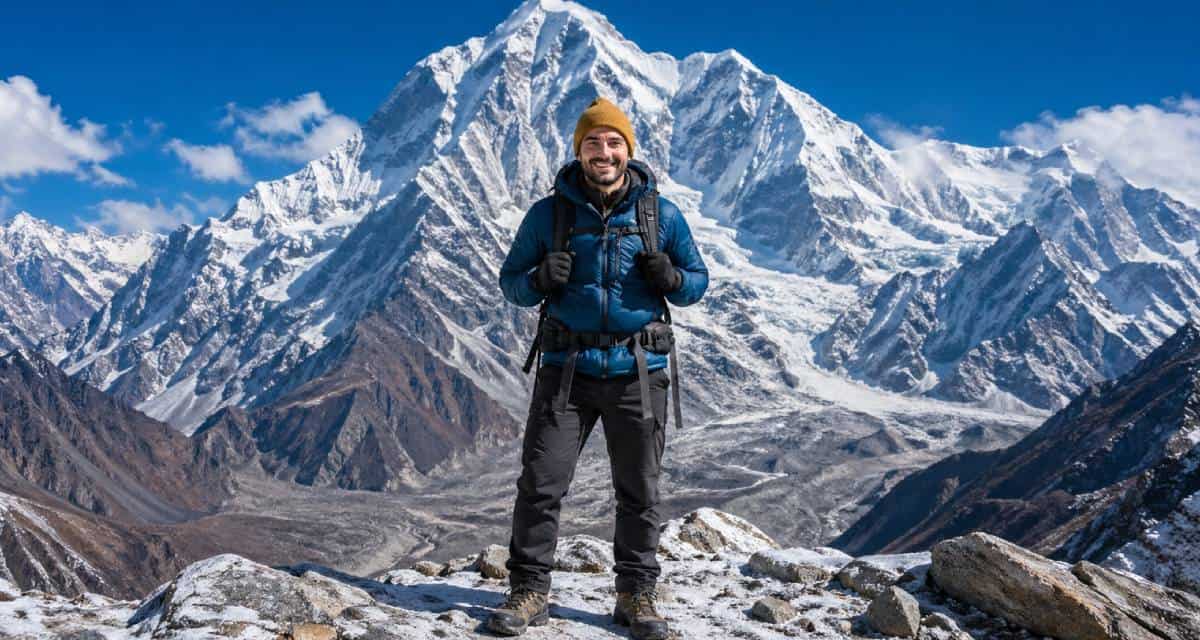
Some landscapes are beautiful. Others completely reset your sense of scale. Stand beneath a Himalayan wall, drive through a valley surrounded by peaks, or watch mountains disappear into the clouds above you, and suddenly even a fairly dramatic city skyline feels a little less impressive.
For travelers who love that feeling, few destinations can compete with countries where mountains shape almost everything around them. They create alpine villages, deep river valleys, high-elevation roads, glacier-fed lakes, ski regions, hiking routes, and viewpoints where the landscape does most of the talking. Some make mountain travel remarkably accessible. Others require a little more effort, which is often part of the appeal.
There is no single universal way to rank countries by how “mountainous” they are, so this is not meant as a strict mathematical top 10. Instead, these are 10 countries where mountains dominate the geography or rise across an unusually large share of the landscape. Current entry requirements and safety conditions can change, so travelers should always check official government advisories before booking an international trip.
Bhutan
©Khanthachai C/Shutterstock.com
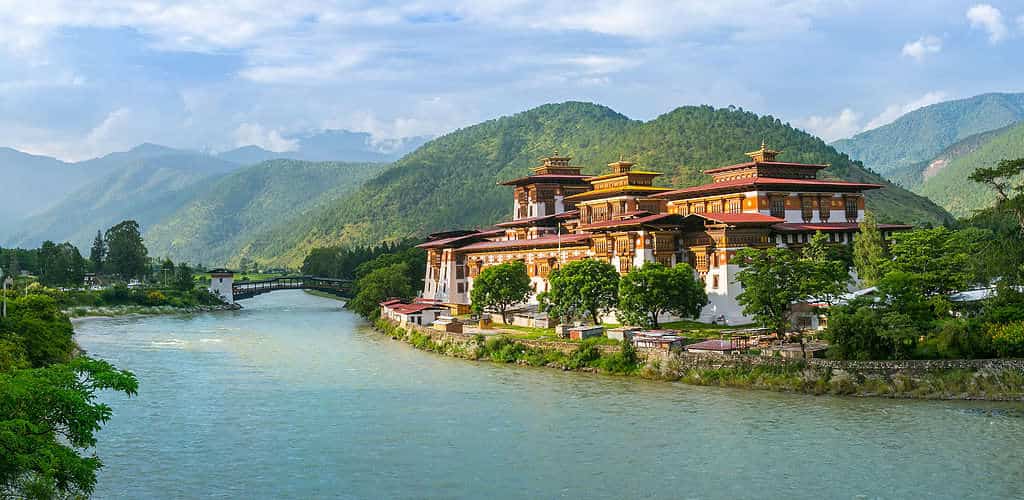
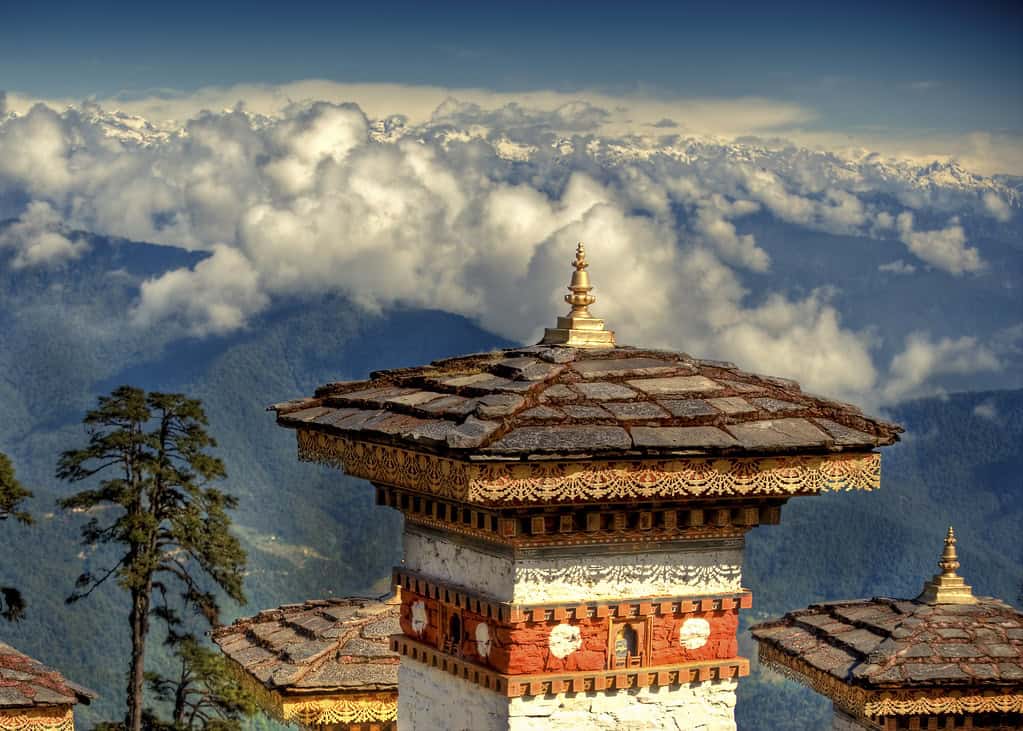
Bhutan is almost entirely mountainous, sitting along the southern slopes of the Eastern Himalayas between India and China. Elevation changes dramatically over a relatively short distance, rising from roughly 100 meters above sea level in the southern foothills to more than 7,500 meters in the north. That enormous vertical range gives a small country an almost absurd variety of landscapes.
Bhutan
©"Bhutan - DochuLa Pass" by Göran Höglund (Kartläsarn) is licensed under BY 2.0. - Original / License
Those mountains are broken up by deep valleys carved by fast-moving rivers, creating the pockets of flatter land where many of Bhutan’s towns and farms developed. Travel through the country can take you from subtropical valleys and dense forests to alpine terrain and snow-covered Himalayan peaks. For anyone who likes trips where the journey between destinations is half the attraction, Bhutan has plenty to work with.
Tajikistan
©Lukas Bischoff Photograph/Shutterstock.com
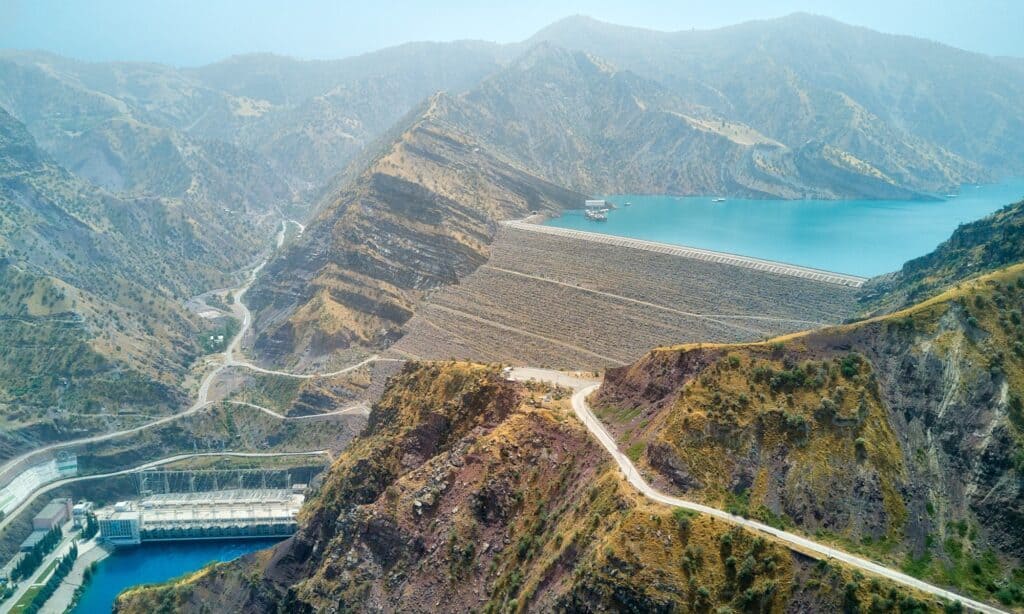
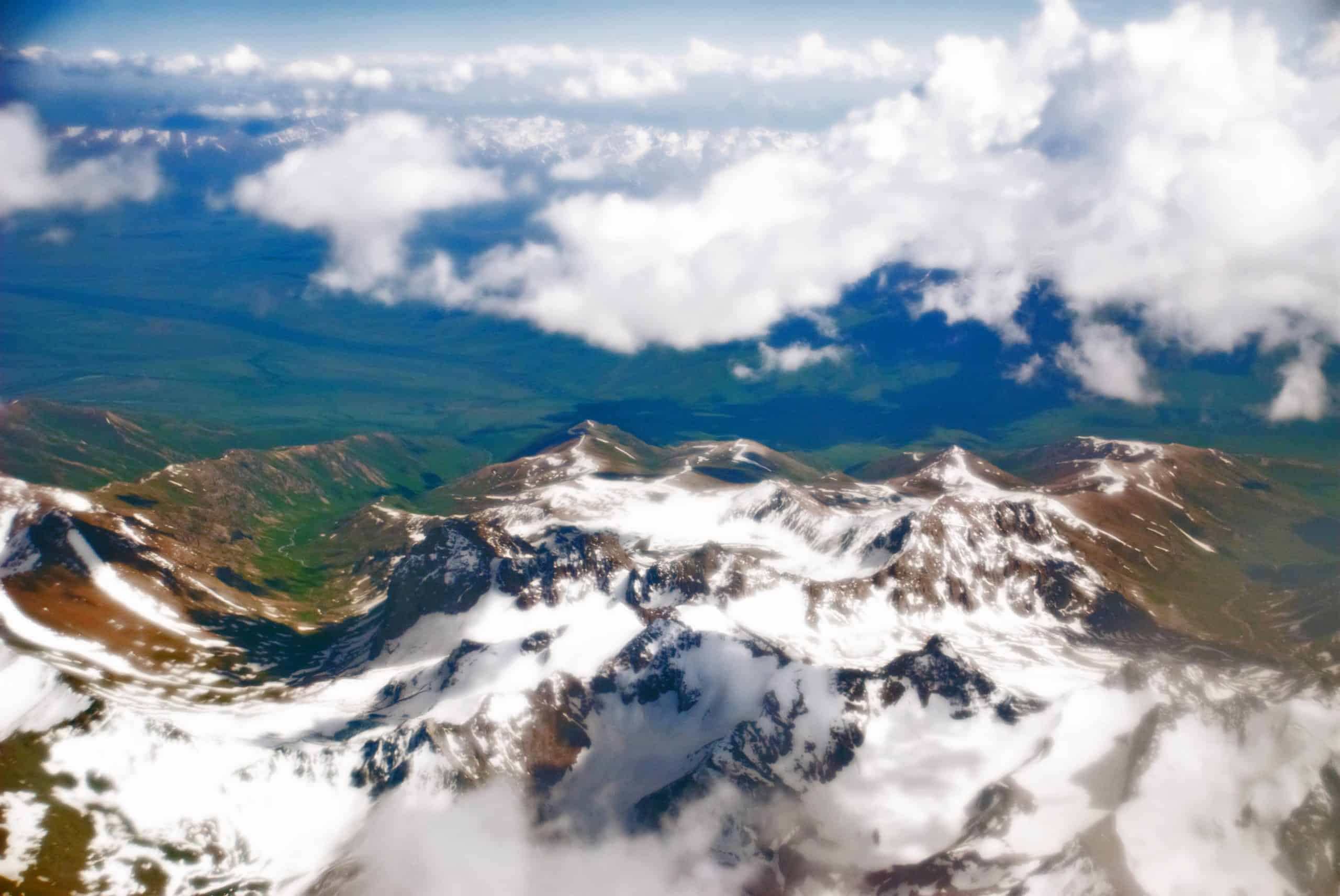
Tajikistan is one of the clearest examples of a country defined by mountains. According to the country’s Ministry of Foreign Affairs, mountains cover 93% of its territory, with elevations ranging from about 300 meters to 7,495 meters. The Pamirs dominate the southeast, while the Hissar-Alay and other major ranges cut through much of the rest of the country.
Tajikistan
©"File:Pamir Mountains, Tajikistan, 06-04-2008.jpg" by Irene2005 is licensed under BY 2.0. - Original / License
Not every part of Tajikistan is high mountain country. The Fergana Valley reaches into the north, while lower valleys including the Vakhsh and Hissar break up the terrain farther southwest. But the mountains are never far from the country’s identity. Temperatures and conditions can change enormously with elevation, from hot valleys to cold, severe highlands where the peaks seem to take over the entire horizon.
Kyrgyzstan
©Getty Images
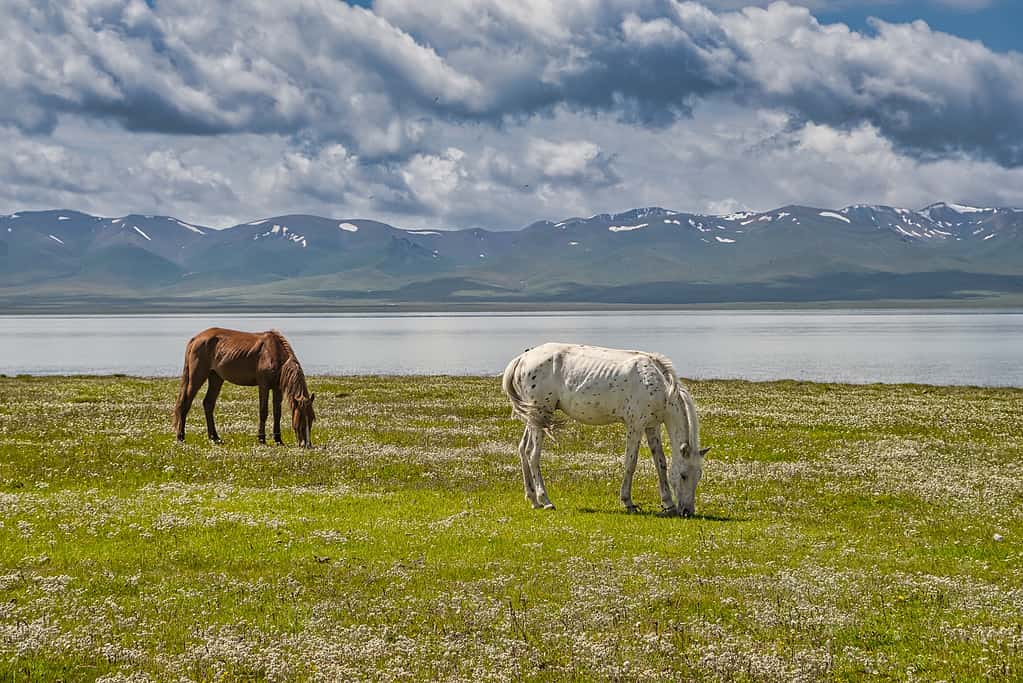
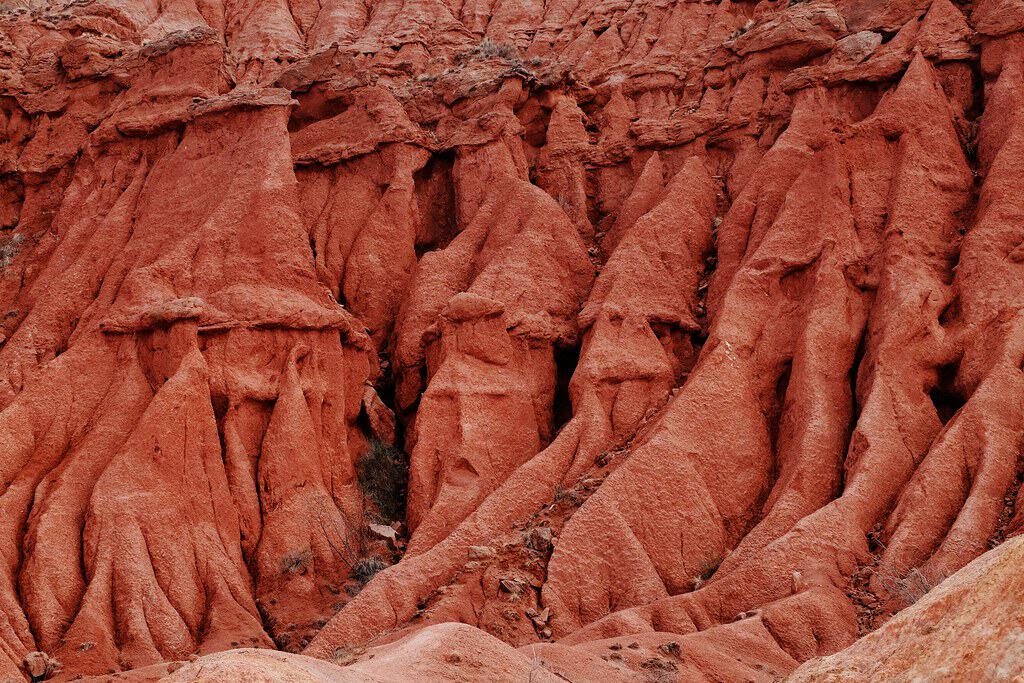
Kyrgyzstan is another landlocked Central Asian country where elevation is almost impossible to escape. Nearly 90% of its territory sits more than 1,500 meters above sea level. Much of that landscape belongs to the Tian Shan mountain system, which stretches across the country in enormous ridges separated by valleys, basins, and alpine lakes.
Kyrgyzstan
©"Skazka Canyon, Kyrgyzstan - Mar' 2017" by Konrad Lembcke is licensed under BY-ND 2.0. - Original / License
The valleys are where much of Kyrgyzstan’s population and agriculture are concentrated, while the higher elevations open into summer pastures, rocky passes, glaciers, and trekking country. Lakes such as Issyk-Kul add another dimension to the scenery. The combination of water, broad valleys, and huge mountain walls makes Kyrgyzstan one of those places where a road trip can become scenic very quickly.
Lesotho
©sfriessner/Shutterstock.com
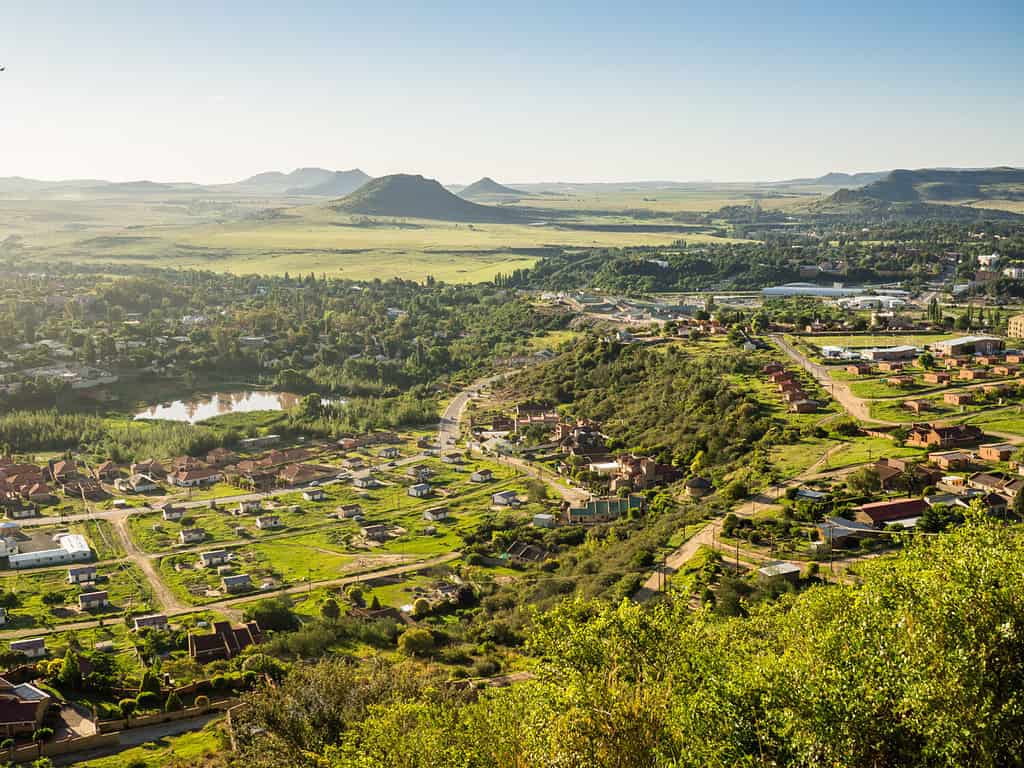
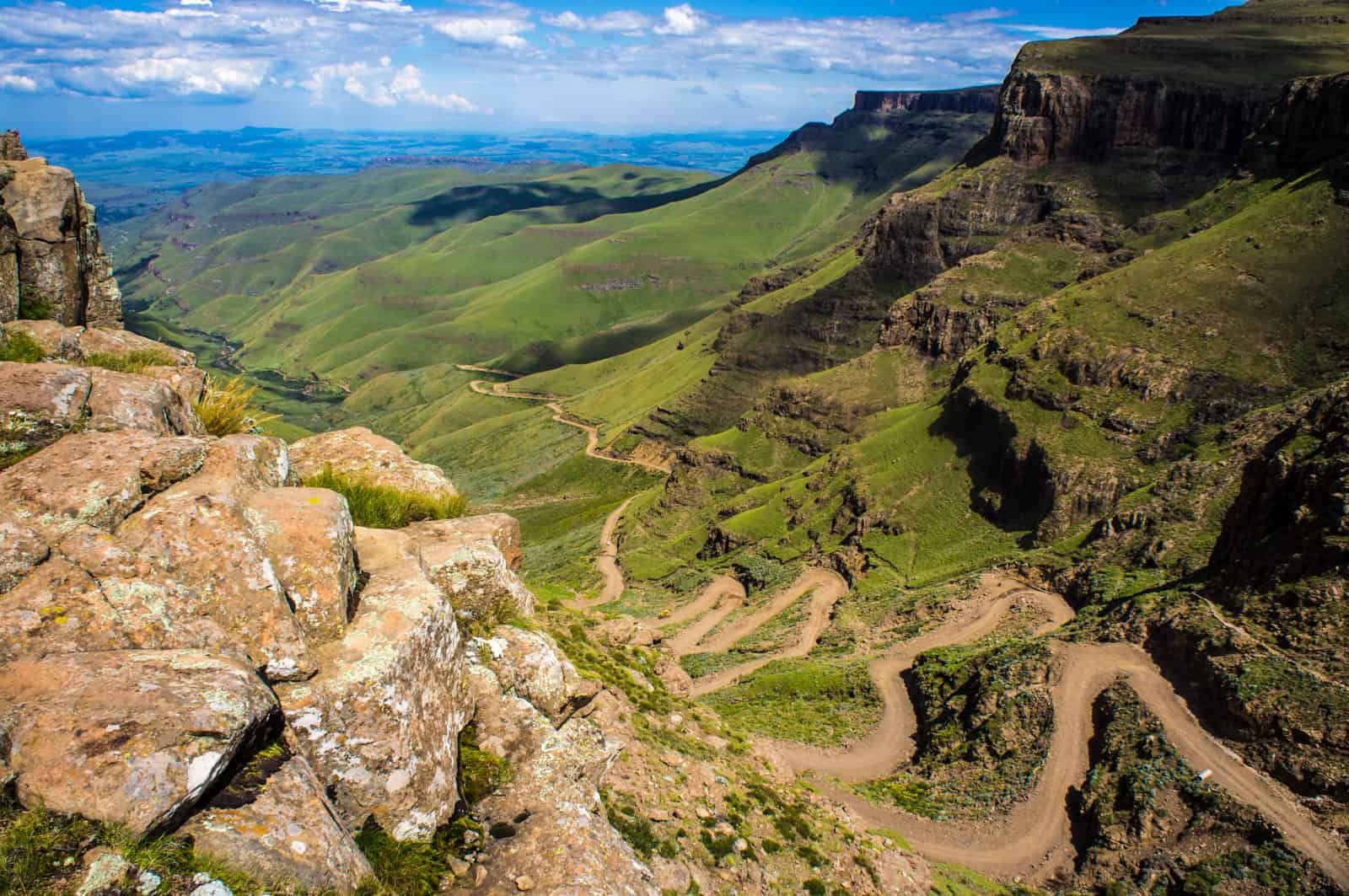
Lesotho earns its “Kingdom in the Sky” nickname. Roughly 80% of the country lies above 1,800 meters, and its lowest point is still around 1,400 meters above sea level. It is also one of only three sovereign countries completely surrounded by a single other country, with South Africa enclosing it on every side.
Lesotho
©"Sani Pass heading into Lesotho" by Vaiz Ha is licensed under BY 2.0. - Original / License
The Maloti and Drakensberg mountains give Lesotho much of its rugged character, and Thabana Ntlenyana reaches 3,482 meters, making it the country’s highest point. Elevation also keeps Lesotho cooler than much of the surrounding region, and snow is possible in the highlands during winter. Roads such as Sani Pass make the terrain part of the travel experience before you have even stepped onto a hiking trail.
Montenegro
©Andrii Lutsyk/Shutterstock.com
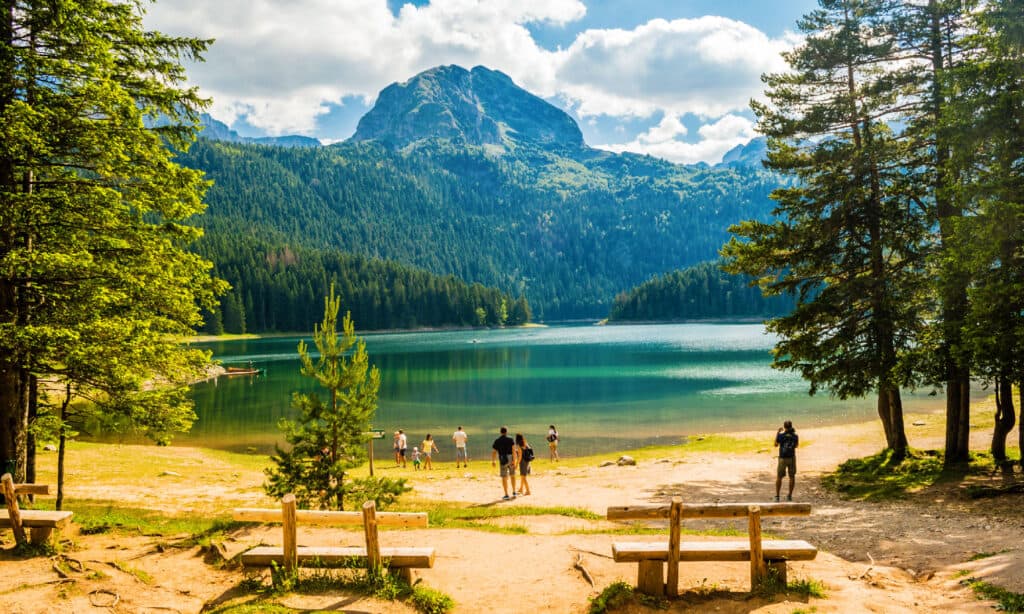
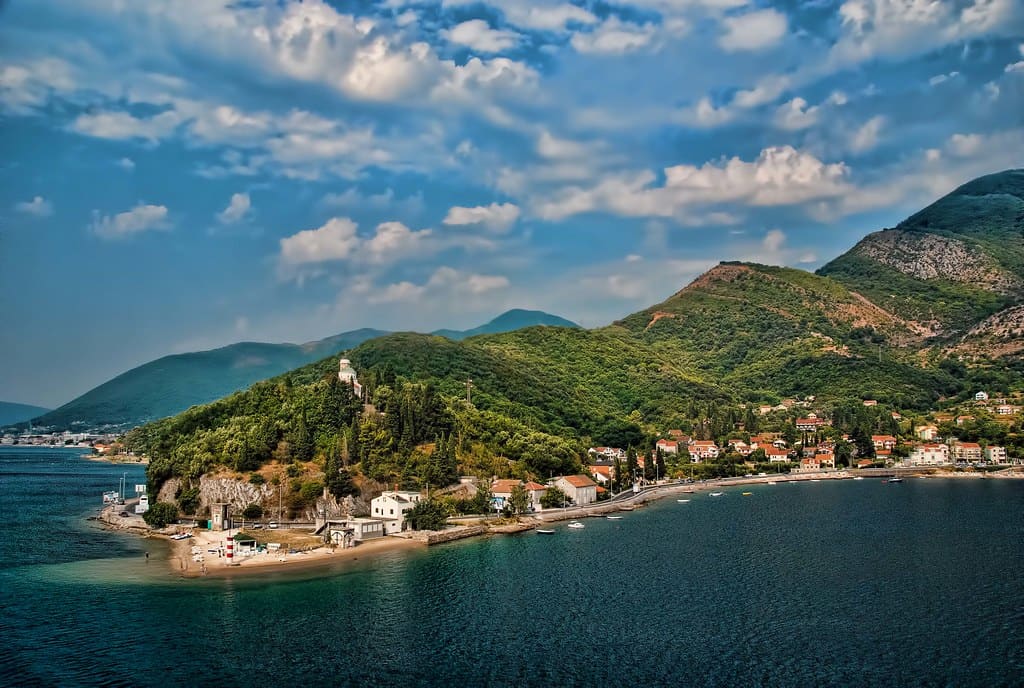
Montenegro packs an impressive amount of elevation into a country smaller than Connecticut. Mountains dominate much of the north and east, but they also rise dramatically near the Adriatic coast, which creates the combination of steep peaks and blue water that defines many of the country’s best-known views. Its highest peak, Zla Kolata in the Prokletije range, reaches 2,534 meters.
Montenegro
©"Montenegro Coastline near Kotor [explored 2-3-14]" by trishhartmann is licensed under BY 2.0. - Original / License
Durmitor National Park alone contains around 50 peaks above 2,000 meters, along with glacial lakes and the enormous Tara River Canyon. The country also sits within a region of exceptional biological diversity. Montenegro is considered a hotspot for biodiversity, with Mediterranean, mountain, forest, freshwater, and coastal ecosystems packed into a remarkably small area.
Armenia
©iStock.com/JossK
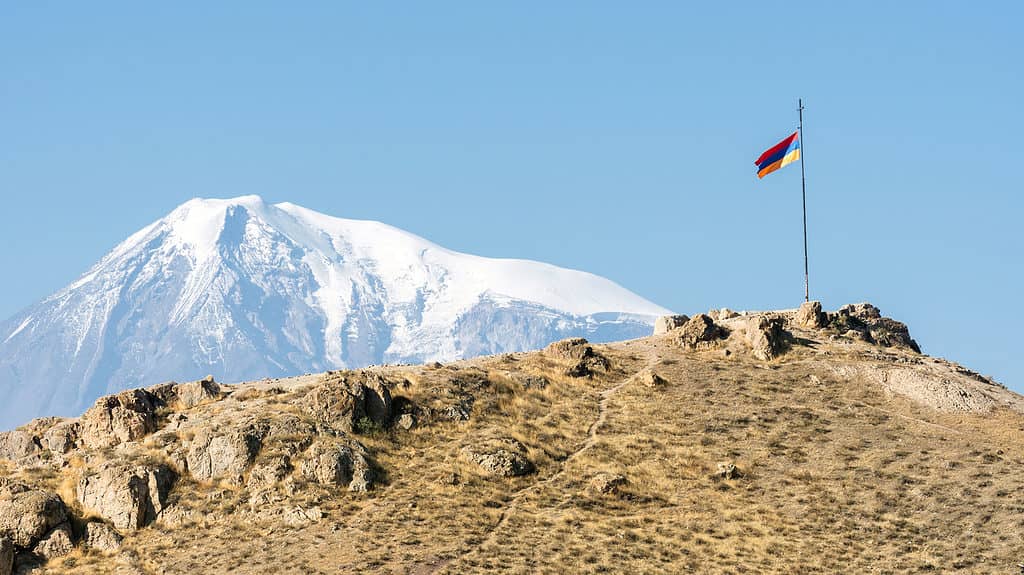
Armenia is a landlocked country in the South Caucasus, bordered by Georgia, Azerbaijan, Iran, and Turkey. It occupies part of the Armenian Highlands, and elevation is a defining feature of the landscape. The country’s average elevation is about 1,800 meters above sea level, so even places that do not look particularly mountainous by Armenian standards are already sitting fairly high.
Armenia
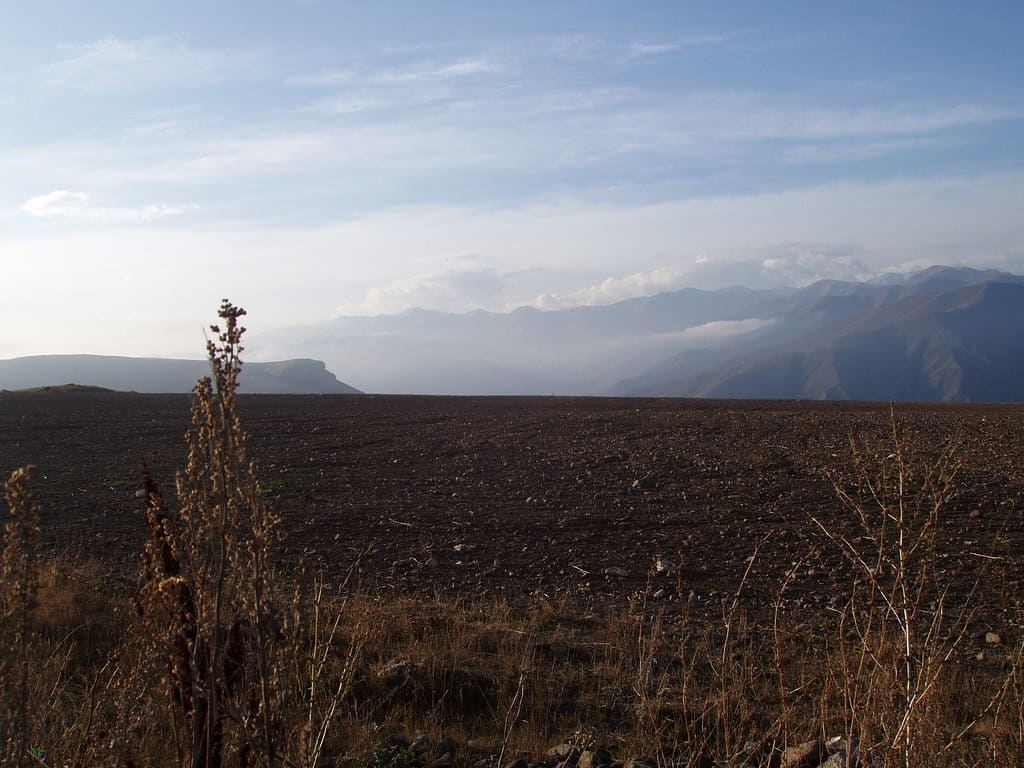
©"Armenia. Nature" by Tamara Areshian is licensed under BY 2.0. - Original / License
More than three-quarters of Armenia lies between 1,000 and 2,500 meters above sea level. Mount Aragats rises to 4,090 meters, while the country’s lowest point near the Debed River is about 375 meters. Volcanic highlands, broad plateaus, river valleys, and Lake Sevan give Armenia a landscape that changes constantly without ever completely losing sight of the surrounding high country.
North Macedonia
©Andrew Mayovskyy/Shutterstock.com
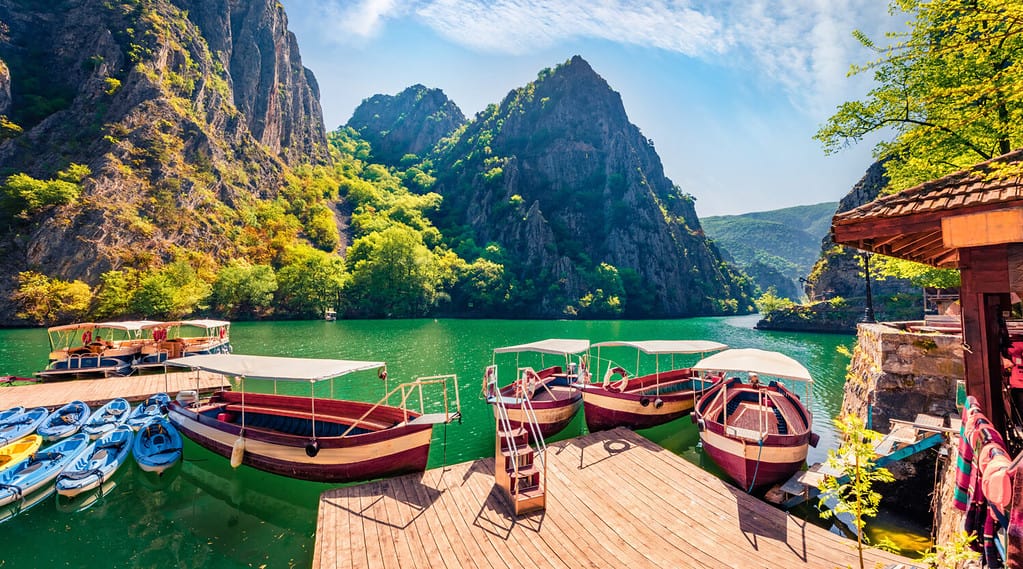
North Macedonia is much more mountainous than its small size might suggest. Current government material describes roughly 80% of the country’s terrain as mountainous, with dozens of mountains and mountain ranges spread across the landscape. Mount Korab on the western border is the country’s highest point at roughly 2,764 meters.
North Macedonia
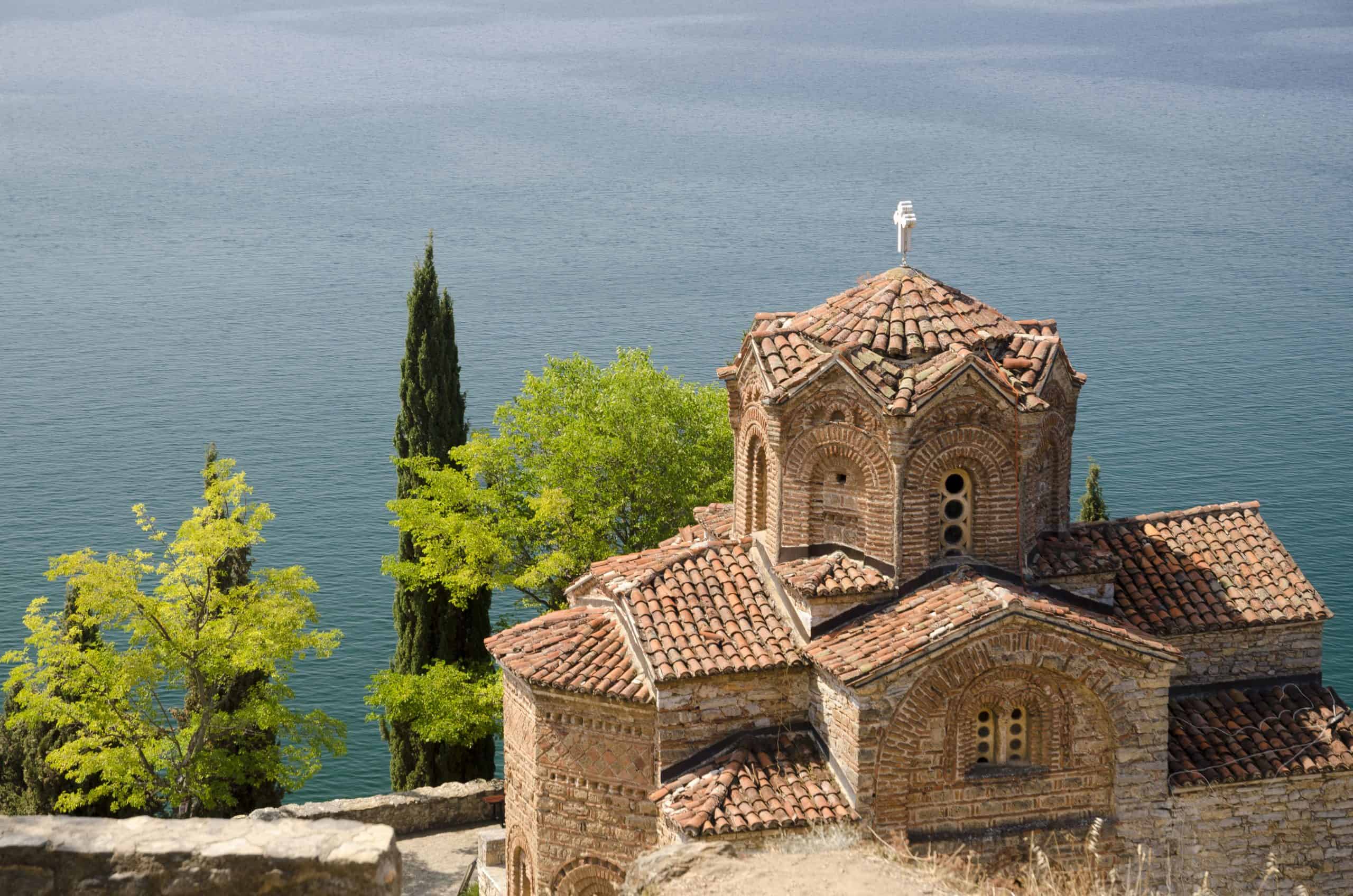
©"Church of St. John at Kaneo, Ohrid, North Macedonia 2017" by Jakub Fryš is licensed under BY-SA 4.0. - Original / License
The mountain ranges are broken up by valleys and lakes, including Lake Ohrid, where peaks rise directly behind the shoreline. North Macedonia’s climate shifts with both geography and elevation, with continental conditions across much of the country, Mediterranean influence reaching some southern valleys, and a colder mountain climate higher up. The result is a compact country with a surprising amount of landscape packed inside it.
Switzerland
©ansharphoto/Shutterstock.com
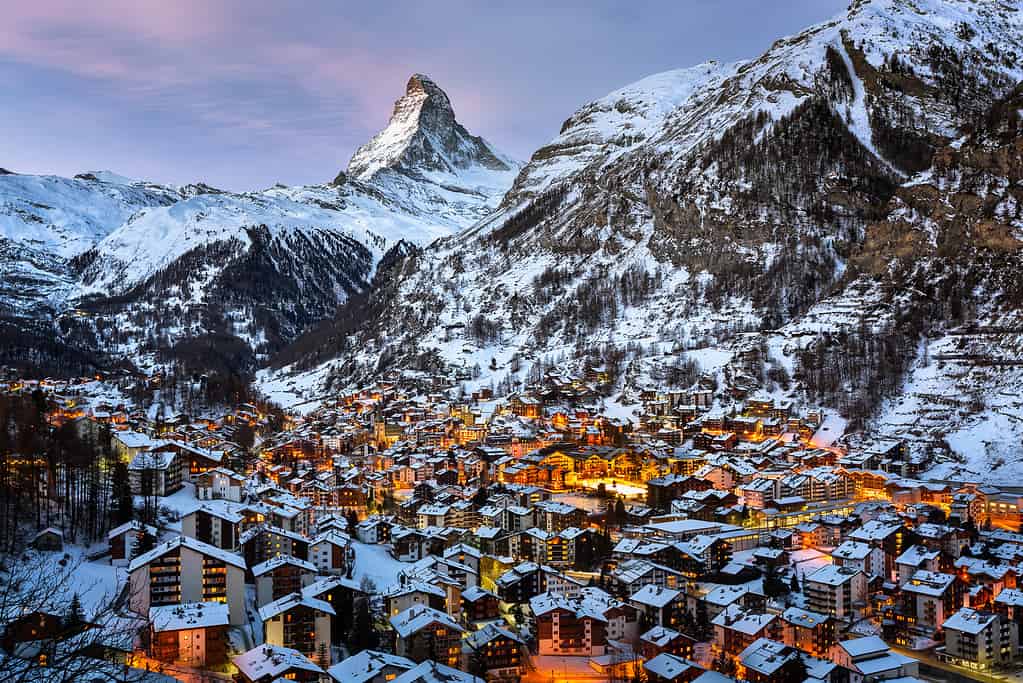
Switzerland is the obvious European entry for a reason. The Alps cover about 58% of the country, while the Jura Mountains account for another 11%. Taken together, roughly 70% of Switzerland is mountainous. The flatter Central Plateau between them is where most of the country’s population and major cities are concentrated.
Switzerland
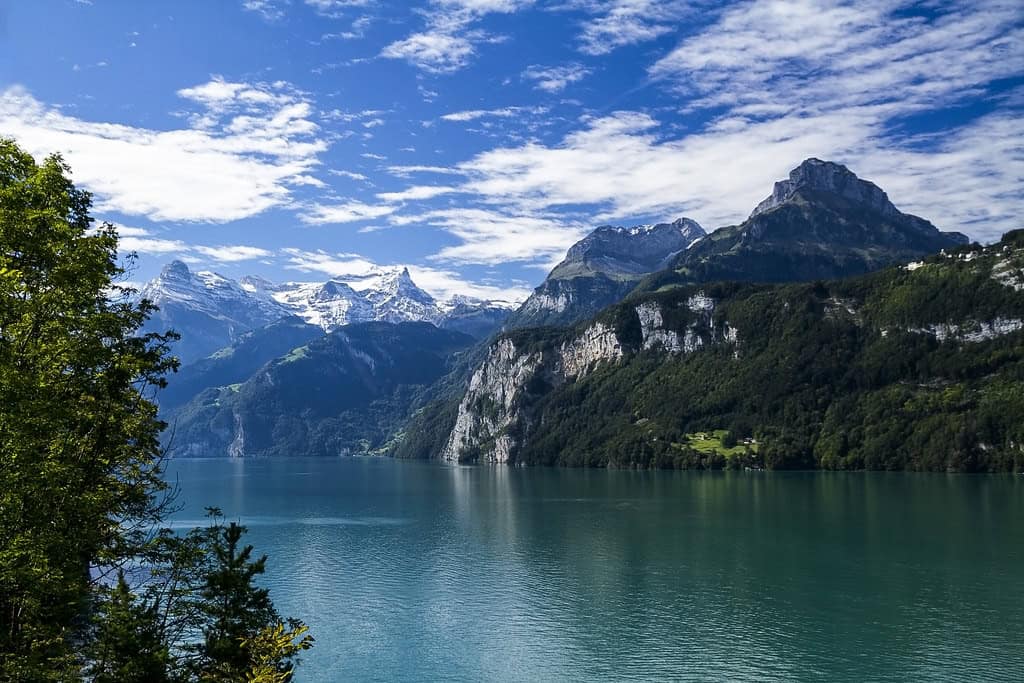
©"Switzerland, Urner See" by Lex Kravetski is licensed under BY 2.0. - Original / License
The Matterhorn is Switzerland’s most recognizable mountain and rises 4,478 meters, or 14,692 feet, above sea level. But it is hardly alone. Switzerland has 49 peaks exceeding 4,000 meters, along with glacier valleys, alpine lakes, mountain railways, and villages tucked beneath enormous ridgelines. Wildlife in the Alps includes ibex, chamois, marmots, and other species adapted to life at elevation.
Lebanon
©Getty Images
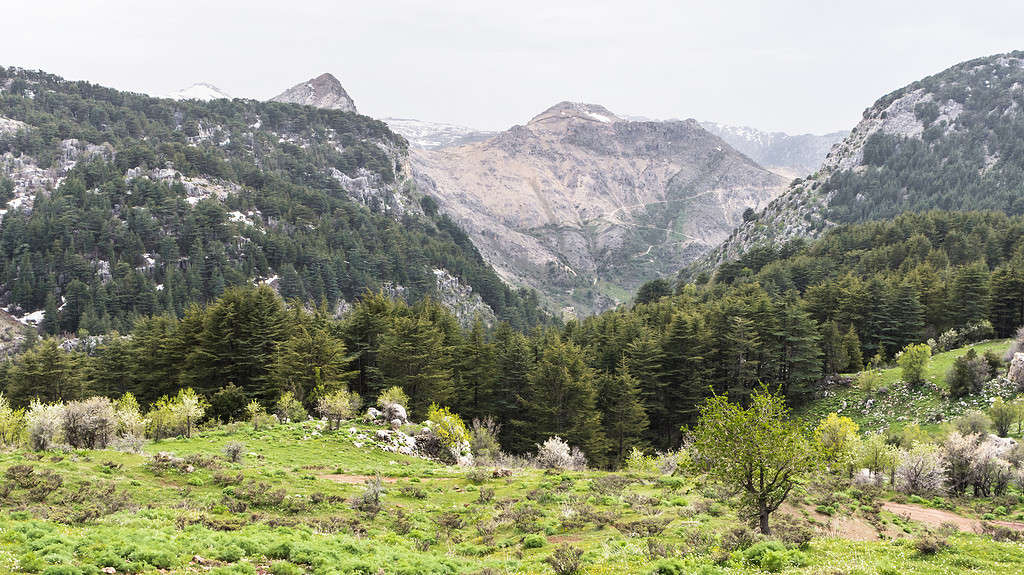
Lebanon occupies a narrow stretch of land along the eastern Mediterranean, but the geography rises quickly once you leave the coast. Two major mountain systems run roughly north to south: the Mount Lebanon range closer to the Mediterranean and the Anti-Lebanon range farther east, separated by the Bekaa Valley.
Lebanon
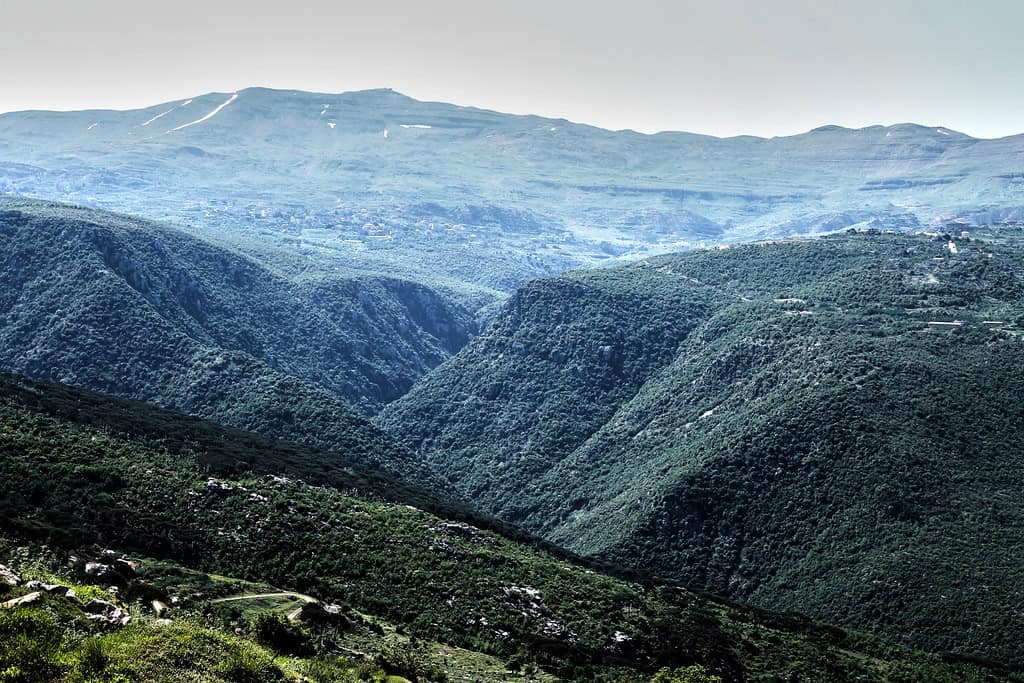
©"Mount Lebanon Revisted" by rabiem22 is licensed under BY 2.0. - Original / License
The Mount Lebanon range reaches its highest elevation at Qurnat as Sawda, about 3,088 meters above sea level. Lebanon has a Mediterranean climate, with generally warm, dry summers and cooler, rainy winters. Higher elevations can receive substantial snow, which is why a country better known internationally for its coastline also has established mountain and ski regions.
Nepal
©Martin Gillespie/Shutterstock.com
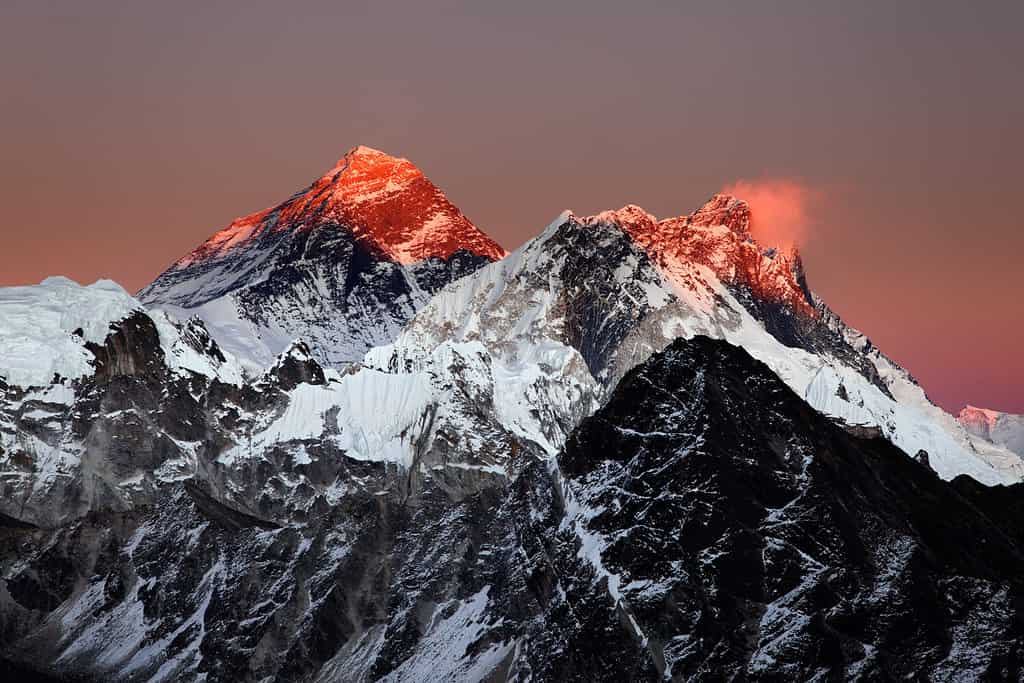
No mountain-country list would feel complete without Nepal. The country is home to Mount Everest, the highest point on Earth above sea level at 8,848.86 meters. Nepal also contains eight of the world’s 14 mountains that rise above 8,000 meters, including Kanchenjunga, Lhotse, Makalu, Dhaulagiri, Manaslu, Cho Oyu, and Annapurna I.
Nepal
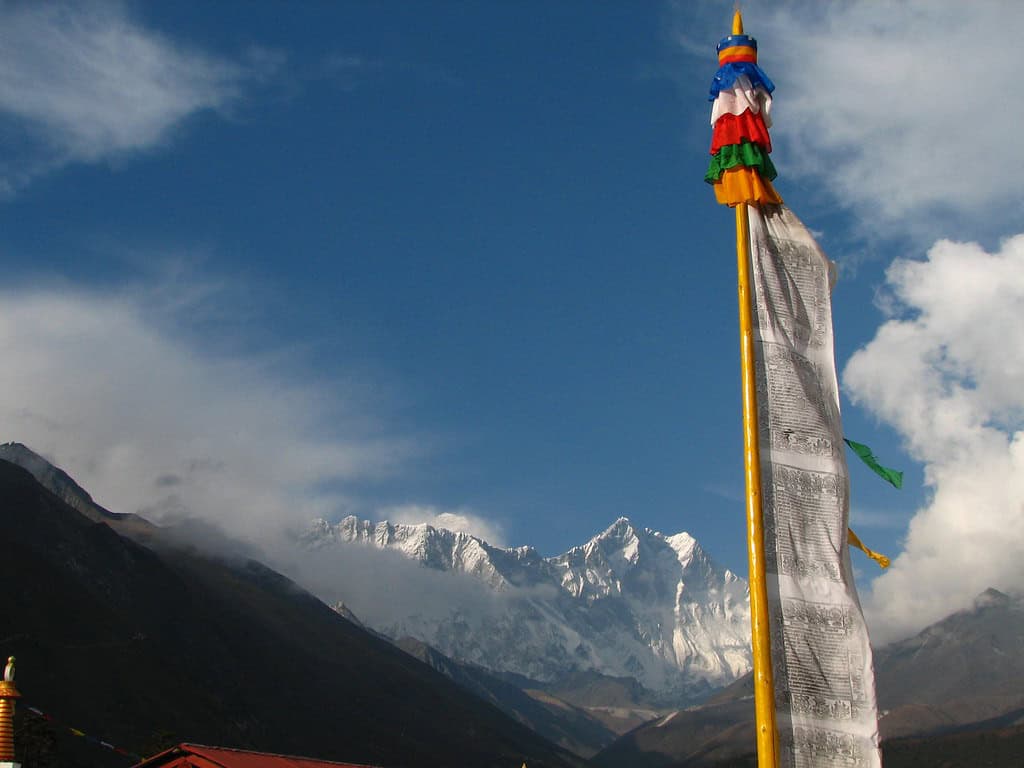
©"Nepal - Sagamartha Trek - 242 - Prayer flag pole with Lhotse and Everest" by mckaysavage is licensed under BY 2.0. - Original / License
Nepal is not all high Himalayas. Its geography runs from the low-lying Terai in the south through the mid-hills and into the Himalayan region in the north. That rapid climb in elevation produces an extraordinary variety of ecosystems within a relatively small country. Nepal has more than 850 recorded bird species, while its mountain regions support wildlife including Himalayan tahr, musk deer, snow leopards, red pandas, and Himalayan black bears. Few countries change this dramatically between their lowest valleys and highest peaks.

