
The Pacific Northwest is known for dense forests, rugged coastlines, alpine trails, and wide stretches of open wilderness. Most wildlife encounters are harmless, but the region is also home to several animals capable of causing serious injury when they feel threatened, are surprised at close range, or come into conflict with people.
The risks vary by location. Some animals use venom, while others rely on size, speed, or strength. Hikers, campers, swimmers, and residents near wooded or rural areas are more likely to encounter wildlife, especially during warmer months when both people and animals are more active. Knowing how these species behave can make those encounters safer and less stressful.
Seattle Travel takes a closer look at the most dangerous animals found across the Pacific Northwest and nearby states, including where they live, what makes them potentially hazardous, and how to reduce the chances of a dangerous encounter.
Alaska – Brown Bears and Moose Pose the Greatest Risk
©"Moose, Alaska" by vigour is licensed under BY 2.0. - Original / License
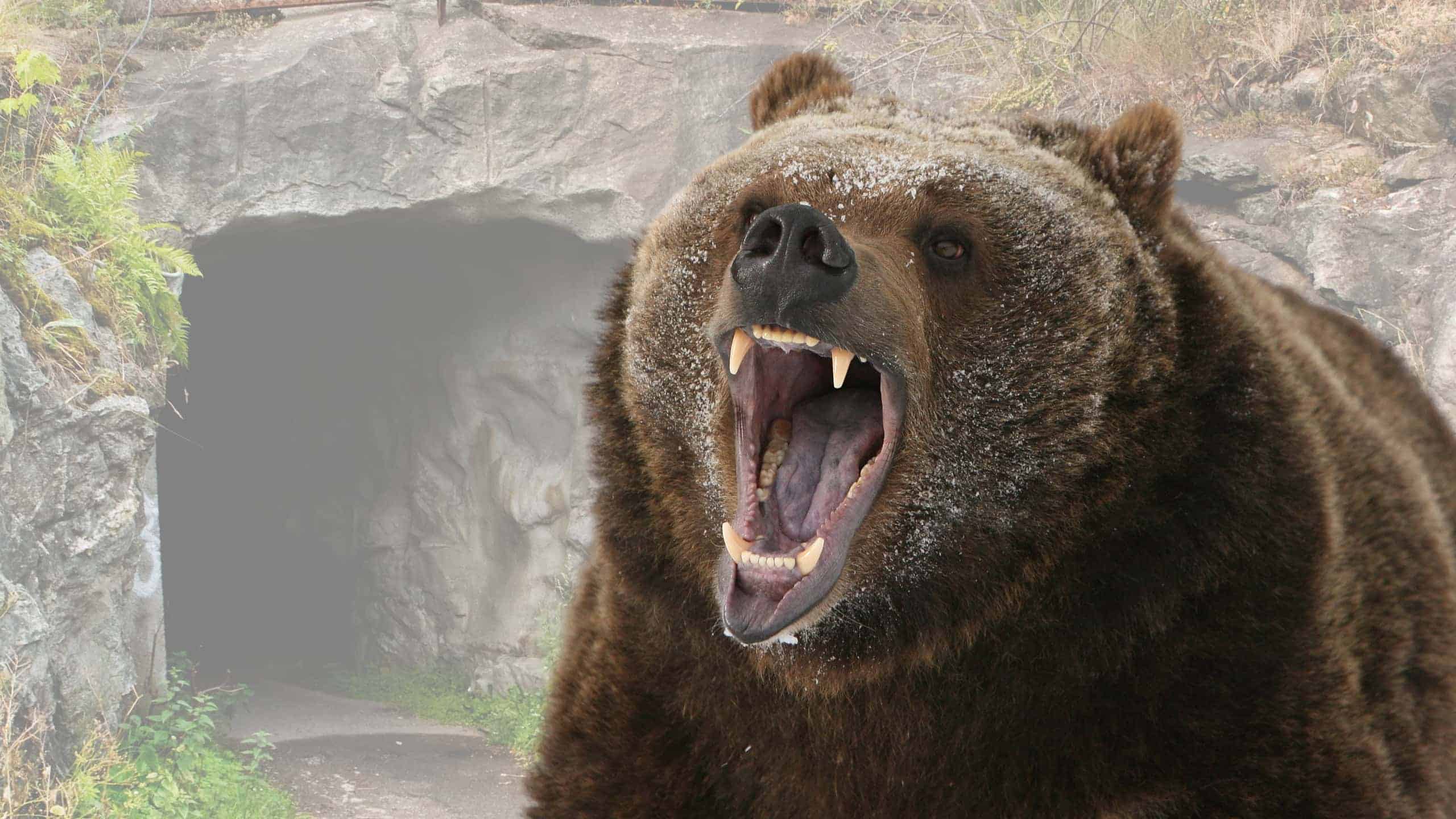
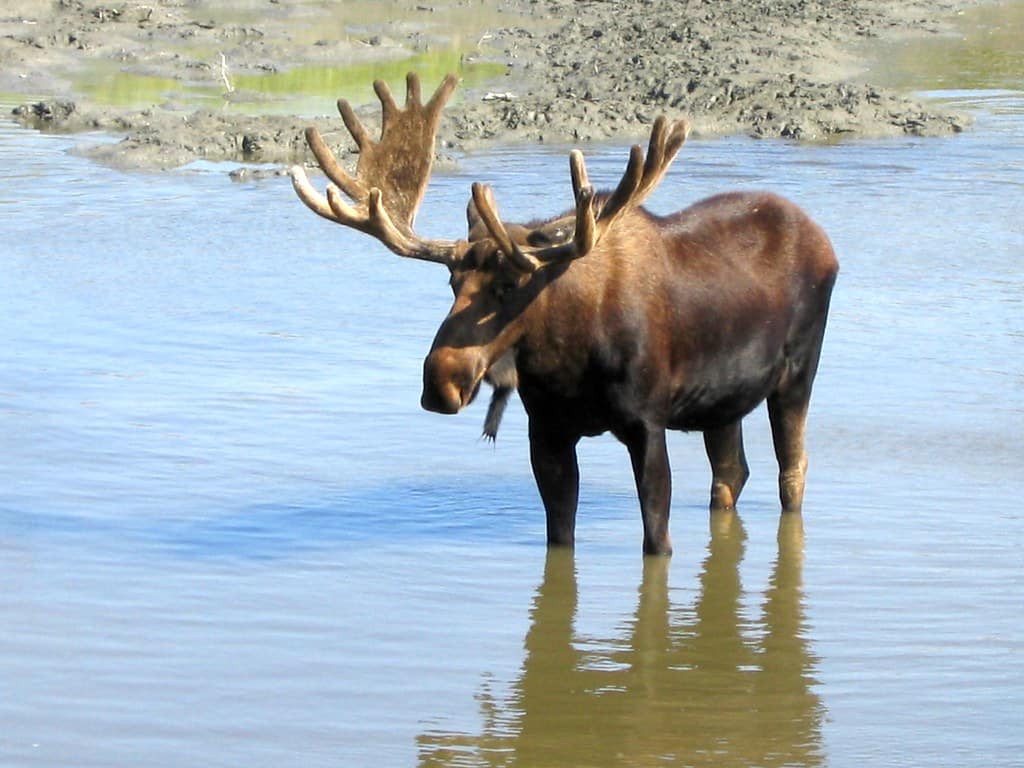
Alaska is known for its massive wildlife, including grizzly bears, polar bears, and moose, all of which can be dangerous under the right circumstances. While domestic dogs are responsible for fatalities across the U.S., they are not typically considered the defining wildlife danger in Alaska. Instead, the most consistently dangerous animals in the state are brown bears (grizzlies) and moose, both of which are involved in more frequent serious encounters with humans.
Brown bears are powerful predators that can weigh over 1,000 pounds and are capable of causing fatal injuries, though attacks remain rare given Alaska’s vast wilderness. Most bear incidents occur when animals are surprised, protecting cubs, or defending a food source. In contrast, moose are often underestimated, but they are actually responsible for more injuries to humans in Alaska than bears. These large herbivores can become highly aggressive, especially during mating season or when protecting calves, and they are frequently encountered near roads and residential areas.
Polar bears, found in northern coastal regions, are also extremely dangerous due to their predatory nature, but encounters are very rare due to their remote habitat. Overall, while Alaska’s wildlife can be intimidating, serious incidents are uncommon and usually avoidable with proper awareness and distance.
Montana – Grizzly Bears Lead in Wildlife Risk
©"Grizzly bear (Ursus arctos ssp.)" by Gregory 'Slobirdr' Smith is licensed under BY-SA 2.0. - Original / License
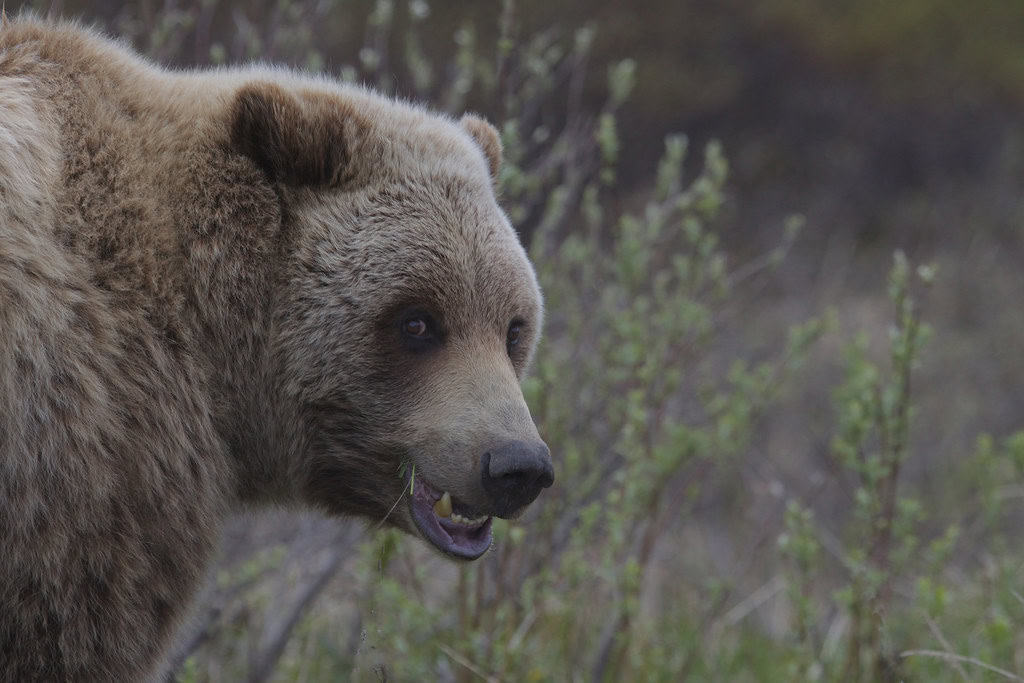
Montana is one of the few states where grizzly bears remain a significant presence, making them the most dangerous animal in terms of potential threat. The state is home to a large portion of the lower 48’s grizzly population, particularly in areas near Glacier National Park and the Greater Yellowstone Ecosystem.
Grizzly bears are incredibly powerful and can act aggressively when surprised or when protecting cubs. While attacks are rare, they receive significant attention due to their severity when they do occur. Despite Montana having hundreds of grizzlies, the number of annual incidents remains low, especially considering the number of people who recreate in bear country each year.
Other predators, including mountain lions and wolves, also live in Montana, but they are far less likely to pose a threat to humans. In fact, deer and elk are involved in more human injuries, particularly through vehicle collisions.
Montana’s wildlife risks are real but highly manageable. Most dangerous encounters happen when animals are startled or when people do not follow recommended safety practices. Carrying bear spray, making noise on trails, and maintaining distance from wildlife significantly reduces the risk of an incident.
California – Rattlesnakes Are the Most Widespread Threat
©iStock.com/johnaudrey
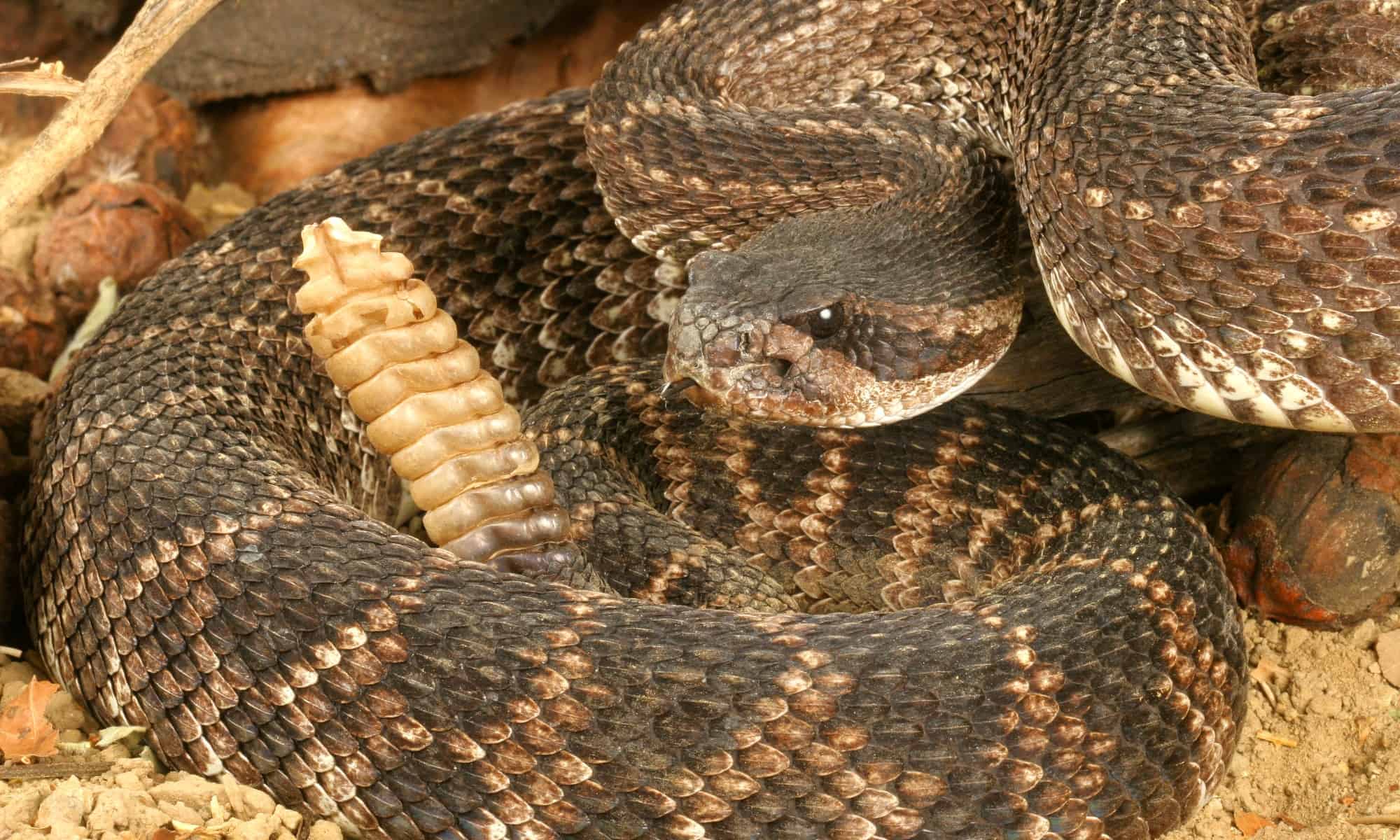
In California, large predators like mountain lions, bears, and even sharks often capture attention, but the animals responsible for the most consistent danger are rattlesnakes, particularly the Southern Pacific rattlesnake. These snakes are widespread across the state and are responsible for the majority of venomous bites reported each year.
Rattlesnakes are not aggressive by nature and typically bite only when threatened or accidentally stepped on. However, their venom can cause serious medical issues, including intense pain, swelling, tissue damage, nausea, and in rare cases, more severe complications if untreated. Fortunately, deaths from rattlesnake bites in California are extremely rare due to the availability of antivenom and quick access to medical care.
Other potentially dangerous animals in California include mountain lions, which are responsible for a small number of attacks on humans, and great white sharks, though fatal shark attacks are extremely uncommon. Bees and wasps also account for more fatalities annually than many larger animals, largely due to allergic reactions.
While rattlesnakes represent the most common venomous threat, the overall risk of serious harm from wildlife in California remains very low. Most incidents can be avoided by staying alert on trails, watching where you step, and giving wildlife plenty of space.
Washington – Cougars Are the Most Dangerous Large Predator
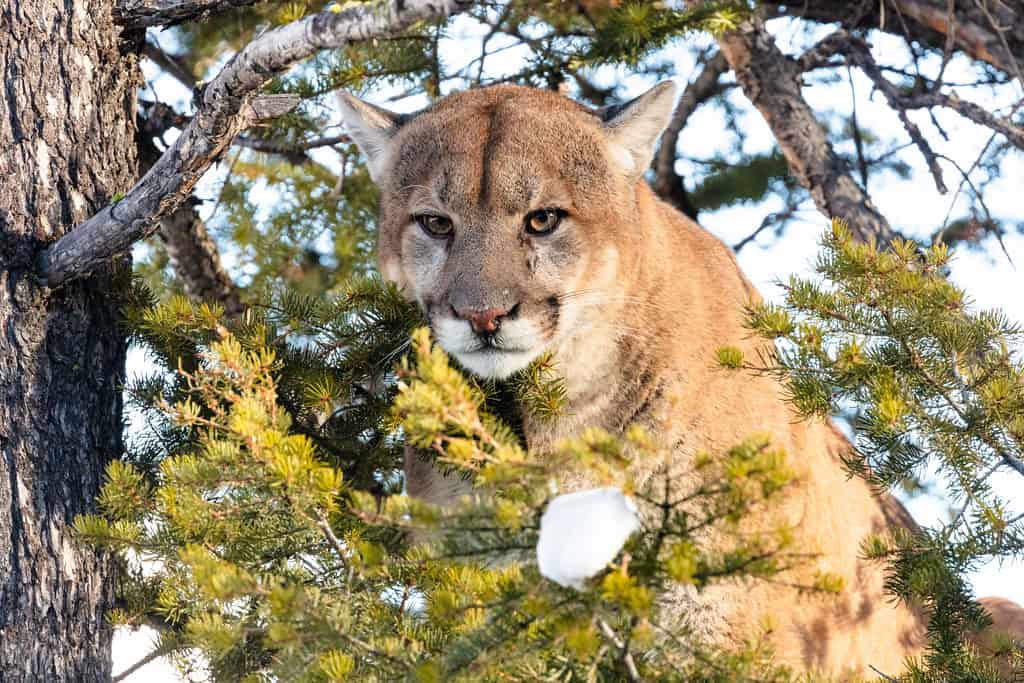
©"Cougar tom peeks through branches from a tree (2)" by YellowstoneNPS is licensed under PDM 1.0. - Original / License
In Washington State, the most dangerous wild animal is generally considered to be the cougar (mountain lion) rather than grizzly bears. While grizzlies do exist in extremely small numbers in remote areas like the North Cascades, they are rarely encountered. Cougars, on the other hand, are more widespread and occasionally come into contact with humans.
Cougar attacks are still very rare, but they are more likely than grizzly encounters in Washington simply due to population distribution. These animals are stealthy predators and tend to avoid humans, but incidents can occur, particularly in rural or wooded areas.
Black bears are also common throughout Washington and are occasionally involved in encounters, though they are typically not aggressive. Like in neighboring states, bees and wasps actually account for more fatalities annually than large predators, largely due to allergic reactions.
For hikers and outdoor enthusiasts, awareness is key. Traveling in groups, keeping pets close, and avoiding dawn and dusk activity in known cougar areas can significantly reduce risk. While Washington’s wildlife is impressive, dangerous encounters remain uncommon and are largely preventable.
Idaho – Grizzly Bears and Mountain Lions Are the Primary Concerns
©BlueBarronPhoto/Shutterstock.com
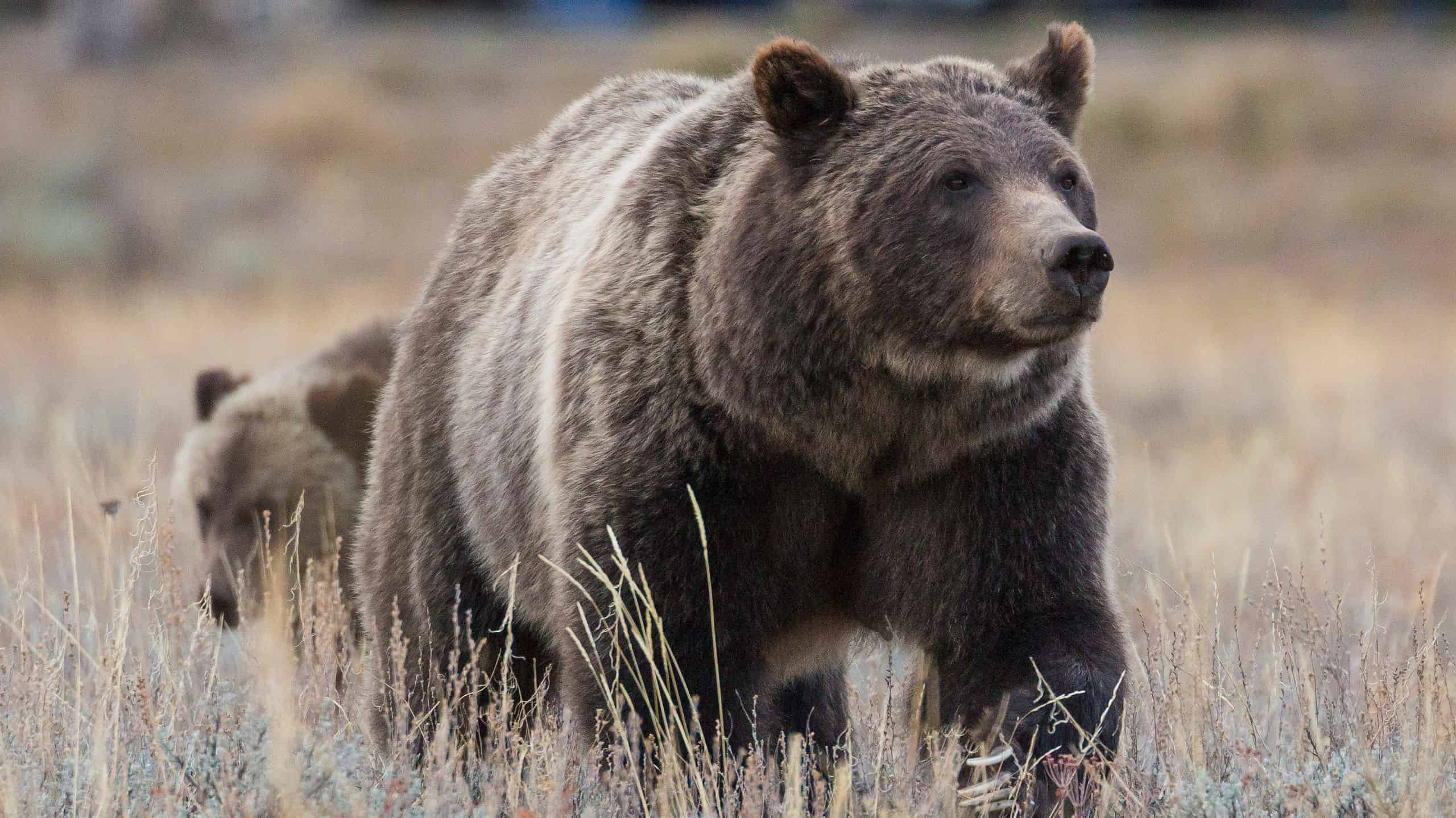
Idaho is home to a range of large predators, but the most dangerous animals in the state are typically grizzly bears and mountain lions. Grizzly bears are found primarily in the northern and eastern parts of Idaho, especially near Yellowstone ecosystems. While their population is limited, their size and strength make them one of the most potentially dangerous animals in the region.
Grizzly bears can weigh several hundred pounds and are capable of inflicting serious injuries if they feel threatened. Despite this, attacks are extremely rare, and most encounters end without incident when proper precautions are taken. Bear spray is widely recommended for hikers in areas where grizzlies are known to live.
Mountain lions are another important predator to consider. These elusive cats are more widespread than grizzlies and are capable hunters, though attacks on humans are very uncommon. When they do occur, they are often linked to solitary hikers or runners in remote areas.
While large predators draw the most concern, smaller threats like rattlesnakes and stinging insects are actually encountered more frequently. Overall, Idaho’s wildlife presents manageable risks, and awareness is the key to avoiding dangerous situations.
Nevada – Mojave Rattlesnake Stands Out for Venom
©Shoemcfly/iStock via Getty Images
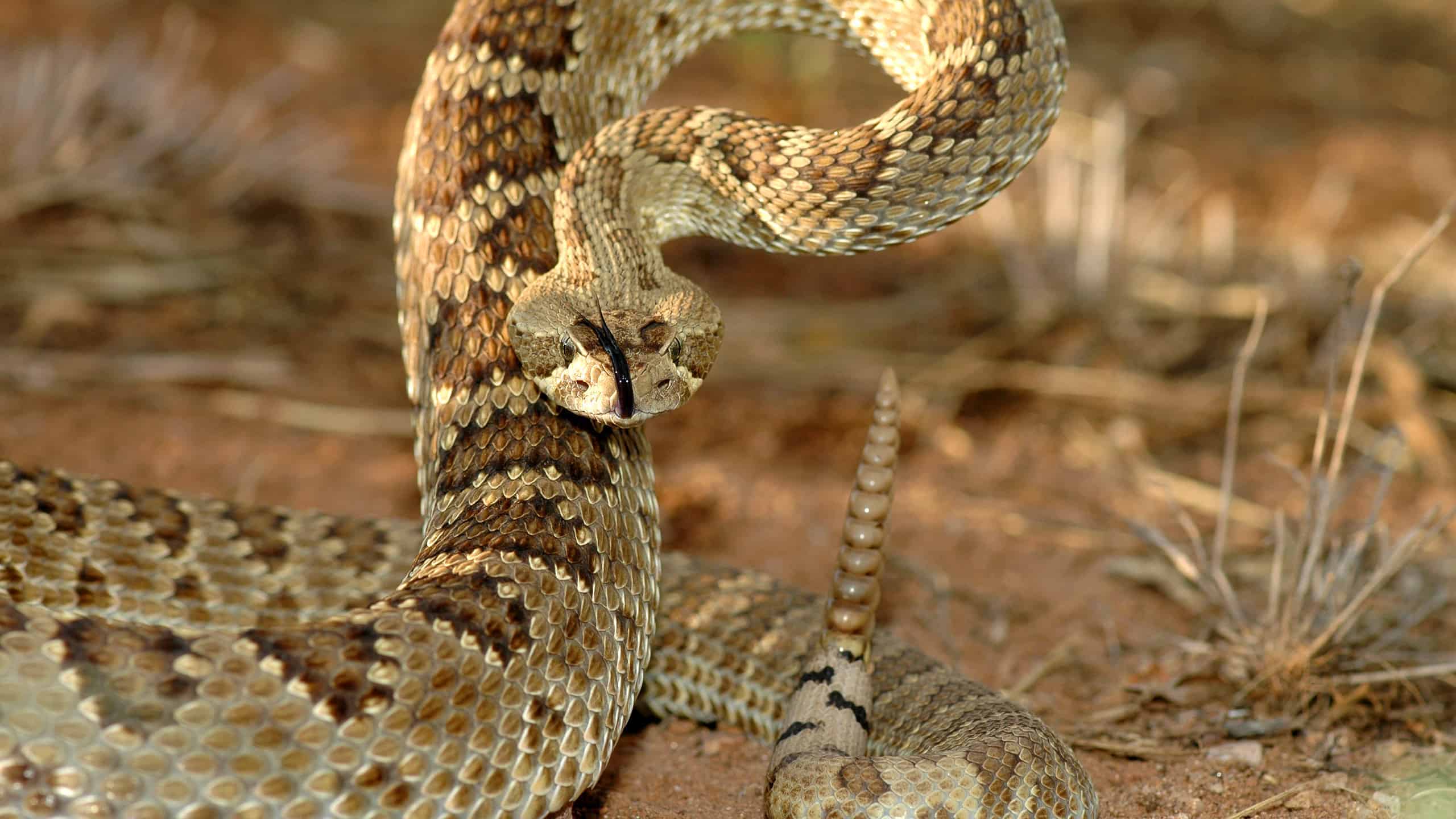
Nevada’s desert environment is home to a variety of potentially dangerous animals, but the most notable is the Mojave rattlesnake, often considered one of the most venomous rattlesnakes in North America. Its venom contains both neurotoxic and hemotoxic components, making it particularly dangerous compared to other rattlesnake species.
Despite this, encounters with Mojave rattlesnakes are relatively rare, and bites are even less common. Like most rattlesnakes, they prefer to avoid humans and will typically retreat if given the opportunity. When bites do occur, symptoms can range from severe pain and swelling to neurological effects, depending on the amount of venom delivered.
Other animals to be aware of in Nevada include scorpions, black widow spiders, and desert mammals, though fatalities from these species are extremely rare. In reality, the greatest risks in Nevada often come from environmental factors like heat and dehydration rather than wildlife.
While the Mojave rattlesnake represents the most dangerous venomous species in the state, the overall likelihood of a serious encounter remains low with basic awareness and caution.
Oregon – Black Bears and Cougars Are the Main Threats
©EleanorAbramson/Shutterstock.com
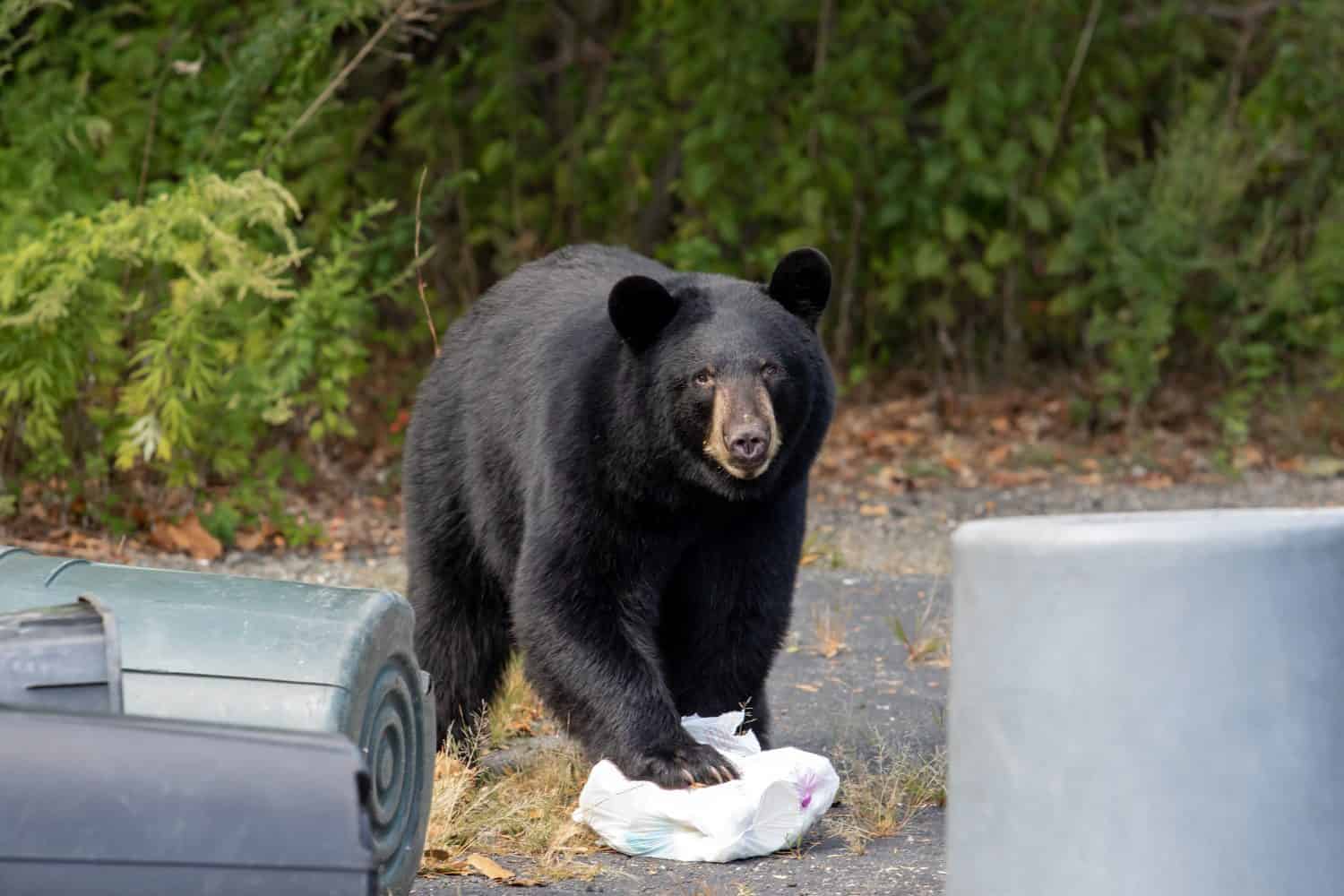
Oregon is home to a range of wildlife, but the most notable large animals are black bears and cougars (mountain lions). Black bears are widespread throughout the state, with an estimated population of around 25,000 to 30,000. While they are powerful animals, they are generally shy and avoid human contact.
There have been very few serious bear attacks in Oregon, and no widely documented fatal attacks in recent history. Most encounters occur when bears are searching for food near human areas. Securing trash and avoiding feeding wildlife are key steps in preventing these interactions.
Cougars present a slightly different type of risk. These solitary predators are more elusive but are capable of attacking humans, though such incidents are extremely rare. When they do occur, they often involve lone individuals in remote areas.
Smaller dangers, such as rattlesnakes in eastern Oregon, also exist but are not widespread across the state. Overall, Oregon’s wildlife poses minimal risk, and most incidents can be avoided with awareness and proper precautions.

