The Massive Rattlesnake That Shocked California at Nearly Six Feet Long
Post created March 4, 2026
Rattlesnakes are among the most recognizable reptiles in the American West, known for the distinctive warning rattle at the end of their tails. In California, they are a common part of the landscape and play an important ecological role by helping control rodent populations, which protects crops and supports healthier ecosystems.
Despite their fearsome reputation, rattlesnakes are often misunderstood. They are not naturally aggressive and typically use their rattle as a built in warning system to avoid confrontation. Most encounters happen when the snake feels threatened or surprised.
In this feature, we explore the story of one of the largest rattlesnakes ever captured in California, a specimen that measured nearly the length of a grown man. We also break down how to identify California’s rattlesnake species, where they are most commonly found, how they behave, and what residents and visitors should know to safely share space with these iconic reptiles.
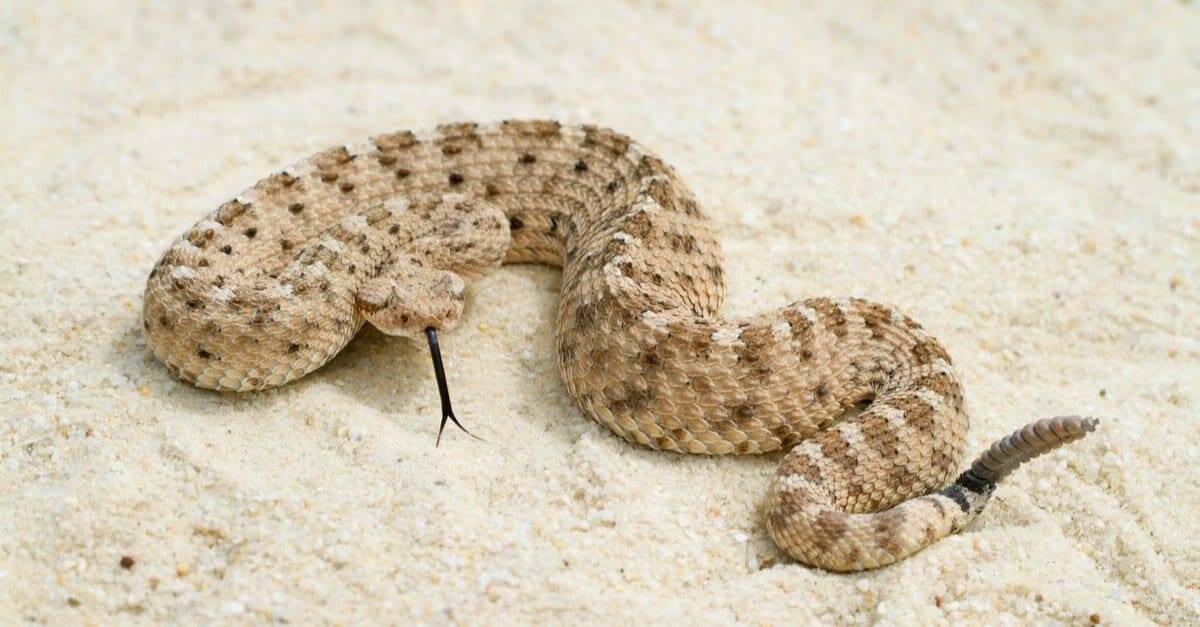
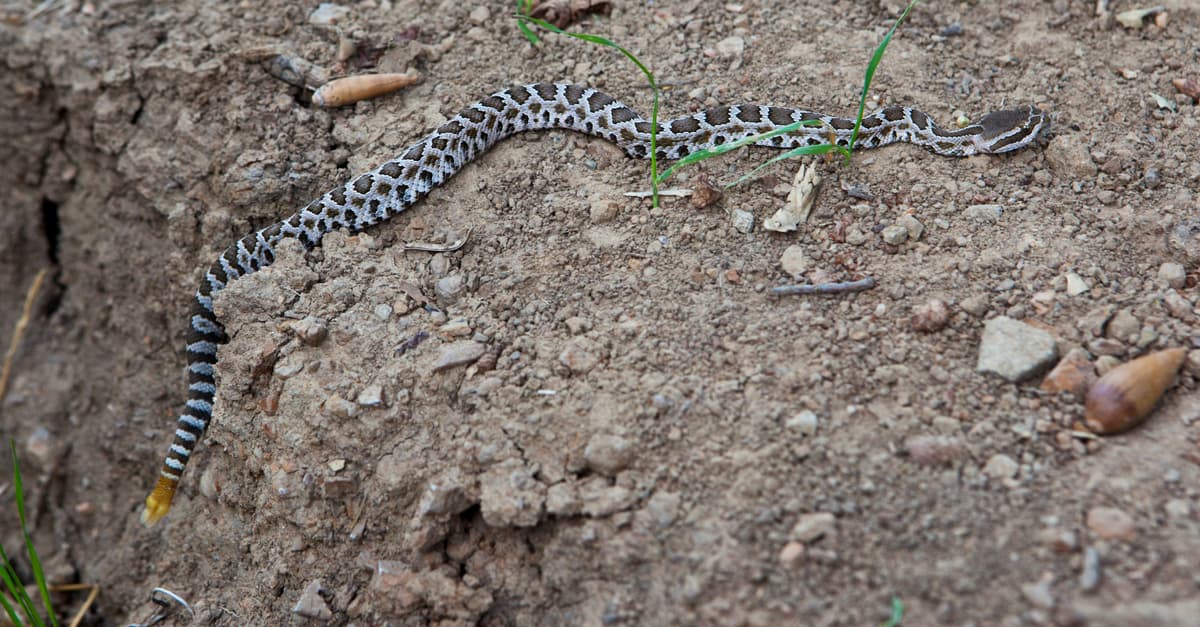
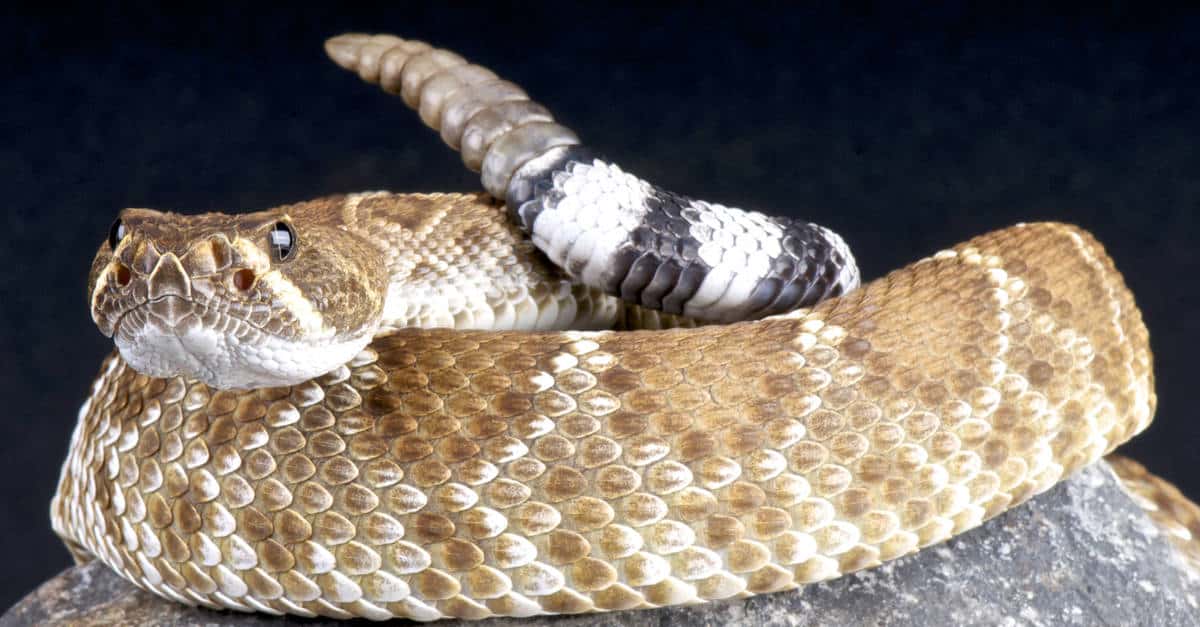
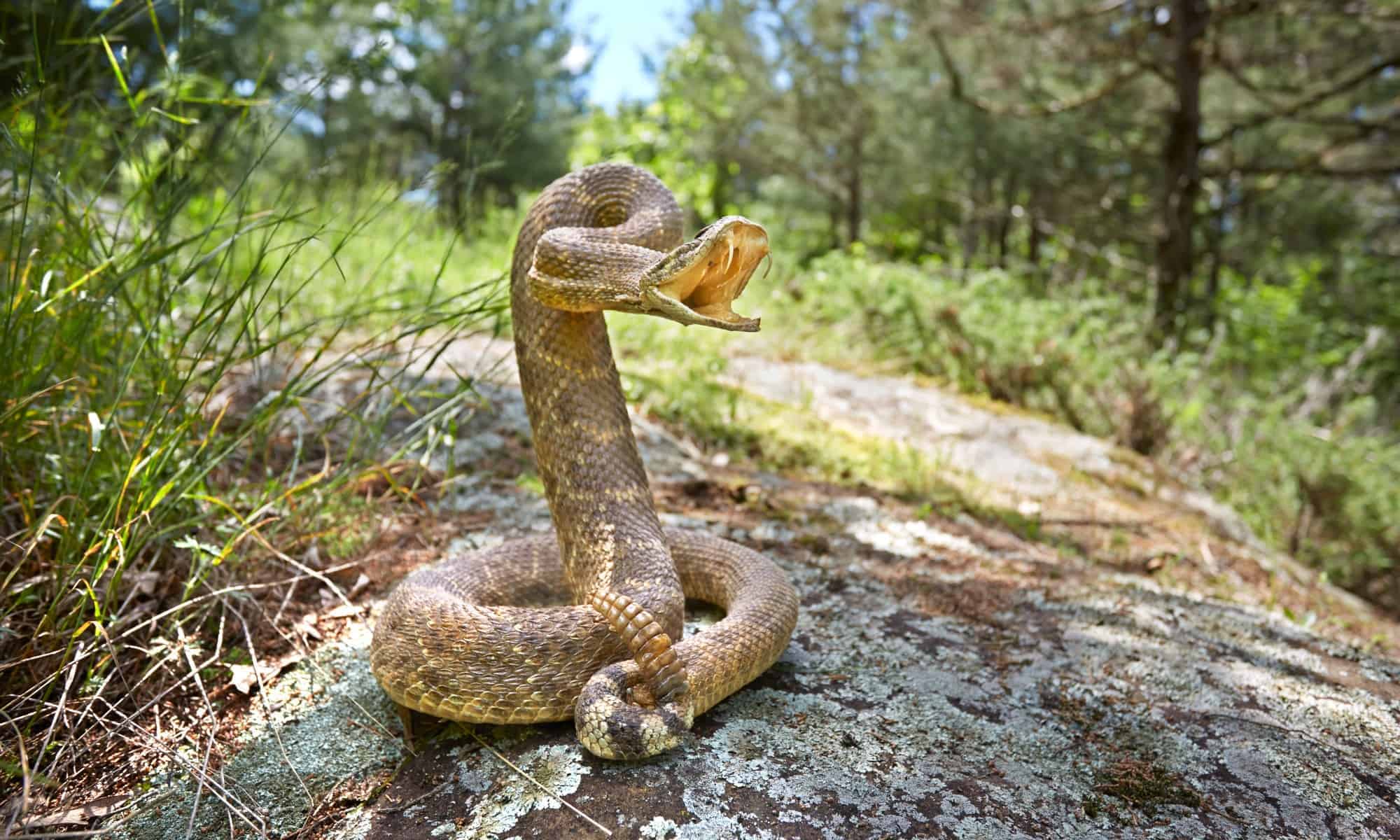
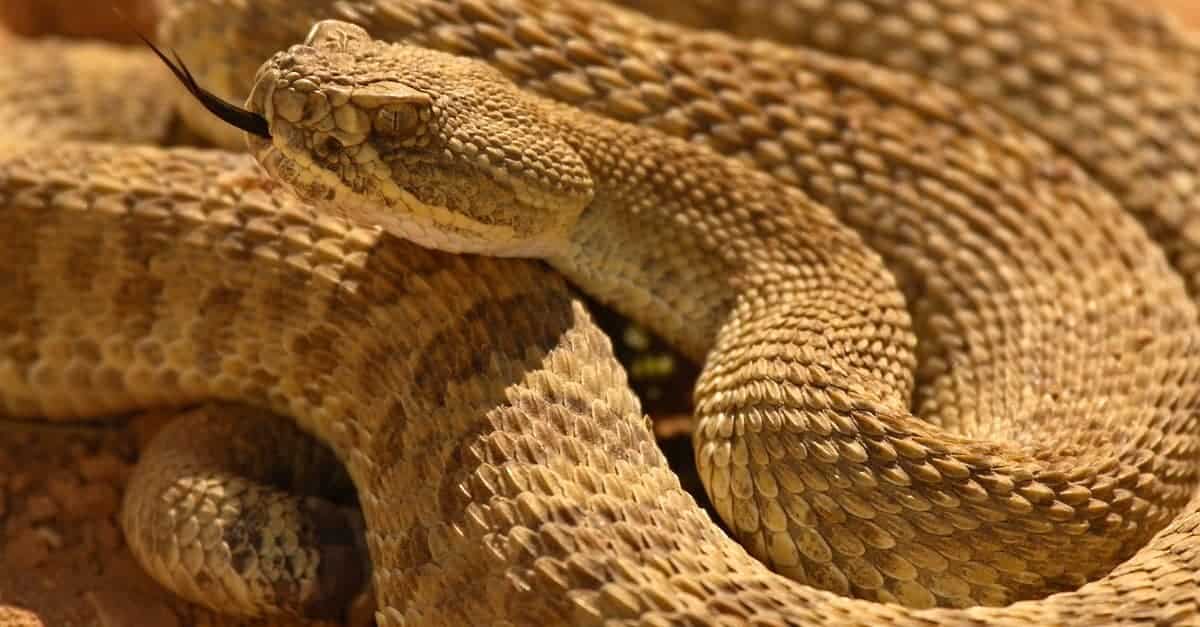
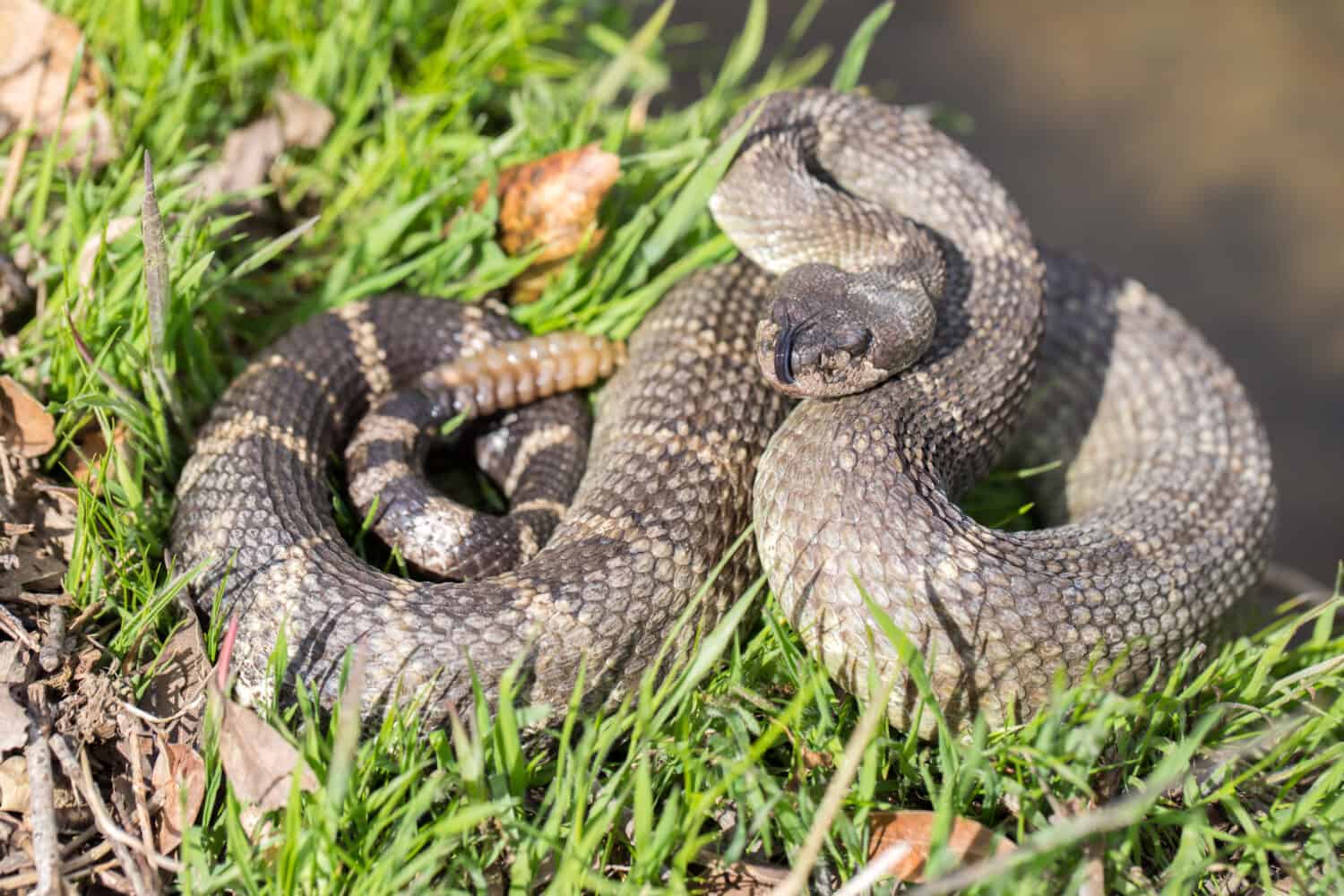
Willow Godshalk spotted the largest rattlesnake ever in the history of California on July 27, 2018. Godshalk spotted the 6 ft. long rattlesnake that nearly attacked her dog on Mariposa Street in Santee, California.
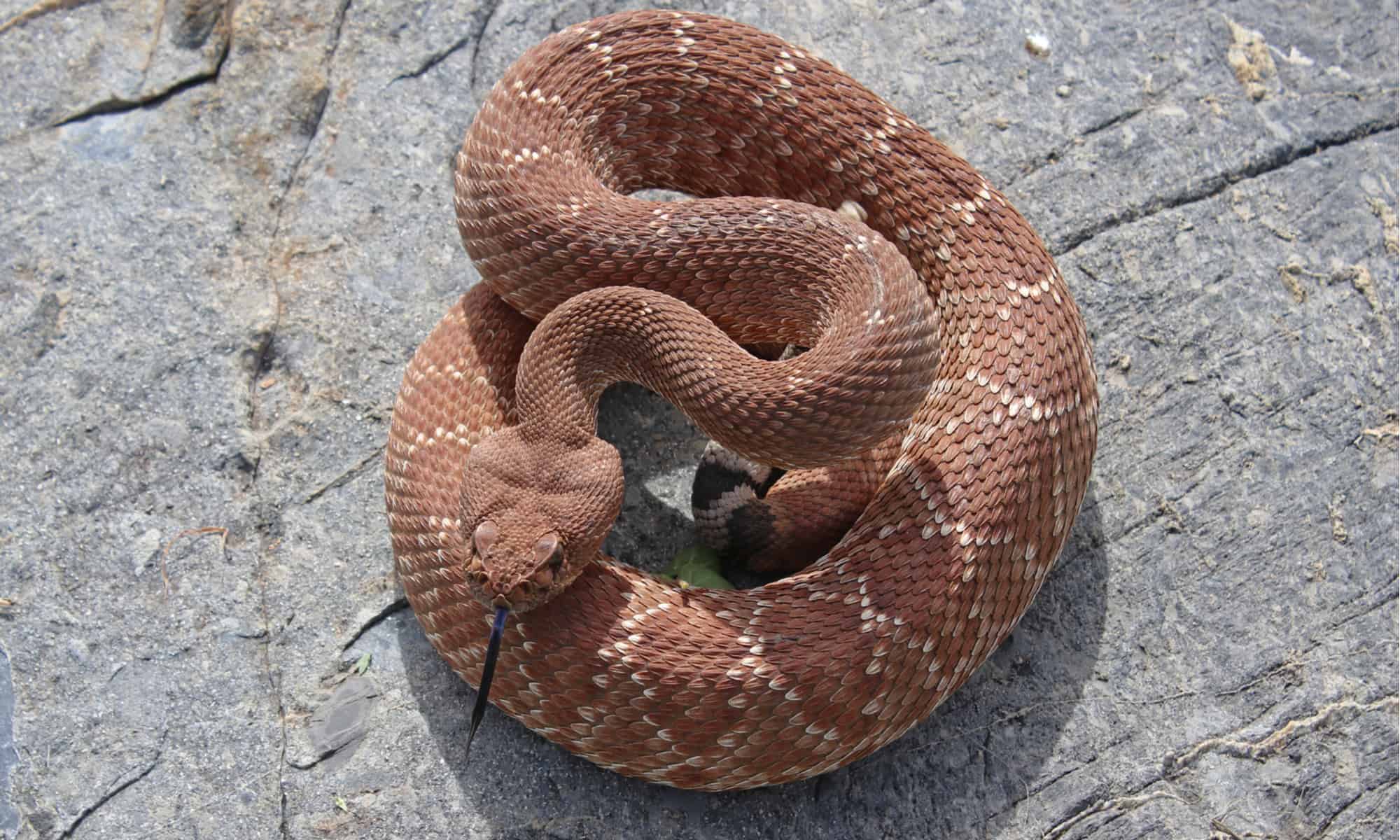
Godshalk saw her dog running around when she noticed the massive red diamond rattlesnake. The snake was fed and later released back into the wild.
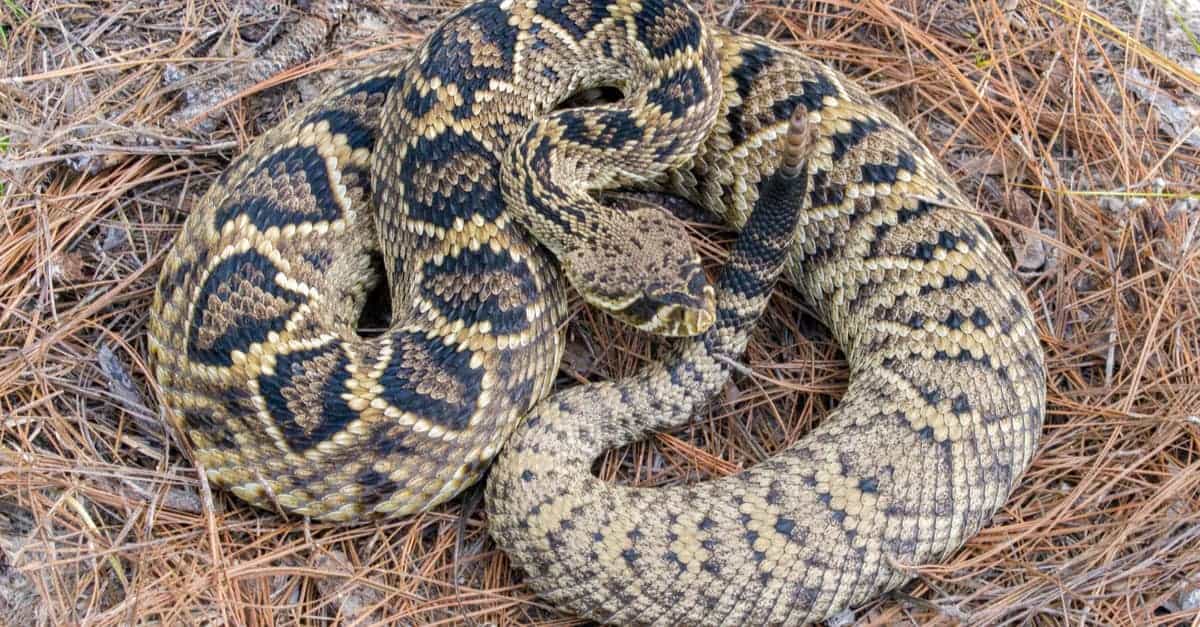
The largest rattlesnake ever caught on record was an eastern diamondback rattlesnake (scientific name: Crotalus adamanteus). It measured 7 ft., 8 in. long, and weighed 34 lbs. Hunter Rutledge shot the massive snake in 1946.
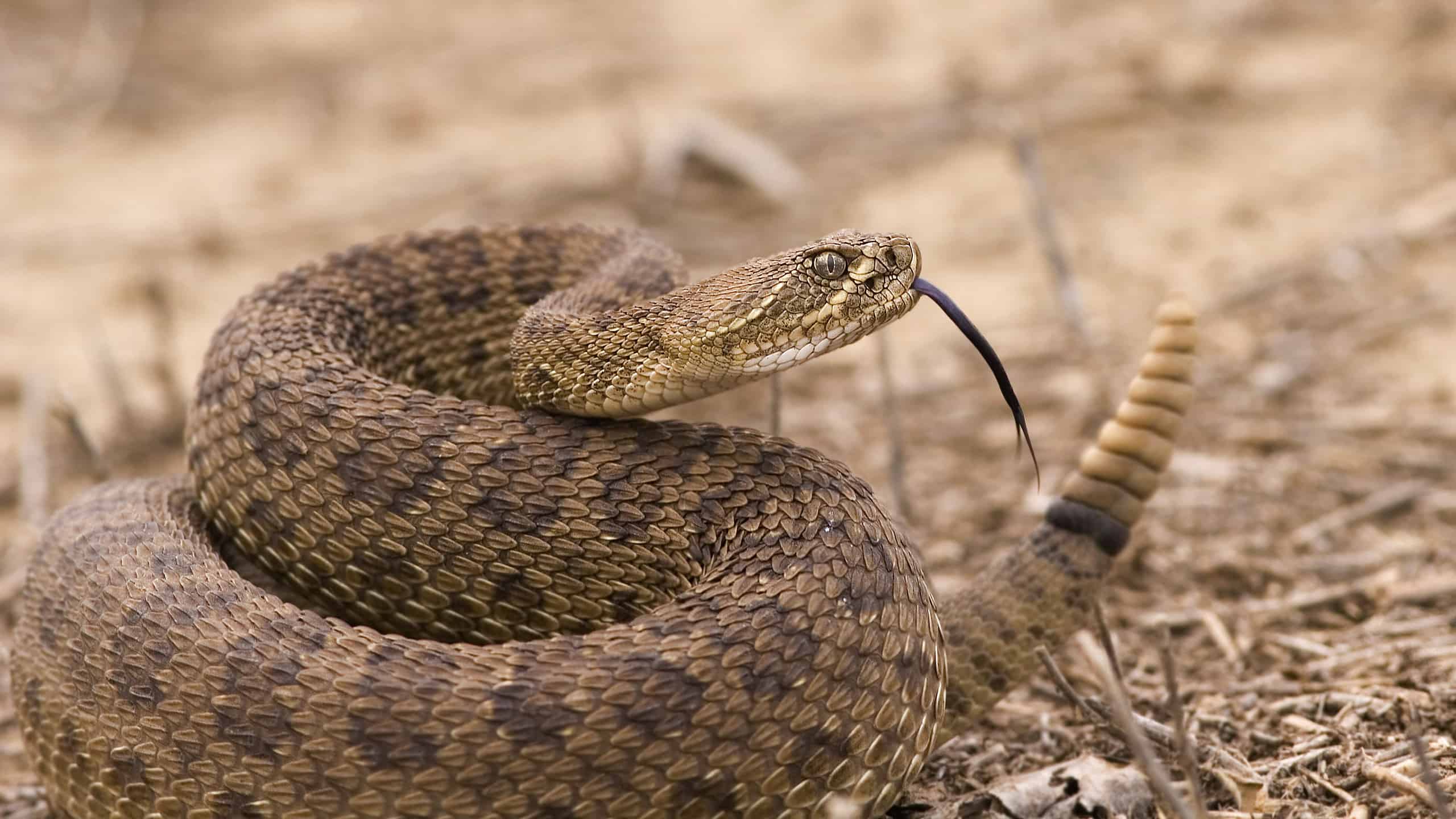
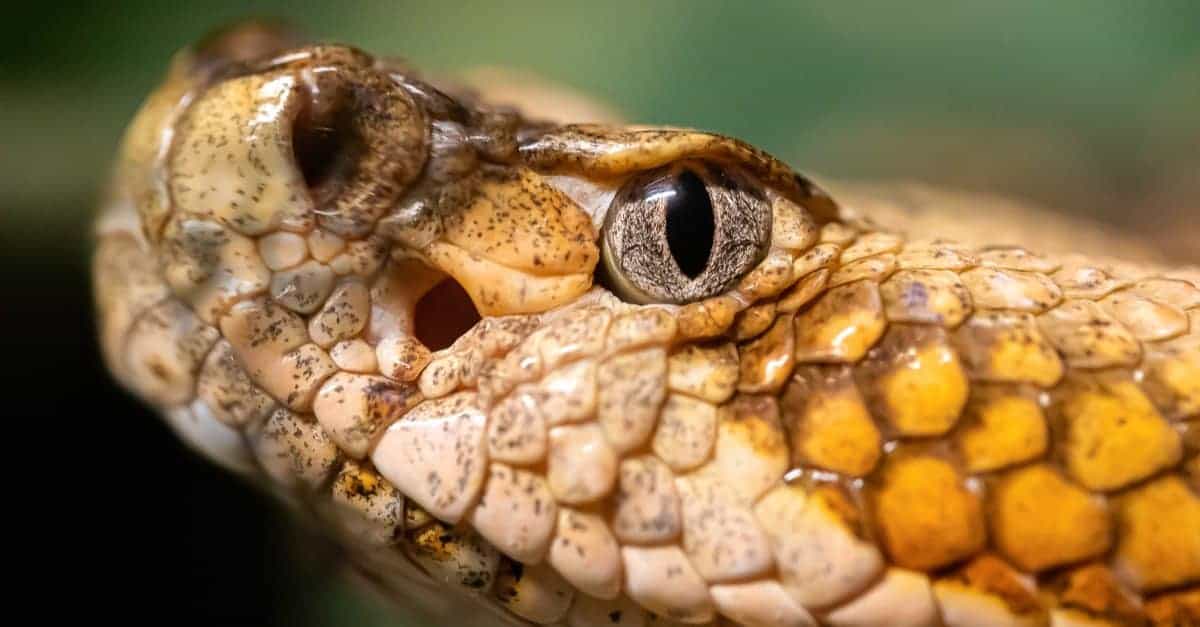
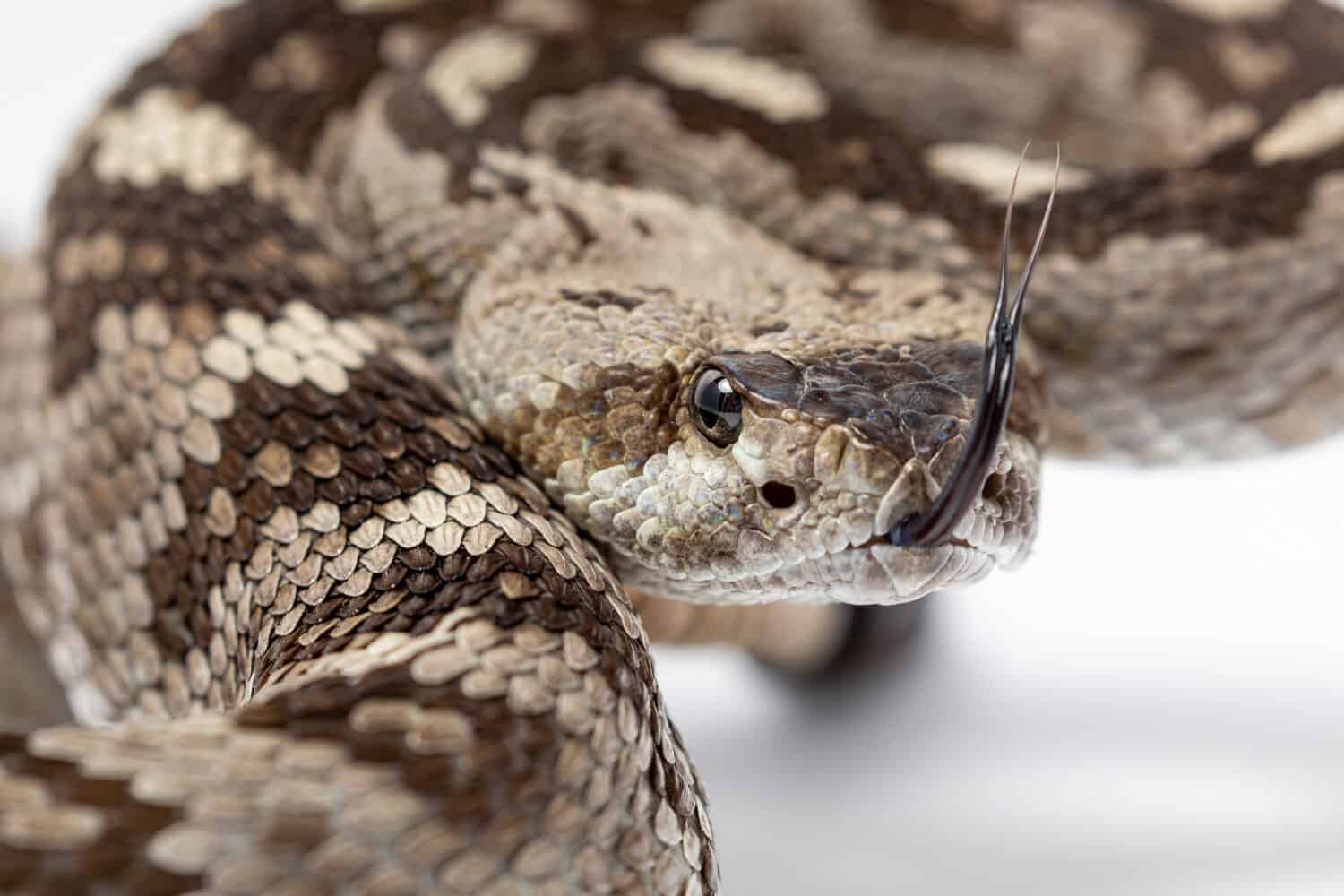
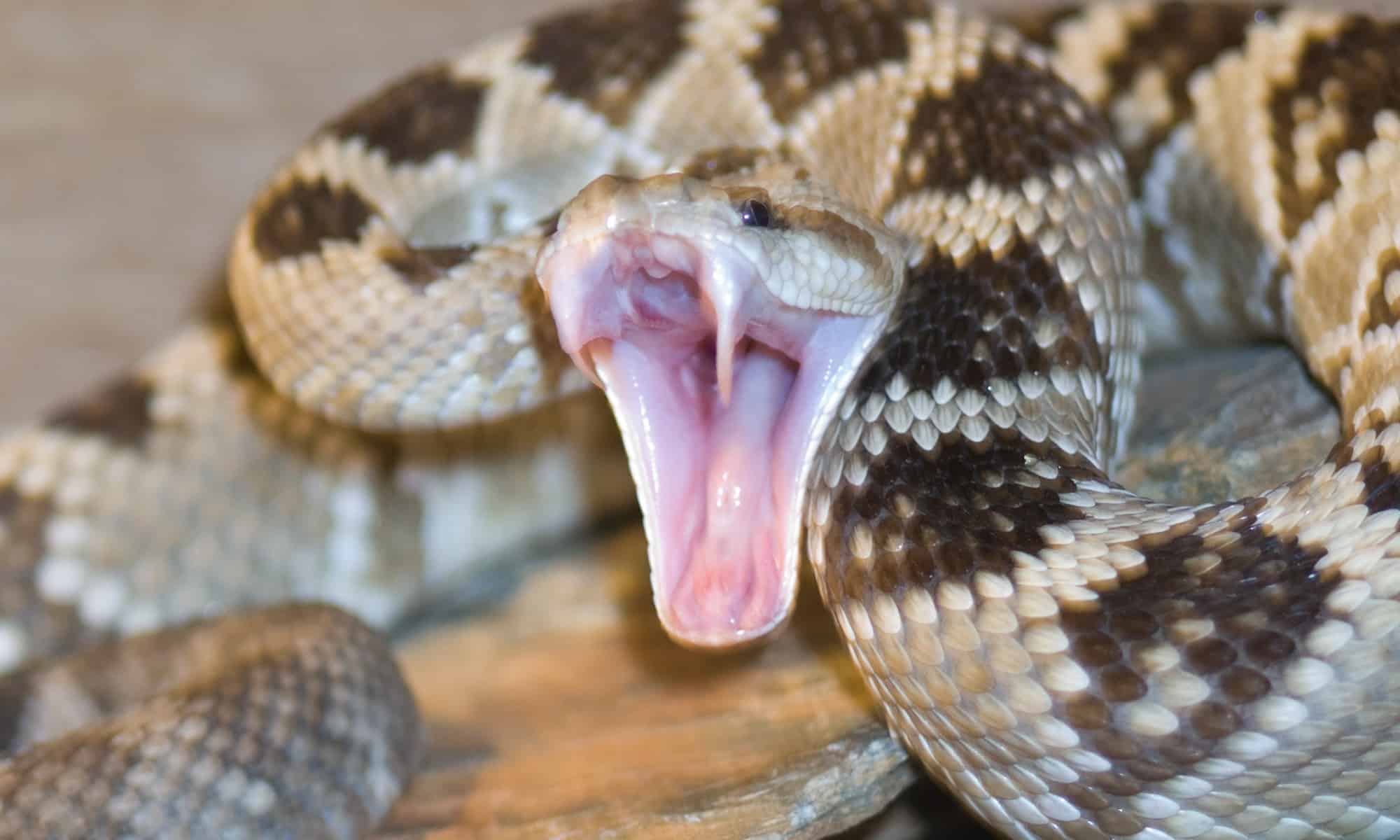
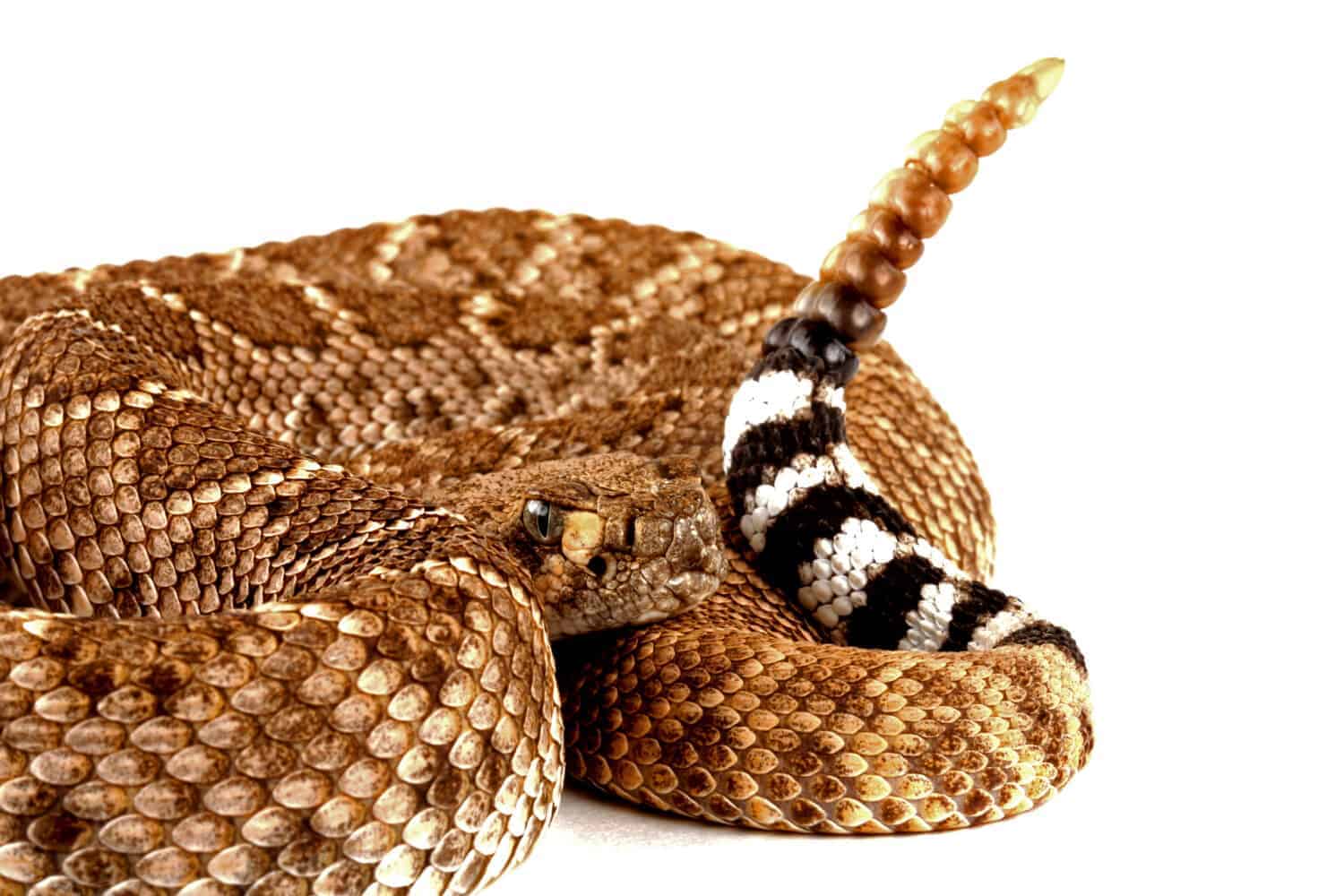
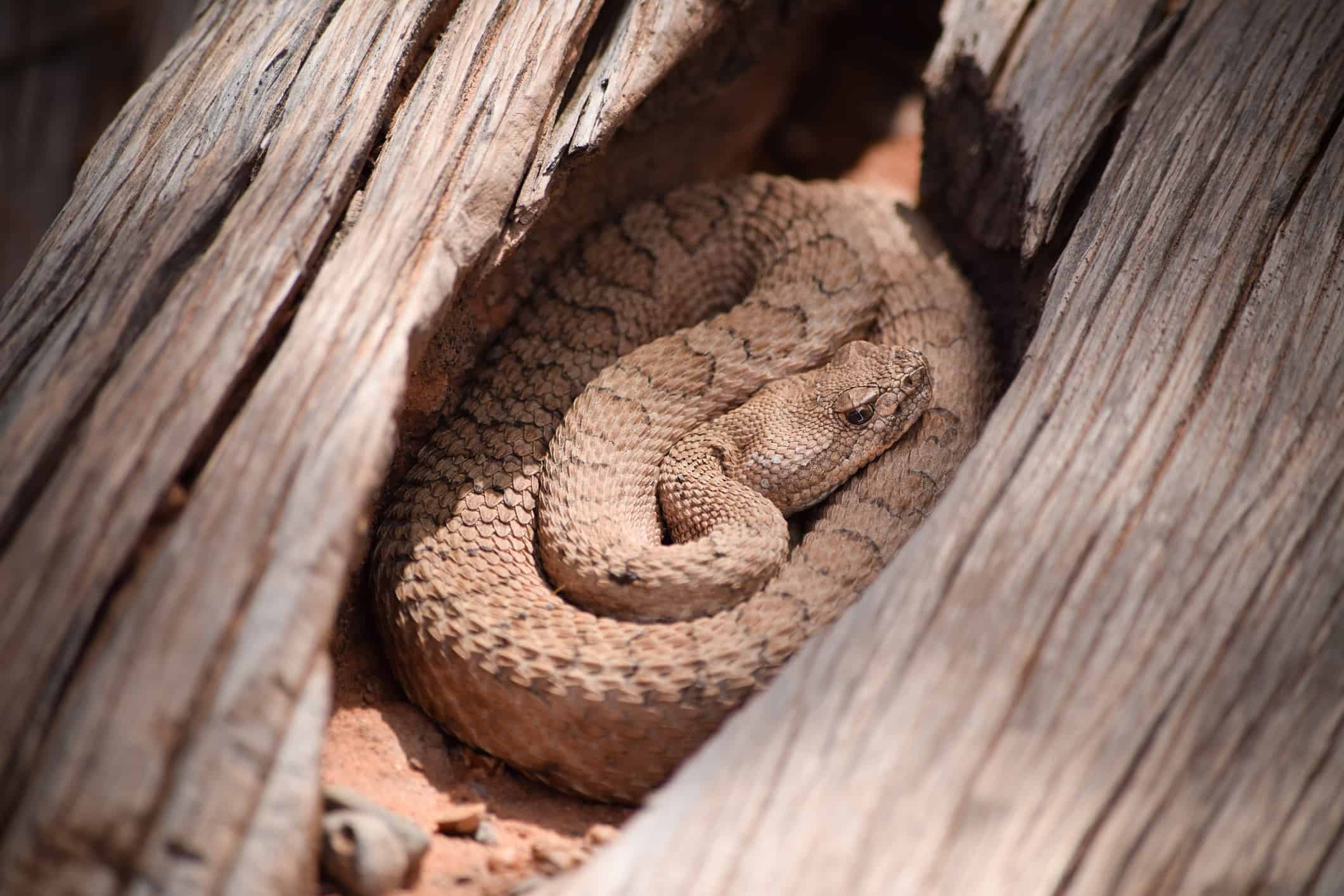
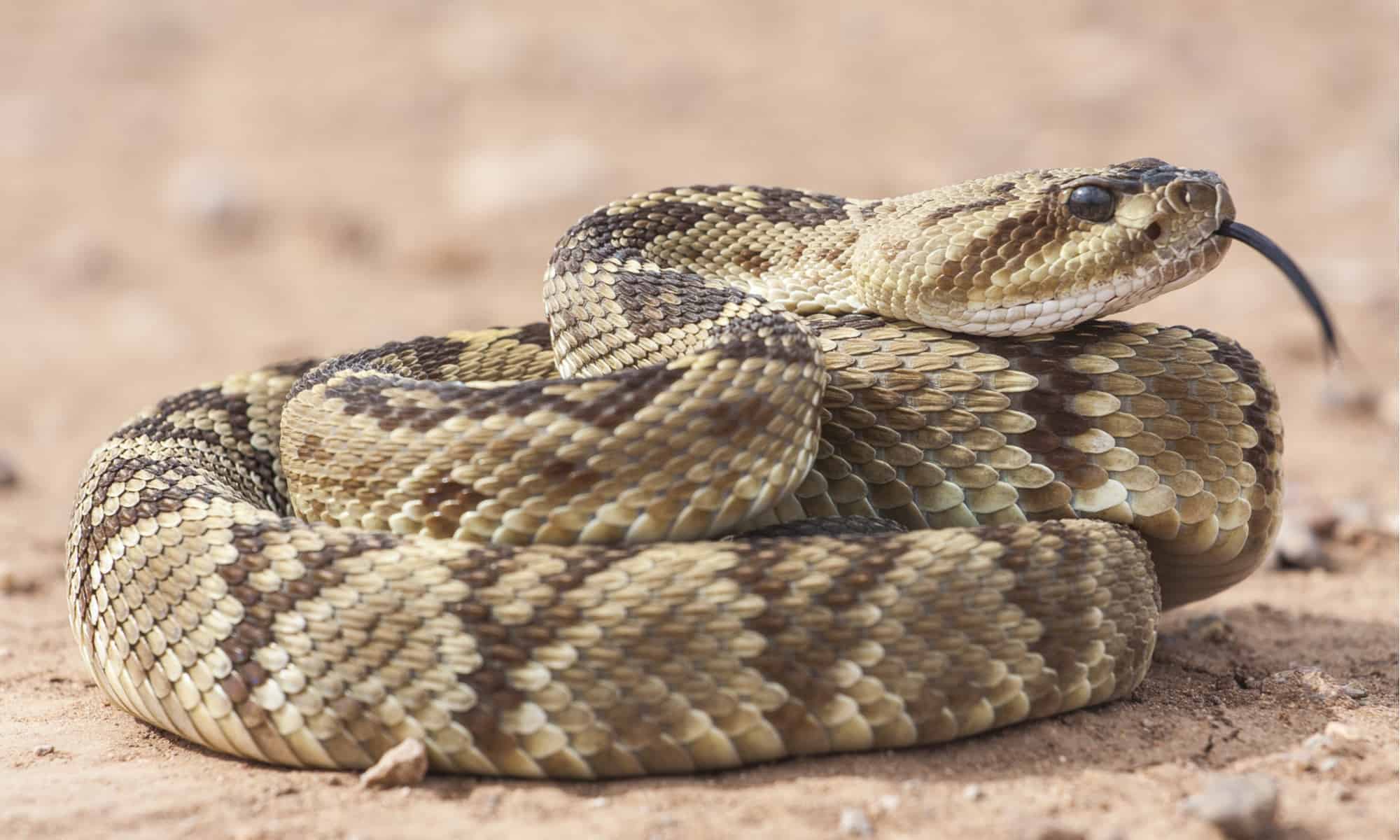
Rattlesnakes have triangular-shaped heads that are much wider than their necks. They also have heat-sensing pits between their eyes and nostrils that help them locate prey.
In terms of coloration, rattlesnakes vary depending on the species. But many have a distinctive diamond-shaped pattern along their backs.
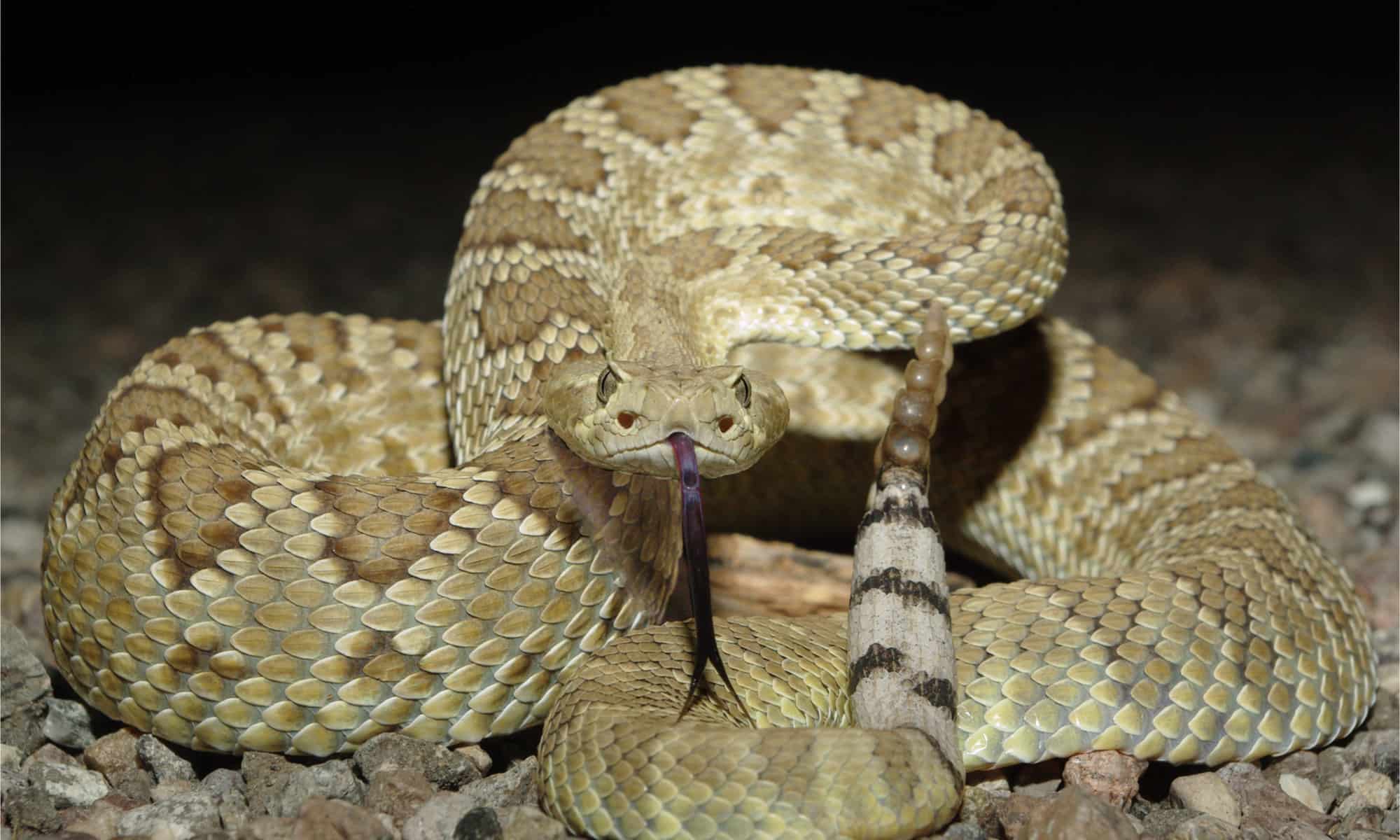
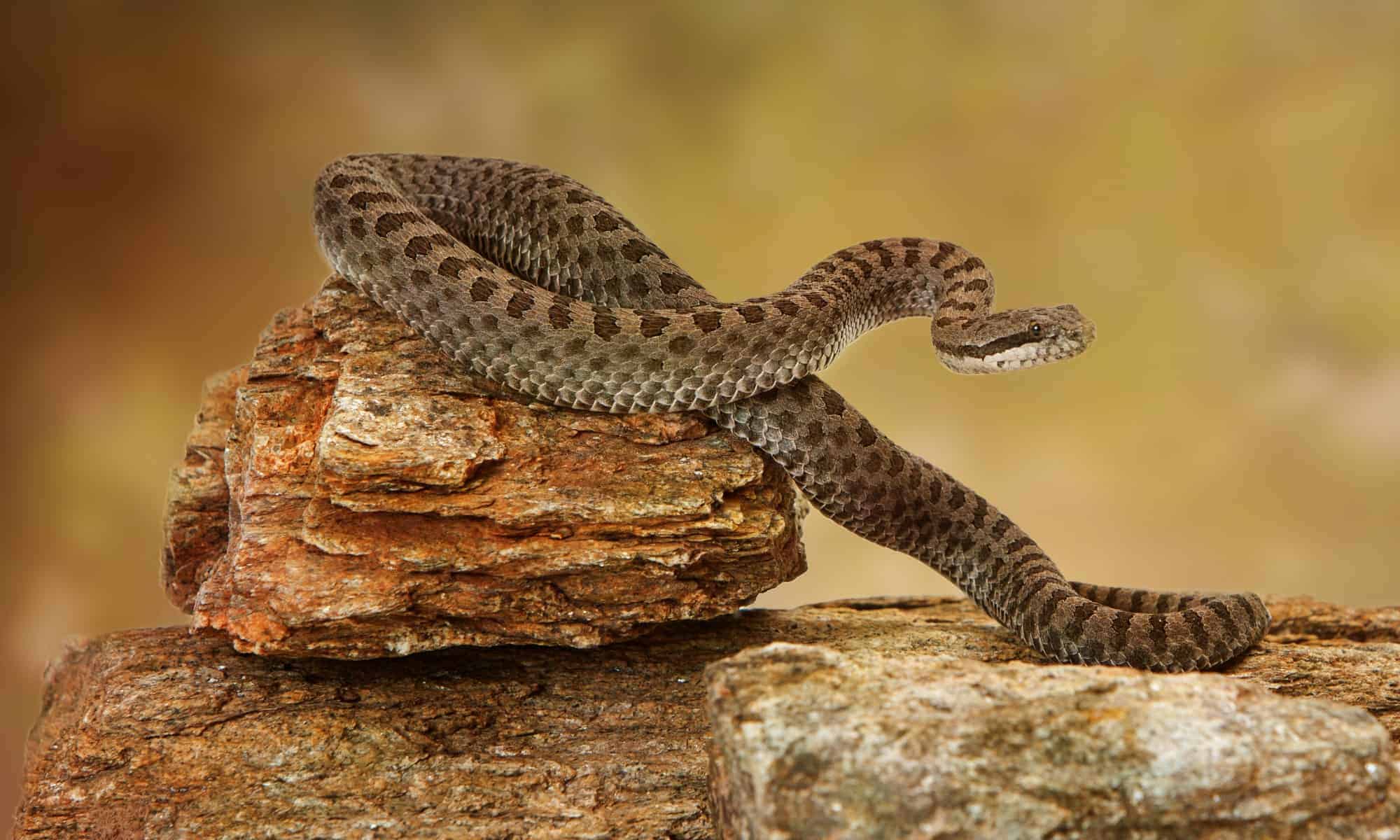
Additionally, some, like the Mojave rattlesnake, have shorter, stubbier tails that can make their rattles less prominent.
There are more than 30 different species of rattlesnakes in North America. Identifying them can be challenging. However, you can safely identify and appreciate rattlesnakes in their natural habitats by learning to recognize these physical characteristics and behavioral cues.
The western diamondback rattlesnake. This has large, diamond-shaped scales on its back.
The sidewinder rattlesnake. It has a unique sideways movement and distinctive horns above its eyes.
The timber rattlesnake. It has a series of dark bands across its body.
The prairie rattlesnake. It has a distinctive rattle that sounds like a buzzing insect.
Note: Some non-venomous snakes, like the gopher snake, may
Distinguishing Rattlesnakes From Non-Venomous Snakes
One way to distinguish rattlesnakes from non-venomous snakes is by looking at their pupils. Rattlesnakes and other pit vipers have elliptical pupils, while most North American non-venomous snakes have round pupils. Of course, the venomous Sonoran coral snake has round pupils, so this is only one factor.
Most rattlesnakes also have very large heads with an oddly thin necks — something gopher snakes lack.
Additionally, rattlesnakes have a distinct heat-sensing pit between their eyes and nostrils, while non-venomous snakes don’t.
Finally, rattlesnakes have a rattle at the end of their tails, which non-venomous snakes lack.
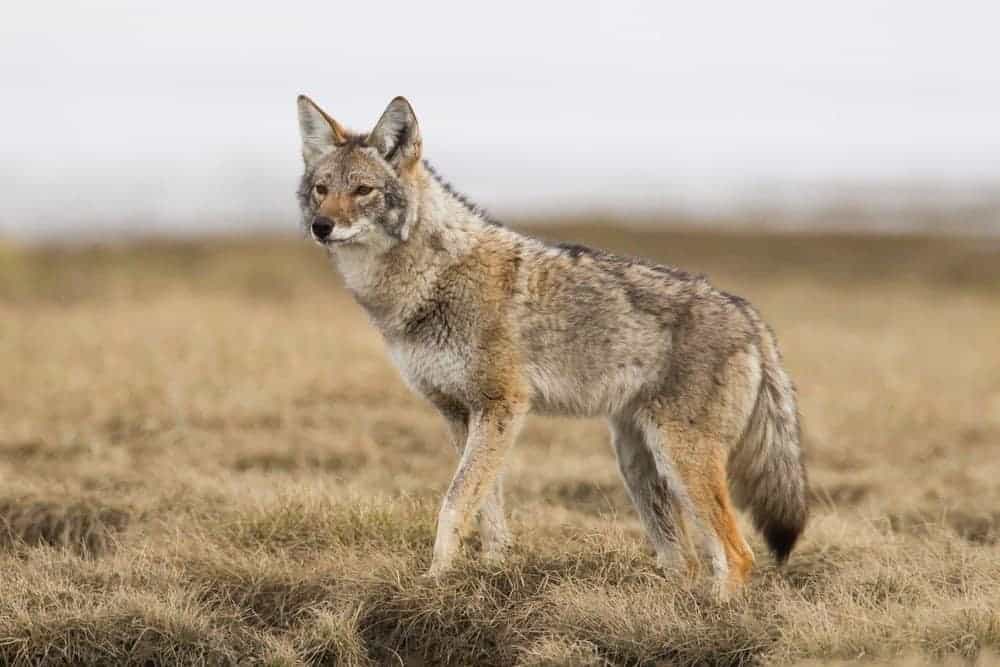
While rattlesnakes are known for their venomous bite, they aren’t immune to predation. Several predators in California are known to feed on rattlesnakes. Let’s explore some of California’s most common rattlesnake predators and how they manage to hunt and consume these venomous snakes.
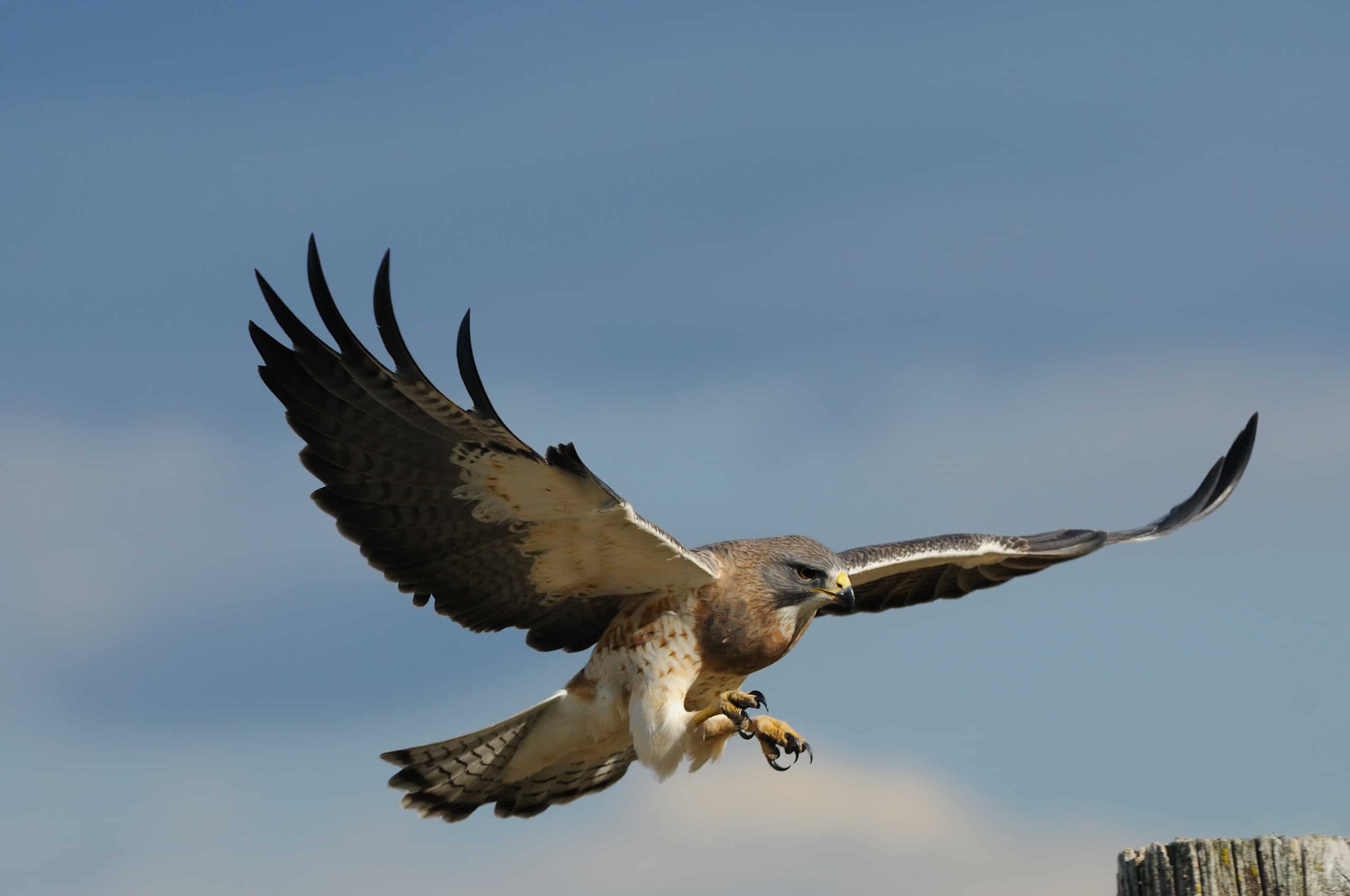
Birds of prey, such as hawks and eagles, are some of California’s most common rattlesnake predators.
These birds have keen eyesight and can spot rattlesnakes from high up in the sky. Once they spot a snake, they swoop down and grab it with their talons.
Sometimes, they kill the snake by dropping it from a height before consuming it.
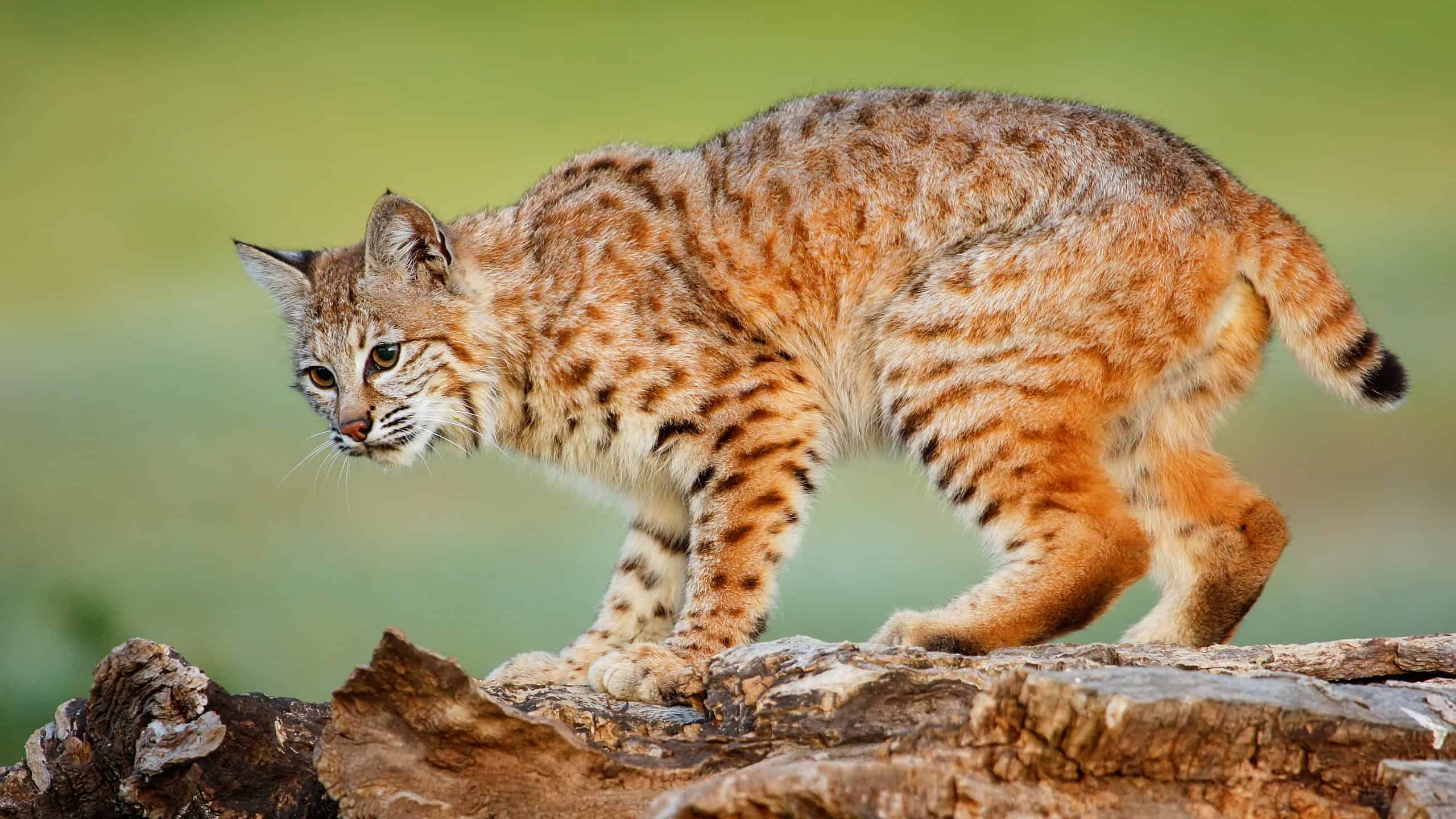
Bobcats are skilled hunters that can take down a variety of prey, including rattlesnakes.
These felines use their excellent vision and stealth to stalk and pounce on snakes. They will often grab the snake behind the head and deliver a quick, fatal bite to the neck.
Like coyotes, bobcats, including the venomous head, can eat the entire kill.
Believe it or not, some snakes are known to prey on other snakes.
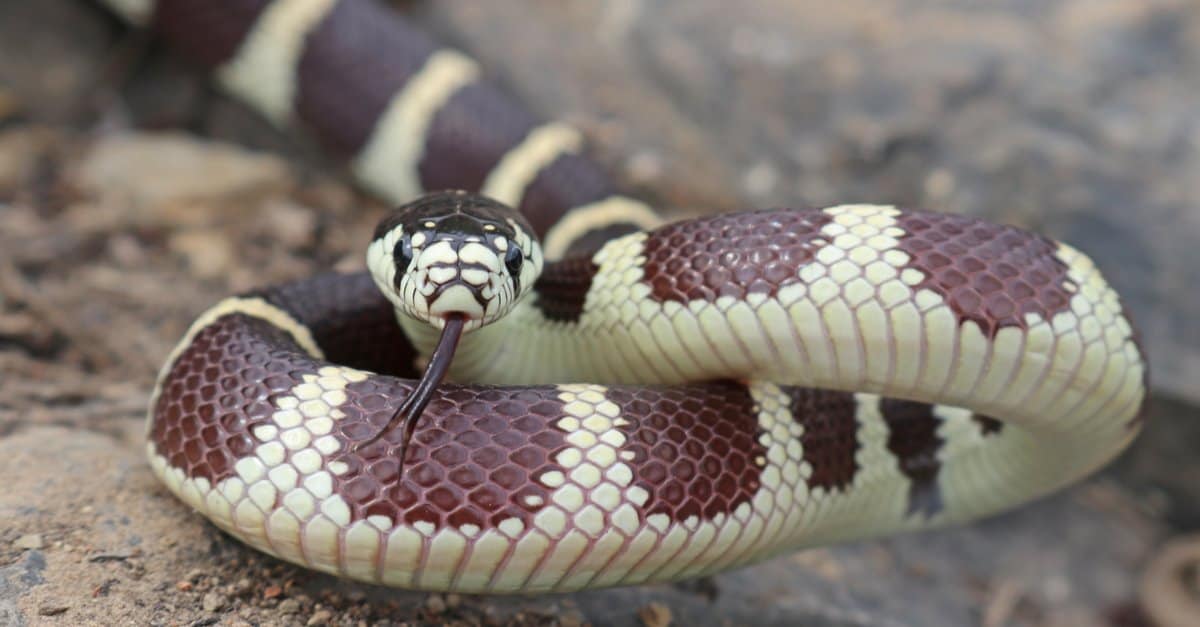
In California, the king snake is a common predator of rattlesnakes. These non-venomous snakes are immune to rattlesnake venom and will actively seek out and consume these venomous snakes.
King snakes overpower rattlesnakes by constricting them and delivering a fatal bite to the head.
Although not natural rattlesnake predators, humans are responsible for most rattlesnake deaths in California.
Humans often kill rattlesnakes out of fear or perceived threat.
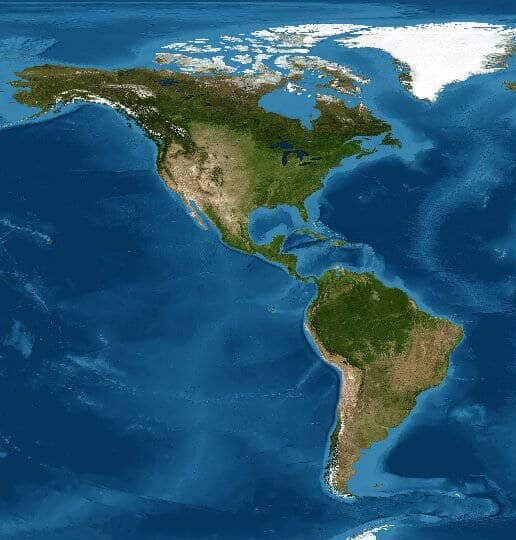
Rattlesnakes are found throughout North and South America. They’re particularly abundant in California.
They’re adapted to a variety of habitats, from deserts to forests. They can be found at elevations ranging from sea level to over 11,000 ft.
In California, rattlesnakes are found in various habitats, including:
Deserts
Grasslands
Chaparral
Forests
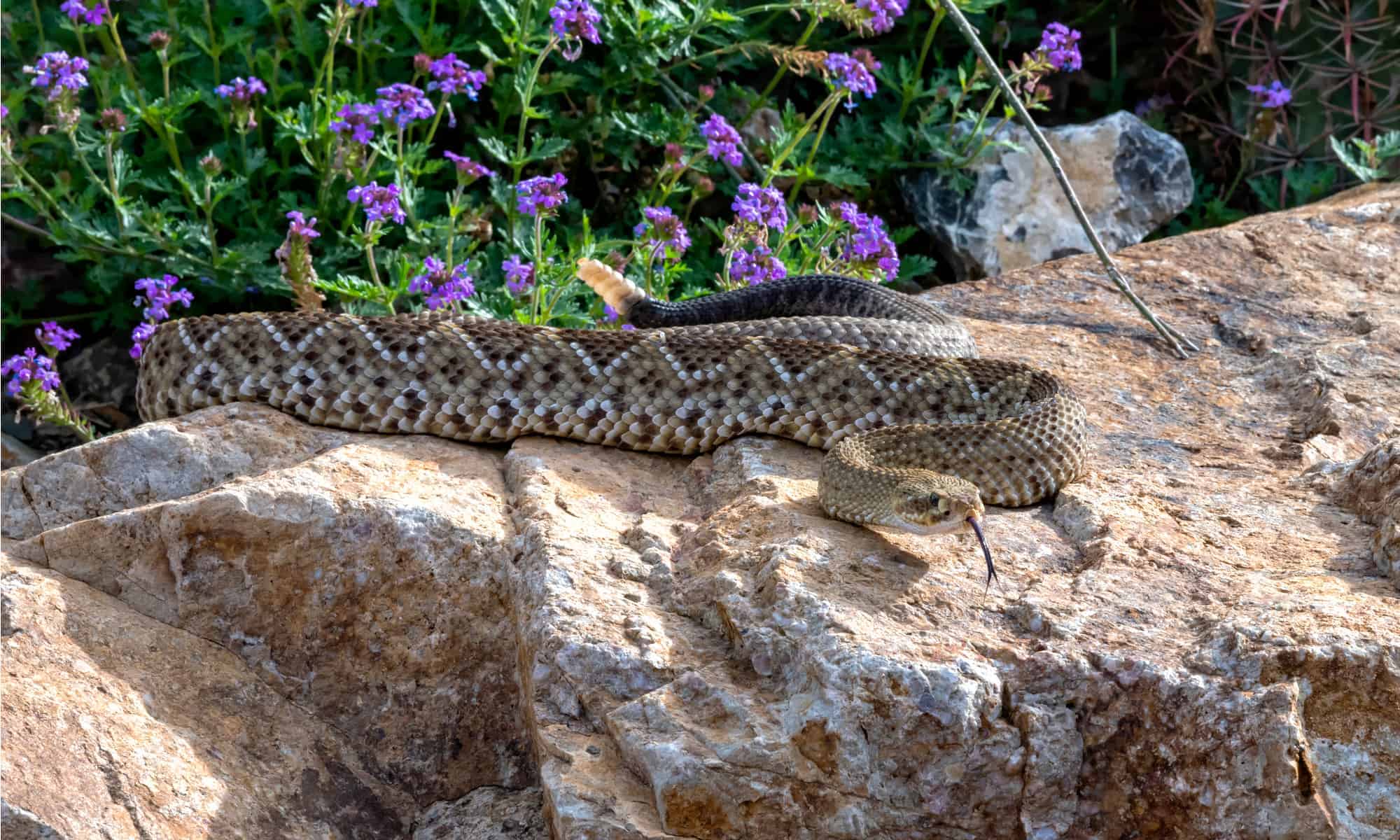
They’re often associated with rocky outcroppings, where they can bask in the sun and hide from predators.
Some species like the sidewinder rattlesnake, are adapted to living in sandy environments. They have evolved a unique sideways movement to navigate the loose terrain.
Rattlesnakes are found throughout California, with the highest species diversity in the southern part of the state.
Some of the most common species in California include:
The western diamondback rattlesnake
The red diamond rattlesnake
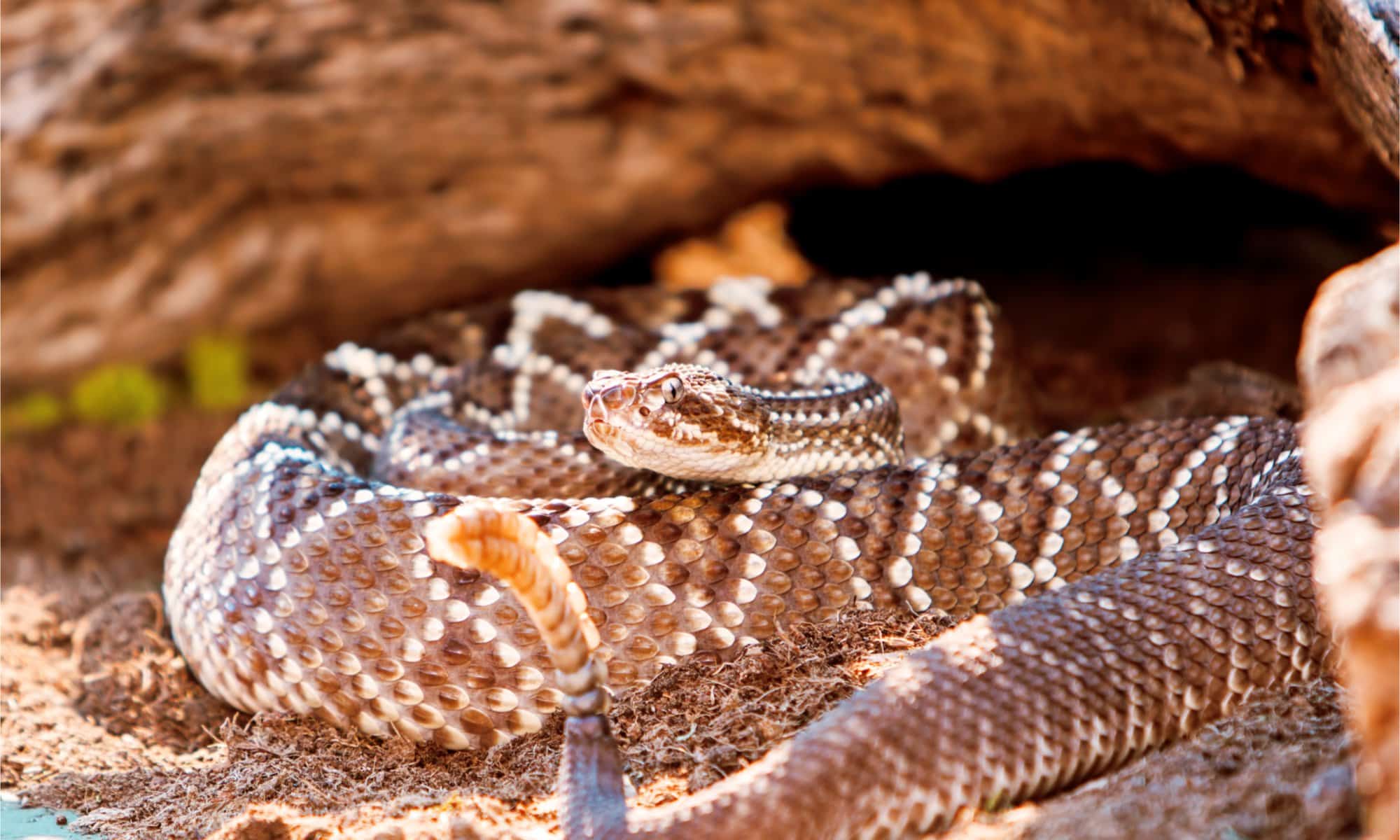
The southern Pacific rattlesnake
But you’ll find other species, like the Mojave rattlesnake and the northern Pacific rattlesnake, in more specific regions of the state.
It’s important to note that the distribution of rattlesnakes can change depending on factors such as:
For example, in recent years, some species of rattlesnakes have been expanding their ranges northward due to changes in climate patterns.
Conversely, habitat destruction and fragmentation can lead to declines in rattlesnake populations and restrict their distribution.
Understanding rattlesnakes’ habitat and distribution is vital for conservation efforts and public safety. By knowing where rattlesnakes are likely to be found, people can take appropriate precautions when hiking or engaging in other outdoor activities.
Additionally, protecting and preserving rattlesnake habitats is crucial for maintaining healthy populations of these important species.
Rattlesnakes are fascinating animals with unique behaviors and diets. Understanding their behavior and diet can help people appreciate and coexist with these important predators.
Rattlesnakes are primarily active during the day but may also be active at night in hot weather. They’re generally solitary animals, although they may congregate in certain areas, such as communal den sites. Some rattlesnake species may exhibit co-parenting and other social behaviors, typically near their dens. During the cooler months, rattlesnakes may enter a brumation state, similar to hibernation.
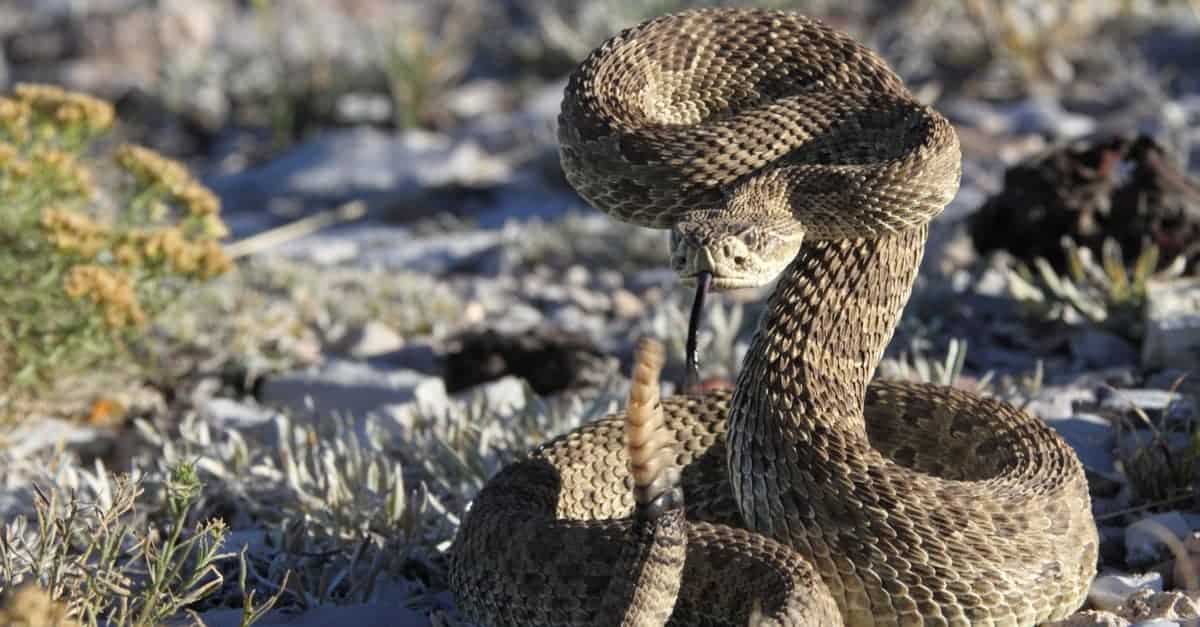
When threatened, rattlesnakes often assume a defensive posture, coiling their bodies and shaking their rattles as a warning. However, if provoked, they may strike, delivering a venomous bite.
But rattlesnakes are typically not aggressive and try to avoid humans and other animals if given the opportunity.
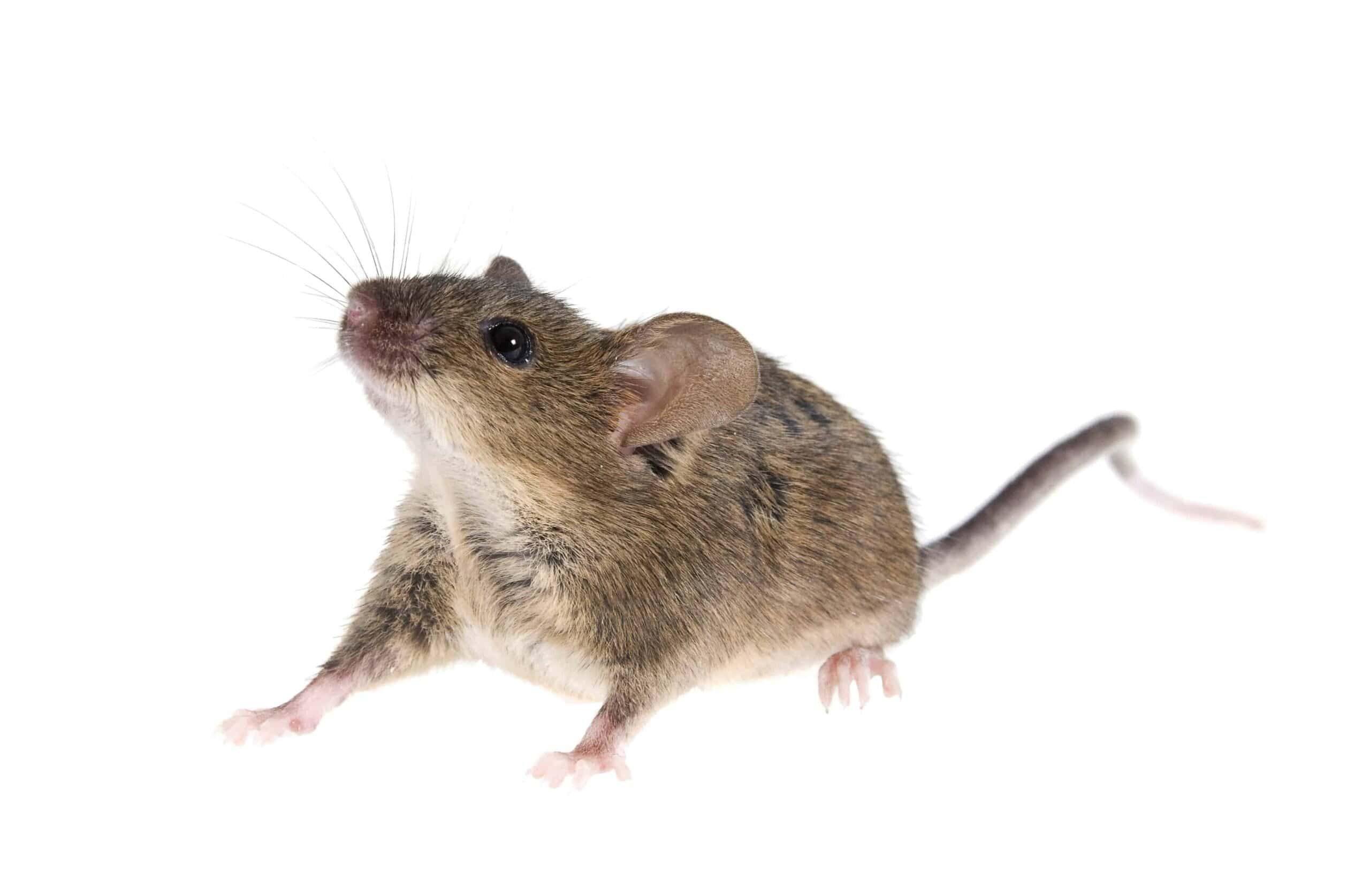
Rattlesnakes are carnivorous and primarily eat small mammals like mice, rats, and ground squirrels. However, they are also known to eat birds, lizards, and other snakes. Rattlesnakes use their heat-sensing pits to detect prey. They then strike with lightning-fast speed, injecting venom into the potential prey. Finally, they track their prey using their sense of smell and swallow it whole.
Rattlesnake bites are relatively rare. But they can be dangerous if not treated promptly.
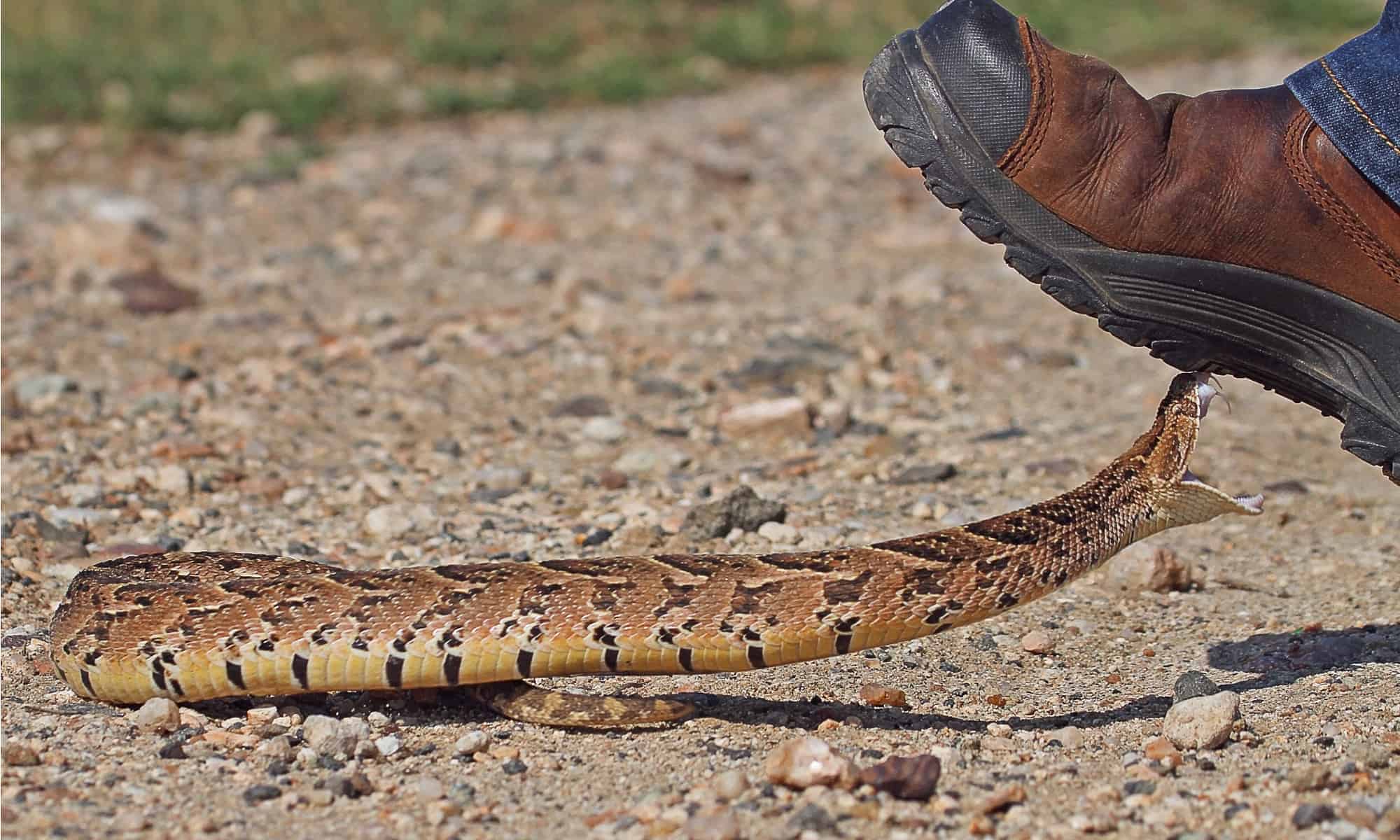
Most bites occur when humans accidentally step on or near a rattlesnake or attempt to handle or kill one.
Symptoms of a rattlesnake bite can include:
Pain
Swelling
Difficulty breathing
Anyone who a rattlesnake bites should seek medical attention immediately.
As earlier noted, rattlesnakes are essential to the ecosystem. Consequently, protecting their populations is crucial for maintaining healthy ecosystems.
But habitat loss, fragmentation, and persecution by humans have led to declines in rattlesnake populations in many areas.
Conservation efforts, such as habitat restoration and public education, can help protect rattlesnakes and their habitats.
Public education is one of the best ways to minimize conflicts between humans and rattlesnakes. By learning to recognize the warning signs of rattlesnakes and respecting their space, people can avoid accidentally encountering or provoking these animals.
Additionally, educating people on the importance of rattlesnakes in the ecosystem and the dangers of attempting to handle or kill them can help reduce the incidence of bites.
In some areas, rattlesnake populations may need to be managed to minimize conflicts with humans. This can include relocating rattlesnakes from populated areas or using barriers to prevent them from entering areas where people are present.
There should be careful planning and execution for management to minimize harm to both humans and rattlesnakes.
Conservation and management efforts are crucial for protecting rattlesnake populations and minimizing conflicts with humans. Here are some of the key strategies for rattlesnake conservation and management.
Protecting the habitats that rattlesnakes depend on is crucial for maintaining healthy populations. This can include efforts to restore and preserve natural habitats and create protected areas where rattlesnakes can thrive without interference from humans.
Collaboration between scientists, government agencies, and the public is essential for effective rattlesnake conservation and management.
By working together, we can develop and implement strategies that protect both human safety and the health of rattlesnake populations.
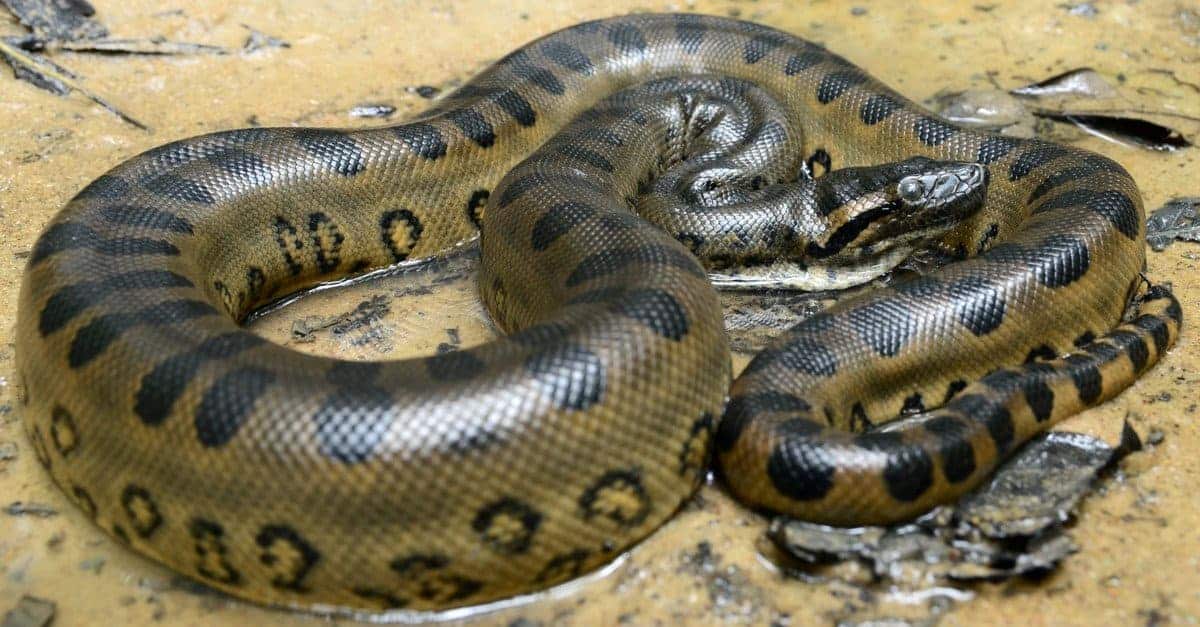
The biggest anaconda ever found was said to measure 33 feet in length, 3 feet in width at its widest point, and weigh approximately 880 lbs.
It was discovered at a construction site in Brazil, but unfortunately, it met its demise either through a controlled explosion or by construction workers who encountered it after its emergence. Regrettably, humans were responsible for killing the largest anaconda ever recorded.
The reported size of the largest anaconda could not be verified accurately due to the lack of proper measurement or recording. Although a video of the snake was available, the authenticity of the footage could not be confirmed as videos can be manipulated, and perspectives can be misleading.
There have been other alleged cases of record-breaking anacondas, but without substantial evidence or references to support them. According to one claim, the longest and heaviest snake ever discovered measured 27.7 feet in length, had a girth of 3 feet, and weighed more than 500 lbs.
Rattlesnakes are essential to California’s ecosystems, serving as top predators and playing crucial roles in maintaining biodiversity. But their interactions with humans can sometimes lead to conflicts. This makes understanding their behavior, habitat, and conservation needs crucial.
Conservation and management efforts are important to protect rattlesnakes and minimize conflicts with humans. These efforts can include habitat protection, community enlightenment, and careful management strategies. By working together to protect rattlesnakes, we’ll ensure they continue to play vital roles in California’s ecosystems for generations to come.
Humans need to learn how to coexist with rattlesnakes and appreciate their place in the natural world. By respecting their space and taking steps to avoid conflicts, we can protect both human safety and the health of our ecosystems.
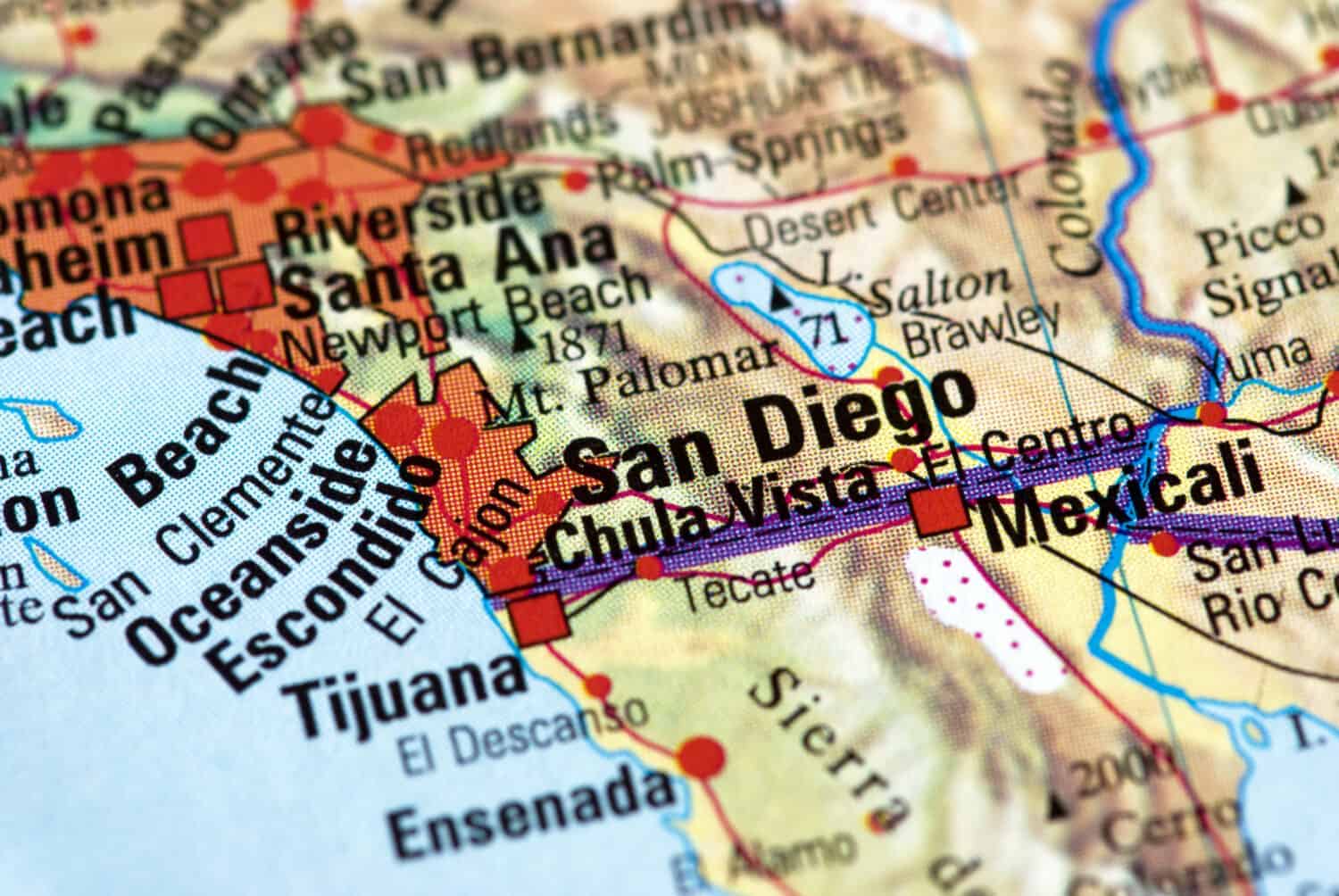
Santee is located in San Diego County, California, and is just 18 miles from the Pacific Ocean. The state of California is located in the Western United States along the Pacific Coast. It is bordered by the Pacific Ocean to the west, Oregon to the north, Arizona, and Nevada to the east, and the Mexican state of Baja California to the south.
Hi, I'm Ashleigh! Welcome to Seattle Travel, my little piece of beautiful PNW. This is home and I'm here to share all my experiences so visitors and locals alike can find the best experiences this part of the country has to offer. I started Seattle Travel in 2012 as a way to journal my experiences and over the years have been encouraged by family and friends to open up my adventures to everyone. I actively seek out the best food, activities, and day trips and give you a local perspective. The Pacific Northwest is one of the most beautiful areas in the world and my goal is to let you explore it to the fullest.