

Seattle is one of the best home bases in the country for national park trips. Within a few hours of the city, travelers can reach glacier-covered mountains, old-growth rainforests, wild coastlines, alpine lakes, and volcanic landscapes that feel worlds away from downtown.
From quick weekend escapes to longer road trips, these seven national parks near Seattle are absolutely worth the drive. Whether you’re looking for dramatic views, peaceful hikes, scenic drives, or a full outdoor adventure, each park offers a different reason to pack the car and head out.
Mount Rainier National Park

©"Mount Rainier, Washington State" by Harold Litwiler, Poppy is licensed under BY-ND 2.0. - Original / License
Distance from Seattle: About 60 miles, 1.5 to 2 hours, depending on your entry point.
Few parks in the Pacific Northwest can match Rainier. At roughly 14,400 feet, the stratovolcano stands tall on clear days in Seattle, and the drive toward it over the course of an hour is like watching a painting get closer until you feel like you’re inside the canvas. The wildflower meadows at the Paradise area in late July and early August are one of the best sights in any park in North America.
It can get busy during the weekends, especially in August, and if that’s something you want to avoid, the Sunrise Entrance in the eastern part of the park is less crowded and is higher than Paradise, sitting at 6,400 feet above sea level. You’ll need to come early because by 9 am, the parking lot will be full. There’s a lot of ground to cover in Rainier, though, so even if you miss the early window, keep moving, and you’ll find space.
Olympic National Park
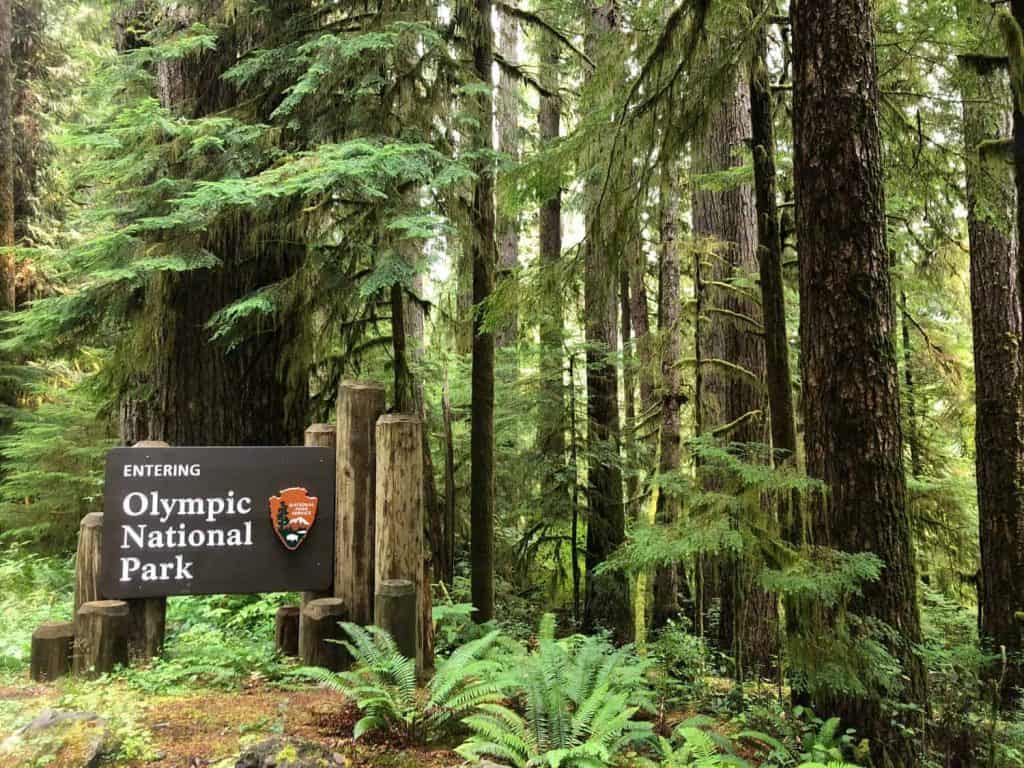
©Adam Reck/Shutterstock.com
Distance from Seattle: About 100 miles to Hurricane Ridge (roughly 3 hours including ferry), or 147 miles to Hoh Rain Forest (under 3 hours driving south around the Sound).
Olympic is what you get when three totally diverse ecosystems exist side by side in one park. Hoh Rain Forest receives up to 14 feet of rain per year. Hurricane Ridge brings you higher than 5,200 feet, offering breathtaking views of the Olympic Mountains. Ruby and Rialto beaches are all sea stacks and driftwood. While most parks offer just one highlight, Olympic is a three-for-one special.
The quickest route from Seattle is the Bainbridge Island ferry ride starting from the city center. You’ll then drive north to Port Angeles and take the road leading to Hurricane Ridge. The alternative way to access the Hoh Rain Forest is by driving directly south through Tacoma.
But there is a catch: there aren’t any roads cutting through the park, so there’s no direct route between the rainforest, the ridge, and the coast. You’ll have to choose your zone and stick with it. For a first visit, choose one section and spend the whole day there. Trying to sample all three in a day is how Olympic becomes exhausting instead of extraordinary.
North Cascades National Park
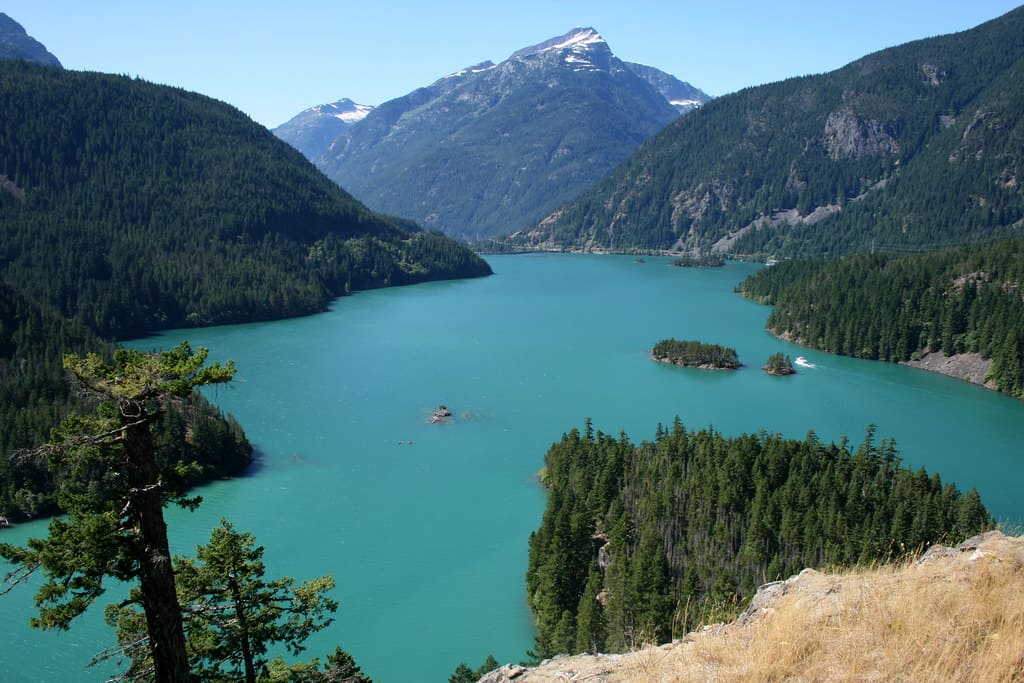
©"Diablo Lake" by Paul Schultz is licensed under BY 2.0. - Original / License
Distance from Seattle: About 110 miles, 2.5 to 3 hours via Highway 20.
The North Cascades are known as the American Alps. That may be overselling it a little, but it’s still a solid comparison. The glaciers are visible from the road, and Diablo Lake’s vibrant turquoise hue makes the park feel like something out of a painting. Highway 20 in the park is one of the nicer scenic drives in all of Washington.
Unfortunately, the park’s appeal comes at the cost of convenience. There are no roads that lead into the main national park area, which makes sense since it borders National Recreation Area land. You’ll have to hike in to really get somewhere good. That said, the driving, the Diablo Lake, and the Cascade Pass Trail make it a worthwhile destination. Come in September when the crowds thin and the larches start turning. That timing puts it ahead of most Pacific Northwest parks just for the scenery.
San Juan Island National Historical Park
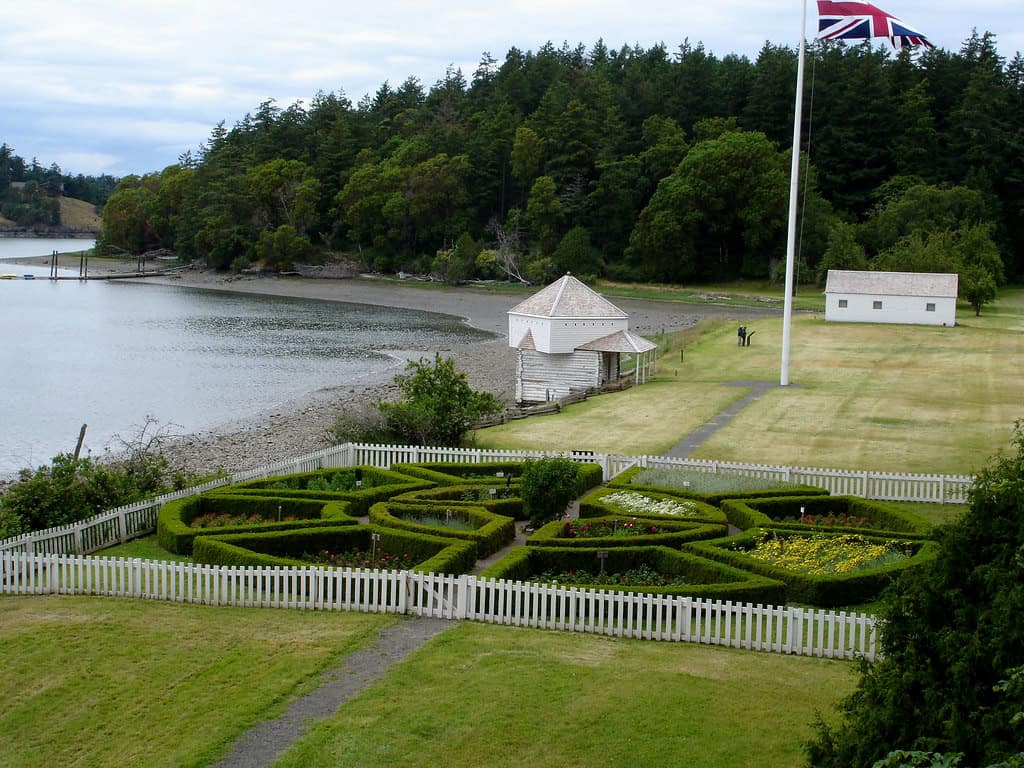
©"San Juan Island National Historical Park" by tinyfroglet is licensed under BY 2.0. - Original / License
Distance from Seattle: About 85 miles to the Anacortes ferry terminal (90 minutes), then a 60 to 75-minute ferry crossing to Friday Harbor.
The San Juan Island National Historical Park is known for the preservation of sites where the events of the Pig War took place. It was a border conflict between the USA and Great Britain that nearly turned into a shooting war in 1859 when an American farmer shot a British pig he found eating his potatoes. For thirteen years afterwards, both countries occupied the island with troops until Kaiser Wilhelm I arbitrated the boundary in favor of the United States. The only casualty was the pig.
American Camp makes up the southern part of the park, while English Camp is found on the northwestern coastline of the park, both admission-free and accessible year-round. The prairie area of the American Camp is known to be one of the few natural prairies that are left in the Puget Sound area, while the bluffs overlooking the South Beach will place you right next to the Strait of Juan de Fuca.
The Lime Kiln Point State Park, located just beyond the park borders on the west side of the island, is one of the few places on earth where you can reliably watch orcas from shore. It’s a combination of history and wildlife scenery that is hard to beat.
Ebey’s Landing National Historical Reserve
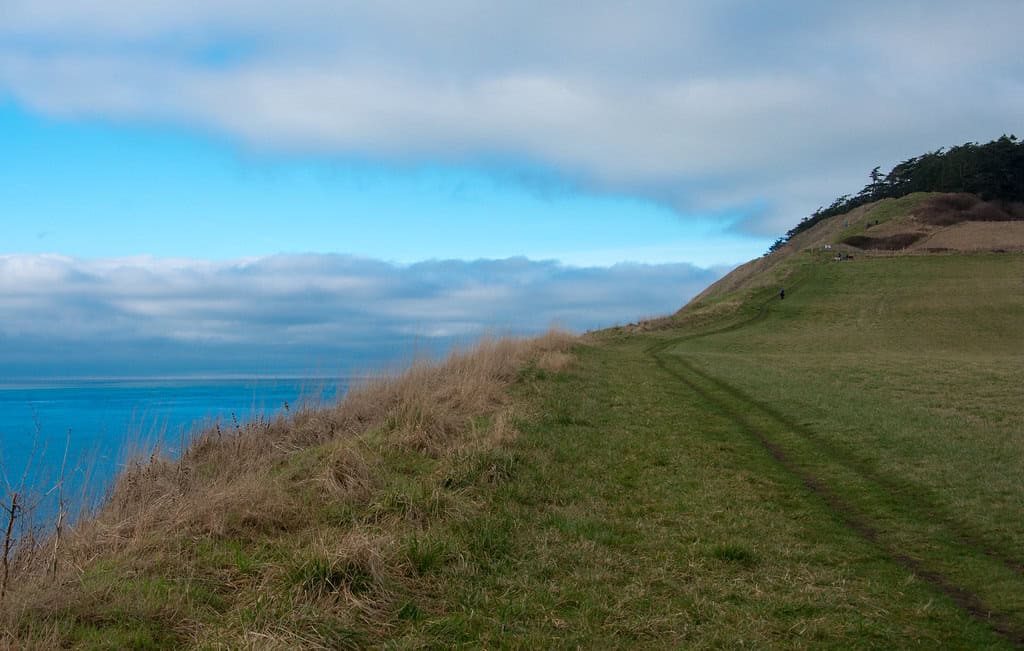
©"The Pacific Northwest Trail climbing the bluffs of Ebey's Landing on Whidbey Island" by Forest Service Pacific Northwest Region is licensed under PDM 1.0. - Original / License
Distance from Seattle: About 50 miles north to the Mukilteo ferry, then a short crossing to Whidbey Island.
While Ebey’s Landing isn’t as well-known as the top three national parks in Washington state, that low profile is partly what earns it a place on this list. Ebey’s Landing is a real example of a working farm, and the landowners who cultivate it have been keeping it under their care since the 1850s.
The Bluff Trail is a 3.5-mile loop that leads to Admiralty Inlet, offering views of the Olympic Mountains across the Sound. Coupeville, an old settlement located right in the heart of the reserve, is well worth spending one hour just walking around it. There are no entrance fees for the reserve, and a lot of people overlook it on their way to the San Juan islands from Anacortes. That’s worth reconsidering.
Klondike Gold Rush National Historical Park
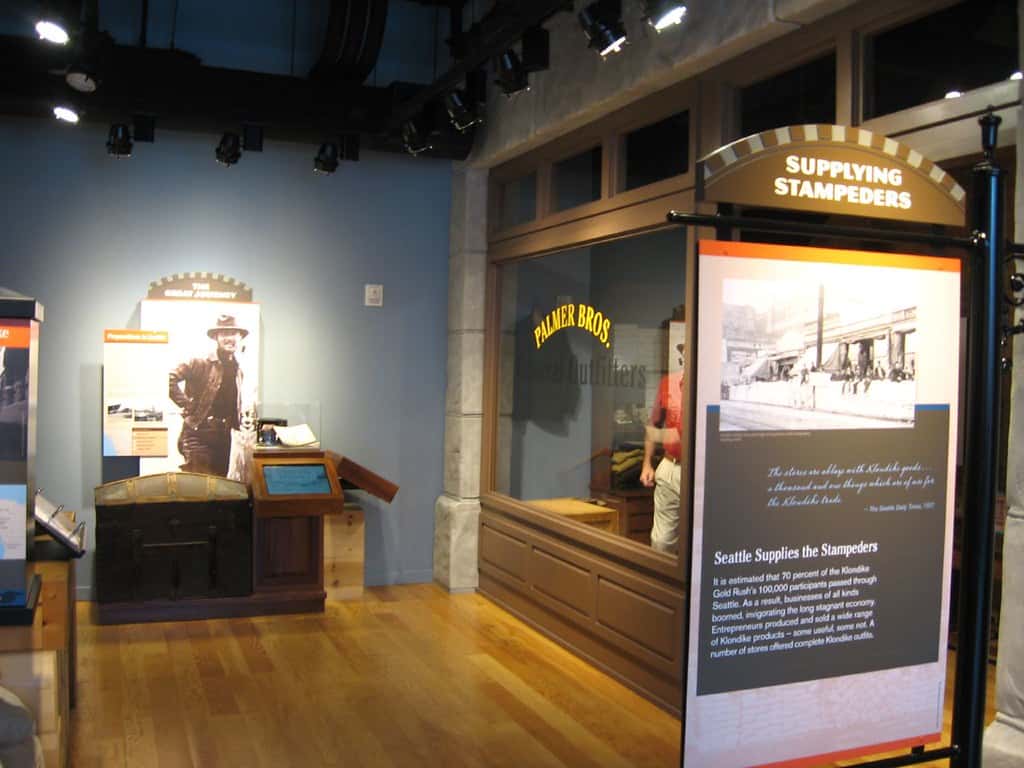
©"Klondike Gold Rush National Historical Park, Seattle, Washington" by Ken Lund is licensed under BY-SA 2.0. - Original / License
Distance from Seattle: Zero. It’s in Pioneer Square.
This is Seattle’s only freenational park. The museum operates at a section of the Cadillac Hotel located in Pioneer Square, the area where Seattle’s history of the gold rush is recorded. Following the Klondike rush in the Yukon region in 1896, Seattle became the main outfitting point for prospectors traveling northward, and a staggering amount of the city’s early wealth traces back to those few years. The exhibitions are able to make this history truly exciting.
You will not need to spend an entire day here. About two hours would be sufficient. Free ranger-guided tours of Pioneer Square are conducted during summer months and provide an insight that is not available in the exhibits. Good to know if you are spending a day in the city or have some extra time for Puget Sound.
Lewis and Clark National Historical Park
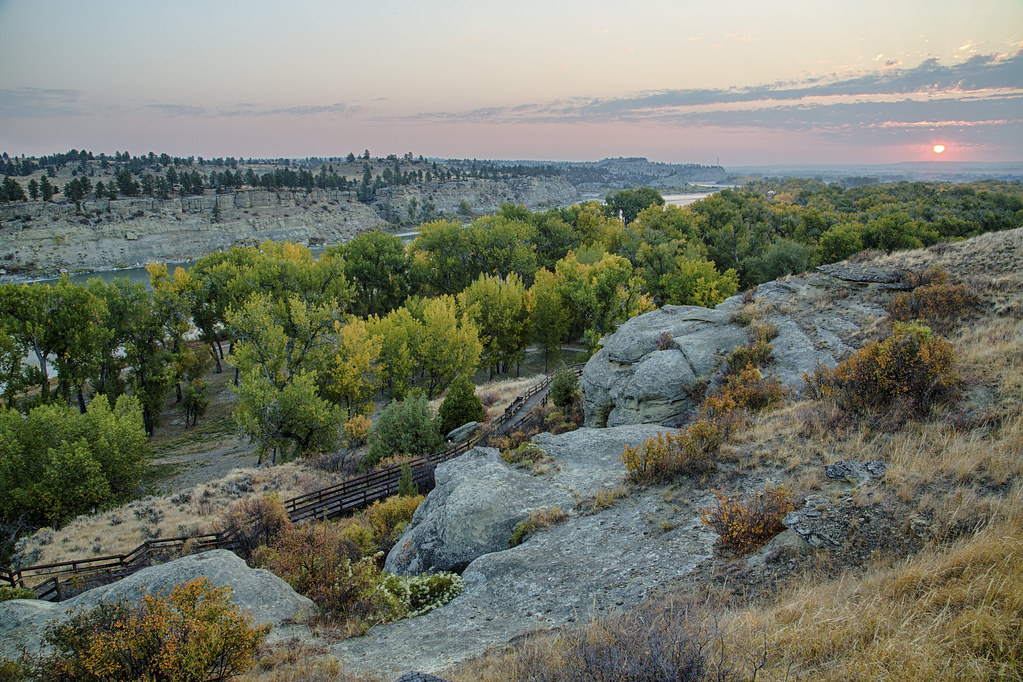
©"Lewis and Clark National Historic Trail, Montana" by mypubliclands is licensed under BY 2.0. - Original / License
Distance from Seattle: About 185 miles southwest via Astoria, Oregon, roughly 3.5 hours.
Fort Clatsop was the location where Lewis and Clark wintered under grueling conditions between 1805 and 1806 after crossing the continent all the way to the coast of the Pacific Ocean. The fort replica lies just outside of Astoria, Oregon. The expedition spent around three months here, and the journals they wrote during that winter are some of the most detailed records of the early Pacific Northwest that exist.
There is enough trail mileage and coastline for a full day at Fort Clatsop, and the city of Astoria is also worth a detour, especially if you’re into history. You’ll also be able to enjoy some nice views off the top of the Astoria Column. The Highway 30 ride along the Columbia River from Portland is one of the most overlooked scenic drives in the region. This one is a full day, but it pays off if you’re a history buff.

