
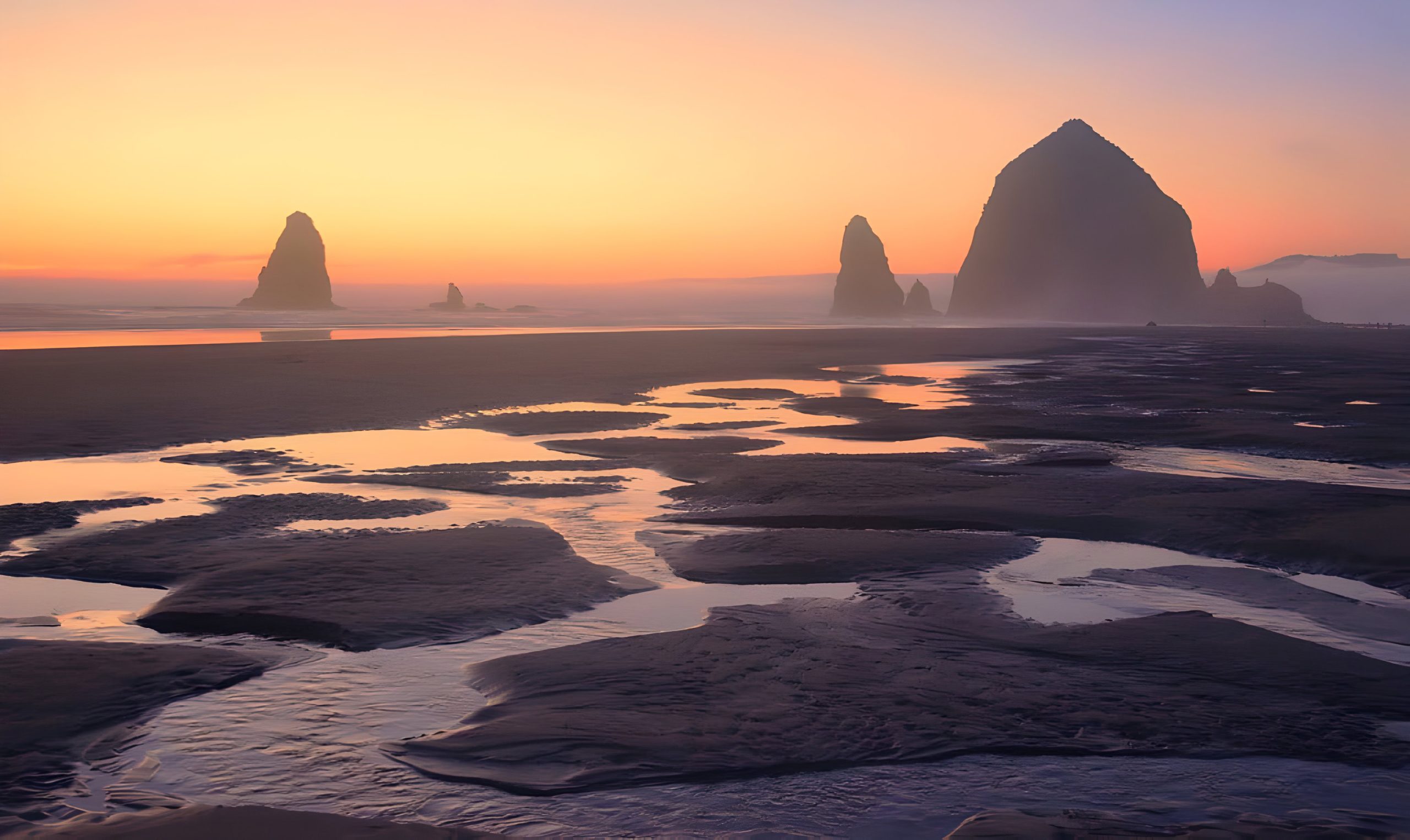
Ask five different people where the Pacific Northwest begins and ends, and you might get five different answers. Some picture Washington and Oregon, while others include Idaho, British Columbia, and even Alaska. Wherever you draw the boundaries, there’s no denying that this corner of North America has some pretty spectacular scenery.
Of course, deciding where to go is another matter. Between the rugged coastline, snow-covered mountains, sprawling forests, and cities with plenty of personality, there’s enough here to fill a lifetime of vacations. And unless you’ve got unlimited time off, you’re probably going to have to narrow things down a bit.
For this list, we’re sticking to Washington and Oregon, highlighting nine destinations that offer a little bit of everything the region does best. Some are perfect for a weekend getaway, while others deserve several days of exploration. You probably won’t fit them all into one week, but they’ll give you a pretty good starting point for planning your next Pacific Northwest adventure.
Columbia River Gorge
©"Columbia River Gorge, Oregon" by Bonnie Moreland (free images) is licensed under PDM 1.0. - Original / License
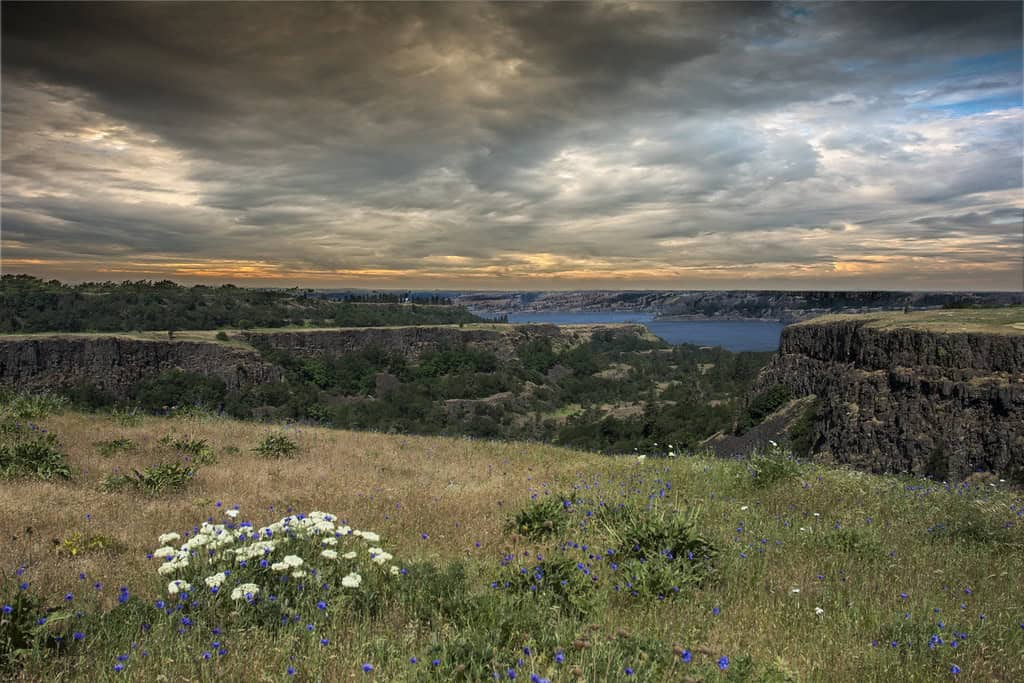
Stretching along the border between Oregon and Washington, the Columbia River Gorge is one of the most scenic drives in the Pacific Northwest. Just east of Portland, the landscape changes from lush forests and towering waterfalls to dramatic cliffs and increasingly dry terrain as you head east. Multnomah Falls is easily the best-known attraction, dropping more than 600 feet in two spectacular tiers. The Historic Columbia River Highway also passes several other waterfalls and viewpoints worth exploring. Just remember that this isn’t exactly an undiscovered destination. Traffic and parking can become challenging during summer weekends, and timed-use parking permits have been required at Multnomah Falls during recent peak seasons. Check the current requirements before visiting.
Columbia River Gorge (continued)
©"Columbia River Gorge" by jeffgunn is licensed under BY 2.0. - Original / License
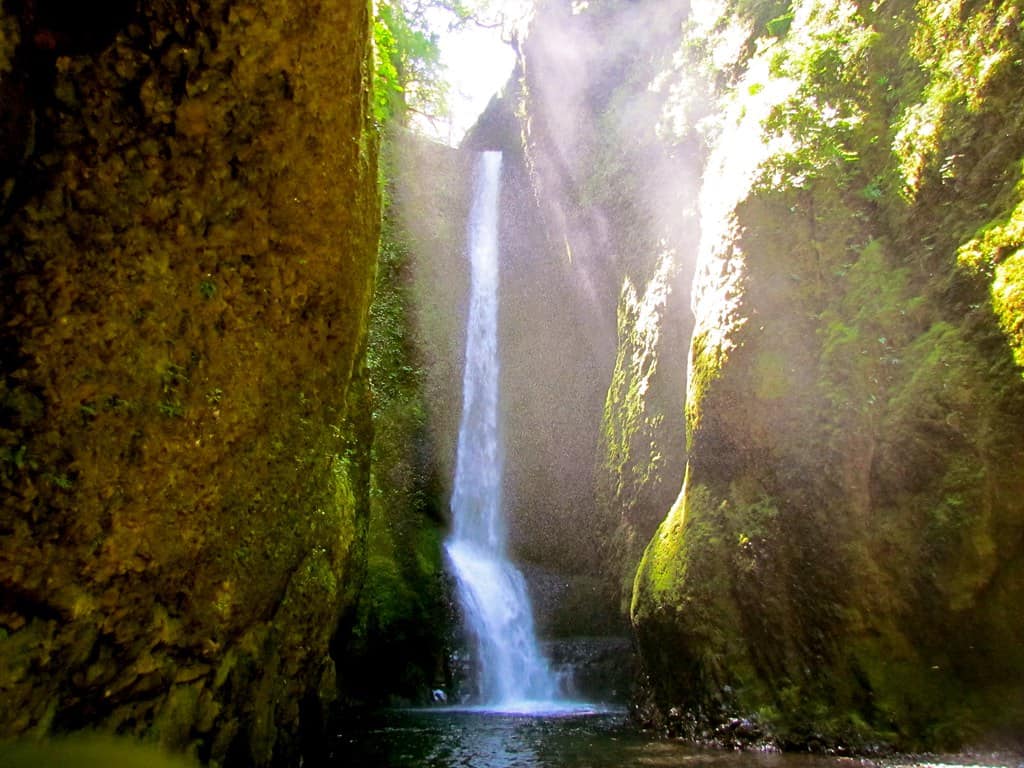
The Gorge is more than just waterfalls and scenic overlooks. Several small communities along both sides of the Columbia River make excellent stops, particularly if you want to turn a quick drive into a full-day adventure. Hood River, Oregon, is known for windsurfing, kiteboarding, restaurants, and breweries, while nearby Cascade Locks offers riverfront scenery and access to hiking trails. Across the river in Washington, White Salmon has developed a lively food and beverage scene, and Carson provides a quieter setting near the forested foothills. If you’ve got extra time, follow the historic highway, explore some of the smaller towns, and take in the views from both sides of the river. The scenery changes dramatically as you travel, which is part of what makes the Gorge so memorable.
Astoria, Oregon
©"Astoria bridge" by https://www.flickr.com/photos/thelastfewdays/ is licensed under BY 2.0. - Original / License
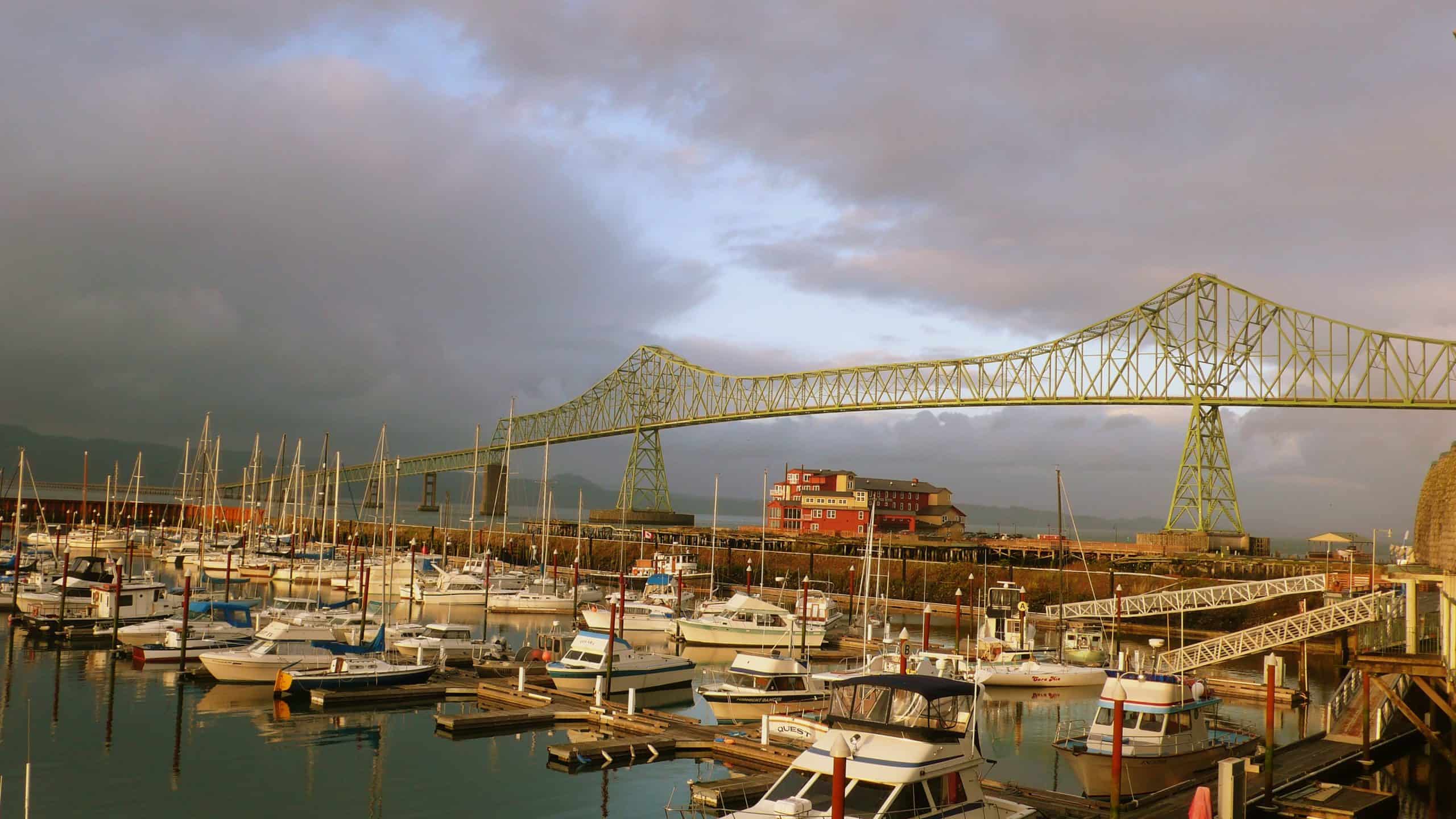
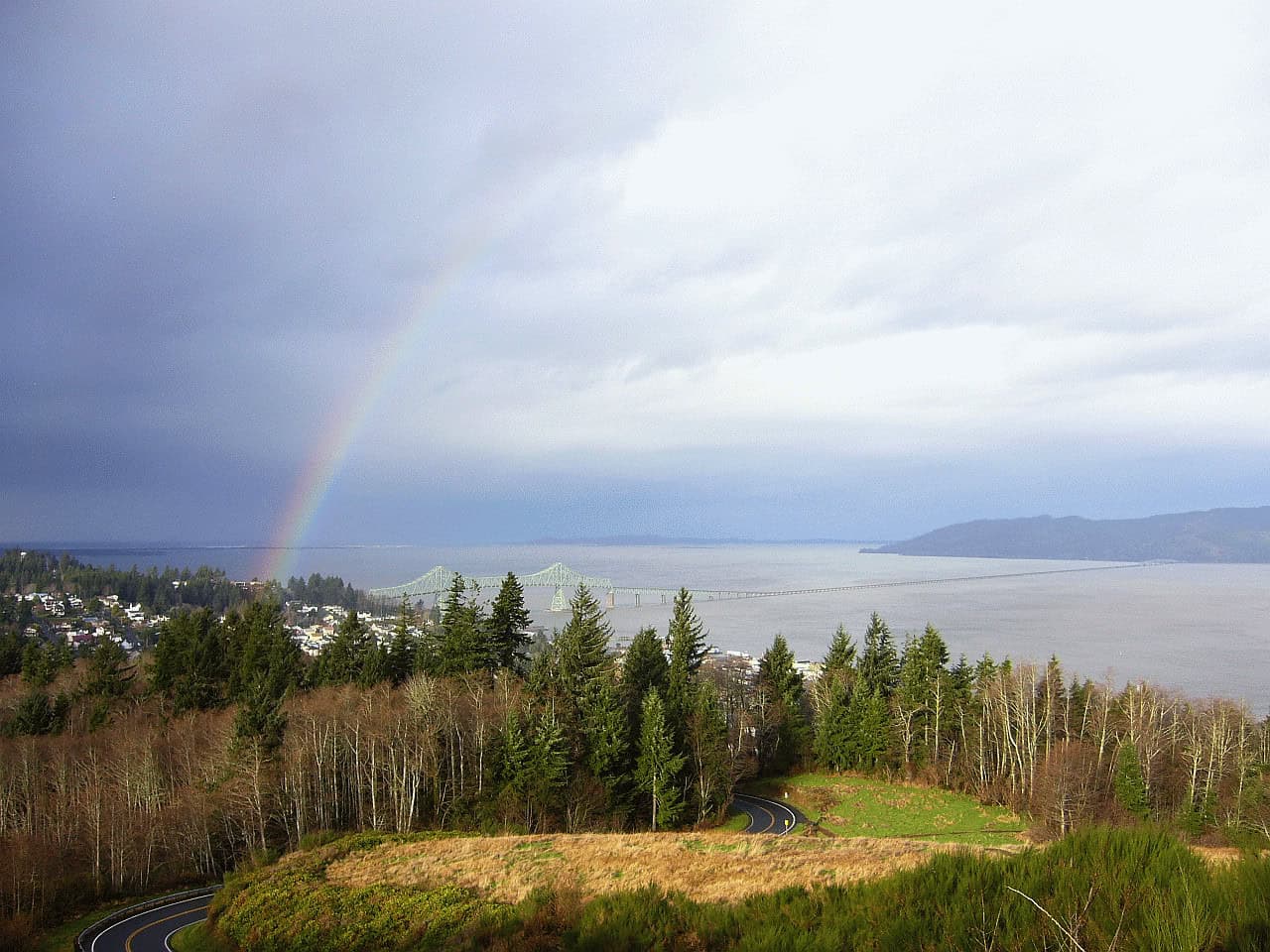
Perched near the mouth of the Columbia River, Astoria is one of Oregon’s most distinctive coastal communities. The city sits where the river approaches the Pacific Ocean, surrounded by forested hills and historic waterfront buildings. Its location has made it an important place for trade, exploration, and maritime activity for centuries. Lewis and Clark spent the winter of 1805-1806 at nearby Fort Clatsop, while Astoria itself was established as a fur-trading settlement in 1811. Today, visitors will find historic architecture, independent shops, waterfront restaurants, and plenty of reminders of the city’s maritime past. The enormous Astoria-Megler Bridge connects Oregon and Washington, providing one of the area’s most recognizable landmarks. Astoria is particularly appealing if you enjoy small towns with real history and scenery that doesn’t require a strenuous hike to appreciate.
Astoria, Oregon (continued)
©"Astoria bridge New Year 2006" by Tapirul is licensed under BY 2.5. - Original / License
For a bird’s-eye view of Astoria and the surrounding landscape, head to the Astoria Column, a 125-foot monument perched above the city. Climbing its spiral staircase rewards visitors with views of the Columbia River, the bridge, and the surrounding hills. The Columbia River Maritime Museum is another worthwhile stop, particularly if you’re interested in the area’s dangerous shipping history and the notorious Columbia River Bar. When it’s time to eat, Astoria has plenty of options, including Fort George Brewery and Bowpicker Fish & Chips, which operates out of a converted fishing boat. Movie fans might also recognize parts of town from “The Goonies,” filmed in and around Astoria. It’s a small city with a surprising amount to explore, making it a worthwhile overnight stop rather than somewhere you simply pass through.
Seattle, Washington
©Pung/Shutterstock.com
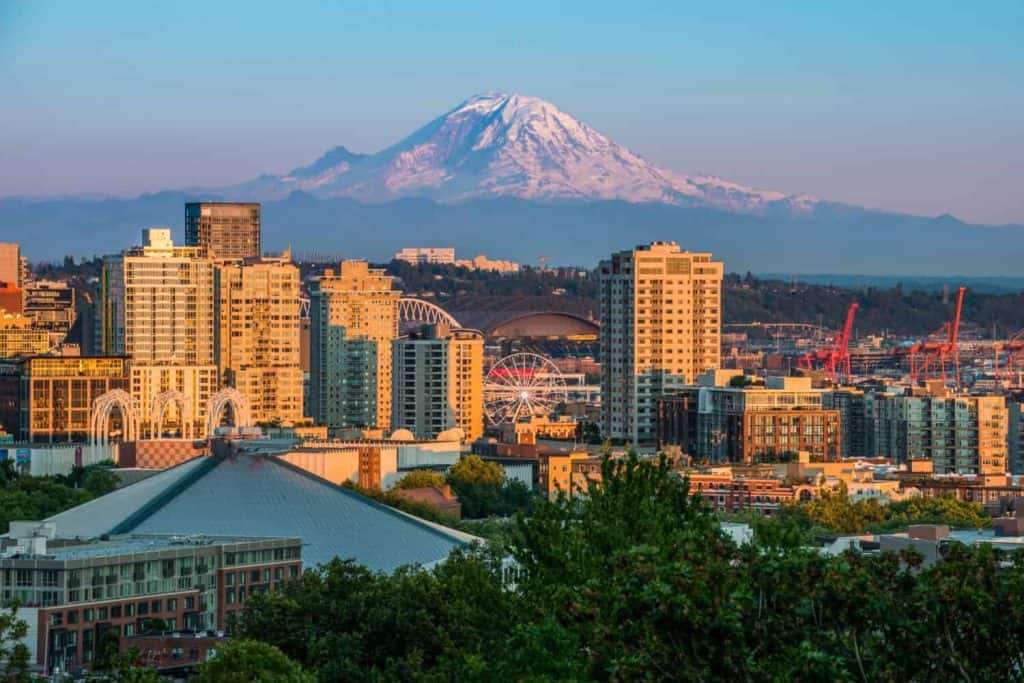
Seattle is the Pacific Northwest’s largest city, and it’s an obvious destination for anyone interested in experiencing the region’s urban side. Between its waterfront, historic neighborhoods, coffee culture, and thriving food scene, there’s enough to keep visitors occupied for several days. The city is known for its technology industry, music history, and recognizable skyline, but Seattle still has plenty of character beyond the Space Needle. Its neighborhoods range from busy commercial districts to quieter residential streets lined with independent businesses and neighborhood cafes. And when the weather cooperates, the views are hard to beat. Elliott Bay, Puget Sound, the Olympic Mountains, and Mount Rainier all contribute to a setting unlike that of most major American cities. Just be prepared for steep hills, changing weather, and a little traffic along the way.
Seattle, Washington (continued)

©Cynthia Liang/Shutterstock.com
First-time visitors should make room for Pike Place Market, the historic public market overlooking Elliott Bay. It’s touristy, sure, but the combination of produce stands, seafood vendors, restaurants, and independent shops makes it worth exploring. Pioneer Square offers a look at Seattle’s earlier history, while Fremont has an assortment of unusual public art, independent businesses, and neighborhood attractions. Families may enjoy the Seattle Aquarium, which expanded with its Ocean Pavilion in 2024, along with the Seattle Center attractions surrounding the Space Needle. If you want to experience the city beyond its best-known landmarks, spend some time in neighborhoods such as Ballard, Capitol Hill, or Columbia City. Each has its own restaurants, shops, and atmosphere, and together they offer a much better picture of Seattle than a quick stop at a single tourist attraction.
Cannon Beach, Oregon
©"Cannon Beach Warm Tones" by Lenny K Photography is licensed under BY 2.0. - Original / License
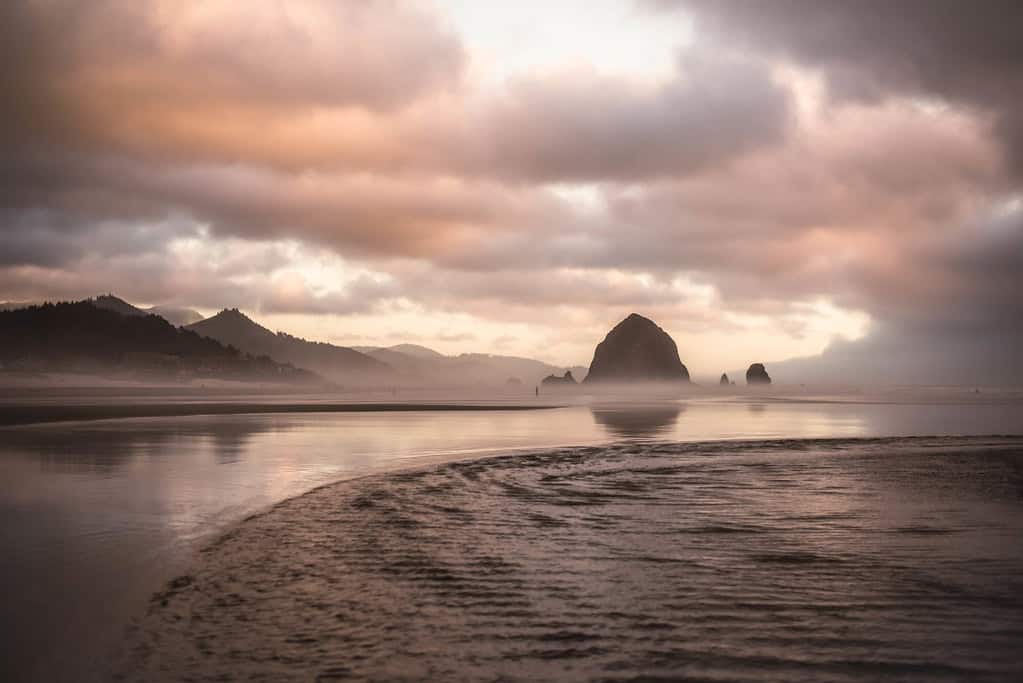
Few places capture the Oregon Coast quite like Cannon Beach. This small coastal community is famous for its broad sandy shoreline, dramatic offshore rock formations, and relaxed atmosphere. Haystack Rock, the enormous sea stack rising from the beach, is easily the town’s most recognizable landmark and one of Oregon’s most photographed natural features. Cannon Beach is especially popular during summer, when families, beachgoers, and weekend travelers arrive to enjoy the scenery. However, don’t expect consistently warm water or traditional beach-resort weather. The Pacific Ocean remains cold throughout the year, and coastal conditions can shift quickly. Fortunately, Cannon Beach is just as enjoyable when the skies are gray, particularly if you appreciate long walks, art galleries, small shops, and restaurants with coastal views. It’s an excellent place to slow down for a day or two.
Cannon Beach, Oregon (continued)
©"Hiking Ecola State Park" by Portland Seminary is licensed under BY-SA 2.0. - Original / License
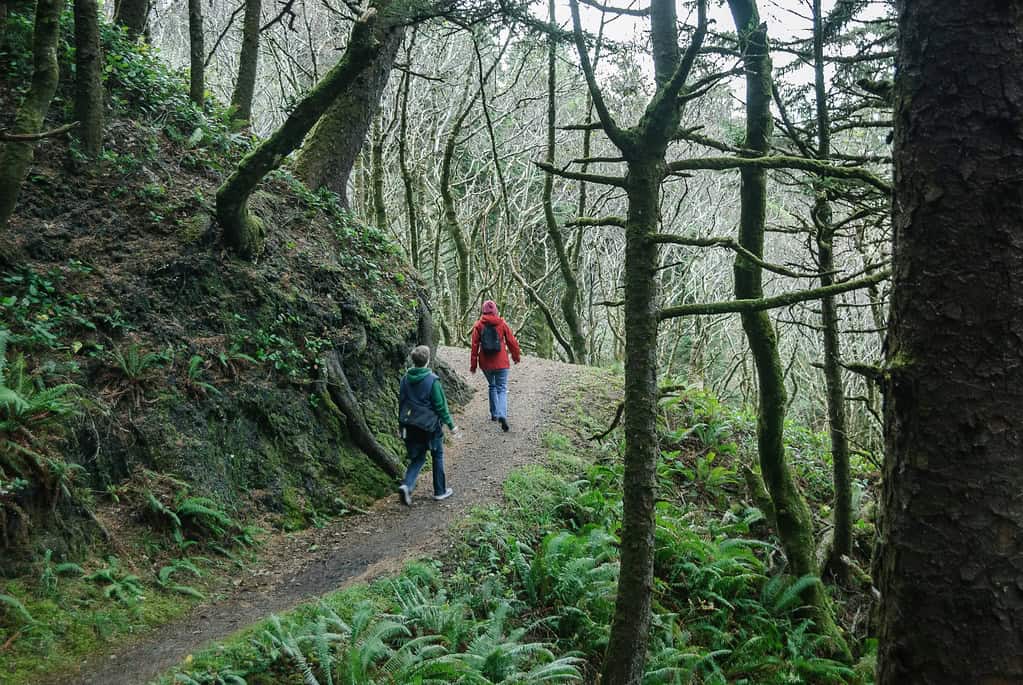
There’s more to Cannon Beach than its famous stretch of sand. Nearby Ecola State Park offers forested hiking trails and sweeping coastal viewpoints, including views toward the historic Tillamook Rock Lighthouse offshore. Back at Haystack Rock, low tide reveals tide pools inhabited by sea stars, anemones, and other marine creatures. The rock is also an important nesting site for tufted puffins during the spring and summer breeding season, although sightings aren’t guaranteed. Visitors should follow posted wildlife protections and avoid disturbing the tide pools. If you’re exploring the beach, check the tide schedule and keep an eye on changing surf conditions. Sneaker waves and strong currents are real hazards along the Oregon Coast. With a little planning, Cannon Beach offers a memorable combination of wildlife watching, coastal scenery, and easygoing small-town charm.
Olympic National Park
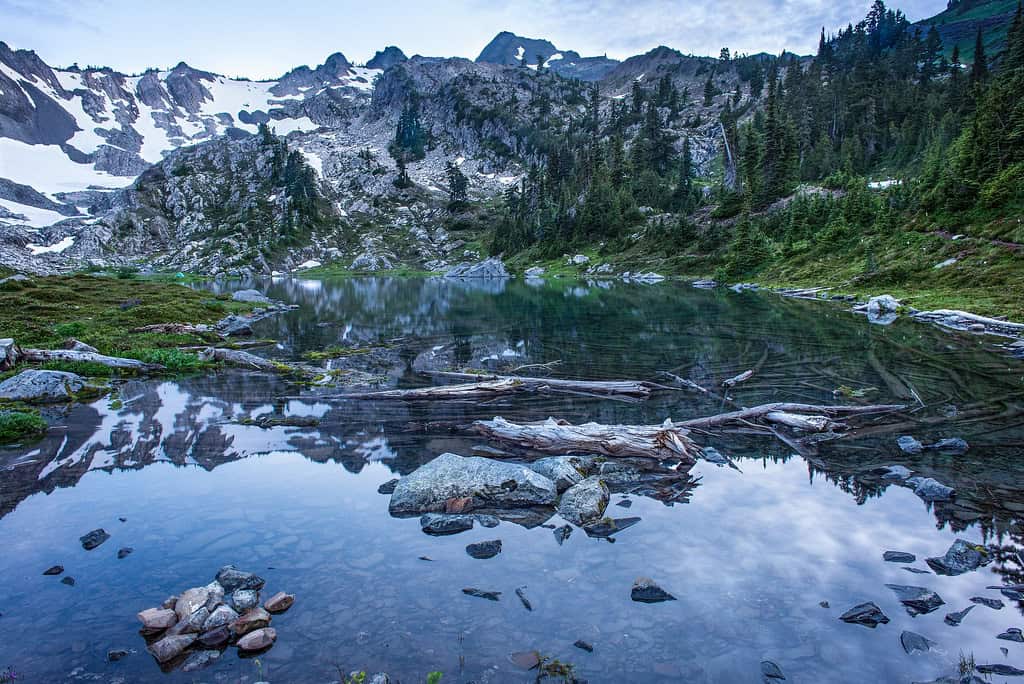
©"Lake of The Angels, Olympic National Park, WA" by nick.mealey is licensed under BY 2.0. - Original / License
Olympic National Park offers an impressive variety of landscapes within a single protected area. Covering nearly one million acres on Washington’s Olympic Peninsula, the park includes temperate rainforests, rugged Pacific coastline, glacier-covered mountains, and extensive old-growth forests. Visitors can spend one day exploring moss-covered trees and another looking out over alpine ridges without leaving the park. Among its best-known destinations are the Hoh Rain Forest, Hurricane Ridge, Lake Crescent, and the wild beaches along the western coast. However, the park is much larger than it appears on a map, and travel between major destinations can take several hours. It’s worth choosing a few areas to explore rather than trying to see everything in one day. Weather, snow, road damage, and seasonal closures can also affect access, so current park conditions should be checked before heading out.
Olympic National Park (continued)
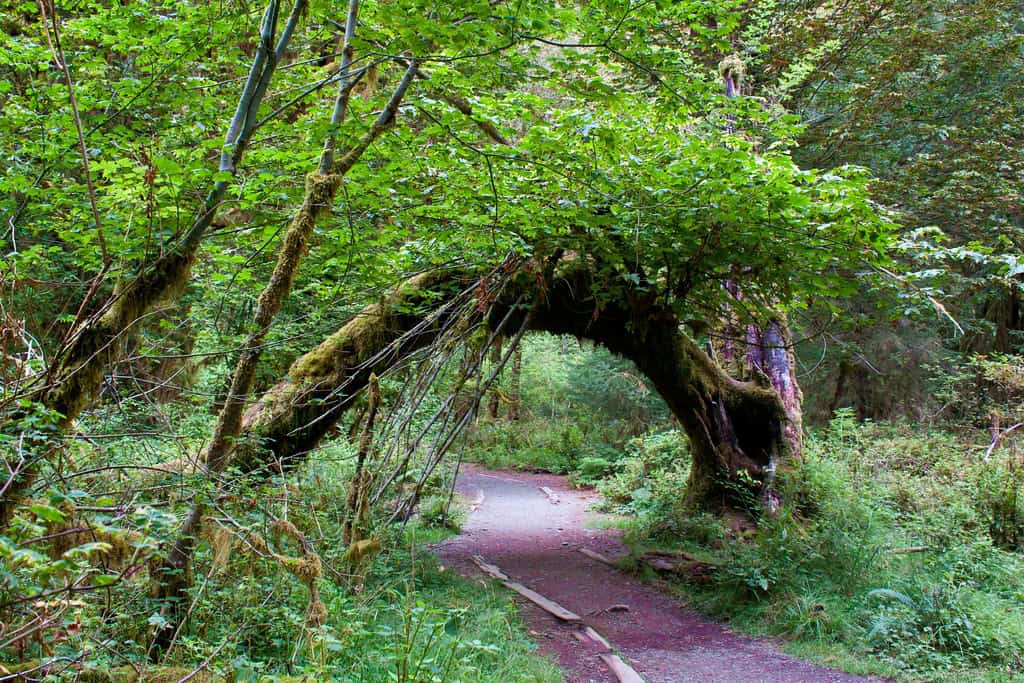
©"Olympic Peninsula - Hoh Rainforest" by abhinaba is licensed under BY 2.0. - Original / License
For a classic Olympic Peninsula experience, start with the Hoh Rain Forest and its Hall of Mosses Trail, where towering trees are draped in thick layers of moss. Lake Crescent offers beautiful waterfront scenery and access to nearby trails, while the Sol Duc Valley is known for its forested landscape, waterfalls, and seasonal hot springs resort. Hurricane Ridge is another standout destination, offering mountain views and hiking opportunities when weather and road conditions allow. More ambitious visitors can explore the park’s wilderness trails, although reaching the summit of Mount Olympus requires a lengthy approach and technical mountaineering experience. Accommodations range from established lodges and campgrounds to nearby communities such as Port Angeles and Forks. Reservations are recommended during busy travel periods, particularly in summer when the park’s most popular areas can become crowded.
San Juan Islands, Washington

©"Orcas Island" by D-Stanley is licensed under BY 2.0. - Original / License
The San Juan Islands are one of Washington’s most appealing destinations for travelers who enjoy coastal scenery, small communities, and a slower pace. Located in the Salish Sea between mainland Washington and Vancouver Island, the archipelago includes hundreds of islands and rocks, although only a handful are served by the Washington State Ferries system. San Juan Island, Orcas Island, Lopez Island, and Shaw Island are among the main ferry destinations. Visitors come for kayaking, hiking, wildlife watching, and the opportunity to explore communities surrounded by water and forest. The islands are also associated with the endangered Southern Resident killer whales, although sightings are never guaranteed and responsible wildlife-viewing practices are essential. Getting between islands takes planning, particularly during summer when ferry demand increases. This is one destination where a little advance preparation makes the whole trip more enjoyable.
San Juan Islands, Washington (continued)
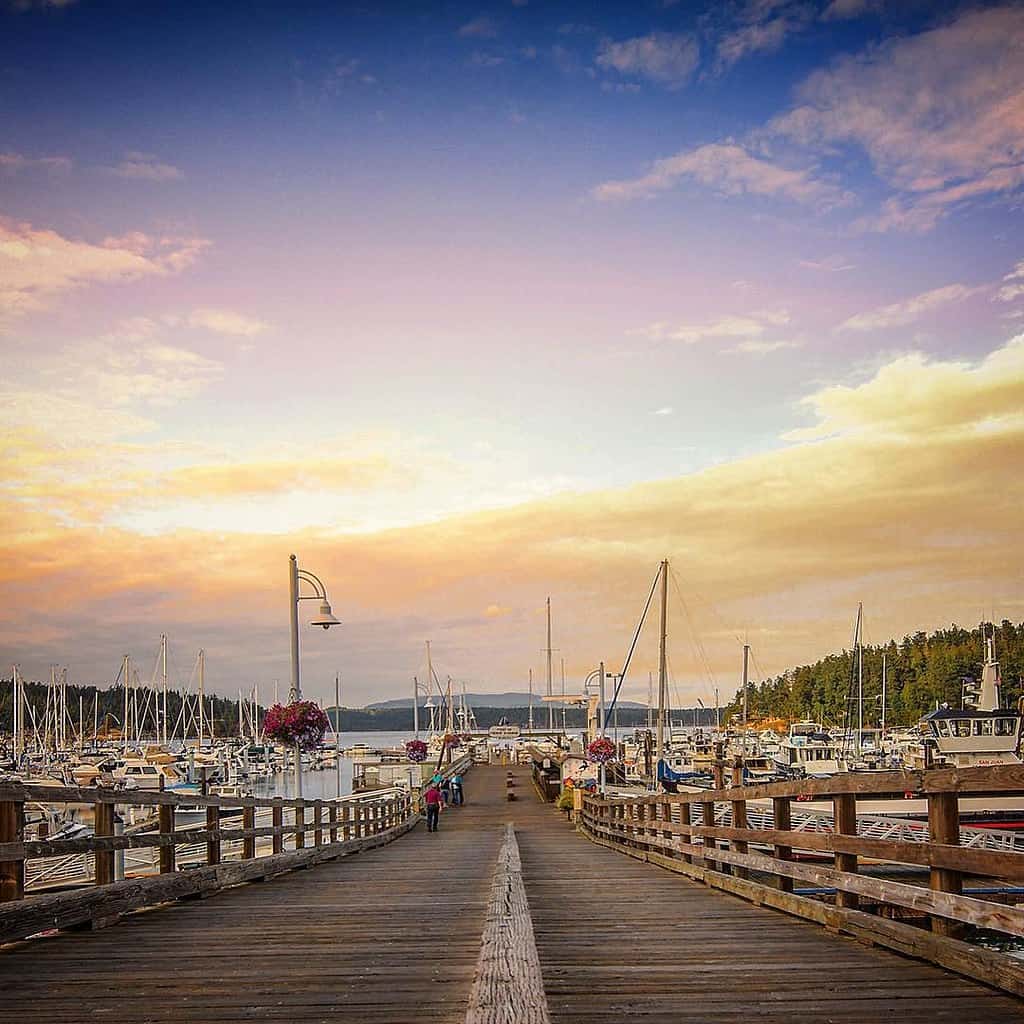
©"Sunset at the Port of Friday Harbor, Marina - Washington, USA" by Alex Beattie is licensed under BY 2.0. - Original / License
Each of the main San Juan Islands has its own personality. Friday Harbor, on San Juan Island, offers restaurants, shops, galleries, and easy access to whale-watching excursions. Orcas Island is known for Moran State Park and Mount Constitution, where visitors can enjoy impressive views across the surrounding islands. Lopez Island has a quieter, rural atmosphere that appeals to cyclists and travelers looking to escape busy tourist destinations. Shaw Island is smaller and has relatively limited visitor services, making advance planning especially important. Lodging options throughout the islands include inns, vacation rentals, resorts, and campgrounds, but accommodations can fill quickly during peak travel months. For a first visit, consider choosing one or two islands rather than trying to rush through all of them. The scenery is best enjoyed when you’ve actually got time to stop and appreciate it.
Portland, Oregon
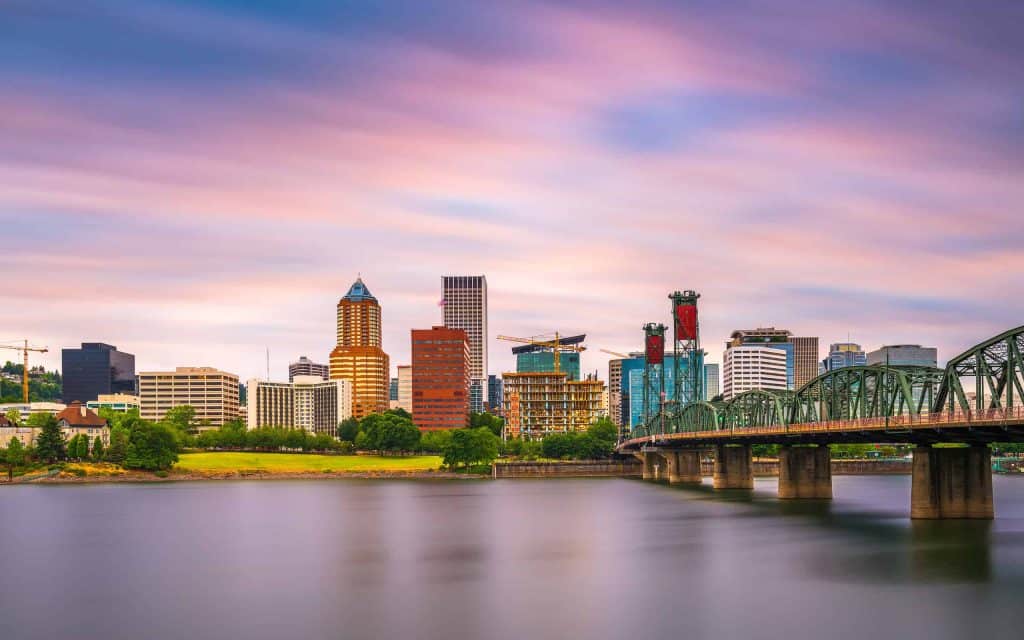
©Sean Pavone/ via Getty Images
Portland offers a different take on Pacific Northwest city life. Known for its independent businesses, creative neighborhoods, food carts, and extensive park system, Oregon’s largest city has plenty to offer travelers interested in culture as much as scenery. The Pearl District features galleries, restaurants, and converted industrial buildings, while the Alberta Arts District is known for colorful murals, shops, and a lively dining scene. Northwest Portland’s Alphabet District offers historic architecture and walkable streets lined with cafes and boutiques. Portland also has an impressive collection of green spaces, including Washington Park and Forest Park, one of the country’s largest urban forest reserves. The city’s reputation for doing things a little differently is well earned, but there’s more here than quirky slogans. From excellent restaurants to beautiful gardens and extensive outdoor recreation, Portland rewards visitors who take time to explore beyond downtown.
Portland, Oregon (continued)
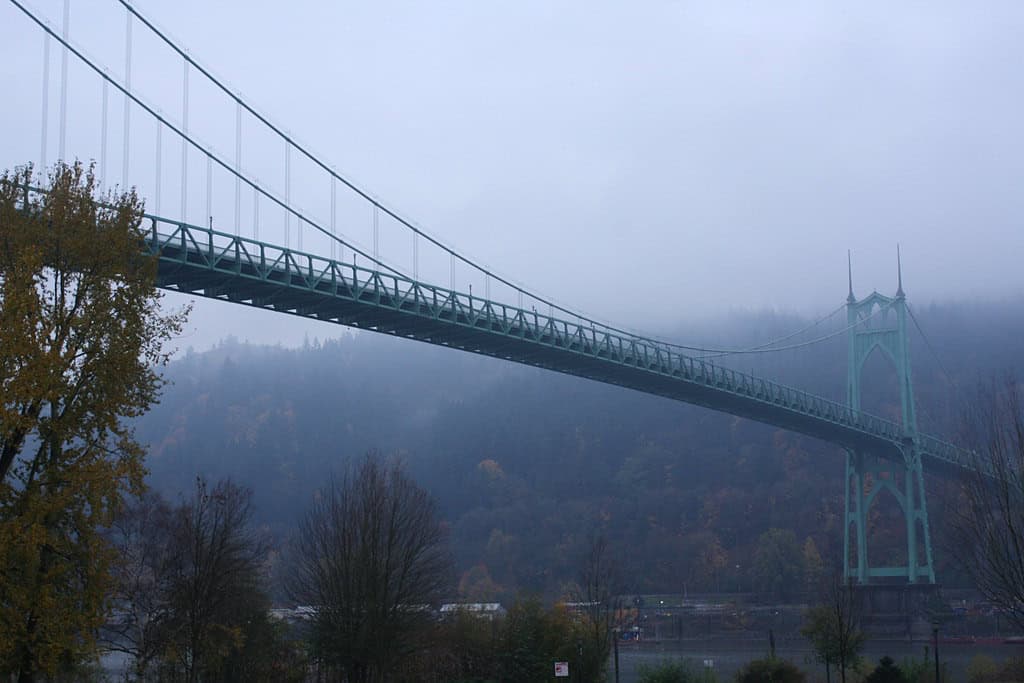
©"fog, st. johns bridge" by brx0 is licensed under BY-SA 2.0. - Original / License
Washington Park is home to several of Portland’s most popular attractions, including the Oregon Zoo, Portland Japanese Garden, and International Rose Test Garden. The Japanese Garden is particularly impressive, with beautifully maintained landscapes designed to provide a peaceful escape from the surrounding city. Food lovers will also find plenty to explore, from neighborhood restaurants to the city’s well-established food cart culture. For a change of pace, head to Sauvie Island, northwest of downtown, where seasonal farm stands, berry picking, and wildlife viewing offer a more rural experience. The island’s agricultural activities vary throughout the year, so check what’s available before visiting. Portland also makes an excellent base for day trips, with the Columbia River Gorge, Willamette Valley, and Mount Hood region all within reach. That flexibility is one of the city’s biggest advantages for travelers.
Mount Rainier, Mount St. Helens, and Mount Hood
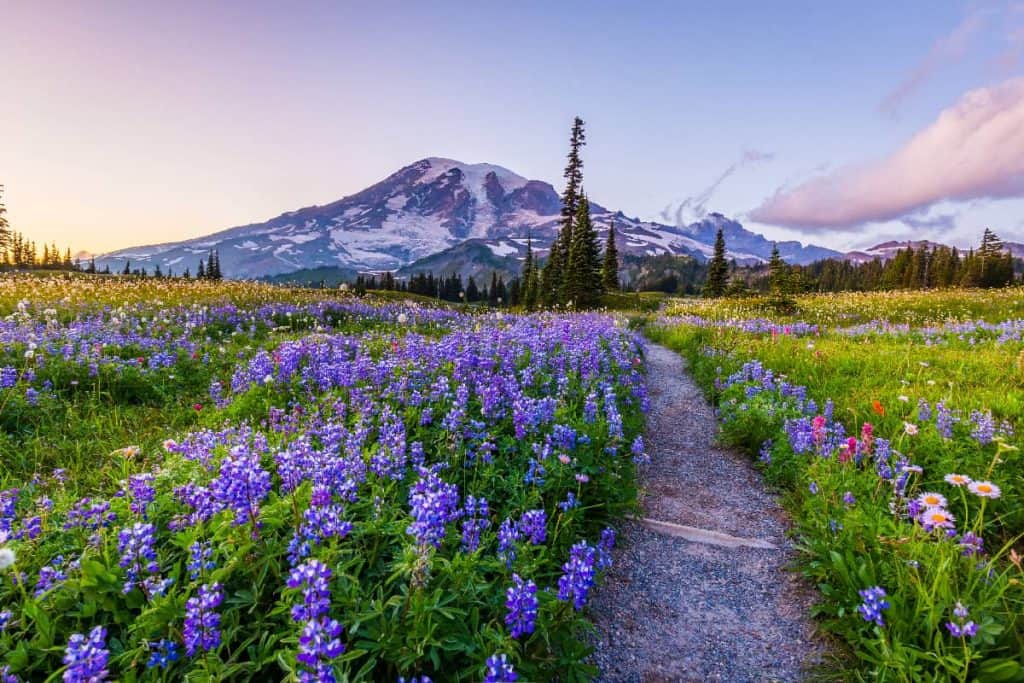
©iStock.com/RomanKhomlyak
You can’t talk about the Pacific Northwest without mentioning its volcanoes, and three of the region’s most recognizable peaks are Mount Rainier, Mount St. Helens, and Mount Hood. Rainier rises more than 14,000 feet above Washington and dominates the landscape around Puget Sound. Mount St. Helens is best known for its catastrophic 1980 eruption, which dramatically reshaped the mountain and surrounding countryside. Across the Columbia River in Oregon, Mount Hood is the state’s highest peak and one of its most popular outdoor destinations. Each offers a different experience, from glacier-covered scenery and alpine wildflowers to volcanic landscapes and year-round recreation. However, don’t assume that visiting these mountains means reaching their summits. Climbing any of them requires serious preparation and appropriate skills, while nearby trails and viewpoints provide plenty of opportunities for less experienced visitors.
Mount Rainier, Mount St. Helens, and Mount Hood (continued)
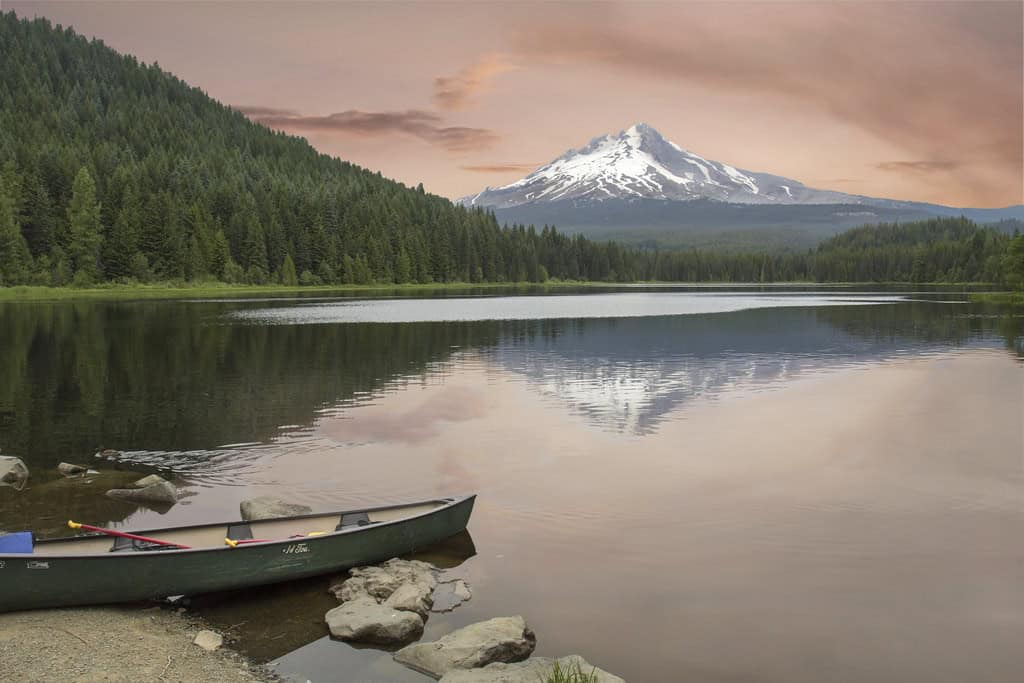
©"Trillium Lake, Oregon" by Bonnie Moreland (free images) is licensed under PDM 1.0. - Original / License
For travelers interested in scenic drives and accessible viewpoints, Mount Rainier National Park offers destinations such as Paradise and Sunrise, although seasonal road conditions affect access. Mount Hood is another excellent choice, with Timberline Lodge, Trillium Lake, and numerous forest trails providing memorable mountain scenery. Mount St. Helens offers a very different landscape, where visitors can see the effects of volcanic activity and the gradual recovery of surrounding forests. Access to Johnston Ridge Observatory has remained restricted following a 2023 landslide, so travelers should check current road and facility conditions before planning a visit. Each mountain is surrounded by forests, hiking opportunities, and smaller communities that make exploring the region especially rewarding. Choosing one as the centerpiece of your trip is often more practical than trying to squeeze all three into a single itinerary.
Bend, Oregon
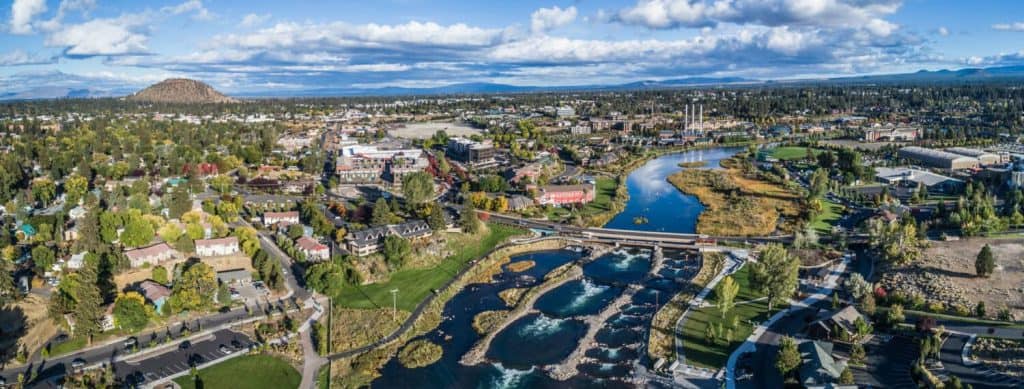
©Mike Albright Photography/Shutterstock.com
Not every Pacific Northwest destination involves rainy forests and misty coastlines. Bend, located in Central Oregon near the eastern slopes of the Cascade Range, offers a completely different landscape. The region sits where the mountains meet Oregon’s high desert, creating a mix of pine forests, volcanic terrain, open landscapes, and dramatic mountain views. Bend has become especially popular with outdoor enthusiasts, thanks to its proximity to hiking trails, mountain biking routes, ski areas, and the Deschutes River. Its sunny climate also makes it appealing to visitors looking for a change from the wetter western side of the state. However, the high-desert setting comes with significant temperature swings, and winters can be cold and snowy. Whether you’re interested in skiing, hiking, or simply enjoying the scenery, Bend makes a great base for exploring Central Oregon.
Bend, Oregon (continued)
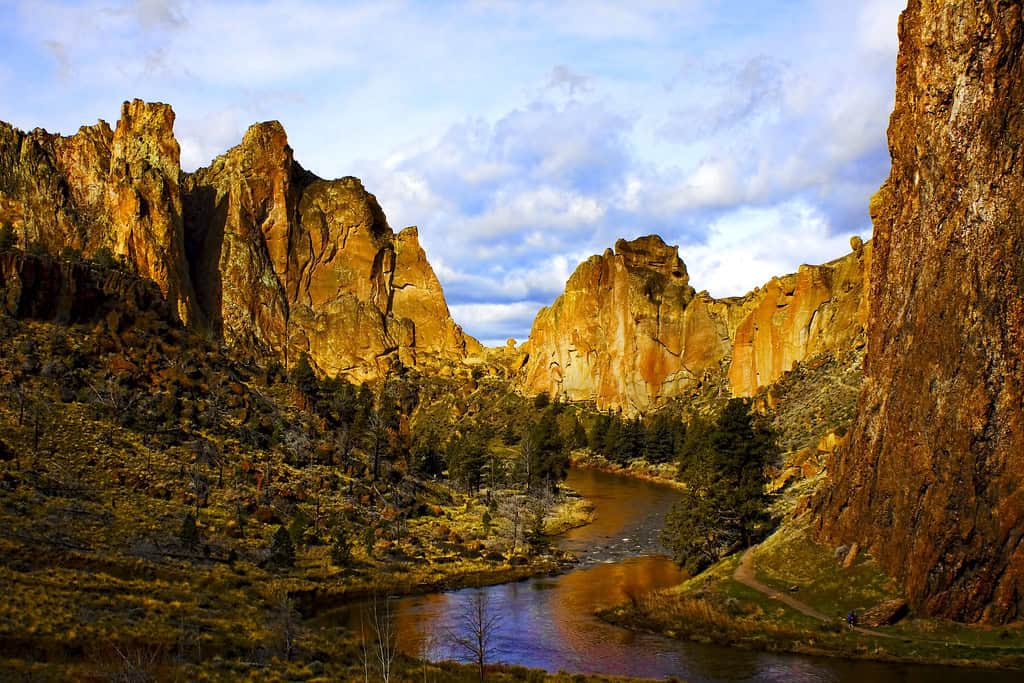
©"Smith Rock" by stokes rx is licensed under BY-ND 2.0. - Original / License
Bend’s outdoor attractions are a major part of its appeal. Smith Rock State Park, located north of the city, is famous for its towering rock formations and world-class climbing routes, although visitors can also enjoy hiking trails with impressive views. The nearby Three Sisters mountains and Mount Bachelor offer additional opportunities for outdoor recreation, while the Deschutes River Trail provides a scenic way to explore parts of Bend itself. Pilot Butte, an ancient volcanic cinder cone within the city, rewards visitors with panoramic views of the surrounding landscape. When you’re ready to take a break from hiking, Bend has a thriving craft beer scene, restaurants, shops, and plenty of places to relax. With so many different activities within a relatively short drive, it’s easy to understand why Central Oregon has become a popular destination for outdoor-focused vacations.
There’s Plenty More to Explore
©iStock.com/RomanKhomlyak
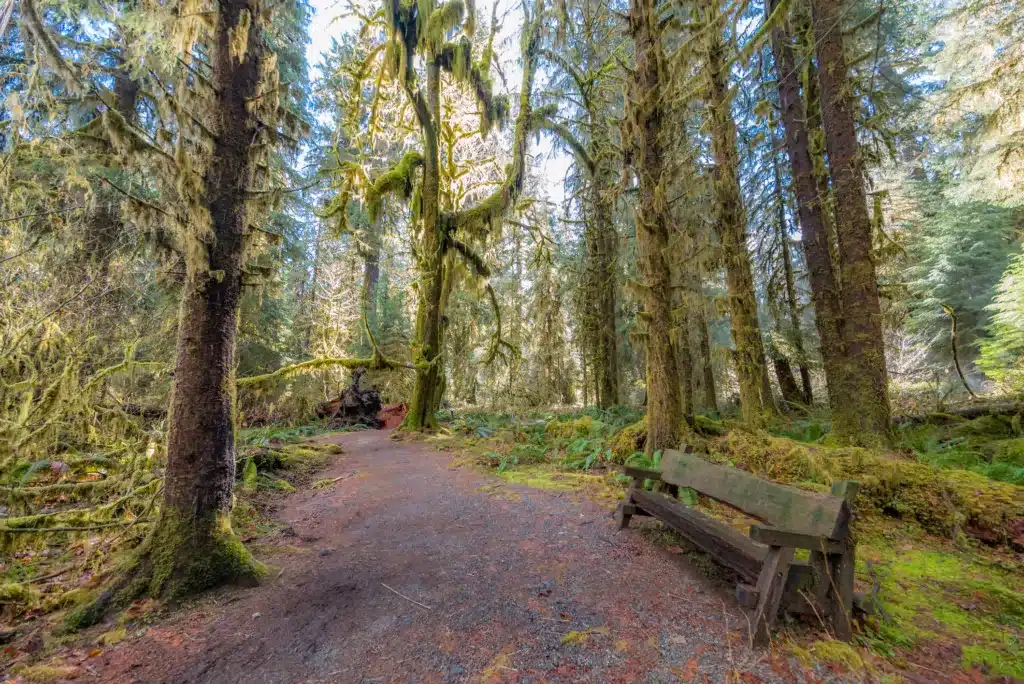
Nine destinations barely scratch the surface of what Washington and Oregon have to offer. There are countless smaller coastal communities, mountain towns, forests, lakes, and state parks that could easily justify their own vacation. And that’s before expanding the trip into Idaho, British Columbia, or the rest of the broader Pacific Northwest. The best approach is to decide what interests you most and build your itinerary around it. If you’re drawn to dramatic scenery, focus on the mountains and coast. If food, culture, and neighborhoods are more your style, spend some time in Seattle or Portland. Or mix a little of both. You don’t need to see everything in one trip, and frankly, you probably couldn’t even if you tried. That’s part of what makes the Pacific Northwest worth coming back to.

