
Early aviation was a pretty remarkable business. Engineers were experimenting with designs that sometimes looked more like oversized kites than airplanes, while pilots were taking enormous risks to prove that powered flight could become a practical way to travel. Some of those early aircraft disappeared almost as quickly as they arrived. Others were so successful that examples are still around more than a century later.
From a fragile French monoplane that helped change aviation history to World War II fighters and surprisingly durable passenger aircraft, these seven airplanes have stood the test of time. Some remain airworthy, while others have been carefully preserved for visitors to appreciate. Here’s a look at the aircraft, the history behind them, and where their stories stand today.
1. Blériot XI: A Pioneer of Powered Flight

©Jiri Krajicek/Shutterstock.com
Introduced in 1909, the Blériot XI was among the aircraft that helped prove powered flight was more than an expensive experiment. Developed by French aviation pioneer Louis Blériot with significant contributions from engineer Raymond Saulnier, the small monoplane used a wooden framework, fabric-covered wings, and a relatively simple engine arrangement. Compared with the biplanes common during aviation’s earliest years, its single-wing design was an important step toward the airplanes we recognize today. The Blériot XI became internationally famous on July 25, 1909, when Blériot flew one across the English Channel from France to England. The flight took approximately 37 minutes and made him the first person to cross the Channel in a powered airplane. It was an extraordinary accomplishment at a time when aviation was still in its infancy.
Blériot XI (continued)

©"Bleriot XI on air @ Ljungbyhed 07" by Håkan Dahlström from Helsingborg, Sweden is licensed under BY 2.0. - Original / License
Remarkably, surviving Blériot XI aircraft can still take to the skies. Old Rhinebeck Aerodrome in New York maintains an original 1909 example that is recognized as the oldest flying aircraft in the Americas. The airplane returned to flight in 2025 after an extensive restoration, continuing a long tradition of preserving early aviation through demonstrations. Another historic Blériot XI survives in airworthy condition at the Shuttleworth Collection in England and is considered slightly older than the Rhinebeck example. These aircraft aren’t flown like modern recreational airplanes. Their delicate construction, limited power, and unusual handling characteristics mean flights are carefully managed, often involving short hops rather than extended journeys. Even so, watching a machine from aviation’s earliest years lift off the ground is a pretty extraordinary reminder of how far aircraft technology has come.
2. Junkers Ju 52: Germany’s Historic Airliner

©Joanna Zaleska/Shutterstock.com
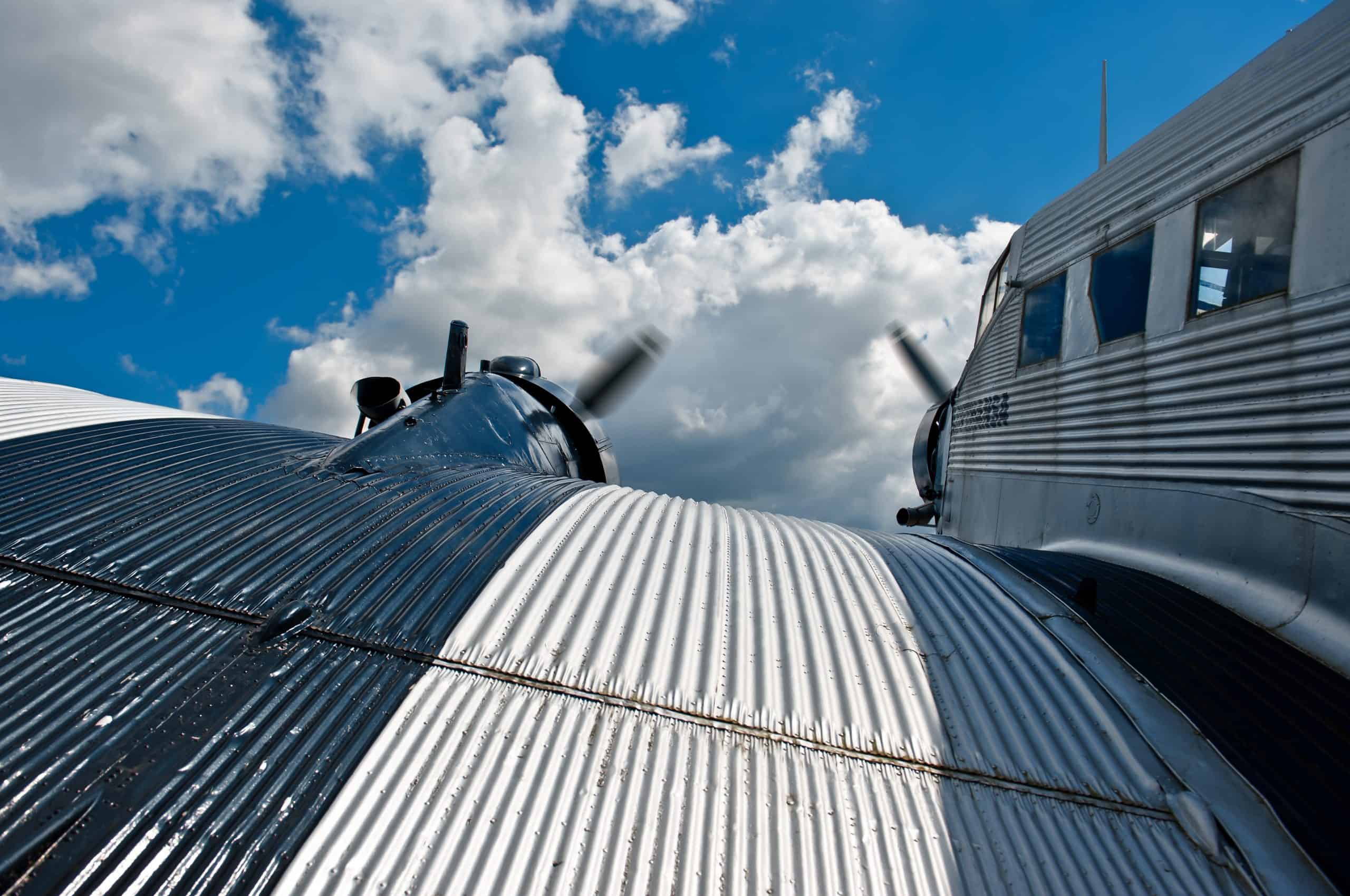
The Junkers Ju 52 was one of Germany’s most recognizable aircraft of the 1930s and 1940s. First flown in 1930, the type became particularly well known in its three-engine configuration, with a distinctive corrugated metal exterior that made it immediately recognizable. Nicknamed “Tante Ju,” or “Aunt Ju,” the airplane earned a reputation for rugged construction and dependable performance. German airline Lufthansa used the aircraft for passenger services, while other operators employed it for transportation and cargo operations. During World War II, the Ju 52 became an important military transport aircraft for Nazi Germany, carrying troops and supplies and supporting airborne operations. Its military history was extensive, but the aircraft also represented an important stage in the development of commercial air travel. Several examples survived the war and later entered preservation collections or continued flying under civilian ownership.
Junkers Ju 52 (continued)
©"Ju52 100831" by Stefan Krause, Germany is licensed under BY 3.0. - Original / License
For decades, Lufthansa operated a restored Ju 52 registered D-AQUI on sightseeing flights, giving passengers the rare opportunity to experience aviation from another era. However, those flights ended in 2018, and the aircraft was subsequently retired from flying operations. In October 2025, Lufthansa moved the historic airplane to its new Conference and Visitor Center at Frankfurt Airport, where it was prepared for permanent public display beginning in 2026. That makes it an important surviving example of the type, even though it is no longer available for passenger flights. Other Ju 52 aircraft are preserved in aviation museums, including examples associated with Switzerland’s historic aviation community. The aircraft’s unmistakable appearance and long operating history have helped make it one of the most recognizable European transport airplanes of the 20th century.
3. Douglas DC-3: The Airliner That Changed Aviation

©Pi-Lens/Shutterstock.com
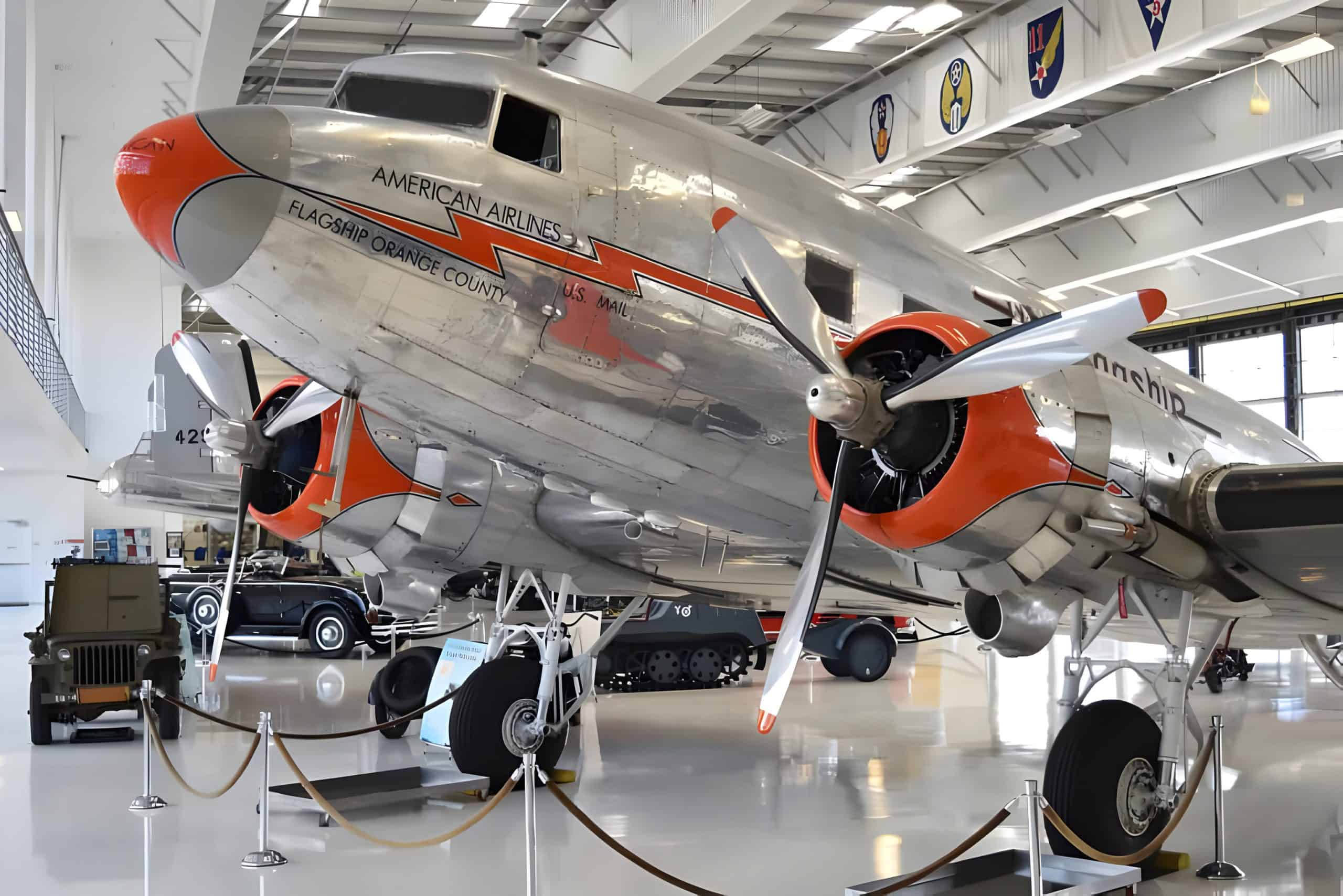
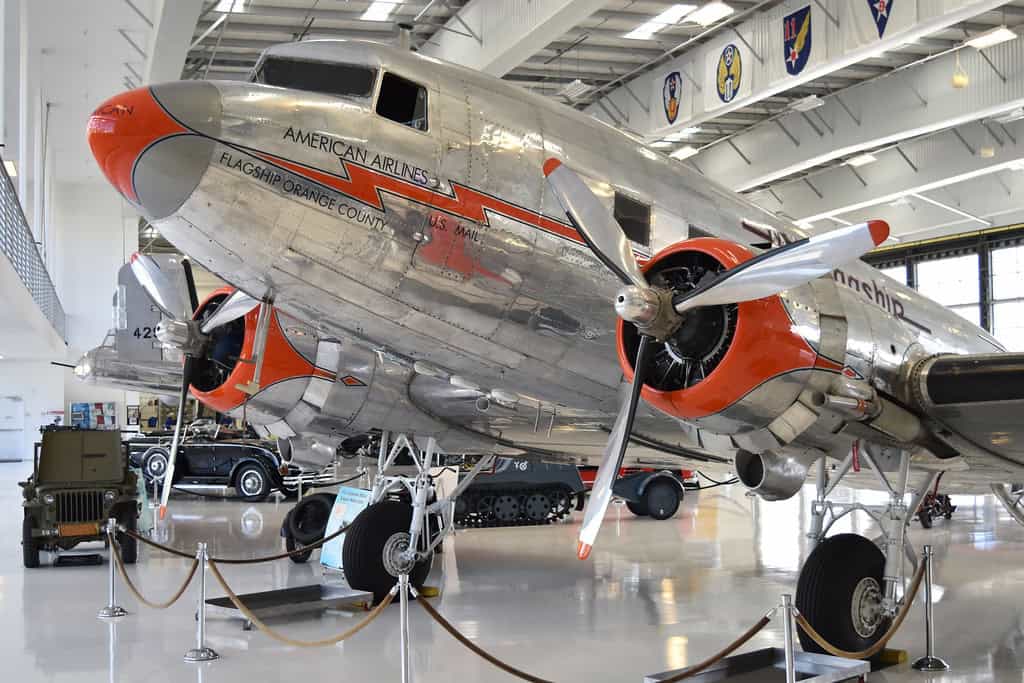
Few aircraft have influenced commercial aviation as much as the Douglas DC-3. Its earliest variant, the Douglas Sleeper Transport, made its first flight on December 17, 1935, and the passenger version soon became one of the world’s most successful airliners. The DC-3 could carry approximately 21 passengers in relative comfort while offering airlines a combination of speed, reliability, and operating efficiency that earlier aircraft struggled to match. Its real achievement wasn’t simply flying long distances. According to the Smithsonian’s National Air and Space Museum, the DC-3 became the first airliner capable of operating profitably through passenger fares without relying on government subsidies. That helped make scheduled air travel a sustainable business. The aircraft’s sturdy construction and dependable twin-engine design also made it adaptable to other roles, laying the groundwork for one of the longest operational careers in aviation history.
Douglas DC-3 (continued)
©"Douglas DC-3 ‘NC16005’ “Flagship Orange County”" by HawkeyeUK is licensed under BY-SA 2.0. - Original / License
The DC-3’s usefulness extended far beyond commercial passenger service. Military variants, particularly the C-47 Skytrain, played a major role during World War II, transporting troops and supplies and supporting operations such as the Normandy invasion. After the war, large numbers of surplus aircraft entered civilian service around the world. Remarkably, some DC-3s and related variants continue flying decades after their original construction, serving specialized transportation, cargo, heritage, and demonstration roles. Modern maintenance requirements and the availability of replacement parts can make operating these aircraft challenging, but their basic design has proven exceptionally durable. Aviation museums also preserve numerous examples, including an Eastern Air Lines DC-3 at the Smithsonian’s National Air and Space Museum. For aviation enthusiasts, the DC-3 remains a reminder of the aircraft that helped turn passenger flying into an everyday form of transportation.
4. Boeing B-17 Flying Fortress: World War II’s Famous Bomber

©Ivan Cholakov/Shutterstock.com
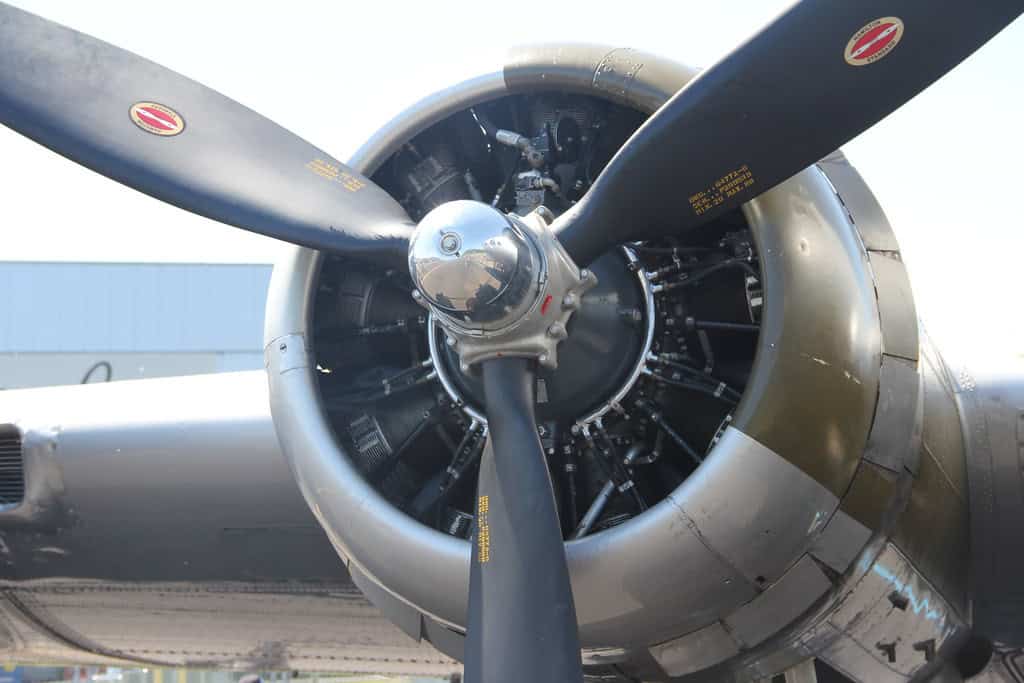
The Boeing B-17 Flying Fortress became one of the most recognizable American military aircraft of World War II. Its prototype, known as the Boeing Model 299, made its first flight from Boeing Field in Seattle on July 28, 1935. Designed as a four-engine heavy bomber, the B-17 combined substantial range, a sizable bomb load, and multiple defensive machine guns. It became particularly important during the Allied strategic bombing campaign against Nazi Germany, with American crews flying dangerous daylight missions over occupied Europe. The aircraft earned a reputation for durability, and photographs of badly damaged B-17s returning from combat helped reinforce that image. However, the bomber’s operational history also involved tremendous losses among aircrews. The Flying Fortress became a symbol of American airpower during the war, while its crews faced some of the most hazardous conditions experienced by Allied military aviators.
Boeing B-17 Flying Fortress (continued)
©"Boeing B-17 'Aluminium Overcast'" by Clemens Vasters is licensed under BY 2.0. - Original / License
Thousands of B-17s were built during the war, but only a relatively small number survive today. Some are displayed in aviation museums, while a handful have been restored to flying condition by organizations dedicated to preserving military aviation history. Maintaining an aircraft of this age is a major undertaking, requiring specialized mechanical expertise, extensive inspections, and access to increasingly scarce components. Flying examples have appeared at airshows and commemorative events, providing opportunities for visitors to see and hear the massive four-engine bomber in operation. However, the number of airworthy aircraft can change as individual planes enter maintenance or restoration. Historical displays and aviation museums provide more dependable opportunities to examine surviving B-17s up close. These aircraft serve as important reminders of the engineering achievements and human sacrifices associated with the air war over Europe.
5. Supermarine Spitfire: Britain’s Famous Fighter

©kentaylordesign/Shutterstock.com
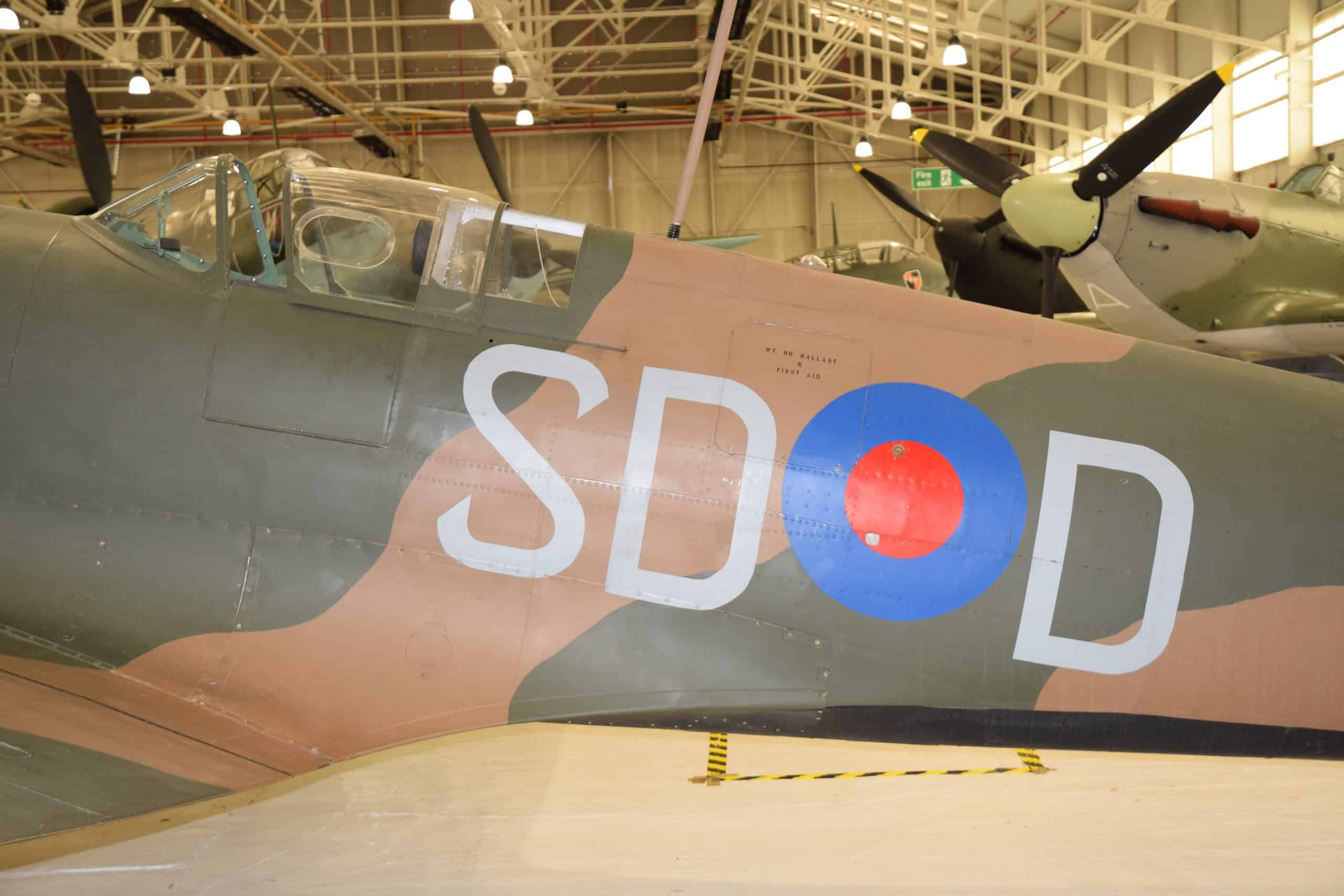
The Supermarine Spitfire is one of the most celebrated fighter aircraft ever built. Designed under the leadership of British engineer R.J. Mitchell, the Spitfire prototype made its first flight on March 5, 1936. Its streamlined design, distinctive elliptical wings, and powerful engine helped make it an effective fighter as tensions in Europe escalated toward World War II. The aircraft became especially famous during the Battle of Britain in 1940, when Royal Air Force pilots defended British airspace against attacks by Germany’s Luftwaffe. Although the Hawker Hurricane accounted for a substantial share of the fighting, the Spitfire became an enduring symbol of Britain’s resistance. The aircraft continued evolving throughout the war, with improved engines, armament, and performance. More than 20,000 Spitfires were built across its various versions, making it one of the most significant fighter aircraft in British military history.
Supermarine Spitfire (continued)
©"File:Supermarine Spitfire F I (50100396898).jpg" by Hugh Llewelyn from Keynsham, UK is licensed under BY-SA 2.0. - Original / License
Unlike many historic military aircraft, a number of restored Spitfires remain airworthy and continue appearing at aviation events. Britain is particularly well known for preserving the aircraft through museum collections, heritage organizations, and commemorative flying programs. In March 2026, the Royal Air Force marked the 90th anniversary of the Spitfire’s first flight with a series of special commemorative activities, including flights involving a two-seat Spitfire painted to resemble the original prototype. Other surviving aircraft are maintained in museums, allowing visitors to examine the design that became so closely associated with World War II. Keeping a Spitfire flying requires significant maintenance and investment, and individual aircraft may spend extended periods undergoing restoration or inspection. Even so, the sight and unmistakable sound of a Merlin-powered Spitfire remain among aviation’s most recognizable experiences.
6. Piper J-3 Cub: The Little Airplane That Trained Thousands

©Margo Harrison/Shutterstock.com
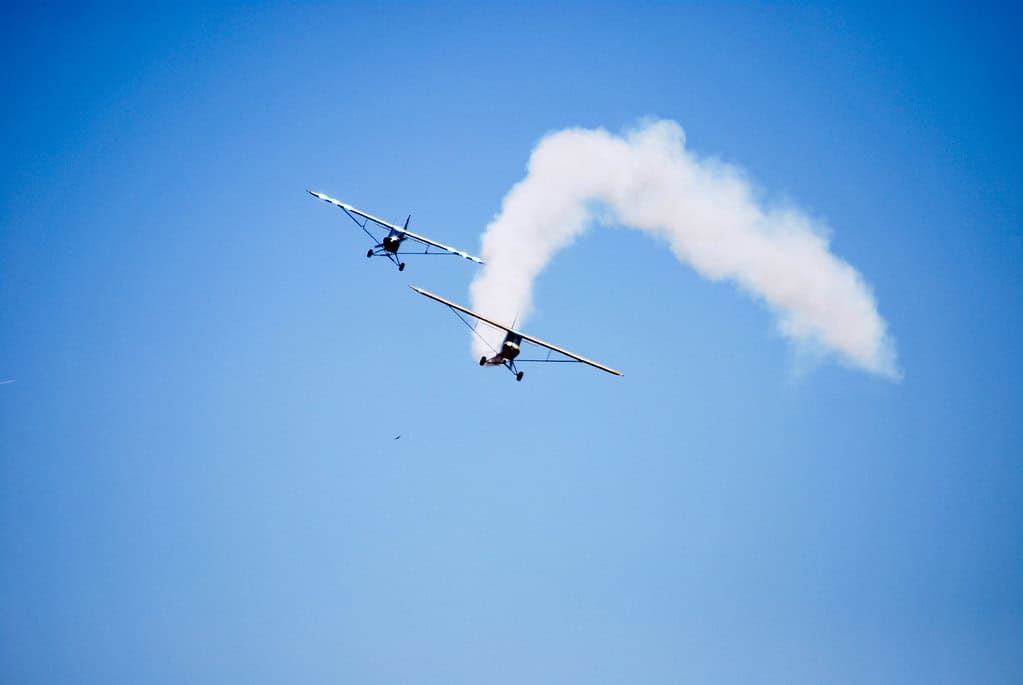
The Piper J-3 Cub proved that an airplane didn’t need to be large, powerful, or especially complicated to become successful. Introduced in the late 1930s, the small, high-wing aircraft became one of America’s most recognizable light airplanes. Its simple construction, modest operating costs, and forgiving handling characteristics made it particularly attractive to private pilots and flying schools. The J-3 was also immediately recognizable for its bright yellow paint scheme, which became closely associated with the Cub name. During the years leading up to World War II, thousands of American pilots learned to fly in Cubs through civilian training programs. The aircraft’s influence continued during the war, when military versions served as liaison and observation airplanes. While it was never intended to compete with faster or more sophisticated aircraft, the Cub became an important part of aviation history by making flying more accessible to ordinary people.
Piper J-3 Cub (continued)
©"Piper J-3 Cub" by flxhne is licensed under BY-SA 2.0. - Original / License
Nearly nine decades after its introduction, the Piper J-3 Cub remains popular among recreational pilots and vintage aviation enthusiasts. Many examples survive in private ownership, and the design is still frequently seen at small airports, fly-ins, and aviation events. The aircraft’s simple controls and low-speed flying characteristics offer a very different experience from modern general aviation airplanes. However, operating a vintage Cub still requires proper training, maintenance, and an understanding of its limitations. The Smithsonian’s National Air and Space Museum preserves a 1941 example, reflecting the type’s importance in American aviation history. Its influence also extends to later light aircraft and modern Cub-inspired designs. For pilots who appreciate uncomplicated flying, the J-3 remains a favorite, proving that sometimes a relatively simple design can enjoy an extraordinarily long life.
7. Air Inuit Boeing 737-200: A Remarkably Durable Jet

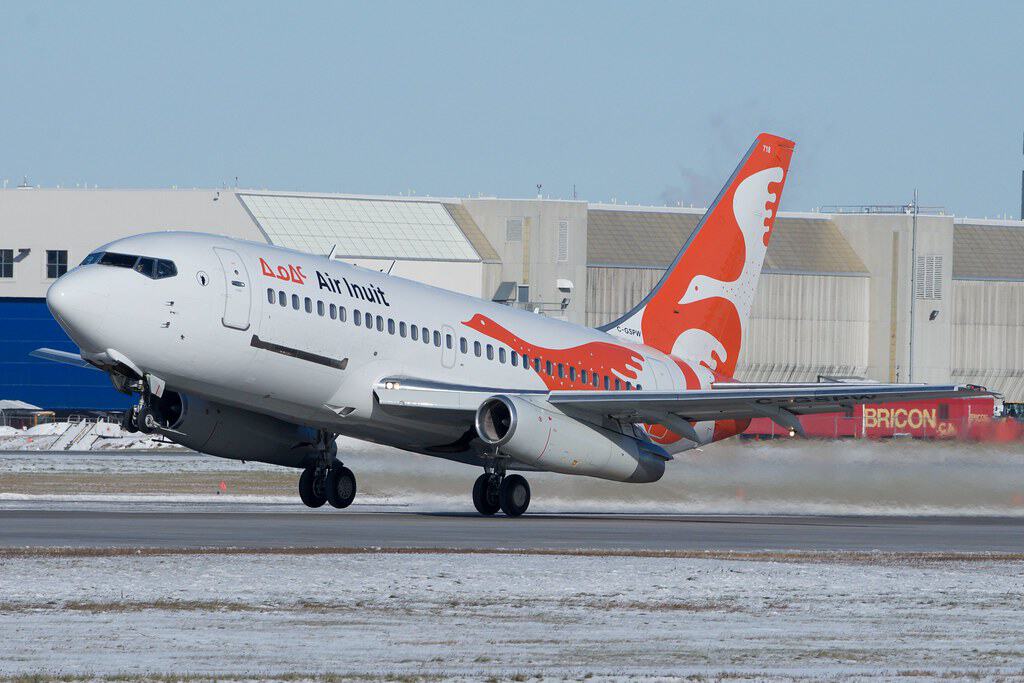
Compared with the early aircraft on this list, a Boeing 737 from the late 1970s might not seem particularly old. But in commercial aviation, a jet that has remained in service for more than four decades is an unusual survivor. Canadian airline Air Inuit operates Boeing 737-200C aircraft to support transportation across northern Quebec and other remote regions. One example, registered C-GAIG, was originally delivered in 1979 and later joined Air Inuit’s fleet in 2007. The 737-200’s rugged design and adaptable passenger-cargo configurations have made it particularly useful in areas where transportation infrastructure can be limited. Air Inuit’s aircraft also support operations at certain gravel runways, a capability not shared by many newer commercial jets. That combination of durability and specialized usefulness helps explain why some of these older Boeing aircraft have remained in service for so long.
Air Inuit Boeing 737-200 (continued)
©"ᐃᓄᐃᑦ Air Inuit Boeing 737-200C C-GSPW" by BriYYZ is licensed under BY-SA 2.0. - Original / License
Air Inuit continues to list the Boeing 737-200C as part of its fleet, alongside newer 737 variants and smaller aircraft designed for northern operations. The airline uses these airplanes to move passengers and cargo in a region where air transportation is essential for connecting remote communities. The older 737-200C’s ability to operate on suitable gravel runways is especially valuable, although its age requires ongoing maintenance and careful operational oversight. Fleet records available in 2026 continue to identify C-GAIG among Air Inuit’s aircraft, more than 45 years after its original construction. The airline has also introduced newer Boeing 737-800 aircraft as part of its fleet modernization efforts. While newer jets offer advantages in efficiency and technology, the continued use of the 737-200 demonstrates how specialized operating conditions can keep older aircraft relevant long after most airlines have retired them.

