
The Pacific Northwest has some of the most incredible scenery in all of North America. From cascading peaks and glacial lakes to ancient forests and valleys carved by ice over thousands of years, the landscapes alone are enough to leave you speechless.
But scattered across Washington, Oregon, and Idaho are a handful of towns that don’t quite fit. Places with such a distinct atmosphere that you feel like you took a wrong turn somewhere and ended up on a different continent entirely.
Here are seven Pacific Northwest mountain towns that will make you feel like you’ve crossed more than just a state line.
Leavenworth, Washington
©"Leavenworth, Washington" by The Gidinski is licensed under BY 2.0. - Original / License
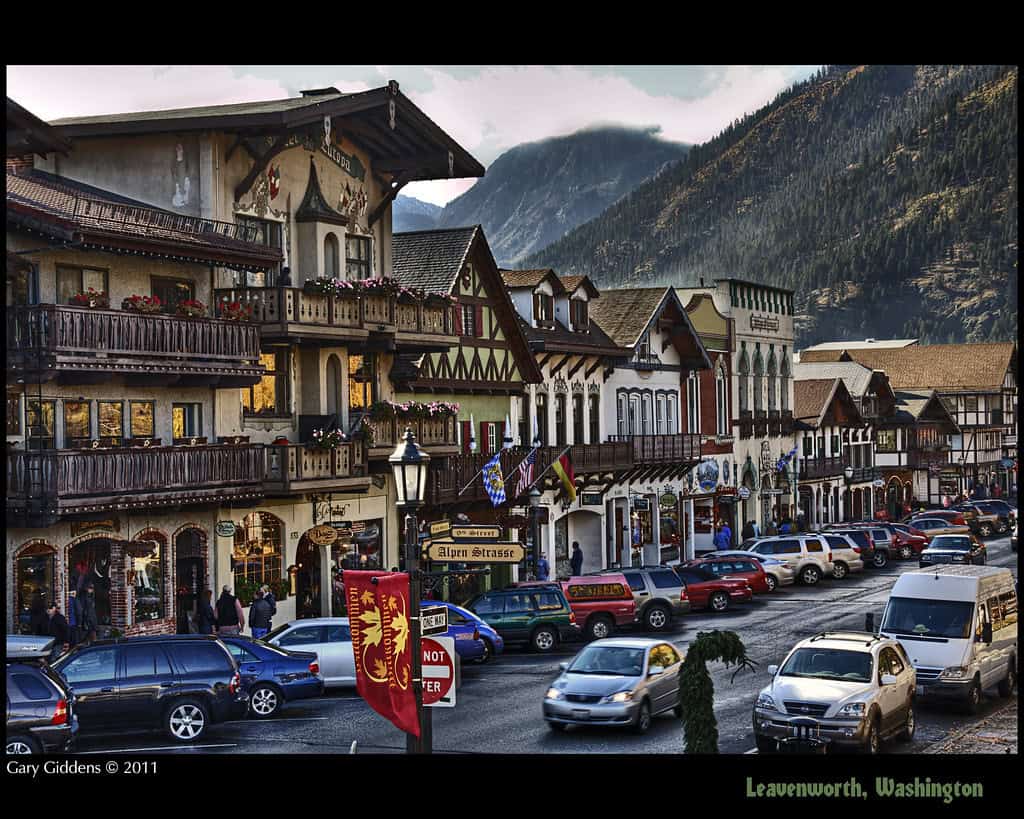
Coming through the eastern Cascades on Highway 2 and emerging into a breathtaking valley to find flower boxes, painted balconies, and Gothic-script signage will leave you wondering if someone airlifted a corner of rural Bavaria and dropped it into central Washington. The smell of bratwurst as you walk along Leavenworth’s pedestrian-only main street will leave you with a warmth that’s hard to shake.
That feeling didn’t happen by accident. In the 1960s, a dying logging town realised that its alpine surroundings were remarkably similar to something you’d find in Germany and decided to lean into it. They hired architects, rewrote building codes, and established a design review board that still governs every new structure to this day in order to ensure new buildings have that Bavarian feel to them.
Leavenworth now takes in over three million visitors every year and has also become well-known for its food, wines and craft beer. In the winter, you’ll find a light display that covers the entire village, boasting more than half a million lightbulbs against the scenic backdrop of the snow-capped peaks. What may have seemed like a far-fetched idea at first, paid off.
Hood River, Oregon
©"Hood River Lavender Farm" by Kayaker Bill is licensed under BY 2.0. - Original / License
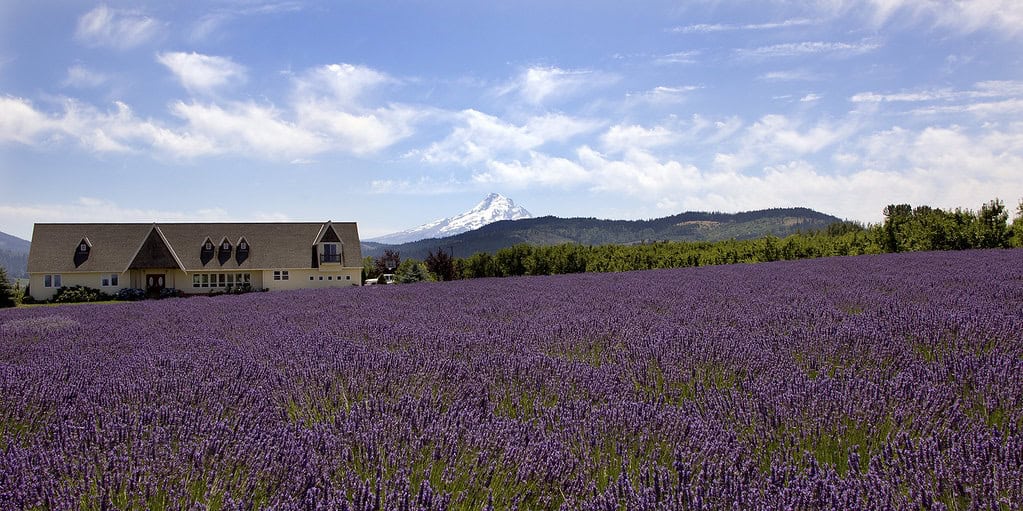
Tucked into the Columbia River Gorge with Mount Hood rising to the south, Hood River could easily be mistaken for a European river town. Its orchard-covered hillsides pair beautifully with the working waterfront and mountains.
These orchards are planted above the town. They bloom white during springtime and carry fruit throughout the summer. Paired with Hood River’s permanent snowfields, the town really is a sight to behold. The Fruit Loop, a 35-mile drive through orchards, cideries, and vineyards with the mountain as a constant backdrop, is reason enough to visit on its own.
The weather conditions have been highly influential in shaping the town’s character. The Gorge’s consistent winds attracted windsurfers seeking adventure back in the 1980s, who settled in the town and built a community that has never left. They opened gear shops, craft breweries, and farm-to-table restaurants, turning a quiet farming town into one of the most livable and visited communities in the Pacific Northwest.
Lynden, Washington
©"Lynden, Washington - Front Street 04" by Joe Mabel is licensed under BY-SA 4.0. - Original / License
Lynden sits in the broad Nooksack Valley near the Canadian border. Mount Baker rises to the southeast, with flat dairy farmland stretching in every direction. The permanently snow-capped peak on the horizon makes it easy to forget you’re in Washington.
While the town was originally built by Norwegian settlers, Dutch immigrants began arriving en masse in the early 20th century and gradually made it their own. By mid-century, even the local churches, which had long held services in Norwegian, had switched to Dutch.
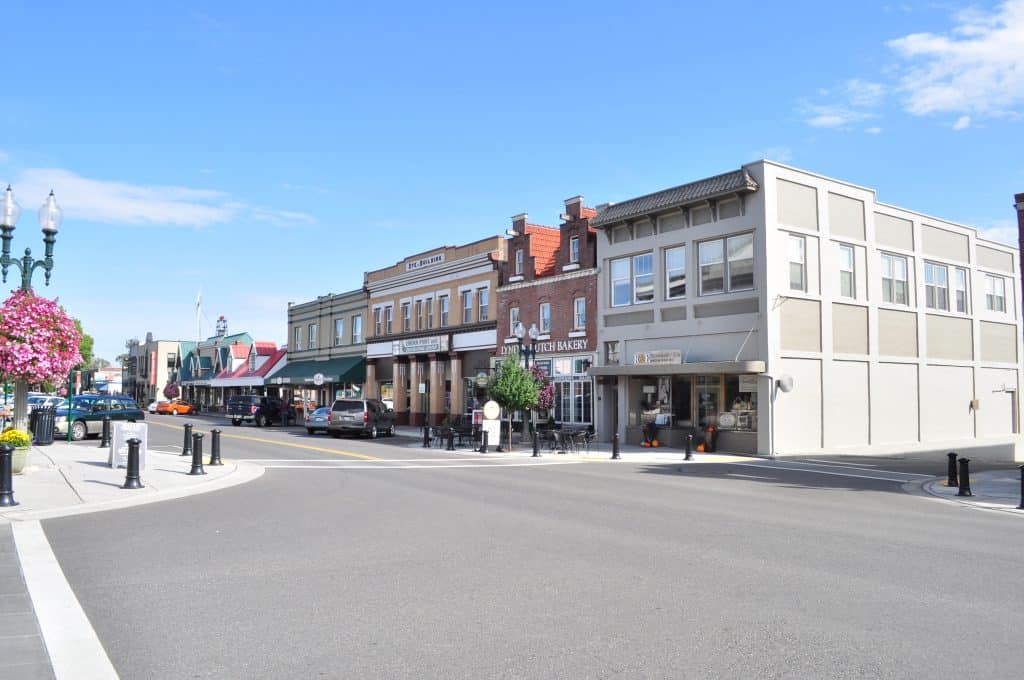
Today, around 30 percent of residents still claim Dutch ancestry, and these roots can be seen in the town’s architecture. Nowhere is this more visible than on Front Street, the town’s compact downtown strip, where you’ll find Dutch Revival storefronts, hanging flower baskets, and a working windmill anchoring the far end of the strip.
The Dutch Village Mall goes further still, with a small canal and footbridges running through its center. The bakeries serve poffertjes and banketstaaf, recipes that were first brought by the early Dutch immigrants. Most visitors come for the scenery and leave feeling like they stumbled into the Netherlands
Mount Angel, Oregon
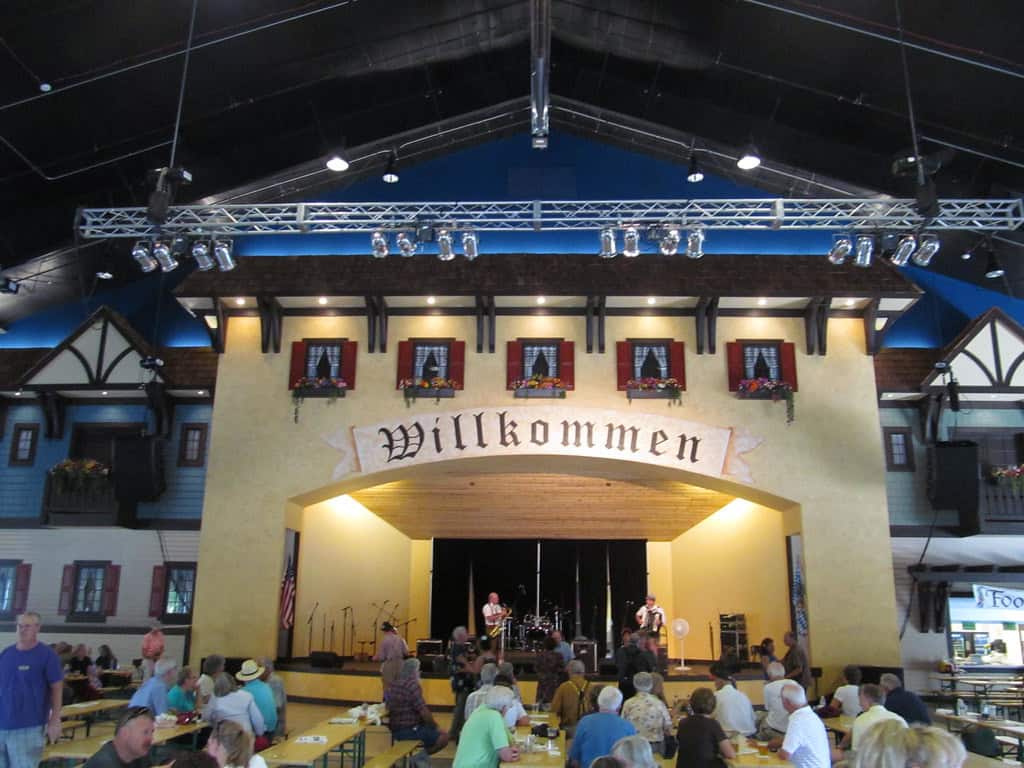
©"Mt. Angel Oktoberfest - Mt. Angel, Oregon - September 13, 2013" by Dougtone is licensed under BY-SA 2.0. - Original / License
Mount Angel sits on a butte above the Willamette Valley, surrounded by farmland and framed by several Cascade volcanoes. At the very top, Mount Angel Abbey crowns the hilltop, making for an astonishing view on clear days.
The town was first settled in the 1880s by Bavarian immigrants and Swiss Benedictine monks. Bavarian-style storefronts populate the main street, and sausage shops still serve original recipes from the earliest settlers. The town takes its German roots seriously. Every September it hosts the largest Oktoberfest in the Pacific Northwest, drawing over 350,000 visitors across four days. Traditional bratwurst and schnitzel are served alongside oompah bands and lederhosen.
The 49-foot Glockenspiel at the center of town is the tallest of its kind in the United States. It plays four times a day, its bells carrying for miles. The abbey library has a fan-shaped interior flooded with natural light. It was designed by Finnish architect Alvar Aalto, and it’s one of only two buildings he ever completed in the United States.
Joseph, Oregon
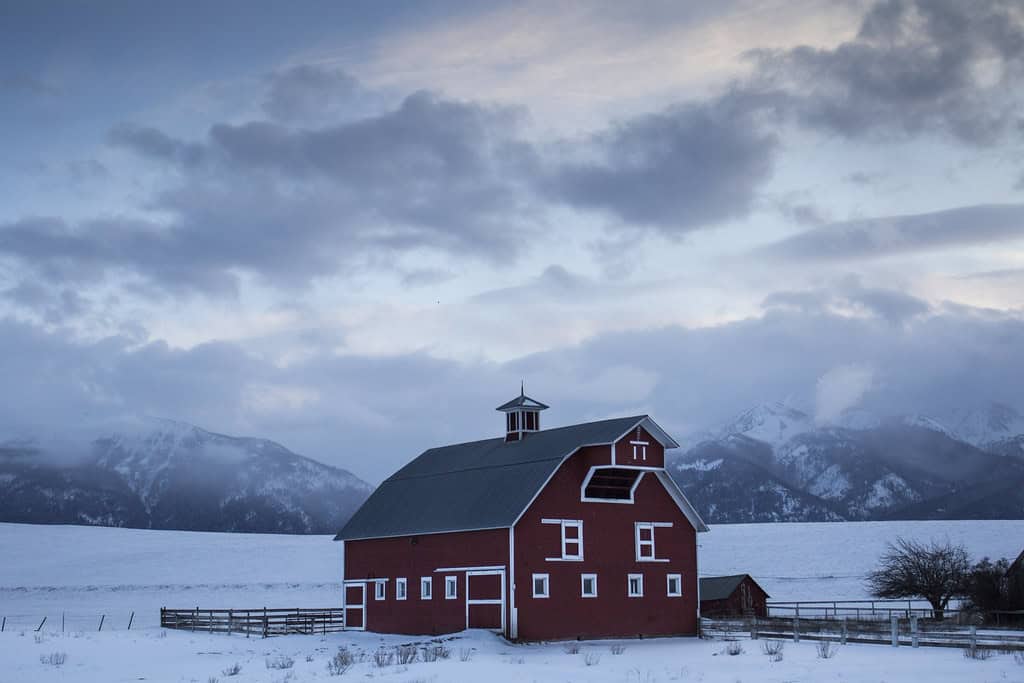
©"Red barn in the Joseph area, Oregon" by Bonnie Moreland (free images) is licensed under PDM 1.0. - Original / License
Joseph can be found in the far northeastern corner of Oregon. It sits at the base of the Wallowa Mountains, which has been dubbed the Alps of Oregon. Peaks that stretch above 10,000 feet and Wallowa Lake, a glacial lake one mile south of town, can make anyone feel like they’ve just wandered into another continent.
The town is small and cozy. Its Main Street feels like an outdoor art gallery, with life-sized bronze sculptures decorating the sidewalks. They depict Native American figures, wildlife, and cowboys, cast in local foundries that have given Joseph a reputation that stretches well beyond Oregon. Art galleries and wood-facade restaurants fill the rest of the street, giving the street a character that feels like it grew here rather than was planned.
In the background, the Eagle Cap Wilderness stretches into the backcountry. For those who want to visit the summit of Mount Howard, one of the range’s high points, the Wallowa Lake Tramway hauls visitors in roughly fifteen minutes while giving them a sight that is difficult to forget. Joseph is one of those places where the landscape does most of the heavy lifting, while the city itself gives you plenty of reasons to stick around.
McCall, Idaho
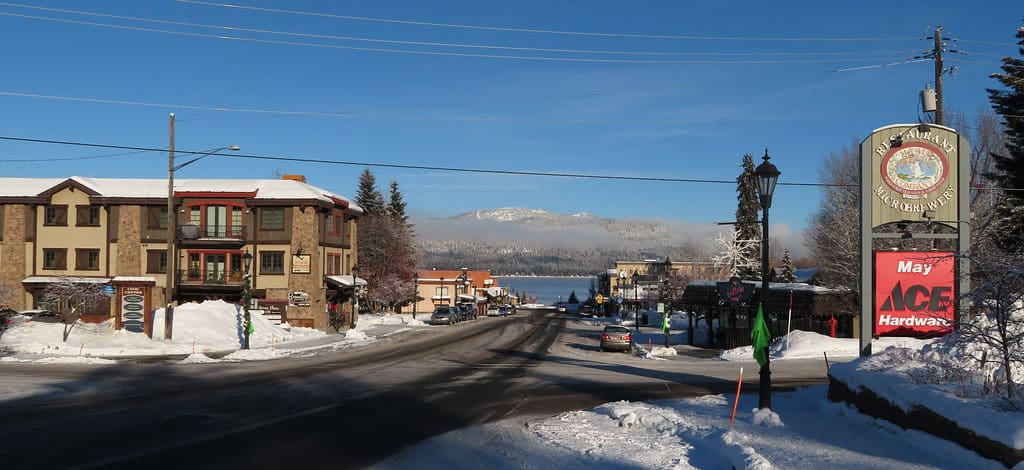
©"McCall, Idaho" by Ken Lund is licensed under BY-SA 2.0. - Original / License
McCall sits on the southern shore of Payette Lake, five thousand acres of glacially clear water surrounded by pine-covered mountains. The drive north from Boise takes two hours, and when the valley finally opens up to reveal the town, the resemblance to Switzerland is uncanny.
Winter here means something. Brundage Mountain Resort receives over 320 inches of natural snowfall every year, the Nordic trail network runs through Ponderosa State Park and beyond. The annual Winter Carnival draws 60,000 people with ice sculptures and torchlight parades that feel closer to a Scandinavian midwinter festival than anything typically American.
In the summer, Payette Lake fills with sailboats and kayaks, and hiking opens up into wildflower meadows with views that stretch as far as the eye can see. It’s a sharp contrast to the town that is buried in snow for five months.
Ashland, Oregon
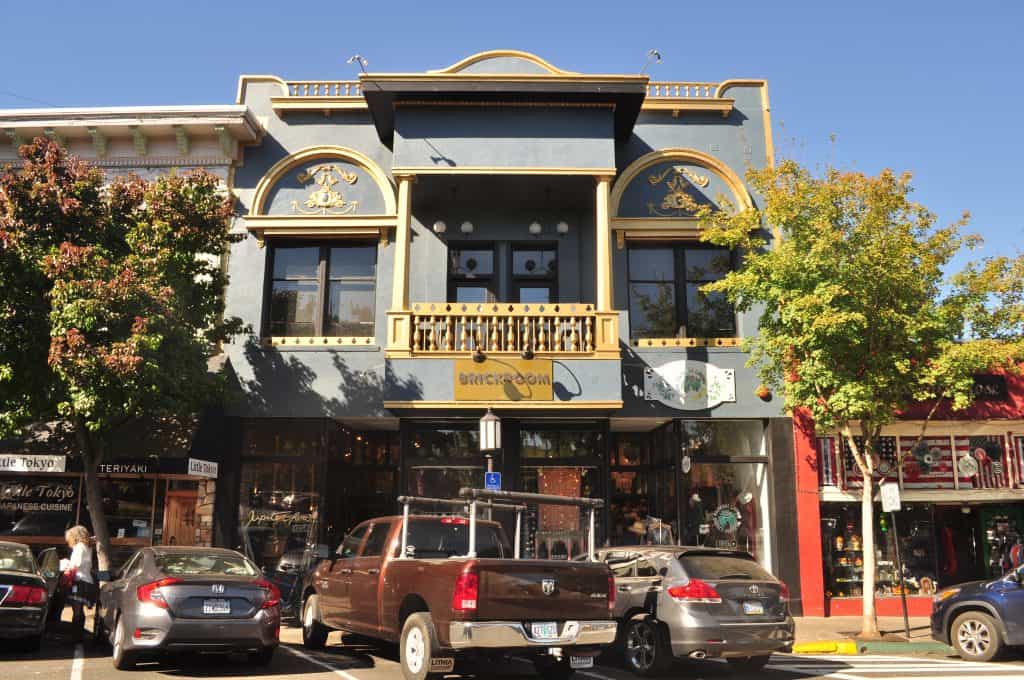
©"Ashland, Oregon - Mills-McCaw Building" by Joe Mabel is licensed under BY-SA 4.0. - Original / License
Home to the Oregon Shakespeare Festival, Ashland is one of those places where the foreign feeling comes from cultural identity rather than architecture or heritage. The festival is the oldest and largest of its kind in the United States and has been running continuously since 1935.
The town itself is worth a walk. Lithia Park, the town’s main green space, was designed by the same landscape architect who shaped San Francisco’s Golden Gate Park. It runs through the center of town with creeks and formal gardens that give it an almost European character that makes the Oregon Shakespeare Festival feel like it belongs.
What we’re left with is a small mountain town in the Rogue Valley with wine bars, farm-to-table restaurants, and independent bookstores. Its resident population of theater professionals and artists keeps the conversation going long after the curtain drops.

