
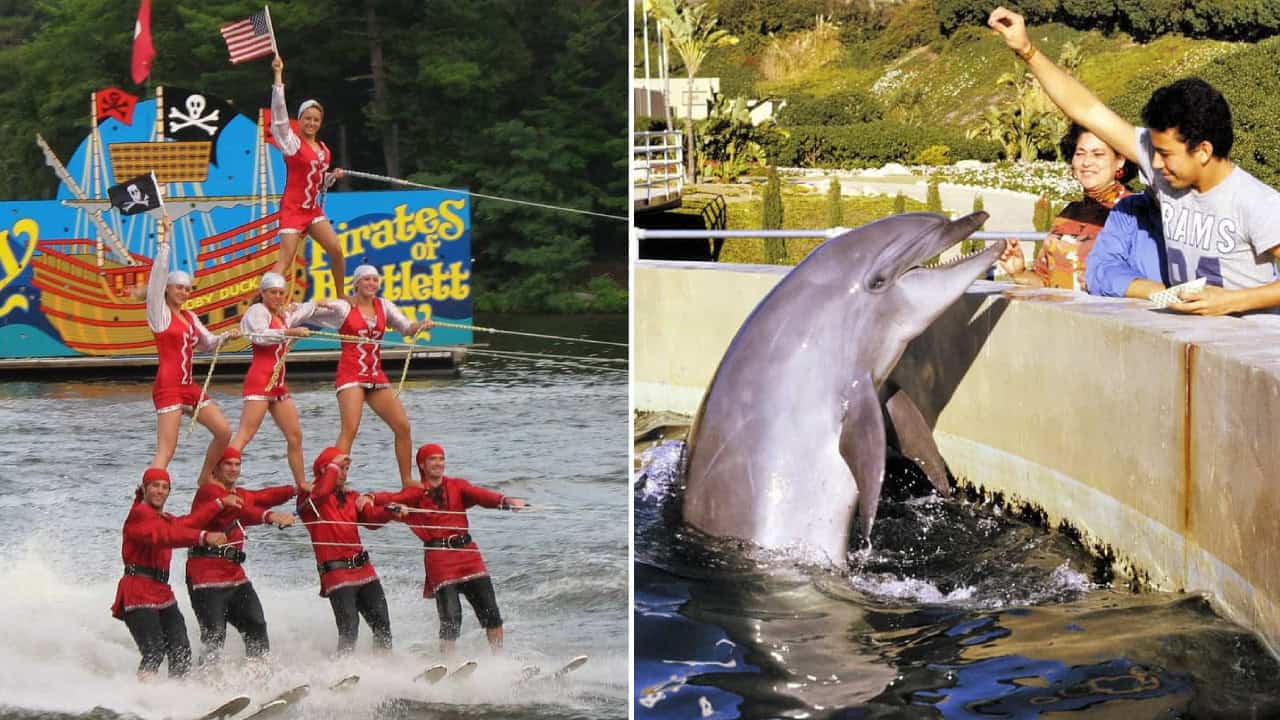
Vacation looked a little different in the 1980s. Families piled into station wagons for trips to sprawling theme parks, honeymooners booked rooms with heart-shaped tubs, and beach towns, casino resorts, roadside attractions, and Western-themed destinations competed for a place on the summer itinerary.
Some of those places are gone completely. Others are still around but have been transformed by redevelopment, changing travel habits, or a new generation of visitors. Here are 18 destinations and vacation experiences that were part of the travel landscape of the 1980s and have changed dramatically since.
Atlantic City, New Jersey
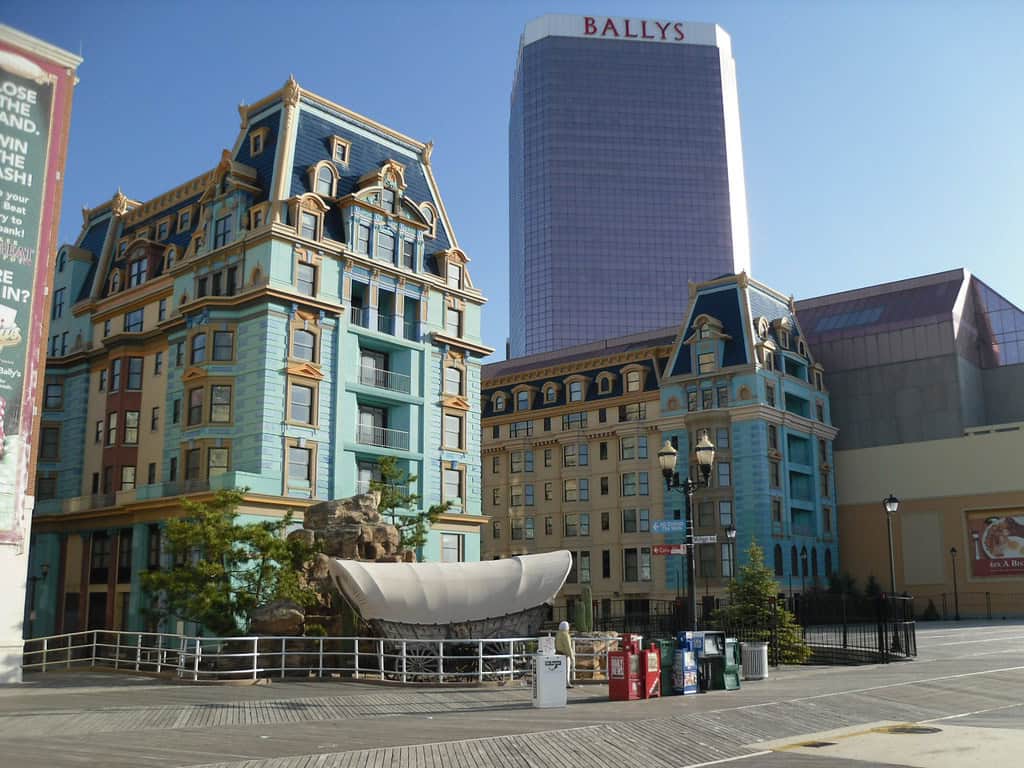
Atlantic City entered the 1980s in the middle of a casino boom. New Jersey voters had approved casino gambling in 1976, and Resorts International opened the city’s first legal casino in 1978. Before long, glittering casino hotels were changing the skyline along the famous Boardwalk and attracting gamblers from across the Northeast.
The city no longer has the regional casino market largely to itself. Gambling expanded throughout the Northeast and across the country, giving travelers far more choices. Atlantic City remains a major resort destination, but the near-monopoly that helped fuel its 1980s boom is long gone.
The Poconos, Pennsylvania
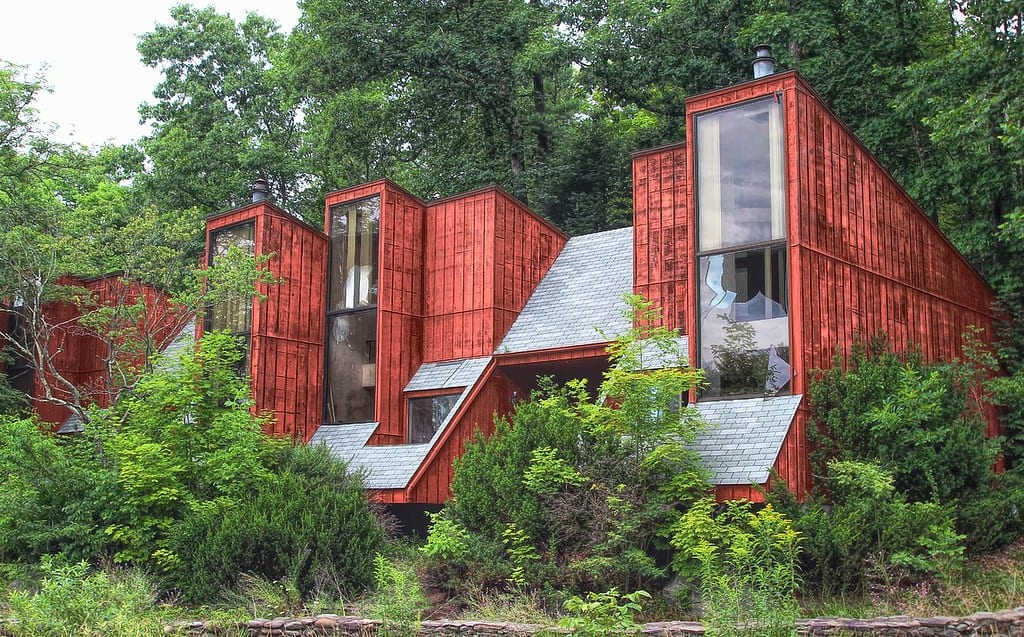
Few American destinations leaned into the honeymoon experience quite like Pennsylvania’s Poconos. Resorts offered private pools, heart-shaped tubs, fireplaces, and even towering champagne-glass-shaped whirlpools designed specifically for couples looking for a romantic escape.
The classic couples-resort formula eventually lost some of its dominance as inexpensive flights and vacation packages made tropical destinations easier to reach. Some famous properties disappeared, including Mount Airy Lodge, which closed in 2001. The Poconos are still a popular getaway, but today’s visitors find everything from water parks and ski resorts to hiking and family attractions alongside the region’s remaining romantic resorts.
Action Park, Vernon, New Jersey
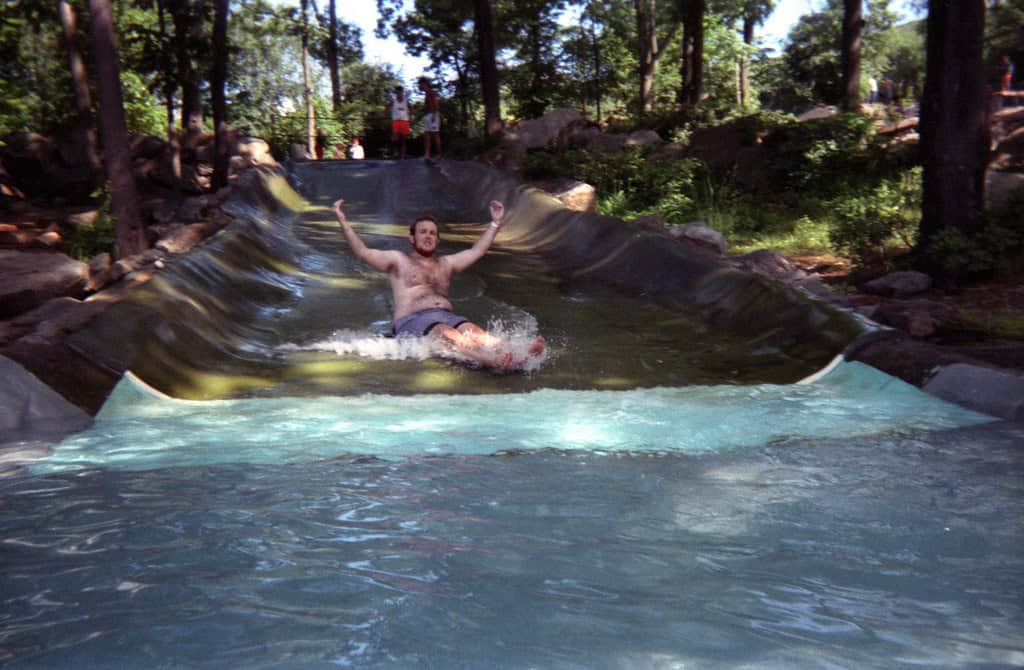
Action Park was the kind of attraction that could probably only have become legendary in the 1980s. The New Jersey water park became famous for unusually intense attractions including the Alpine Slide, Tidal Wave Pool, and the infamous Cannonball Loop.
The fun came with a darker side. Numerous injuries and six deaths have been linked to the park during its original run, helping inspire nicknames such as “Traction Park” and “Class Action Park.” Action Park closed in 1996, and the property eventually became Mountain Creek Waterpark, a far more conventional modern water park.
Niagara Falls, New York
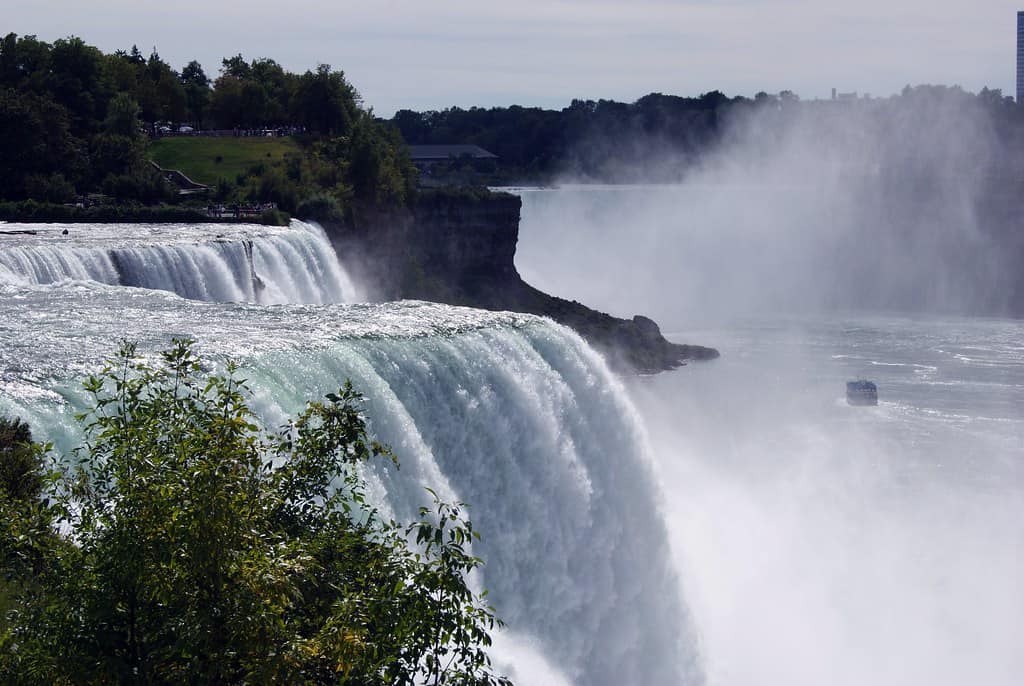
Niagara Falls had already been attracting honeymooners for generations by the time the 1980s arrived. Hotels and motels on both sides of the U.S.-Canada border leaned heavily into the destination’s romantic reputation, offering couples packages and appropriately over-the-top accommodations.
The Falls never stopped attracting visitors, but honeymoon travel changed. Easier air travel and vacation packages opened the door to Caribbean islands, Mexico, Hawaii, and other destinations that once seemed far less accessible. Niagara remains one of North America’s great natural attractions, even if its era as America’s nearly automatic honeymoon choice has passed.
Opryland USA, Nashville, Tennessee
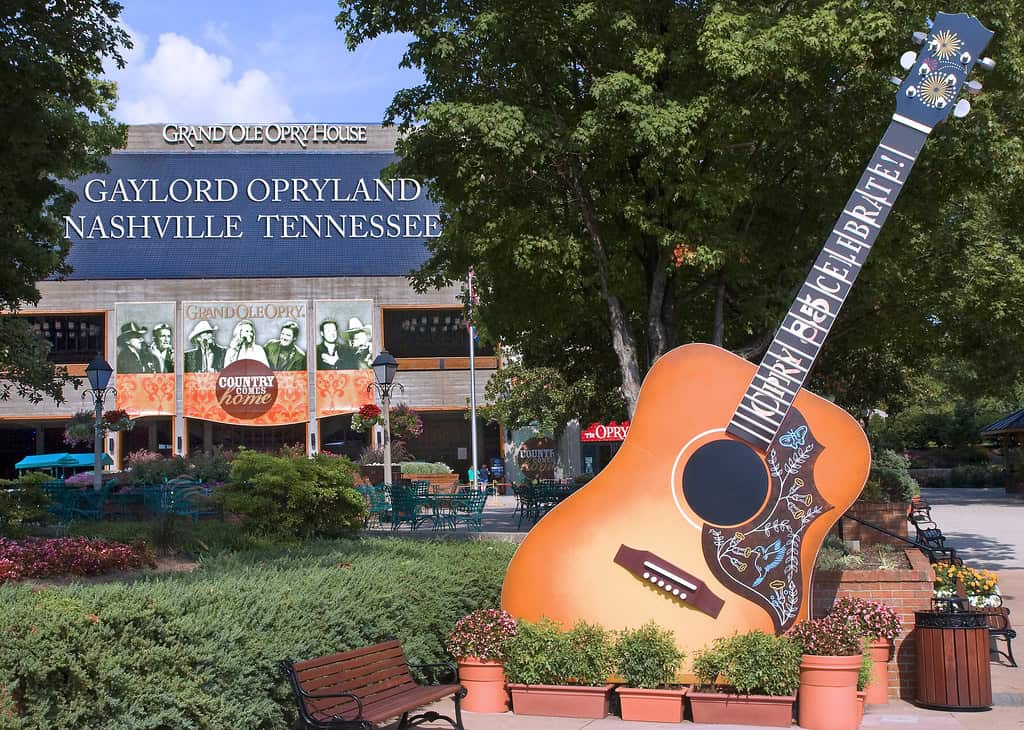
For travelers visiting Nashville in the 1980s, Opryland USA offered something very different from the honky-tonks downtown. The sprawling theme park mixed roller coasters and family rides with live country music performances, making it one of the city’s signature tourist attractions.
Opryland closed after the 1997 season, ending a 25-year run. The property was redeveloped, and Opry Mills shopping mall opened there in 2000. The neighboring Grand Ole Opry House remains, but visitors who remember spending summer days riding coasters at Opryland will find an entirely different landscape today.
AstroWorld, Houston, Texas
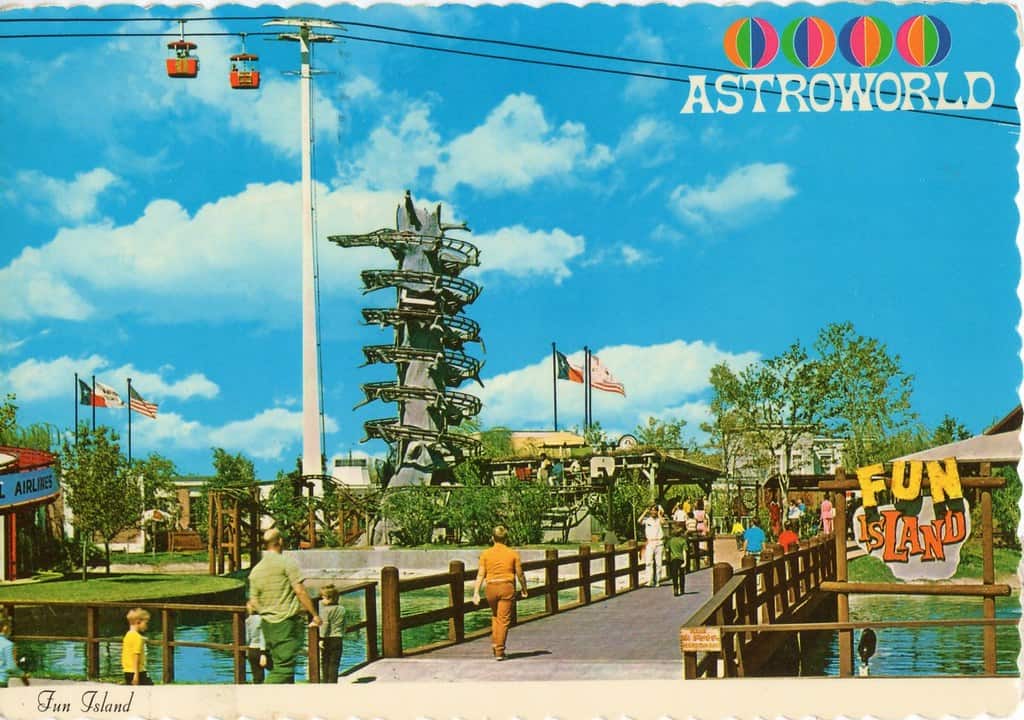
Opened across from the Astrodome in 1968, AstroWorld grew into a Houston summertime institution. Its roller coasters and thrill rides made the park a destination for generations of Texas families, and by the 1980s its rides had become a familiar part of the city’s skyline.
Six Flags closed the park after the 2005 season as attendance declined and the increasingly valuable property became difficult to justify as an amusement park. AstroWorld was demolished soon afterward. Today, little remains to show that one of Houston’s best-known attractions once stood there.
Marineland of the Pacific, California
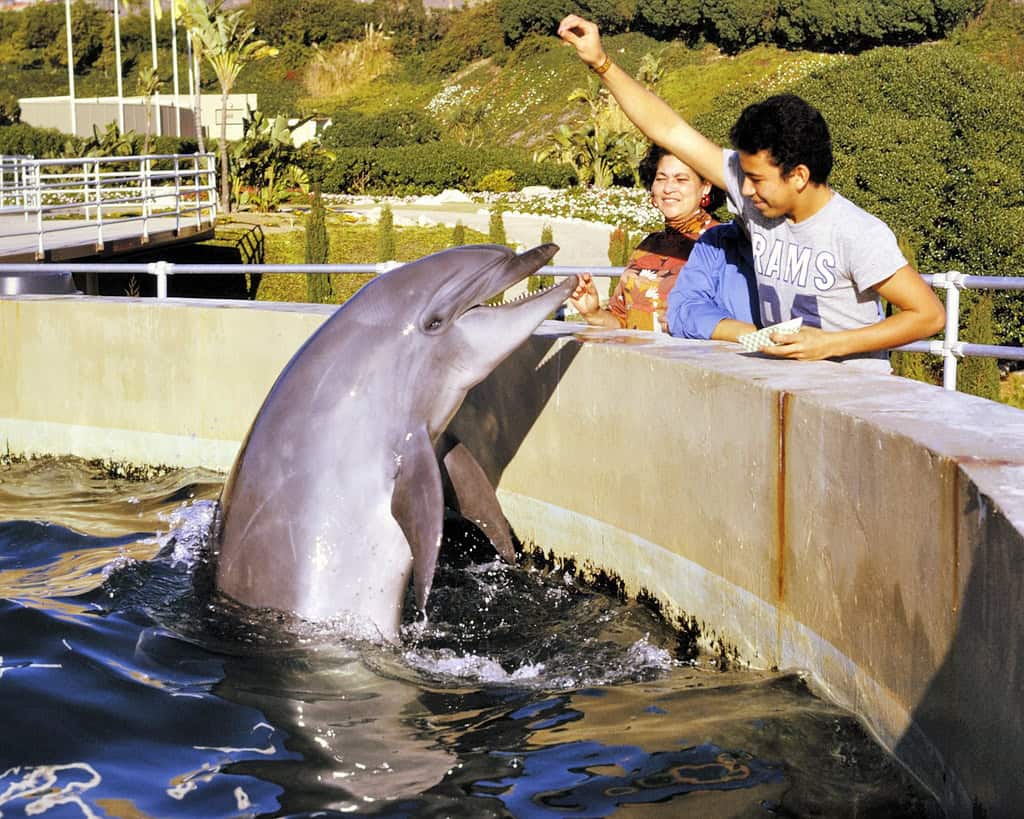
Long before Southern California visitors had SeaWorld, they had Marineland of the Pacific. The oceanfront attraction opened on the Palos Verdes Peninsula in 1954 and became famous for dolphin, sea lion, and killer whale shows overlooking the Pacific.
SeaWorld’s owner acquired Marineland in the 1980s and moved its best-known orcas, Orky and Corky, to San Diego in January 1987. Marineland closed for good a few weeks later. The dramatic coastal property eventually became home to the Terranea Resort, leaving little trace of the marine park that once drew families from across Southern California.
Wildwood, New Jersey
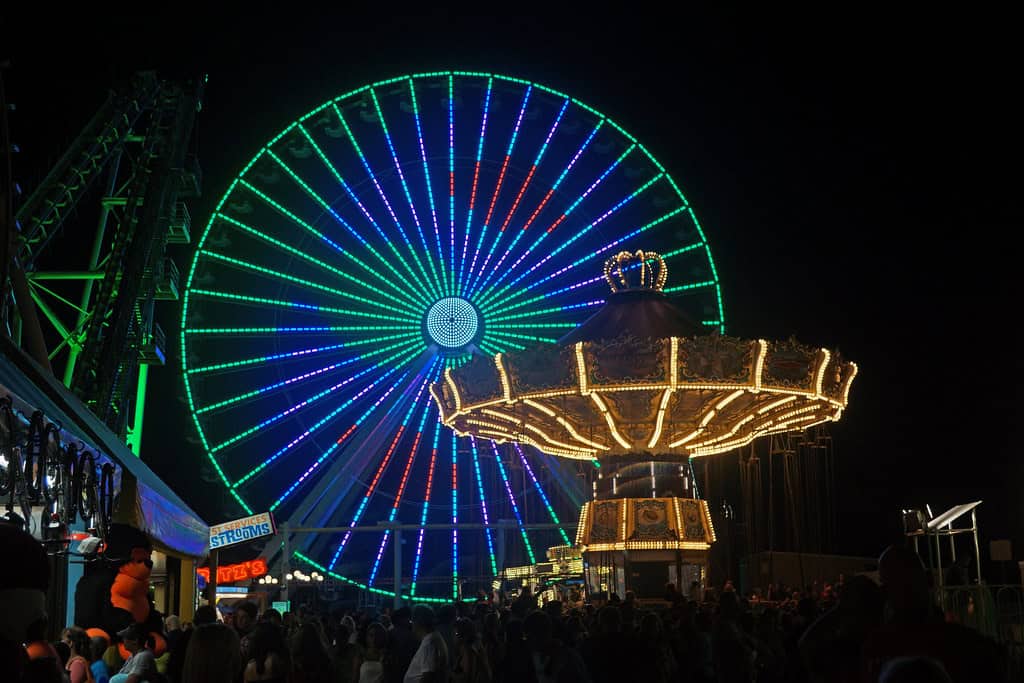
A trip to the Wildwoods once meant entering a world of neon signs, unusual rooflines, tropical themes, and brightly colored swimming pools. The New Jersey shore towns became famous for their collection of “Doo Wop” motels, many built during the 1950s and 1960s and still defining the resort experience decades later.
Wildwood itself is still a busy beach destination, but much of that distinctive motel landscape disappeared during a wave of redevelopment in the 2000s. Dozens of properties were demolished or altered, often to make way for condominiums. Enough remain that visitors can still find flashes of the old Wildwood, especially after dark when the surviving neon signs come on.
Hot Springs, Arkansas
©zrfphoto / iStock via Getty Images
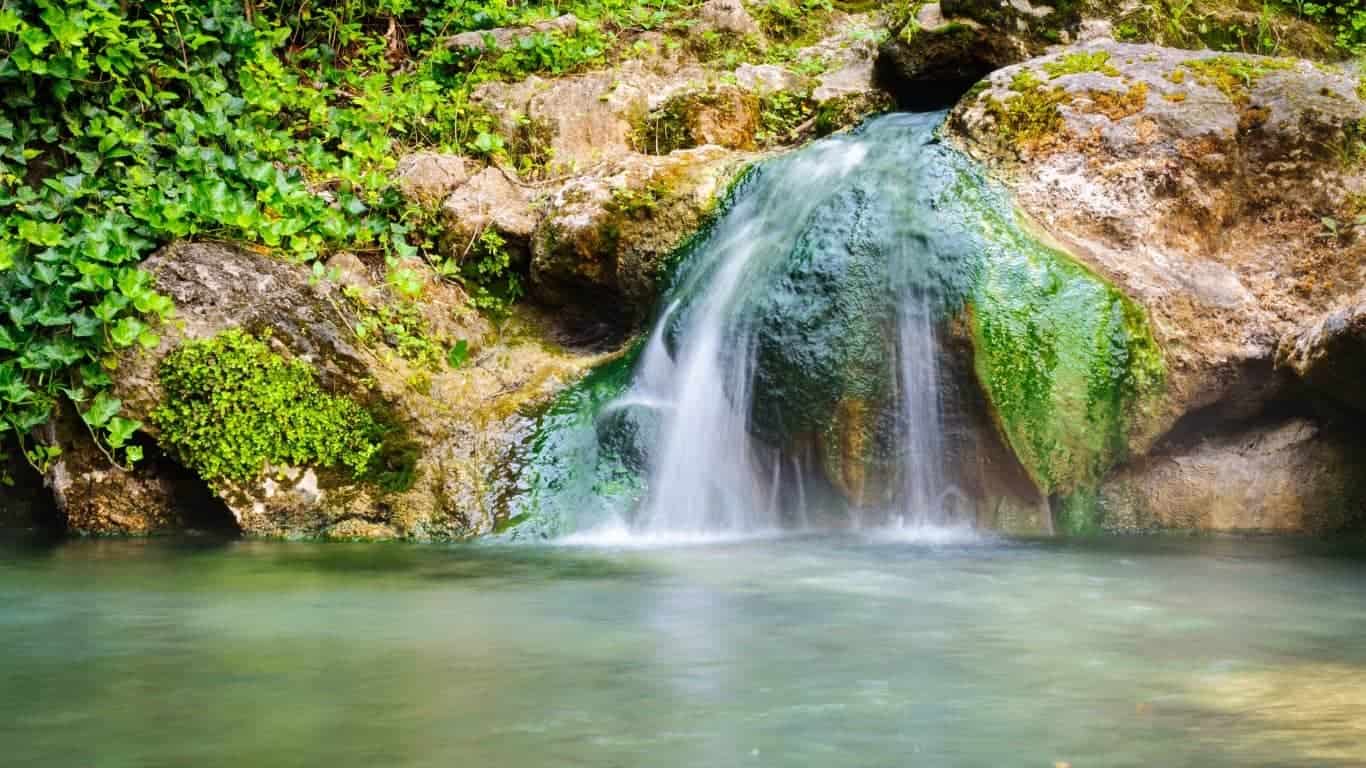
Travelers had been coming to Hot Springs for its thermal waters long before the 1980s. The city’s elaborate Bathhouse Row was built around springs that have been federally protected since 1832, and for decades visitors arrived hoping that a soak in the mineral-rich water would leave them feeling restored.
The traditional bathhouse era was already fading by the time the 1980s arrived, with most of the old establishments eventually closing. Preservation efforts gave many of the historic buildings new uses, while bathing continues at selected locations. Today’s Hot Springs mixes national park history, restaurants, outdoor recreation, and restored architecture with remnants of the old spa-town experience.
Reno, Nevada
©photoquest7 / iStock via Getty Images
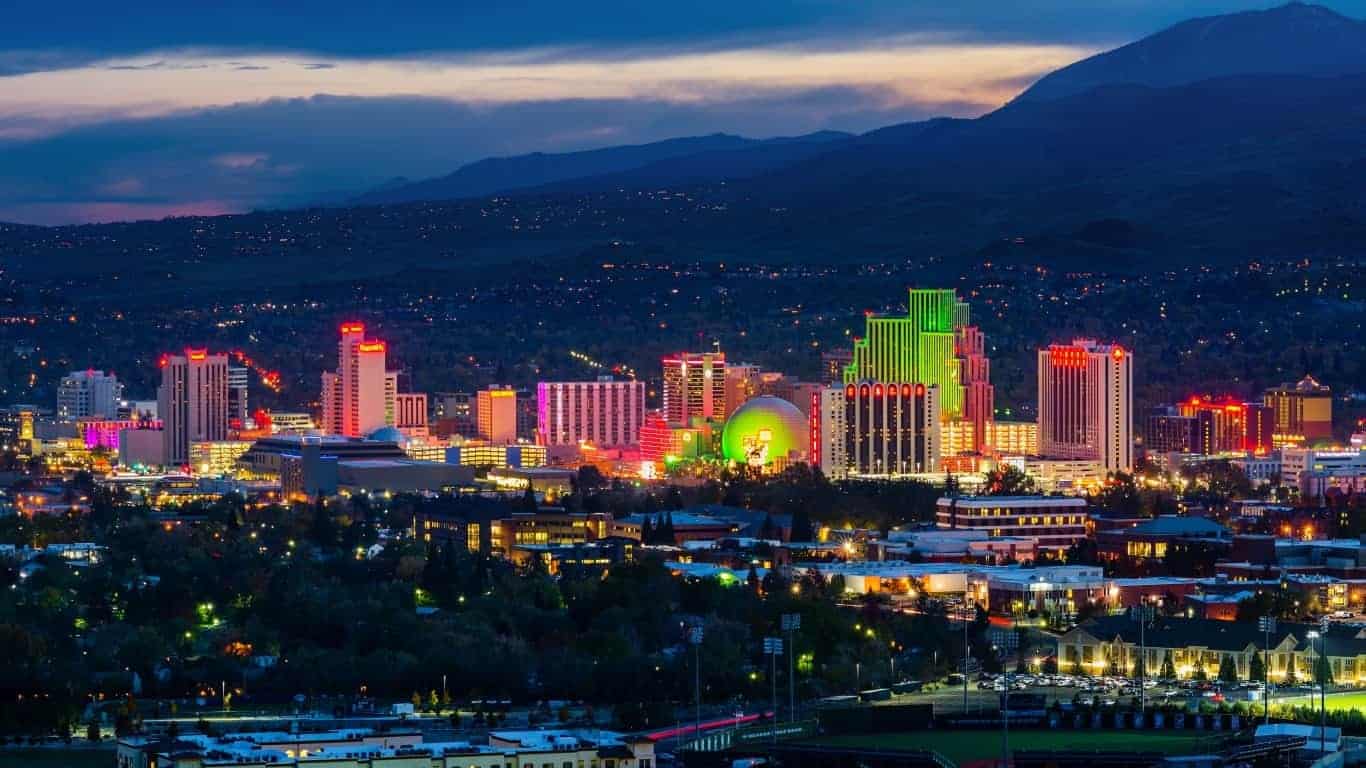
Reno built its reputation around gambling long before Las Vegas became the international symbol of Nevada nightlife. “The Biggest Little City in the World” offered casinos, entertainment, quick weddings, and a colorful history tied to Nevada’s once-famous quick divorces.
Casino competition eventually followed Reno’s customers home. Tribal casinos in California and legalized gambling in other states gave travelers far less reason to cross the Sierra Nevada just to place a bet. Reno still has casinos, but downtown redevelopment, outdoor recreation, events, restaurants, and a growing economy have made modern Reno much more than the gambling town visitors remember from decades ago.
SeaWorld Ohio, Aurora, Ohio
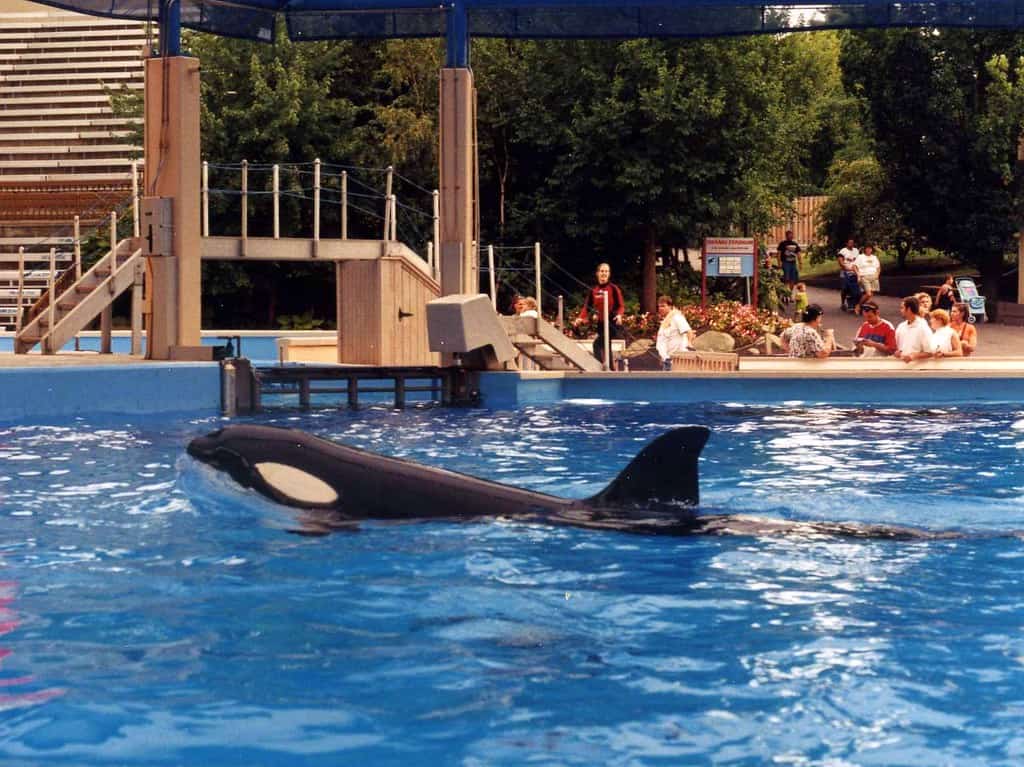
For Midwestern families who wanted the SeaWorld experience without traveling to Florida or California, there was once another option. SeaWorld of Ohio opened in Aurora in 1970 and offered dolphin shows, killer whales, and other marine attractions throughout the 1970s, ’80s, and ’90s.
Six Flags purchased the park in 2001 and combined it with the amusement park next door, creating Six Flags Worlds of Adventure. The property later changed ownership again and returned to the Geauga Lake name. The amusement park closed after the 2007 season, bringing an end to a destination that had once drawn families from throughout the region.
Calico Ghost Town, California
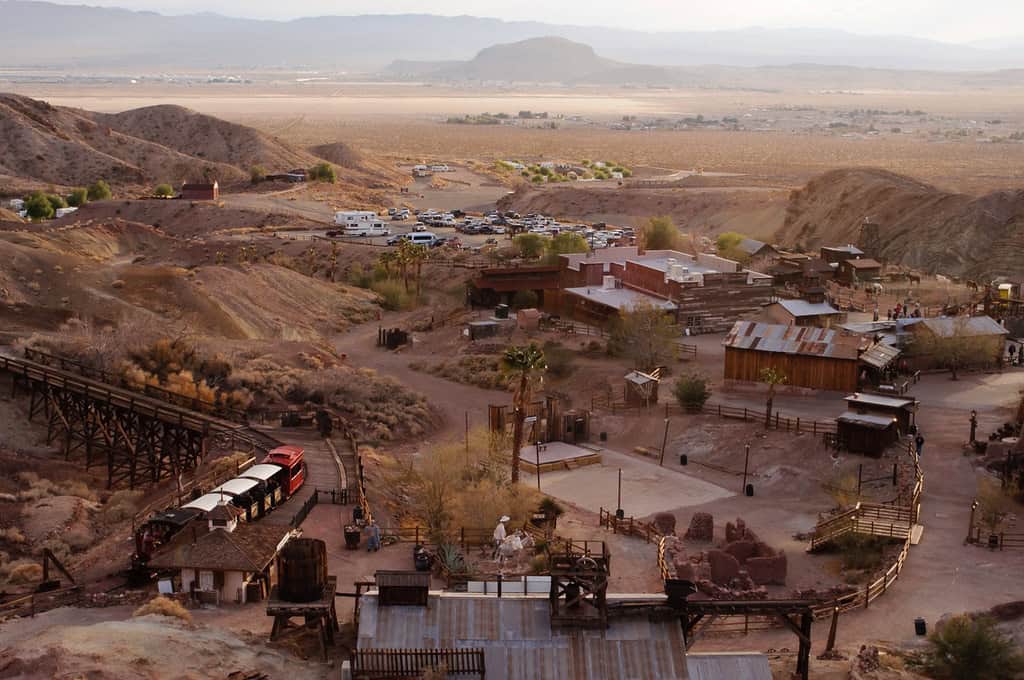
Calico gave generations of road-tripping families a chance to step into an idealized version of the Old West. The former silver-mining settlement was restored by Knott’s Berry Farm founder Walter Knott beginning in the 1950s and later donated to San Bernardino County.
Unlike many roadside attractions from the same era, Calico never disappeared. The ghost town remains open as a county regional park, where visitors can explore historic buildings, shops, mine attractions, restaurants, and Western-themed entertainment. The biggest change may be that places like Calico now feel like surviving pieces of classic American road-trip culture rather than typical stops along the highway.
Old Tucson Studios, Arizona
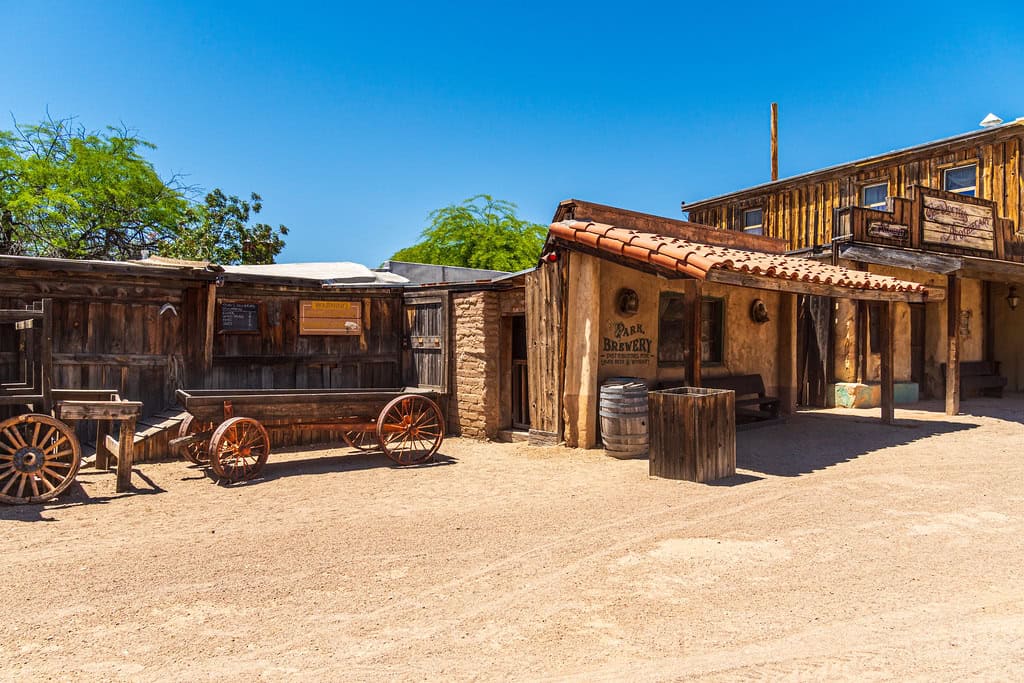
Old Tucson started as a movie set built for the 1939 film Arizona and eventually became both a working production location and a tourist attraction. Western fans could wander through familiar-looking frontier streets while watching stunt shows and learning how movies and television programs were made.
A devastating 1995 fire destroyed roughly 40 percent of the complex, including buildings, costumes, and memorabilia. Old Tucson was rebuilt and continues operating today, but visitors who knew the attraction before the fire experienced a larger collection of original sets from Hollywood’s Western era.
Lake Havasu City, Arizona
©Chris Szwedo / Getty Images
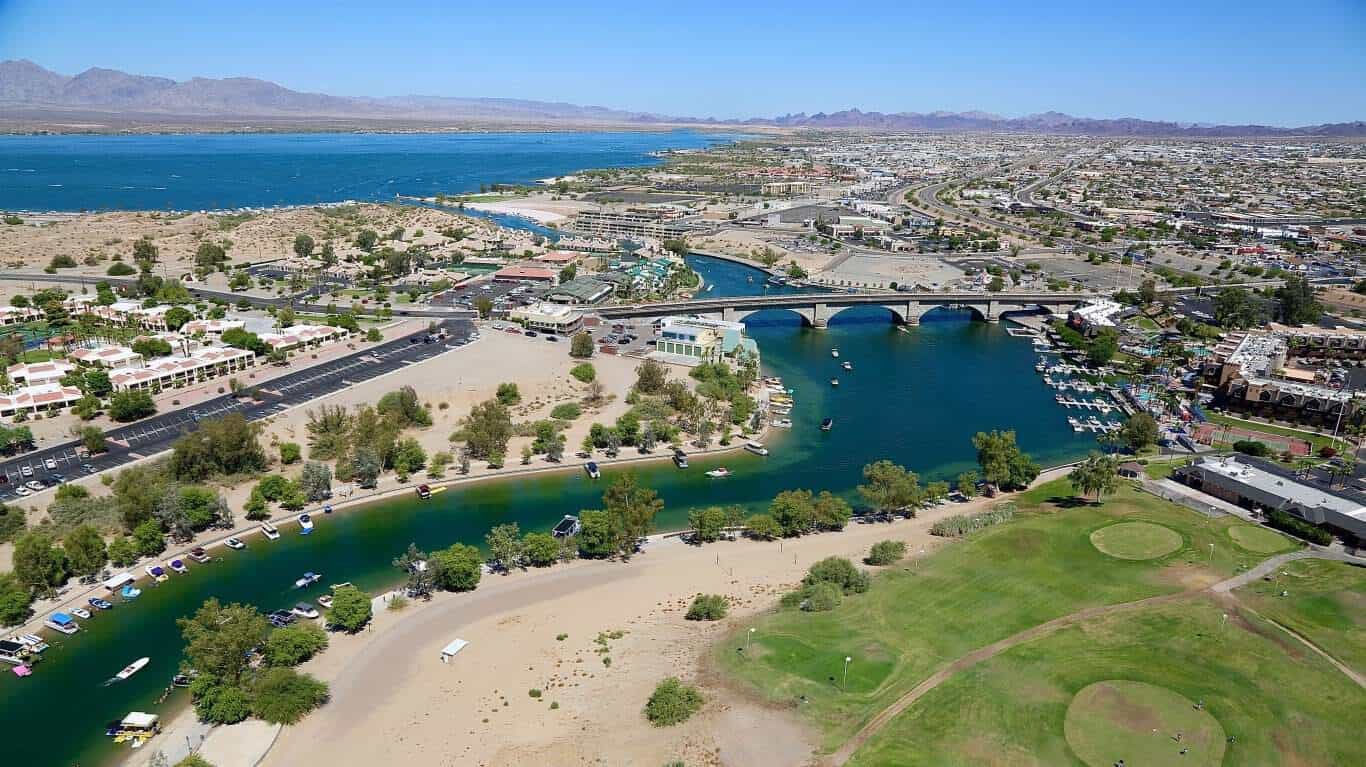
Lake Havasu City has one tourist attraction unlike anything else in Arizona: London Bridge. The famous English bridge was purchased, dismantled, shipped across the Atlantic, and reconstructed in the Arizona desert, where it was dedicated in 1971.
The lake later developed another identity as a spring-break destination, particularly during the 1990s, when college crowds and MTV helped give it a national reputation. Spring breakers still visit, but today’s Lake Havasu sells a much broader vacation experience centered on boating, fishing, beaches, off-road adventures, events, and the unlikely British landmark sitting beneath the desert sun.
Wisconsin Dells’ Tommy Bartlett Show, Wisconsin
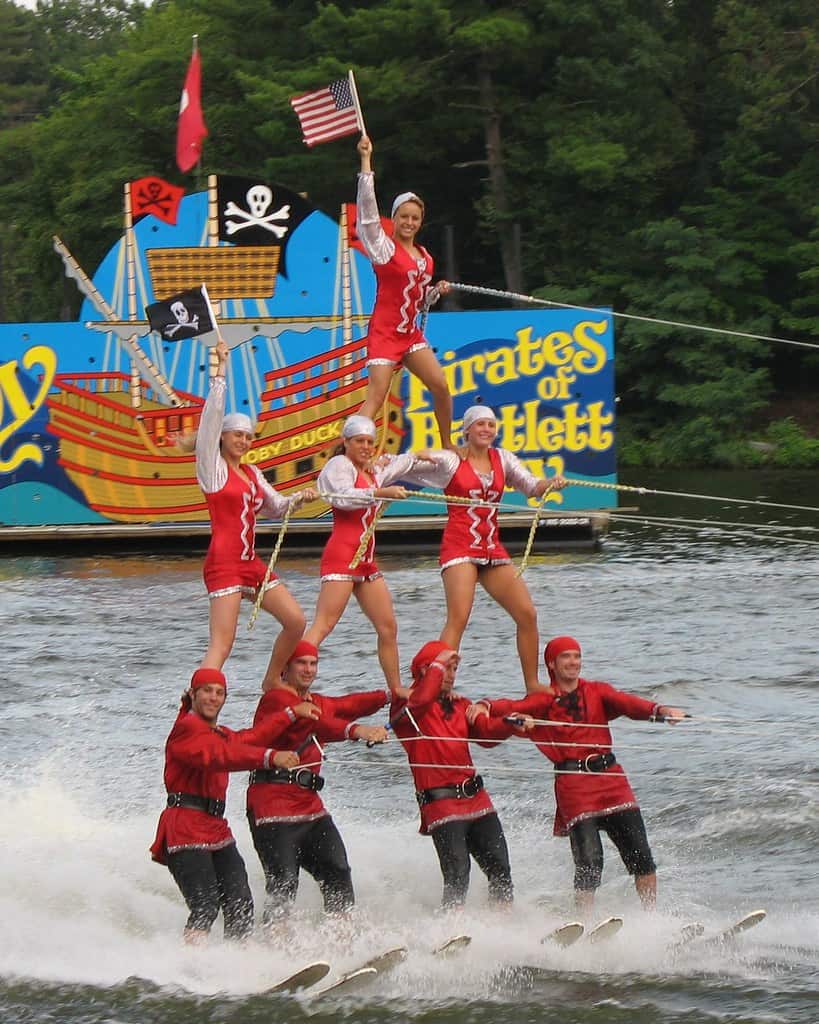
For generations of families visiting Wisconsin Dells, watching performers race across Lake Delton on water skis was almost as much a part of the trip as staying at a resort. The Tommy Bartlett Show arrived in the Dells in 1953 and grew into one of the area’s longest-running attractions, combining elaborate water-ski tricks with entertainment and stunt performances.
The show’s 2020 season was canceled during the COVID-19 pandemic, and its owners announced later that year that it would not return. The separate Tommy Bartlett Exploratory, which traces its roots to an attraction opened in 1982, remains in business. Wisconsin Dells continues to draw enormous numbers of vacationing families, but one of its most recognizable traditions is now part of the past.
Palm Springs, California
©Prayitno / Thank you for (12 millions +) view / BY 2.0 - Original / License
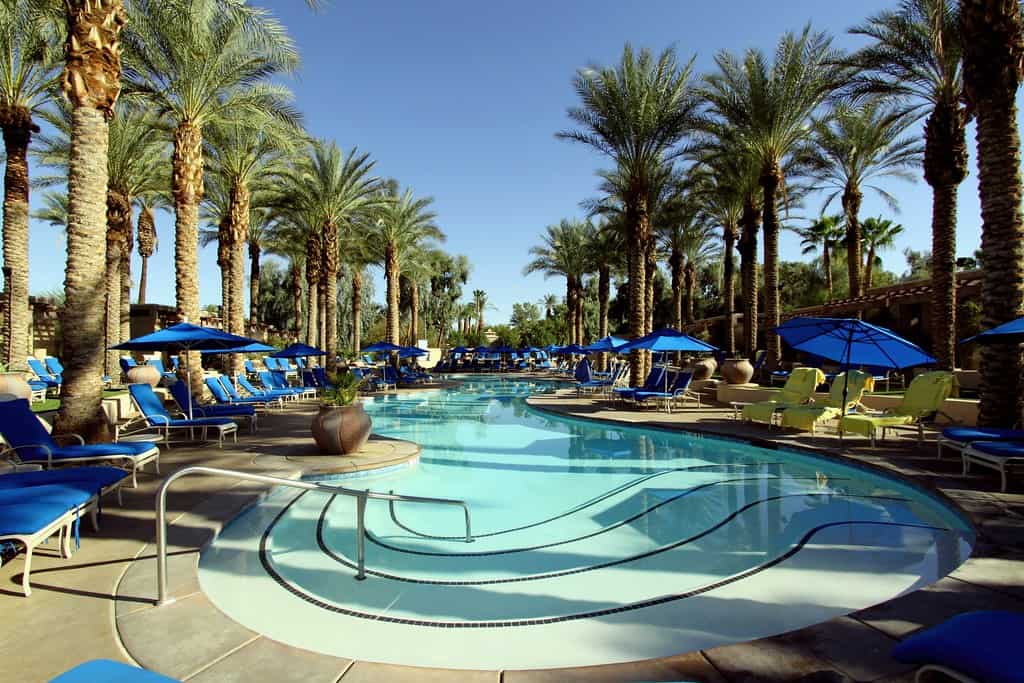
Palm Springs had been a Hollywood playground for decades by the time the 1980s rolled around. Frank Sinatra and other stars helped make the desert city synonymous with swimming pools, cocktail lounges, golf courses, and sleek midcentury homes surrounded by palm trees and mountains.
Ironically, some of the architecture that visitors now travel to Palm Springs specifically to see had fallen out of fashion by the 1980s. Preservation efforts and renewed interest in midcentury modern design helped fuel a major comeback beginning in the following decades. Palm Springs today is booming again, but with a new generation celebrating many of the buildings previous generations once considered dated.
Coney Island, Brooklyn, New York
©ExaMedia Photography/Shutterstock.com
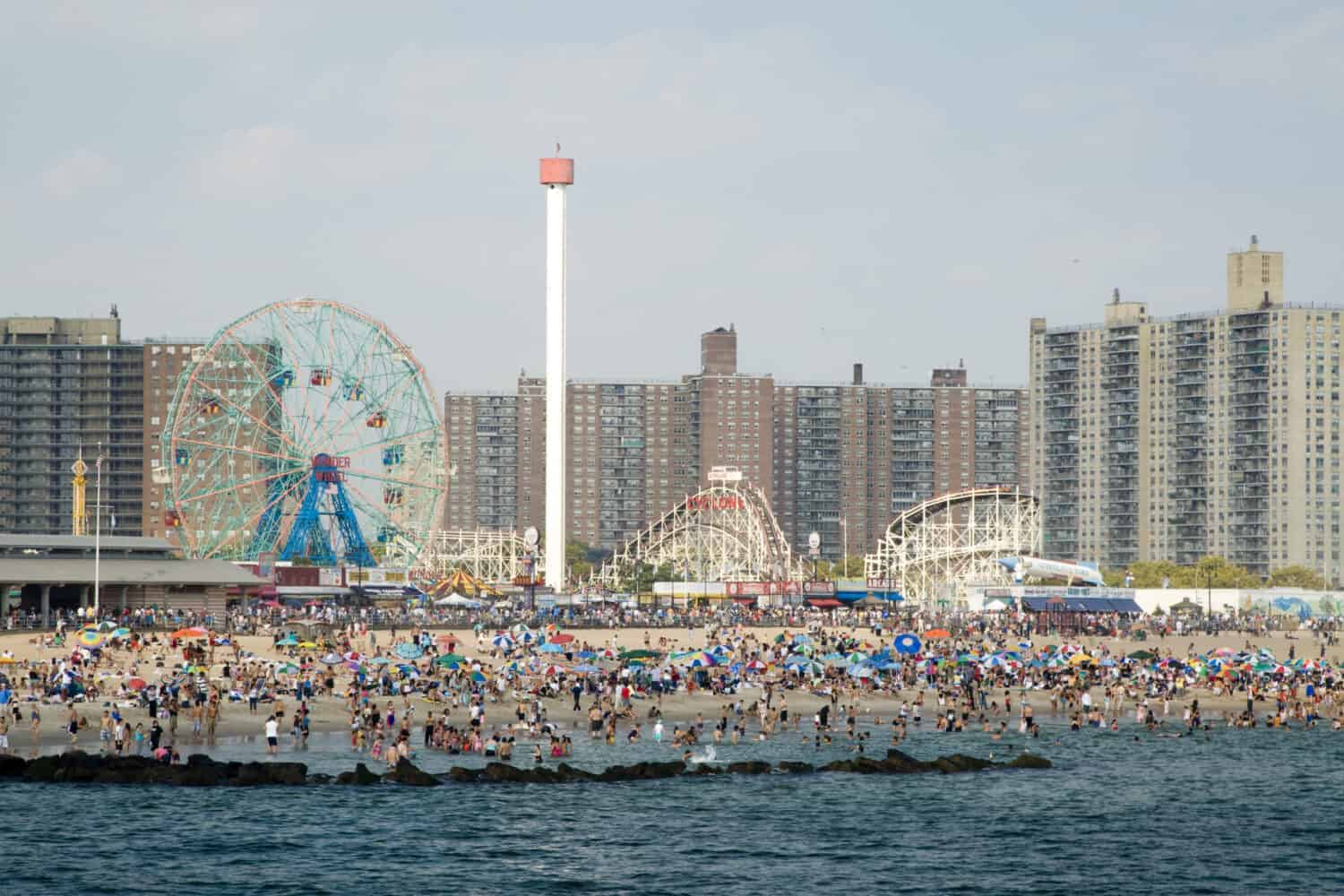
Coney Island’s greatest amusement-park era came long before the 1980s, but the neighborhood still offered New Yorkers something increasingly rare: an old-fashioned seaside amusement district reachable by subway. Astroland, the Cyclone, arcades, boardwalk food, and the beach kept families coming even after many earlier attractions had disappeared.
Astroland finally closed after the 2008 season, but Coney Island proved surprisingly resilient. Luna Park opened on part of the site in 2010, the Cyclone still runs, and crowds continue to fill the boardwalk each summer. Modern Coney Island may look different, but it remains one of the rare places where travelers can still experience a piece of America’s classic amusement-park culture.
Tiki and Polynesian-Themed Motels
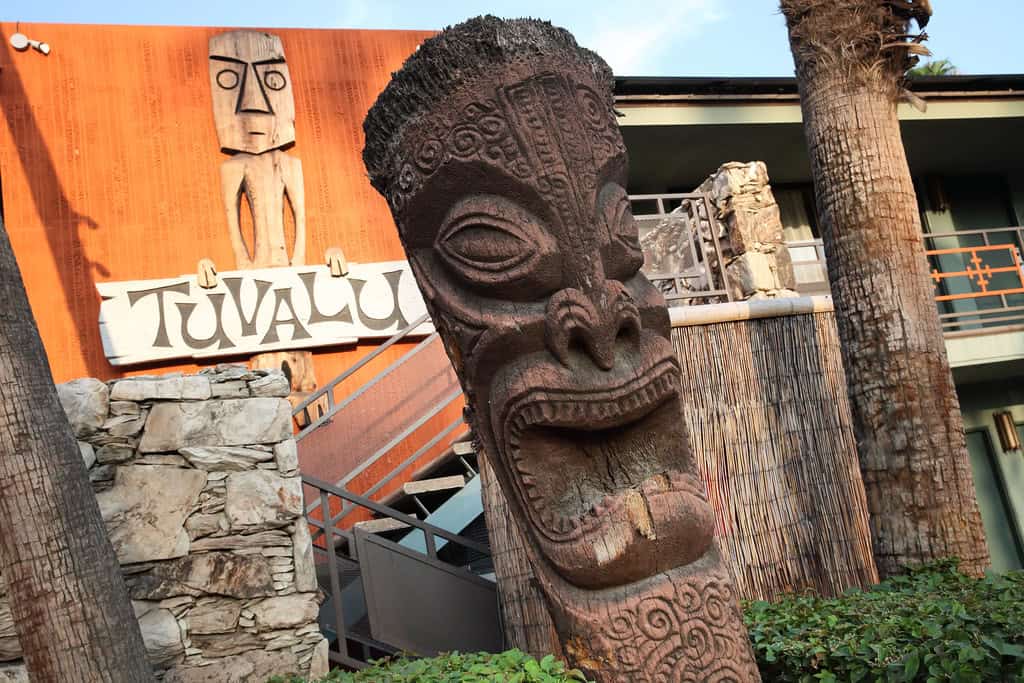
You didn’t necessarily need a plane ticket to the South Pacific to get a tropical vacation experience. Across the United States, roadside motels and resorts embraced Polynesian-inspired architecture with tiki carvings, thatched roofs, dramatic swimming pools, tropical landscaping, and glowing neon signs.
Many of these properties eventually disappeared as aging motels were renovated or demolished, and tastes shifted toward standardized hotels. That has made the survivors increasingly nostalgic. What was once ordinary roadside kitsch is now part of a broader effort to preserve the colorful architecture and travel culture of midcentury America.

