
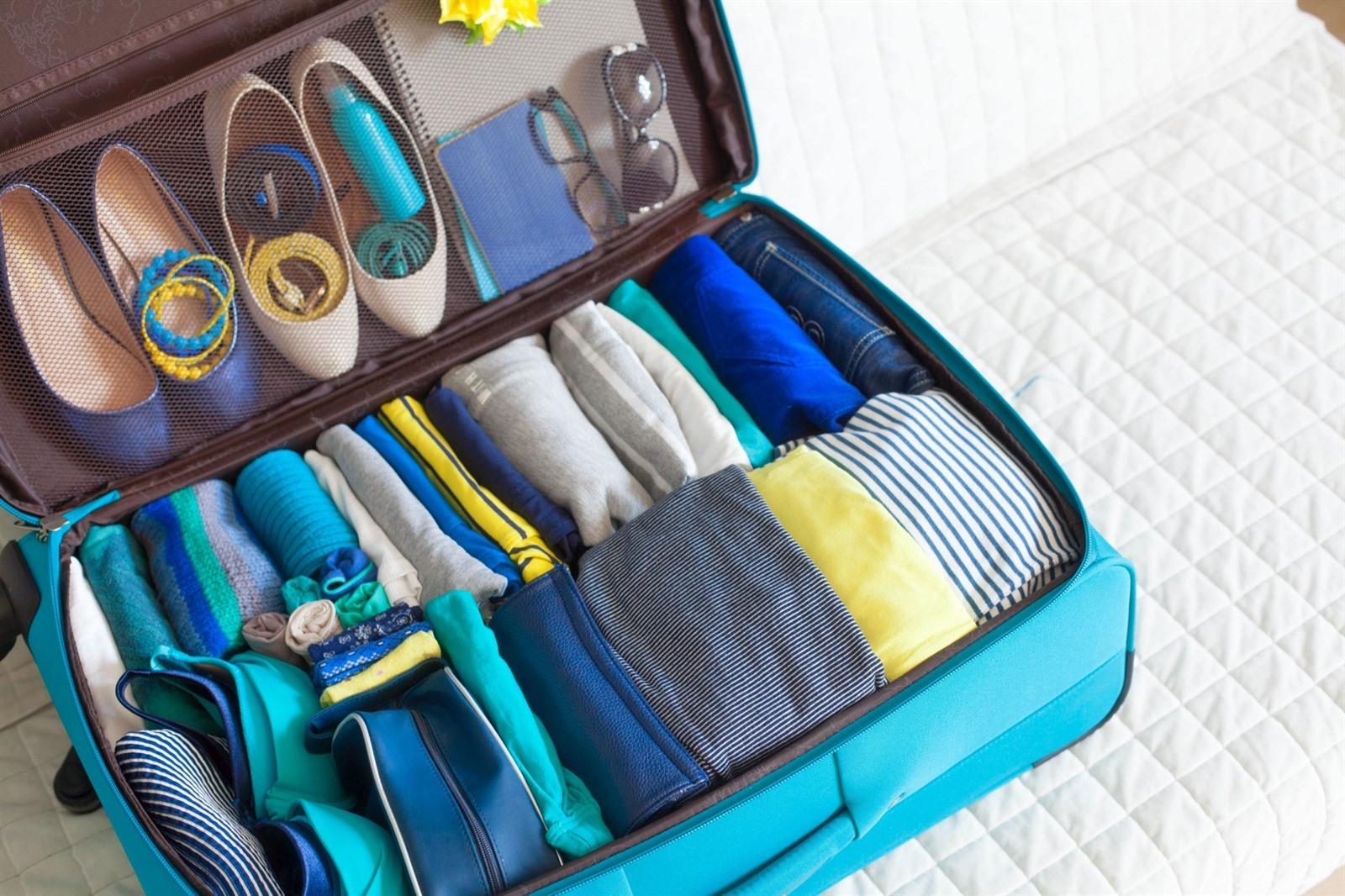
Packing for a long flight is less about fitting everything you own into a suitcase and more about knowing what you will actually need once the wheels leave the runway. Nobody wants to spend the first two hours of an overnight flight digging through the overhead bin for a phone charger, a sweatshirt, or the medication they should have kept close by. A little planning before you leave home goes a long way.
That is especially true when your trip starts at Seattle-Tacoma International Airport and involves a long haul across the Pacific, an overnight flight to Europe, or a tight connection along the way. Different airlines have different baggage allowances, cabin temperatures are unpredictable, and the bag you planned to carry onboard might end up being checked at the gate.
These 15 practical packing habits can make the trip easier, from organizing your carry-on to choosing the right snacks and handling electronics safely. They are useful strategies rather than universal airline-crew secrets, and the rules that matter most should always be confirmed with your airline and the security agencies serving your route.
Start With a Packing List
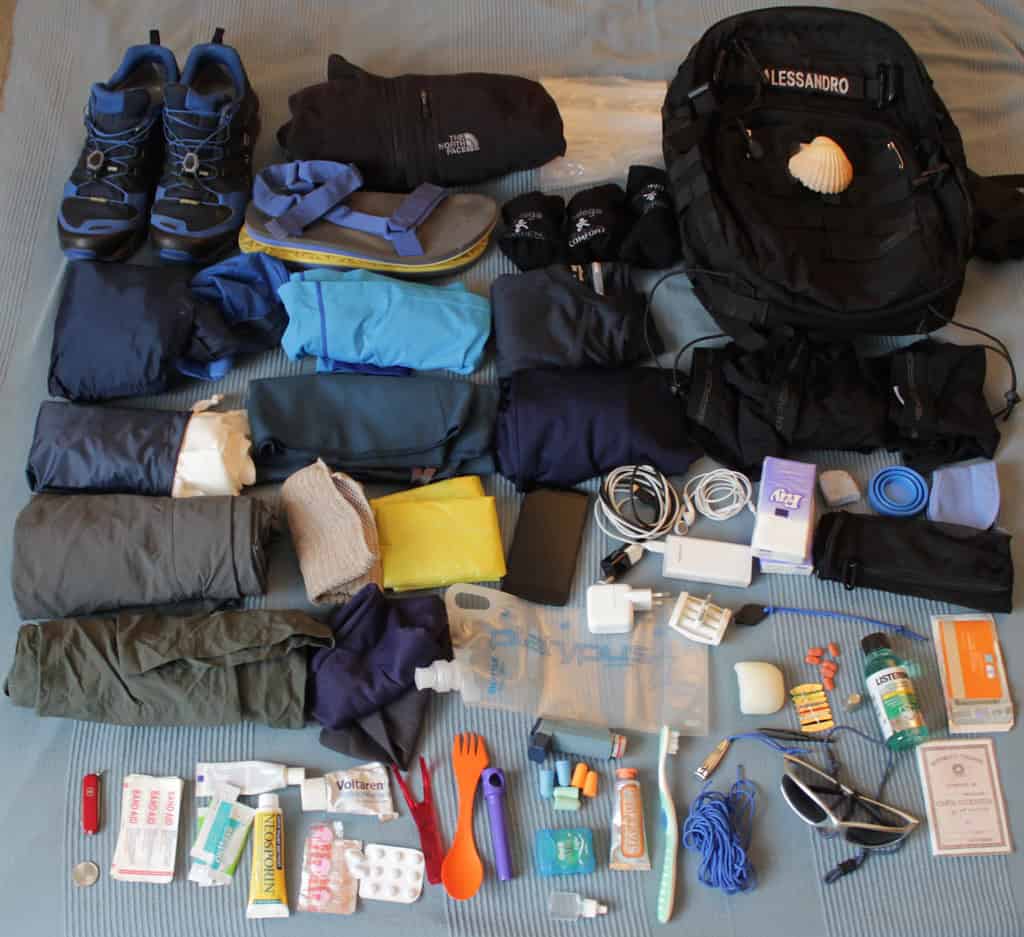
©"Packing List Camino de Santiago May/June 2015" by liquene is licensed under BY 2.0. - Original / License
The quickest way to forget something important is to pack entirely from memory five minutes before leaving for the airport. Keep a simple checklist on your phone and split it into two categories: things that must stay with you and things that can ride in a checked suitcase. Passports, medications, glasses, wallet, chargers, and anything you cannot easily replace belong in the first group. Add a small section for your actual flight, too: headphones, a layer for the cabin, and whatever you plan to eat or read. Before heading out, check the list once more. That is a lot easier than remembering your passport after you have already reached Sea-Tac.
Use Packing Cubes to Organize Your Bag
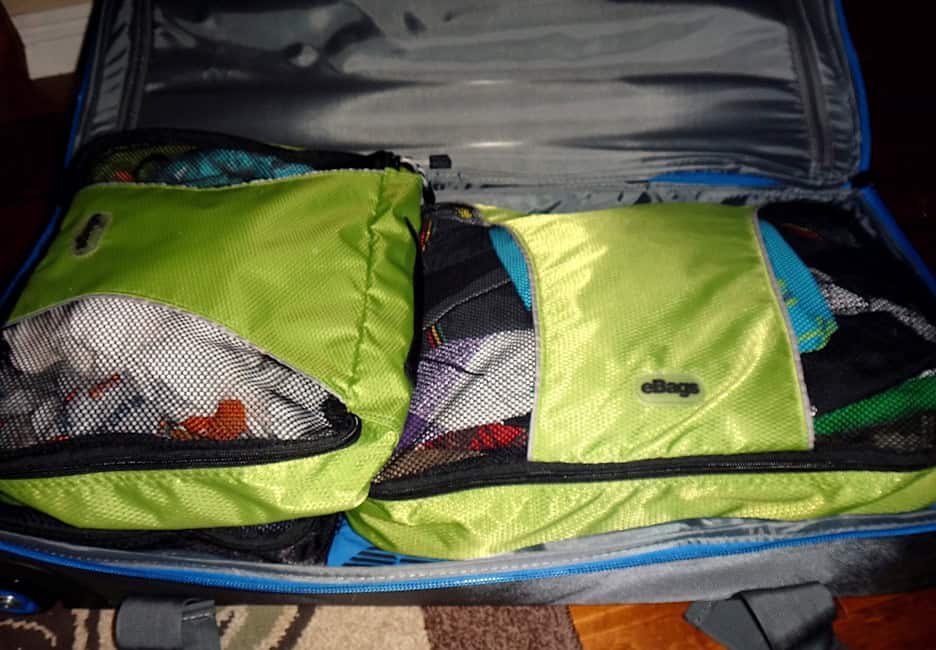
©"eBags Packing Cubes to Organize a Suitcase" by AngryJulieMonday is licensed under BY 2.0. - Original / License
Packing cubes are useful for keeping clothes separated, particularly if your trip involves more than one stop. Put socks and underwear in one, daytime clothes in another, and anything you will need immediately after landing somewhere easy to reach. They will not magically make your luggage weigh less, and ordinary cubes do not necessarily compress clothing. Compression cubes can reduce bulk, but they can also make an overloaded suitcase harder to close. The real advantage is knowing where everything is. Instead of unpacking an entire bag to find one clean shirt, you can pull out the right cube and leave the rest alone.
Keep an In-Flight Comfort Kit Within Reach
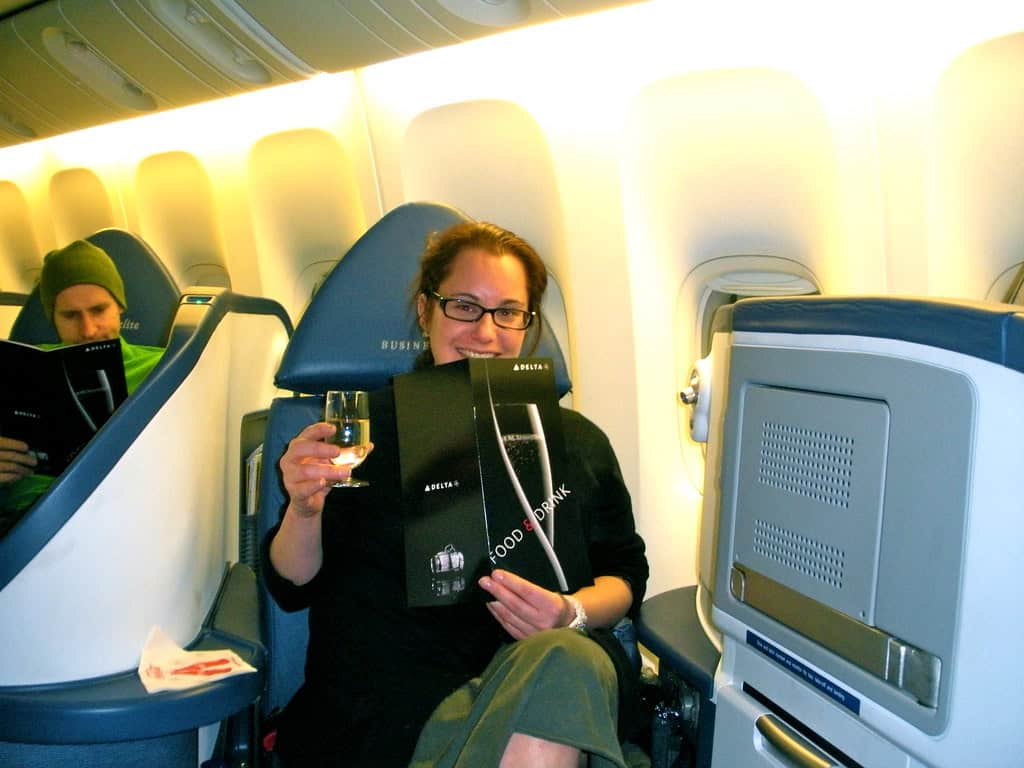
©"LONG Flight" by Studio Sarah Lou is licensed under BY 2.0. - Original / License
A long flight gets considerably more annoying when every little thing you need is buried beneath somebody else’s suitcase. Pack a small pouch with lip balm, a travel-size moisturizer, tissues, earbuds or headphones, an eye mask, and any personal essentials you use regularly. Then place it in the personal item that fits under your seat, not at the bottom of an overhead-bin suitcase. If you include gels or liquids, remember that airport security rules still apply. This is also a good place for a charging cable and a spare pair of socks. You do not need a miniature department store, just a handful of things that will make the next several hours more comfortable.
Dress in Layers, Not One Giant Coat
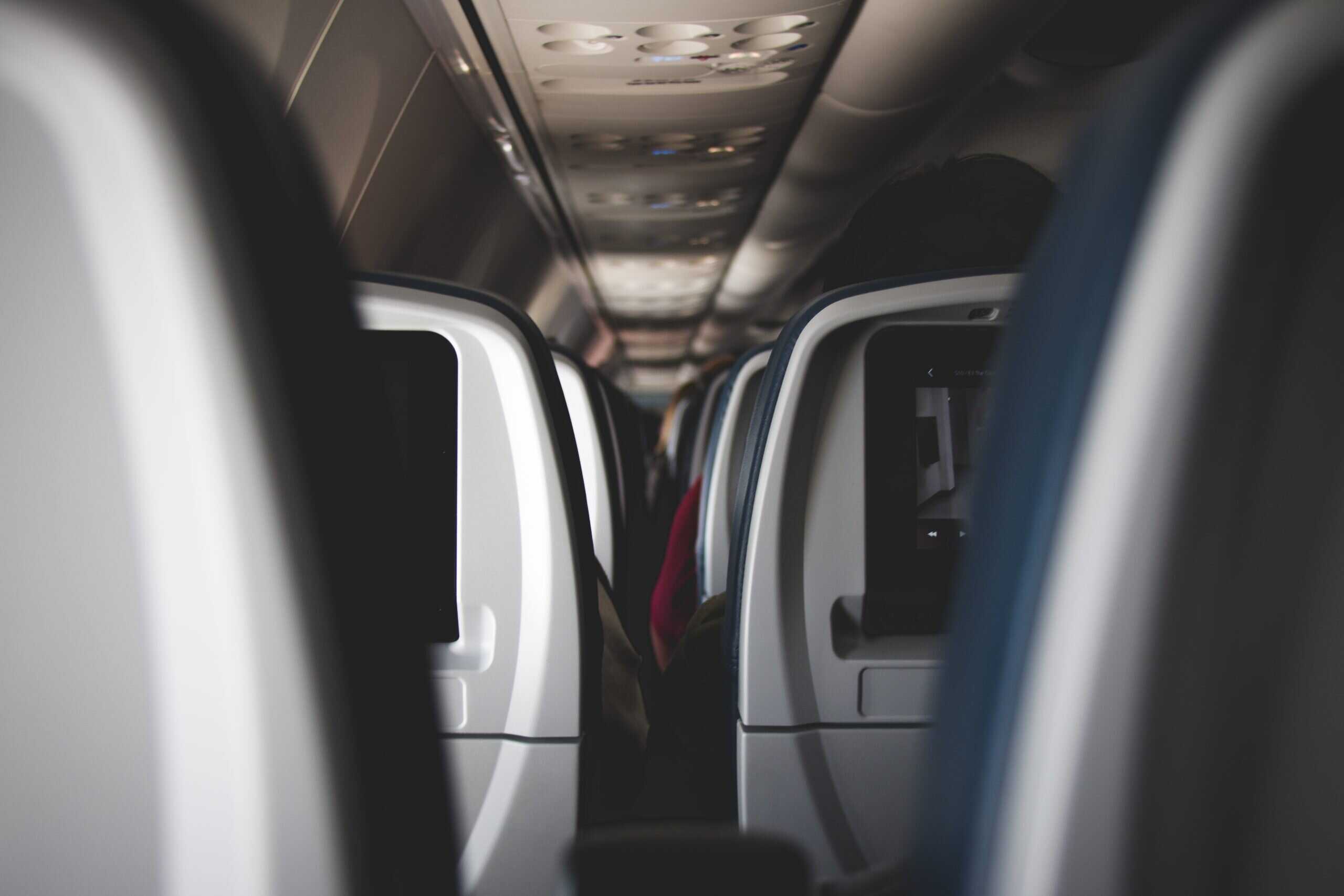
©"Plane seat rows (Unsplash)" by Steve Halama steve3p_0 is licensed under CC0 1.0. - Original / License
The temperature in an airplane cabin can feel chilly during boarding and stuffy once the flight gets moving. Rather than betting everything on one bulky sweatshirt, wear comfortable, breathable clothes with a light layer you can take off. A zip-up fleece or thin sweater is usually easier to manage in a cramped seat than a heavy jacket. If you are leaving the Pacific Northwest in cold, wet weather for somewhere much warmer, think about what you will want to wear after landing, too. Comfortable shoes and socks matter more on a long itinerary than looking like you stepped out of an airport fashion ad.
Check the Carry-On Rules Before Packing
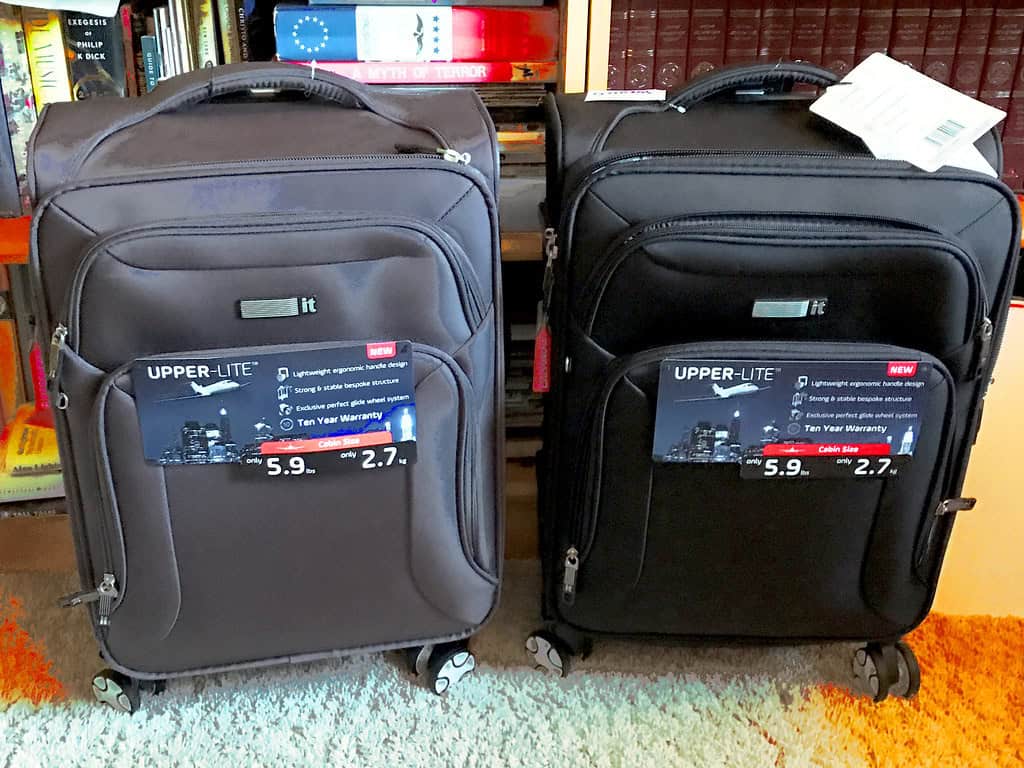
©"His and Hers Carry-on Bags" by byzantiumbooks is licensed under BY 2.0. - Original / License
There is no single carry-on allowance that works for every airline or ticket. Some fares include a full-size cabin bag, others charge extra, and size and weight limits vary. Check the rules for the airline operating each flight, especially if a regional aircraft or an international connection is involved. A smaller personal item that fits beneath the seat can be useful for documents, medication, electronics, and anything else you might need during the trip. If an overhead bag is gate-checked, remove valuables and items that must stay in the cabin, including spare lithium batteries and power banks. The FAA’s baggage guidance is a useful starting point for U.S. flights.
Pack Snacks That Can Handle the Trip
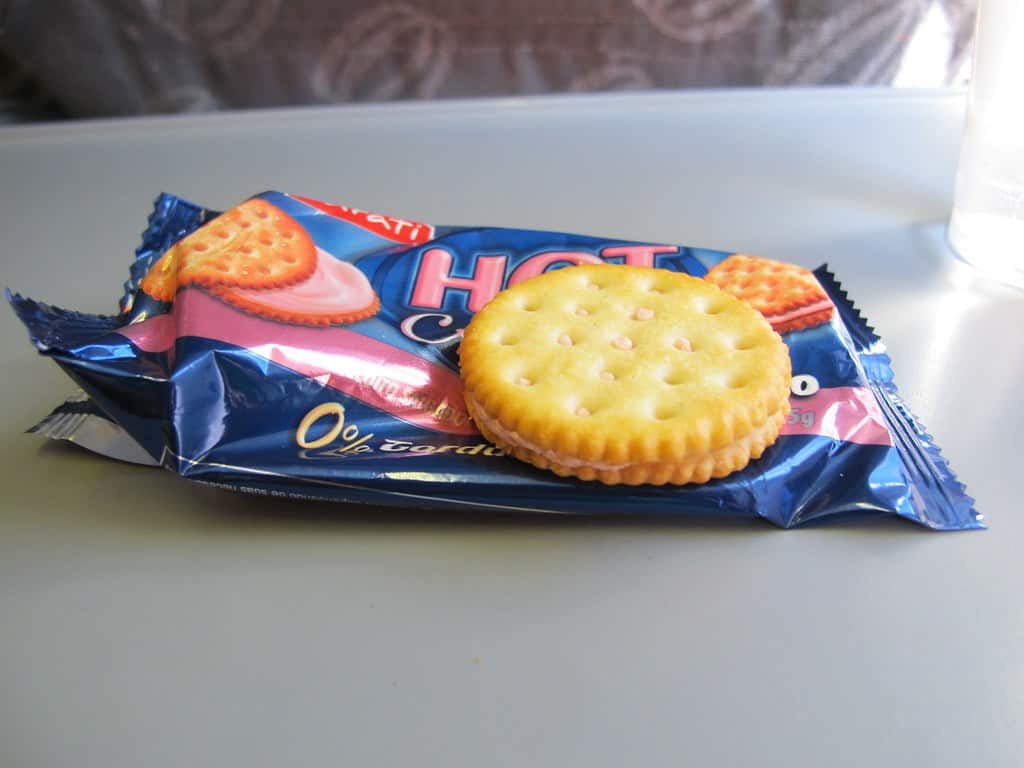
©"Flight Snack" by jennalex is licensed under BY 2.0. - Original / License
Airport food has a habit of costing more than expected, and the next meal service might be hours away. Granola bars, crackers, dried fruit, and other shelf-stable snacks are useful backups for delays and long layovers. Choose food that will not leak, spoil, or make a mess in the seat pocket. Do not count on the cabin crew having hot water available for your instant noodles or on every flight offering a meal. If you are crossing an international border, pay attention to agricultural restrictions before you land. U.S. Customs and Border Protection says travelers entering the United States must declare food and agricultural products, even when those items seem harmless.
Bring an Empty Water Bottle

©"water bottle" by Muffet is licensed under BY 2.0. - Original / License
An empty refillable water bottle is one of the simplest things you can put in a carry-on. Fill it after clearing security where drinking-water stations are available, then keep it close enough to use without calling a flight attendant every time you are thirsty. Cabin air is dry, so drinking water regularly can help with comfort, although it will not magically prevent jet lag or cure the effects of a sleepless overnight flight. Most passengers do not need special electrolyte powders just to sit on an airplane. If you have a medical condition that affects fluid intake, follow your clinician’s advice. For U.S. airport screening, check the TSA’s current liquids guidance before you go.
Consider Compression Socks, but Get the Fit Right
©"SSJ100_VIP-1" by SuperJet International is licensed under BY-SA 2.0. - Original / License
Compression socks can help some travelers manage swelling on longer flights, but they are not a guaranteed defense against blood clots, and stronger compression is not automatically better. The bigger concern with long travel is spending hours barely moving. The CDC recommends regular movement and calf exercises and says properly fitted graduated compression stockings may be appropriate for passengers at increased risk. Anyone with a history of blood clots, recent surgery, or another relevant medical condition should get personalized advice before traveling. In other words, skip the promise that one special pair of socks makes a 12-hour flight risk-free.
Keep One Clean Outfit in Your Carry-On
©"'Please report any unattended luggage.'" by ToastyKen is licensed under BY 2.0. - Original / License
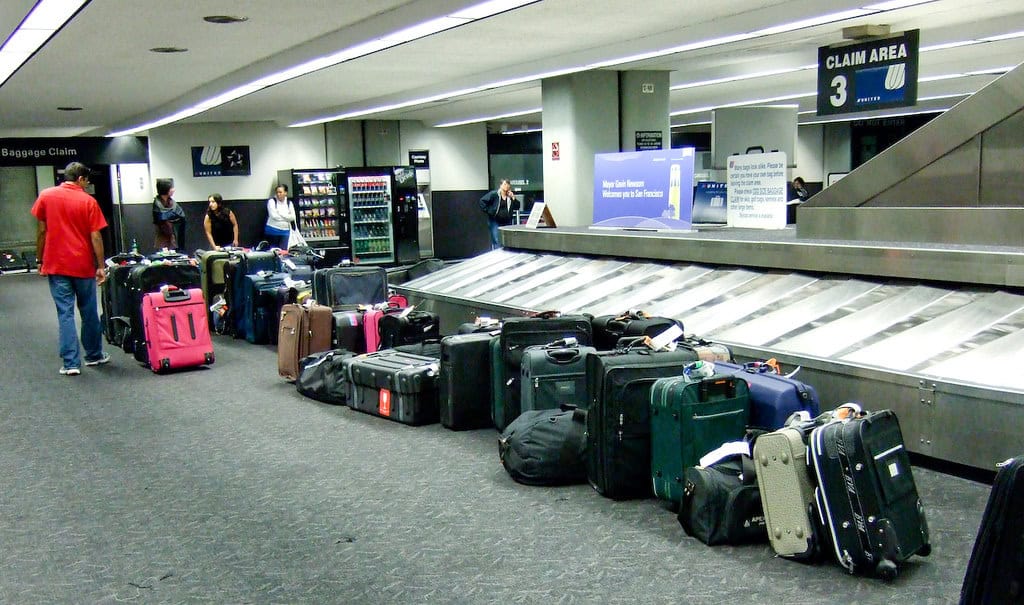
If a checked suitcase shows up a day late, a clean shirt and underwear suddenly become the most valuable things in your bag. Pack a small change of clothes, including socks, in the luggage that stays with you. It is useful after an overnight flight even when nothing goes wrong: you can freshen up during a long layover or before heading straight from the airport to your destination. Keep the backup outfit compact so it does not push out more important items. Travelers with connections should also make sure medications, documents, and essential toiletries remain with them. Lost luggage is inconvenient; losing access to everything you need for the next day is worse.
Bring a Light Blanket or Shawl if You Run Cold
©"flyer" by Bernal Saborio G. (berkuspic) is licensed under BY-SA 2.0. - Original / License
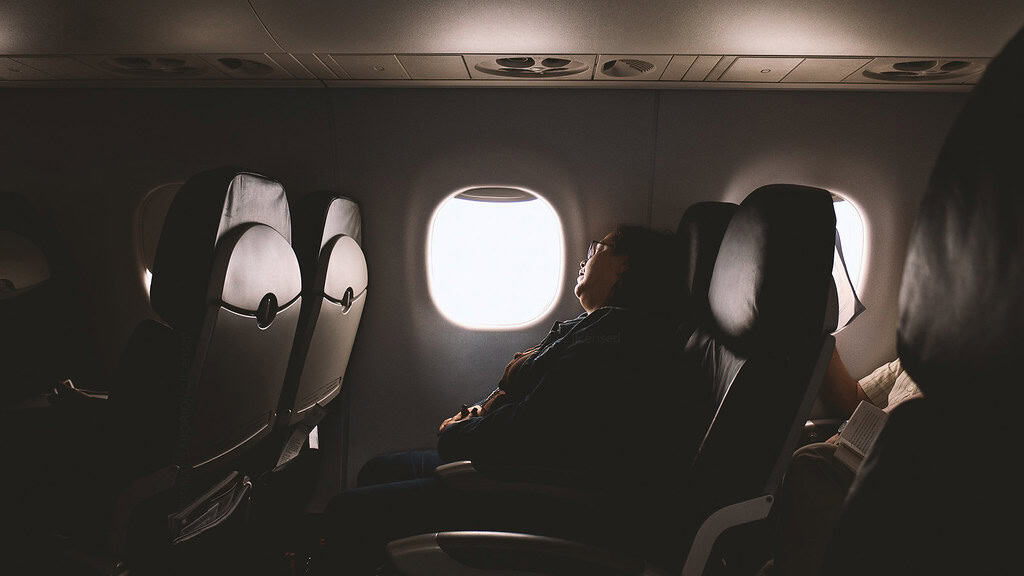
Not every flight provides a blanket, and the ones handed out in economy can be pretty thin. If you usually get cold while sitting still, a lightweight shawl, travel blanket, or extra layer can make a red-eye much more pleasant. Choose something that packs down easily and does not take over your personal-item allowance. A soft layer can also work as lumbar support or an improvised cushion when you are not using it for warmth. Just keep loose fabric out of the aisle and follow the crew’s instructions during takeoff and landing. A compact comfort item is helpful; dragging a full-size household comforter through the airport is probably a bit much.
Keep Chargers and Power Banks in the Cabin
©"“Cable management is for pussies” (paraphrasing Olek) / Order + Chaos / Nerds Opinions / SML.20130217.EOSM.02267.P1" by See-ming Lee (SML) is licensed under BY 2.0. - Original / License
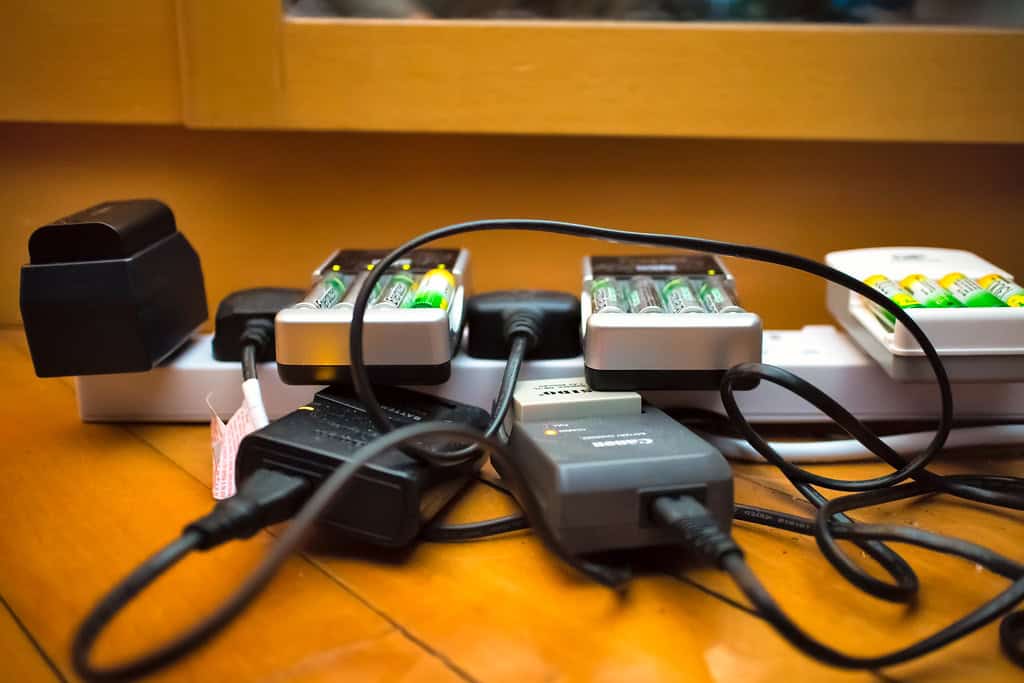
A charged phone is useful for boarding passes, maps, hotel confirmations, and keeping yourself entertained when the seatback screen decides not to cooperate. Put charging cables, headphones, and any travel adapter together so they are easy to find. Download entertainment and important documents before leaving home, because onboard Wi-Fi and power outlets are not guaranteed. There is also a safety rule worth knowing: the FAA requires spare lithium batteries and power banks in carry-on baggage, not checked luggage. If your bag is taken at the gate, remove those items and keep them with you. Check battery-size limits and the operating airline’s policies before flying.
Use Solid Toiletries to Simplify Security
©"Customer uses facial recognition as identification at TSA security checkpoint" by DeltaNewsHub is licensed under BY 2.0. - Original / License
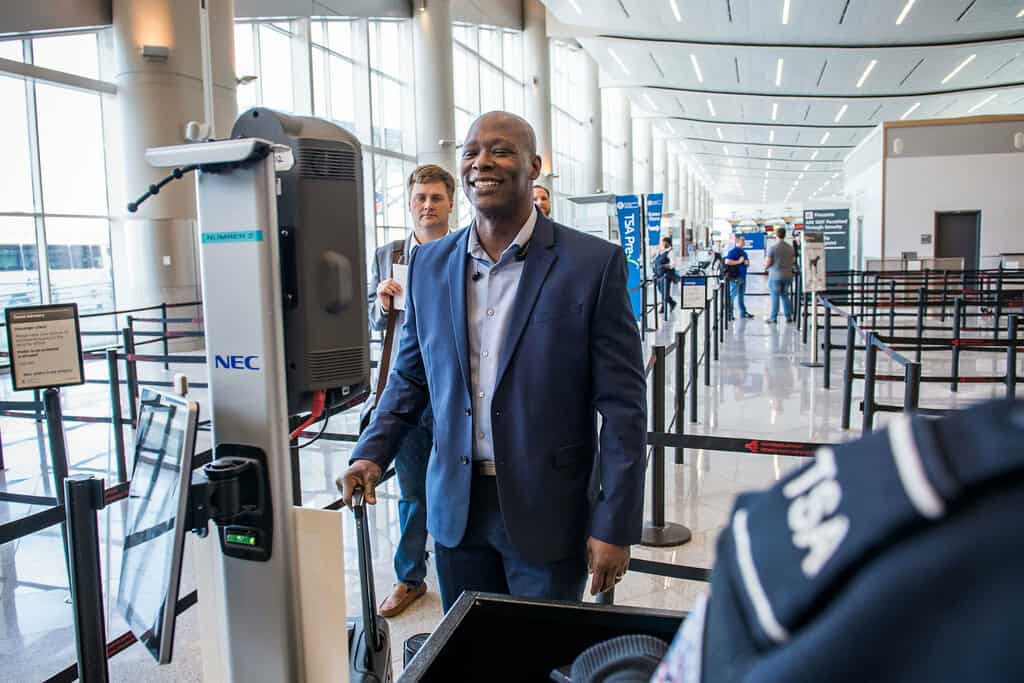
Shampoo bars, solid soap, and similar products can help reduce leaks and save space in a small travel bag. They are especially convenient when you are trying to fit several days of essentials into one carry-on. For flights departing U.S. airports, ordinary liquids, gels, and aerosols generally follow the TSA’s 3-1-1 rule: containers of no more than 3.4 ounces (100 milliliters) that fit in one quart-size bag, with exceptions for medically necessary items and certain other products. Do not assume that every paste or balm is classified as a solid, and check the rules for other countries on your itinerary. The goal is less hassle at security, not buying a whole new bathroom cabinet in miniature.
Carry a Pen and a Backup of Important Details
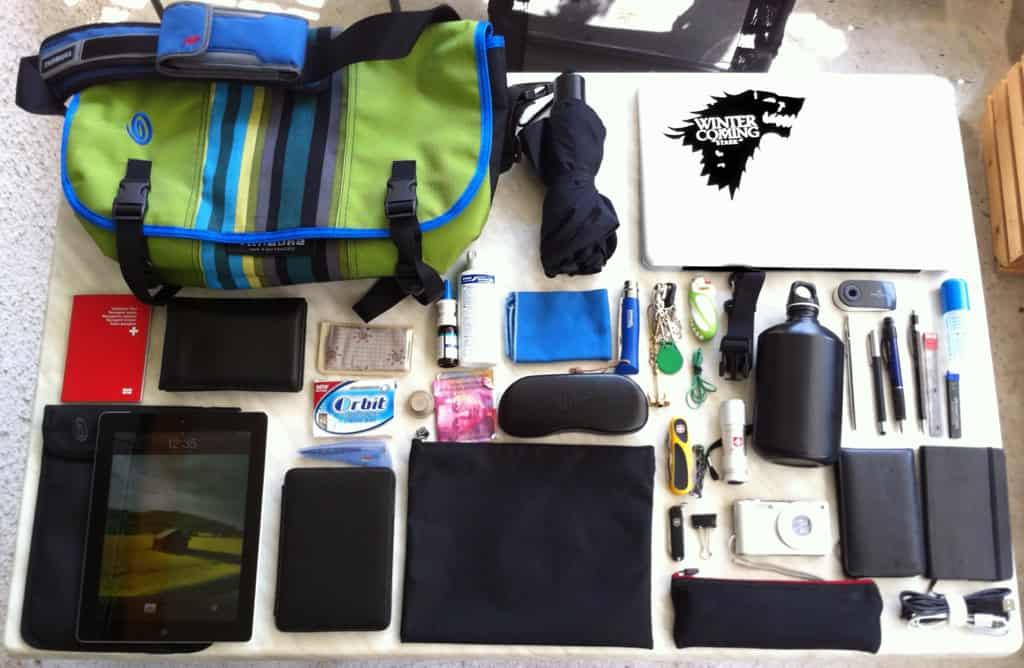
©"What's in my bag August 12, 2012" by Do8y is licensed under BY-ND 2.0. - Original / License
A pen and a tiny notebook sound old-fashioned until your phone dies just as you need an address or booking number. Most travel paperwork has moved online, but a few destinations and airlines still use forms, and it never hurts to have something to write with. Keep your hotel address, an emergency contact, and any essential connection information available offline. You can save those details on your phone, but a small paper backup is useful when you cannot get a signal or a battery is running low. The pen takes almost no room, which makes it an unusually good return on the tiny amount of suitcase space it occupies.
Pack for Sleep Without Counting on Sleeping
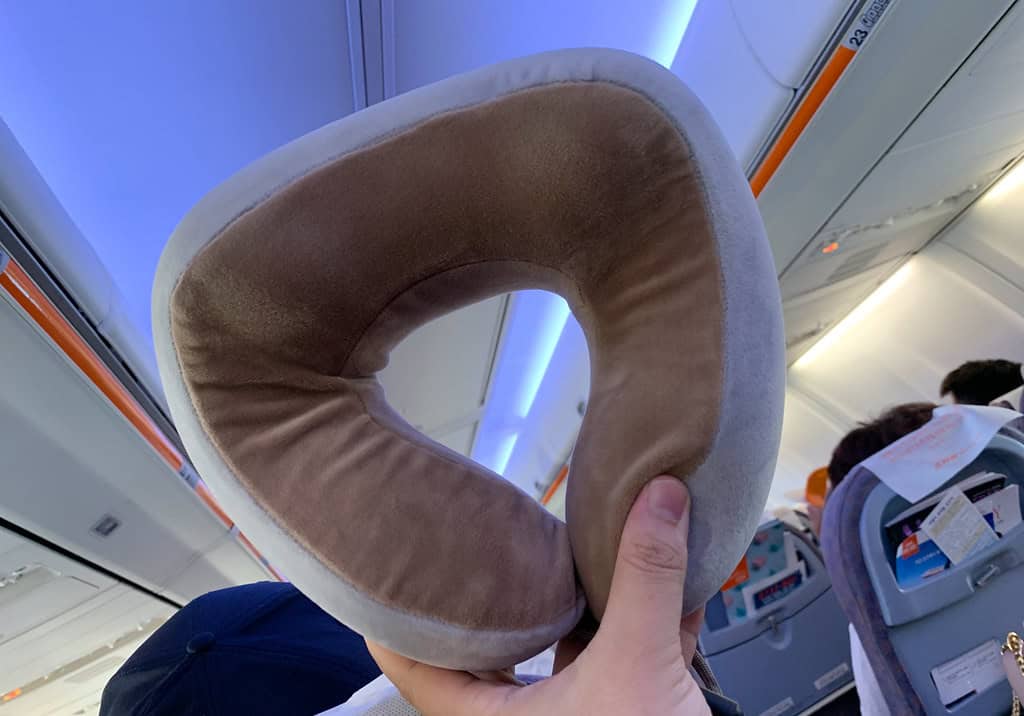
©"Neck Pillow" by TheBetterDay is licensed under BY-ND 2.0. - Original / License
An eye mask, comfortable earplugs, and a neck pillow can make it easier to rest when the cabin lights are on and someone three rows back has decided to watch a movie at full volume. Still, even the best accessories will not turn an upright economy seat into a lie-flat bed. Try to follow the destination’s time zone when planning rest, and keep a seatbelt fastened as the crew directs. On lengthy flights, get up when it is safe and move your legs periodically rather than staying completely still for hours. If you are considering medication to help you sleep, ask a clinician about whether it is appropriate instead of experimenting for the first time at 35,000 feet.
Leave Room for the Trip Home
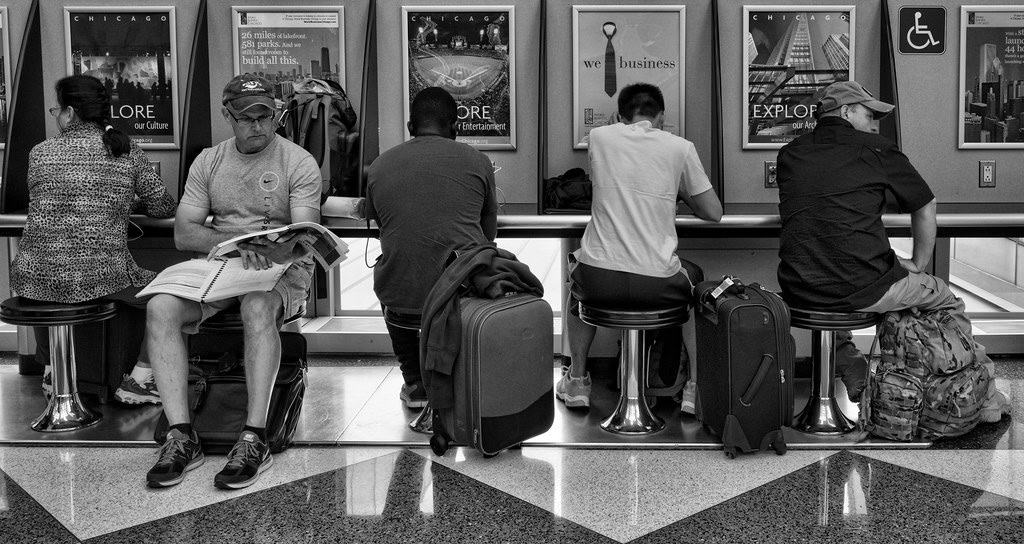
©"Explore" by Anne Worner is licensed under BY-SA 2.0. - Original / License
The suitcase that closes perfectly on departure has a funny way of refusing to close after a week of souvenirs, extra layers, and things you forgot you bought. Leave a little space when packing and bring a lightweight folding tote for organizing purchases on the way home. Just do not assume that tote counts as a free extra cabin bag; airlines enforce their own carry-on and personal-item limits, and anything beyond your allowance may need to be checked. Pack fragile purchases carefully, keep receipts when necessary, and review customs rules for anything you are bringing across a border. A little extra space on the outbound trip beats sitting on a suitcase to zip it shut before checkout.

