
Every Pacific Northwest bucket list has the same dozen places on it, and most of them have been there for decades. That’s the problem: decades went by and a lot of these places evolved into something else entirely. Something different from what made them popular in the first place. And a lot of tourists are still showing up expecting the idealized version of them. Here is an honest look at 12 places in Washington and Oregon that have changed quite a bit and what you can expect from them now.
Pike Place Market, Seattle
©Miune/Shutterstock.com
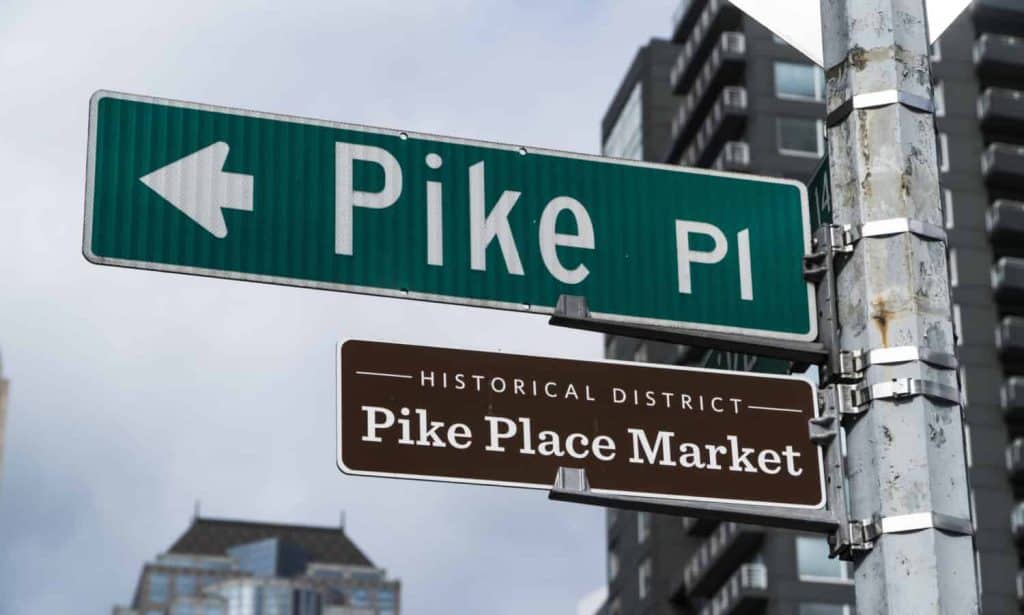
Pike Place Market was founded in 1907 after a band of farmers who got tired of losing money to middlemen decided to sell directly to customers. The market was almost razed during the 1960s until a preservation campaign led by architect Victor Steinbrueck saved it. Since then, Pike Place Market has kept growing, including the 2017 MarketFront development that brought the market up to nine acres and around 500 vendors.
That’s why repeat visitors have soured on Pike Place Market. The attraction was listed as the most overrated tourist attraction in Washington by USA Today and TripAdvisor reviewers use the term “crowded” to describe it. While there are still reasons to visit Pike Place Market, including fish tossers and the piggy bank named Rachel, it’s only a 45-minute walkthrough on a weekday morning, not the half-day anchor of your Seattle trip.
Space Needle, Seattle
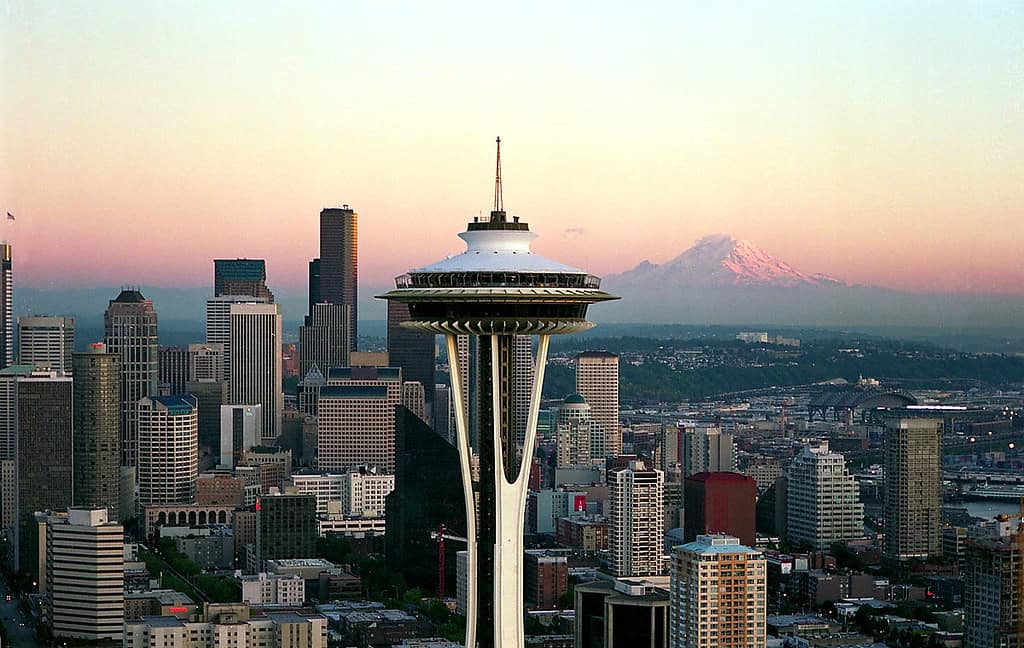
The Space Needle was built as a temporary symbol for a 1962 World’s Fair, not a landmark meant to last. Now it’s one of the most overrated spots in the PNW. Admission tickets start around $49, but residents would tell you that you can have a comparable skyline view from Kerry Park just a mile away, and it doesn’t even cost a dime. Even people who’ve lived in Seattle for years mostly treat it as something to point at from the car, not a ticket worth buying twice.
MoPOP, Seattle Center
Paul Allen inaugurated this Frank Gehry building in 2000, naming it Experience Music Project, a shrine to Jimi Hendrix and Seattle rock history. It’s been renamed five times since: EMP, EMP|SFM when they added science fiction into the picture, EMP Museum, and eventually to MoPOP in 2016. The building never changed. What management thought it should be about did, every year, until “pop culture” became its answer.
Snoqualmie Falls
©"Snoqualmie Falls, Snoqualmie, WA" by Meher Anand Kasam is licensed under BY-SA 3.0. – Original / License
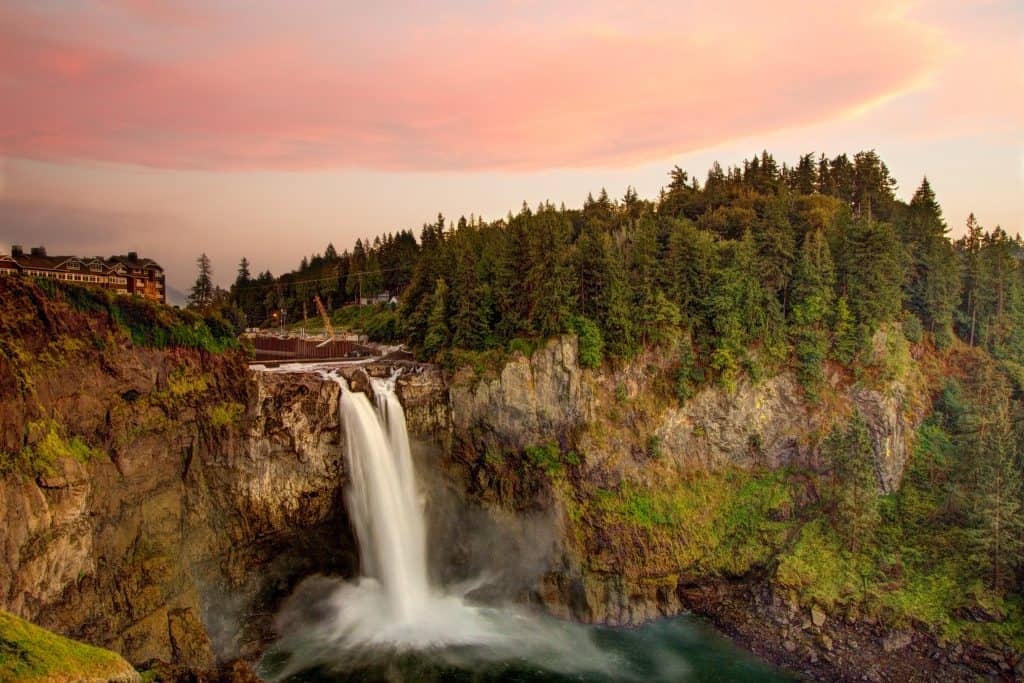
Snoqualmie Falls was where you’d pull off I-90, 30 miles east of Seattle, to see a 268-foot waterfall without paying a penny. Fame brought on by the film ‘Twin Peaks’ in the early 90s altered the traffic, while a massive three-year $265 million renovation project for its hydroelectric power station altered the place itself, introducing a rebuilt visitor center and a walkway to the lower observation point.
While parking costs $7 for the first two hours at the primary lot, there is a free parking lot on the other side of the pedestrian bridge if you don’t mind the walk. The lower walkway has closed several times before due to safety repairs. One long-time visitor said that the entire place feels like “a waterfall in a zoo,” hemmed in by walkways and turbines. It is certainly worth a 30-minute stop, provided you know you’re visiting a managed hydro park, not backcountry.
Mount Rainier, Paradise and Sunrise corridors
Mount Rainier visitation has been climbing for years, enough that the park piloted a timed-entry reservation system for the Paradise and Sunrise corridors starting in 2024. The Park Service scrapped that requirement for 2026. Instead of having fewer people visiting, there will be the same number but not on any permit system, and you can expect 60-plus minute waits at the Nisqually entrance on summer weekends either way.
Cannon Beach and Haystack Rock, Oregon
Haystack Rock has always been the coast’s most picturesque spot, and a cameo in The Goonies didn’t hurt. What’s changed is what it takes to see it. We’re talking about parking. Parking spaces around Haystack Rock are usually full from 9 am onward in summer weekends, so locals now recommend visiting Short Sand or Oswald West State Parks instead of fighting for a spot near town.
Leavenworth

Leavenworth was already a declining railroad and lumber community in the 1960s, its economy gutted after the rail line moved out. Instead of succumbing to their fate, Leavenworth voted to transform itself into a Bavarian town, enlisting the help of a designer from Solvang, California, and drafting a manual that regulates everything from building facades to storefront lettering even today.
It worked almost too well. Leavenworth now draws about 3 million tourists a year, but this level of success priced out the people who make the town run. Median home prices jumped to $1.1 million in 2024. Even the mayor has referred to the tourism rush as “a runaway train.” So come for the Oktoberfest and the lederhosen, just remember that the “authentic” Bavarian town is a 1960s marketing decision.
Forks, Washington
“Forks claimed to be the logging capital of the world until stricter regulations and foreign mills shut down the logging industry in the late 1980s, leaving boarded-up storefronts lining Highway 101. The Twilight novels, set in the real town of Forks, reversed that starting in 2005. In 2024, Forks welcomed a record 78,000 tourists, and food service, retail, and lodging jobs now make up 32% of local employment, double what that share was two decades ago. It’s a real former logging town whose current identity runs on a vampire romance series that was never even filmed there.
The Goonies House, Astoria, Oregon
The owner of this Victorian house, located on a hillside in residential Astoria, had been welcoming movie fans since its purchase in 2001. In 2015, she had enough of bottles of beer and cigarette butts in the yard, which led her to put blue tarps over the whole building and warning signs. The house was sold again in 2023, and while the owner allows the fans to take photos from the porch, Astoria still forbids the commercial use of property in residential zones, so don’t expect it to ever become a proper museum.
Multnomah Falls, Oregon
©Jon Bilous/Shutterstock.com
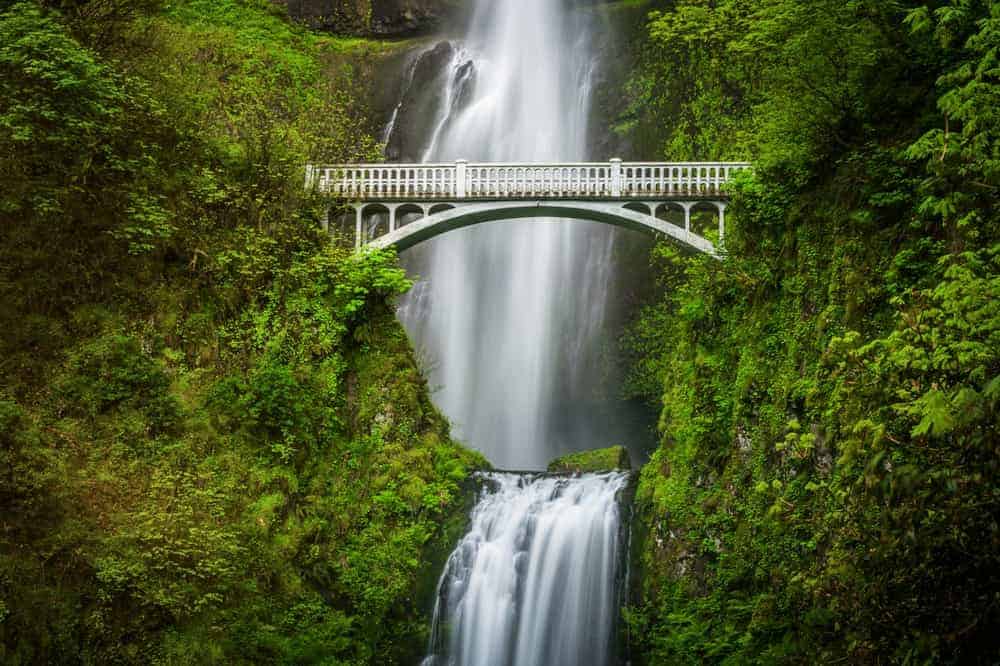
Multnomah Falls used to be a free pull-off along I-84, the kind of spot you’d hit on a whim while driving between Portland and the Gorge. Over two million visitors per year eventually broke that arrangement. The Forest Service requires a $2 timed use pass simply to park in the main parking lot between 9 a.m. and 6 p.m. from late May to early September. The official website that sells the weekend passes (Recreation.gov) is typically sold out within minutes.
The second parking lot located across the highway isn’t a workaround either. It had been a free parking lot until the spring of 2024, when its private owners installed kiosks charging up to $20. If you don’t want to plan a waterfall visit two weeks in advance, consider going without the car altogether and using the Columbia Gorge Express bus service from Portland or the Sasquatch Shuttle from the Bridal Veil exit, both of which sidestep the permit system completely.
Mount St. Helens, Johnston Ridge Observatory
Access to the best vantage point on the crater, the Johnston Ridge Observatory, has been cut off since a landslide in 2023, which damaged a portion of Spirit Lake Highway. In 2025, Federal staffing cuts affected the monument greatly since the Forest Service didn’t hire temporary staff at some interpretive sites such as Ape Cave, leaving them unstaffed for the season. It was not until 2025 that the Castle Rock visitor center reopened after its first exhibit overhaul since 1986, just six years after the eruption itself, and even now it’s running a leaner operation than it used to.
Pioneer Square Underground Tour, Seattle
Bill Speidel created the Seattle Underground Tour back in 1965, an amusing tale of Seattle’s history through the lens of “hookers and gold.” It worked well enough to help save Pioneer Square from being knocked down. Sixty years later, the jokes remain largely the same about the city’s first flush toilets, yet the area above ground around the tunnels has filled with well-funded offices that Speidel wouldn’t recognize. It is still entertaining for 75 minutes. Just treat it as entertainment built on a simplified history, rather than the complete story of the neighborhood.
That doesn’t mean skip the list. Show up expecting the current version of these places, and not whatever brought them to your attention in the first place.

