

Rain, coffee, mountains, and tech are usually some of the first things outsiders associate with the Pacific Northwest. None of that is exactly wrong. But daily life here is shaped by smaller habits and regional quirks that are easy to miss if you’re only passing through. Some are rooted in history or geography. Others are long-running local stereotypes that are better treated as culture than hard rules.
The No-Umbrella Thing Is More of a Local Joke
©"Rainy Venice" by konstantin.tilberg is licensed under BY 2.0. - Original / License
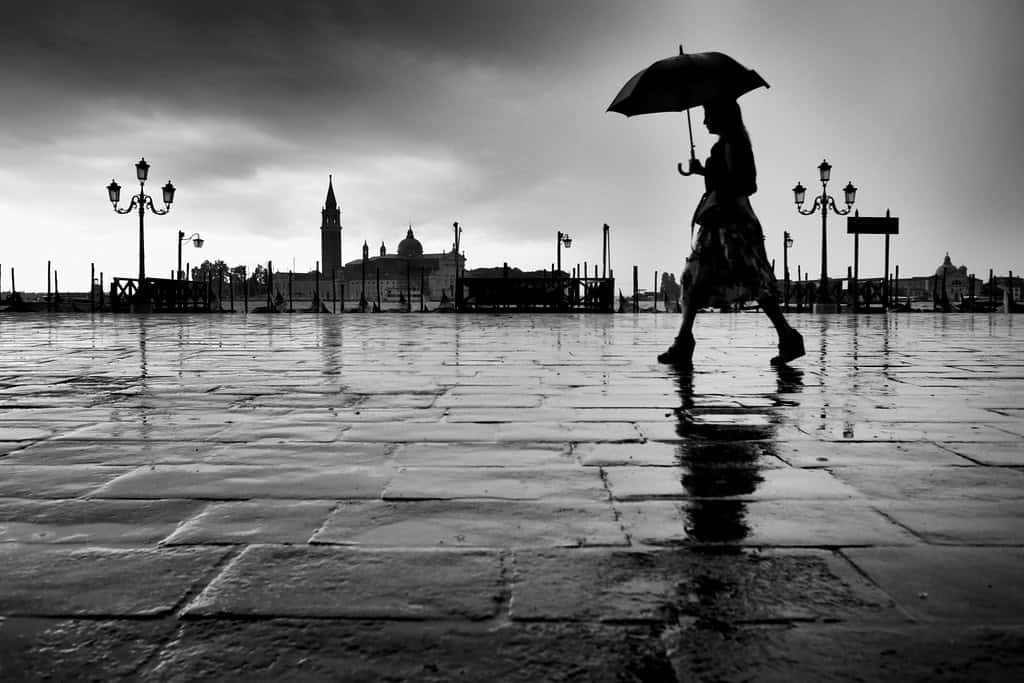
Seattle’s anti-umbrella reputation is one of those local stereotypes that refuses to die. Plenty of residents use umbrellas, while plenty of others swear by a hooded rain jacket. The preference is practical as much as cultural: a jacket keeps both hands free and stays useful when the rain comes and goes.
So the idea that an umbrella automatically gives away a tourist is best understood as Seattle lore, not a serious test of who belongs here. On breezy days or when the rain comes and goes, a hood can be more convenient. Spend enough time in the city and you may wind up reaching for the raincoat simply because it is easier.
The Sun Triggers an Almost Immediate Reaction
©Mihai_Andritoiu/Shutterstock.com
When a sunny day finally breaks through after a long gray stretch, the Pacific Northwest can feel like a different place. Patios fill, parks wake up, and people will happily sit outside in weather that visitors from warmer climates might still consider jacket weather. It is less a scientific rule than a familiar regional ritual: if the sun is out, people find a reason to be outside.
People from sunnier places sometimes laugh at it until they spend a gray winter here. Then the sudden urge to find a patio, a park bench, or any patch of direct sunlight starts to make a lot more sense.
The “Seattle Freeze” Is a Reputation, Not a Rule
©digidreamgrafic/ via Getty Images
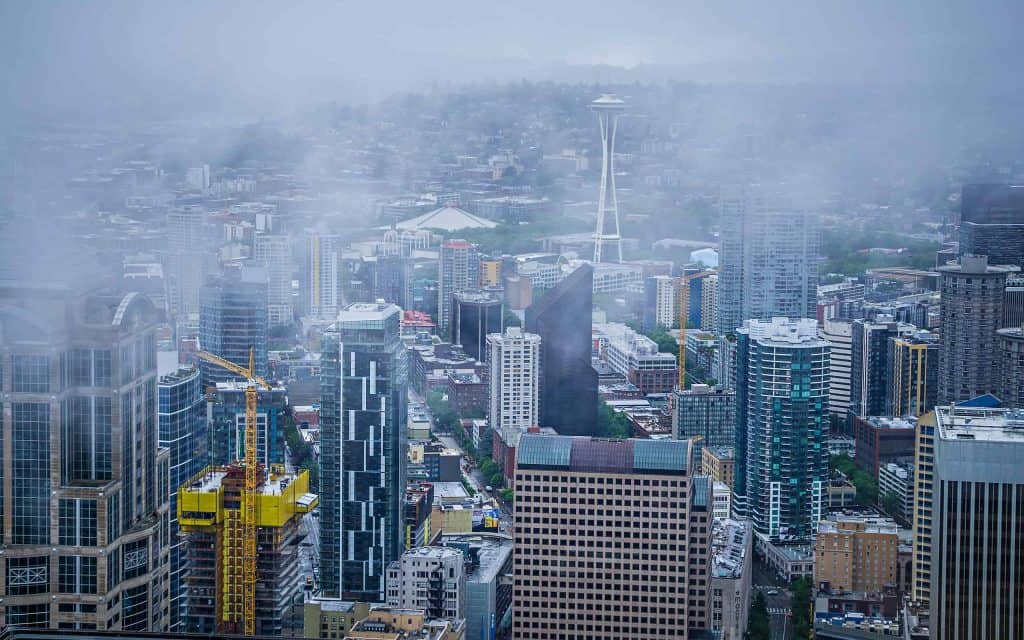
The “Seattle Freeze” is the nickname for a long-running belief that people in Seattle can be friendly in passing but harder to turn into close friends. It is a real phrase and a familiar local stereotype, but the evidence for a citywide personality trait is anecdotal. Plenty of locals and newcomers say their experience has been the opposite.
People have offered all kinds of explanations, from the weather to transplant culture to established social circles, but there is no authoritative evidence tying the Freeze to one cause. The useful takeaway for a newcomer is simpler: don’t assume one friendly conversation will automatically become a friendship, but don’t assume Seattle is destined to be lonely either.
Teriyaki Really Is One of Seattle’s Signature Fast Foods
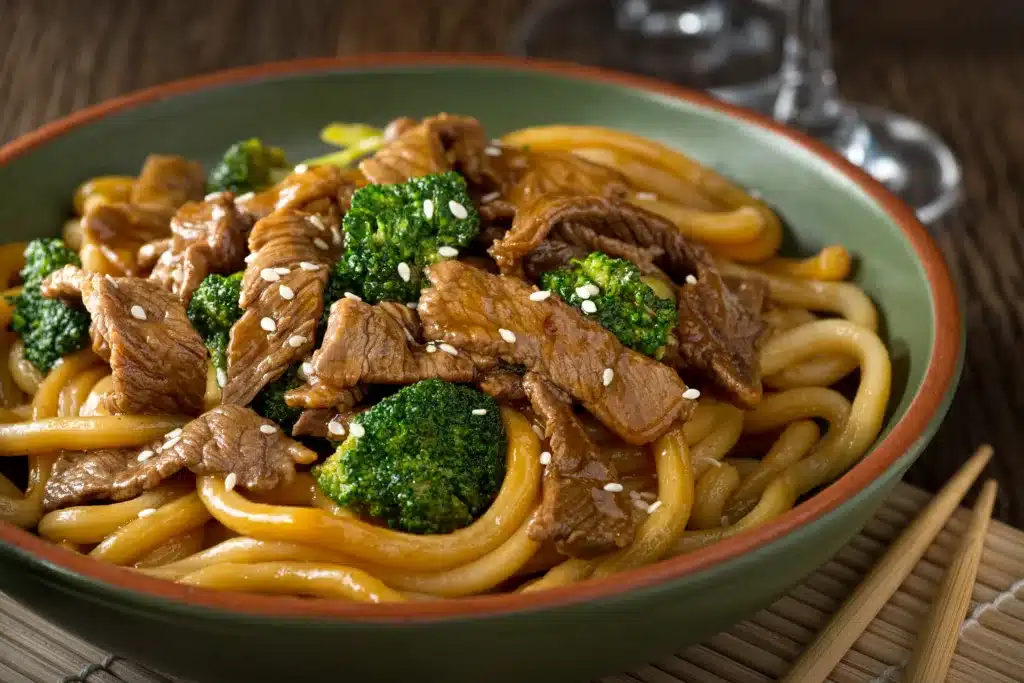
New York has the slice of pizza. Philadelphia has the cheesesteak. Seattle has teriyaki. Seattle-style teriyaki became a local fast-food institution built around grilled chicken or beef, rice, salad, and a sweet-savory sauce. The shops are often small, casual, and straightforward, which is part of the appeal. It is quick comfort food without much ceremony.
The modern Seattle style took off in March 1976, when Toshihiro Kasahara opened Toshi’s Teriyaki in lower Queen Anne. His small restaurant centered its menu on chicken and beef teriyaki served with rice and salad, and similar shops spread through the region in the decades that followed. That helped turn a simple plate into one of Seattle’s most recognizable everyday meals.
Geoduck Is Pronounced Nothing Like It’s Spelled
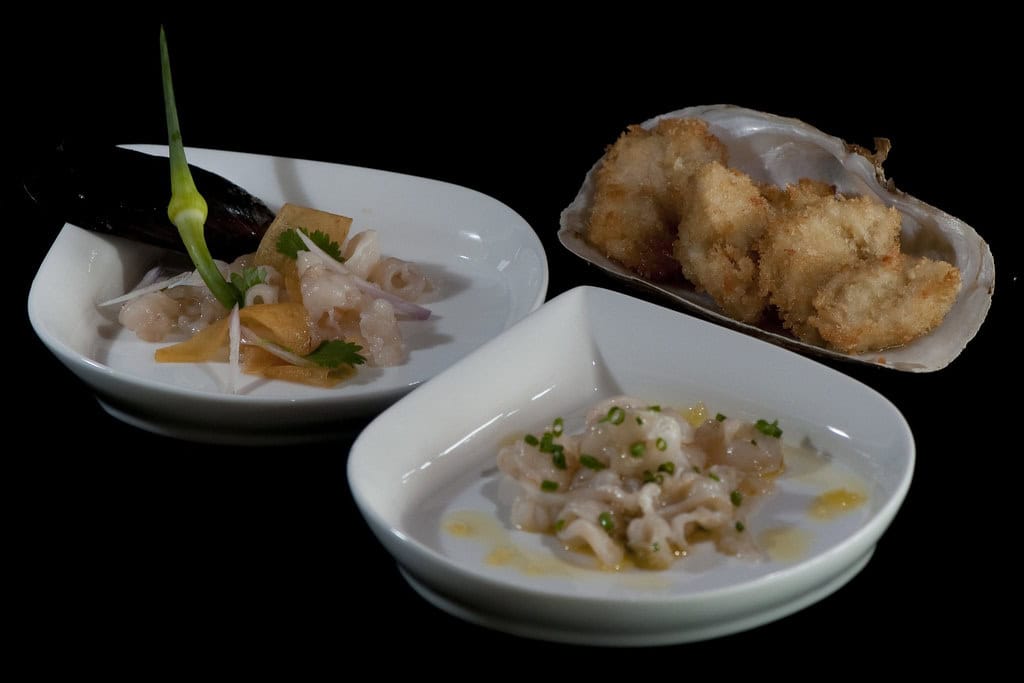
©"A trio of Geoduck" by VIUDeepBay is licensed under BY 2.0. - Original / License
If you order geoduck after sounding it out as “geo-duck,” locals will know you’re new to the word. NOAA Fisheries gives the pronunciation as “gooey-duck.” This giant burrowing clam is native to the West Coast from Alaska to Baja California, with especially important wild harvest and aquaculture in Washington. Its shell is typically 6 to 8 inches long, while the siphon can stretch up to 3 feet. It is the kind of seafood-counter sight that earns a double take.
Geoducks are also remarkably long-lived. NOAA cites an oldest recorded age of 168 years, while the Washington Department of Fish and Wildlife says samples have been aged at 173 years in Washington and 179 years in British Columbia. Washington supports both wild and farmed geoduck fisheries, so this strange-looking clam is much more than a market curiosity.
East of the Cascades Really Is a Different Landscape
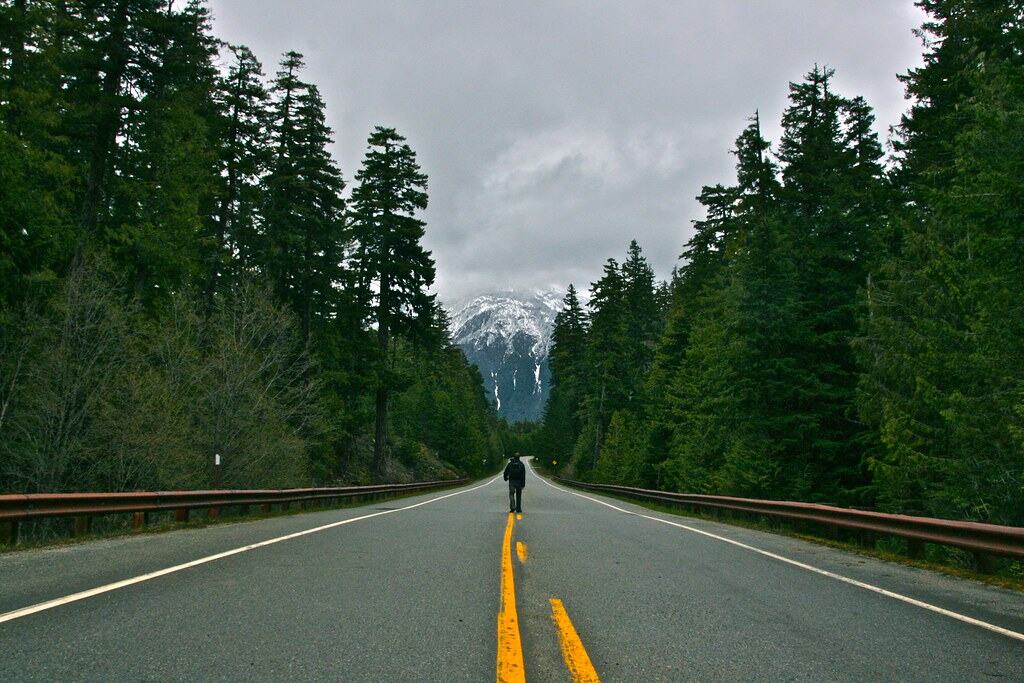
©"North Cascades, WA (2011)" by Rain Rannu is licensed under BY 2.0. - Original / License
Most people picture the Pacific Northwest as thick forest, mist, and endless green. Cross the Cascades heading east and that image changes quickly. The Washington Department of Ecology describes western Washington as generally wetter with a marine west coast climate, while the east side is generally drier, continental, and semi-arid. Open shrub-steppe, dry hills, farmland, and hotter summers can make parts of eastern Washington look like another region entirely.
The Cascades are a big reason for the contrast. Moist Pacific air rises over the mountains, cools, and drops much of its moisture before descending on the east side, creating a pronounced rain-shadow effect. That is how one drive can take you from evergreen forests and wet western valleys into country that is much drier and more open without ever leaving Washington.
Portland Still Has a Ridiculous Number of Breweries
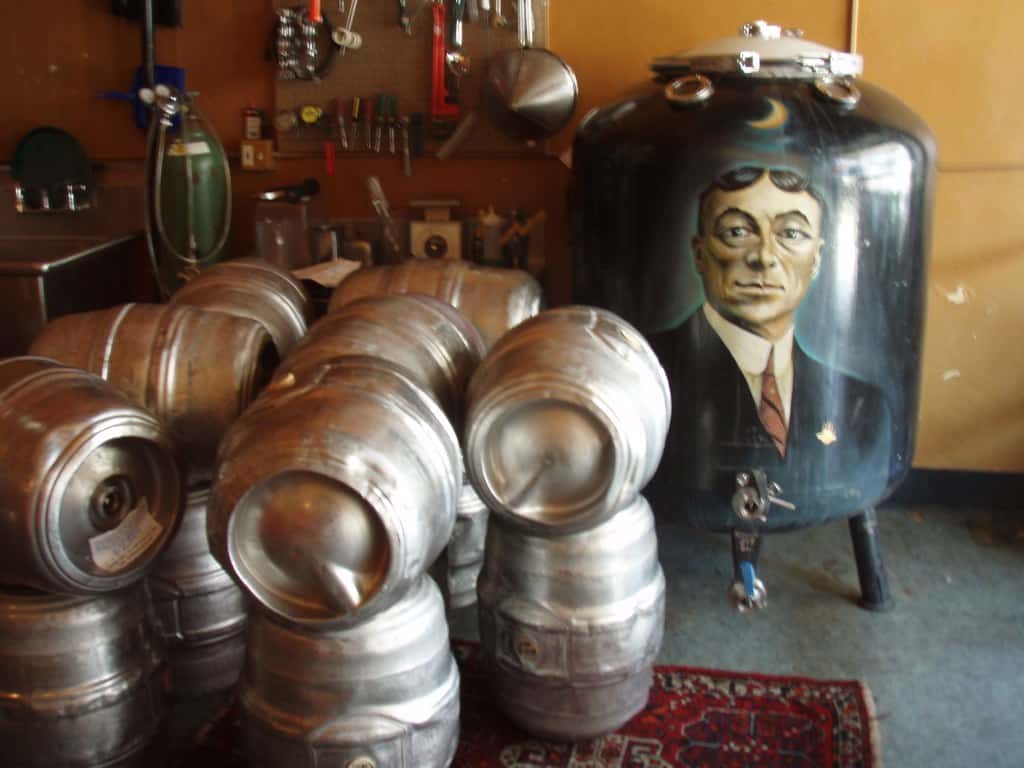
©"McMenamins Brewery" by thekirbster is licensed under BY 2.0. - Original / License
Travel Portland currently describes the city as home to more than 80 breweries. Statewide, the Brewers Association counted 297 craft breweries in Oregon in 2025, equal to 9 breweries per 100,000 adults age 21 and older, the eighth-highest state rate in the country. Portland’s modern craft-beer boom took off in 1984 with BridgePort and Widmer Brothers, and McMenamins Hillsdale became Oregon’s first brewpub since Prohibition in October 1985. Ordering a Bud Light in a Portland bar is still technically possible.
Oregon Really Does Have a Lot of Llamas
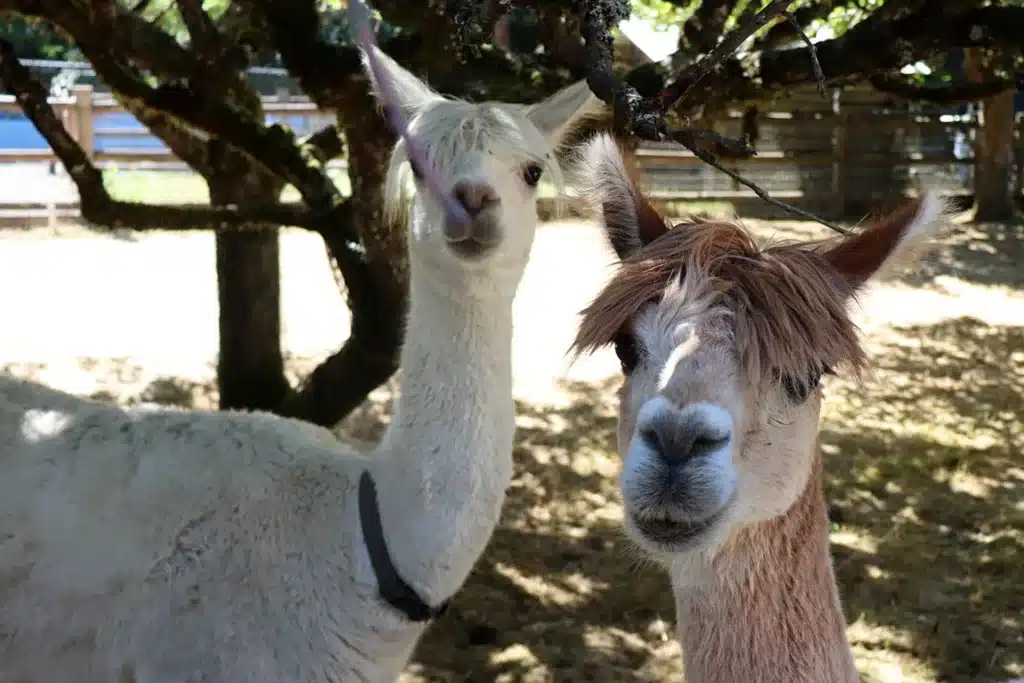
This is still one of the stranger Oregon statistics, just not quite as extreme as the folklore suggests. The USDA’s 2022 Census of Agriculture counted 2,085 llamas on Oregon farms, compared with 29,705 nationwide, or about 7% of the U.S. farm inventory. Clackamas County alone reported 401 llamas. Spotting a field of them on a rural Oregon drive is not exactly a statistical miracle.
The airport part is real, too. Portland International Airport’s animal-assisted therapy program includes trained llamas and alpacas from Mtn Peaks Therapy Llamas & Alpacas. They visit at select times during the year, usually for 60 to 90 minutes, as part of a program meant to bring calm and connection to travelers. That may be the most Portland way possible to meet a llama.
During WWII, Boeing Hid Plant 2 Under a Fake Neighborhood
©"No Known Restrictions: WWII: Red Army Soldiers in the USSR, ca. 1940s (LOC)" by pingnews.com is licensed under PDM 1.0. - Original / License
During World War II, Boeing’s Plant 2 along Seattle’s Duwamish Waterway became a major B-17 production site. The Museum of Flight says 6,981 B-17 Flying Fortresses were assembled there during the war, with production reaching as many as 362 bombers in a month and employment peaking at about 30,000 workers. To protect the facility from possible enemy observation and attack, the U.S. Army Corps of Engineers camouflaged the roof to look like a neighborhood.
The disguise covered 26 acres. Boeing’s own history describes canvas cottages, wire-mesh trees, and burlap lawns built over the plant; the Army Corps dismantled the fake village in 1946. The 6,981st and last B-17 built there rolled off the line on April 9, 1945. Plant 2 survived for decades after the war and was demolished in December 2011 as part of Boeing’s cleanup and habitat-restoration work along the Lower Duwamish Waterway.
The Pacific Northwest Has No Official Boundary
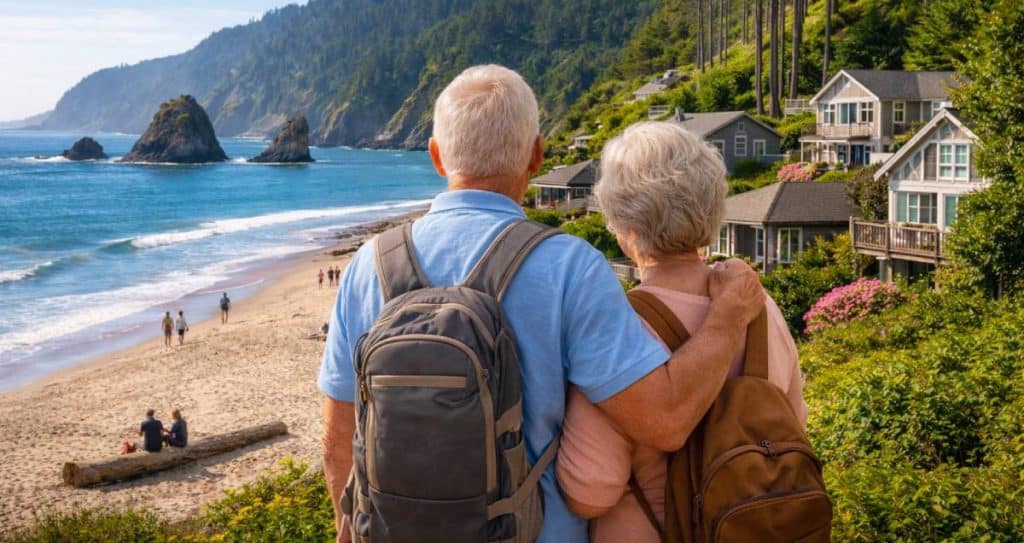
Ask ten people where the Pacific Northwest begins and ends and you may get ten different maps. There is a good reason for that: the U.S. Board on Geographic Names does not set official boundaries for broad regions like this. One U.S. Geological Survey report defines the PNW as Idaho, Oregon, and Washington, while other USGS work uses Pacific Northwest and Cascadia framing that stretches from northern California through Oregon and Washington into southern British Columbia.
That means “Pacific Northwest” and “Cascadia” can overlap without having one universally fixed border. Geological, ecological, cultural, and political uses can draw the map differently, which is exactly why the edges stay fuzzy. The boundaries may be debatable, but the regional identity is easy to recognize once you’ve spent enough time here.

