
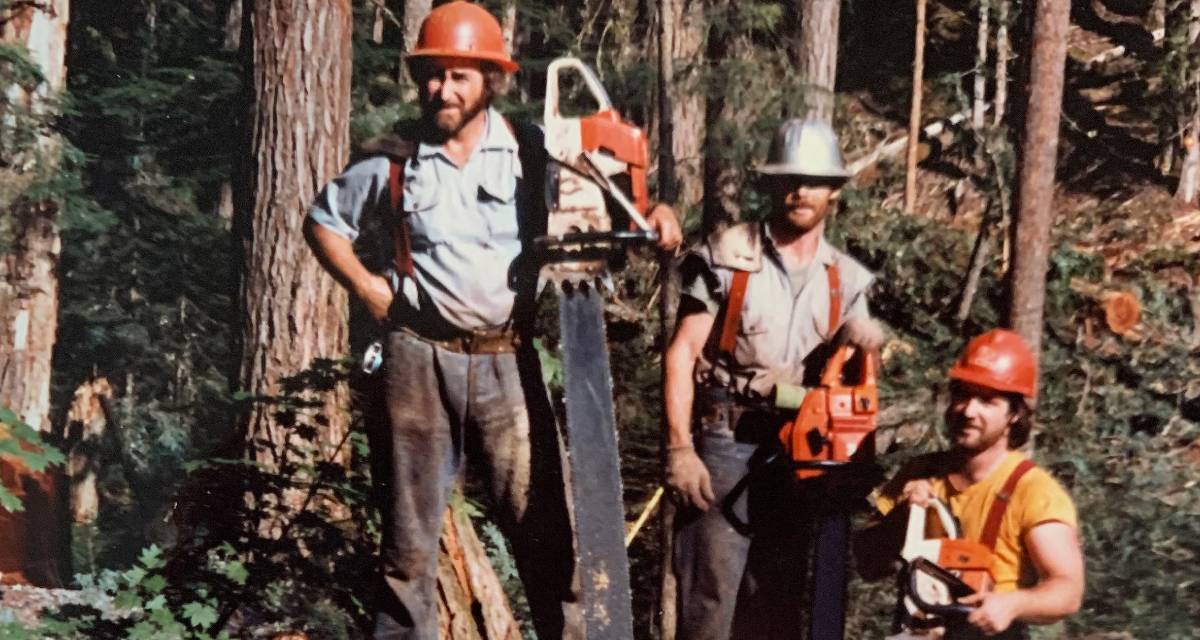
The Pacific Northwest has always been defined by its forests. For generations, logging shaped the region’s economy, turning remote timber communities into working towns and helping build the cities, ports, and industries that still define the area today.
Many former logging towns have changed dramatically as the timber industry evolved. Some declined as jobs disappeared, while others reinvented themselves through tourism, outdoor recreation, historic preservation, and more sustainable forestry. Today, the PNW’s logging legacy is about more than timber. It’s a story of rugged landscapes, working-class history, rural communities, and the forests that continue to shape life in the region.
Logging’s Deep Roots in the Pacific Northwest
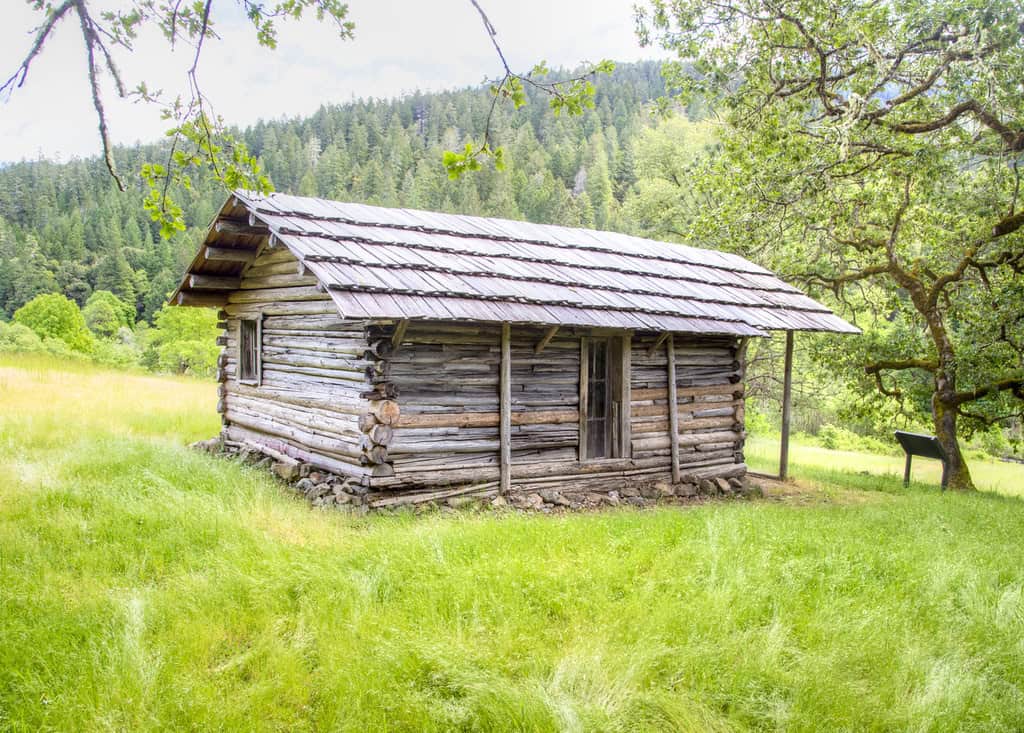
©"Zane Grey cabin on the Rogue River" by BLM Oregon & Washington is licensed under BY 2.0. - Original / License
The Pacific Northwest’s timber industry traces its roots to the 1800s when vast forests of Douglas fir and western red cedar drew settlers seeking fortune. Logging became a primary economic driver, especially in Washington and Oregon, where abundant rainfall and fertile soils made for ideal forest growth.
The Rise of Boomtowns
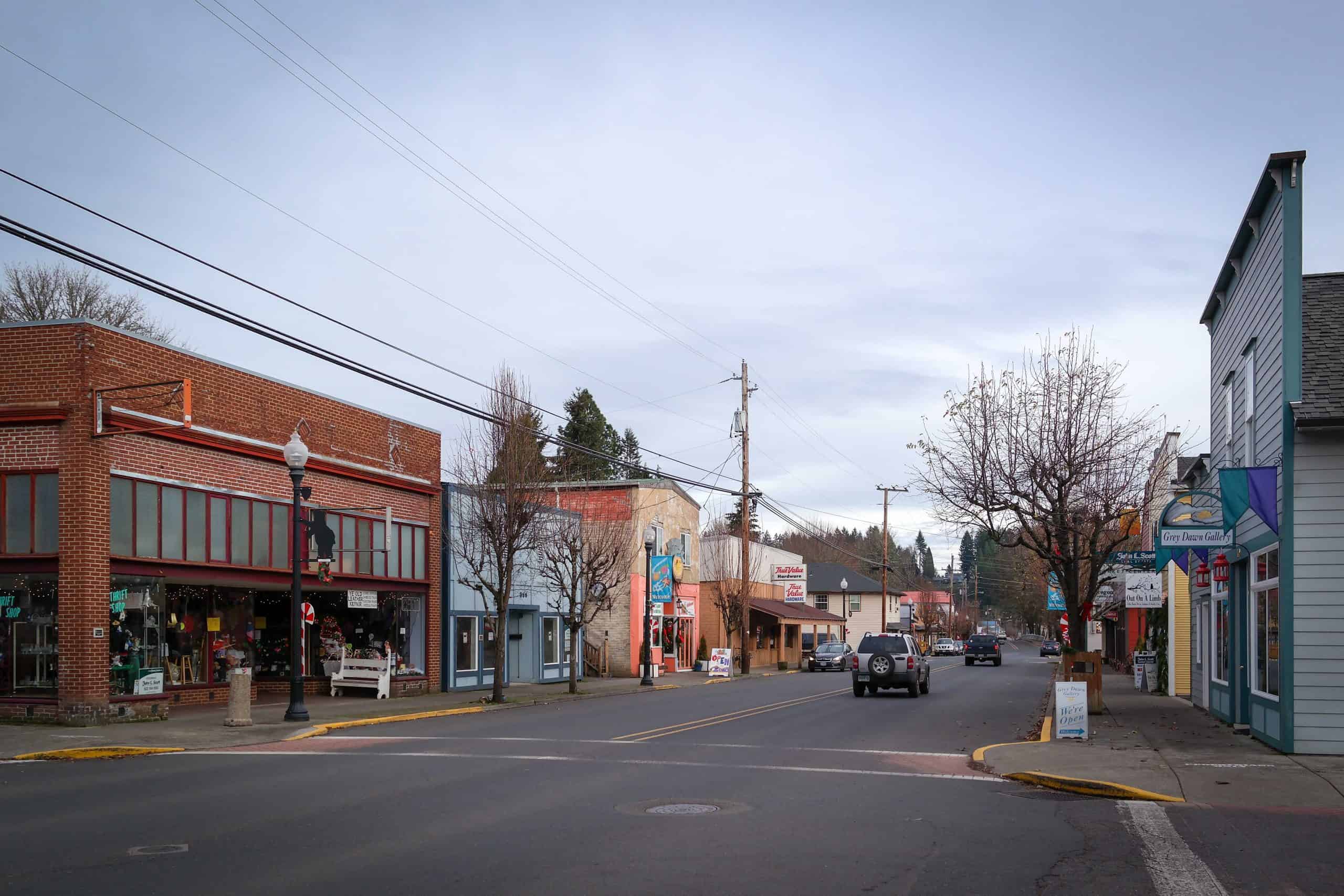
©"Vernonia, Oregon" by Geirfuglasker is licensed under BY-SA 4.0. - Original / License
As the timber industry expanded in the early 20th century, many towns in the PNW rapidly grew into booming centers of commerce and labor. Communities such as Vernonia, Oregon, and Morton, Washington became synonymous with logging. These towns were often isolated and entirely reliant on the lumber trade. Life revolved around mills and forests, with families supported through multigenerational employment in timber-related jobs.
Logging Railroads and Innovation
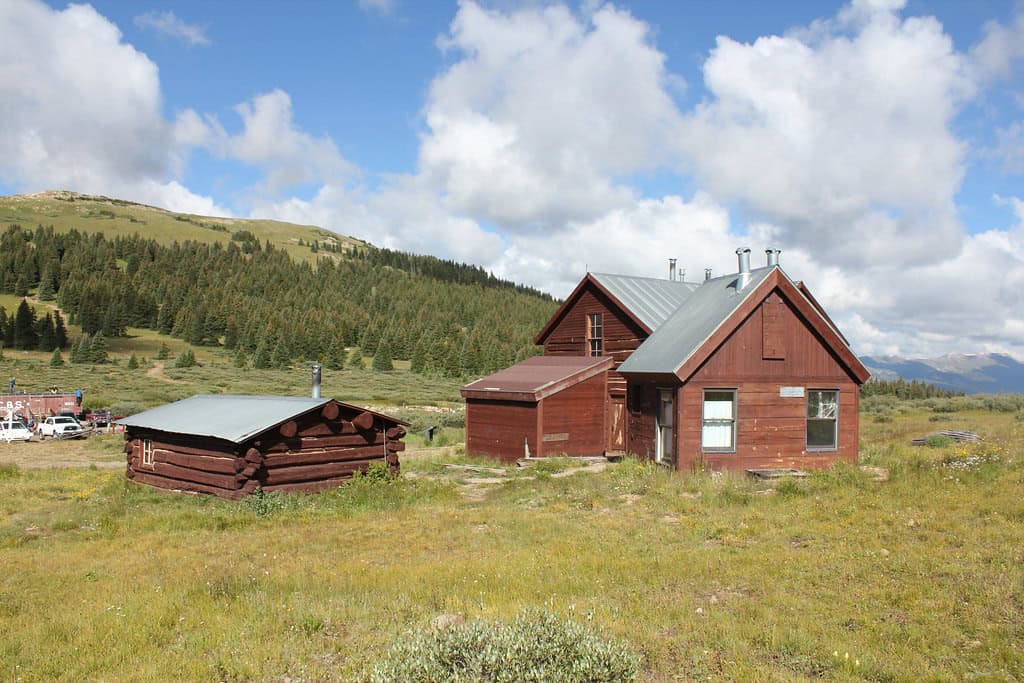
©"Boreas Railroad Station Site" by Jeffrey Beall is licensed under BY-SA 2.0. - Original / License
The expansion of railroads specifically for logging purposes allowed for deeper forest access and faster timber transport to ports and mills. Logging railroads such as the Port Blakely Line and others in Grays Harbor transformed operations. The region’s economy became intertwined with global demand for construction lumber and paper products.
Environmental Impacts and the Push for Reforestation
©"Horning_Seed_Orchard_15" by BLM Oregon & Washington is licensed under BY-SA 2.0. - Original / License
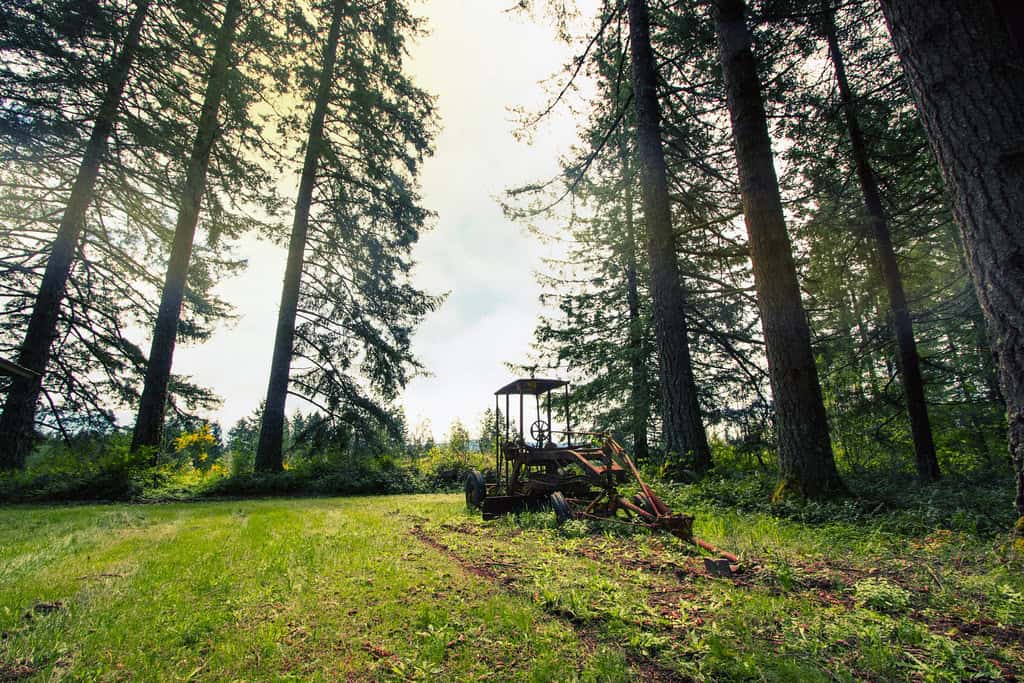
Logging in the PNW led to deforestation on a massive scale by the mid-20th century, prompting criticism and environmental legislation. In response, the industry adopted reforestation as standard practice. Today, many companies in Oregon and Washington replant more trees than they harvest, reshaping public perception and allowing logging to continue within ecological guidelines.
Forks, Washington: Twilight and Timber
©"File:Forks timber museum.JPG" by Konrad Roeder is licensed under BY 3.0. - Original / License
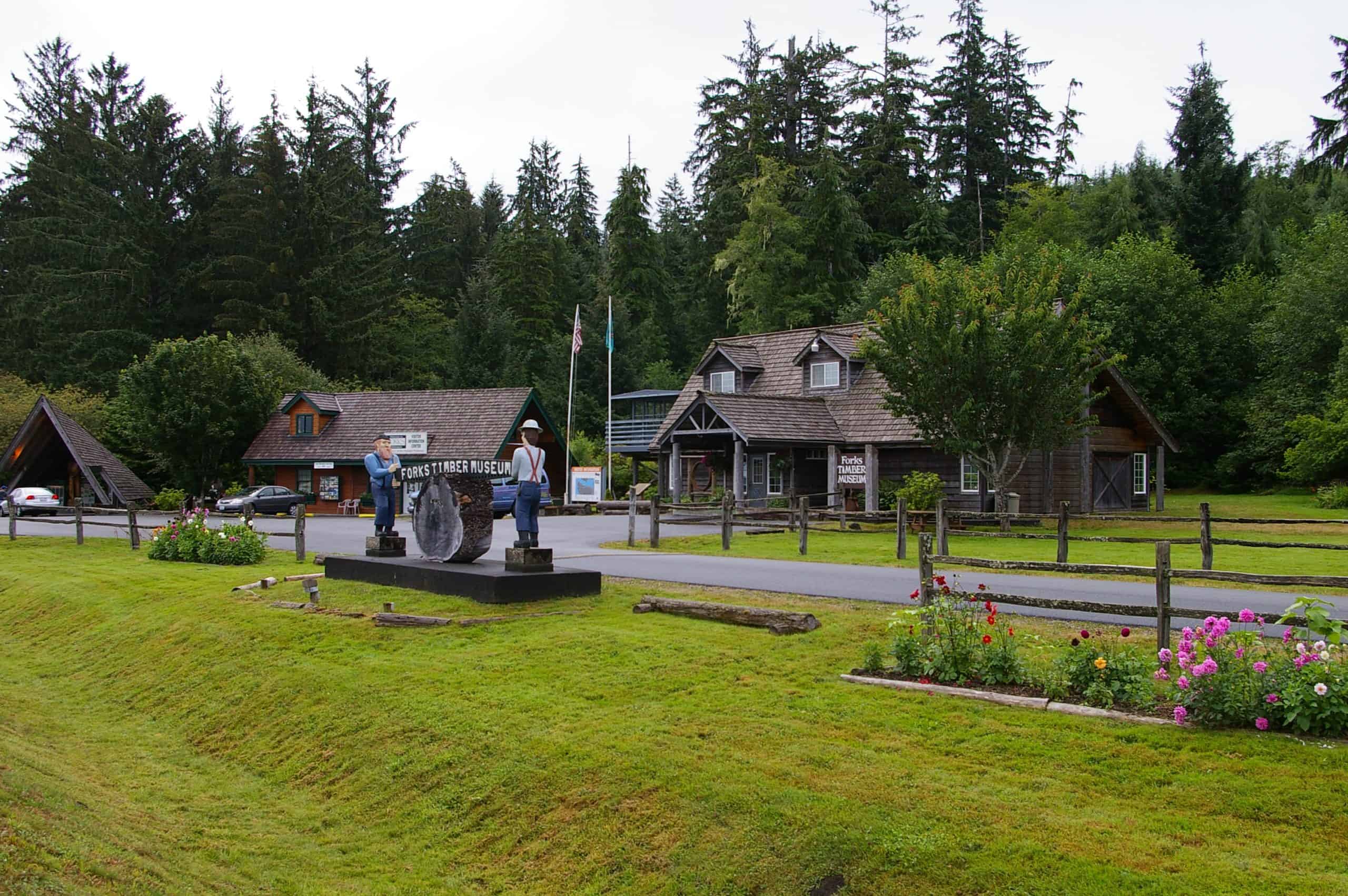
Forks, Washington, once known primarily for its logging industry, gained global fame as the setting for the ‘Twilight’ saga. Yet timber remains central to the town’s identity. Forks features a Timber Museum and offers tours showcasing its logging history. Despite a decline in mill jobs, Forks has preserved its heritage and continues to promote its deep forest roots through tourism.
Tillamook, Oregon: Cows, Cheese, and Cut Timber
©"1939. Fallers on the Anliker area of the Tillamook Burn. Oregon." by USDA Forest Service is licensed under PDM 1.0. - Original / License
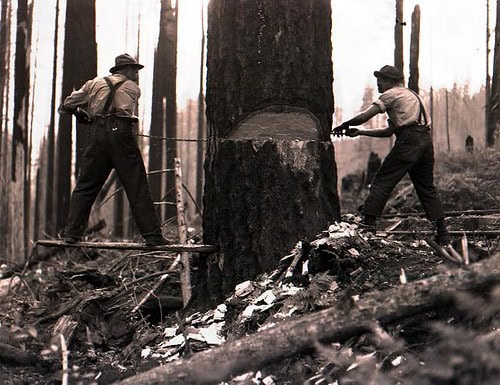
Tillamook is renowned for its dairy industry, but it also has a rich logging legacy. Home to the Tillamook State Forest, the region was once devastated by a series of massive wildfires known as the Tillamook Burn. The area was later reforested in one of the most extensive replanting efforts in U.S. history.
Logging’s Role in Oregon’s Economy
©"Stewardship Contracting in Oregon and Washington" by BLM Oregon & Washington is licensed under BY 2.0. - Original / License
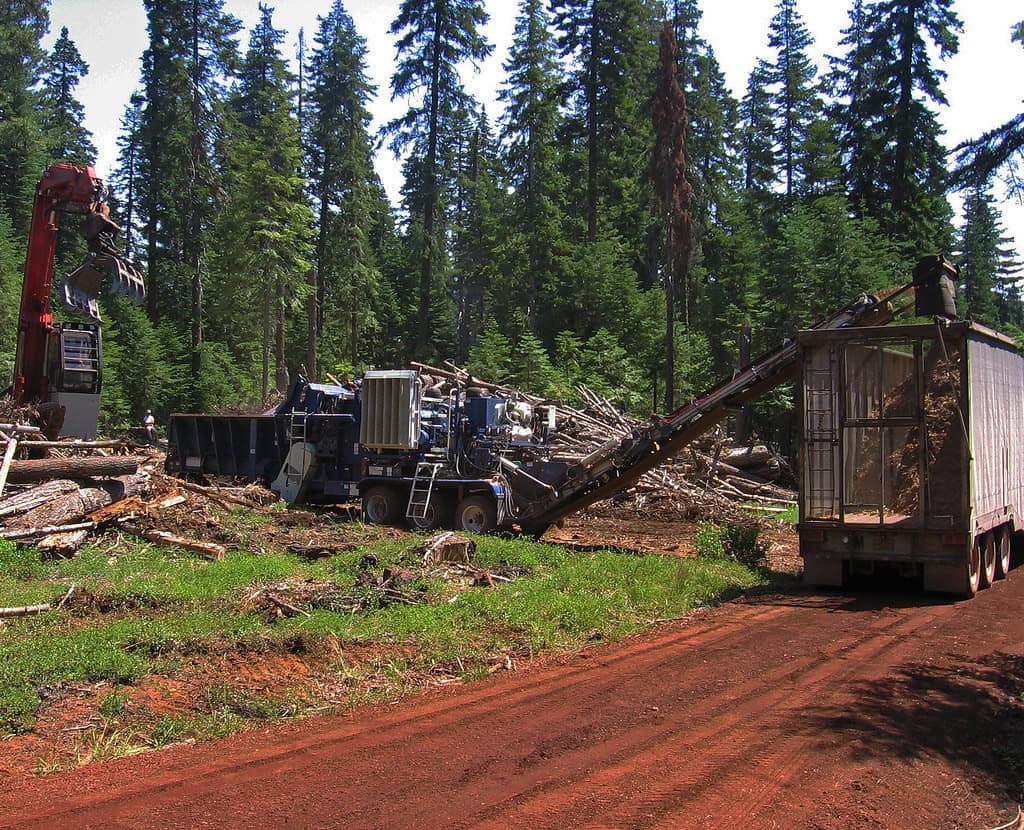
Oregon consistently ranks among the top states for softwood lumber production. The timber industry contributes billions annually to the state’s economy and supports tens of thousands of jobs. Key exports include Douglas fir, ponderosa pine, and western hemlock.
Washington’s Timber Powerhouses
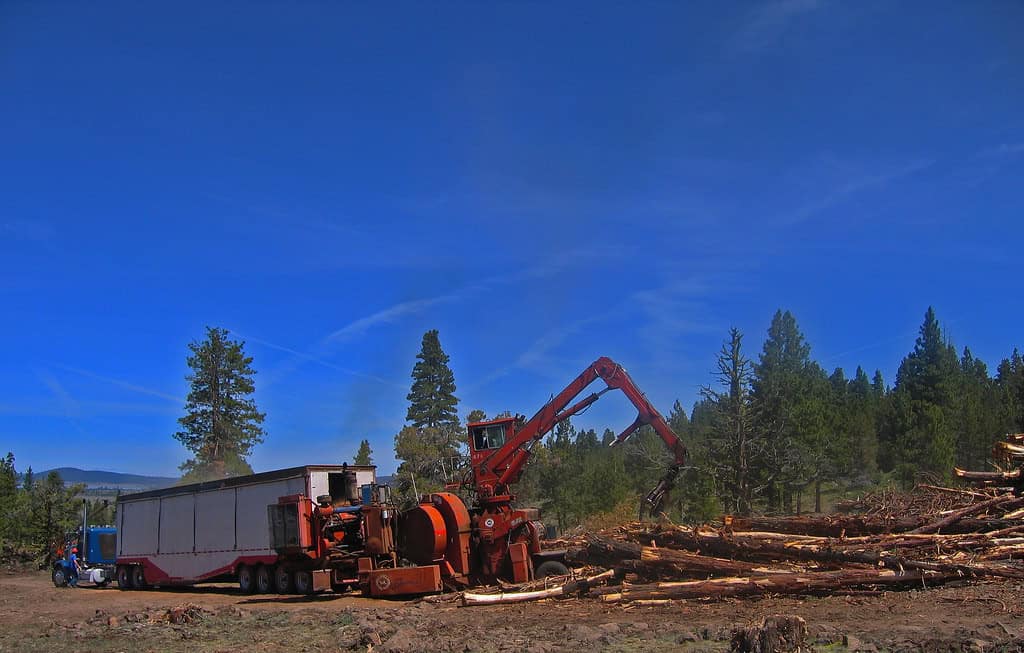
©"Stewardship Contracting in Oregon and Washington" by BLM Oregon & Washington is licensed under BY 2.0. - Original / License
Washington’s timber industry has long been the backbone of the state’s rural economy. Weyerhaeuser, one of the world’s largest private owners of timberlands, is headquartered in the state. Washington exports substantial quantities of raw logs and processed lumber to Asia, particularly China and Japan.
Coos Bay: Logging Town Turned Tourism Hub
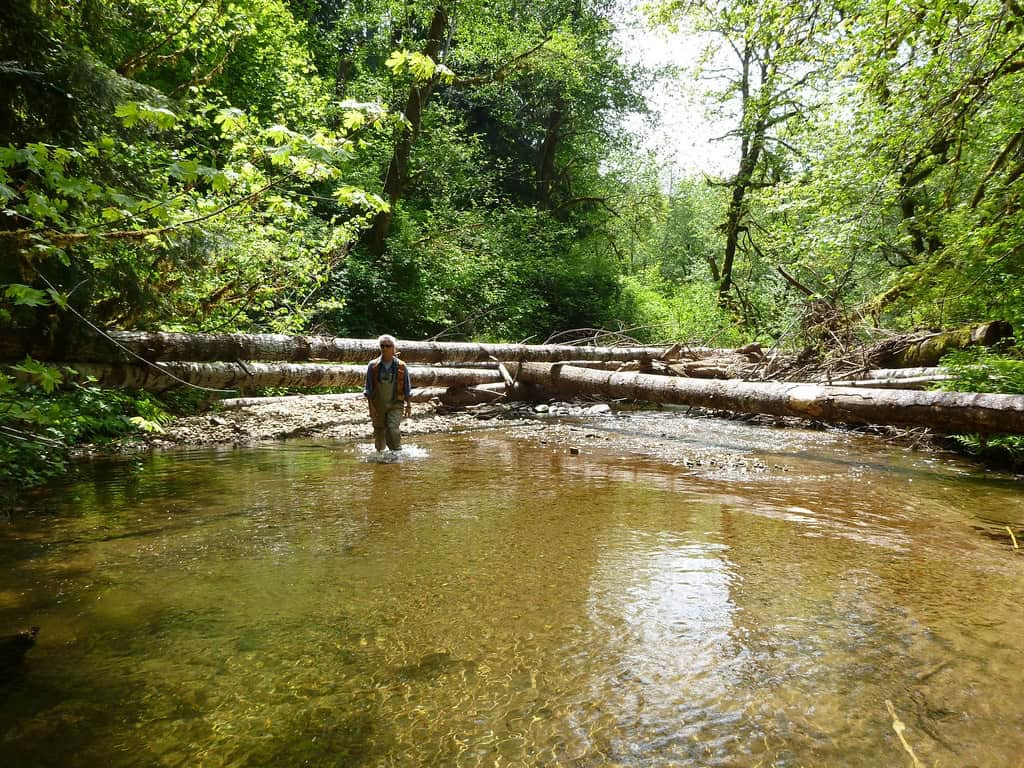
©"Coos Bay Restore Salmon Habitat" by BLM Oregon & Washington is licensed under BY 2.0. - Original / License
Coos Bay, Oregon, was once one of the busiest logging ports on the West Coast. Though the industry has scaled down, the town retains its timber identity. Attractions include the Coos History Museum and tours of old mill sites and shipyards. Coos Bay now mixes tourism with light manufacturing, embracing its scenic coastal location while honoring its past.
Logging Festivals Keep Traditions Alive
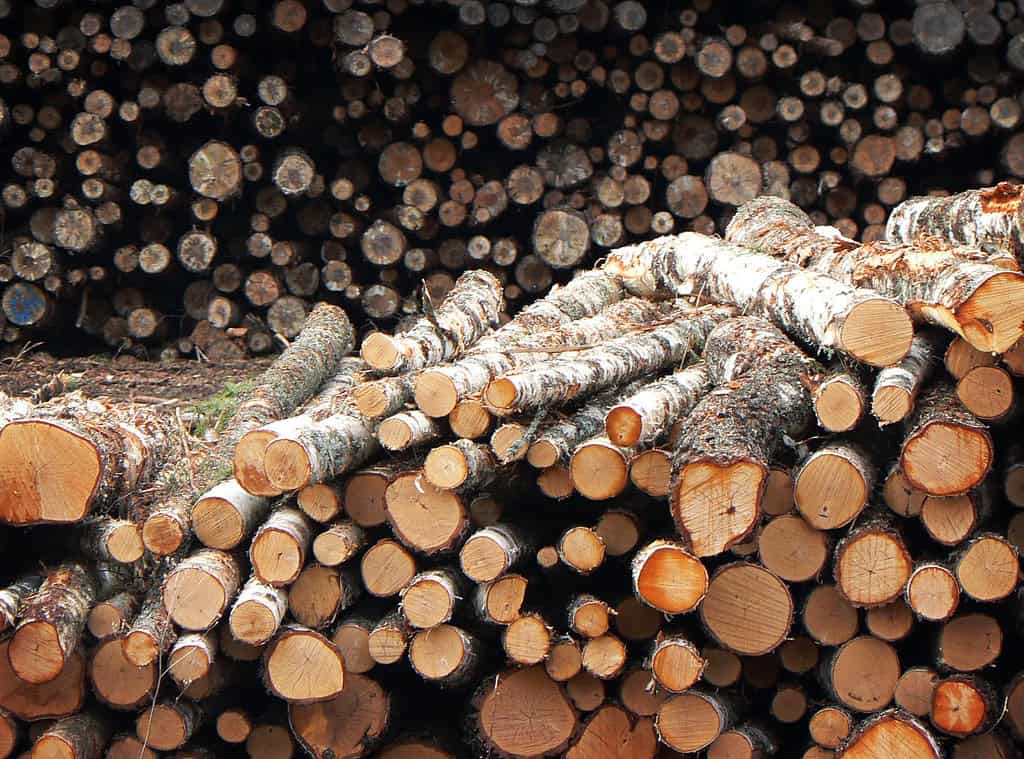
©"Logs" by decade_null is licensed under BY 2.0. - Original / License
Many PNW towns celebrate their timber heritage with annual logging festivals. Events like the Morton Logger’s Jubilee and the Vernonia Friendship Jamboree feature axe throwing, log rolling, and chainsaw carving. These festivals are community highlights and draw tourists eager for a glimpse into the region’s working past.
Astoria’s Logging and River Heritage
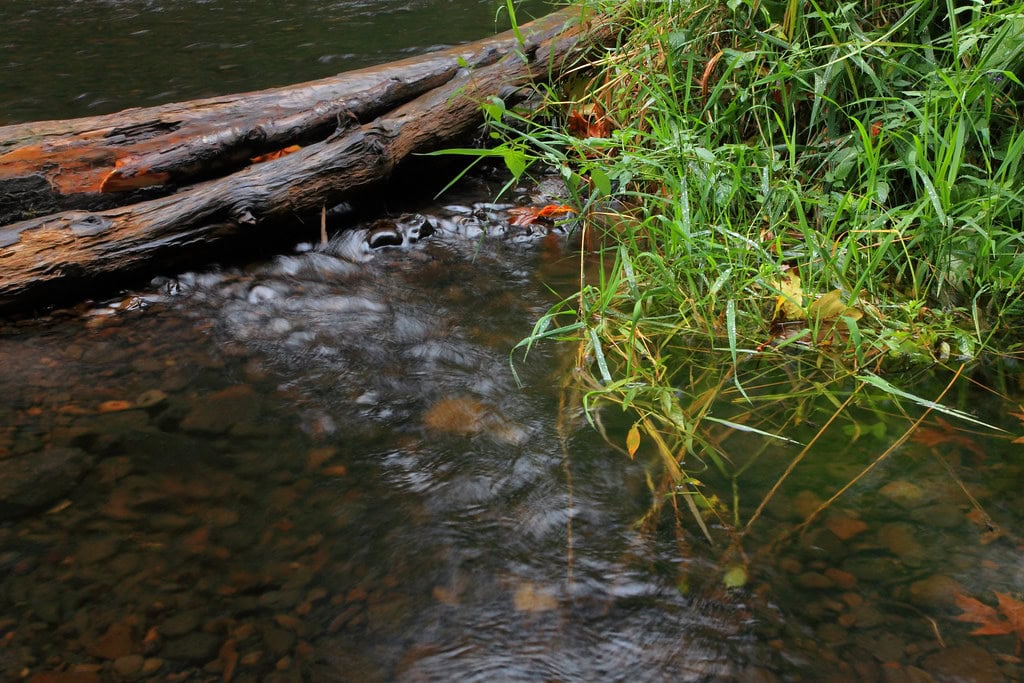
©"Gentle Ripple" by Ian Sane is licensed under BY 2.0. - Original / License
Astoria, Oregon, at the mouth of the Columbia River, was historically a shipping hub for timber harvested inland. Massive log rafts were floated downriver to mills and ports. Astoria’s historic waterfront still reflects this legacy with preserved buildings and interpretive signage. The Columbia River Maritime Museum includes exhibits detailing the logging trade’s impact on regional development.
Timber Industry’s Modern Revenue Streams
©"Timber Industry" by Bernd Thaller is licensed under BY 2.0. - Original / License
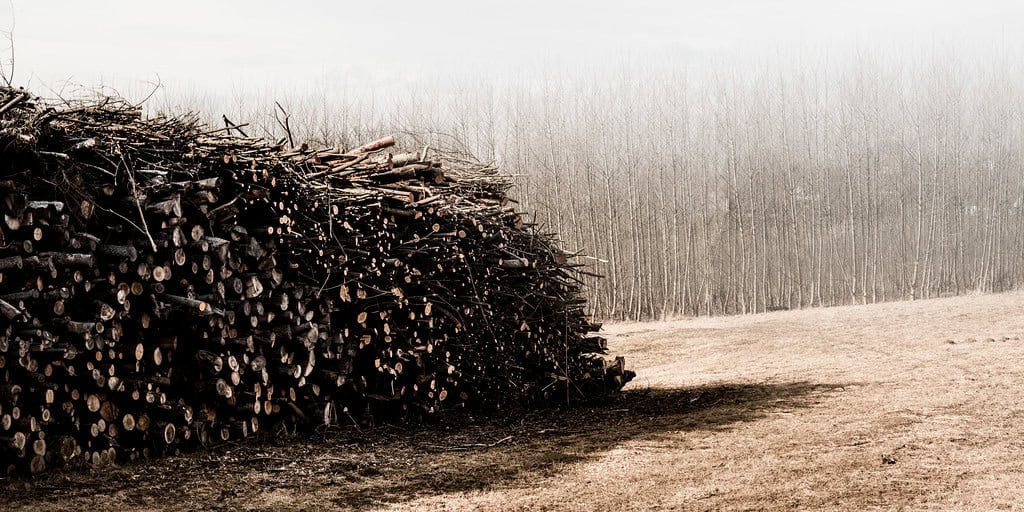
Today, the Pacific Northwest timber industry generates billions annually through a mix of raw timber, engineered wood products, and biomass energy. Advanced technologies like satellite mapping and mechanized harvesters have increased efficiency. While environmental concerns remain, most companies now operate under strict regulations.
Logging Museums and Attractions
©"2004. Port Orford cedar interpretive sign. Myrtle Point, Oregon." by USDA Forest Service is licensed under PDM 1.0. - Original / License
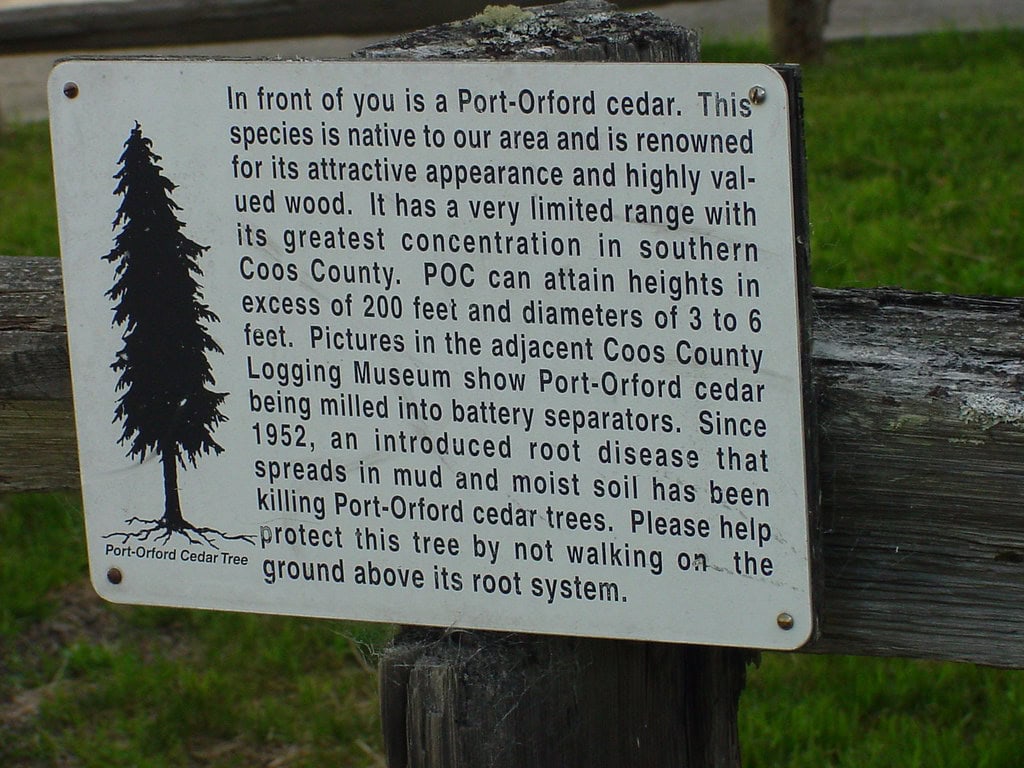
Museums such as the Logging Museum in Garibaldi, Oregon, and the Polson Museum in Hoquiam, Washington, preserve the history of the region’s timber trade. These attractions showcase vintage tools, historical photos, and logging equipment. Visitors can learn about early logging techniques and life in a company town.
Company Towns and Worker Housing
©"Weyerhaeuser Logging Industry Raymond Washington (18936636918)" by Tony Webster from Washington, DC is licensed under BY-SA 2.0. - Original / License
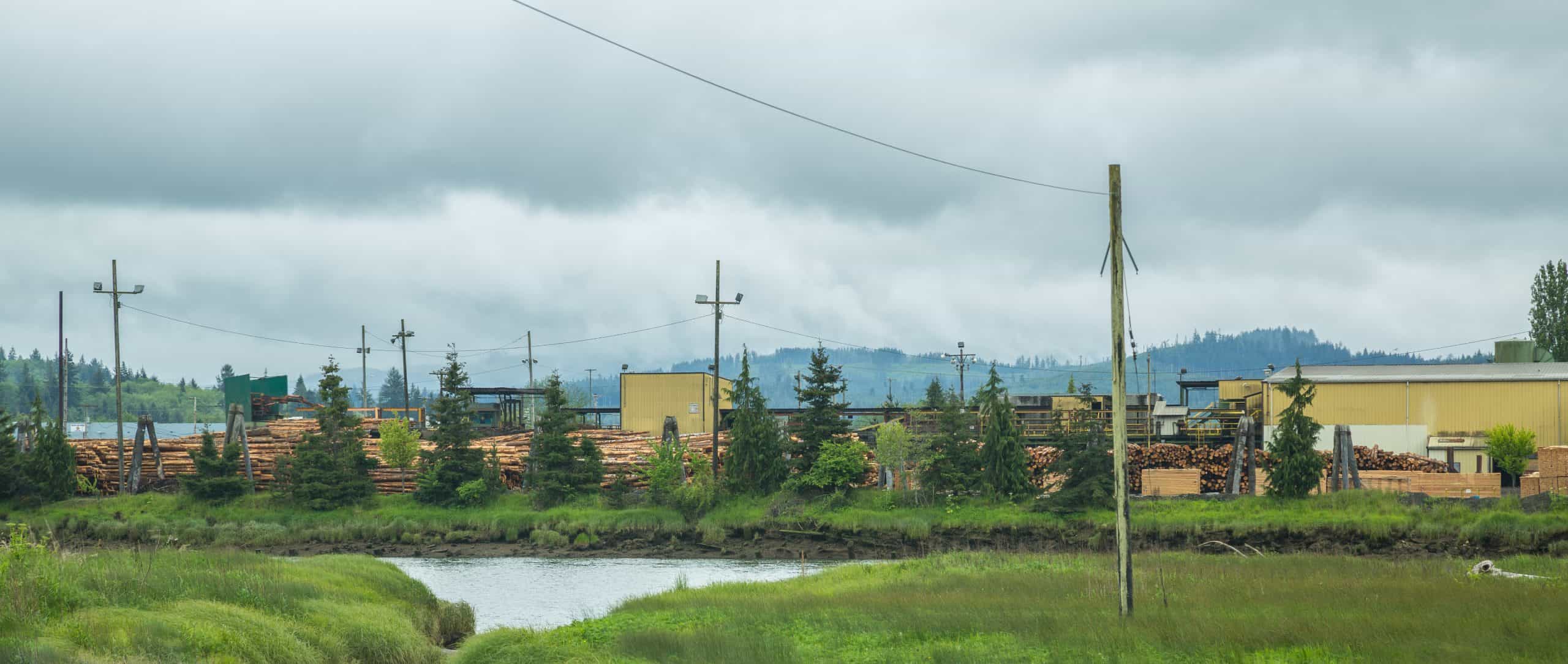
Logging towns often developed as company towns where the mill owner provided housing, stores, and schools. Examples include Raymond, Washington, and Valsetz, Oregon, the latter now a ghost town. Life in these towns was tightly controlled by logging companies. While many no longer exist, remnants and memories live on in regional archives and museums.
Women in the Timber Industry
©"Oregon Forestry" by BLM Oregon & Washington is licensed under BY 2.0. - Original / License
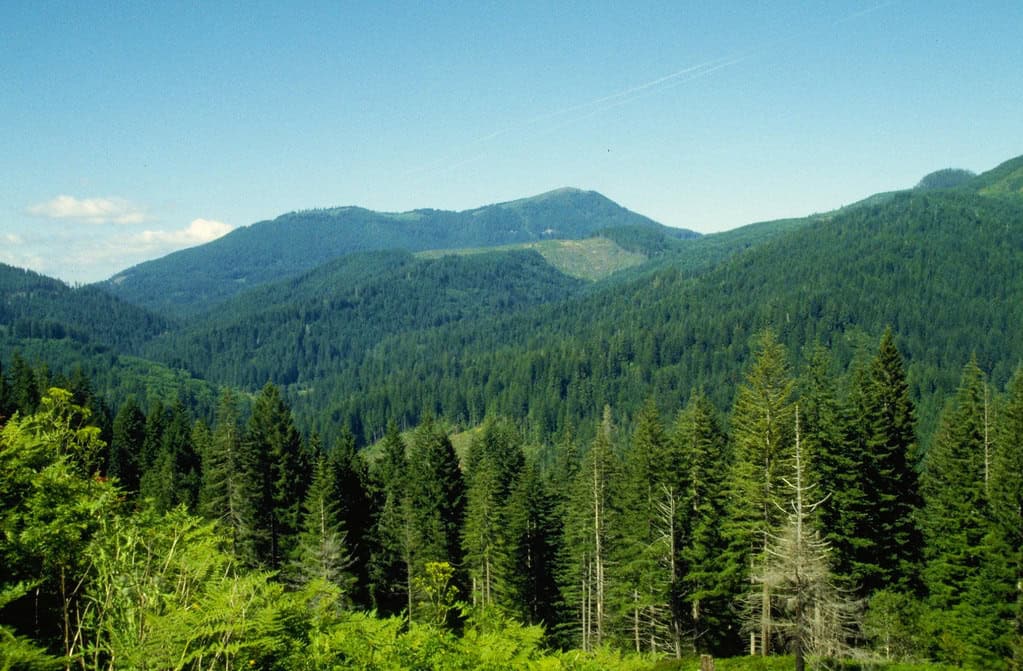
While the timber industry was traditionally male-dominated, women have increasingly joined the workforce, particularly in environmental science, forestry management, and public policy. Logging museums often highlight the roles women played in mill towns, from teachers to nurses to laborers during wartime. Modern initiatives support gender diversity in forestry.
Fire Risk and Logging
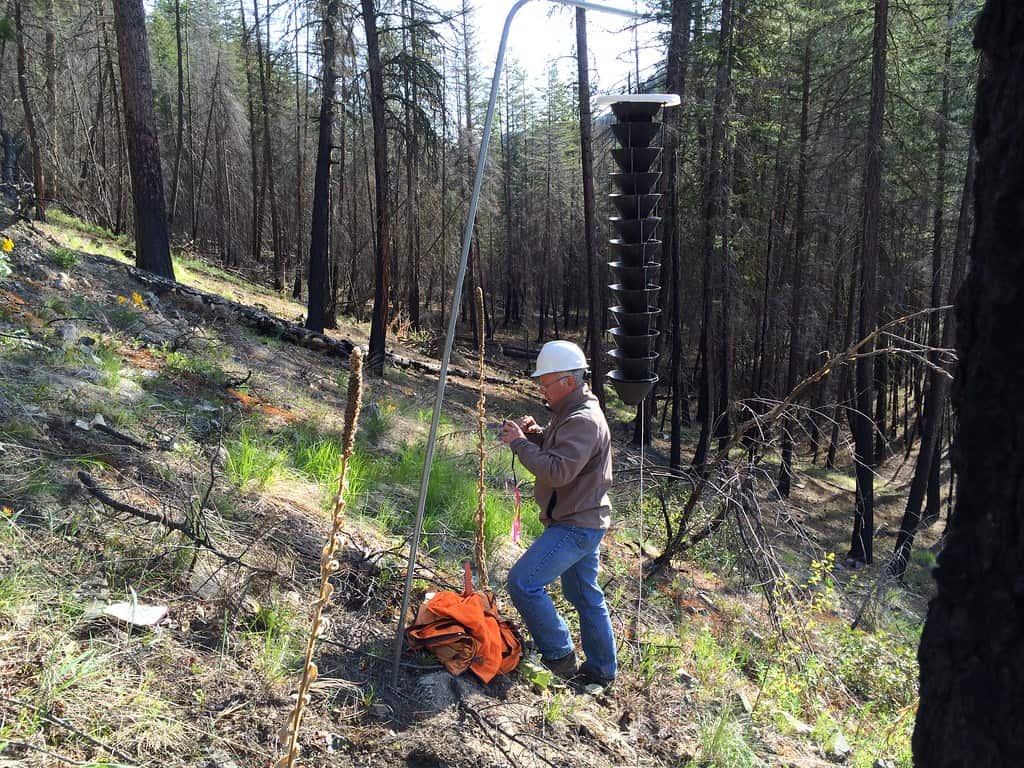
©"2015. Roy Magelssen setting up a Douglas-fir beetle monitoring trap at Gold Creek on the Methow Valley Ranger District. Okanogan-Wenatchee National Forest, Washington." by USDA Forest Service is licensed under PDM 1.0. - Original / License
Logging has a complicated relationship with wildfire risk. On one hand, managed thinning and logging reduce fuel loads; on the other, abandoned slash piles can become hazards. The 2020 Labor Day fires in Oregon reignited debate over forest management. Today, policies focus on proactive thinning, controlled burns, and reforestation as part of wildfire mitigation.
The Future of Timber in the PNW
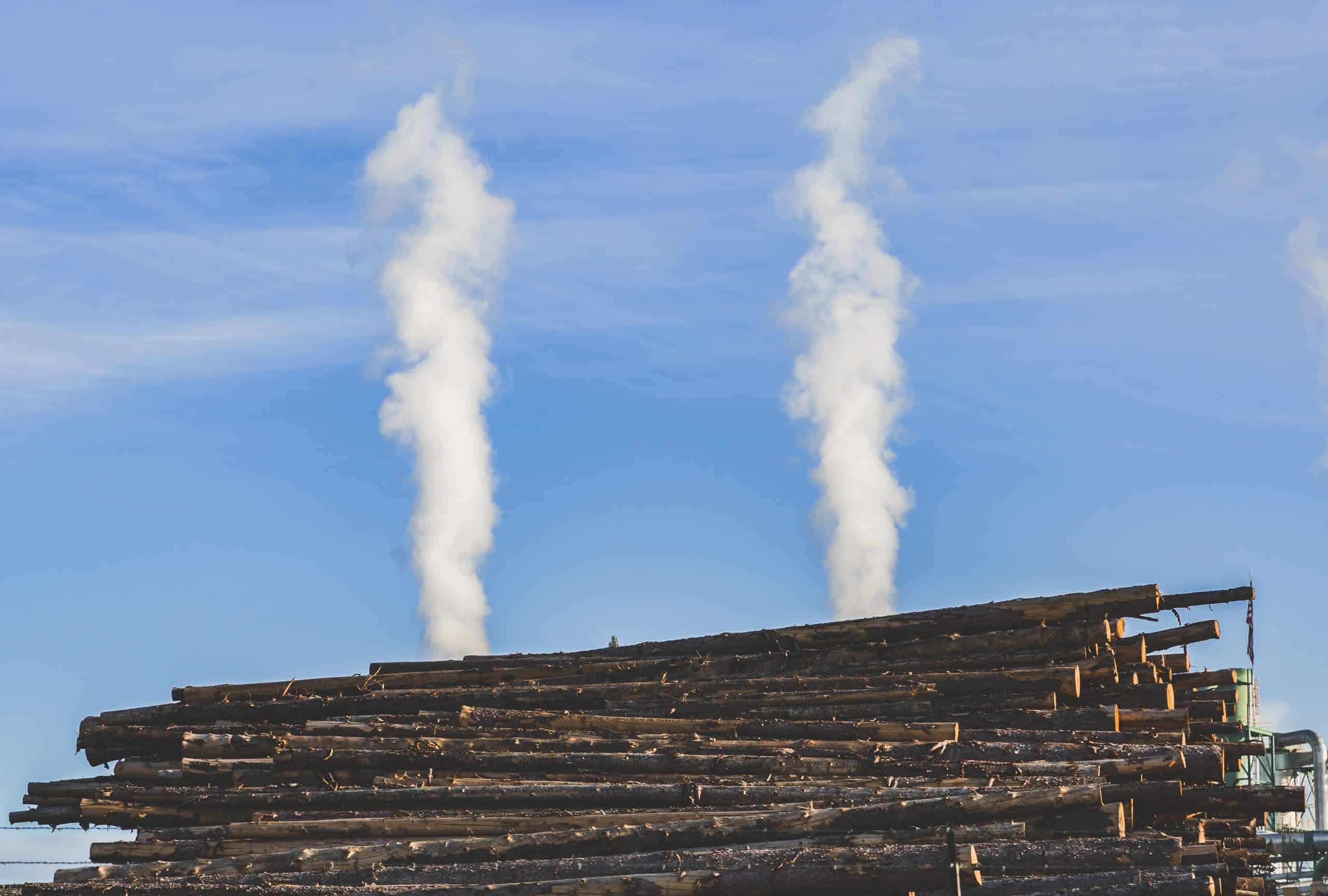
©"Logging Industry Plum Creek Northwest Plywood Montana (29151969320)" by Tony Webster from Minneapolis, Minnesota is licensed under BY-SA 2.0. - Original / License
The future of logging in the Pacific Northwest hinges on sustainable management, climate adaptation, and innovation. Engineered wood products like cross-laminated timber (CLT) are creating new architectural possibilities. The industry continues to evolve while honoring a legacy that helped build the region.

