
Considering how much effort goes into maintaining a relatively modern house, it’s remarkable that some homes built hundreds or even thousands of years ago have survived. Across Europe, ancient stone dwellings, medieval timber houses, and archaeological sites offer fascinating glimpses into how our ancestors lived.
Of course, determining the oldest house isn’t quite as straightforward as it sounds. Some prehistoric dwellings survive only as archaeological remains, while others have standing walls, original architectural features, or even people who still call them home.
From a medieval French house that became an internet sensation to a remote Scottish farmstead that predates the Egyptian pyramids, here are some of Europe’s most remarkable historic dwellings and what they reveal about the people who built them.
Maison de Jeanne, France
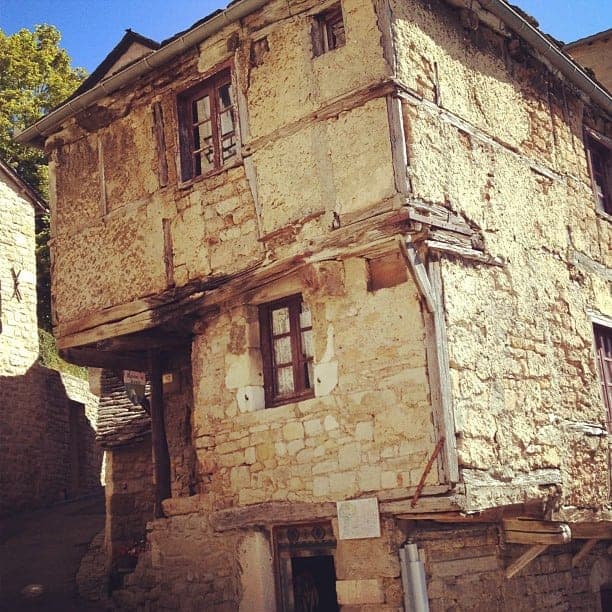
Tucked away along the narrow streets of Sévérac-le-Château in southern France is a rather peculiar medieval house that looks like something straight out of a fairy tale. Known as the Maison de Jeanne, the building features overhanging upper floors, exposed timber framing, and an unusually narrow ground-level footprint.
Tree-ring analysis indicates that its oldest timbers were felled around 1478. Although frequently described online as the oldest house in France, it’s more accurately recognized as one of the oldest surviving houses in the Aveyron department.
Maison de Jeanne (continued)
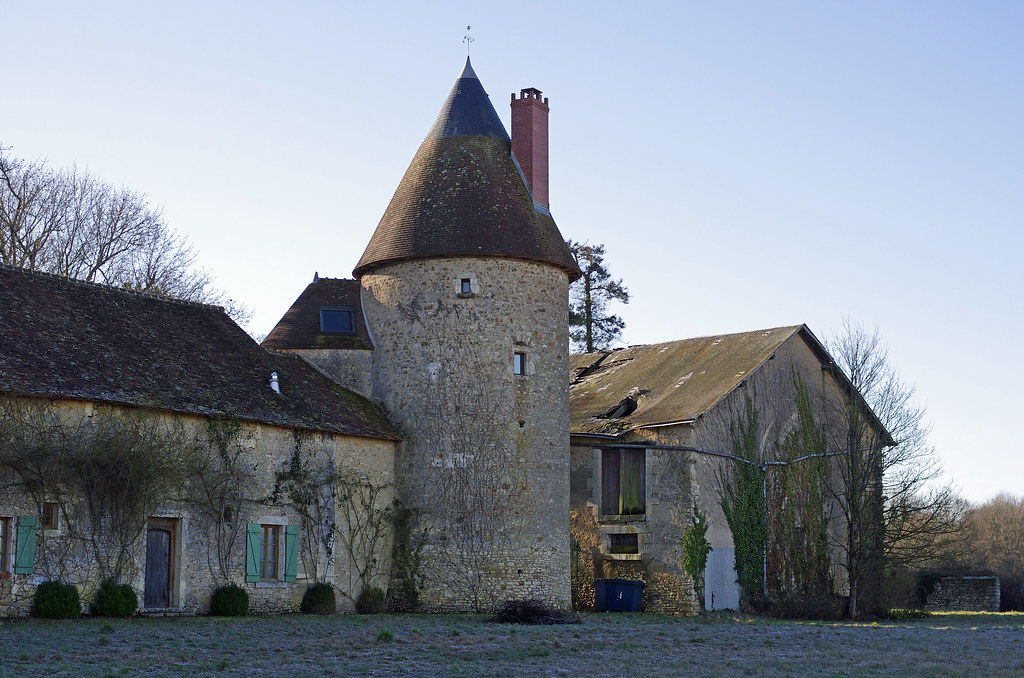
©"Bouesse (Indre)" by sybarite48 is licensed under BY 2.0. - Original / License
The house takes its name from its last resident, a local artist named Jeanne. The municipality acquired the property in 1995, and photographs of the building attracted international attention in 2017 after circulating on social media.
Its distinctive overhanging floors are characteristic of medieval timber-framed construction, allowing builders to create additional living space above narrow streets. The house underwent restoration in 2018, so visitors today will notice some differences from the older photographs frequently shared online. The surrounding medieval village is well worth exploring in its own right.
Knap of Howar, Scotland
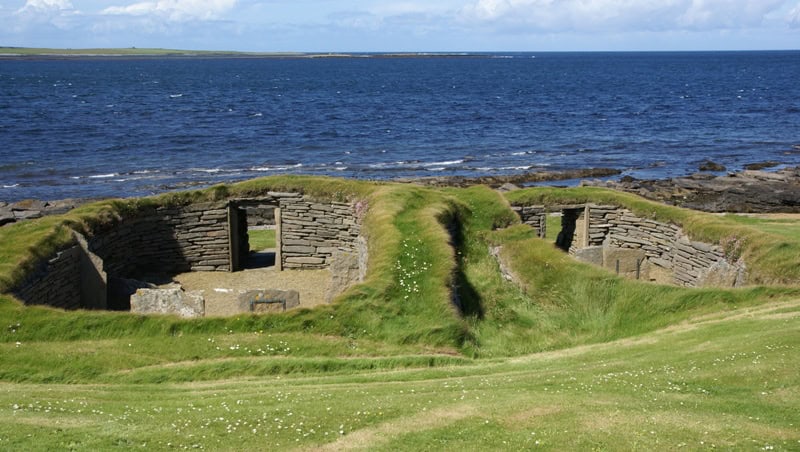
©"Knap of Howar 20110530" by Otter is licensed under BY-SA 3.0. - Original / License
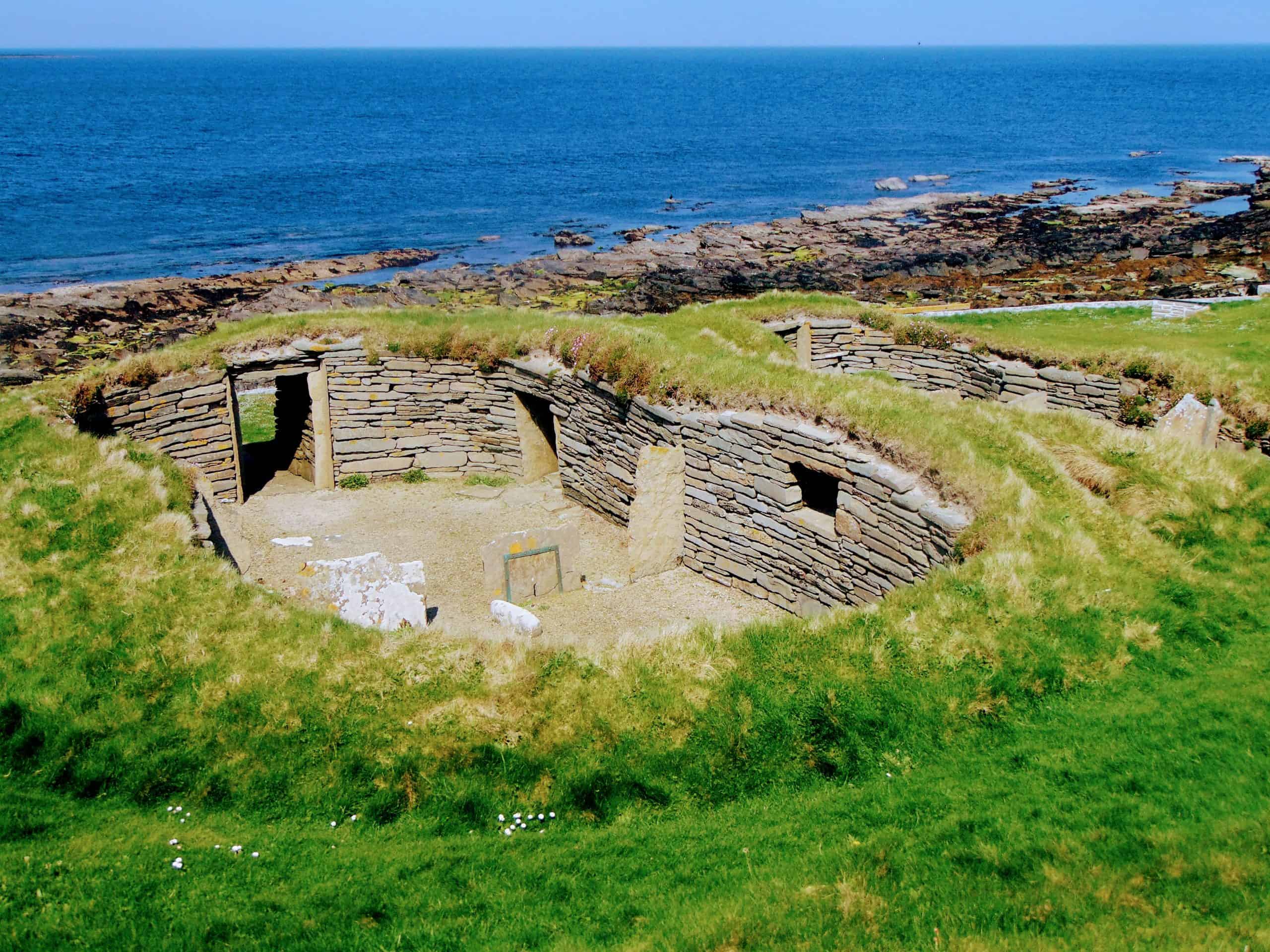
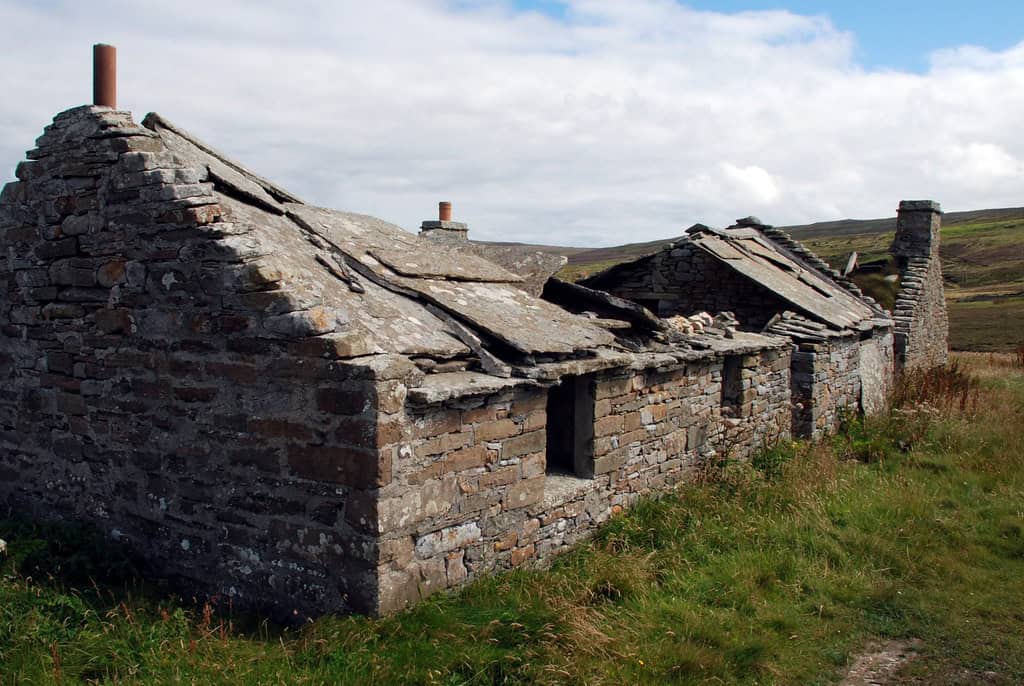
On the remote island of Papa Westray in Scotland’s Orkney archipelago are the remains of a remarkably well-preserved Neolithic farmstead. Known as the Knap of Howar, the site contains two interconnected stone buildings that are among the oldest surviving domestic structures in northern Europe.
Research published in 2025 places the construction of the surviving stone buildings in the latter part of the fourth millennium BCE. In other words, people were living here centuries before construction began on the Great Pyramid of Giza.
Knap of Howar (continued)
©"n1019440" by sethoscope is licensed under BY-SA 2.0. - Original / License
What’s particularly remarkable about the Knap of Howar is how much of its original interior survives. Stone cupboards, partitions, hearths, and entrances provide archaeologists with valuable insights into the everyday lives of Scotland’s prehistoric farming communities.
The larger building appears to have served as a residence, while the smaller structure may have been used for storage or as a workshop. Although the original roofs are long gone, visitors can still appreciate the ingenuity of the people who constructed these homes more than 5,000 years ago.
The Ancient Cave Dwellings of Matera, Italy
©"Sassi di Matera" by Nelo Hotsuma is licensed under BY 2.0. - Original / License
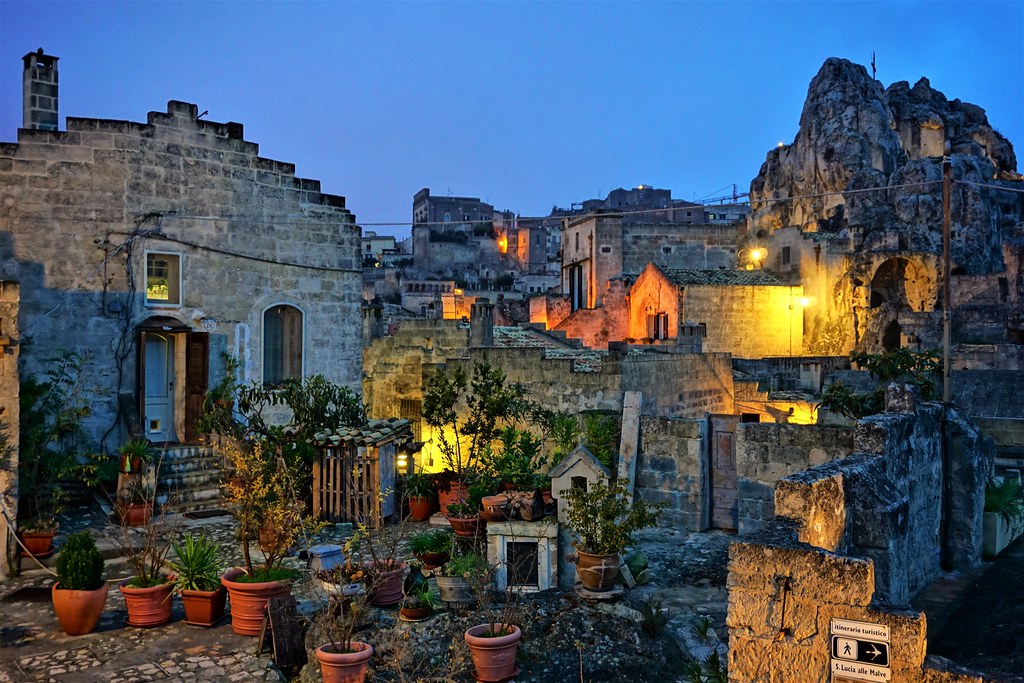
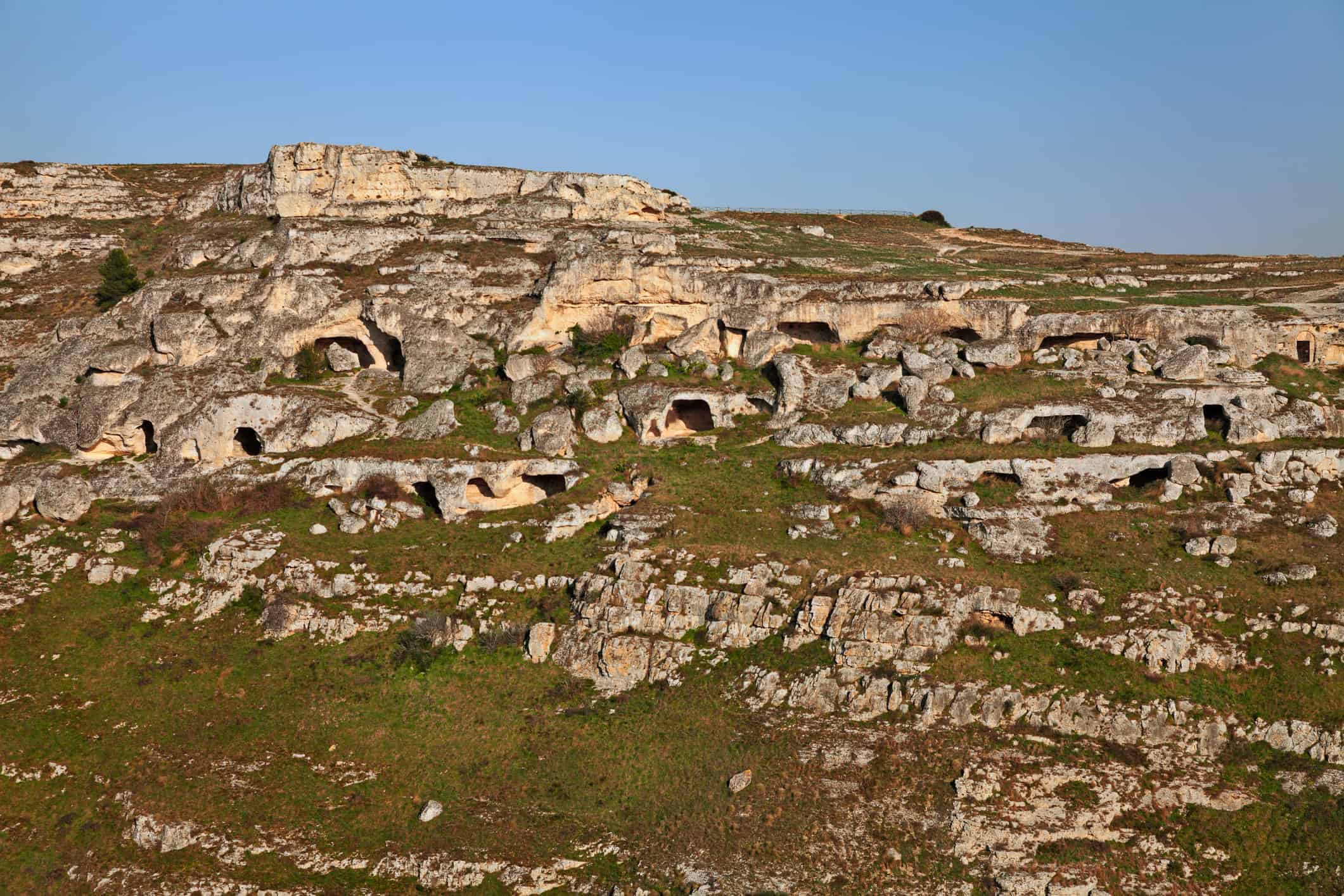
Few European cities have a history of human habitation quite like Matera. Located in southern Italy’s Basilicata region, the city is renowned for its Sassi, an extraordinary collection of dwellings, churches, workshops, and other structures carved into the surrounding limestone landscape.
Evidence of human occupation in the area dates back to the Paleolithic period, although the individual buildings developed over many centuries. Recognized as a UNESCO World Heritage Site in 1993, Matera continues to attract visitors who can explore its ancient streets, dine inside converted cave dwellings, and even spend the night in accommodations built into the rock.
Europe’s Remarkably Old Wooden Houses
©iStock.com/ermess
Stone buildings have an obvious advantage when it comes to surviving for thousands of years, which makes Europe’s centuries-old wooden houses particularly impressive. In the Faroe Islands, the historic farmhouse known as Kirkjubøargarður contains a section believed to be more than 900 years old. The same family has occupied the property for 17 generations, dating back to 1557.
Meanwhile, in the Swiss town of Schwyz, the historic House of Bethlehem dates to 1287. Now part of the Ital Reding-Hofstatt museum complex, it offers a fascinating example of medieval timber construction in continental Europe. Both buildings demonstrate just how durable wooden architecture can be when properly maintained.
Terra Amata, France
©"Galerie de l'Homme (Musée de l'Homme, Paris)" by dalbera is licensed under BY 2.0. - Original / License
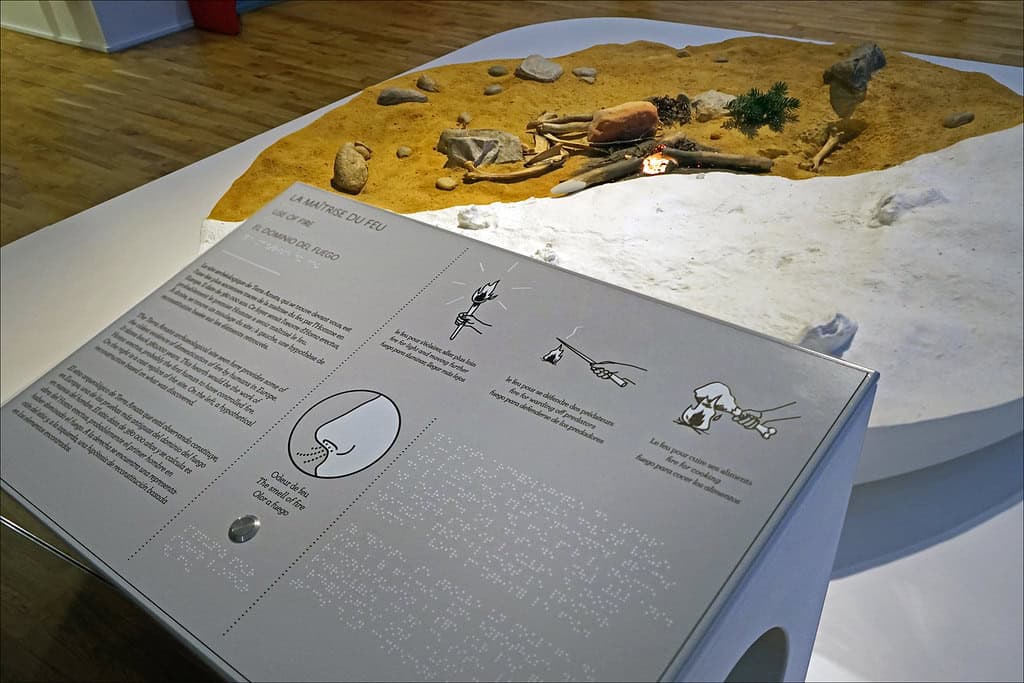
Long before the picturesque villages and historic architecture we associate with southern France existed, prehistoric humans were already spending time along its Mediterranean coastline. In 1966, archaeological excavations in Nice uncovered evidence of human activity dating back approximately 400,000 years.
Known as Terra Amata, the site is frequently associated with some of the earliest proposed examples of deliberately constructed human shelters in Europe. Although none of the original structures survive, the discoveries offer an extraordinary window into life during the Middle Pleistocene.
Terra Amata: Reconstructing Prehistoric Shelters
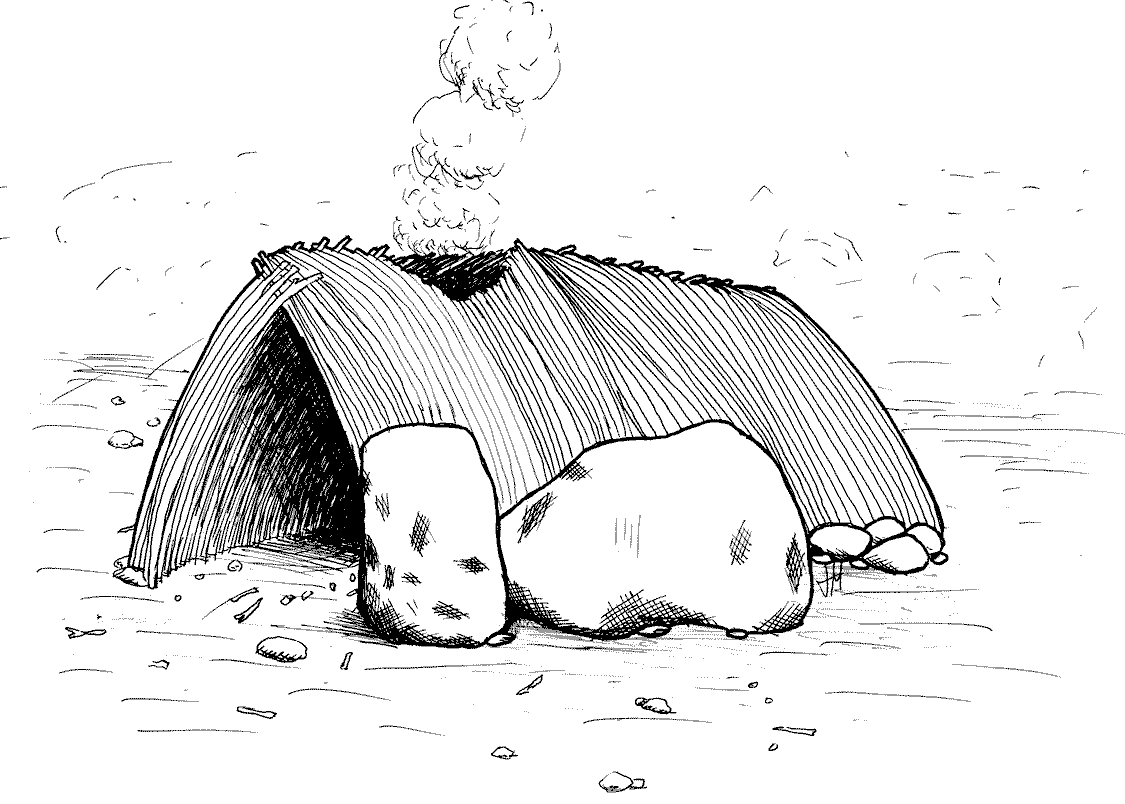
©Locutus Borg, Public domain, via Wikimedia Commons - Original / License
Archaeologist Henri de Lumley interpreted arrangements of stones, possible postholes, and other archaeological features as evidence of temporary shelters. Reconstructions depict relatively simple structures built using branches and other materials available in the surrounding environment.
However, not every researcher agrees with this interpretation. Subsequent archaeological studies have suggested that natural processes may have displaced some of the objects used to identify the structures. The reconstructed huts therefore represent a possible interpretation of the evidence rather than a definitive picture of Europe’s earliest homes.
Terra Amata: Life 400,000 Years Ago
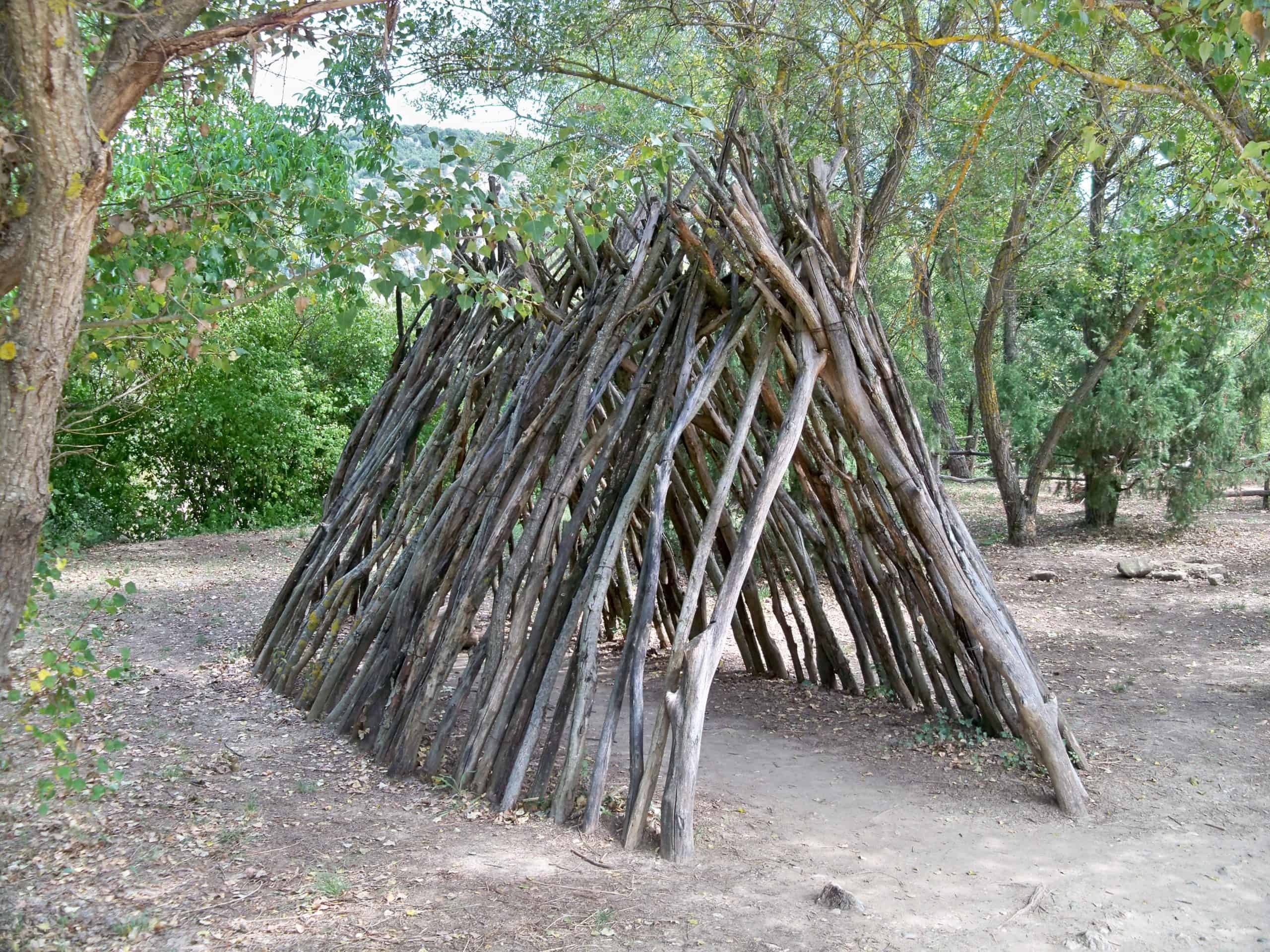
©"Cabane de Terra Amata 2" by Véronique PAGNIER is licensed under BY-SA 3.0. - Original / License
At the time prehistoric humans occupied Terra Amata, the surrounding landscape looked considerably different from the modern French Riviera. The coastal environment provided access to freshwater, stone suitable for making tools, and animals that included deer, prehistoric elephants, and rhinoceroses.
Research published in December 2025 examined the variety of stoneworking techniques employed by the site’s inhabitants. The findings suggest that these early humans possessed flexible technological strategies and adapted their activities to the resources available in their surroundings. Evidence also points to repeated seasonal occupation of the area.
Terra Amata: Exploring the Archaeological Discoveries
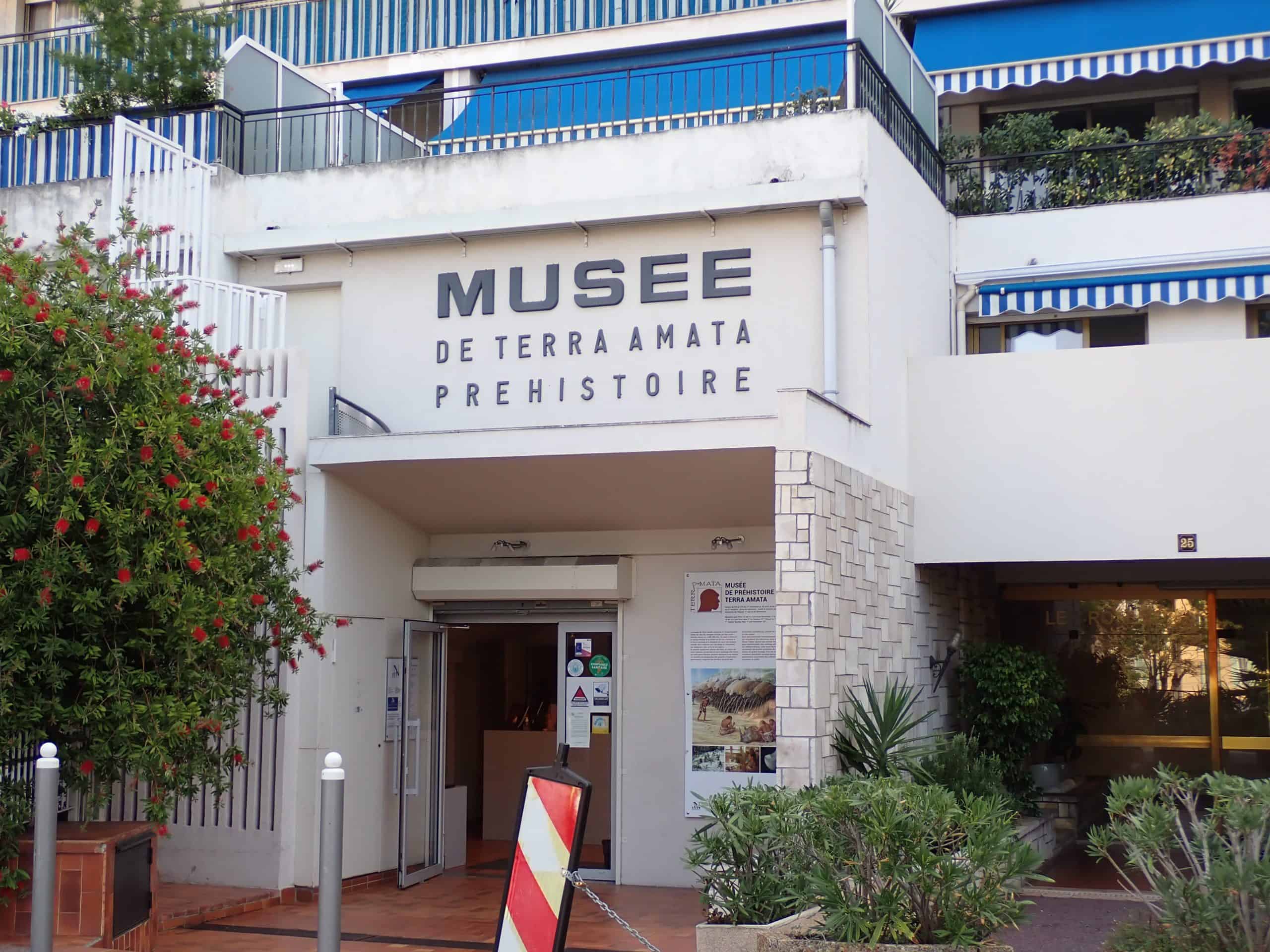
©"Musee Terra Amata" by HJunghans is licensed under BY-SA 4.0. - Original / License
Today, the Museum of Prehistory at Terra Amata occupies the location where the original archaeological excavations took place. Its collections, exhibits, and reconstructed shelters help illustrate what life may have looked like for the region’s earliest inhabitants.
Although Terra Amata cannot claim to contain a 400,000-year-old house still standing, its archaeological significance is undeniable. For travelers interested in human history, it offers a very different perspective on a region better known for its luxurious resorts and Mediterranean beaches. The museum has been undergoing accessibility renovations, so confirm its reopening status before planning a visit.

