
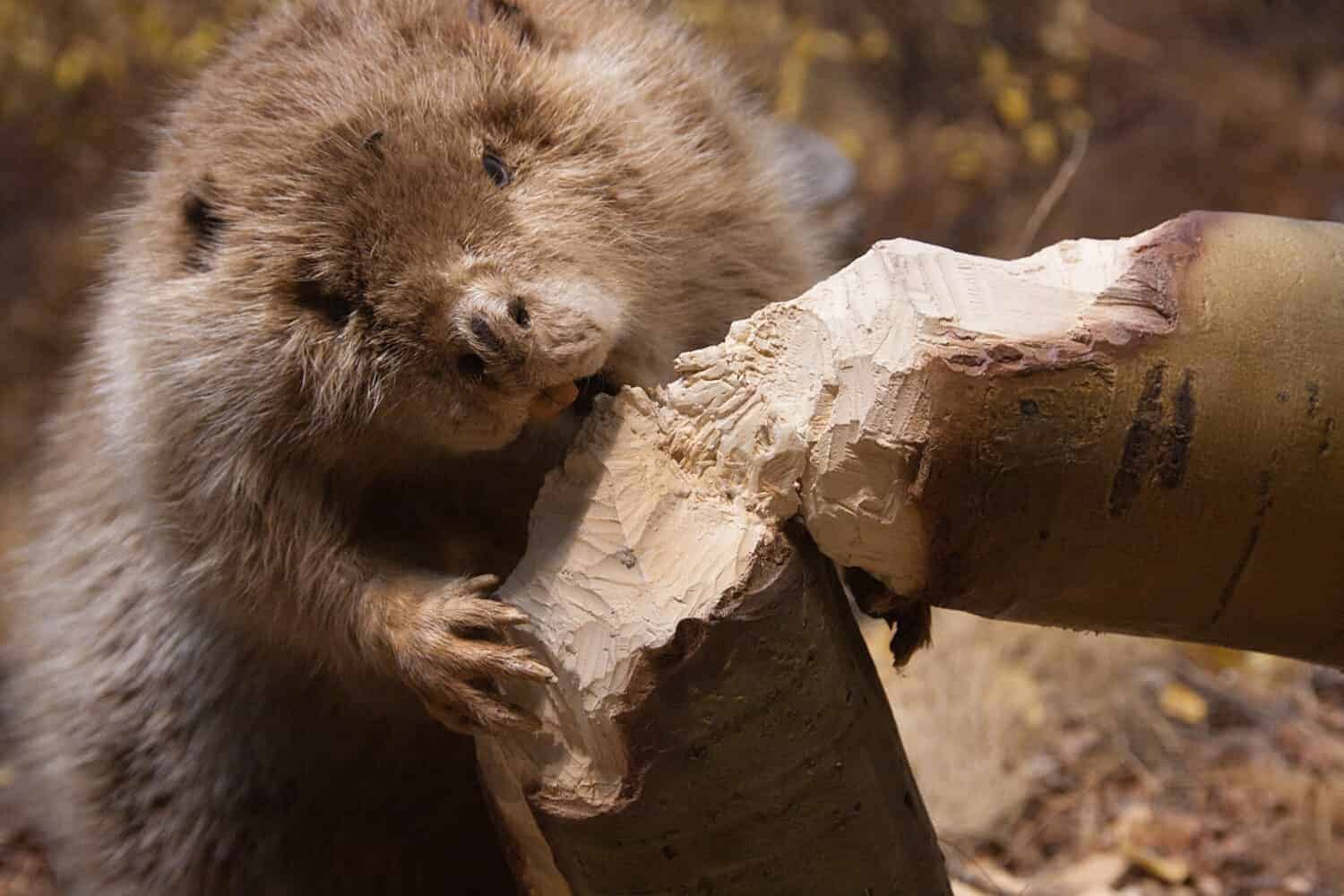
Just a few years after World War II ended, surplus military parachutes found an unusual new purpose in the American Northwest. Rather than transporting soldiers or supplies, wildlife officials in Idaho used them to deliver dozens of unsuspecting beavers into the wilderness.
As ridiculous as the idea sounds, the 1948 operation was intended to solve two very real problems: conflicts between beavers and growing communities and the need to restore wildlife habitat in remote areas. What followed became one of the most unconventional chapters in American wildlife conservation history.
Idaho Had a Beaver Problem
©"Grand River Beaver - Painesville, Ohio" by laszlo-photo is licensed under BY 2.0. - Original / License
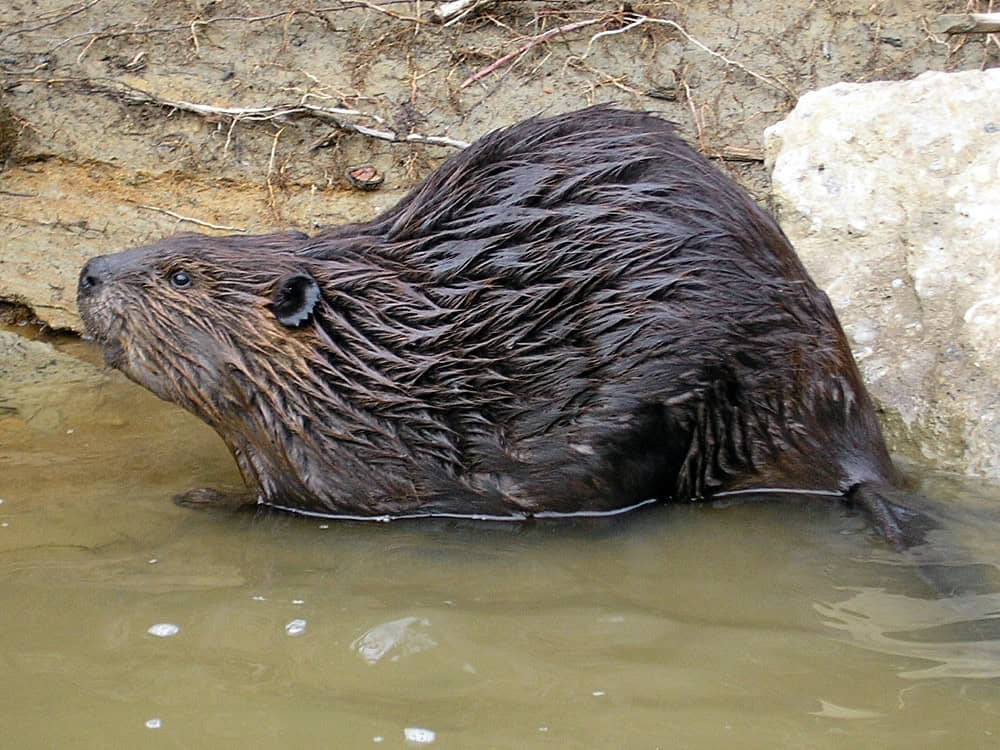
Following World War II, development around McCall and Payette Lake in western Idaho began creating conflicts between residents and the area’s wildlife. Beavers were particularly troublesome for some property owners because of their tendency to cut down trees and build dams that flooded surrounding land.
Rather than simply killing the animals, Idaho Fish and Game recognized an opportunity to relocate them somewhere their impressive engineering abilities would be beneficial.
America’s Beavers Were Making a Comeback
©"Beaver Shot" by Paul Stevenson is licensed under BY 2.0. - Original / License
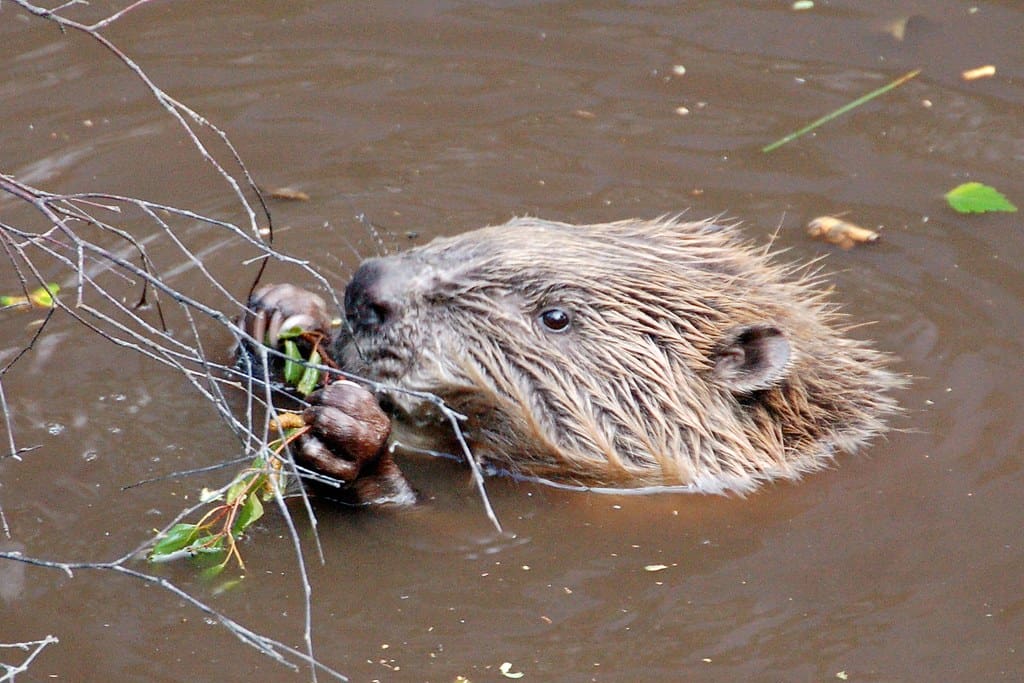
Centuries of commercial fur trapping had dramatically reduced beaver populations across North America. By the early 20th century, wildlife managers were increasingly recognizing the ecological consequences of losing so many of these industrious rodents.
Beaver restoration programs emerged throughout the country as conservationists began appreciating the animals for something considerably more valuable than their fur: their ability to reshape entire ecosystems.
Finding the Beavers a New Home

©Idaho Fish and Game Commission - Original
Wildlife officials identified remote stretches of Idaho’s backcountry where relocated beavers could establish new colonies with fewer conflicts involving humans. Among the areas associated with the project was the Chamberlain Basin, now part of the enormous Frank Church-River of No Return Wilderness.
Unfortunately, the very characteristics that made the wilderness an appealing destination for beavers also made transporting them there exceptionally difficult.
Traditional Transportation Wasn’t Working

©Idaho Fish and Game Commission - Original
Before the parachuting experiment, beavers were sometimes transported into remote areas using horses and mules. As Idaho Fish and Game employee Elmo Heter discovered, neither the beavers nor the pack animals were particularly enthusiastic about the arrangement.
The lengthy journeys were expensive and stressful, and beavers could become dangerously overheated along the way. Some didn’t survive the trip. Heter began looking for a faster alternative that wouldn’t require navigating miles of rugged mountain terrain.
World War II Parachutes Provided an Unusual Solution

©Idaho Fish and Game Commission - Original
With surplus military parachutes readily available following World War II, Heter developed a rather unconventional proposal: transport the beavers by airplane and parachute them directly into suitable habitat.
His team developed a wooden transportation box designed to remain closed during flight and open automatically after reaching the ground. The idea was to release the animals without requiring wildlife personnel to retrieve them in the remote wilderness. Before putting the plan into action, however, they needed a test subject.
Meet Geronimo, the Beaver Test Pilot

©Idaho Fish and Game Commission - Original
After conducting initial tests using dummy weights, Heter enlisted the services of an older male beaver appropriately named Geronimo. The unfortunate little guy was repeatedly sent skyward while wildlife officials evaluated their transportation system.
According to Heter’s account, Geronimo eventually became accustomed to the routine and would climb back into his container when handlers approached. Once testing was complete, he was among the first beavers relocated to the wilderness, accompanied by three females. His days as an experimental aviator were finally over.
Operation Beaver Drop Begins

©Idaho Fish and Game Commission - Original
In August 1948, Idaho Fish and Game put its unusual transportation plan into action. Wildlife officials loaded the boxed beavers aboard an airplane and headed toward the state’s remote backcountry.
Archival footage documenting the relocation technique shows workers preparing the animals, loading their containers, and releasing them over the wilderness. Watching wooden boxes containing live beavers disappear from the side of an airplane is every bit as surreal as it sounds.
Special Delivery From the Sky

©Idaho Fish and Game Commission - Original
As the parachutes opened, the wooden containers descended toward wilderness meadows. Upon reaching the ground, the containers opened, allowing the beavers to emerge and explore their unfamiliar surroundings.
The footage was included in an Idaho Fish and Game educational film titled “Fur for the Future.” After spending decades misplaced in the department’s archives, the film was rediscovered, digitized, and released online in 2015. A new generation of viewers suddenly discovered one of Idaho’s strangest historical accomplishments.
75 of the 76 Beavers Survived the Drop

©Idaho Fish and Game Commission - Original
Remarkably, all but one of the 76 beavers transported during the operation survived the landing. The lone fatality occurred when an animal escaped its container before reaching the ground.
Wildlife officials considered the project a success, reporting evidence of dam construction following the relocation. Heter subsequently documented the experiment in a 1950 article published in the Journal of Wildlife Management. Although the immediate results were encouraging, detailed records of the animals’ long-term survival are limited.
The Legacy of Idaho’s Flying Beavers
©"Beaver Dam" by GrandTetonNPS is licensed under PDM 1.0. - Original / License
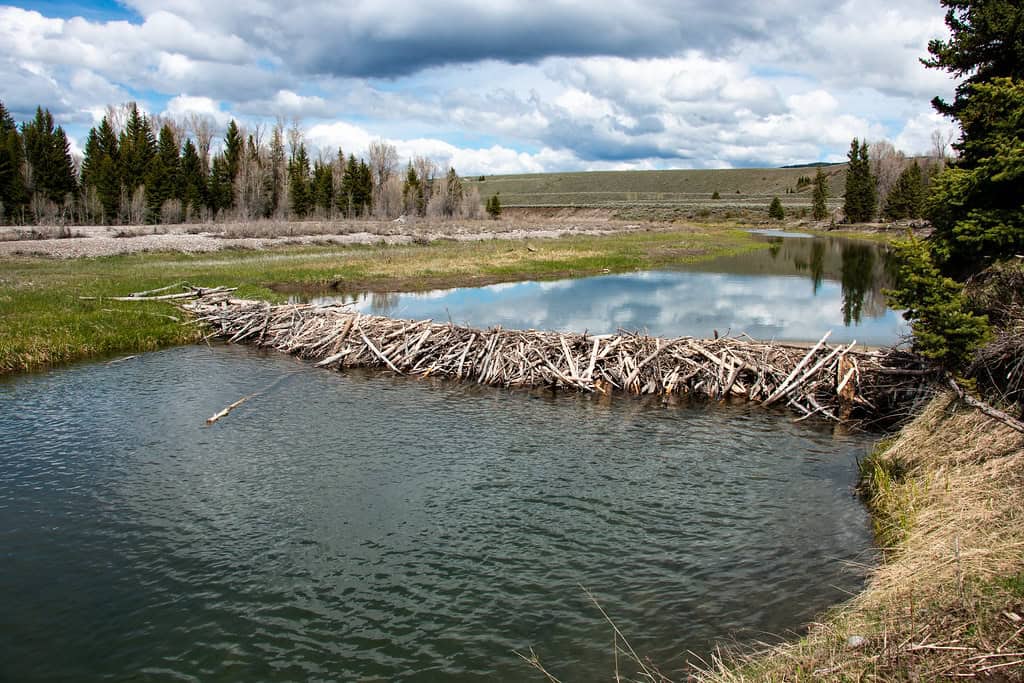
Beaver dams create wetlands, slow water movement, reduce erosion, and provide valuable habitat for numerous other species. Those ecological benefits remain important to conservation efforts throughout the American West today.
In its spring 2026 wildlife report, Idaho Fish and Game highlighted ongoing restoration efforts involving relocated beavers and human-made structures that mimic their dams. Biologists are monitoring native frog populations to better understand how wildlife responds to these restored habitats.
Nearly eight decades after Geronimo took to the skies, Idaho’s appreciation for its natural engineers remains strong. Fortunately for today’s beavers, their transportation arrangements are generally a little less adventurous.

