
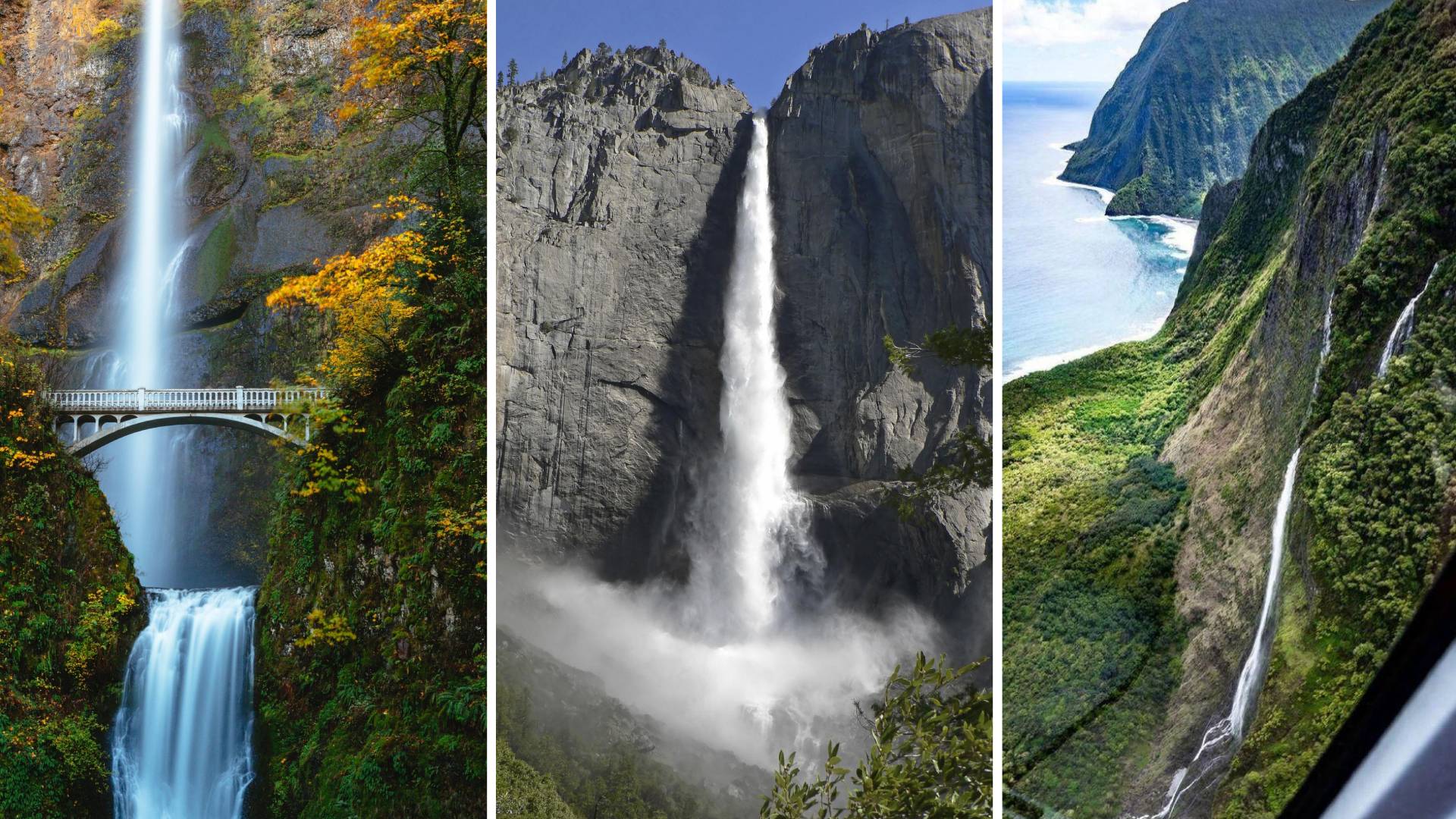
There’s something particularly humbling about standing at the base of an enormous waterfall. Between the thunderous roar of the water, the mist drifting through the air, and the sheer size of the surrounding cliffs, it’s one of those experiences that photographs rarely do justice.
The United States is home to some remarkably impressive waterfalls. From the glacier-fed cascades of the Pacific Northwest to the towering coastal cliffs of Hawaii, some descend hundreds of feet in a single plunge, while others tumble thousands of feet down entire mountainsides.
Not all of these natural wonders are easily accessible, and some remote waterfalls have only estimated heights. Nevertheless, each offers a fascinating example of the extraordinary landscapes found across America.
Colonial Creek Falls, Washington (2,568 feet)
©"North Cascades National Park" by jeffgunn is licensed under BY 2.0. - Original / License
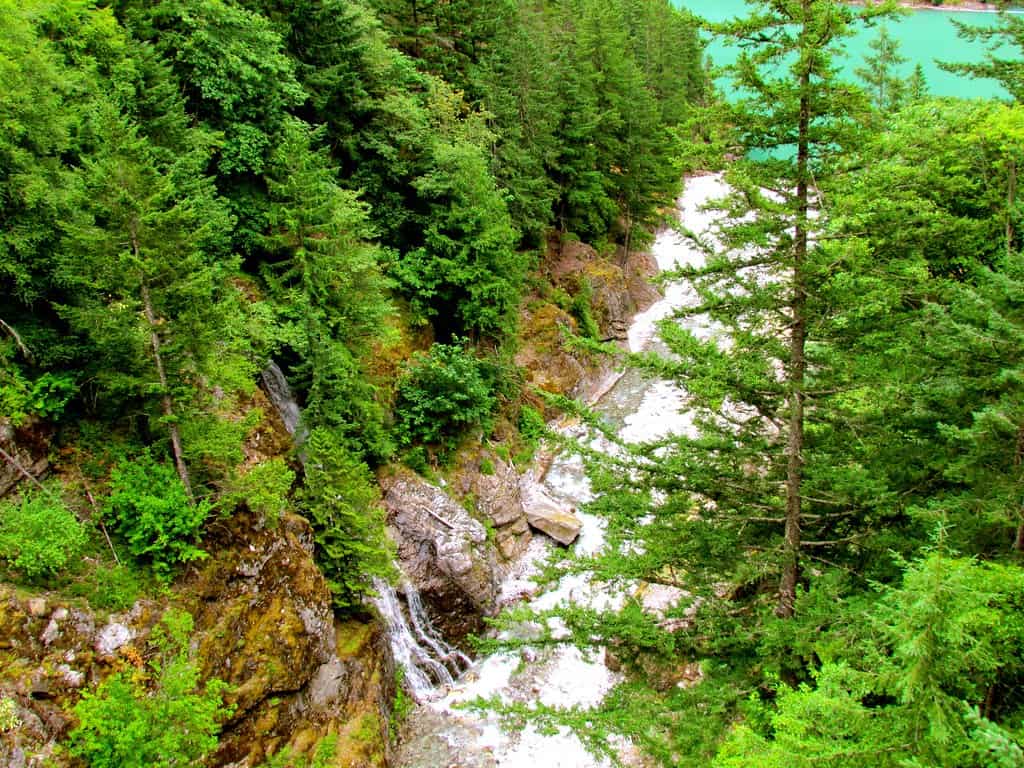
Hidden away in the rugged wilderness of the North Cascades, Colonial Creek Falls is recognized by the Northwest Waterfall Survey as the tallest documented waterfall in the contiguous United States. Fed by water originating near the retreating Colonial Glacier, the waterfall descends approximately 2,568 feet through 13 distinct drops. Its remote location and enormous size make it particularly difficult to appreciate in its entirety. The surrounding North Cascades landscape is spectacular in its own right.
Multnomah Falls, Oregon (620 feet)
©"Multnomah Falls, Oregon, in the autumn." by Bonnie Moreland (free images) is licensed under PDM 1.0. - Original / License
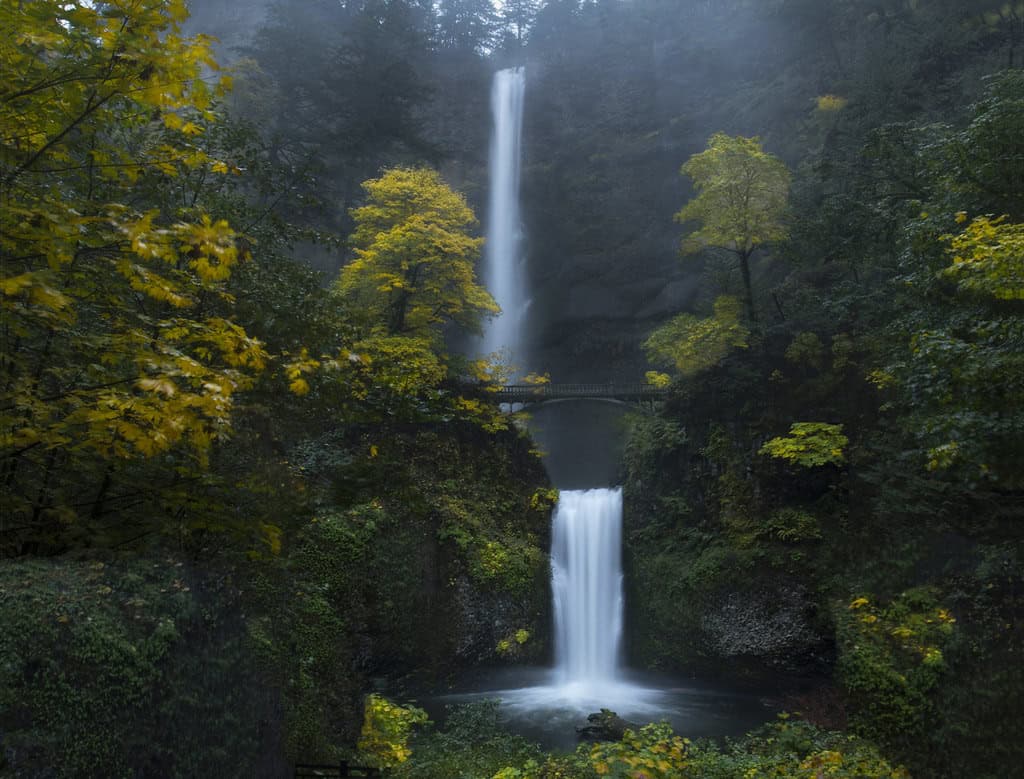
Few natural landmarks are more closely associated with the Pacific Northwest than Multnomah Falls. Located in the Columbia River Gorge, Oregon’s tallest waterfall descends in two dramatic sections, separated by the picturesque Benson Bridge. Unlike many of America’s tallest waterfalls, Multnomah Falls flows throughout the year. Autumn foliage, winter ice formations, and powerful spring runoff give the landscape an entirely different appearance as the seasons change.
Johannesburg Falls, Washington (2,465 feet)
©"Johannesburg Mountain at North Cascades in WA" by landscapesinthewest is licensed under PDM 1.0. - Original / License
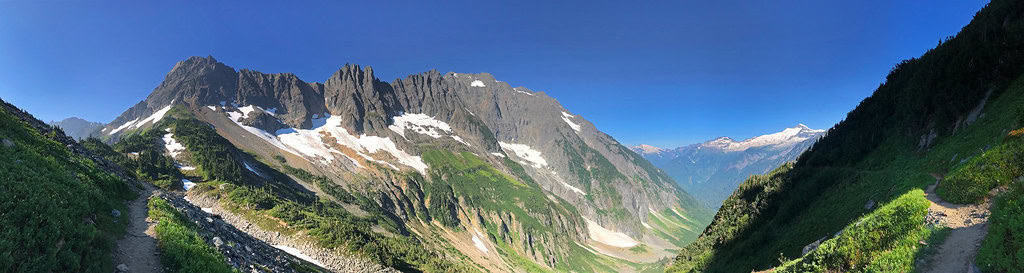
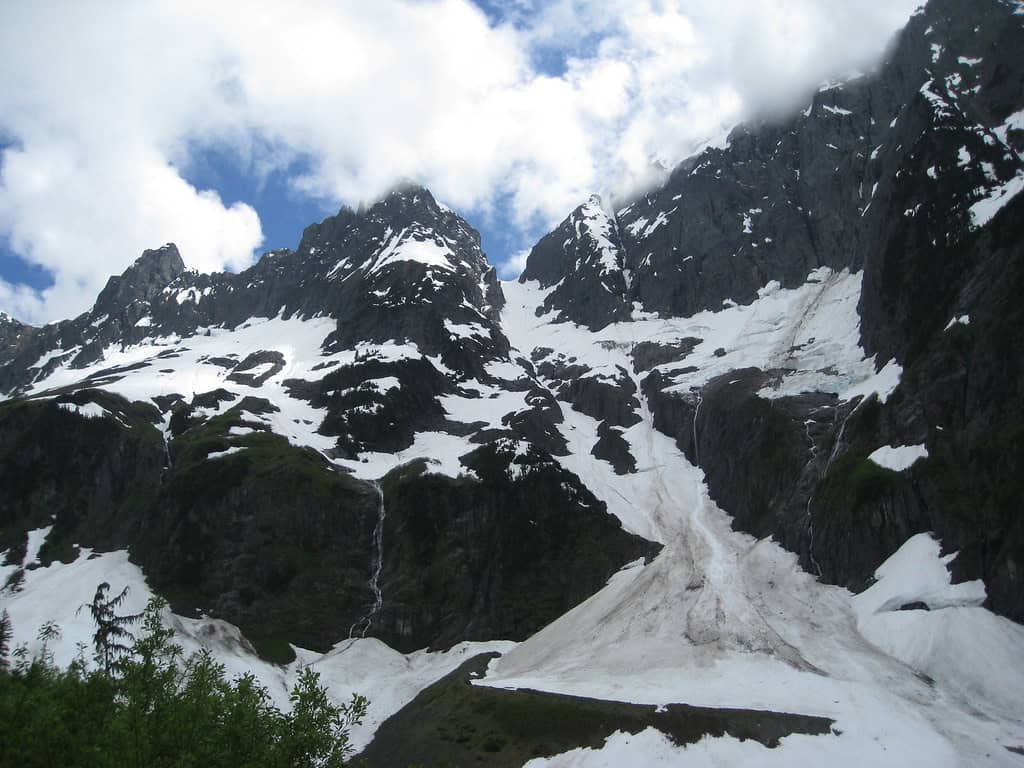
Johannesburg Mountain is among the most imposing sights in the North Cascades. Water from its high-elevation snowfields and glaciers feeds Johannesburg Falls, a sprawling series of cascades descending approximately 2,465 feet. Although the waterfall doesn’t carry the enormous volume of water associated with some of America’s more famous falls, its extraordinary vertical descent makes it one of Washington’s most impressive alpine water features.
Johannesburg Falls (continued)
©"Johannesburg Mountain (I think)" by brewbooks is licensed under BY-SA 2.0. - Original / License
From a distance, the waterfall can appear surprisingly small against the enormous mountain responsible for producing it. Its appearance also changes considerably depending on the amount of snow and ice melting at higher elevations. Like many glacier-fed waterfalls throughout the Cascades, its long-term character is closely tied to changes in the surrounding mountain environment.
Cloudcap Falls, Washington (approximately 2,400 feet)
©"Mount Shuksan, Picture Lake" by Anna & Michal is licensed under BY-SA 2.0. - Original / License
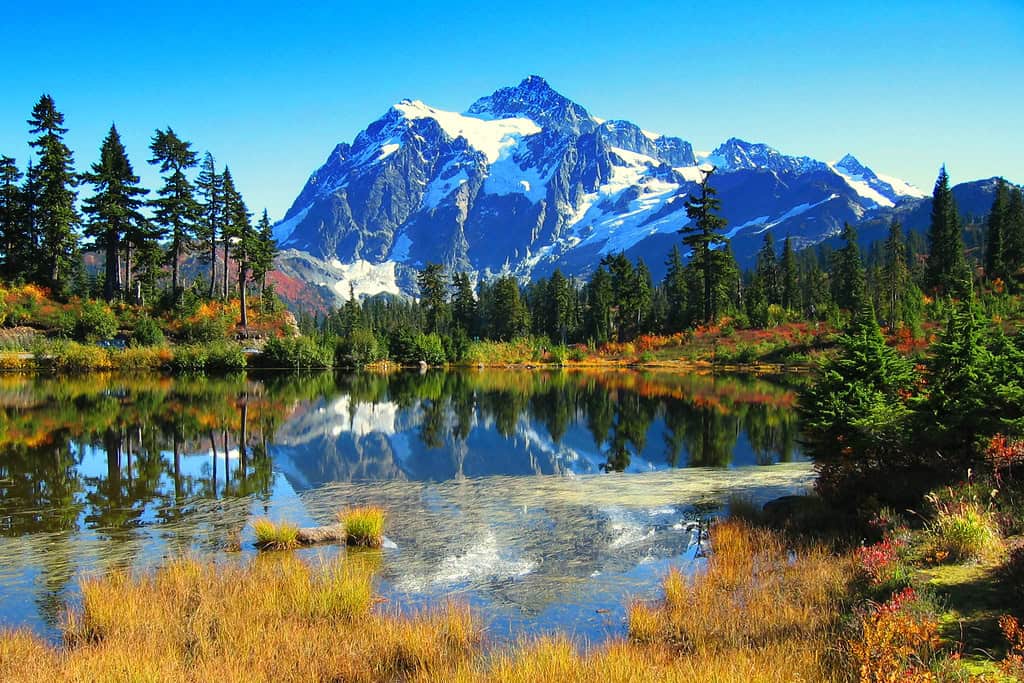
Mount Shuksan is one of the most recognizable mountains in Washington, thanks in part to its dramatic appearance in photographs taken from Picture Lake. The mountain is also home to several enormous waterfalls. Among them is Cloudcap Falls, a series of steep cascades originating from glacial meltwater near Cloudcap Peak on the mountain’s eastern shoulder.
Cloudcap Falls (continued)
©"East Nooksack Glacier Jagged Ridge of Mount Shuksan" by Ron Clausen is licensed under BY-SA 4.0. - Original / License
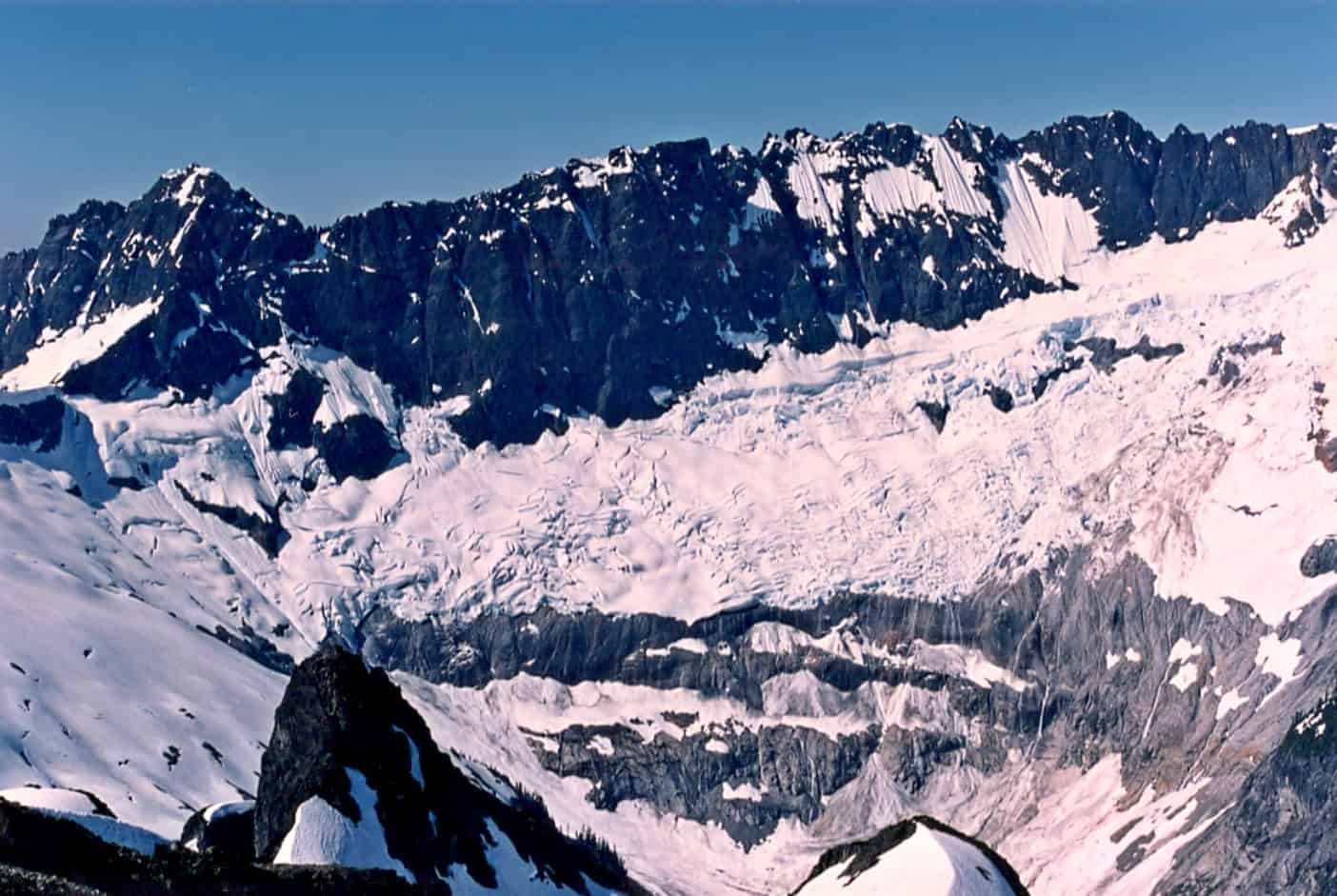
Much of Cloudcap Falls is concealed within the rugged terrain of Mount Shuksan, making it exceptionally difficult to observe. Its flow also fluctuates considerably throughout the year. The surrounding glaciers, steep ridges, and rocky slopes illustrate how the North Cascades produce waterfalls whose extraordinary dimensions often go unnoticed by casual visitors.
Yosemite Falls, California (2,425 feet)
©"Yosemite Falls" by paweesit is licensed under BY-ND 2.0. - Original / License
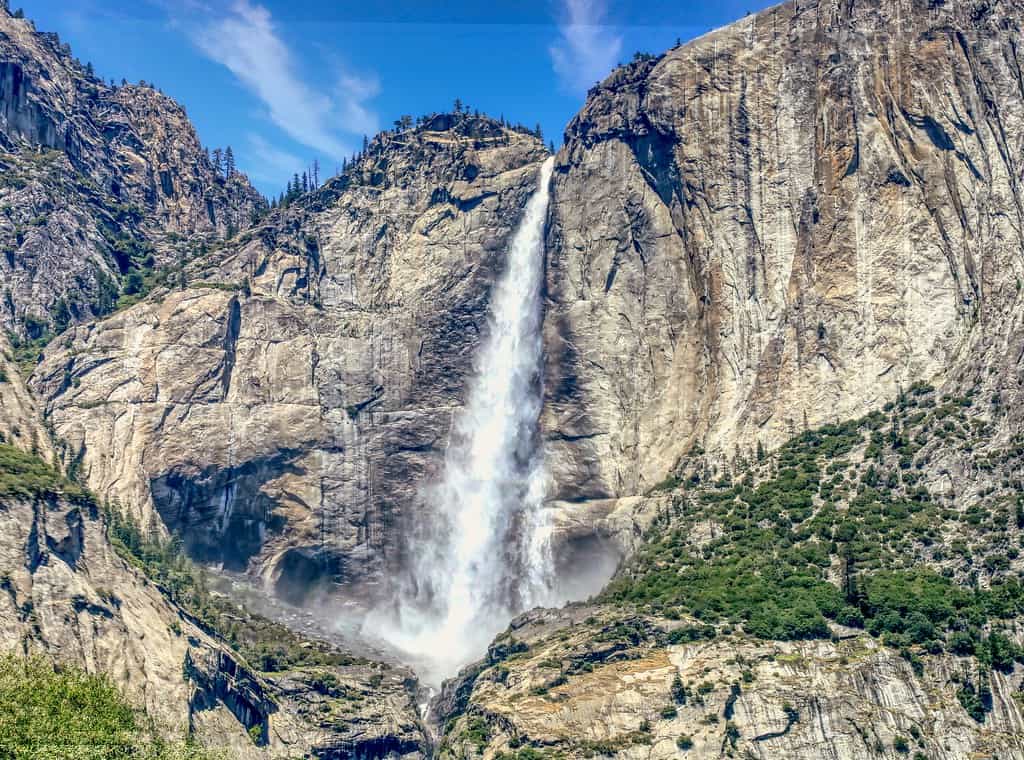
Perhaps America’s most recognizable towering waterfall, Yosemite Falls consists of three sections: Upper Yosemite Fall, the middle cascades, and Lower Yosemite Fall. Together, they descend an extraordinary 2,425 feet into Yosemite Valley. The waterfall’s upper section alone measures 1,430 feet. Snowmelt transforms it into a roaring spectacle, while colder conditions can produce impressive ice formations near its base. Fortunately, several excellent views are available without completing the strenuous hike to the top.
Bridal Veil Falls, Colorado (365 feet)
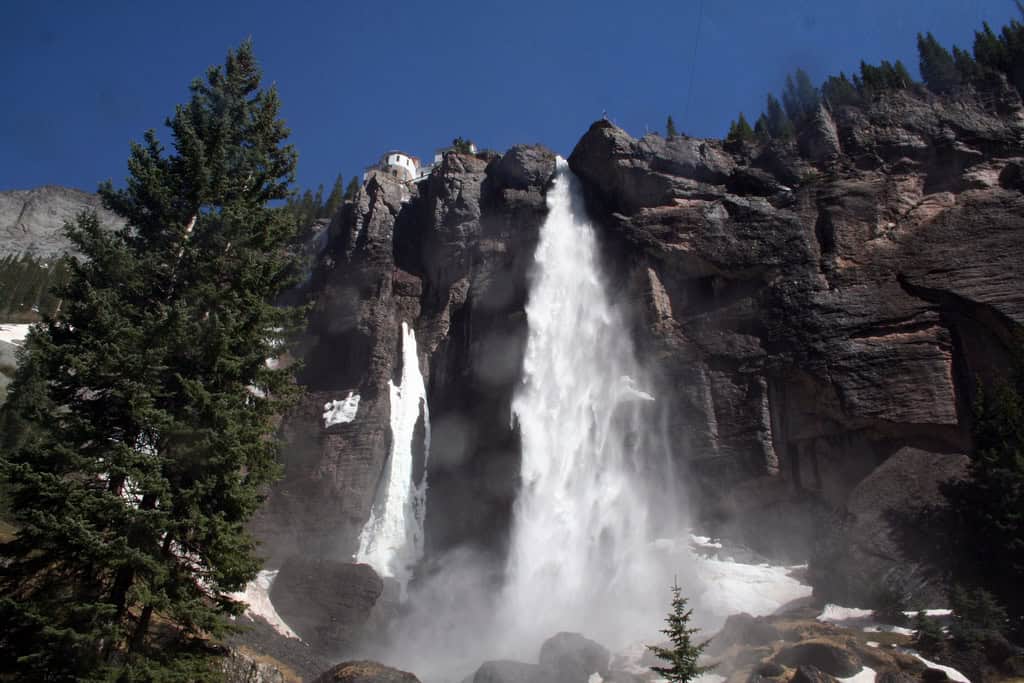
©"Bridal Veil Falls Telluride CO" by Terry Foote (talk · contribs) is licensed under BY-SA 3.0. - Original / License
Overlooking the historic mountain community of Telluride, Bridal Veil Falls is Colorado’s tallest free-falling waterfall. Water plunges 365 feet down a rugged cliff, creating one of the most recognizable landscapes in the San Juan Mountains. Perched near the top is a historic hydroelectric powerhouse, which adds a rather unusual architectural element to an otherwise spectacular natural setting.
Bridal Veil Falls (continued)
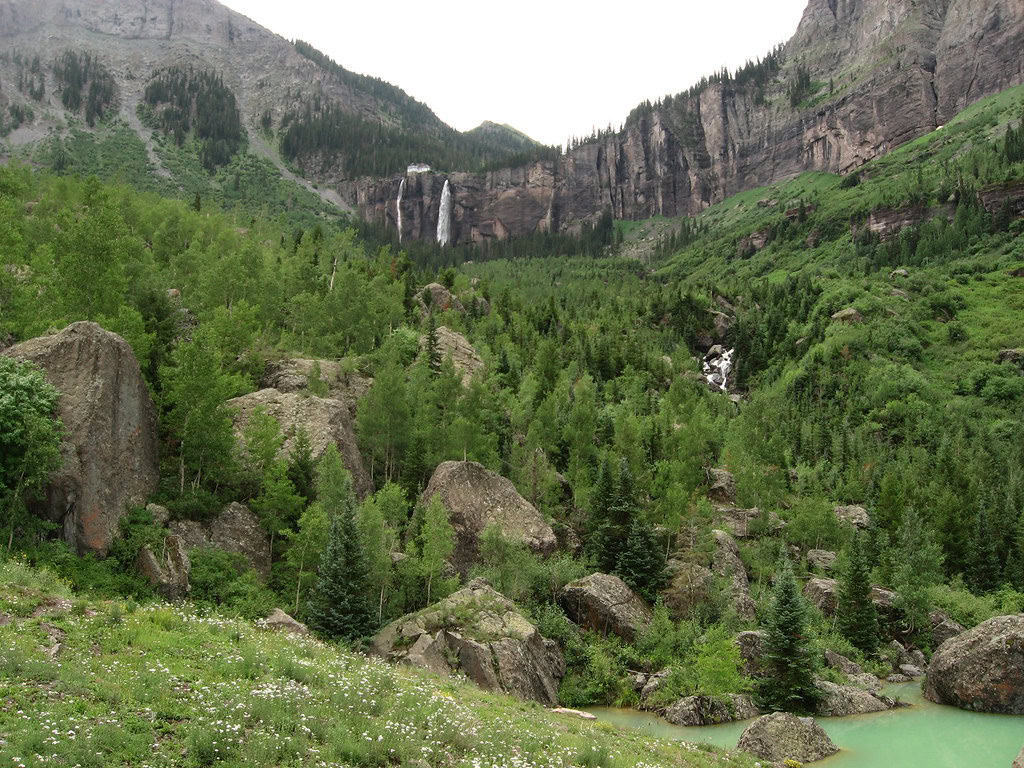
©"Bridal Veil Falls, Telluride, Colorado" by Ken Lund is licensed under BY-SA 2.0. - Original / License
One of the most remarkable transformations occurs when freezing temperatures turn the waterfall into an enormous formation of ice. Experienced ice climbers are drawn to the area, although avalanches, falling rocks, and slippery terrain make winter access particularly hazardous. Fortunately, the surrounding canyon provides opportunities to appreciate the waterfall from a considerably safer distance.
Vernal Fall, California (317 feet)
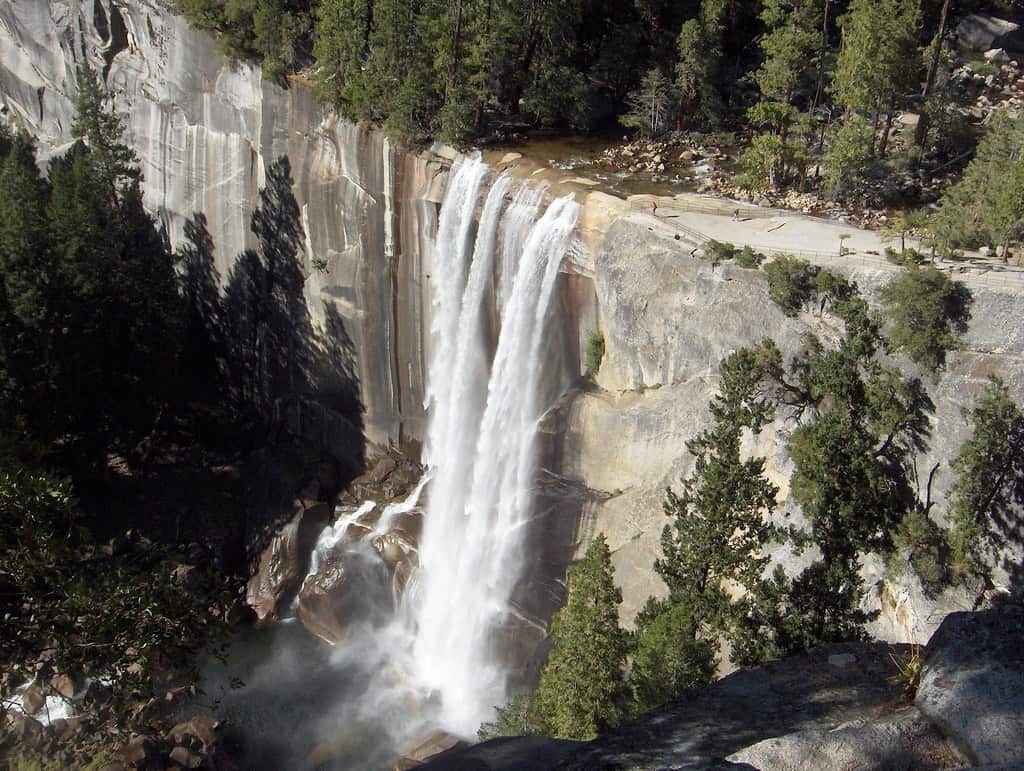
©"Vernal Fall" by Joe Shlabotnik is licensed under BY 2.0. - Original / License
Vernal Fall may be considerably shorter than several of Yosemite National Park’s other waterfalls, but what it lacks in height, it often makes up for in volume. The Merced River plunges 317 feet over a broad granite ledge, sending an impressive cloud of mist into the surrounding landscape. Its proximity to popular hiking routes makes it one of the park’s most recognizable natural attractions.
Vernal Fall (continued)
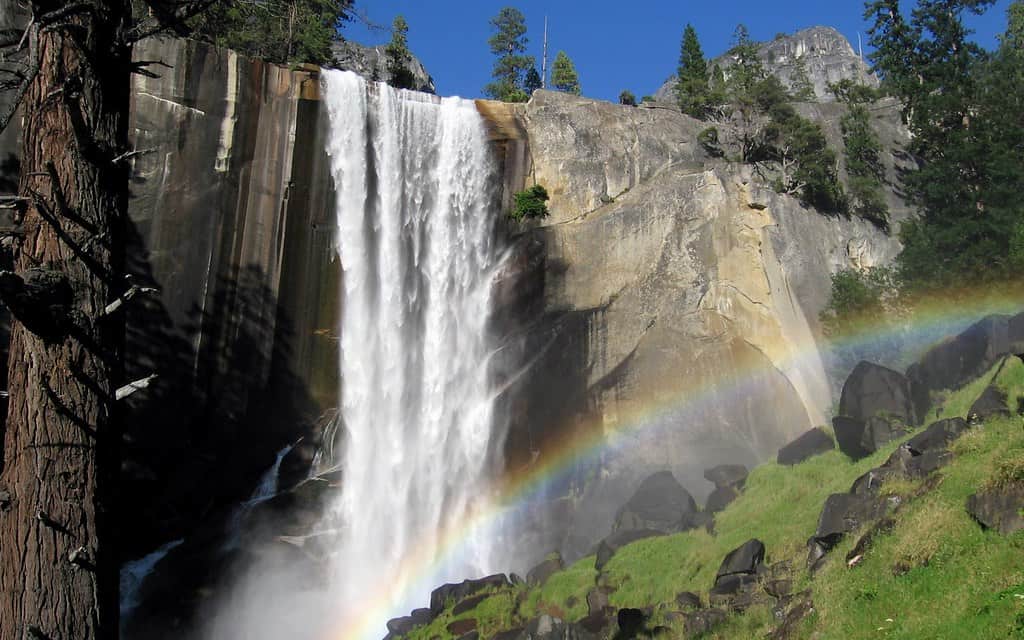
©"Vernal Falls and Rainbow - Merced River, Yosemite National Park, California" by Trodel is licensed under BY-SA 2.0. - Original / License
The aptly named Mist Trail offers some particularly memorable views of Vernal Fall. Under the right lighting conditions, sunlight passing through the enormous clouds of spray produces colorful rainbows. The route also features hundreds of steep granite steps, which can become exceptionally slippery. Hikers should remain on designated trails and behind protective railings, particularly near the river.
Nevada Fall, California (594 feet)
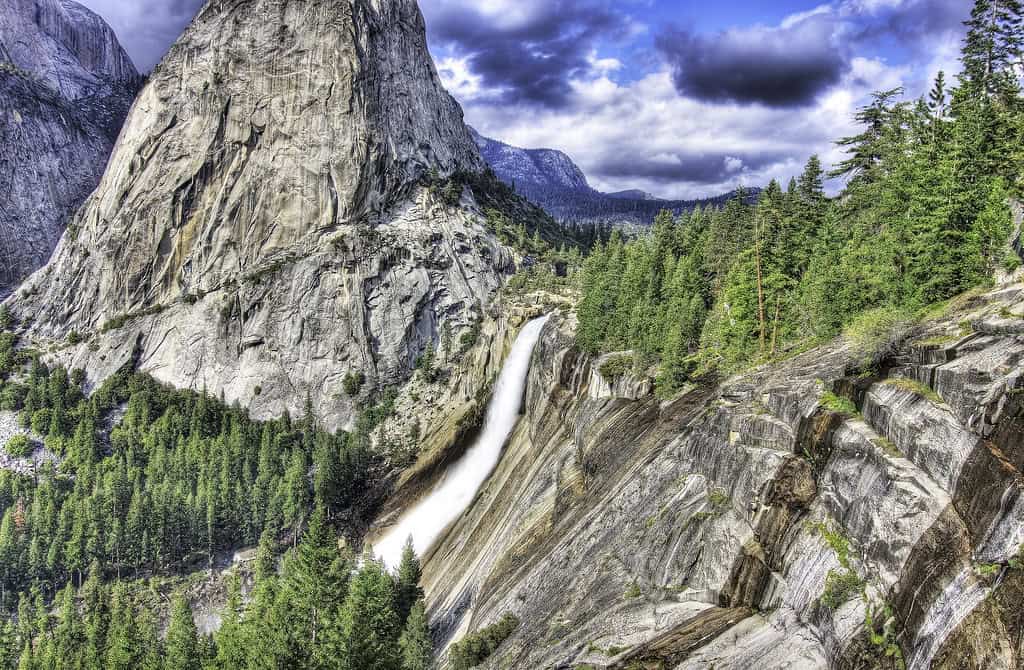
©"Nevada Falls" by jesse? is licensed under BY 2.0. - Original / License
Located upstream from Vernal Fall along the Merced River, Nevada Fall descends 594 feet near the enormous granite formation known as Liberty Cap. Its distinctive shape is created as water strikes the sloping rock face and spreads outward before reaching the valley below. Together, Nevada and Vernal falls form one of Yosemite’s most memorable combinations of natural landmarks. Nevada Fall can also be admired from a distance at Glacier Point when the road is open.
Upper Whitewater Falls, North Carolina (411 feet)
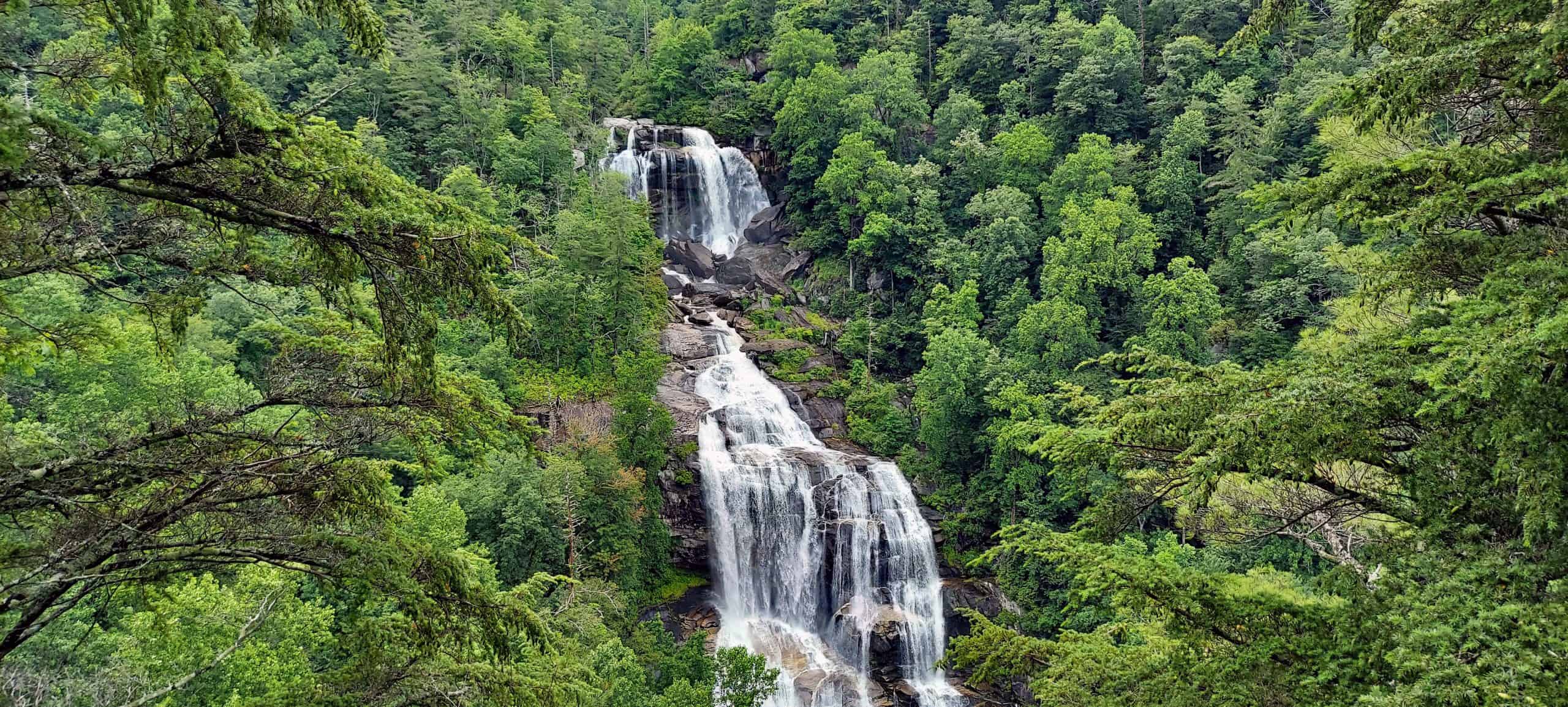
©"North Carolina - Upper Whitewater Falls 01" by P. Hughes is licensed under BY-SA 4.0. - Original / License
The western United States might dominate discussions about America’s tallest waterfalls, but the Appalachian Mountains have some impressive contenders of their own. Located in the Nantahala National Forest, Upper Whitewater Falls descends 411 feet over a series of rocky ledges surrounded by dense forest. Farther downstream, the Whitewater River produces another enormous waterfall across the South Carolina border.
Upper Whitewater Falls (continued)
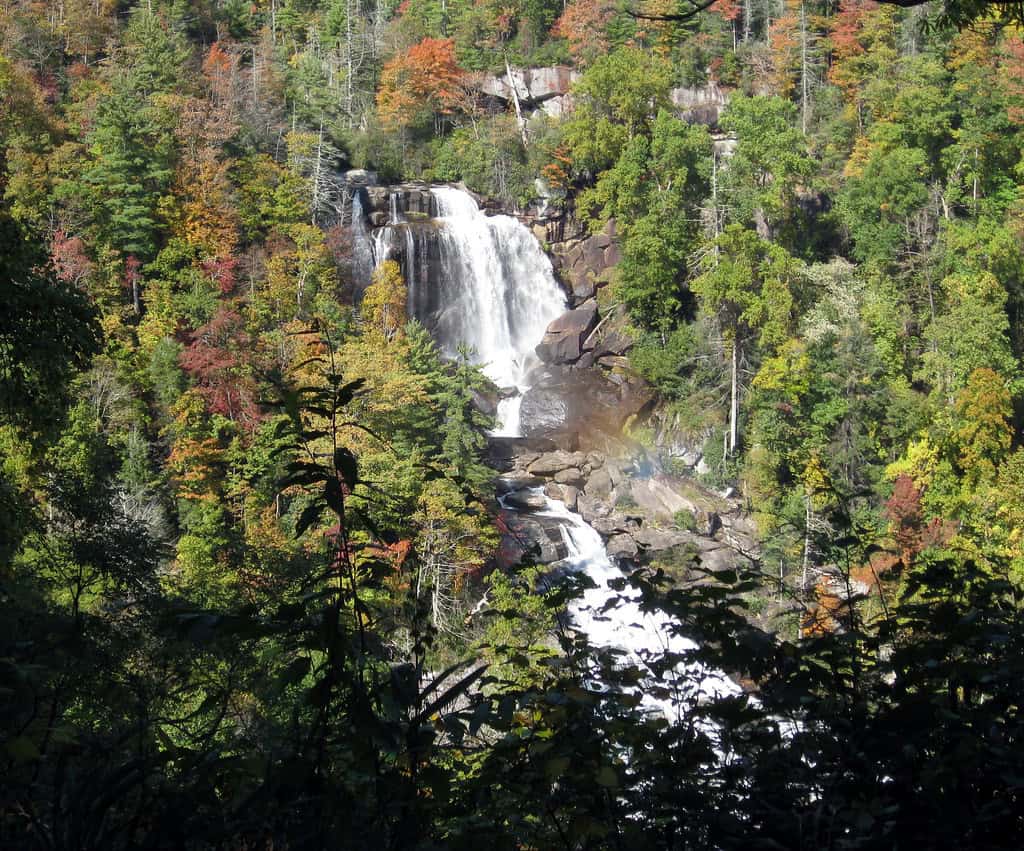
©"Sapphire - Upper Whitewater Falls (3)" by jared422_80 is licensed under BY 2.0. - Original / License
Unlike some of the remote waterfalls featured here, Upper Whitewater Falls has established overlooks that provide excellent views of the surrounding landscape. A paved walkway leads to the upper viewing area, while a wooden staircase descends to another overlook. The dense vegetation surrounding the waterfall is particularly striking when the Appalachian forests change color during autumn.
Illilouette Fall, California (370 feet)
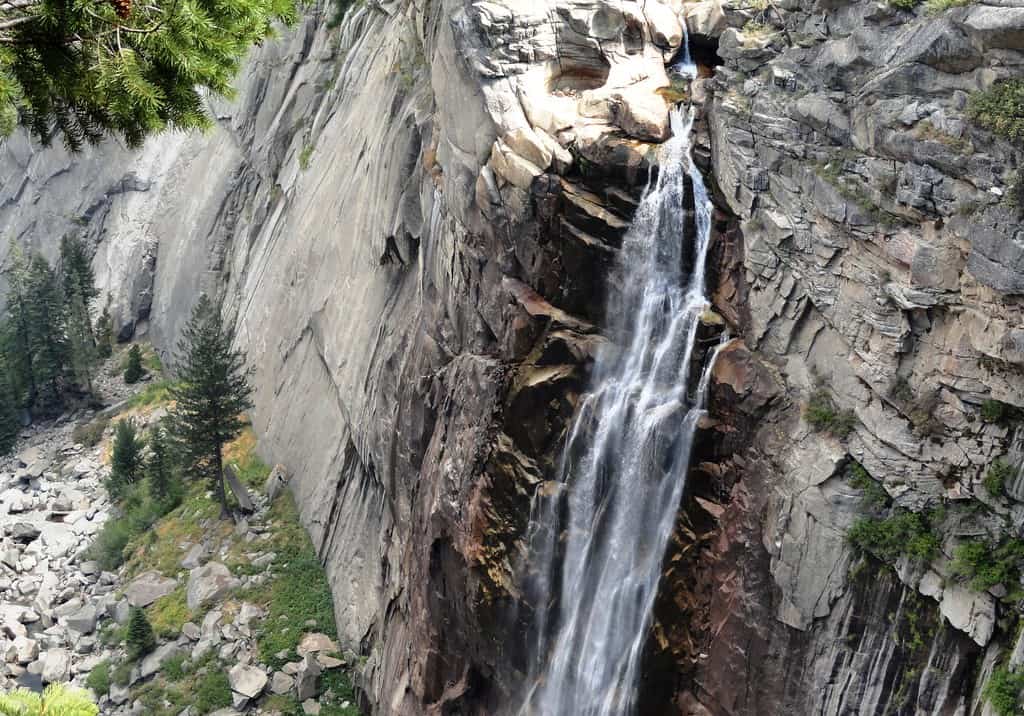
©"Illilouette Fall, Panorama Trail, Yosemite" by travelourplanet.com is licensed under BY 2.0. - Original / License
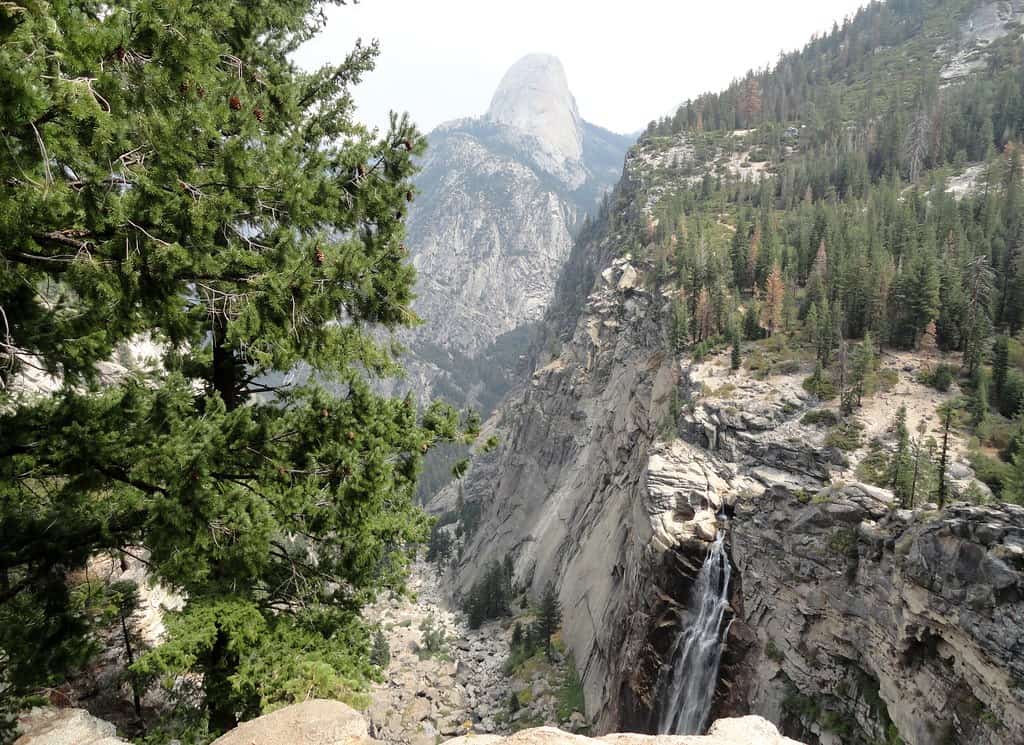
While many visitors to Yosemite concentrate on its more famous waterfalls, Illilouette Fall offers a spectacular glimpse of the park’s less obvious natural wonders. The 370-foot waterfall descends into a rugged canyon surrounded by granite cliffs and forested mountainsides. Its relatively secluded location gives it a noticeably different character from the waterfalls visible directly from Yosemite Valley’s roads.
Illilouette Fall (continued)
©"Illilouette Fall, Panorama Trail, Yosemite" by travelourplanet.com is licensed under BY 2.0. - Original / License
The Panorama Trail provides one of the most rewarding perspectives of Illilouette Fall. Reaching the area requires hiking rather than simply pulling over at a roadside overlook. The surrounding scenery includes sweeping mountain views, dramatic rock formations, and forested terrain that make the waterfall just one highlight of a considerably larger landscape.
Avalanche Basin Falls, Montana (965 feet)
©"Avalanche Lake Glacier National Park Montana" by anax44 is licensed under BY-SA 2.0. - Original / License
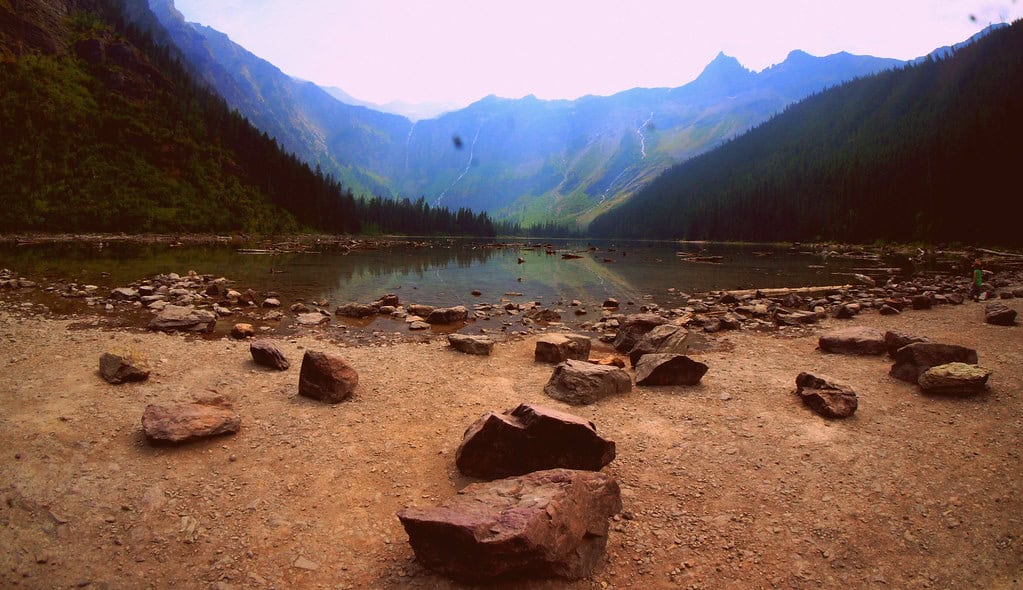
Surrounded by enormous mountain walls, Avalanche Lake in Glacier National Park is an extraordinary setting for several towering waterfalls. Avalanche Basin Falls, currently cataloged at approximately 965 feet, is one of several cascades descending into the basin. Older references assigned a considerably greater height to this waterfall, but updated classifications distinguish it from the neighboring Sperry Glacier Falls. Together, the waterfalls create one of Montana’s most spectacular alpine landscapes.
Bridalveil Fall, California (620 feet)
©"El Capitan, Half Dome, and Bridalveil Fall - Yosemite National Park" by Jorge Lascar is licensed under BY 2.0. - Original / License
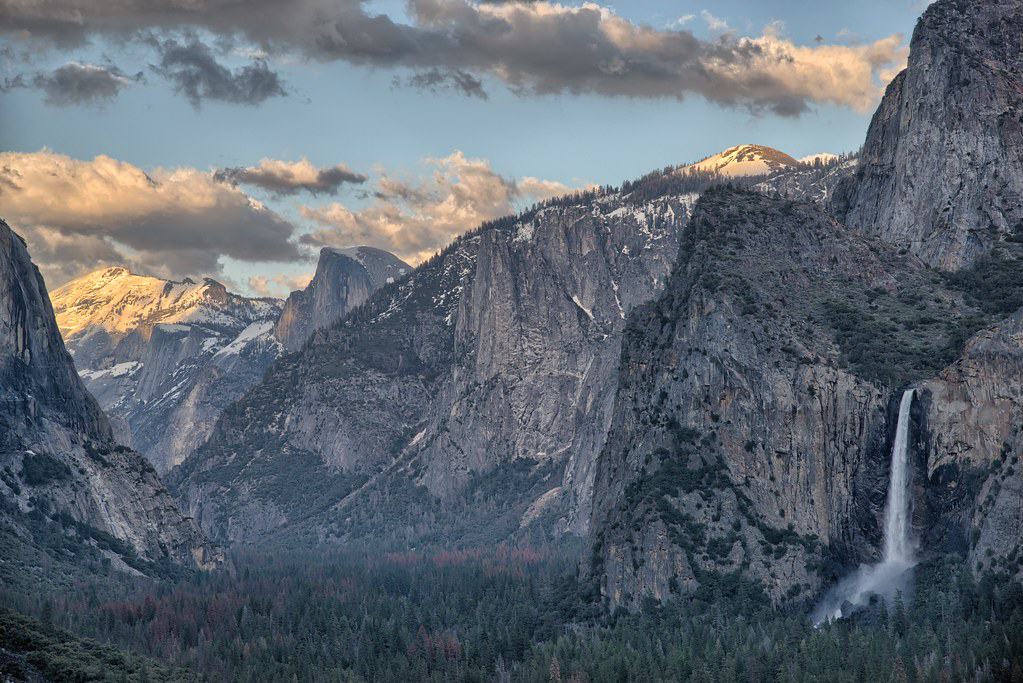
Bridalveil Fall is often among the first spectacular sights greeting visitors as they enter Yosemite Valley. The waterfall plunges 620 feet over a sheer granite cliff, creating the delicate, veil-like appearance responsible for its name. Strong winds can scatter its falling water into an enormous cloud of mist. Its relatively accessible viewing areas make it one of the easiest major waterfalls in Yosemite to appreciate without embarking on a lengthy hike.
Feather Falls, California (410 feet)
©"256/365 ~ Feather Falls 2013 #hiking #buttecounty #california #panorama" by ray_explores is licensed under BY 2.0. - Original / License
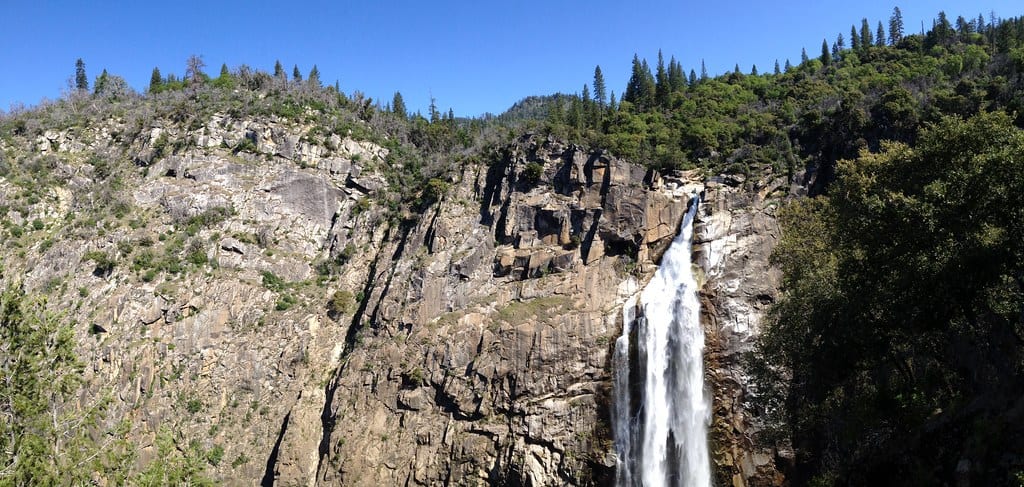
Located in the rugged Sierra Nevada foothills of Northern California, Feather Falls is one of the state’s most impressive waterfalls outside Yosemite National Park. The Fall River plunges approximately 410 feet into a rocky canyon. For years, the waterfall was widely reported to be more than 600 feet tall, but improved measurements and elevation data established its considerably shorter actual height. It’s still an impressive sight by any reasonable standard.
Feather Falls (continued)
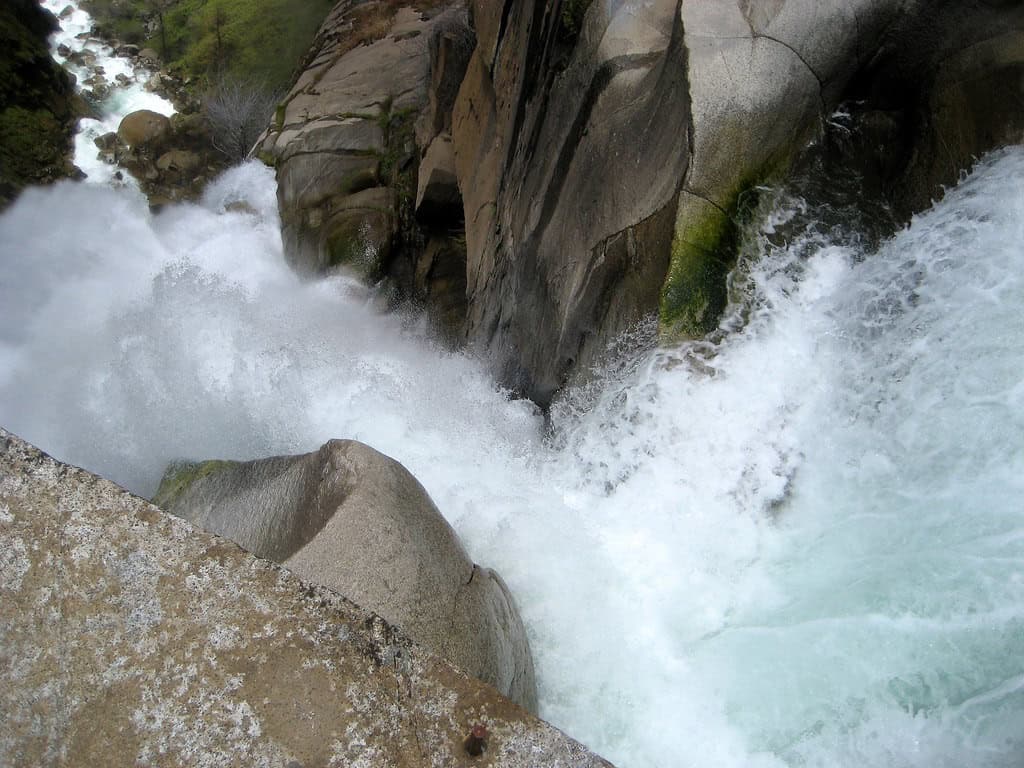
©"Feather Falls" by NAParish is licensed under BY-SA 2.0. - Original / License
The surrounding forests and steep canyon walls provide a spectacular backdrop for Feather Falls. Unfortunately, the area sustained extensive damage during the 2020 North Complex Fire, affecting recreational access. The Feather Falls Recreation Area has been subject to extended closures, so prospective visitors should confirm current conditions with the Plumas National Forest before making plans.
Chilnualna Falls, California (approximately 2,200 feet)
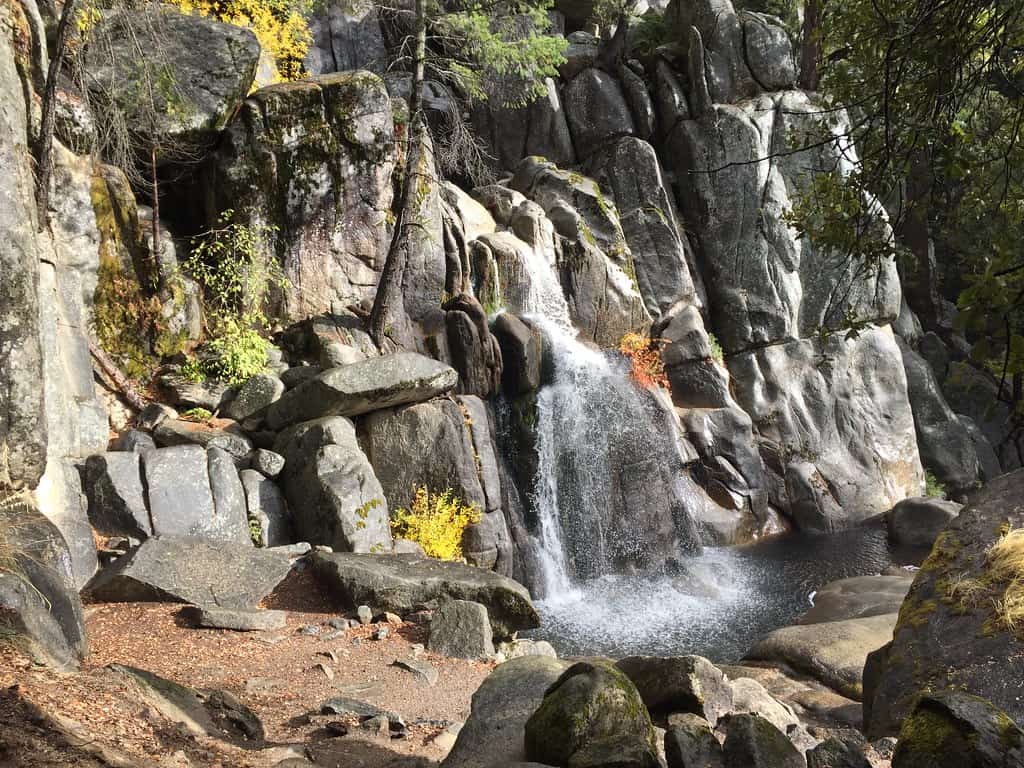
©"Lower Chilnualna Falls" by btwashburn is licensed under BY 2.0. - Original / License
Unlike Yosemite’s enormous waterfalls that descend in relatively straightforward plunges, Chilnualna Falls tumbles through a winding series of rocky cascades near Wawona. According to the National Park Service, the combined waterfall system descends approximately 2,200 feet. The twists and turns of the surrounding granite formations conceal portions of the falls, making it impossible to appreciate the entire descent from a single viewpoint.
Lake Frances Falls, Montana (approximately 1,560 feet)
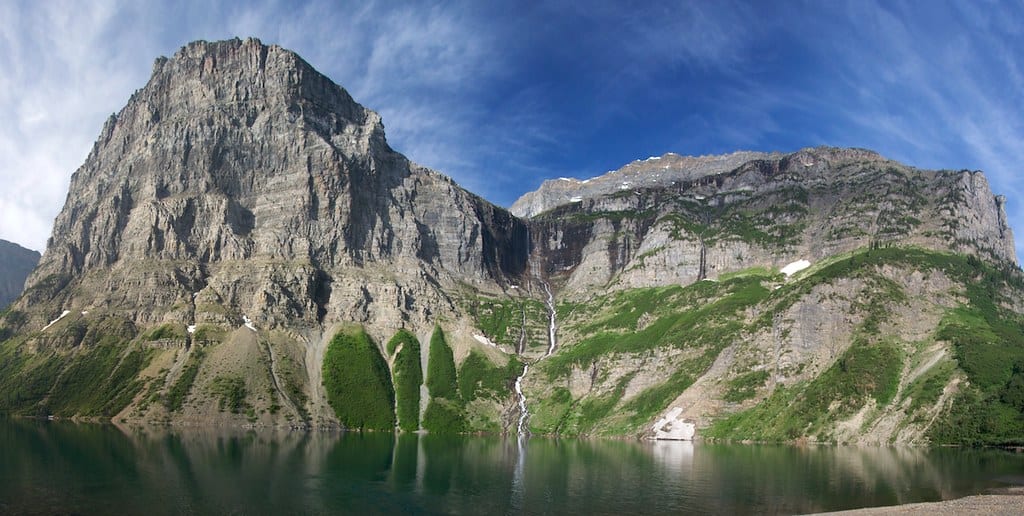
©"Lake Francis" by markg6 is licensed under BY 2.0. - Original / License
Glacier National Park is home to numerous waterfalls fed by melting snow and ice high in the Rocky Mountains. Among them is the cascade descending toward Lake Frances in the park’s remote northern wilderness. Its estimated height of approximately 1,560 feet places it among Montana’s tallest documented waterfalls. The narrow stream of water appears particularly delicate against the enormous mountain slopes surrounding the lake.
Wapama Falls, California (1,400 feet)
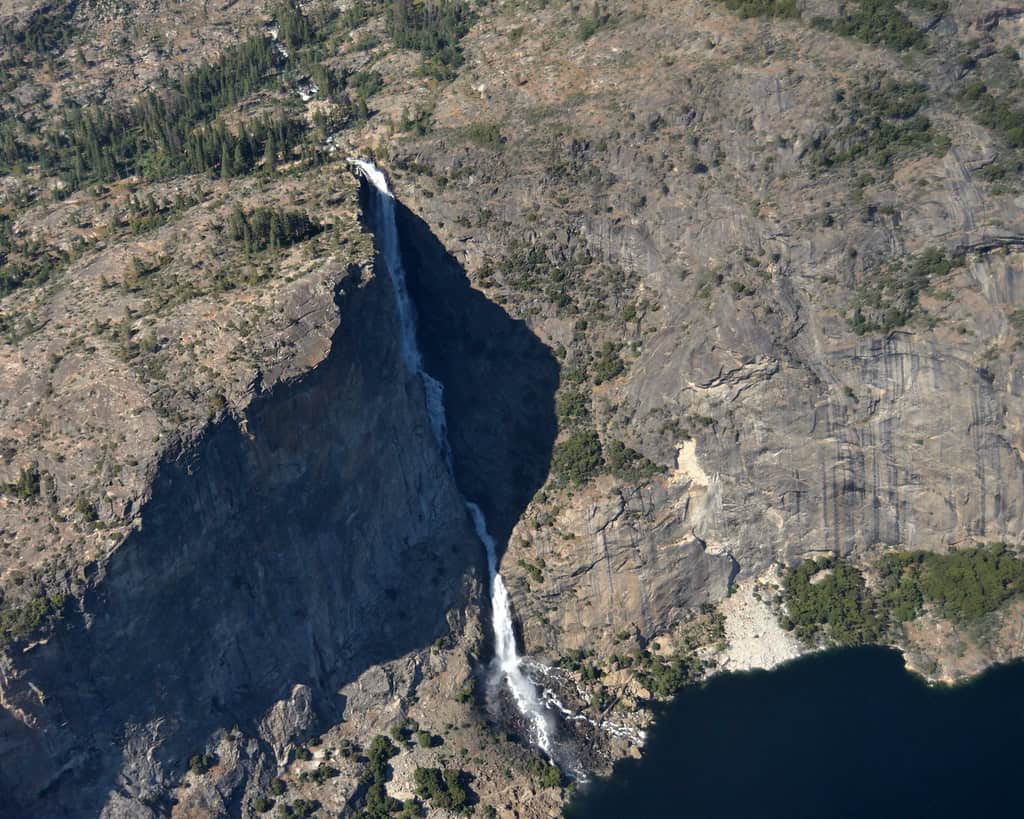
©"Wapama Falls" by Tom Hilton is licensed under BY 2.0. - Original / License
Although Yosemite Valley receives much of the attention, the park’s Hetch Hetchy region contains some remarkable natural attractions of its own. Wapama Falls descends approximately 1,400 feet according to the National Park Service, cascading down the steep granite walls overlooking Hetch Hetchy Reservoir. When water levels are high, the waterfall produces an extraordinary amount of spray and a thunderous roar that echoes through the surrounding canyon.
Wapama Falls (continued)
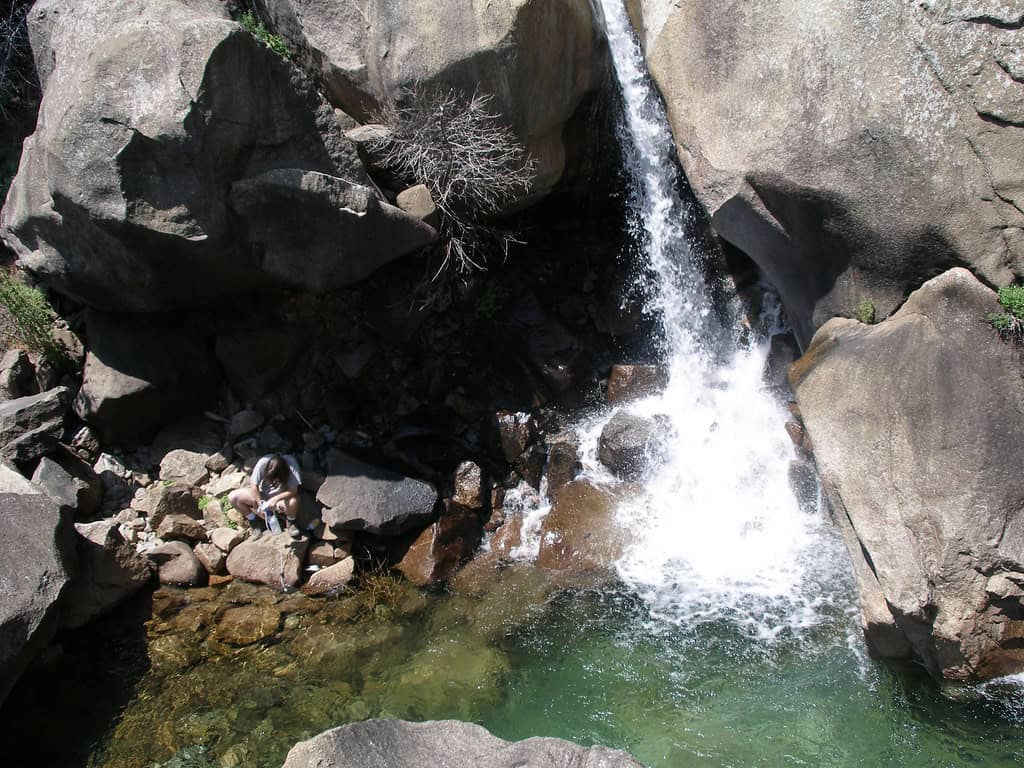
©"Wapama Falls" by Frozen Coffee is licensed under BY-SA 2.0. - Original / License
Footbridges near the base of Wapama Falls offer an especially dramatic perspective when conditions permit. However, heavy runoff can send dangerous amounts of water across the bridges, making passage unsafe. Visitors can also admire the waterfall from farther away near O’Shaughnessy Dam, where the surrounding reservoir and granite cliffs provide a memorable panoramic view.
Harrison Basin Falls, Montana (approximately 1,450 feet)
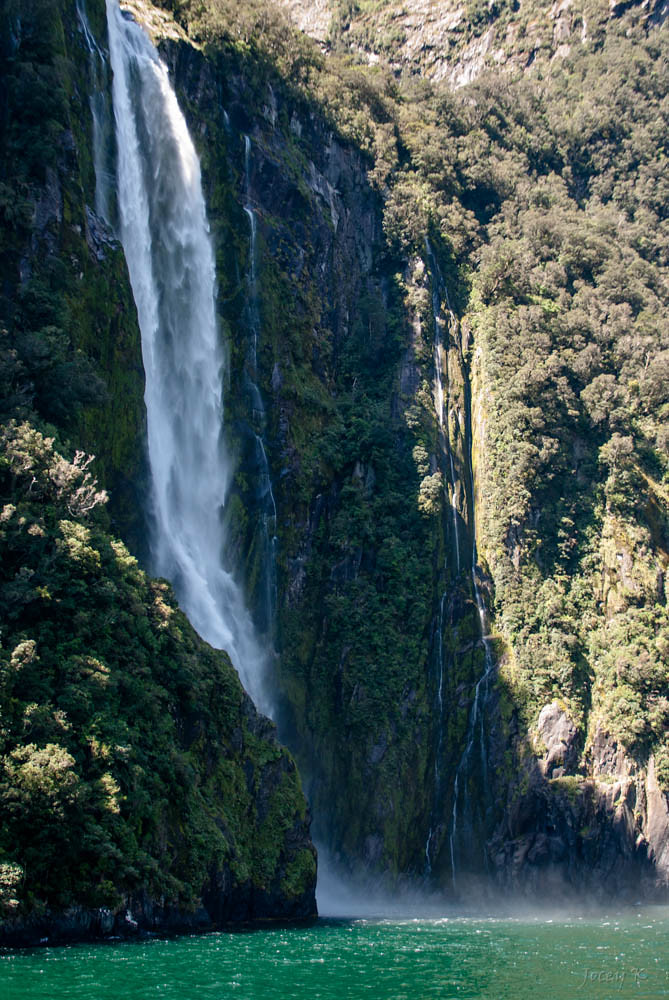
©"Going in!" by Jocey K is licensed under BY-SA 2.0. - Original / License
Located in a remote section of Glacier National Park, Harrison Basin Falls is one of several impressive cascades associated with the park’s glacial landscapes. The World Waterfall Database currently estimates its height at approximately 1,450 feet, considerably less than some older figures suggest. Its isolated location makes detailed documentation difficult, and the surrounding wilderness is not an ordinary roadside sightseeing destination.
Ribbon Fall, California (1,612 feet)
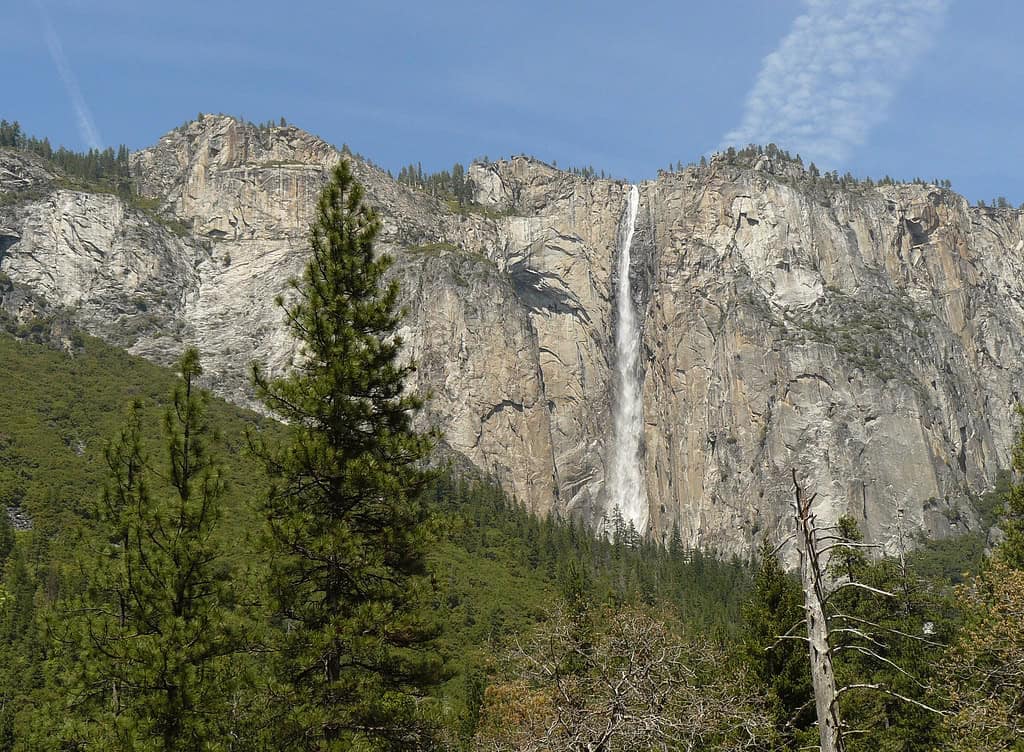
©"Ribbon Fall" by docentjoyce is licensed under BY 2.0. - Original / License
Descending from the cliffs immediately west of Yosemite’s iconic El Capitan, Ribbon Fall is an extraordinarily tall free-falling waterfall. Its 1,612-foot descent makes it particularly impressive considering how narrow it often appears against the surrounding rock formations. Unlike several other major Yosemite waterfalls, Ribbon Fall depends heavily on seasonal runoff and can disappear entirely when its water source diminishes.
Ribbon Fall (continued)
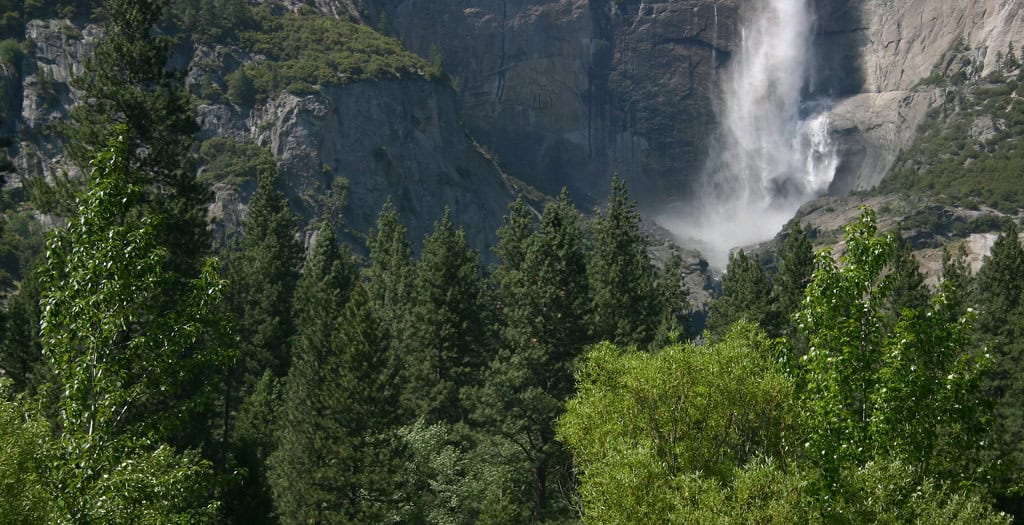
©"Ribbon greenery" by Mel B. is licensed under BY 2.0. - Original / License
What makes Ribbon Fall particularly interesting is the contrast between its delicate appearance and its extraordinary height. The waterfall descends farther than the height of the Empire State Building, including its antenna. Yet against Yosemite’s enormous granite walls, it can resemble little more than a thin white ribbon drifting through the landscape.
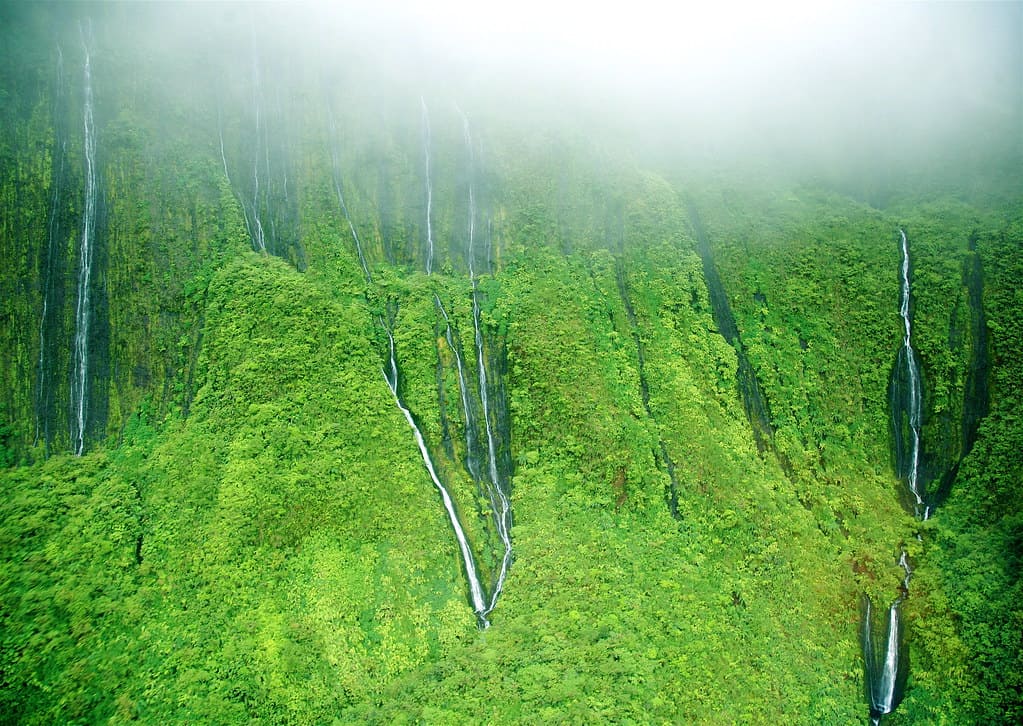
Wall of Tears, Hawaii (estimated 1,600 feet)
©"Wall of Tears" by jurvetson is licensed under BY 2.0. - Original / License
Hidden within the lush West Maui Mountains, the Wall of Tears is less a conventional waterfall than an entire collection of cascading streams. Water descends from steep, vegetation-covered cliffs, creating a landscape that looks almost impossibly green. Its frequently cited height of approximately 1,600 feet remains an estimate. The remote mountain terrain makes aerial photography one of the most practical ways to appreciate the surrounding scenery.
Keana’awi Falls, Hawaii (estimated 1,960 feet)
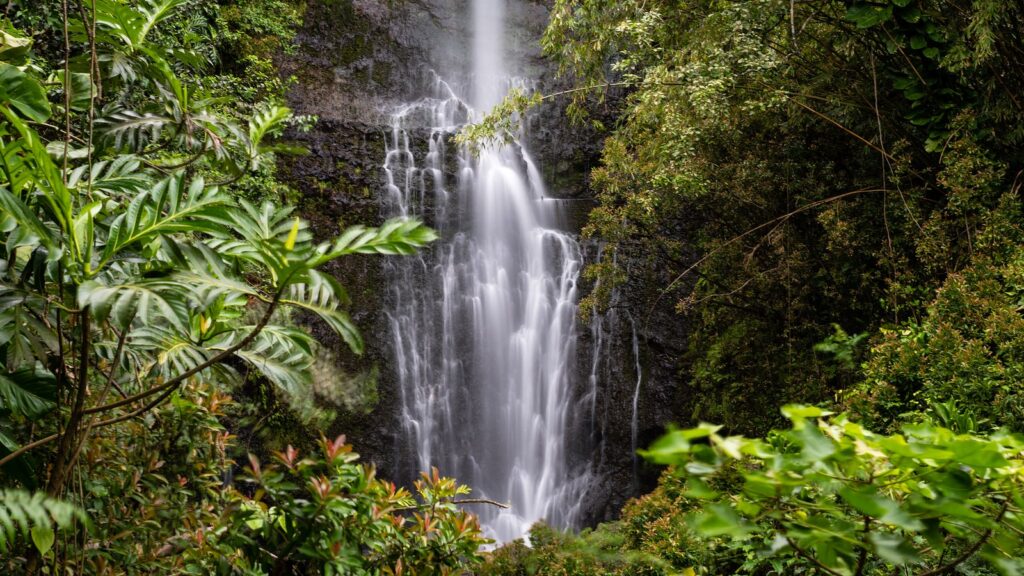
Kauai’s dramatic interior contains numerous waterfalls that remain relatively poorly documented because of their remote locations. Keana’awi Falls is one such example. Located within the Halelea Forest Reserve, the waterfall is listed by the World Waterfall Database at an estimated 1,960 feet, although its dimensions remain unconfirmed. The difficulty of surveying these rugged landscapes helps explain why published figures for some Hawaiian waterfalls vary considerably.
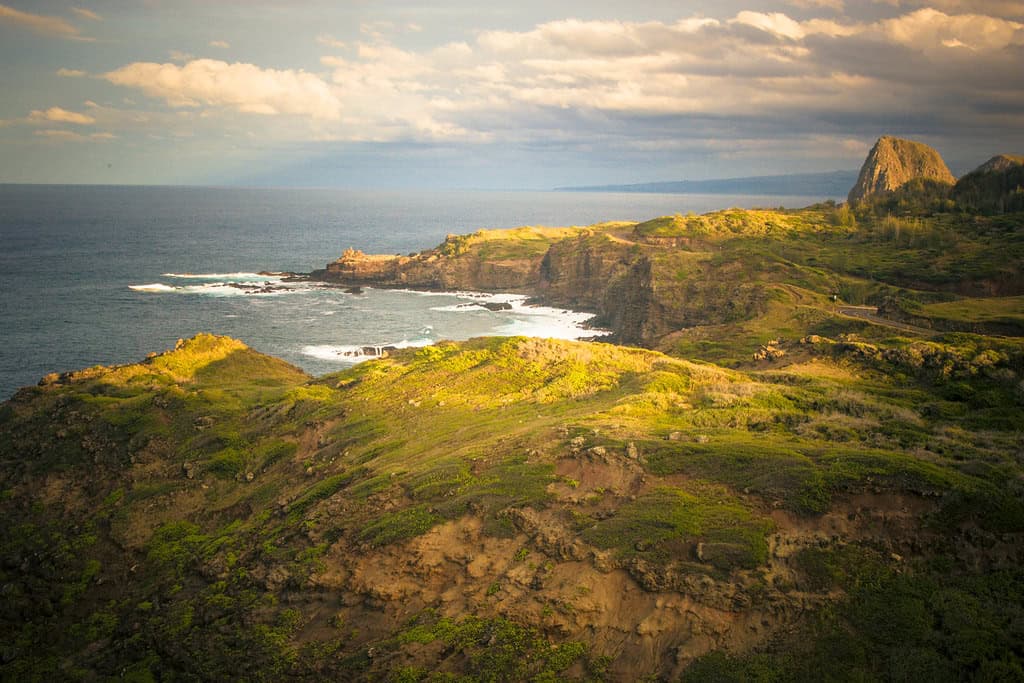
Manawainui Falls, Hawaii (estimated 2,360 feet)
©"Maui Cliffs" by cj&erson is licensed under BY-ND 2.0. - Original / License
Maui’s steep mountain valleys and abundant rainfall create ideal conditions for spectacular waterfalls. Among the island’s more remote cascades is Manawainui Falls, also listed as Mana’wai’nui Falls, with an estimated descent of approximately 2,360 feet. Its location within rugged terrain makes detailed measurements and photographic documentation difficult. The surrounding landscape offers a fascinating example of how water continually shapes Hawaii’s volcanic mountains.
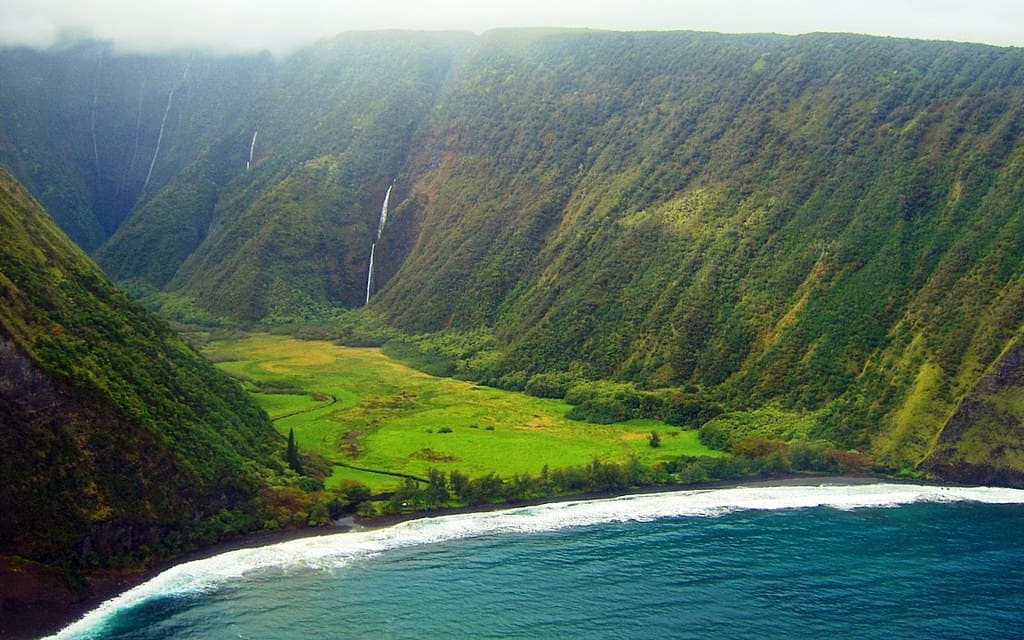
Waihilau Falls, Hawaii (approximately 2,600 feet)
©"Waimanu valley" by tsiggs902 is licensed under PDM 1.0. - Original / License
Located in the secluded Waimanu Valley on the Island of Hawaii, Waihilau Falls is among the tallest documented waterfalls in the United States. Its narrow streams descend approximately 2,600 feet through towering cliffs covered in lush vegetation. Unlike the famous waterfalls located near established highways and visitor centers, Waihilau occupies a remote wilderness landscape where difficult terrain and limited access have helped preserve its remarkable surroundings.
Haloku Falls, Hawaii (estimated 2,900 feet)
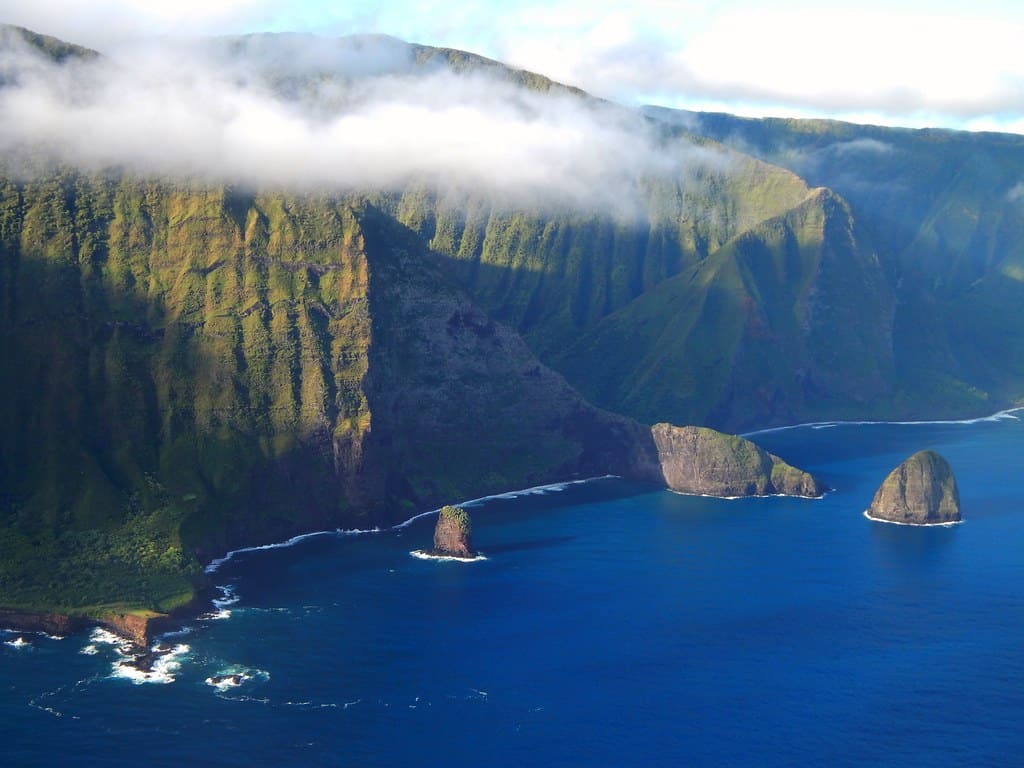
©"Molokai North Shore" by Forest & Kim is licensed under BY 2.0. - Original / License
The northern coastline of Molokai features enormous sea cliffs that rise dramatically above the Pacific Ocean. Among the waterfalls associated with this extraordinary landscape is Haloku Falls, whose estimated height has varied considerably among published sources. Updated figures from the World Waterfall Database place it at roughly 2,900 feet, although the measurement remains unconfirmed.
Haloku Falls (continued)
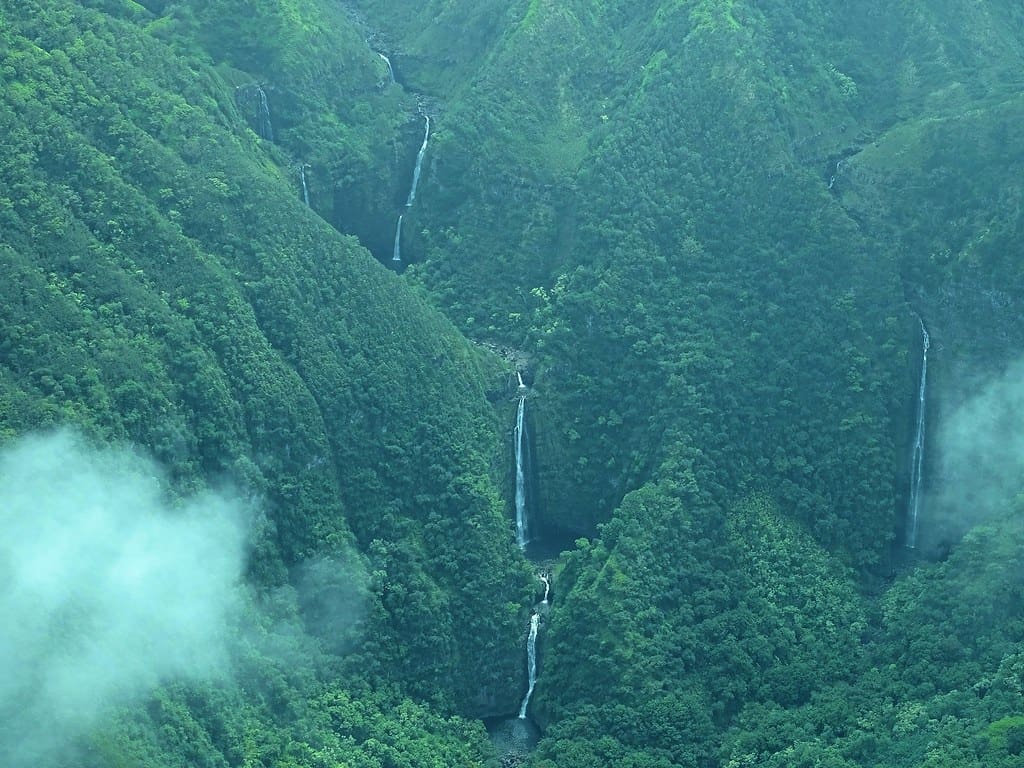
©"Molokai Waterfalls along Northern Coastline James Brennan Hawaii" by James Brennan Molokai Hawaii is licensed under BY 2.0. - Original / License
Molokai’s northern coastline is home to numerous waterfalls that descend from its elevated interior toward the ocean. Many are seasonal or fluctuate substantially depending on rainfall. The sheer height of the coastal cliffs makes even relatively small streams appear spectacular as they descend toward the rocky shoreline and Pacific waters below.
Pu’uka’oku Falls, Hawaii (estimated 2,700 feet)
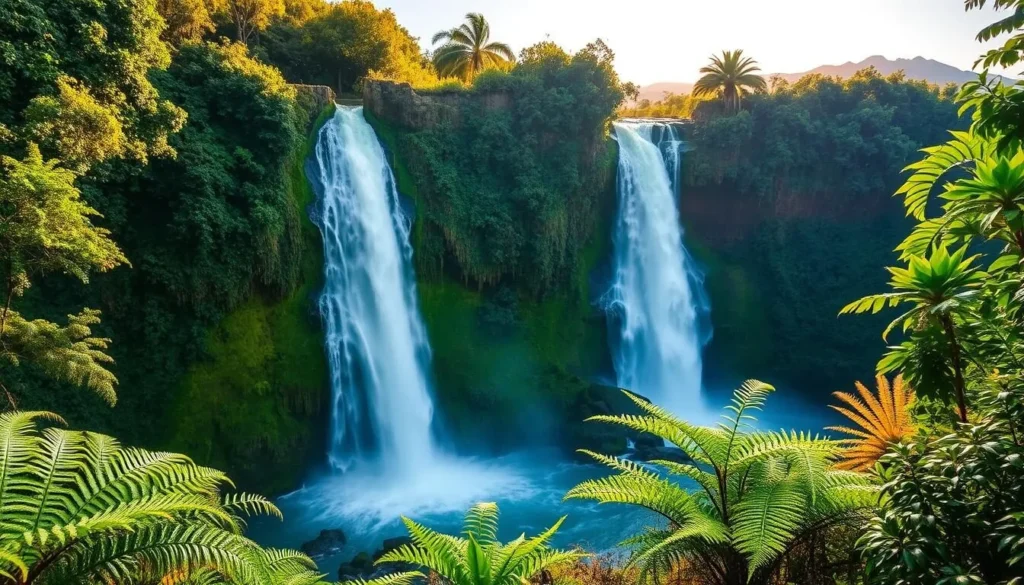
Another extraordinary waterfall associated with Molokai’s northern coastline, Pu’uka’oku Falls descends along some of the island’s enormous coastal cliffs. Its reported height varies by source, with estimates generally placing it around 2,700 feet. The waterfall’s remote setting, variable flow, and the difficulty of surveying the surrounding terrain make precise measurements challenging. The landscape is particularly striking when heavy rainfall brings numerous coastal waterfalls to life.
Olo’upena Falls, Hawaii (estimated 2,900 feet)
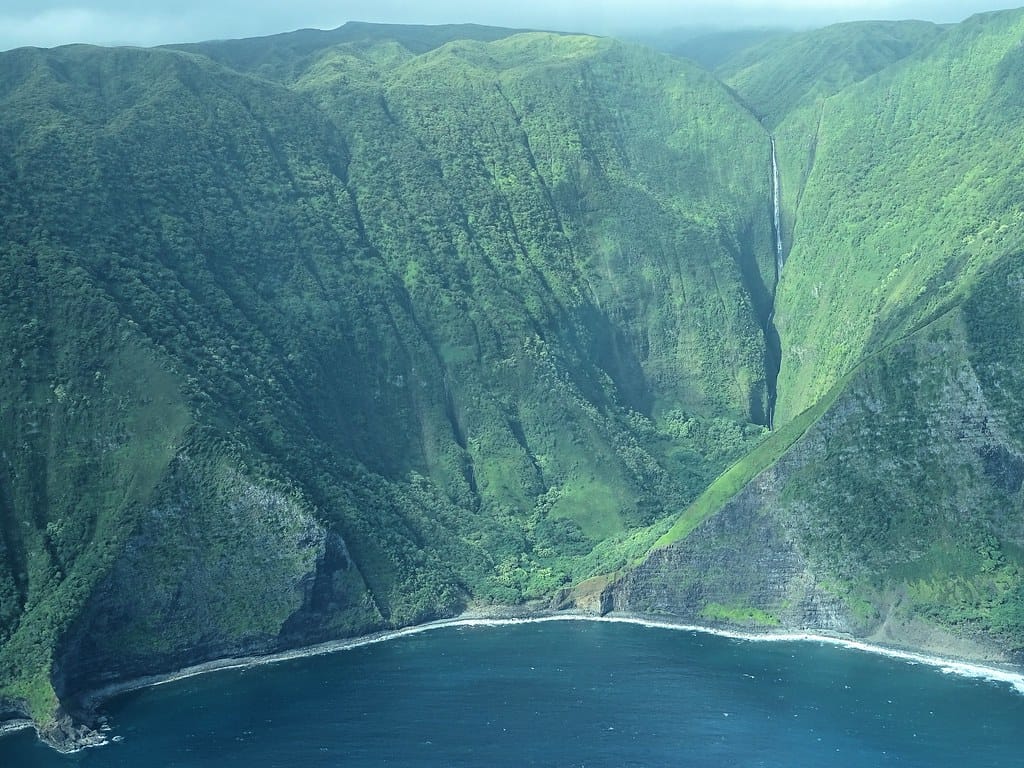
©"Molokai Waterfall James Brennan Molokai Hawaii" by James Brennan Molokai Hawaii is licensed under BY 2.0. - Original / License
Frequently cited among the tallest waterfalls on Earth, Olo’upena Falls is another remarkable feature of Molokai’s northern coastline. The waterfall descends along enormous volcanic cliffs, with published estimates placing its height at roughly 2,900 feet. Although its precise height and ranking remain uncertain, the surrounding landscape is unquestionably spectacular. Few places better demonstrate the extraordinary scale of Hawaii’s volcanic geography and the ability of water to shape it over time.

