
Anyone who has flown through Seattle-Tacoma International Airport regularly over the past few years has probably developed a familiar routine: follow the temporary signs, walk around another construction wall, and wonder what exactly SEA is building behind all that plywood.
Travelers are finally getting an answer.
Several of the airport’s most visible construction projects have either opened or reached their final stages in 2026, revealing a very different SEA than the one many Seattle-area travelers remember. The changes stretch from check-in and security to dining, baggage claim, airport roadways, and entire concourses. And there is much more still to come.
The work falls under Upgrade SEA, a roughly $5.5 billion capital improvement program designed to modernize an airport that has become significantly busier than much of its infrastructure was originally built to handle. SEA welcomed a record more than 52.7 million passengers in 2025, making this more than a cosmetic refresh.
©Seattle Airport
SEA Has Outgrown Parts of the Airport Locals Remember
For longtime Seattle residents, SEA can sometimes feel like an airport trying to squeeze today’s passenger traffic through yesterday’s footprint.
There is a reason for that.
The roadway approaching the terminal, for example, was originally designed in 1968 around an airport handling roughly 25 million passengers per year. SEA handled more than twice that number in 2025. That growth has shown up in some very familiar places, including the terminal drives, security areas, ticketing halls, and baggage claim.
Upgrade SEA is the airport’s attempt to catch up without simply making everything bigger. Some projects add space, while others are intended to move people, bags, and vehicles through existing areas more efficiently.
For travelers, that distinction matters. A prettier terminal is nice. Spending less of your vacation standing in line is considerably nicer.
©Seattle Airport
The North End of the Terminal Has Already Been Remade
One of the biggest changes is no longer a future promise.
Major construction on the $546 million SEA Gateway Project was completed in early 2026, transforming the north side of the main terminal, including areas heavily used by Alaska Airlines passengers. The project touched nearly every stage of the trip from check-in to baggage claim.
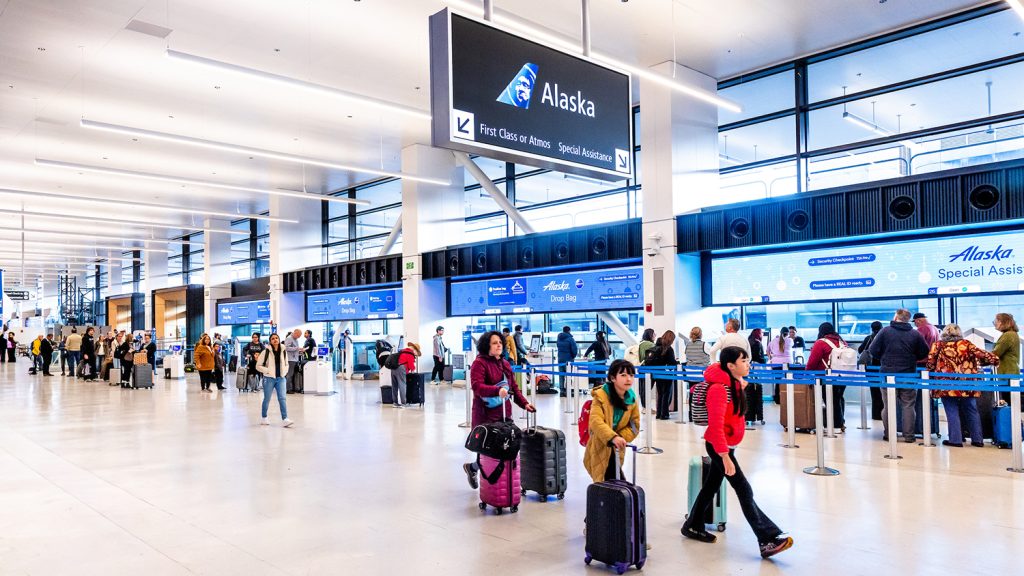
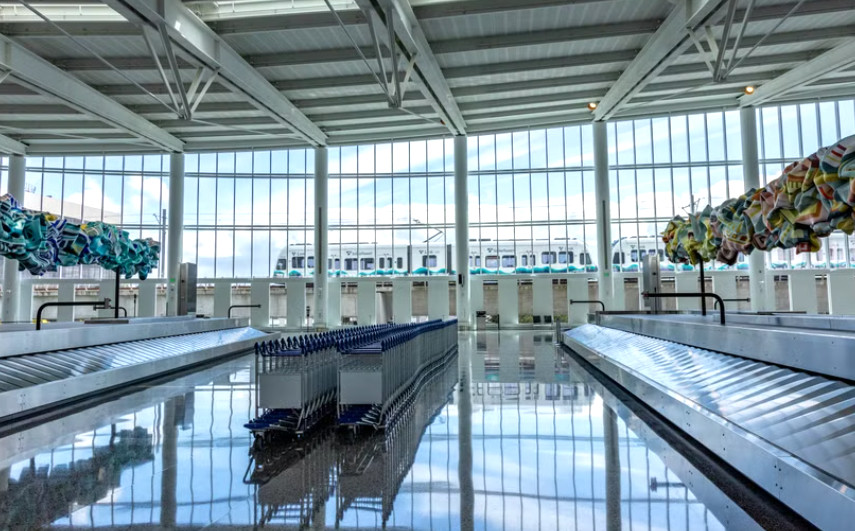
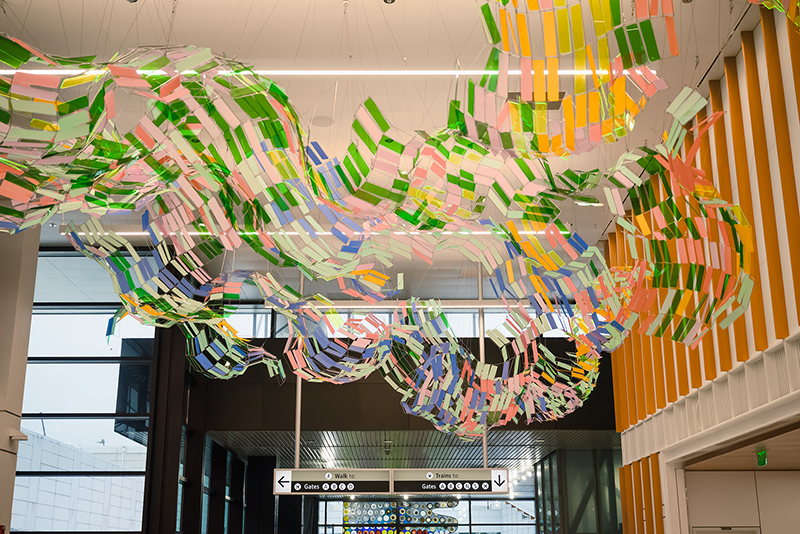
Travelers now encounter redesigned check-in areas, automated bag-drop technology, a new Bridge Level check-in and bag-drop area between Skybridges 5 and 6, upgraded baggage claim equipment, additional public art, improved accessibility, and a completely redesigned Security Checkpoint 6.
Checkpoint 6 now has six screening lanes, more space for passengers waiting before screening, and substantially more room on the other side to collect belongings and get organized before moving on. SEA also added amenities including a nursing room, companion-care restroom with an adult changing table, and water refill station.
For Seattle regulars, this may be one of the more noticeable upgrades simply because it changes a part of the airport people actually interact with every trip. Nobody flies to Seattle because they are excited about ticket counters, but almost everyone appreciates a ticketing area that feels less like a human traffic jam.
©Seattle Airport
The New C Concourse Might Make You Want to Arrive Early
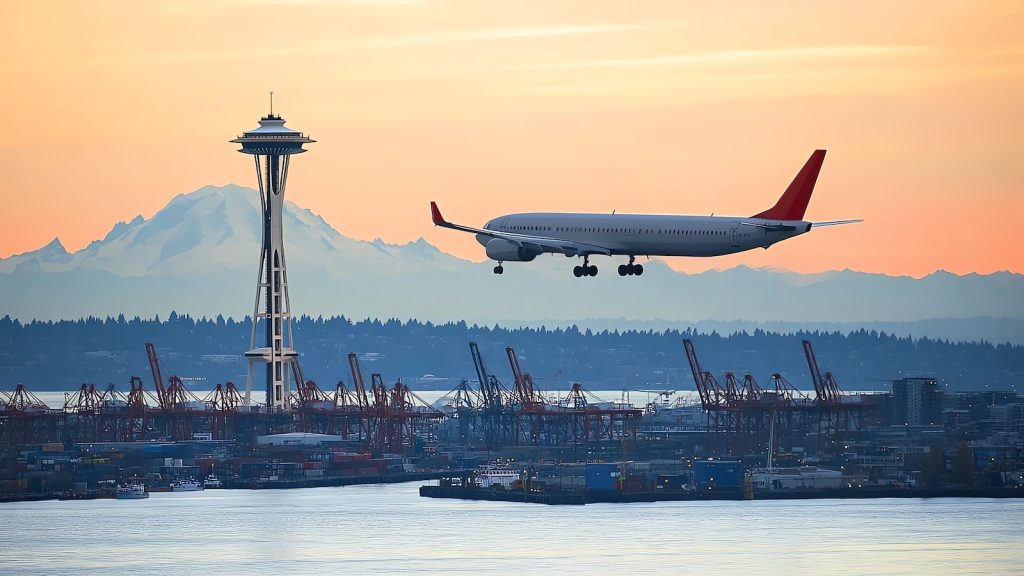
The more visually dramatic transformation opened on June 11, 2026, when SEA unveiled its expanded C Concourse.
The roughly $399 million project added four floors above the former building and expanded the facility from about 81,000 square feet to approximately 229,500 square feet. It is less of a traditional airport hallway now and more of a destination inside the airport.
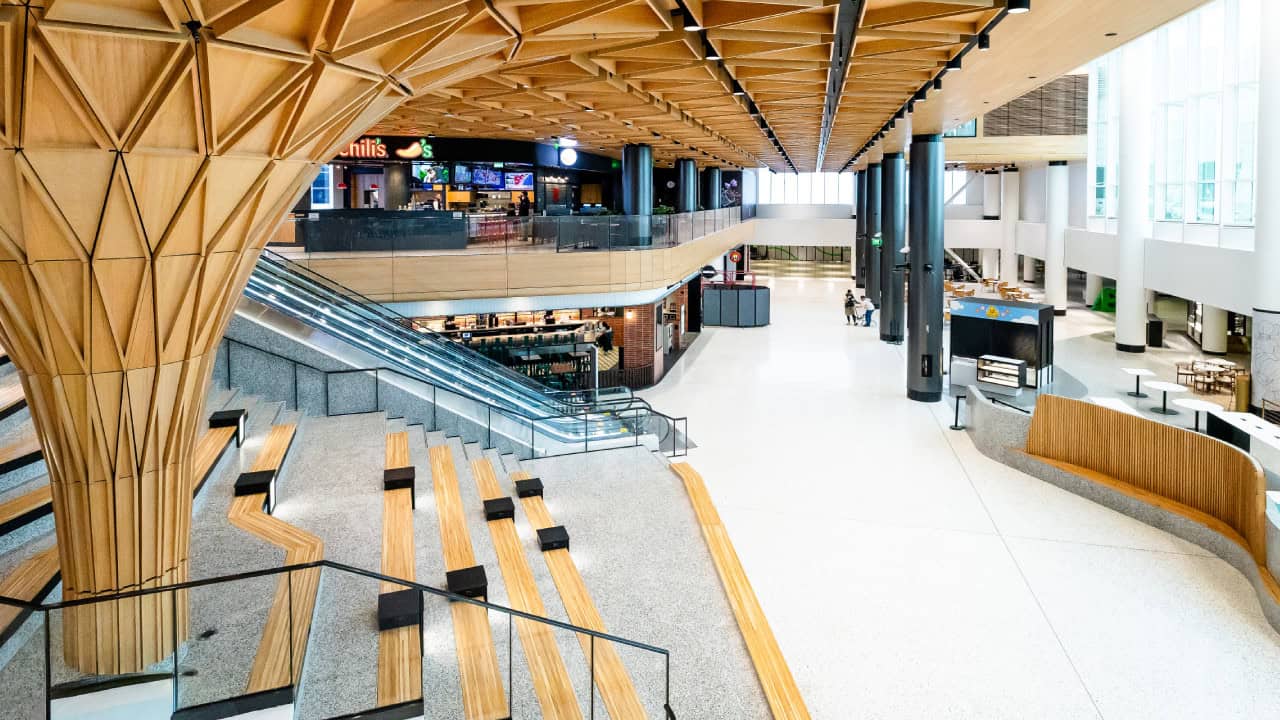
At the center is the Tree at C, a large gathering area with amphitheater-style seating, art, space for live music, and a design intentionally influenced by Pacific Northwest landscapes and Seattle’s public-market culture.
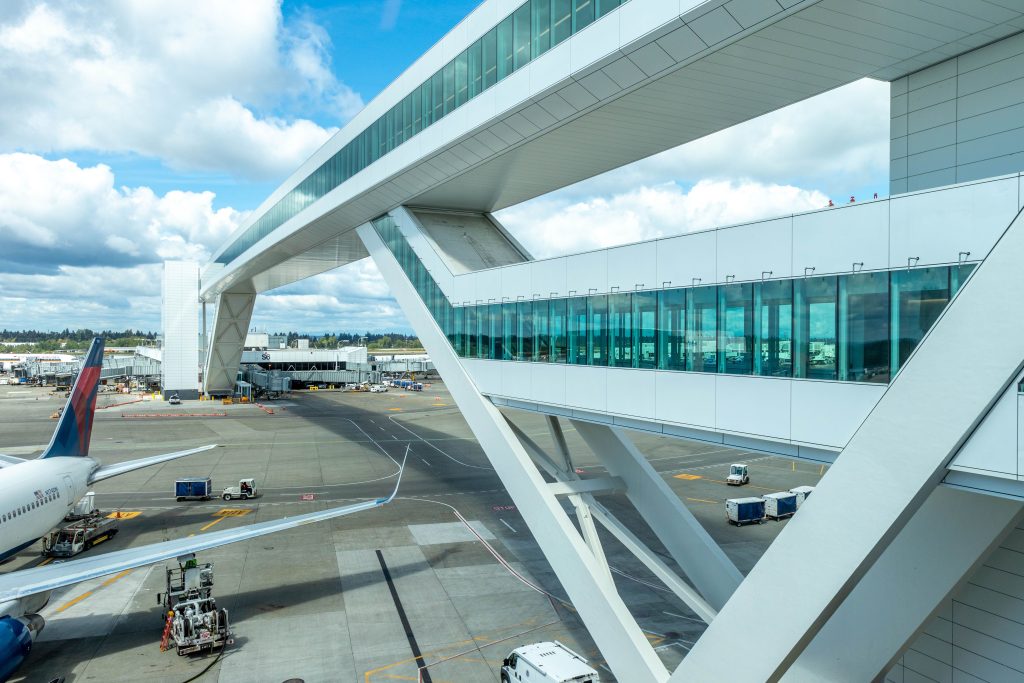
Travelers can also head upstairs to the Lookout at C, a glass-enclosed observation area with views across the airfield and, when Northwest weather cooperates, toward the Olympic Mountains. There are also new dining and retail choices, a sensory room, a nursing room, and an interfaith prayer and meditation space.
The expanded concourse now includes 15 new dining and retail options, mixing national names with Northwest businesses. Among them are Olympia Coffee, Great State Burger, Bite Society, Seattle Macaron Co., and Nanny’s BBQ, along with shops featuring products from local makers.
That local emphasis is important. Airports have a habit of feeling like they could exist in any city in America. SEA increasingly appears to be going in the opposite direction, using food, art, materials, and design to remind travelers that they have actually arrived in the Pacific Northwest.
©Seattle Airport
Even the Drive Into SEA Is Getting an Overhaul
Of course, none of the new lounges or mountain views matter much if you are sitting in a line of brake lights trying to reach the terminal.
SEA’s roadway system is getting its own major upgrade.
The approximately $79.3 million Roadway Improvements project is widening the southbound Northern Airport Expressway from four lanes to six between South 170th Street and the terminal area. The additional capacity is intended to improve access to Arrivals, Departures, the parking garage, and ground transportation while reducing the backups that can develop during busy periods.
As of August 2026, the Port says the roadway project is nearing completion, with remaining work expected to continue into the fall. So travelers may still encounter construction even though several major terminal projects are already finished.
Seattle locals should probably resist interpreting “two more lanes” as a guarantee that airport traffic has been defeated forever. Anyone who has tried to pick someone up after several evening flights land at once knows better. But separating more traffic before it reaches the terminal drives should give vehicles more room to get where they actually need to go.
And Then There Is the $2.5 Billion S Concourse Project
©Seattle Airport
If SEA looks substantially different now, the airport is nowhere close to being finished.
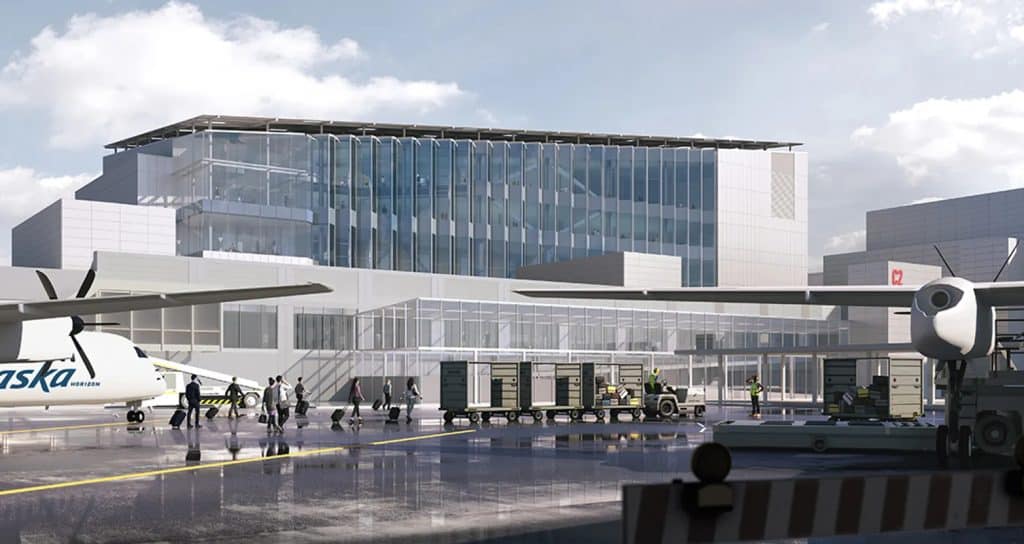
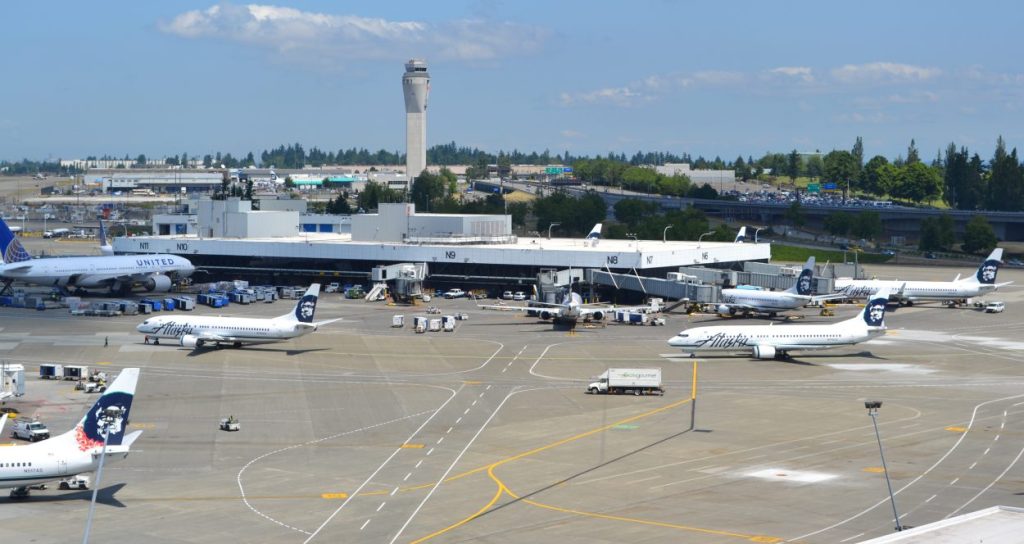
On August 11, 2026, the Port of Seattle Commission authorized initial funding for the S Concourse Evolution, a massive renovation of the concourse that primarily handles international travelers. Major construction is scheduled to begin in 2027.
This is the big one.
The current estimated cost is approximately $2.5 billion, and the project is expected to continue into the next decade. The S Concourse opened in 1973, so the work involves much more than replacing seats and adding nicer restaurants.
Plans call for seismic improvements, new and upgraded building systems, redesigned passenger areas, additional dining and retail space, lounges, and roughly 150,000 additional square feet, including a new upper concourse level. The airport does not plan to add gates to the S Concourse because there is not enough physical room between the building, main terminal, and airfield.
Instead, SEA is reclaiming and reorganizing space, including portions of the former customs area that became available after the International Arrivals Facility opened in 2022.
The current project schedule estimates substantial completion around 2034, although SEA notes that dates can change as design and construction progress.
That means Seattle travelers should expect the airport’s construction era to continue for quite a while.
There Could Eventually Be an Entire Second Terminal
©Seattle Airport
Even the $5.5 billion Upgrade SEA program does not represent the end of SEA’s growth plans.
The Port is separately working through its Sustainable Airport Master Plan, or SAMP, which looks farther into the future. The current near-term proposal contains 31 projects, including a second terminal with 19 gates, additional cargo facilities, transportation improvements, and an automated people mover connecting the rental car facility, proposed new terminal, and existing main terminal.
There is an important distinction here: these are proposed projects, not a second terminal that crews are about to start building tomorrow.
The plan is still moving through the environmental review and approval process. As of August 13, 2026, the Port’s public comment period on the state Draft Environmental Impact Statement is scheduled to remain open until 5 p.m. Pacific Time on August 20, 2026. Individual projects would still require additional authorization before moving forward.
For locals, that makes SEA’s transformation a much larger regional story than a few remodeled concourses. The airport is planning around a Puget Sound region that continues to grow, and the decisions being made now could shape how Seattle travels for decades.
What Travelers Will Actually Notice on Their Next Trip
©Seattle Airport
You do not need to memorize the names of capital projects before heading to the airport. What matters is what has changed when you get there.
The Gateway work means parts of check-in, security, and baggage claim are already noticeably different. The C Concourse now gives passengers significantly more room to eat, sit, shop, recharge, or simply look out at the airfield. Road construction is approaching its final stages, while the enormous S Concourse project is mostly something travelers will experience in the years ahead rather than on their next flight.
And for anyone who has not flown through SEA in a couple of years, the airport may genuinely feel unfamiliar.
That is probably the clearest sign that this is no ordinary renovation.
Seattle’s airport is slowly being rebuilt around the reality that far more people use it than the generations of infrastructure it replaced were designed to serve. Some of the most inconvenient construction is finally disappearing, new spaces are opening, and SEA is beginning to look more like an airport designed for modern Seattle rather than one constantly trying to keep up with it.
The next few years will still involve detours, construction barriers, and the occasional moment of wondering where your usual shortcut went. But travelers are finally getting to see what was hiding behind all those walls.

