
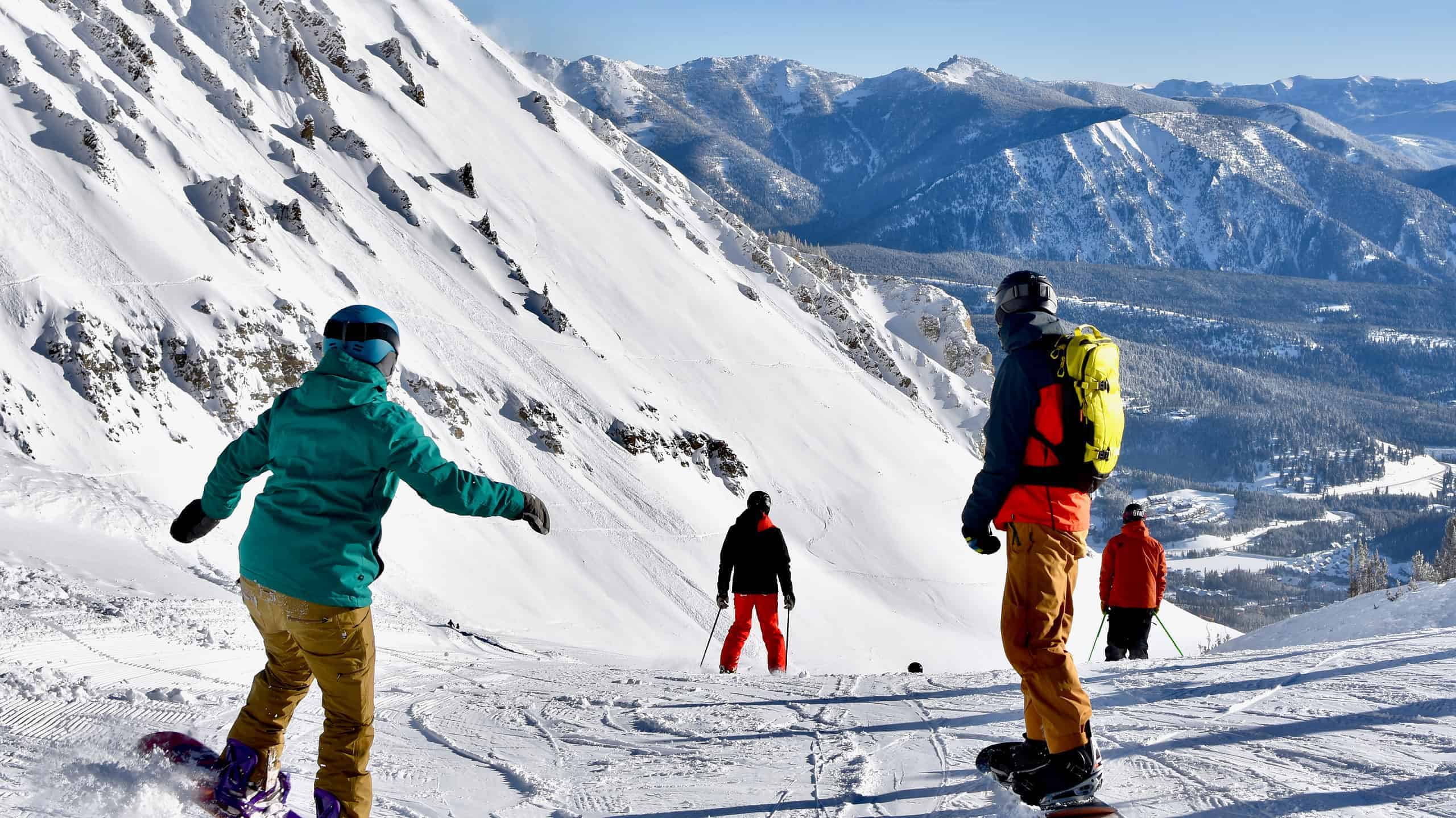
Crystal Mountain gets all the publicity. Mt. Bachelor gets the ski tourists. Whistler makes all the money. Well, at least from those who can afford it. These are the mountains featured in travel guides and advertising campaigns.
But skiing in the Pacific Northwest can go way beyond what’s seen in the travel guides, if you know where to look. From the eastern side of the Cascade Range to the Oregon Blue Mountains, there are mountains where the parking lot fills with the same license plates every weekend, with no tourists in sight. These seven resorts are where the regulars actually go. To be honest, most of them would prefer you didn’t know about it.
Mission Ridge, Washington
©"Mission Ridge Ski Area in April (97235)" by Buidhe is licensed under BY-SA 4.0. - Original / License
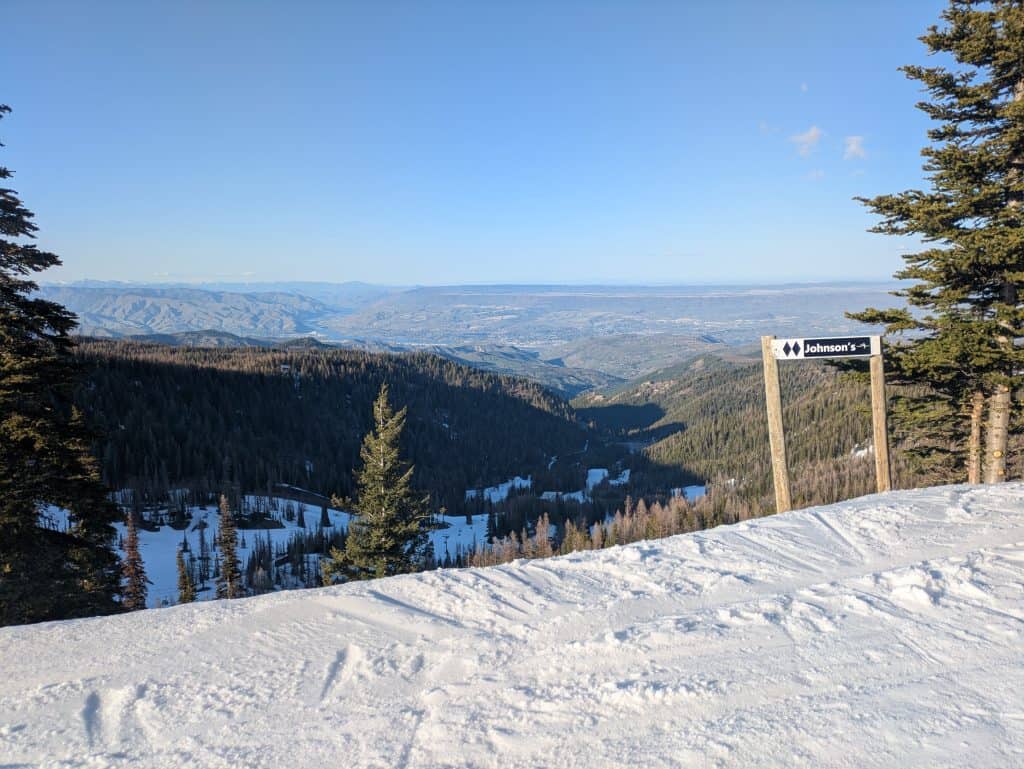
Just 12 miles away from Wenatchee on the dry eastern side of the Cascade Range, Mission Ridge locals ski differently from the west-side resorts. The powder snow in the eastern part of the mountain range is lighter and less dense than what you find in the western part near Seattle. The sunny exposure that makes some west-slope resorts feel flat or foggy is mostly absent.
The mountain has an area of 2,000 acres, with a vertical drop of 2,250 feet, and is as large as the popular spots where the admission fee costs twice as much. You don’t need to worry about queues at the lifts. Wenatchee residents consider it an extension of their backyard, which keeps the energy low-key even on weekends.
49 Degrees North, Washington
©"2019-Feb-deLeon-ColvilleNF-49DegNorth-snow-investigation-yurt" by Forest Service Pacific Northwest Region is licensed under PDM 1.0. - Original / License
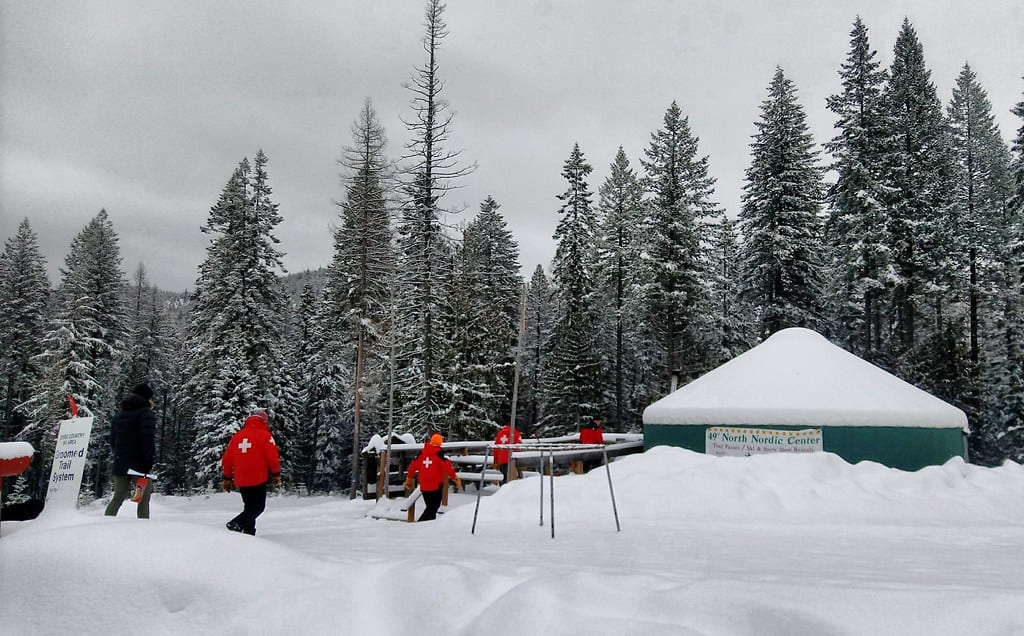
Bring up “49 Degrees North” to somebody from the west side of the Cascades, and chances are they will just stare at you blankly. Bring it up to anybody in Spokane who’s into skiing, however, and most people will either nod knowingly or ask you where on earth you heard about it. Located in the Colville National Forest, about an hour drive away from Spokane, this ski resort boasts a hefty 300 inches of snowfall per year, and with its inland location and dry snow conditions, it’s more reminiscent of Montana or Idaho than Washington State.
The majority of runs consist of tree skiing and glade skiing, with some decent groomed cruising runs beneath that. You won’t get a fancy resort at the bottom. What you will get are conveniently empty lifts, great snow, and a community that has been skiing this spot for decades without much outside interference.
White Pass, Washington
©"Mt. Rainier from White Pass Ski Area" by Ski Archive is licensed under CC0 1.0. - Original / License
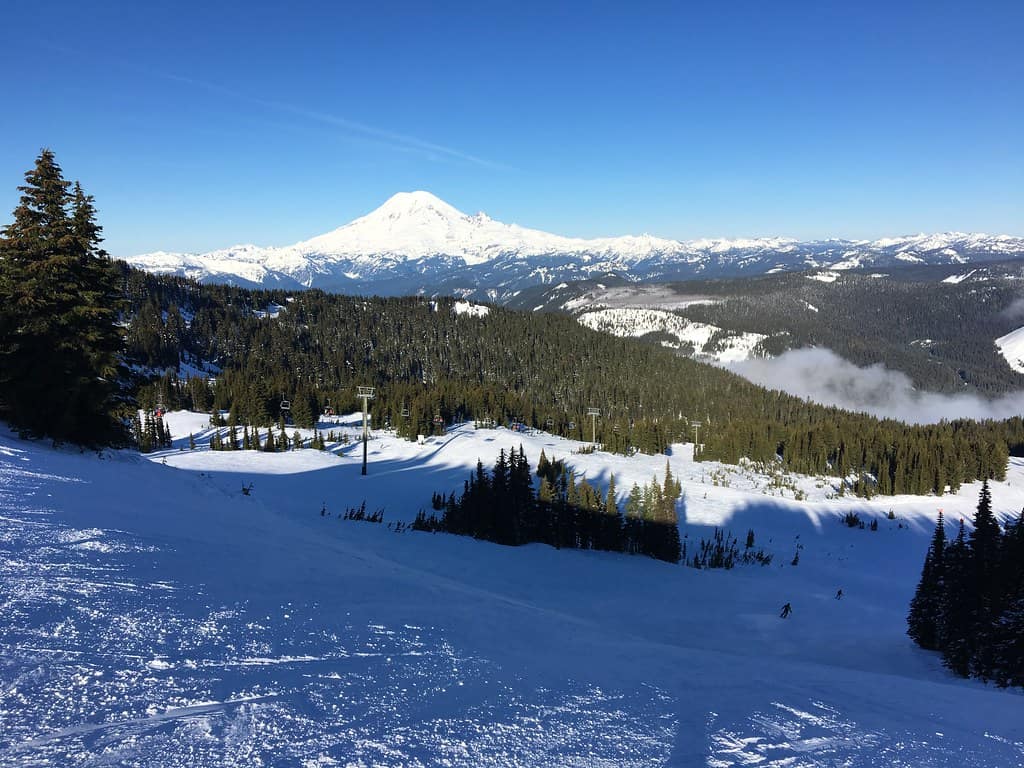
White Pass is located off Highway 12 in the south Washington Cascades, somewhere between Seattle and Portland, yet somehow it manages to go unnoticed by tourists visiting both cities and even most locals. With a base elevation of 4,500 feet and a peak elevation of 6,500 feet, it holds snow reliably, and the 350-inch annual average is no joke. It has more than 40 trails that cover roughly 1,400 skiable acres and two high-speed quads. On most weekdays, you can count the people riding the chairlifts with one hand.
The place has built a small reputation for being a family-friendly place that welcomes both beginners and seasoned skiers. Anyone who happens upon White Pass cannot help wondering why they ever went to Snoqualmie.
Mt. Spokane Ski and Snowboard Park, Washington
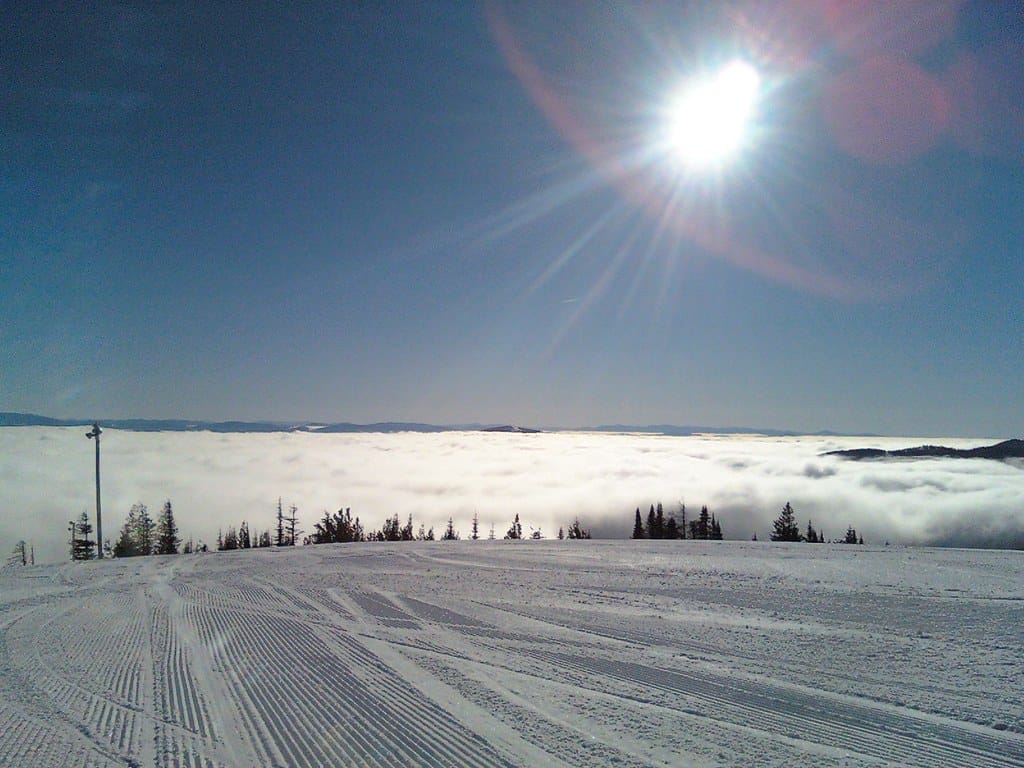
©"View from Mt. Spokane" by KaneJamison.com is licensed under BY-ND 2.0. - Original / License
Mt. Spokane is both community-owned and non-profit, so you don’t need to worry about someone trying to sell you on-mountain lodging packages. Mt. Spokane is located around 25 miles away from the downtown area of Spokane and has six chair lifts operating in 1,704 skiable acres. Ticket prices are lower than almost any other spot in the region.
It’s surprisingly large considering that there are only 52 trails spread over the whole ski resort. The terrain there varies greatly, and the mountain can accommodate both newbies and experienced skiers. There’s even some night skiing on select evenings, which would be the main selling point for a profit-driven ski resort of this size.
Willamette Pass, Oregon
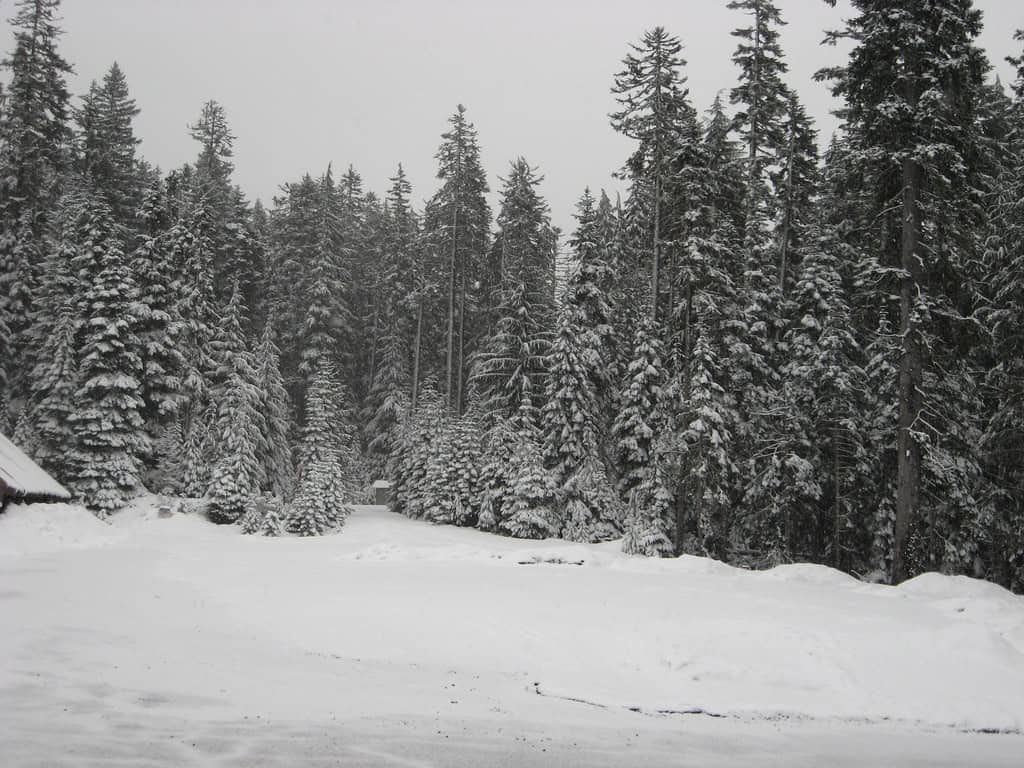
©"Willamette Pass (Oregon 58)" by OregonDOT is licensed under BY 2.0. - Original / License
Willamette Pass is roughly 70 miles away from both Eugene and Bend. It’s close enough to attract the regulars, but enough off the radar to keep crowds manageable and ticket prices reasonable. That’s a big plus compared to Mt. Bachelor, an hour further east.
The mountain’s reputation among people who actually know it is built on the expert terrain. There’s a section locals call SDN, meaning Steep, Deep, and Narrow. The name doesn’t lie. It faces north and stays shaded, holding snow long after the sun has worked over the rest of the mountain. Another advantage is the annual snowfall of about 430 inches on average. That’s more than many of the bigger-name resorts in the region. The high-speed six-person chair is the only one of its kind in Oregon.
Anthony Lakes, Oregon
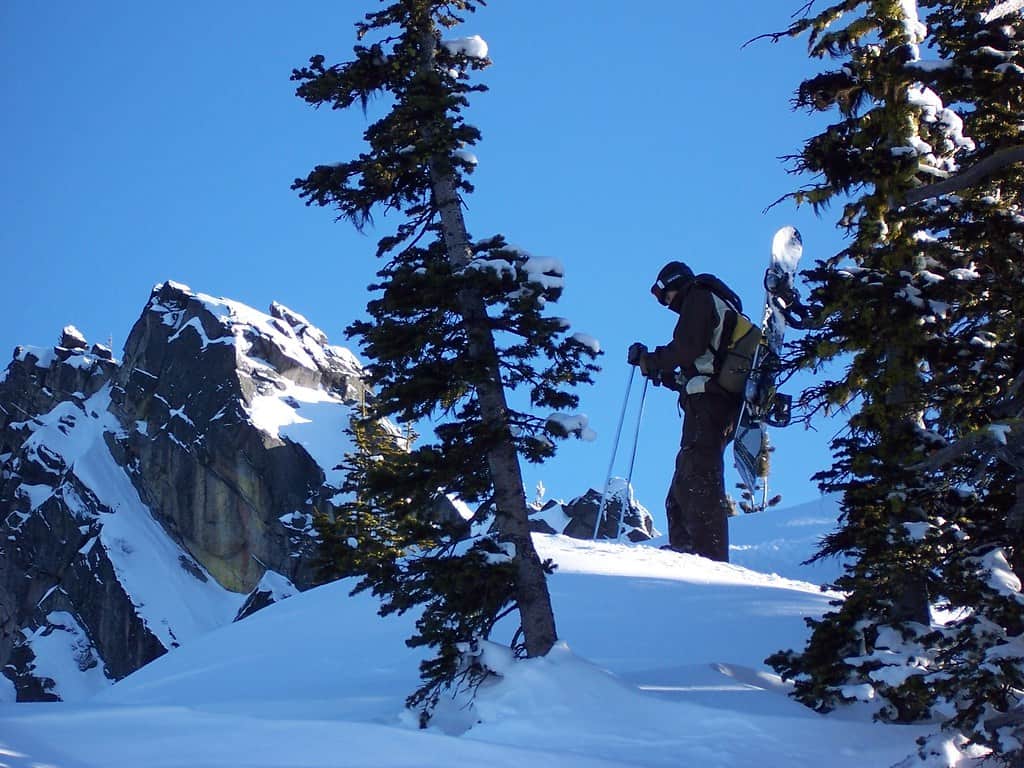
©"Anthony Lakes - Skiier Hiking into Backcountry, Wallowa-Whitman National Forest" by Forest Service Pacific Northwest Region is licensed under PDM 1.0. - Original / License
Anthony Lakes is the legitimate outlier when it comes to Oregon’s ski resorts. This place is located in the Elkhorn Range of the Blue Mountains, which is way off from any major cities like Portland or Bend in the northeastern part of the state. The peak sits at 8,000 feet with the base at 7,100 feet. This makes Anthony Lakes the ski resort with the highest base elevation in Oregon.
The resort can’t compete with bigger names when it comes to the number of trails or lifts, since it only has 21 runs and one triple chairlift. But nearly half the runs are expert level, and the backcountry beyond the resort borders keeps serious skiers coming back. The isolation keeps the crowds away, the terrain draws the pros in.
Mt. Ashland, Oregon
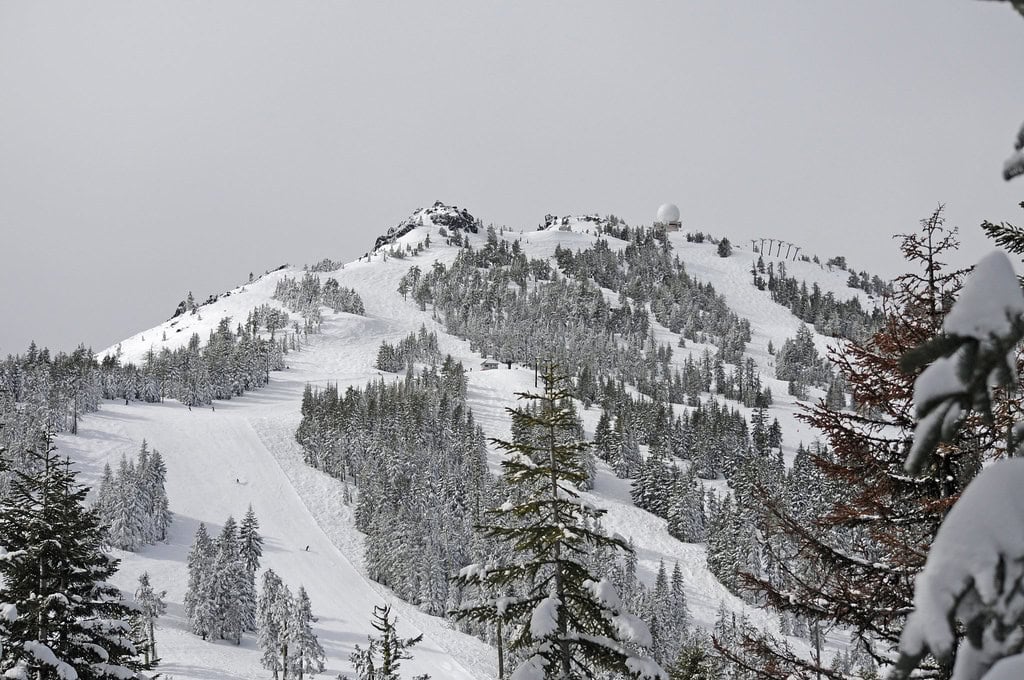
©"Mt. Ashland, Rogue River Siskiyou National Forest" by Forest Service Pacific Northwest Region is licensed under PDM 1.0. - Original / License
Mt. Ashland is approximately 30 minutes away from the city of Ashland in Southern Oregon, sitting so close to the California line that it’s hard to consider it a Pacific Northwest skiing destination at all. But if you’re looking for a place that isn’t overrun with tourists, this is probably one of your best bets. The mountain is small, and the infrastructure is modest. A triple chair was recently added, but even then, don’t expect it to feel like a resort anytime soon.
Mt. Ashland sits at 7,500 feet, so elevation helps create the kind of snow conditions that can make you forget where you are in southern Oregon. It’s often described by locals as feeling like skiing on a larger scale, with cirque terrain and a mix of steep chutes and open runs that a glance at the trail map doesn’t fully capture. If you’re visiting from the Bay Area or passing by on your way up I-5, this is the hill most people drive past without realizing there’s genuinely good skiing above them.

