
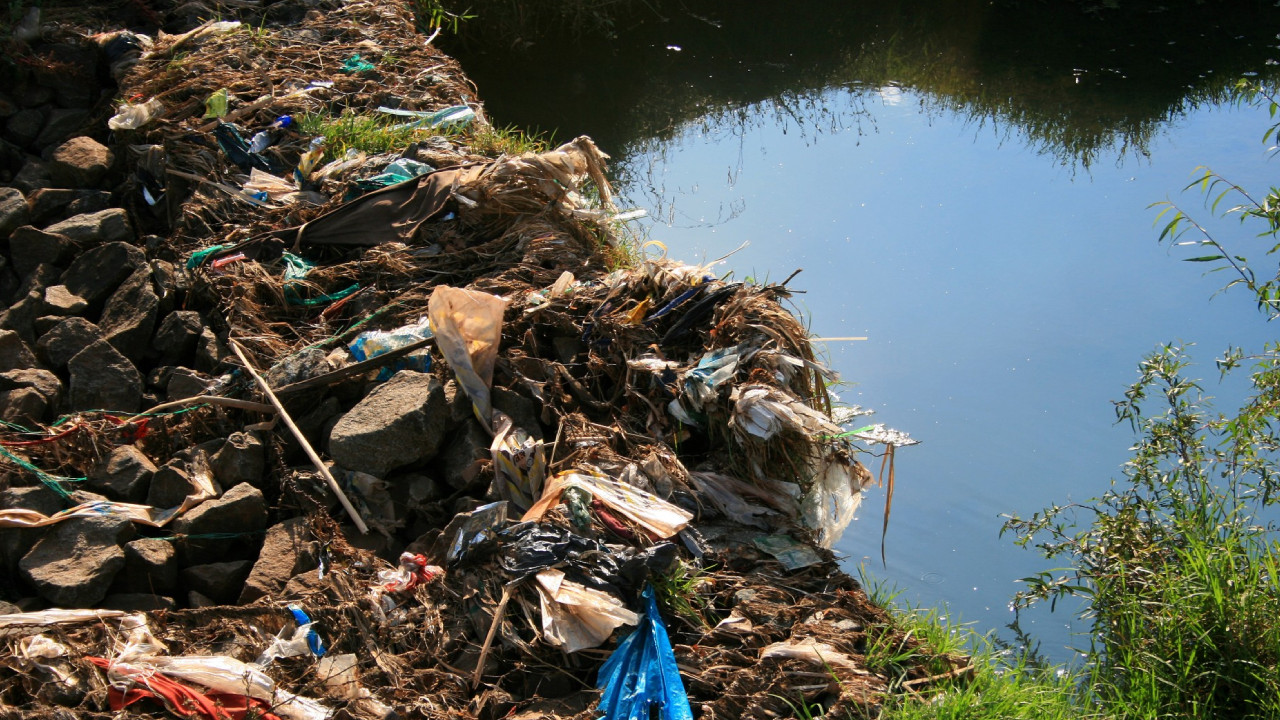
Pollution does not affect every lake in the same way. In some places, excess phosphorus and nitrogen feed harmful algal blooms. In others, decades-old industrial chemicals remain trapped in sediment or build up in fish. A few lakes on this list were once in terrible shape but have become some of the country’s best-known environmental recovery stories.
This is not a scientific ranking of the “most polluted” lakes in America. Instead, these are 10 U.S. lakes with significant pollution histories, current water-quality challenges, or both. Some are still under active cleanup or health advisories in 2026, while others show just how much a lake can recover when communities, scientists, and regulators stick with the work.
Utah Lake, Utah
©iStock.com/craigpickup
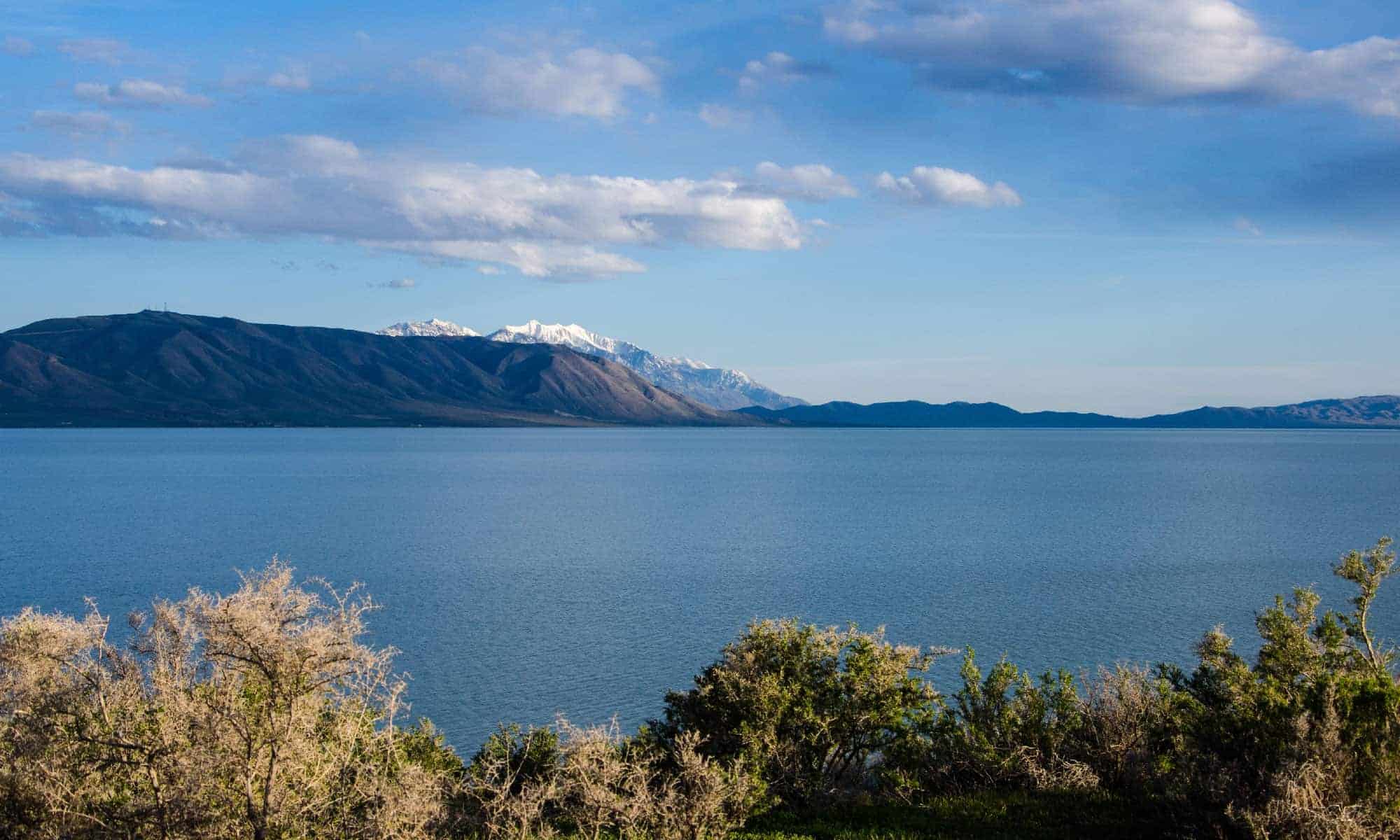
Utah Lake remains one of the West’s most closely watched nutrient-pollution problems. The Utah Department of Environmental Quality classifies the lake as hypereutrophic, meaning it contains very high levels of nutrients such as nitrogen and phosphorus. Those nutrients can contribute to seasonal harmful algal blooms, elevated pH, and cyanotoxins. Wastewater effluent, industrial and stormwater discharges, and runoff from across the fast-growing watershed all feed into the lake. In 2025, harmful algal blooms triggered health watches and warning advisories at multiple locations, including a lakewide warning that remained in place into October. Utah continues to study nutrient criteria and monitor the lake for harmful algae and E. coli.
Kinkaid Lake, Illinois
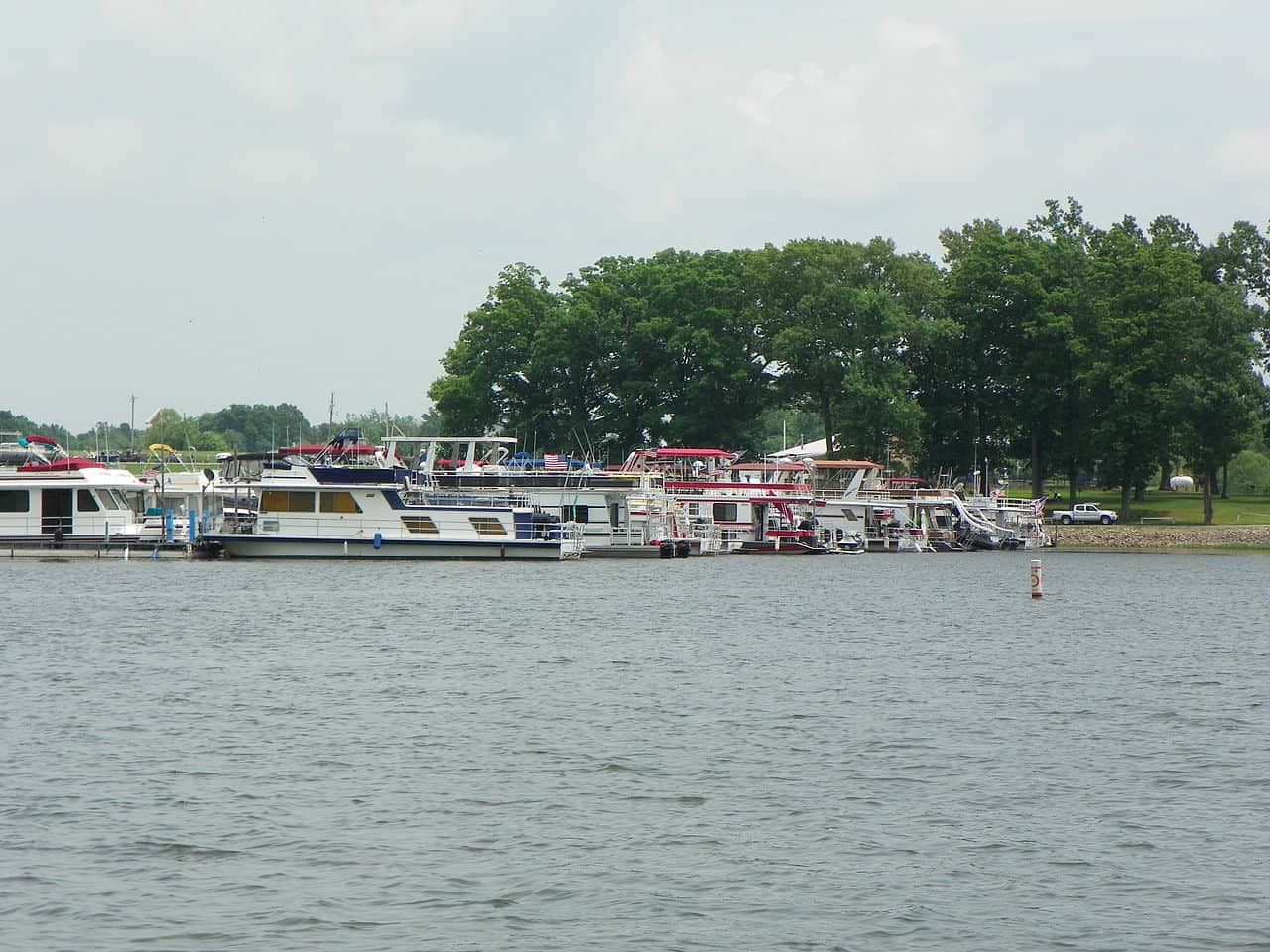
Kinkaid Lake is a popular southern Illinois fishing lake, but anglers still have to pay attention to mercury. Illinois maintains a statewide methylmercury advisory for predatory fish, and Kinkaid carries a more restrictive site-specific advisory. Current state guidance limits largemouth bass and walleye from Kinkaid to one meal per month for pregnant or nursing women, women of childbearing age, and children younger than 15. Other consumers are advised to limit those fish to one meal per week. Mercury can enter waterways through both natural and human sources, then convert to methylmercury and build up as it moves through the aquatic food chain.
Grand Lake St. Marys, Ohio
©lkabbes/Shutterstock.com
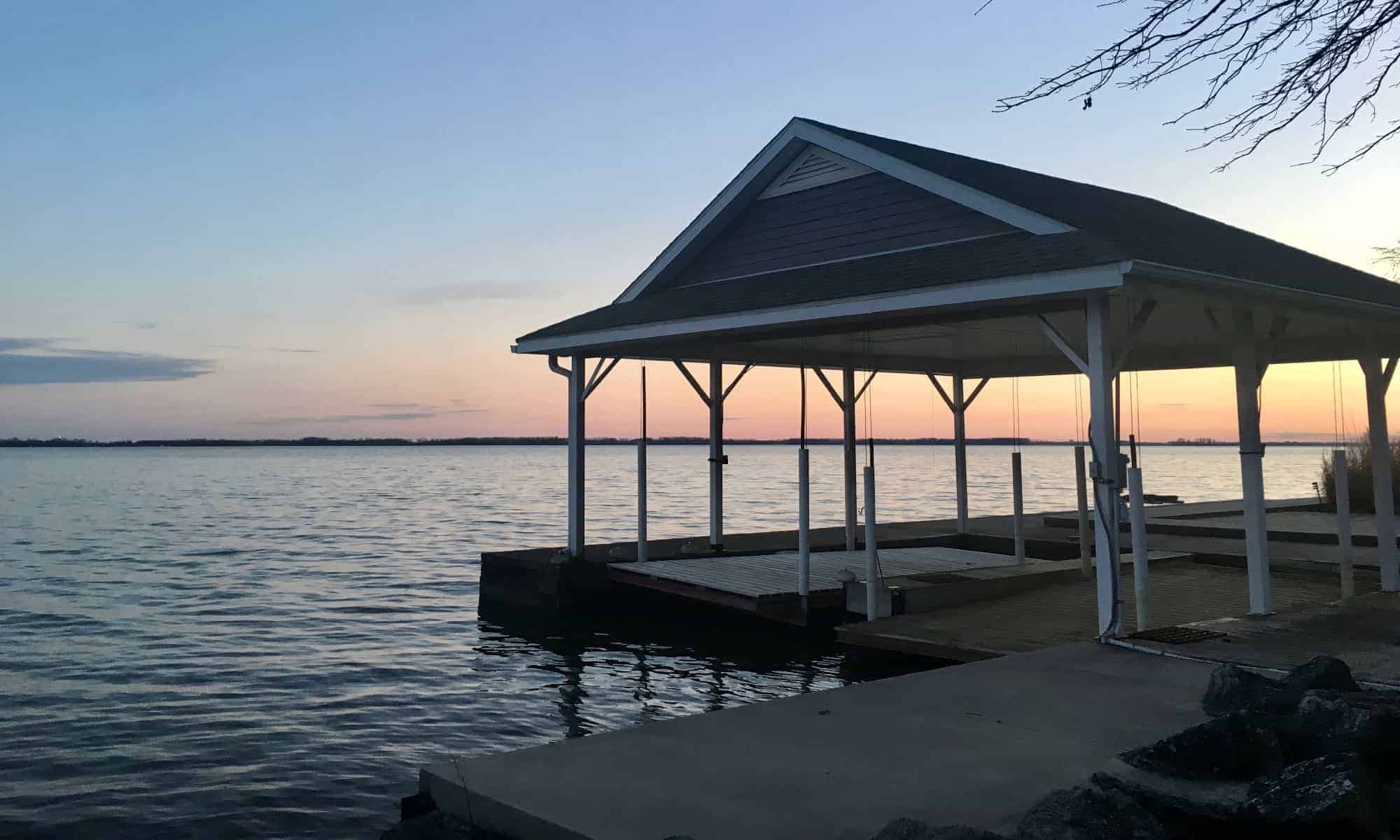
Grand Lake St. Marys covers roughly 13,000 acres in western Ohio and has struggled with severe nutrient pollution and harmful algal blooms for years. Much of the problem is tied to phosphorus entering the shallow lake from its heavily agricultural watershed, along with other runoff and internal nutrient loading from lake-bottom sediment. The lake remains a major focus for harmful-algae research and monitoring, but restoration work is producing measurable progress. In 2025, watershed treatment wetlands processed roughly 760 million gallons of water and removed more than 27,000 pounds of nitrogen and 1,100 pounds of phosphorus. Nearly 280,000 cubic yards of sediment were also dredged from the lake that year, and Ohio’s dredging program is continuing in 2026.
Lake Lanier, Georgia
©iStock.com/Steve Samples
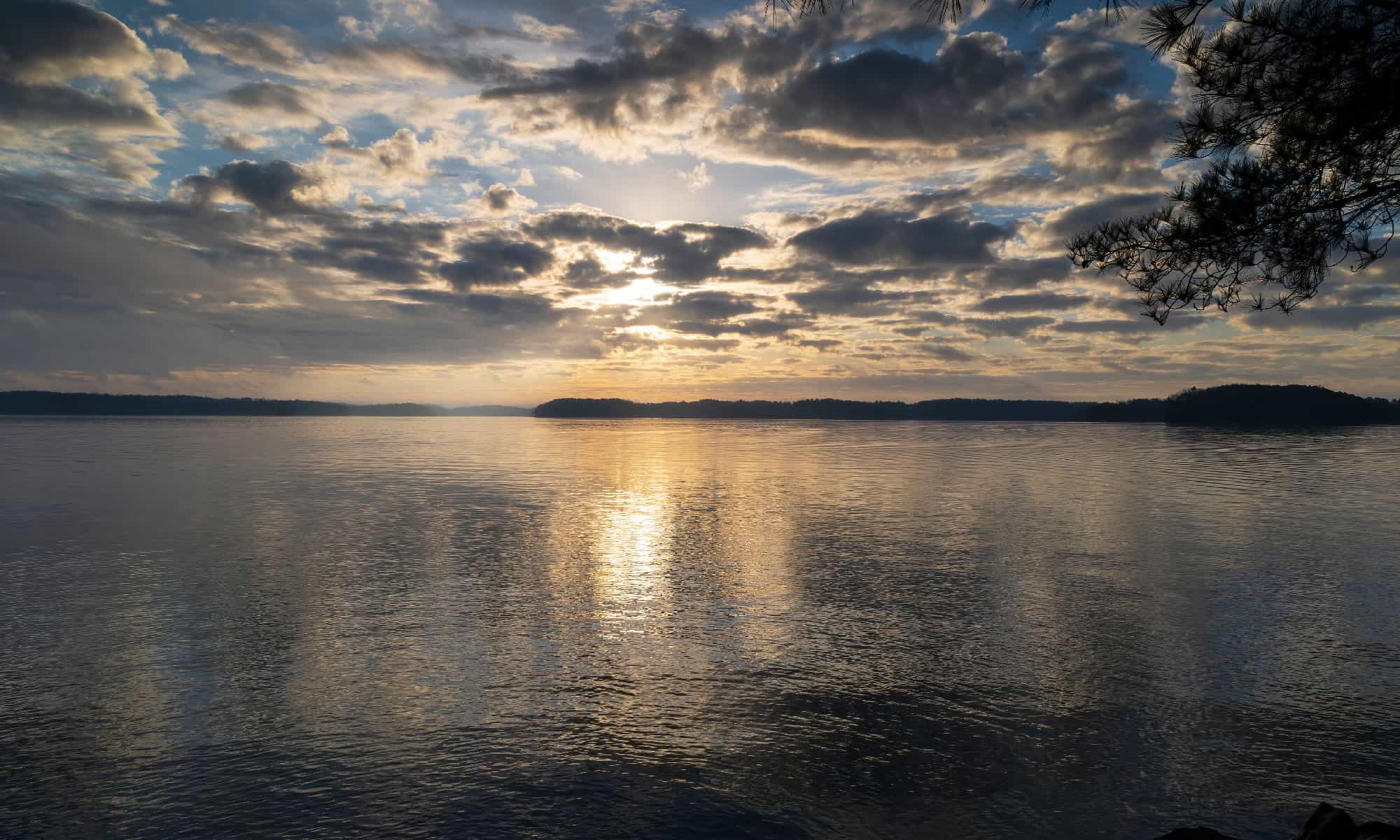
Lake Lanier is a 39,000-acre reservoir and the primary water source for metropolitan Atlanta, so nutrient pollution here has consequences far beyond recreation. Georgia has a federal cleanup plan for chlorophyll-a in the lake because excess phosphorus can fuel algae growth, which can affect drinking-water treatment and aquatic life. Sources can include stormwater runoff, wastewater discharges, septic systems, and nutrients washing in from developed or agricultural land. The lake is not uniformly unsafe or covered in algae, but water quality remains closely monitored. Chattahoochee Riverkeeper currently tracks nutrient levels in Lake Lanier each month, while local monitoring programs sample dozens of locations around the reservoir.
Lake Washington, Washington

©iStock.com/gmc3101
Lake Washington belongs on this list for a very different reason: it is one of America’s great pollution-recovery stories. By the 1950s and early 1960s, wastewater flowing into the lake had driven up phosphorus levels and fueled major algae problems. Regional leaders responded by diverting sewage away from the lake and building a modern wastewater system, and the lake was considered recovered from sewage pollution by the early 1970s. The improvement did not stop there. A King County study released in 2025 found that from 1998 through 2022, spring algae declined by about 50% and summer underwater visibility improved by roughly three feet, even as the watershed added about 350,000 residents. Lake Washington still faces urban runoff and occasional local beach closures, but it should no longer be described as one of the country’s most polluted lakes.
Oneida Lake, New York
©iStock.com/Mirages-nl
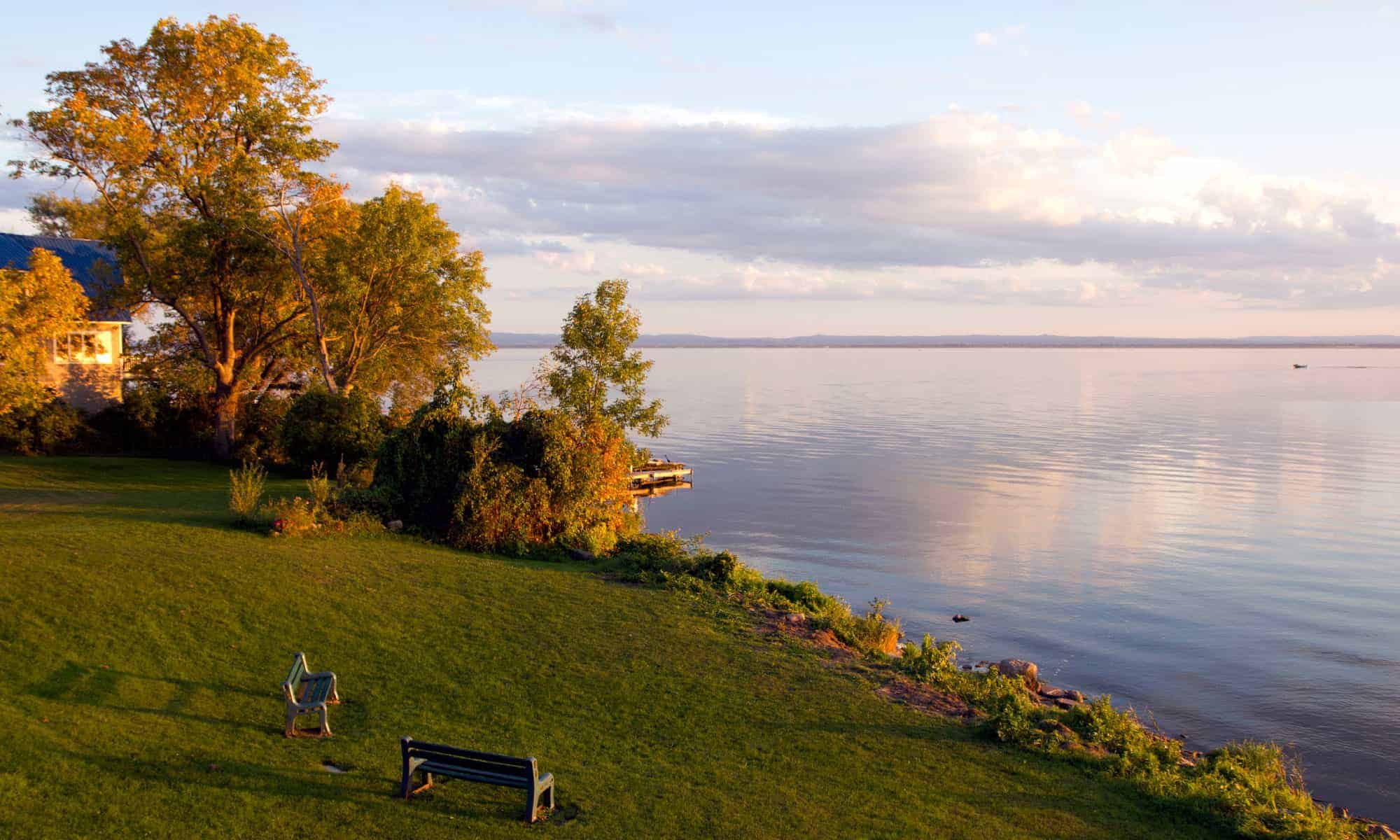
At just over 51,000 acres, or about 80 square miles, Oneida Lake is the largest lake located entirely within New York State. The lake was added to the state’s impaired-waters list in the 1990s after phosphorus-fueled algae and excessive vegetation interfered with recreation. Watershed projects later reduced phosphorus from agricultural, suburban, and urban runoff, and recreation is now considered fully supported for phosphorus. The story is not completely over, though. New York’s most recent waterbody assessment still classifies the lake as impaired for fishing because of dissolved-oxygen conditions. So Oneida is both a cleanup success and an example of how one environmental problem can improve while another remains.
Lake Michigan, Illinois, Indiana, Michigan, and Wisconsin
©Frederick Millett/Shutterstock.com
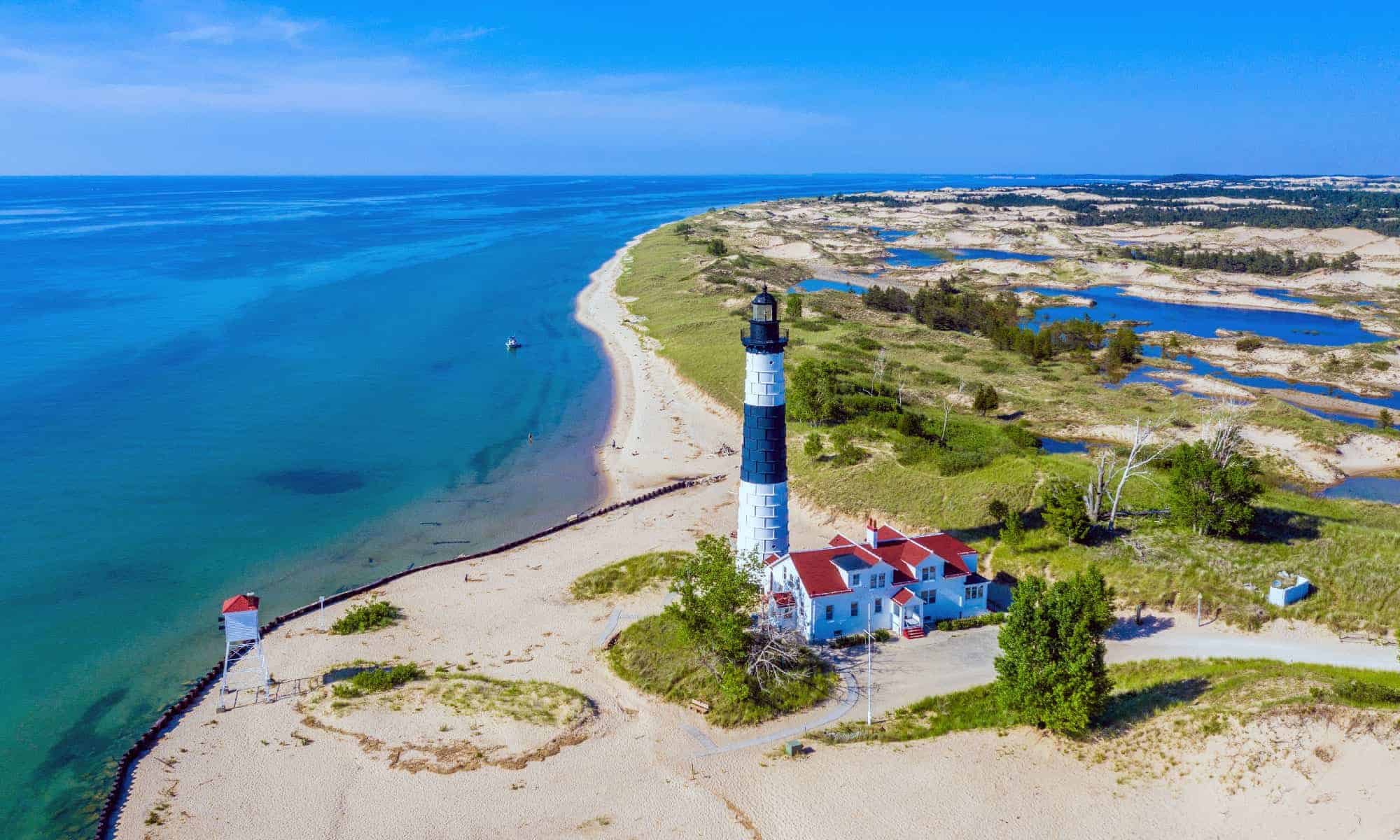
Lake Michigan is enormous, covering about 22,300 square miles and holding roughly 1,180 cubic miles of water. It is the second-largest Great Lake by volume and the only one located entirely within the United States. The lake as a whole should not be described as a dying or uniformly polluted body of water, but serious legacy contamination remains around parts of its shoreline and tributaries. EPA still identifies several Lake Michigan Areas of Concern where past industrial and municipal pollution damaged water quality, habitat, or fisheries. Contaminated sediments containing long-lived chemicals such as PCBs remain an issue in portions of the Great Lakes basin, and fish-consumption advisories are still used to limit exposure to contaminants. Decades of cleanup have made major progress, but the work is far from finished in some nearshore areas.
Lake Erie, Michigan, Ohio, Pennsylvania, and New York
©iStock.com/JerryB7
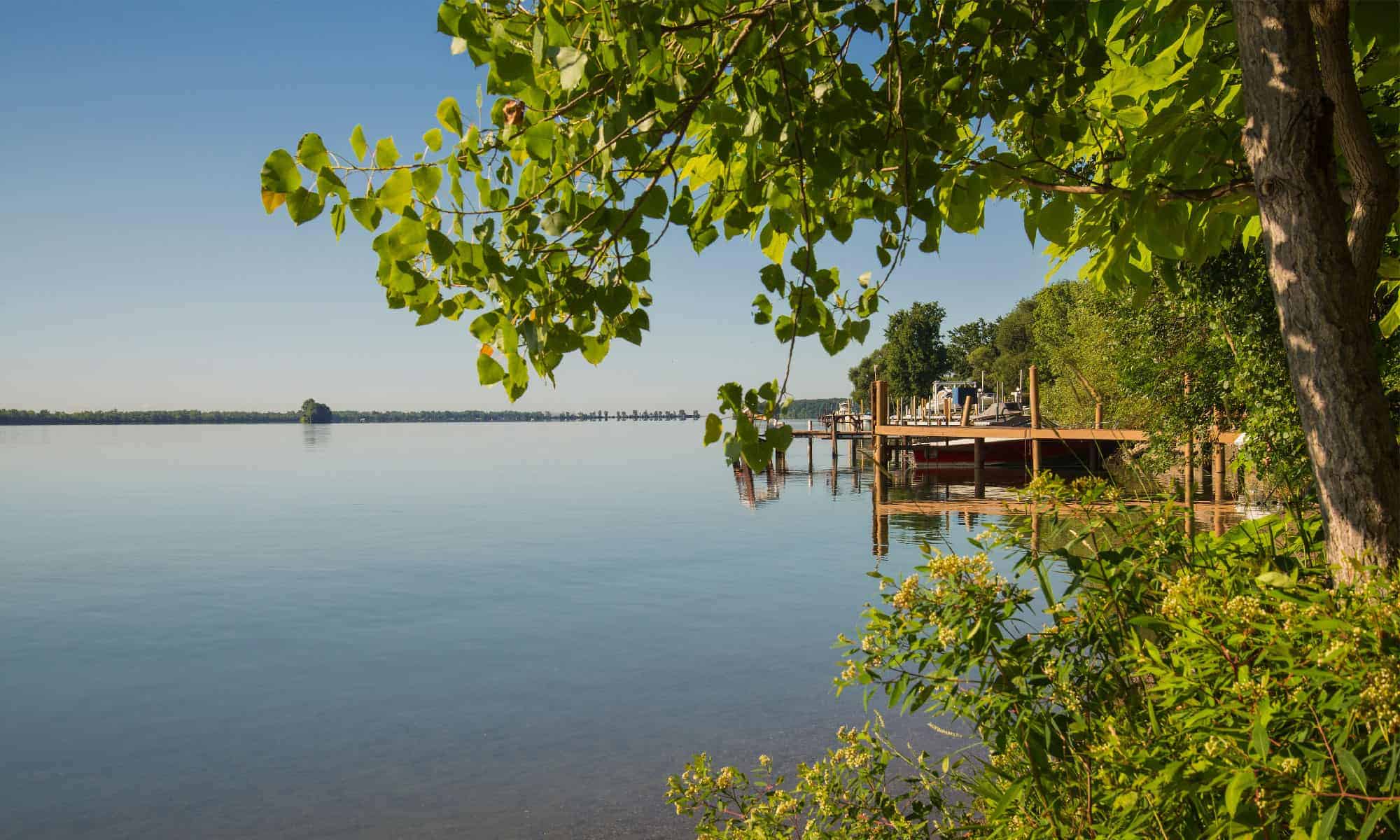
Lake Erie is the shallowest Great Lake and the smallest by water volume, holding about 116 cubic miles across roughly 9,910 square miles of surface area. It borders Michigan, Ohio, Pennsylvania, and New York in the United States, along with Ontario in Canada. Industrial pollution once made Lake Erie a national symbol of environmental decline, and regulations beginning in the 1970s produced major improvements. Today’s biggest water-quality problem is nutrient pollution, especially phosphorus that helps fuel harmful algal blooms in the western basin and low-oxygen conditions farther east. For summer 2026, NOAA forecast a moderate western Lake Erie bloom with a severity index of 3.5 and a likely range of 3 to 4.5. The lake is much healthier than it was generations ago, but harmful algae remain an annual concern.
Lake Okeechobee, Florida
©Allison Michael/Shutterstock.com
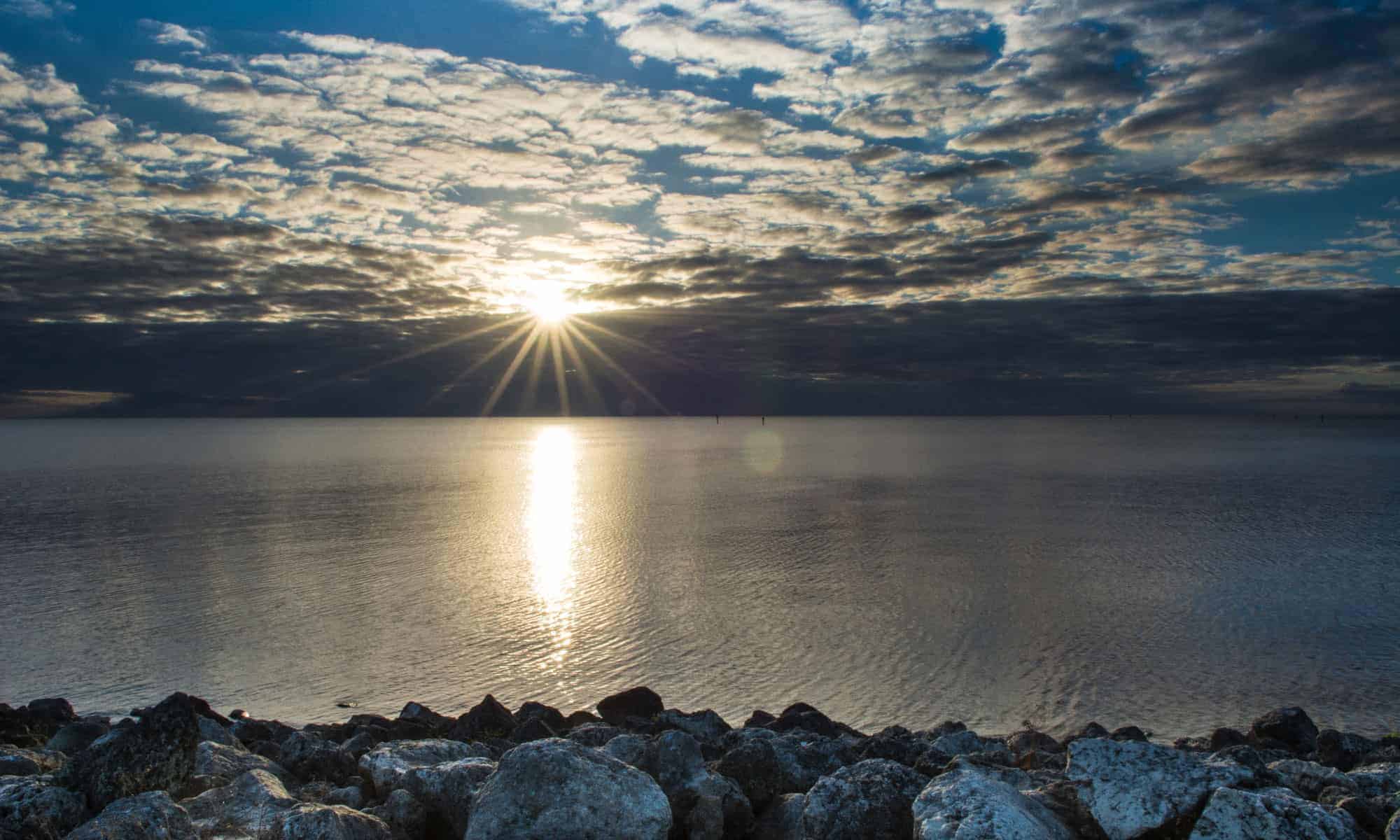
Lake Okeechobee is Florida’s largest freshwater lake and one of the most important pieces of South Florida’s water system. It also carries a heavy nutrient burden. The South Florida Water Management District estimates that about 600 metric tons of phosphorus enter the lake each year, much of it tied to agricultural and urban development across the watershed. Excess nutrients can feed blue-green algae, which is why state agencies continuously monitor Lake Okeechobee and the waterways connected to it. Florida is using stormwater treatment, agricultural best-management practices, watershed projects, Everglades restoration work, and experimental algae-control technologies to reduce the problem. Conditions change throughout the year, so visitors should check current state bloom reports before recreating in affected areas.
Onondaga Lake, New York
©iStock.com/JUN DONG
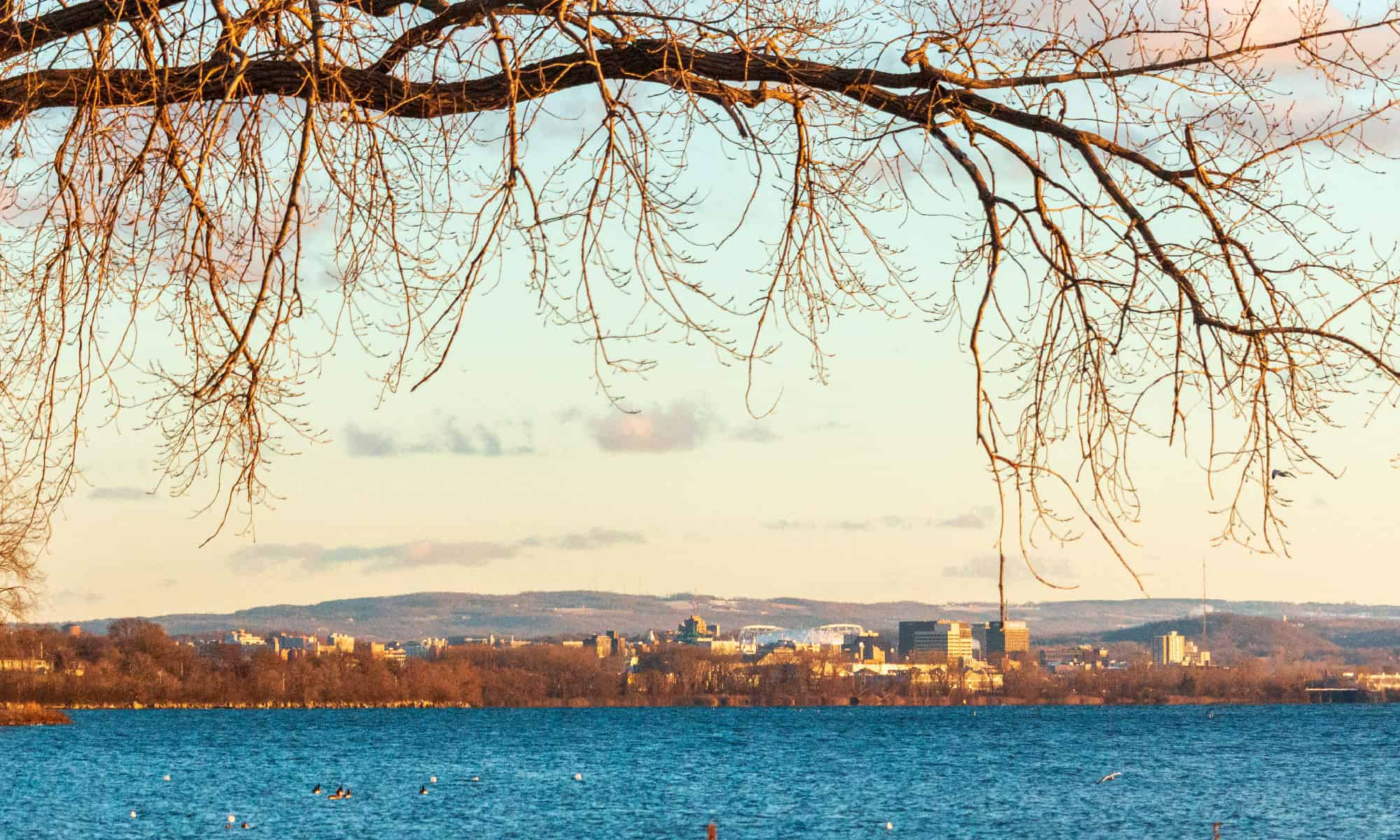
Onondaga Lake sits immediately northwest of Syracuse and has one of the most notorious pollution histories of any lake in the United States. Beginning in the late 1800s, industries and wastewater systems discharged mercury, ammonia, salt-processing waste, PCBs, sewage, and other contaminants into the lake and its tributaries. Swimming was banned by 1940, public fishing was banned in 1970, and the lake became part of a federal Superfund site in 1994. Major cleanup projects have since removed or capped contaminated sediment, reduced sewage pollution, and restored habitat. Public catch-and-release fishing returned decades ago, and New York DEC is even holding family fishing events at the lake in 2026. Still, cleanup and monitoring continue, and state fish-consumption advice remains in effect.
Onondaga Lake: The Cleanup Is Still Ongoing
The old claim that Onondaga Lake ranks as the second-most polluted lake in the world is not supported by a credible current global ranking, so it should not be repeated. What can be verified is more useful anyway: Onondaga remains an active Superfund cleanup site with multiple contaminated subsites around the lake and its tributaries. The recovery has been dramatic enough for fishing and shoreline recreation to return, but that does not mean every restriction has disappeared. Onondaga County’s current public swimming beaches are at Oneida Shores and Jamesville Beach, not Onondaga Lake Park, and New York continues to publish specific health guidance for eating fish from the lake.

