
Michigan’s past isn’t tucked away in history books. You can find it in old mining towns, a reconstructed frontier fort, grand automobile-era estates, and a lakeside community that still gathers for summer concerts and lectures. Each place offers a different look at the people and industries that shaped the state.
The five destinations here are all National Historic Landmarks, but they aren’t all the same kind of attraction. Some invite you inside for tours and exhibits. Others are working neighborhoods, seasonal historic sites, or properties undergoing restoration. That difference matters when you’re actually planning a visit.
From the copper-rich Keweenaw Peninsula to the Straits of Mackinac, metro Detroit, and the shores of Little Traverse Bay, these landmarks are worth a closer look. Here’s what makes each one historically significant, what you can still see today, and what to know before you go.
1. Calumet Historic District

©ehrlif/Shutterstock.com
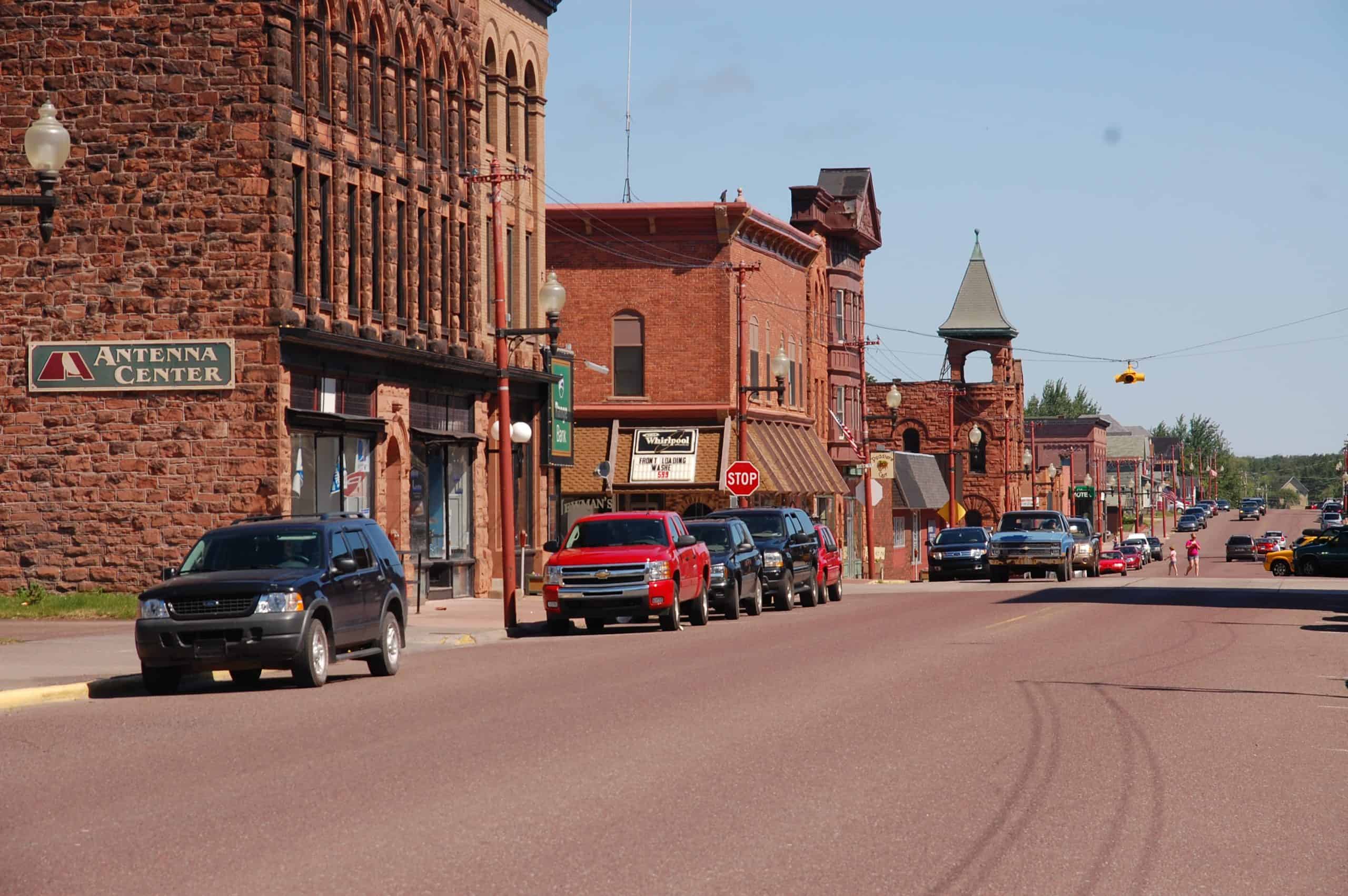
Calumet, in Michigan’s Upper Peninsula, was once at the center of one of America’s great copper booms. The streets still tell that story through sandstone commercial buildings, former company offices, and neighborhoods built for the people who worked the mines. The Calumet Historic District became a National Historic Landmark in 1989 and is part of the landscape interpreted by Keweenaw National Historical Park. Much of the mining infrastructure is no longer in use, but the surviving architecture makes it easier to imagine how a remote settlement grew into a busy industrial community. This isn’t a museum village sealed off from everyday life, either. Calumet is a real town where people live and work, surrounded by traces of an industry that reshaped the region.
Calumet Historic District (continued)
©"Calumet-Michigan3" by Mestos is licensed under BY-SA 3.0. - Original / License
The numbers behind the Copper Country are impressive, but the human stories are even better. For much of the 19th century, the Keweenaw Peninsula led the nation in copper production, drawing workers and families from Finland, Cornwall, Italy, and many other places. Their cultures left marks on the area’s buildings, businesses, and traditions. Downtown, the Calumet Theatre dates to 1899, while the National Park Service’s Calumet Visitor Center explores mining, immigration, and daily life through exhibits in the old Union Building. You can walk the historic streets and look at preserved buildings, though many are privately owned and not open for interior tours. Check visitor-center hours before making the drive, particularly outside the summer season.
2. Fair Lane
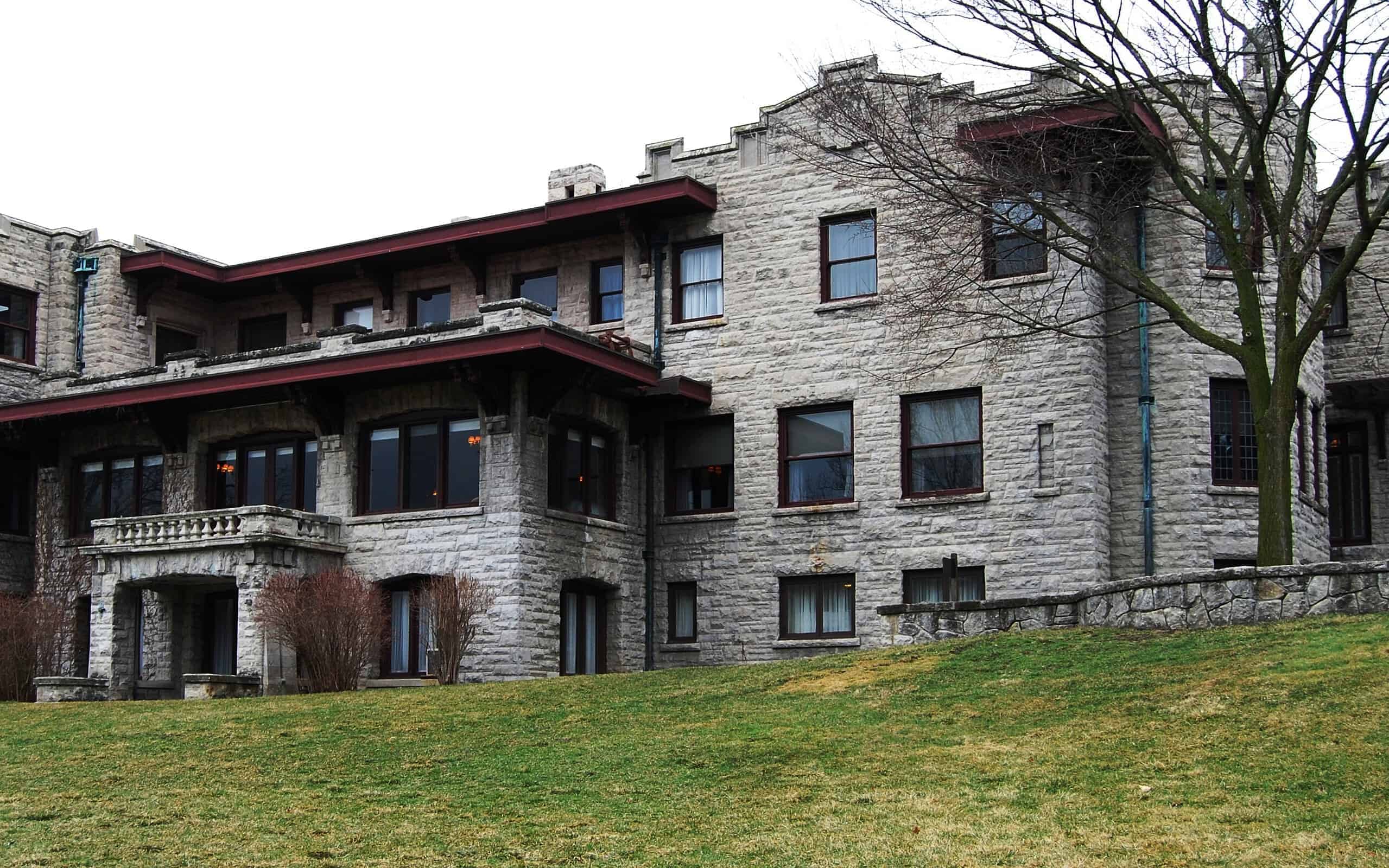
Fair Lane in Dearborn was much more than a fancy house for an automobile pioneer. Completed in 1915, the 56-room estate was home to Clara and Henry Ford, with gardens, workshops, and a powerhouse that reflected their very different interests. Clara helped shape its landscape, while Henry used the property as a place to experiment with mechanical ideas. The powerhouse included hydroelectric equipment and was connected to the house by an underground service tunnel. Fair Lane became a National Historic Landmark in 1966, but it is currently in the middle of an extensive restoration. The mansion, powerhouse, and garage are not generally open for public touring, although the gardens and grounds are open to visitors. That makes it a worthwhile outdoor stop, rather than a guaranteed mansion tour, until interior access expands.
3. Fort Michilimackinac
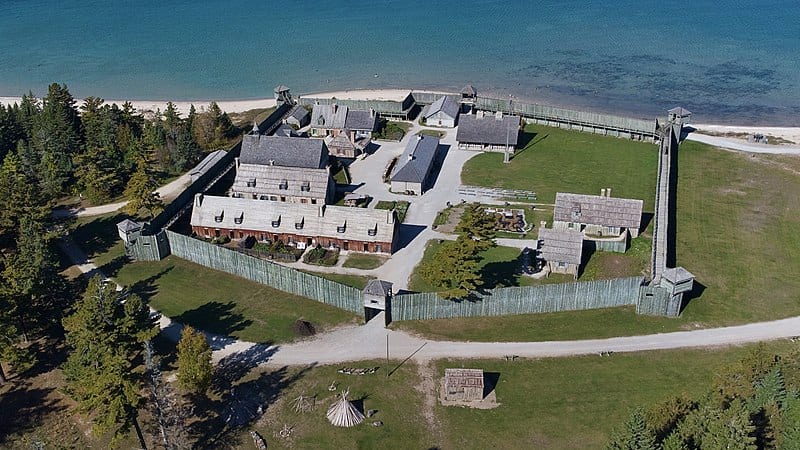
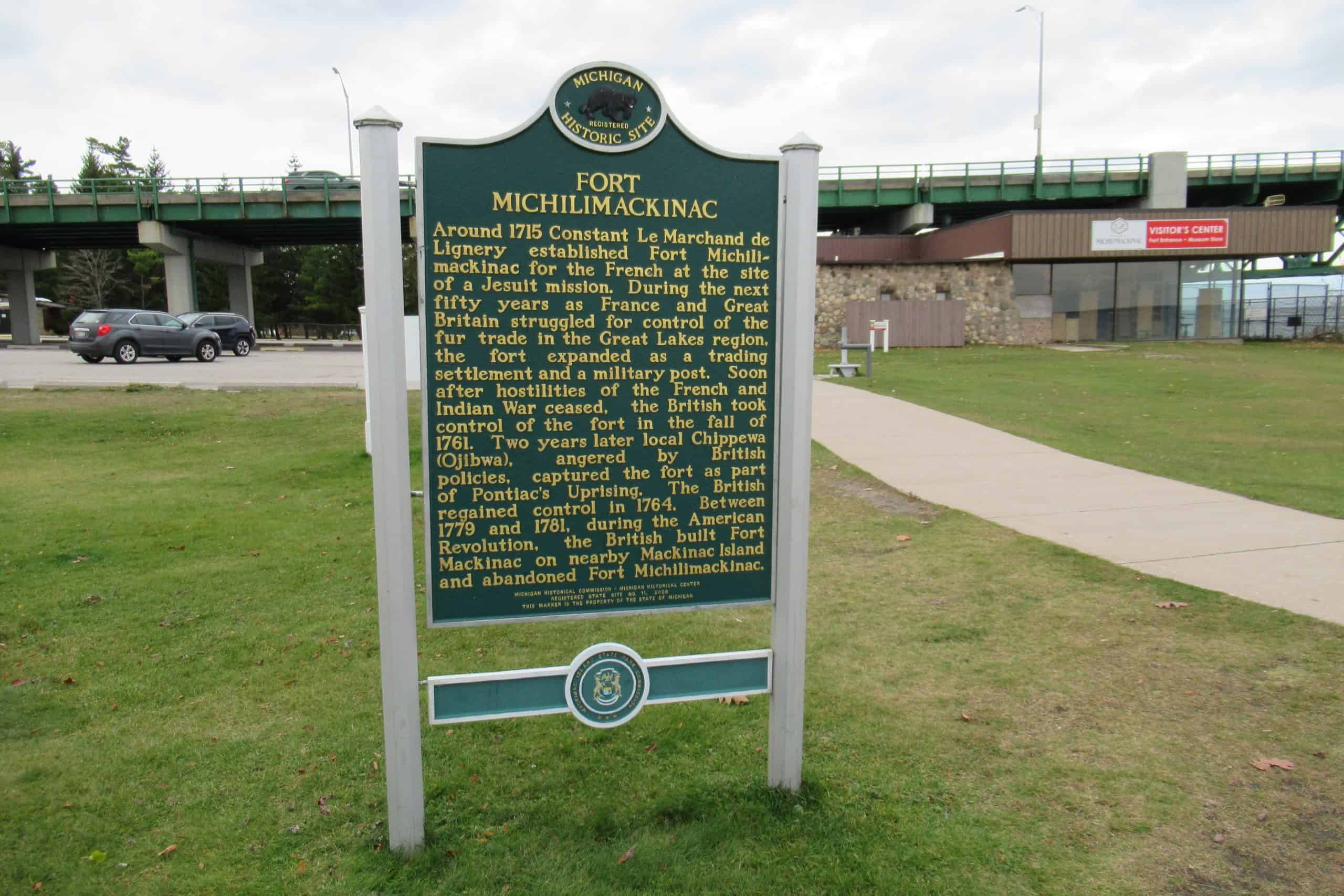
At the northern tip of Michigan’s Lower Peninsula, Colonial Michilimackinac takes visitors back to the days when control of the Great Lakes meant control of valuable trade routes. The French established Fort Michilimackinac around 1715 on the south shore of the Straits of Mackinac, in what is now Mackinaw City in Cheboygan County. It developed into a busy fur-trading community where French traders, soldiers, and Indigenous peoples, including the Odawa and Ojibwe, interacted in complicated ways. The British took control in 1761, and the fort remained important through the American Revolution. Recognized as a National Historic Landmark in 1960, the site offers a much broader history than battles alone: commerce, daily life, diplomacy, and the struggle for influence in the upper Great Lakes all played a part.
Fort Michilimackinac (continued)
©"Fort Michilimackinac state historic marker" by Notorious4life (talk) (Uploads) is licensed under CC0 1.0. - Original / License
What makes Colonial Michilimackinac especially interesting today is how much of it has been reconstructed using historic maps and decades of archaeological evidence. Visitors can walk between wooden buildings, see exhibits about the families and traders who lived here, and watch interpreters demonstrate aspects of 18th-century life. Archaeological work has continued at the site for decades, helping historians refine what they know about the settlement. The British dismantled the mainland fort in 1780-81 and shifted their military presence to Mackinac Island, where they built Fort Mackinac. The two places are easy to confuse, but they are different historic sites. Colonial Michilimackinac operates mainly during the warmer months, so check the seasonal schedule before planning a visit.
4. Meadow Brook Hall
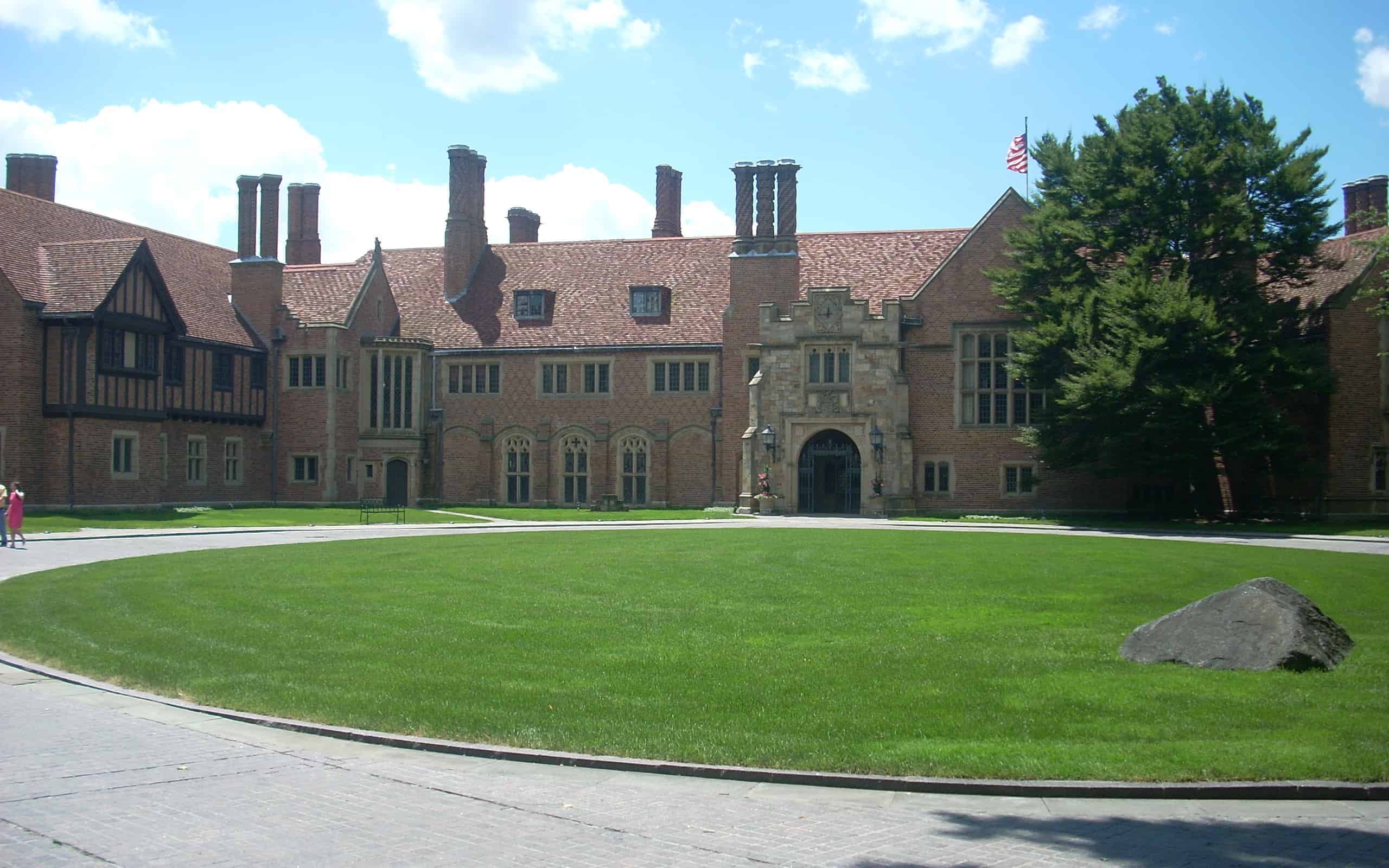
Meadow Brook Hall, on the Oakland University campus near Rochester, is a reminder of just how much wealth Michigan’s early automobile industry created. Matilda Dodge Wilson, widow of Dodge cofounder John Dodge, built the estate with her second husband, Alfred Wilson, between 1926 and 1929. The result was a Tudor Revival mansion with 110 rooms and about 88,000 square feet of space, making it one of the country’s largest historic homes. The craftsmanship is a big part of the appeal: carved wood, elaborate stonework, and richly detailed interiors turn a walk through the house into something close to an architectural tour of another era. Meadow Brook Hall was named a National Historic Landmark in 2012, recognizing the importance of both the building and its history.
Meadow Brook Hall (continued)
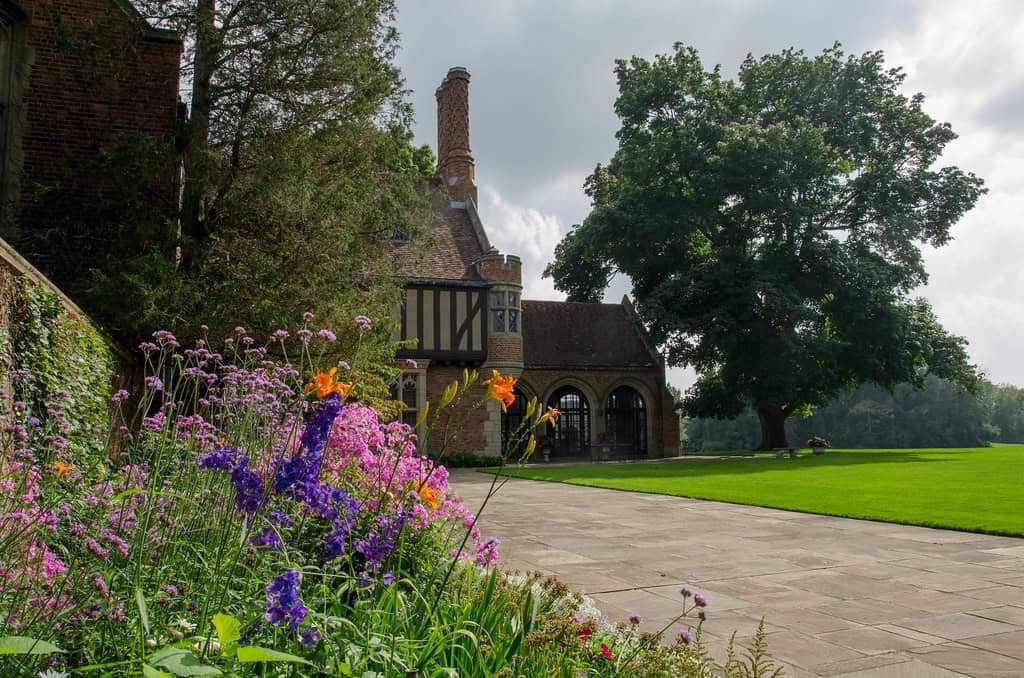
©"Meadowbrook Hall" by Bill VanderMolen is licensed under BY-ND 2.0. - Original / License
There’s more to Meadow Brook than its size. Matilda Dodge Wilson was a businesswoman, philanthropist, and a driving force behind what became Oakland University. In 1957, she and Alfred Wilson donated their estate and funds to help establish the university, giving the property a new public purpose. Today, the hall operates as a historic house museum and event venue, with guided tours that explain the family’s life and the building’s extraordinary craftsmanship. Seasonal programs, including holiday events, offer another way to experience the mansion, although dates and access vary. Tour reservations are typically required in advance, so don’t assume you can simply walk through the front door. It’s one of Michigan’s clearest connections between the automobile age, grand architecture, and education.
5. Bay View
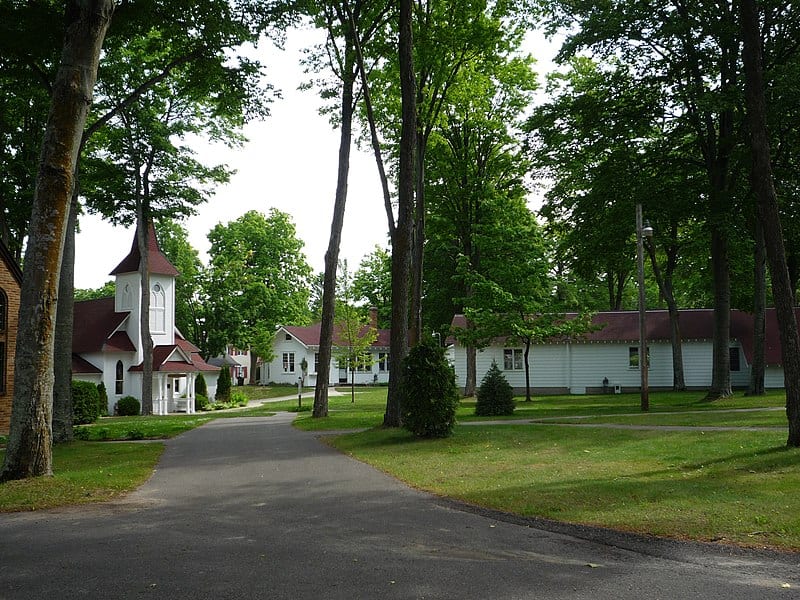
Just outside Petoskey on Little Traverse Bay, Bay View looks like a picturesque collection of Victorian summer cottages, but its history runs much deeper. Michigan Methodists founded the community in 1875 as a summer camp meeting devoted to faith and learning. Over the following decades it developed into an independent Chautauqua-style community, adding music, lectures, education, and recreation to its religious programs. That unusual combination helped earn Bay View National Historic Landmark status in 1987. Its tree-lined streets, historic chapel, and distinctive cottages still reflect the community that took shape in the late 19th and early 20th centuries. Unlike many preserved historic districts, Bay View continues to function as a seasonal community rather than existing solely as a tourist attraction.
Bay View (continued)
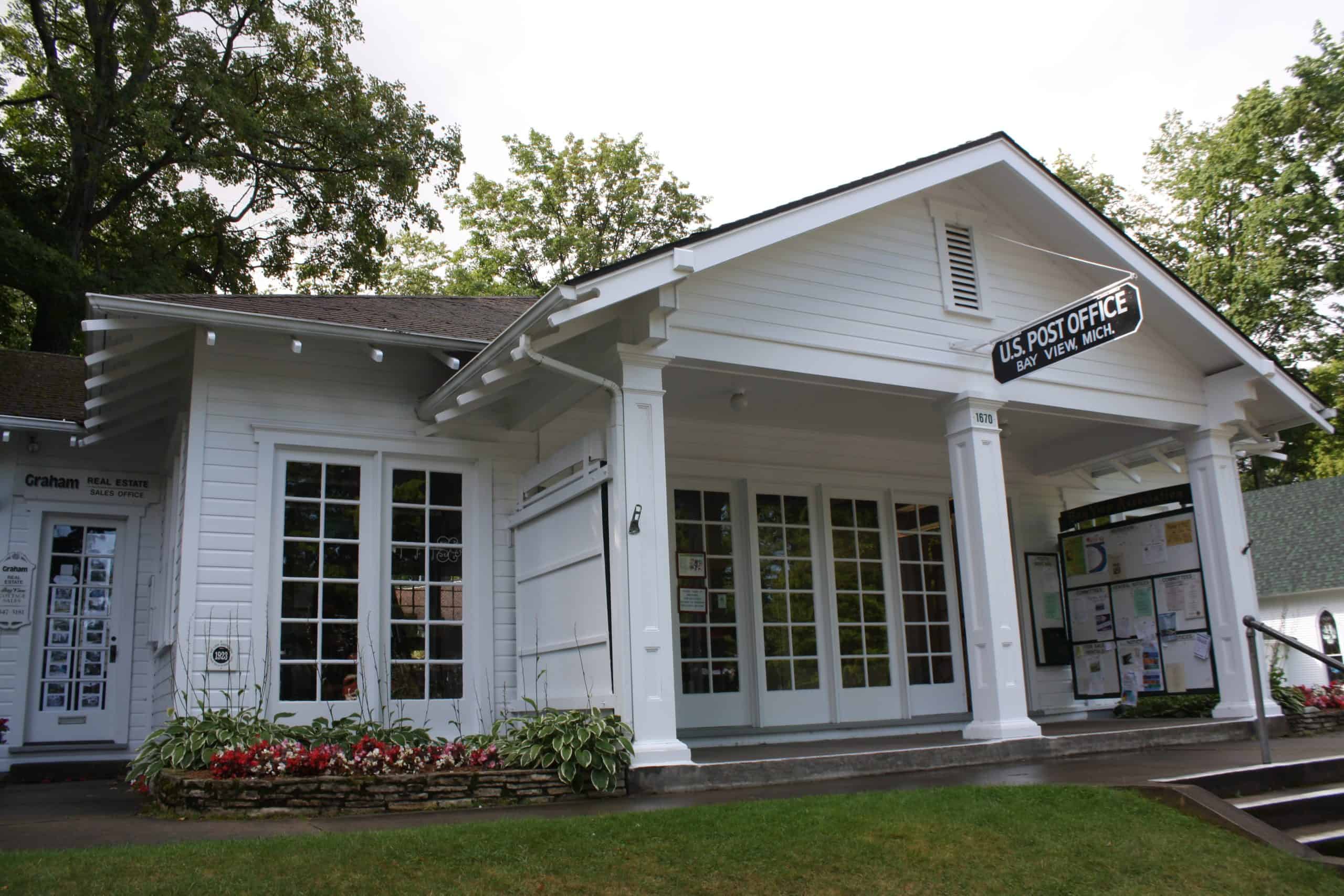
©"Bay View Michigan Post Office" by Royalbroil is licensed under BY-SA 3.0. - Original / License
Bay View’s Chautauqua tradition is still active, which gives visitors a chance to experience the place rather than just photograph its buildings. During the summer program season, the association offers public concerts, lectures, classes, worship services, and other cultural events. The music festival is a particular highlight, drawing performers and students to northern Michigan. Walking through the neighborhood also reveals how carefully many of the historic cottages and communal buildings have been maintained. Just remember that these are real homes, not open-house exhibits; respect private property and posted access restrictions. The neighborhood and grounds are worth seeing, but checking the Bay View Association’s event calendar is the best way to turn a visit into something more than a quick scenic walk.

