
With only about 3,700 residents, Lewis County, Idaho, is the kind of rural community that can end up at the center of a much bigger national debate. The original version of this story made two eye-catching claims: that the county has more guns than people and that it has absolutely no gun laws. Both deserve a closer look. There’s no reliable public count of privately owned guns in Lewis County, and federal and state firearm restrictions still apply.
What makes the county interesting is something we can verify: Idaho leaves local governments very little room to make their own firearms rules. Many eligible adults can carry a concealed weapon without a permit, the state generally controls regulations on ownership and possession, and a new 2026 law strengthened the limits on counties that try to adopt conflicting rules.
So what does all that mean for a place like Lewis County, and how does it compare with other parts of Idaho, Texas, and Montana? Here’s a closer look at the culture, the actual laws, and a few popular gun-country claims that don’t hold up quite as neatly as their headlines suggest.
Lewis County, Idaho: About 3,700 Residents
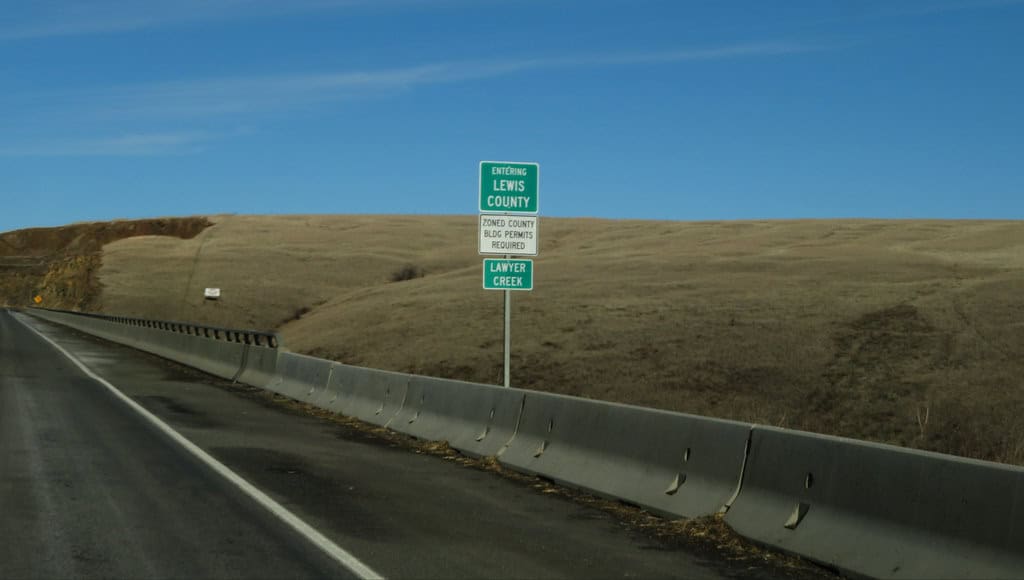
©"Entering Lewis County, Idaho" by Ken Lund is licensed under BY-SA 2.0. - Original / License
Lewis County is small enough that its population can fit into a modest concert venue. The U.S. Census Bureau estimated 3,704 residents in July 2025, making this a very different setting from the state’s larger metropolitan counties. The area has been described online as having more guns than people, but there’s a problem with that claim: no reliable public inventory establishes how many privately owned firearms are actually in Lewis County. Hunting, target shooting, and personal protection are familiar parts of rural life across Idaho, but a dramatic gun-to-person ratio shouldn’t be presented as fact without evidence. The real story here is how much Idaho law, rather than county government, determines the rules.
Why Lewis County Has Few Local Gun Restrictions
©"Holster Gun Flag" by ibropalic is licensed under BY 2.0. - Original / License
Lewis County doesn’t get to write an entirely separate rulebook for firearms, even if local officials wanted to. Idaho’s firearms-preemption law generally prevents counties and cities from creating their own rules governing gun sales, ownership, storage, transportation, and carrying. Some limited authority remains, including rules about discharging firearms in certain places, subject to exceptions spelled out in state law. That’s an important distinction: few local restrictions does not mean no restrictions at all. State and federal prohibitions still apply, as do rules for certain buildings and properties. For residents and visitors, the state laws matter far more than any reputation a particular county has developed.
What a Second Amendment Sanctuary Actually Means
©"Proarms Armory gun shop in Prague" by Cimmerian praetor is licensed under BY-SA 4.0. - Original / License
Second Amendment sanctuary declarations have appeared in communities across the country, usually as statements opposing gun restrictions that local officials believe conflict with constitutional protections. But a declaration isn’t a magic eraser for federal law. Idaho has also passed statewide legislation limiting the use of state and local resources to assist with enforcement of certain federal firearms measures, under conditions specified by state law. That is different from saying federal agents cannot enforce federal statutes in Idaho. The original version of this story described Lewis County as a declared sanctuary, but we couldn’t independently verify a county-specific resolution. The broader Idaho policy is well documented, and that’s the distinction worth explaining.
Why Firearms Are Part of Rural Idaho Life
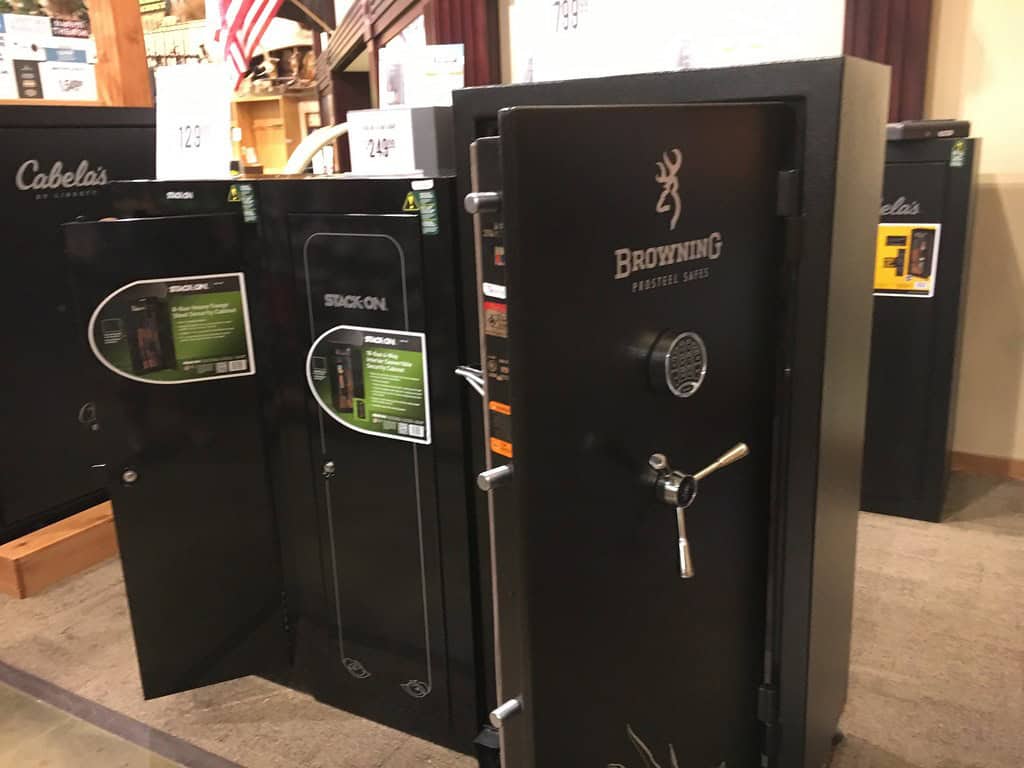
©"Gun Safes in Store on the Floor" by huntingmark is licensed under BY 2.0. - Original / License
In rural Idaho, firearms can have a practical role in hunting, recreational shooting, and personal protection. None of that means every household owns a gun, or that all residents feel the same way about the rules. National polling helps explain the broader divide: Pew Research Center found in 2023 that 47% of adults living in rural communities said they personally owned a firearm, compared with 30% in suburbs and 20% in cities. Those are national figures, not a Lewis County ownership survey. They do, however, help explain why debates over gun regulation can feel especially personal in rural places, where firearms may be associated with recreation, family traditions, or self-reliance.
Kootenai County Follows the Same Idaho Gun Laws
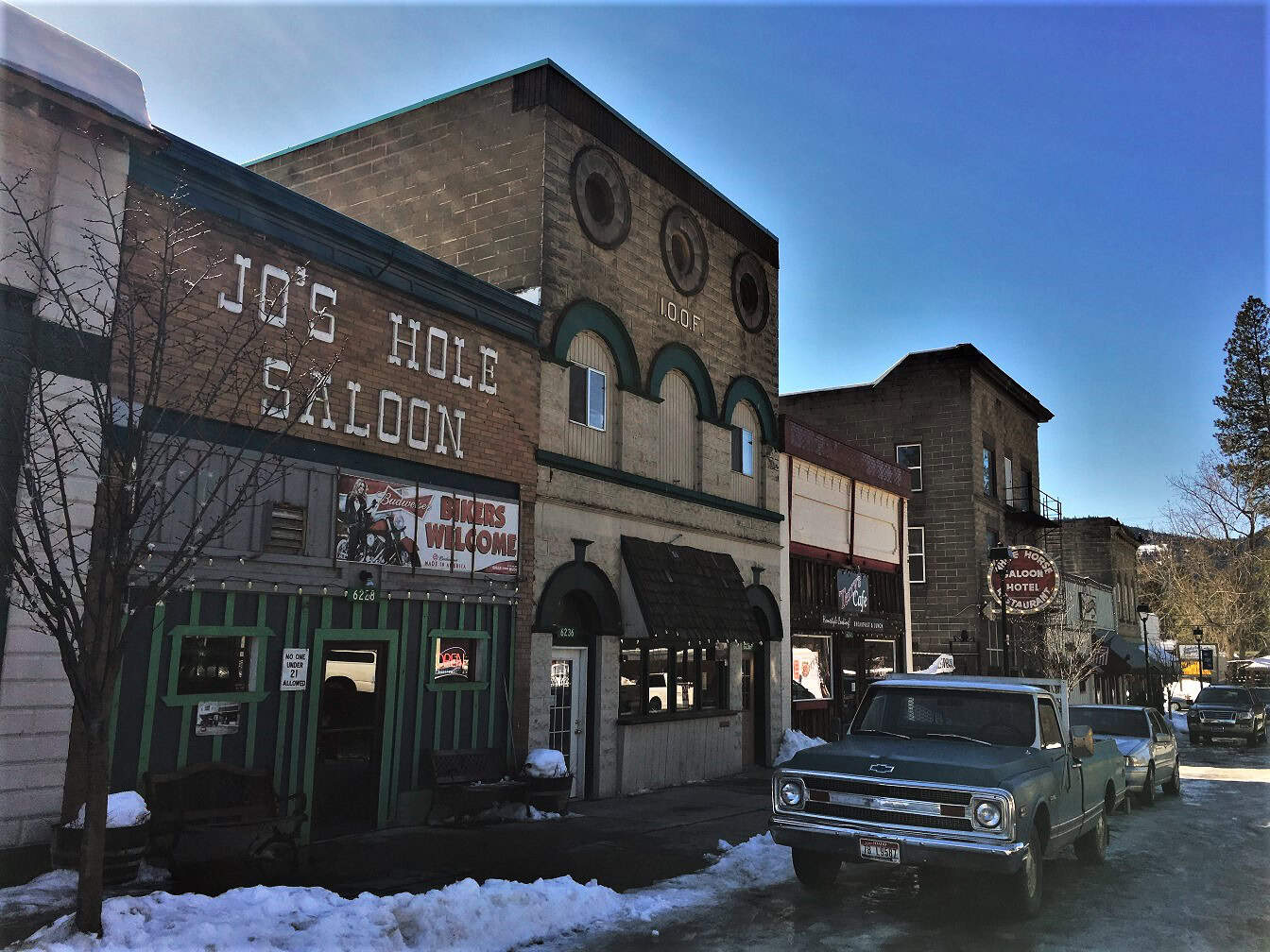
©"Spirit Lake HD NRHP 79000795 Kootenai County, ID" by Jon Roanhaus is licensed under BY-SA 4.0. - Original / License
Head north to Kootenai County, home to Coeur d’Alene and the community of Spirit Lake, and the landscape looks different. The population is much larger, development is more visible, and visitors will find a different mix of neighborhoods and recreation. But the main firearms framework is the same one that applies in Lewis County. Idaho, not either county, sets most rules on owning and carrying guns. What varies locally is the setting, not a separate countywide permit system. The original article described Kootenai County as having especially high ownership, but without a verified county-level firearm count, there’s no sound basis for ranking it against Lewis County.
Texas Hill Country Has Its Own Permitless Carry Rules
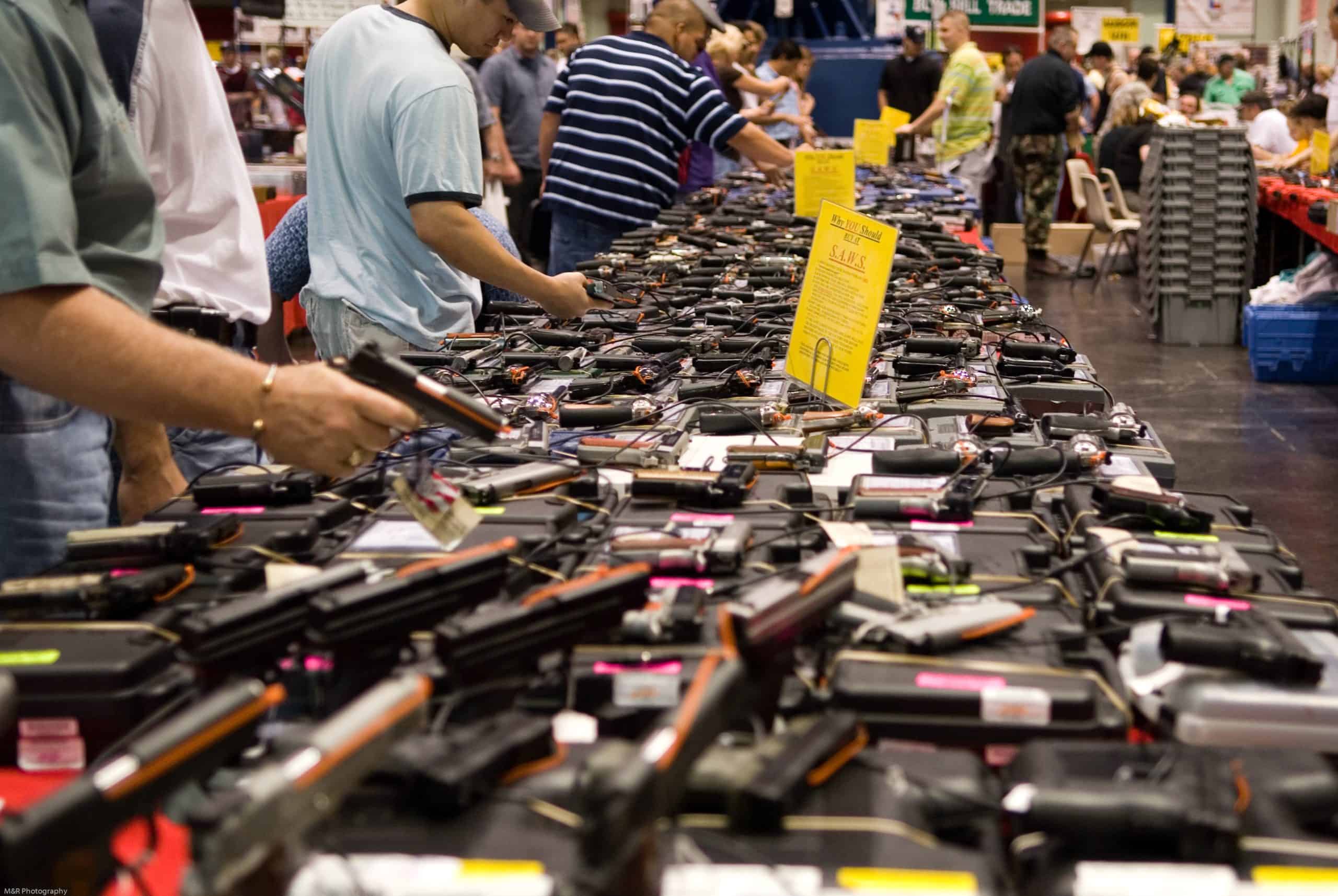
©"Houston Gun Show at the George R. Brown Convention Center" by https://www.flickr.com/photos/glasgows/ is licensed under BY 2.0. - Original / License
Communities around Gillespie and Llano counties in the Texas Hill Country have their own histories of hunting, ranching, and recreational shooting. Texas also permits many legally eligible adults to carry handguns in public without first obtaining a state license, following a law that took effect in September 2021. But Texas rules aren’t identical to Idaho’s, and restrictions still apply to certain locations, people, and circumstances. So while rural areas in both states can have strong firearms traditions, it would be misleading to treat them as interchangeable or say that guns can be carried absolutely anywhere. Their similarities make an interesting comparison; the actual legal differences matter just as much.
Flathead County and Montana Have Similar Carry Laws
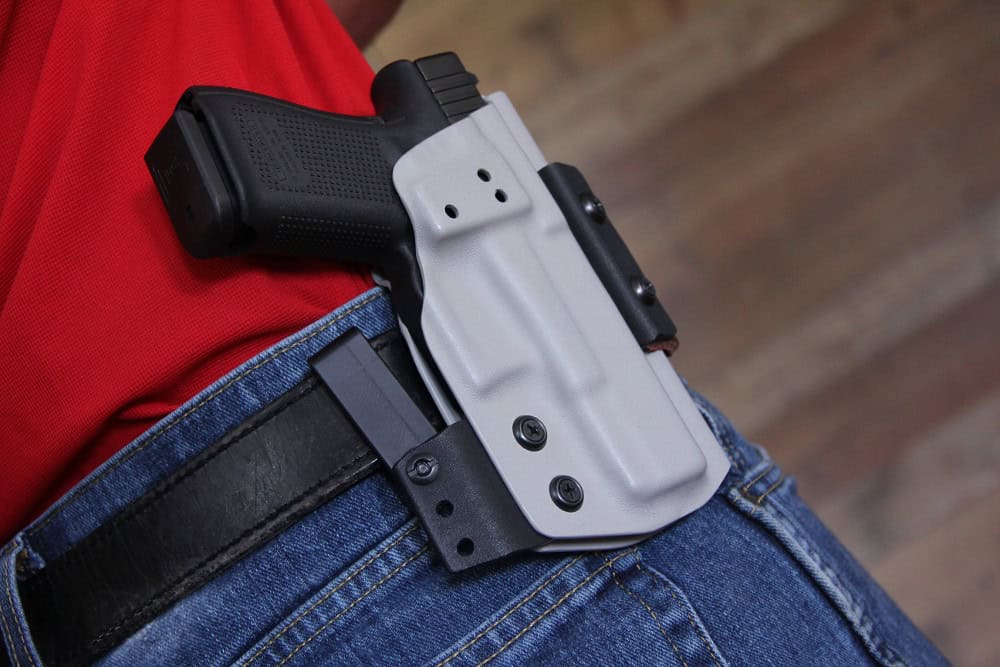
©"OWB Holster, Gun Holstered" by Clinger Holsters is licensed under BY-ND 2.0. - Original / License
Montana is another state where eligible people can generally carry concealed firearms without a permit, which puts Flathead County and the Kalispell area in familiar company with parts of Idaho. Montana’s Department of Justice still identifies restrictions on carrying weapons in places such as courtrooms, public schools, and federal buildings, and it distinguishes between ordinary permitless carry and situations requiring a permit. Montana also maintains a concealed-weapon permit process. The original article claimed Flathead County was among the country’s highest in guns per person, but we couldn’t verify that ranking. It’s more accurate to compare the states’ published carry laws than to claim exact local ownership figures that aren’t publicly established.
Permitless Carry Does Not Mean Anything Goes
©"Truce with gun, taken by Magi [ http://www.magifesn.cz/ ]" by overdrive_cz is licensed under BY-SA 2.0. - Original / License
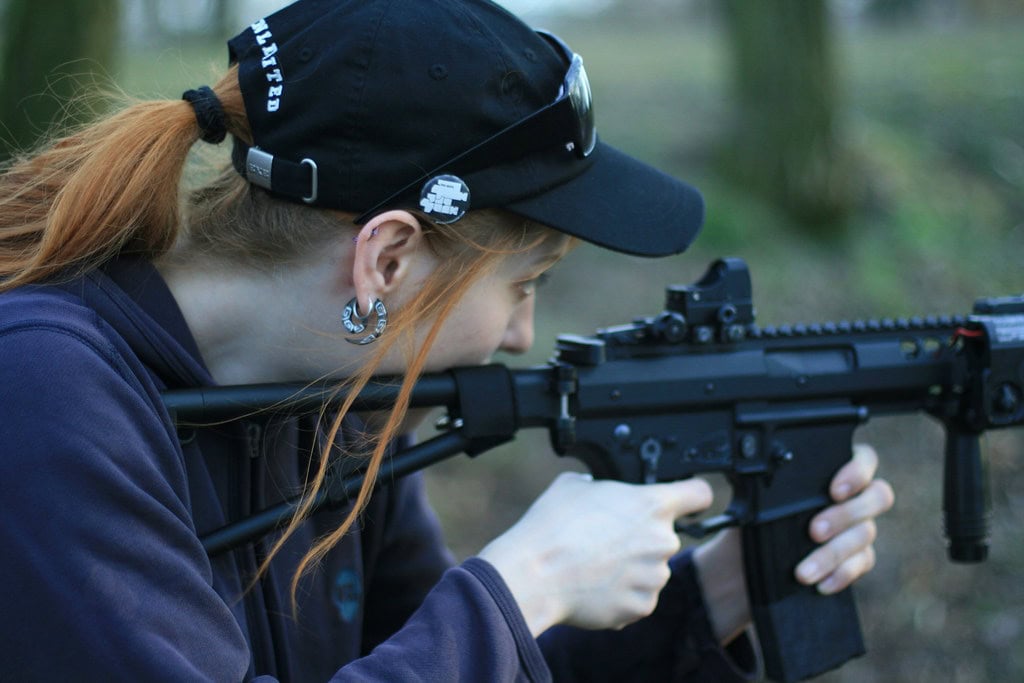
Idaho allows many adults who meet its eligibility requirements to carry a concealed weapon without a license. The Idaho attorney general’s guidance says eligible U.S. citizens and current military members age 18 or older may qualify, provided they aren’t disqualified under applicable state law. That is a broad policy, but it doesn’t open every door. Federal facilities, certain school settings, and private businesses can have restrictions, and federal firearm-possession prohibitions still matter. An Idaho concealed-weapons license remains available for people who want one, including for possible recognition in other states. The important takeaway is that ‘permitless’ refers to a licensing requirement, not the disappearance of other rules.
Do Gun Shops Really Outnumber Grocery Stores?
©"and more guns... December 14, 2012 01" by Patrick Feller is licensed under BY 2.0. - Original / License
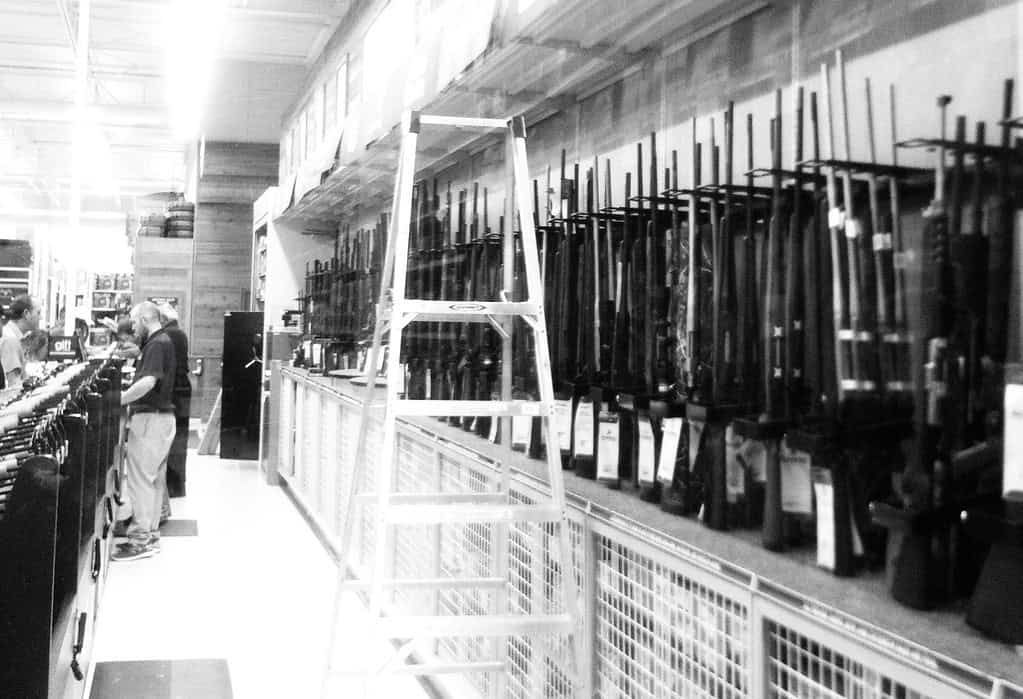
It’s one of those claims that practically writes its own headline: a tiny county with more gun shops than places to buy groceries. But we couldn’t verify it for Lewis County. Counts of federal firearms licensees don’t necessarily equal walk-in retail gun shops; licenses can also cover other business types, and some are based at nontraditional locations. Grocery-store totals depend on which businesses are counted, too. The Idaho State Tax Commission says the state has more than 1,200 federal firearms licensees overall, but that statewide figure does not tell us how many storefronts operate in Lewis County. Without a matched, current local comparison, the gun-shop-versus-grocery-store line is better left out of a factual headline.
How Background Checks Work in Idaho
©"Guns" by Svadilfari is licensed under BY-ND 2.0. - Original / License
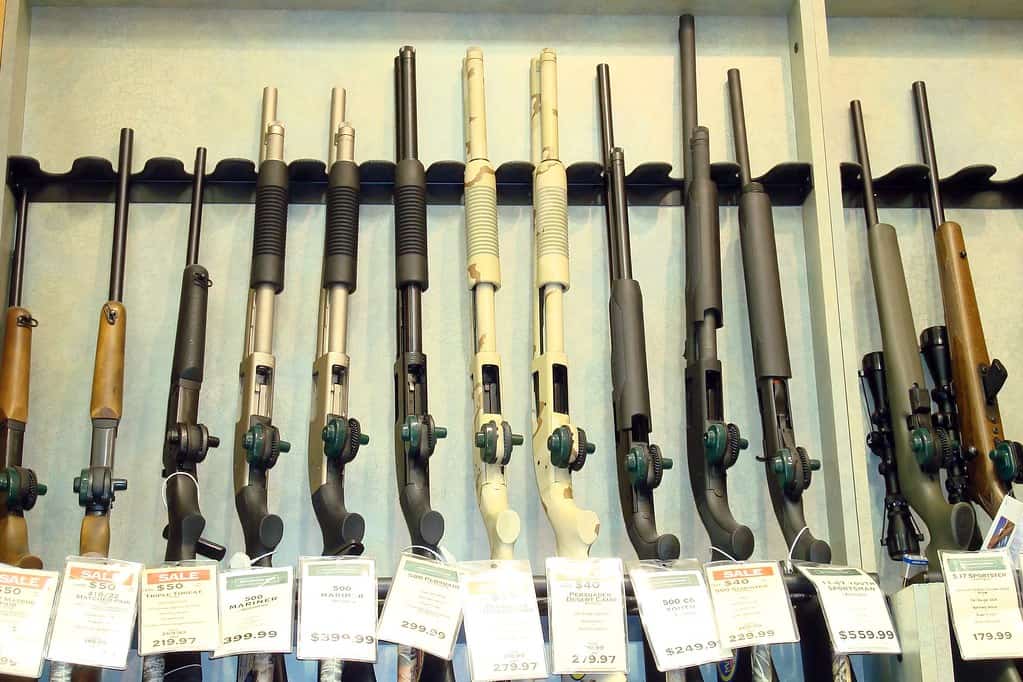
Idaho does not have a state law requiring a background check for every private firearm transfer, but that is not the same as saying background checks barely exist. Federally licensed gun dealers generally must conduct the federally required checks, and federal restrictions still bar sales to certain prohibited buyers. Someone regularly dealing in firearms as a business can also be required to hold a federal license rather than describe every sale as a private transaction. The rules are different for an occasional lawful sale by an unlicensed individual, and interstate transfers introduce additional requirements. For the purposes of this article, the key point is simple: the absence of a universal state private-sale check is not the absence of federal firearm law.
Gun Safety Training Is a Separate Question
©"Gun Range Signs" by Ethan Prater is licensed under BY 2.0. - Original / License
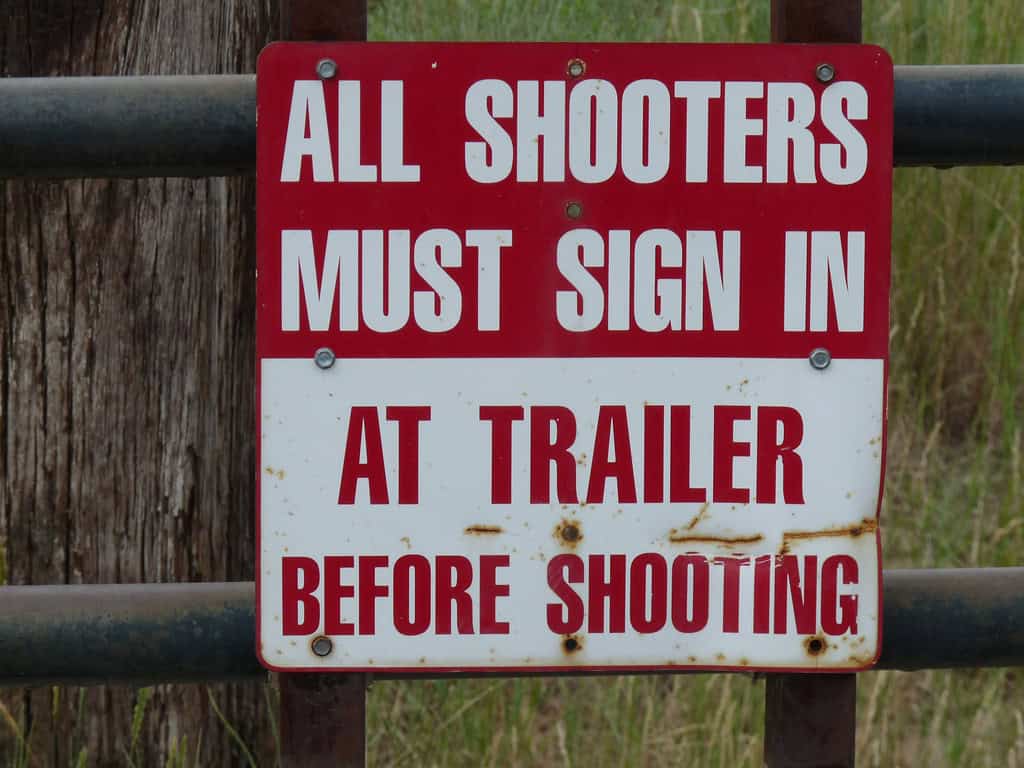
Because many eligible adults in Idaho can carry a concealed weapon without obtaining a permit, they generally don’t need to complete a permit course just to qualify for that form of carry. The voluntary license process is different: Idaho’s attorney general notes that a sheriff may require an applicant to demonstrate familiarity with firearms, sometimes through training. None of this tells us how many Lewis County residents learn from family, enroll in formal classes, or practice regularly at a range. The original piece treated informal training as the countywide norm without a supporting survey. What we can say is that the state’s licensing rules and an individual’s actual level of training are two very different things.
Idaho Strengthened Its Limits on Local Gun Rules in 2026
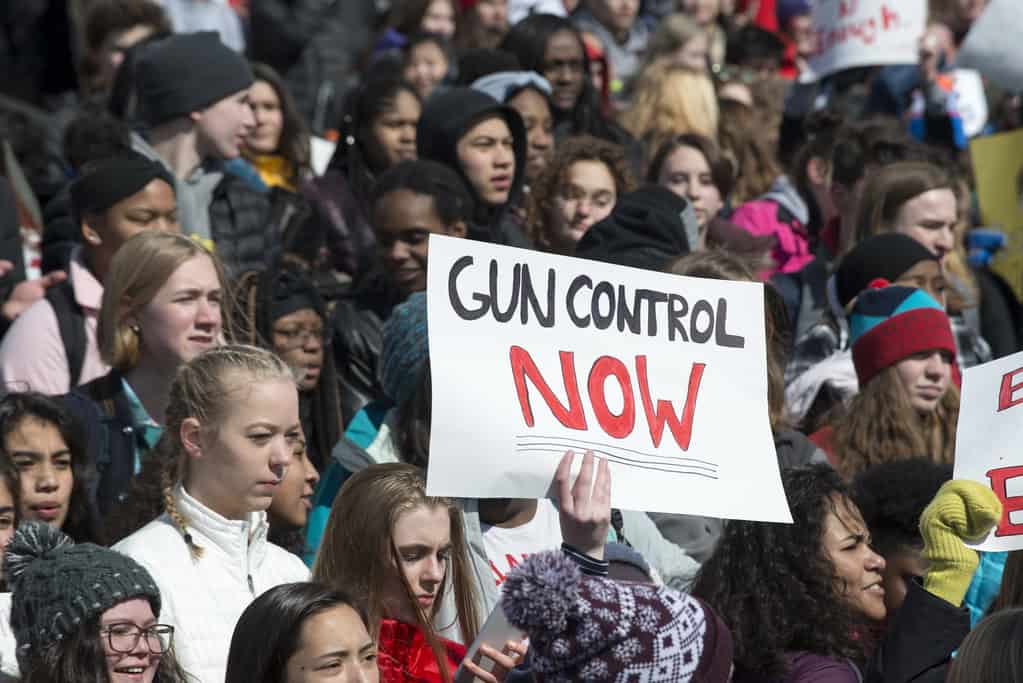
©"March For Our Lives student protest for gun control" by Fibonacci Blue is licensed under BY 2.0. - Original / License
This is the update that gives the story fresh relevance. In April 2026, Idaho enacted Senate Bill 1430, strengthening its existing restrictions on local gun regulation. The law provides for court action against local governments that adopt prohibited firearms measures and includes a $10,000 civil penalty for a willful and knowing violation, along with notice and an opportunity to correct certain violations. That penalty applies to local government entities, not to individual gun owners. Supporters describe statewide rules as a way to avoid a patchwork of county regulations, while critics favor allowing communities more authority to address local concerns. Either way, Idaho made the legal limits on local policymaking more explicit in 2026.
What Life in Lewis County Tells Us About Gun Laws
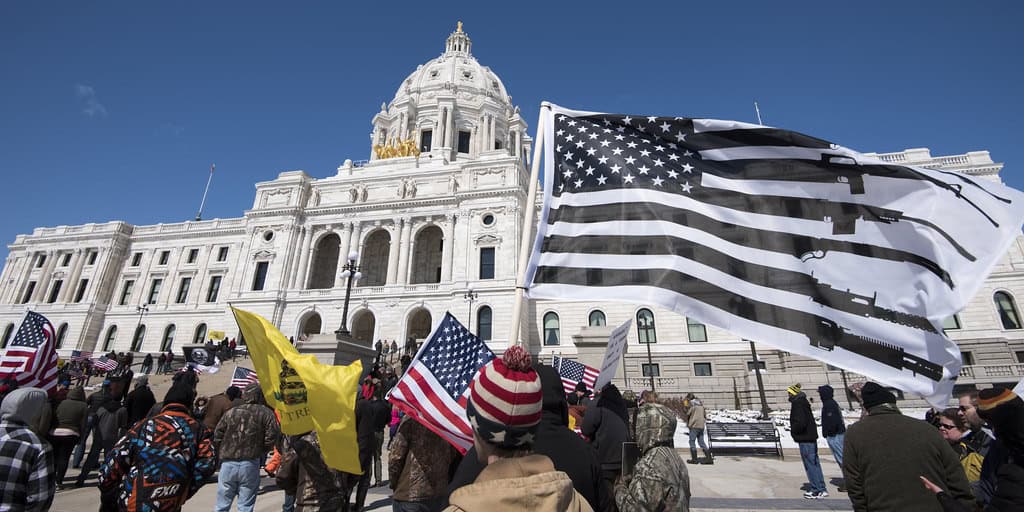
©"Second Amendment Rally Against Gun Control" by Fibonacci Blue is licensed under BY 2.0. - Original / License
Lewis County is a useful window into a much bigger American conversation, but it isn’t proof of a specific number of firearms or a place where laws don’t apply. Idaho makes most of the rules for counties like this one, federal requirements remain in effect, and neighboring states handle details differently. The debate also reaches beyond ownership and carrying. The CDC’s latest finalized state-level firearm mortality figures showed 331 firearm-related deaths in Idaho in 2024, including accidents, homicides, suicides, and other categories, although a statewide total cannot explain what happens in one small county. The better way to understand Lewis County is to separate its rural identity from the laws on the books and the figures we can actually verify.

