
Some cities are unforgettable during the day but require a little more caution once the sun goes down. For travelers, nighttime safety can vary dramatically from one neighborhood to the next, especially in larger cities where popular tourist districts may sit close to areas with higher rates of violent crime, theft, or late-night disorder. That does not mean these places should be avoided entirely. Many of them have incredible food scenes, historic landmarks, music venues, museums, sports arenas, and cultural attractions that make them well worth visiting.
Still, smart travel means knowing where extra awareness matters. Recent crime data shows that several U.S. cities continue to struggle with elevated violent crime, robbery, aggravated assault, or homicide rates compared with national averages. Visitors who are unfamiliar with local neighborhoods can be more vulnerable after dark, particularly when walking alone, using poorly lit streets, leaving bars or events late, or wandering away from busy tourist zones.
This list looks at 15 U.S. cities where tourists should take extra care at night. The goal is not to scare travelers away, but to help them plan smarter, stay alert, and enjoy the best parts of each city safely.
Memphis, Tennessee
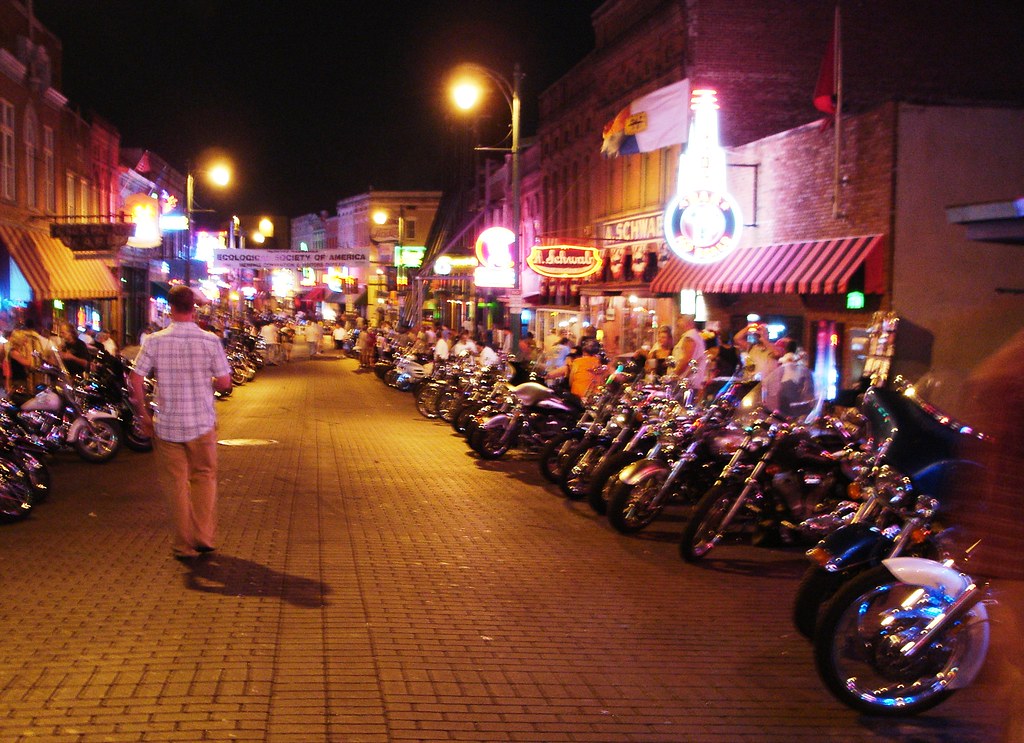
©"memphis bike night" by cyanocorax is licensed under BY-SA 2.0. - Original / License
Memphis is a major music and food destination, but tourists should be especially careful walking alone after dark outside busy, well-lit areas. In 2024 FBI UCR data, Memphis had a violent-crime rate of about 2,501 per 100,000 residents, the highest listed among U.S. cities over 50,000 people in one national ranking. The city also posted a murder and nonnegligent manslaughter rate of about 40.6 per 100,000 residents. That does not mean visitors should avoid Beale Street, museums, or barbecue spots, but it does mean nighttime movement should be planned. Stick with groups, use rideshare after dark, and avoid wandering into unfamiliar blocks away from active tourist corridors.
Oakland, California

©"Bay Bridge" by dwan.mac is licensed under BY 2.0. - Original / License
Oakland has incredible restaurants, waterfront views, and quick access to San Francisco, but it is also a city where visitors need to stay alert at night. FBI-based 2024 data put Oakland’s violent-crime rate at about 1,925 per 100,000 residents, among the highest rates for larger U.S. cities. Its 2024 murder rate was listed at about 18.6 per 100,000, while robbery and motor vehicle theft were also major concerns in the data. Tourists should be particularly cautious around isolated parking areas, quiet transit stops, and unfamiliar neighborhoods after dark. The safest approach is to plan transportation ahead of time and avoid walking alone late at night.
Detroit, Michigan
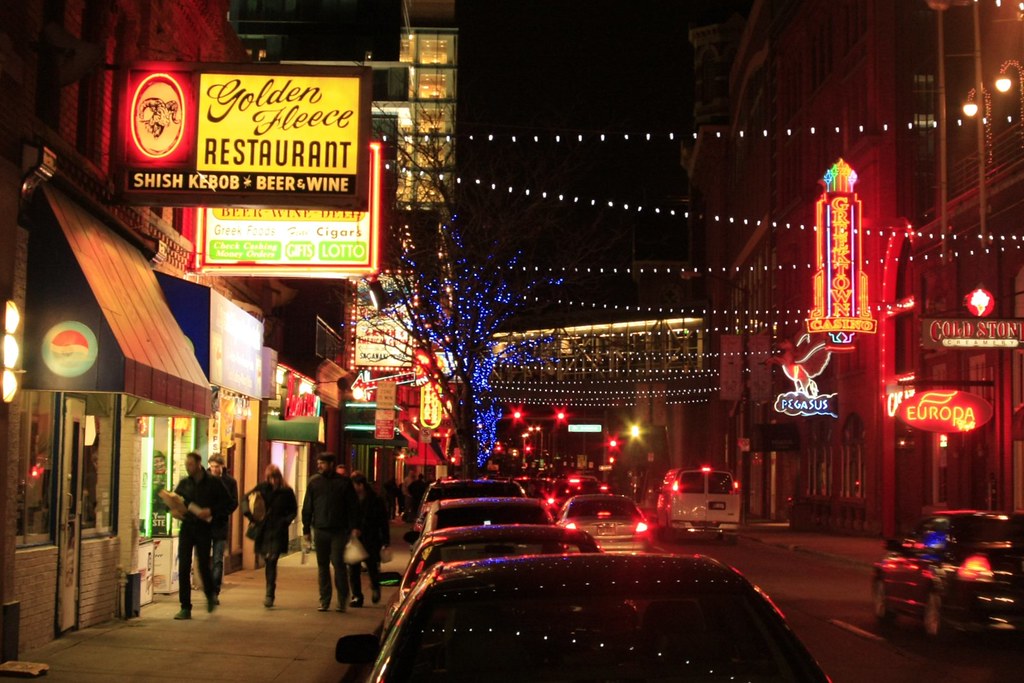
©"Greektown Sat Night" by GollyGforce - Living My Worst Nightmare is licensed under BY 2.0. - Original / License
Detroit has made major strides as a travel destination, with strong food, music, sports, and museum scenes, but nighttime safety still requires planning. In 2024 FBI UCR data, Detroit’s violent-crime rate was about 1,781 per 100,000 residents. OpenCrime’s FBI-based summary listed 203 murders in 2024, equal to roughly 31.2 per 100,000 residents, even as violent crime fell from the previous year. Visitors are generally better off staying near busy downtown, Midtown, and event areas rather than walking through unfamiliar streets late at night. Use secure parking, avoid leaving bags visible in cars, and rely on rideshare or hotel transportation after dark.
Little Rock, Arkansas
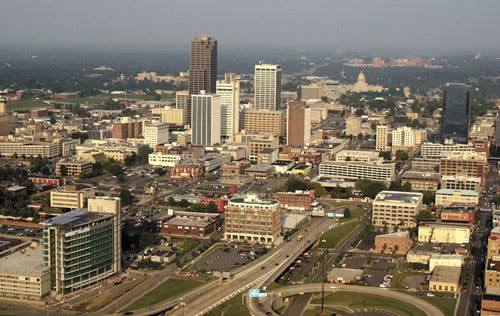
©"Little Rock" by Murrayultra is licensed under BY-SA 3.0. - Original / License
Little Rock offers riverfront attractions, trails, museums, and easy access to Arkansas history, but tourists should be cautious after dark. FBI-based 2024 data showed a violent-crime rate of about 1,672 per 100,000 residents. The city’s murder rate was listed at about 17.6 per 100,000, with 36 murders reported in 2024. The concern for travelers is not every block of the city, but the risk of ending up in isolated areas or poorly lit streets without local knowledge. Visitors should keep nighttime plans centered around active areas, travel in groups, and use a car or rideshare instead of walking long distances.
Baltimore, Maryland

©"Top View of Baltimore's Inner Harbor" by soomness is licensed under BY 2.0. - Original / License
Baltimore has famous attractions like the Inner Harbor, Camden Yards, and historic neighborhoods, but safety can change quickly from one area to the next. FBI-based 2024 data placed Baltimore’s violent-crime rate at about 1,606 per 100,000 residents. OpenCrime’s 2024 summary listed 197 murders, or about 34.8 per 100,000 residents, which remains high even though the city has seen improvements in some recent public-safety measures. Tourists should avoid drifting away from busy entertainment and hotel districts late at night. Keep routes short, stay aware near transit stops and parking areas, and use rideshare when crossing unfamiliar parts of the city after dark.
Cleveland, Ohio
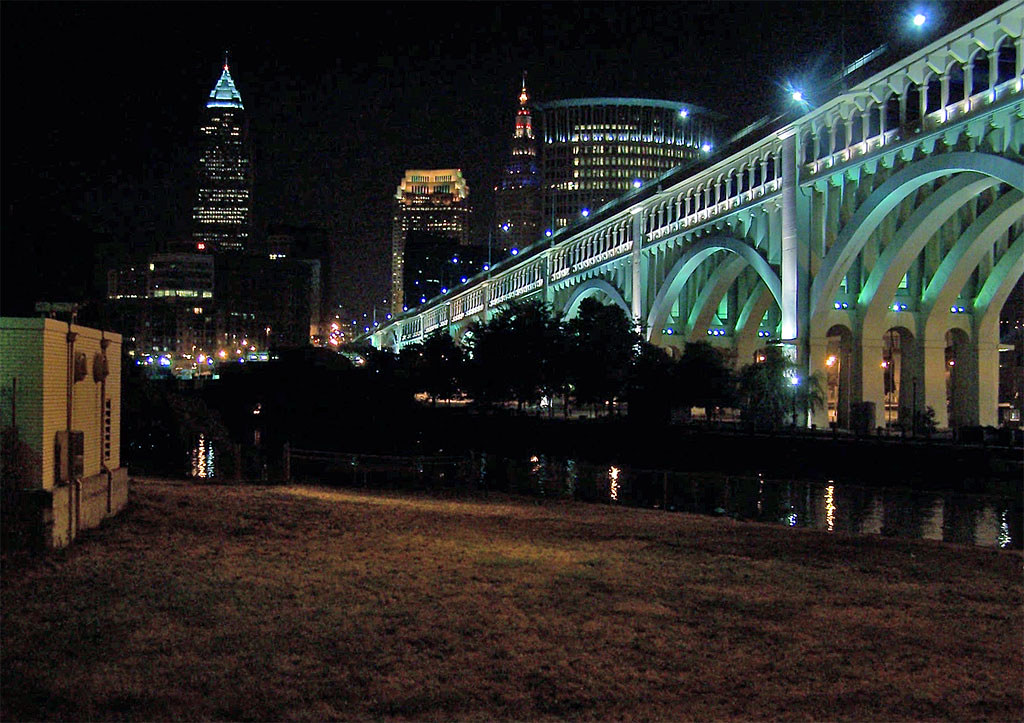
©"Downtown at night" by Slideshow Bruce is licensed under BY 2.0. - Original / License
Cleveland has major draws for visitors, including the Rock & Roll Hall of Fame, lakefront attractions, sports venues, and a strong dining scene. Still, FBI-based 2024 data showed a violent-crime rate of about 1,561 per 100,000 residents. OpenCrime listed 109 homicides in 2024, equal to a murder rate of about 30.1 per 100,000 residents. That makes it a city where tourists should think carefully about where they walk after dark, especially outside the most active downtown and waterfront zones. Use well-lit routes, avoid isolated side streets, and choose transportation instead of walking alone late at night.
Kansas City, Missouri
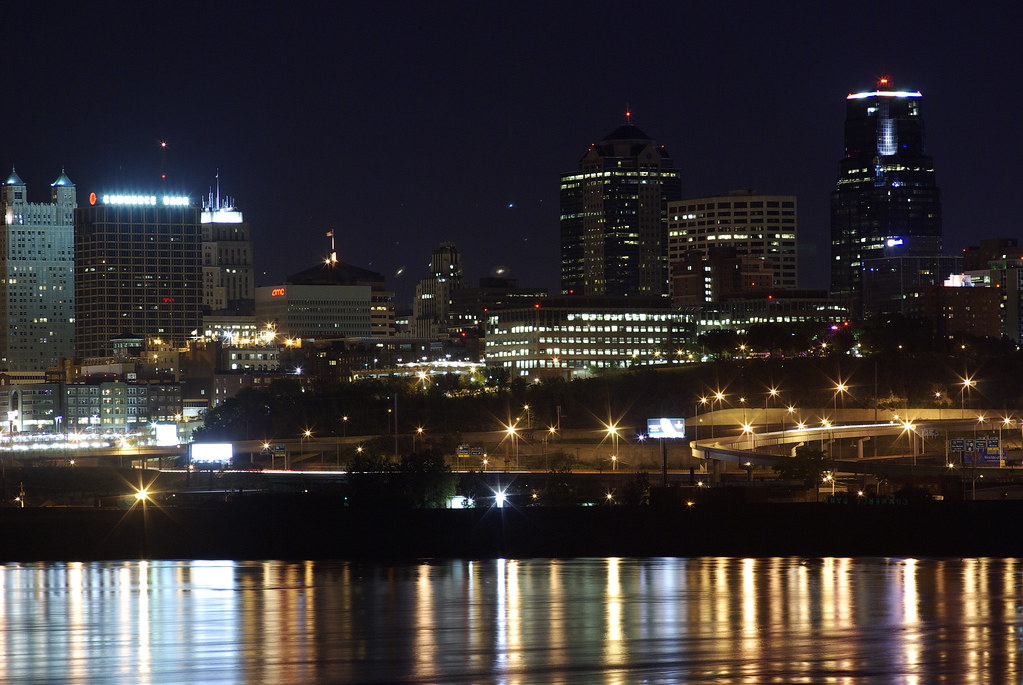
©"KC From Kansas" by deanfotos66 is licensed under BY 2.0. - Original / License
Kansas City draws tourists for barbecue, jazz, sports, fountains, and historic neighborhoods, but visitors should be smart about nighttime movement. FBI-based 2024 data listed Kansas City’s violent-crime rate at about 1,547 per 100,000 residents. The city’s murder and nonnegligent manslaughter rate was about 27.6 per 100,000 in the same dataset. Popular nightlife districts can still be enjoyable, but the risks rise when visitors walk alone between areas or park far from their destination. Stay in active, well-lit districts, travel with others, and use rideshare when moving between entertainment areas after dark.
Milwaukee, Wisconsin
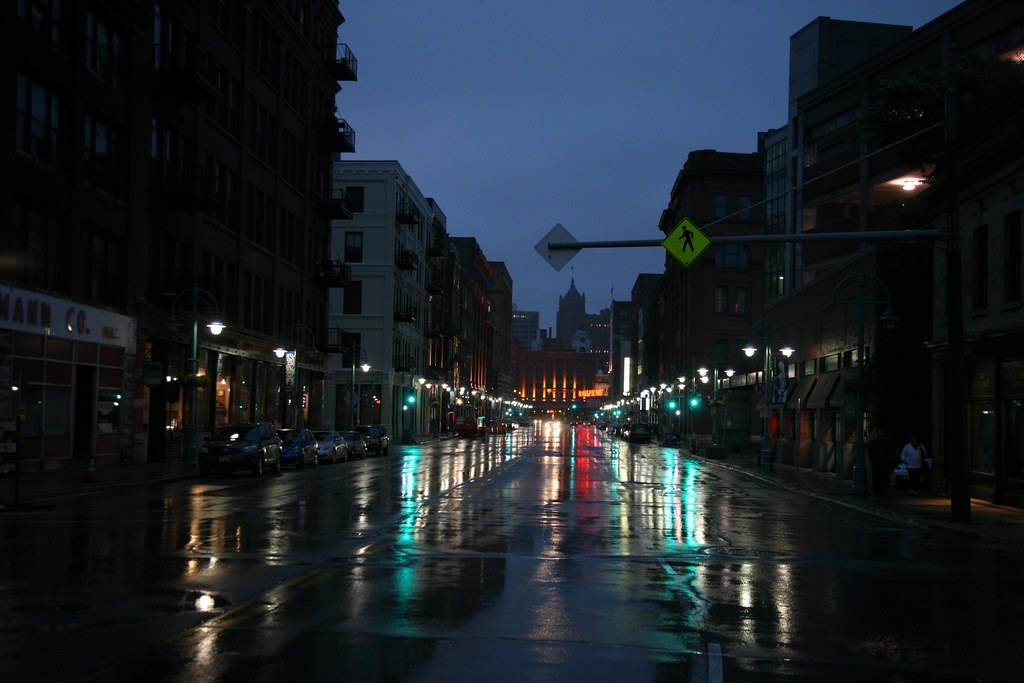
©"Milwaukee (WIS), Historic Third ward, N Water St : ' night highlights '" by (vincent desjardins) is licensed under BY 2.0. - Original / License
Milwaukee is known for its lakefront, breweries, festivals, and historic neighborhoods, but it is another city where tourists should be careful at night. FBI-based 2024 data showed a violent-crime rate of about 1,431 per 100,000 residents. The city’s murder rate was listed at about 23.9 per 100,000 residents, with robbery also a notable share of the violent-crime picture. Visitors should not treat every neighborhood the same, because tourist-heavy areas and residential areas can feel very different after dark. Plan routes in advance, avoid walking alone through quiet blocks, and use secure transportation late at night.
St. Louis, Missouri
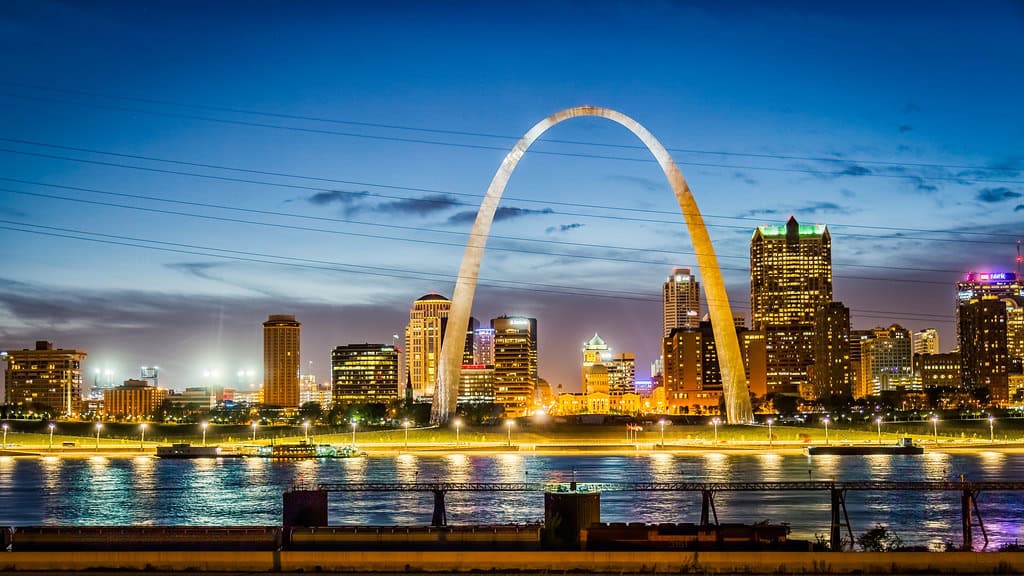
©"Gateway Arch St. Louis from Illinois" by Mobilus In Mobili is licensed under BY-SA 2.0. - Original / License
St. Louis has iconic attractions, from the Gateway Arch to Forest Park, but its city-level violent-crime numbers remain a concern for travelers after dark. FBI-based 2024 data showed a violent-crime rate of about 1,367 per 100,000 residents. OpenCrime’s 2024 summary listed 150 murders, or roughly 54.1 per 100,000 residents, one of the highest murder rates among major U.S. cities. Tourists should be especially cautious when leaving downtown attractions, parking lots, gas stations, or unfamiliar neighborhoods at night. Stick to active areas, travel in groups when possible, and avoid long nighttime walks away from hotels or event venues.
Birmingham, Alabama
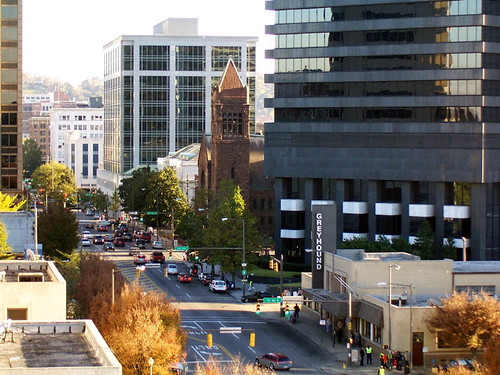
©"Downtown Birmingham, Alabama" by James Willamor is licensed under BY-SA 2.0. - Original / License
Birmingham is a meaningful stop for civil rights history, food, and Southern culture, but tourists should avoid casual late-night wandering in unfamiliar areas. FBI-based 2024 data listed Birmingham’s violent-crime rate at about 1,247 per 100,000 residents. Its murder and nonnegligent manslaughter rate was listed at about 58.9 per 100,000, a very high city-level figure. Visitors can still have a safe and worthwhile trip by staying near well-reviewed hotels, museums, restaurants, and entertainment zones. After dark, it is smarter to drive or use rideshare rather than walk alone between neighborhoods.
Shreveport, Louisiana
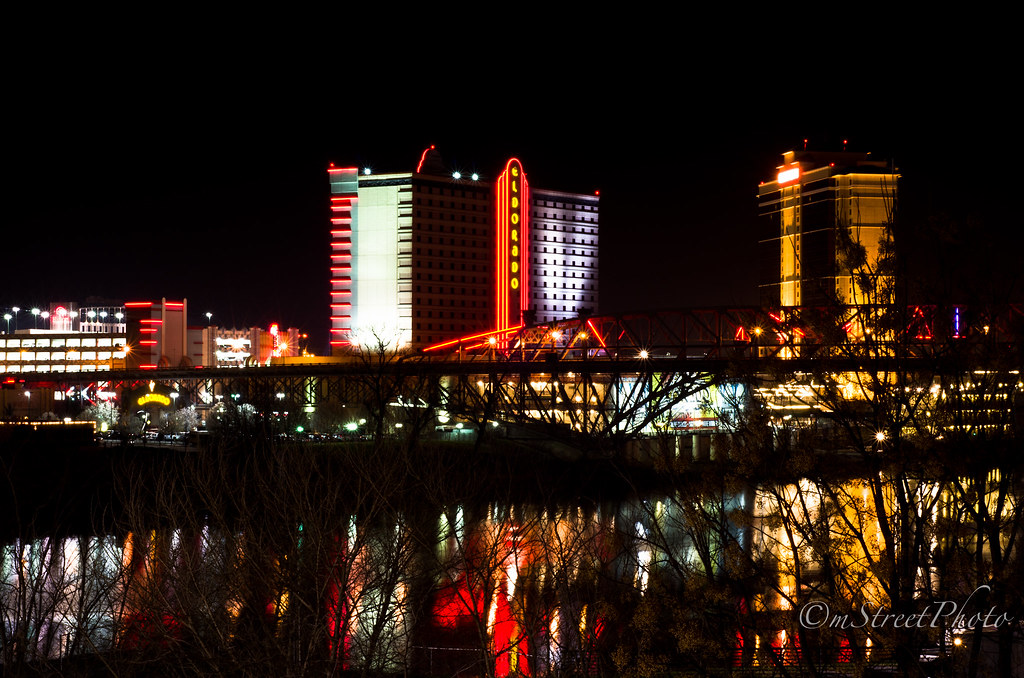
©"Shreveport Casinos" by mStreetPhoto is licensed under BY 2.0. - Original / License
Shreveport has casinos, riverfront entertainment, and Louisiana food culture, but tourists should use caution when exploring at night. FBI-based 2024 data showed a violent-crime rate of about 1,229 per 100,000 residents. The city’s murder rate was listed at about 26.8 per 100,000, with aggravated assault making up a large portion of violent crime. For visitors, the issue is often the gap between busy entertainment zones and quieter surrounding streets. Stay near active venues, avoid isolated walks after dark, and plan rides before leaving restaurants, casinos, or nightlife areas.
Albuquerque, New Mexico
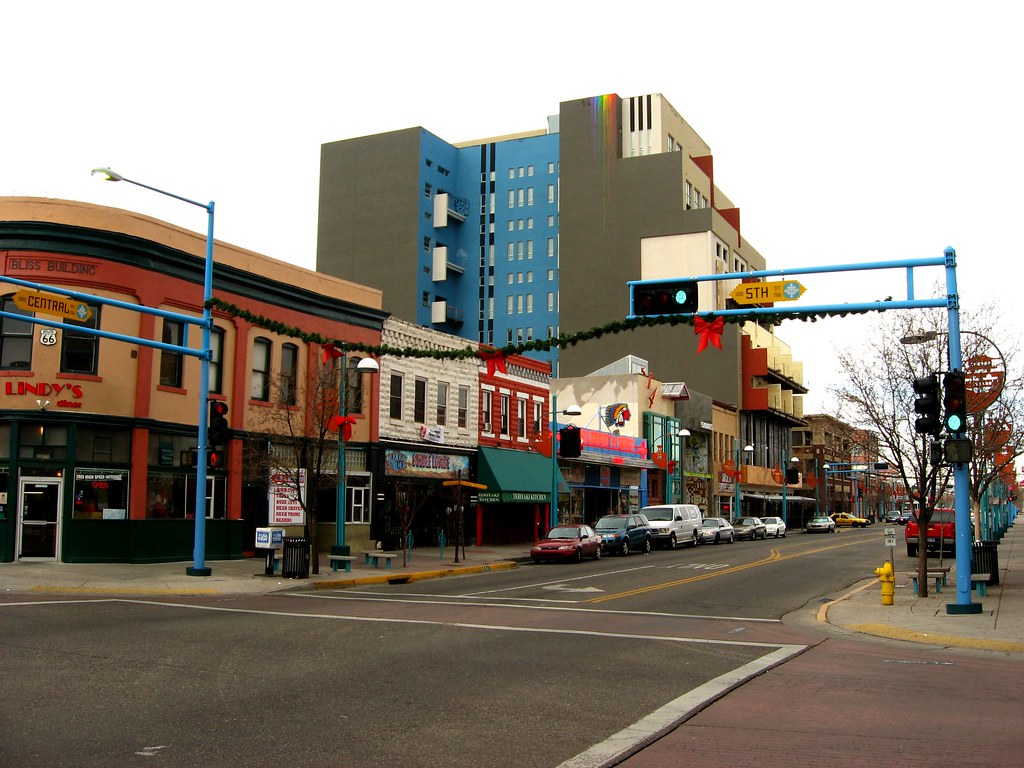
©"Central Avenue, Albuquerque, New Mexico, as seen from KiMo Theatre" by Ken Lund is licensed under BY-SA 2.0. - Original / License
Albuquerque offers desert scenery, Route 66 history, ballooning, and access to New Mexico’s cultural attractions, but nighttime safety should be taken seriously. FBI-based 2024 data listed Albuquerque’s violent-crime rate at about 1,182 per 100,000 residents. Its murder rate was about 18.4 per 100,000, while property crime and vehicle-related theft also stood out in the broader data. Tourists should be cautious around parking lots, motels, gas stations, and isolated streets after dark. Keep valuables out of sight, park in secure areas, and avoid walking alone in unfamiliar neighborhoods late at night.
Minneapolis, Minnesota
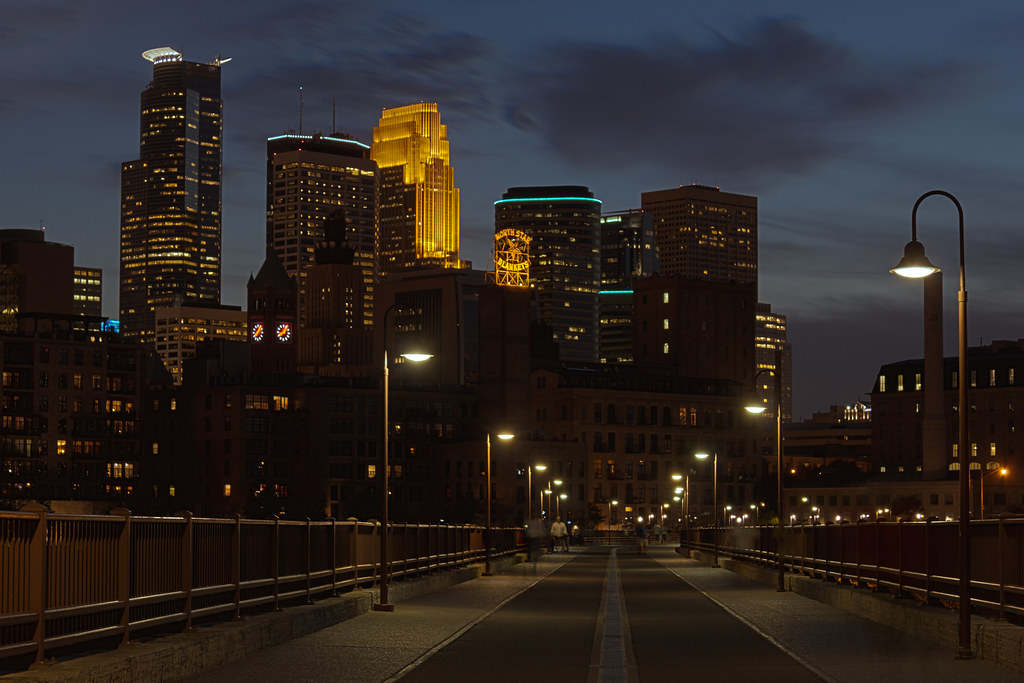
©"Minneapolis skyline HDR" by mrlaugh is licensed under BY-SA 2.0. - Original / License
Minneapolis has lakes, theaters, museums, sports, and restaurants that make it a strong city break, but visitors should plan carefully at night. FBI-based 2024 data put the city’s violent-crime rate at about 1,160 per 100,000 residents. The 2024 murder rate was listed at about 18.0 per 100,000, and robbery was a notable part of the city’s violent-crime profile. Most tourist trips center on specific districts, and those areas can feel very different depending on time of day, events, and crowds. Tourists should avoid long solo walks after dark, especially around quiet transit stops, empty parking areas, and unfamiliar blocks.
Houston, Texas
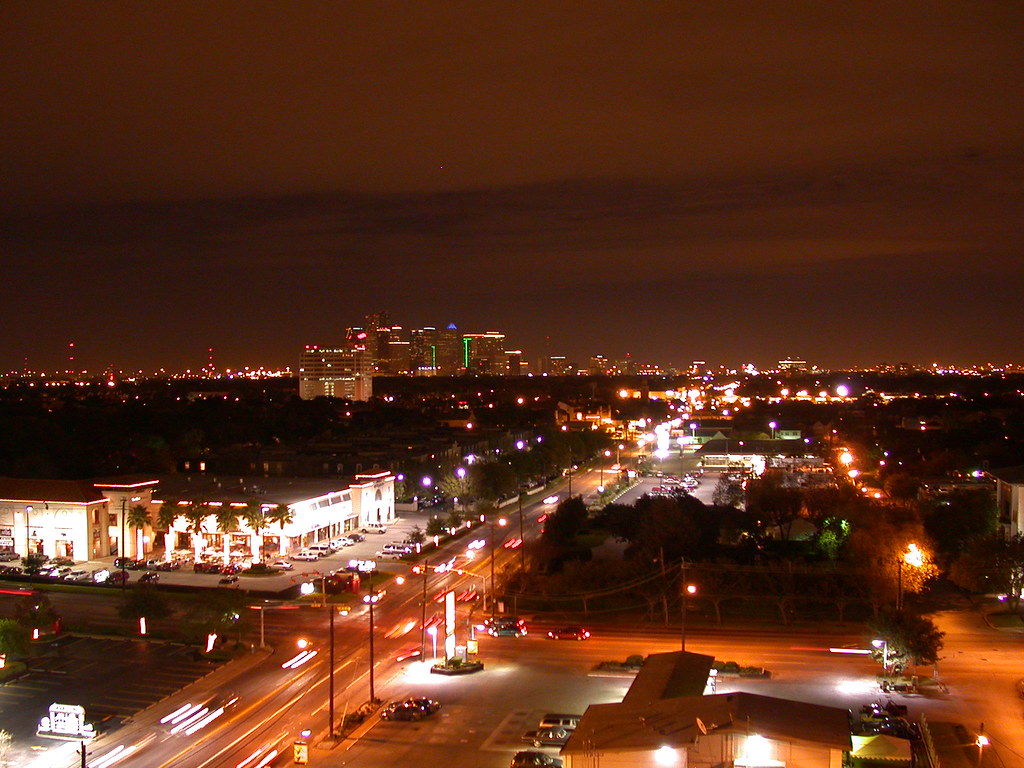
©"Houston Night Life" by billjacobus1 is licensed under BY 2.0. - Original / License
Houston is a huge, spread-out city with world-class food, museums, sports, and business travel, but tourists should avoid treating it like a walkable small downtown after dark. FBI-based 2024 data listed Houston’s violent-crime rate at about 1,148 per 100,000 residents. Because of the city’s size, risk varies widely by neighborhood, street, and time of night. Tourists are more vulnerable when walking alone from parking lots, gas stations, bars, or transit stops in areas they do not know. Use rideshare or a car for late-night movement, keep valuables hidden, and check local guidance before booking hotels far from major activity centers.
Nashville, Tennessee
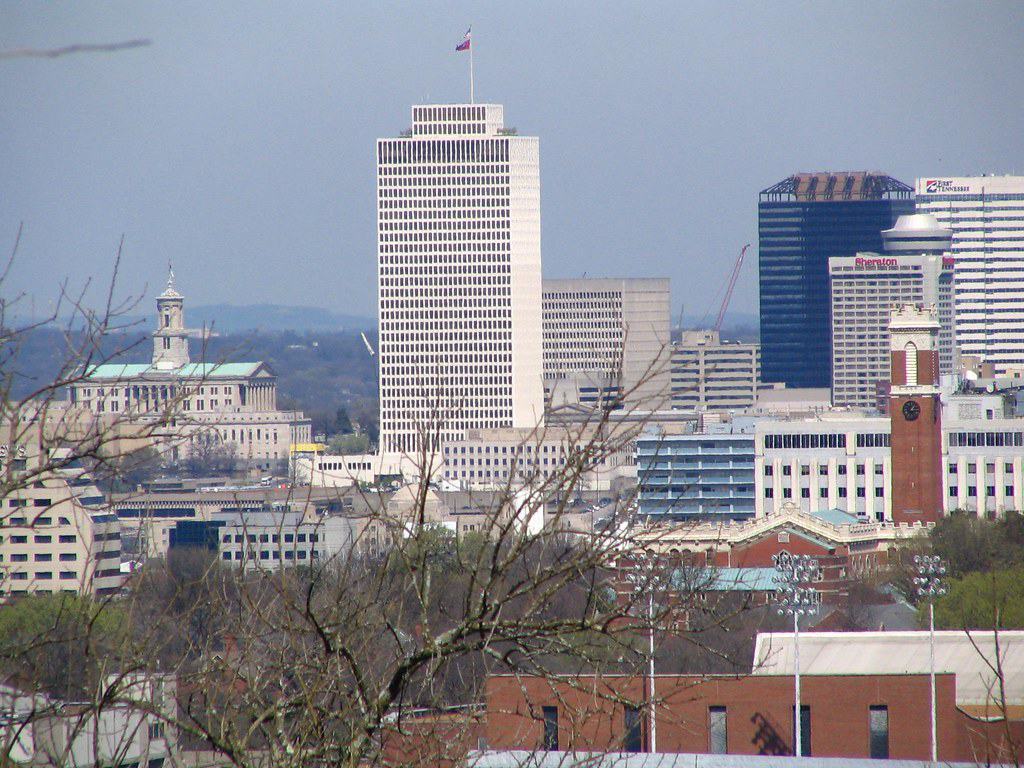
©"View of Downtown Nashville from Love Circle" by SeeMidTN.com (aka Brent) is licensed under BY 2.0. - Original / License
Nashville is one of America’s most popular nightlife cities, but the combination of crowds, drinking, and unfamiliar streets can create problems after dark. FBI-based 2024 data listed the Metropolitan Nashville Police Department area with a violent-crime rate of about 1,124 per 100,000 residents. The same dataset showed a murder and nonnegligent manslaughter rate of about 14.6 per 100,000. Broadway and other tourist areas are busy, but visitors can run into trouble when they wander away from crowded blocks or try to walk back to hotels late at night. Stay with your group, use official rideshare pickup areas, and avoid quiet side streets after leaving bars or music venues.

