
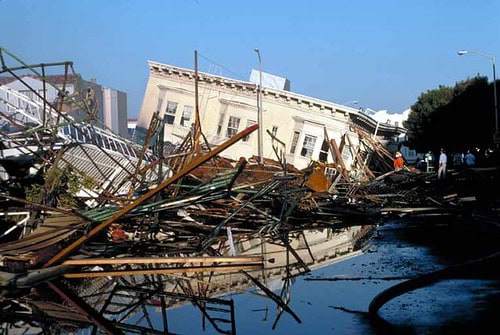
For anyone who lives in or travels through the Pacific Northwest, earthquake risk is more than a California story. While the San Andreas Fault often gets the most attention, one of North America’s most powerful seismic threats sits just off the coast of Washington and Oregon. The Cascadia Subduction Zone stretches from Northern California to British Columbia, where shifting tectonic plates have the potential to produce rare but extremely powerful earthquakes that could affect cities, coastal communities, highways, ports, and popular travel destinations across the region.
The Pacific Northwest is part of the larger Pacific “Ring of Fire,” an active zone where many of the world’s earthquakes and volcanoes occur. But the risk does not stop at the West Coast. Alaska, California, Washington, and Oregon all face serious seismic hazards, while inland regions such as the New Madrid Seismic Zone in the central U.S. have also produced major earthquakes in the past. This gallery looks at the U.S. states most at risk, why the Pacific Northwest plays such an important role in the conversation, and what makes certain fault lines especially important to understand.
15. Massachusetts
©BestStockFoto/Shutterstock.com
Massachusetts has an Earthquake Index of 0.70, which means they happen infrequently, but more than other states.
14. Rhode Island

©iStock.com/Vladimir Molnar
Rhode Island has an Earthquake Index of 0.70, which means they happen infrequently, but more than other states.
13. Idaho

©Peter Hermes Furian/Shutterstock.com
Idaho has an Earthquake Index of 0.74, which means they don’t happen often, with several that people do not feel throughout the day.
12. New Jersey

©"New Jersey Sign" by shinya is licensed under BY-ND 2.0. - Original / License
New Jersey has an Earthquake Index of 0.80. Earthquakes in New Jersey do not occur frequently, however, there have been three earthquakes with a magnitude of 3.8 since 2023 and two of them of magnitudes less than 3.0.
11. Connecticut

©SevenMaps/Shutterstock.com
Connecticut has an Earthquake Index of 0.94, which means they happen infrequently, usually in the East Haddam and Plainfield areas of the state.
10. New Hampshire
©BestStockFoto/Shutterstock.com
Although New Hampshire has an earthquake index of 1.01, the state has had several big earthquakes (with a 5.0 magnitude or higher) happen in the last 100 years.
9. Colorado

©Maxger/iStock via Getty Images
With an Earthquake Index of 1.32, Colorado is quite earthquake-prone. Comparatively with other states like California, and Nevada, they happen infrequently. However, about a few hundred earthquakes do happen in Colorado.
8. Delaware
©SevenMaps/Shutterstock.com
Delaware has an Earthquake Index of 1.54. The state has had 58 earthquakes occur since 1871, which is quite seldom.
7. Montana
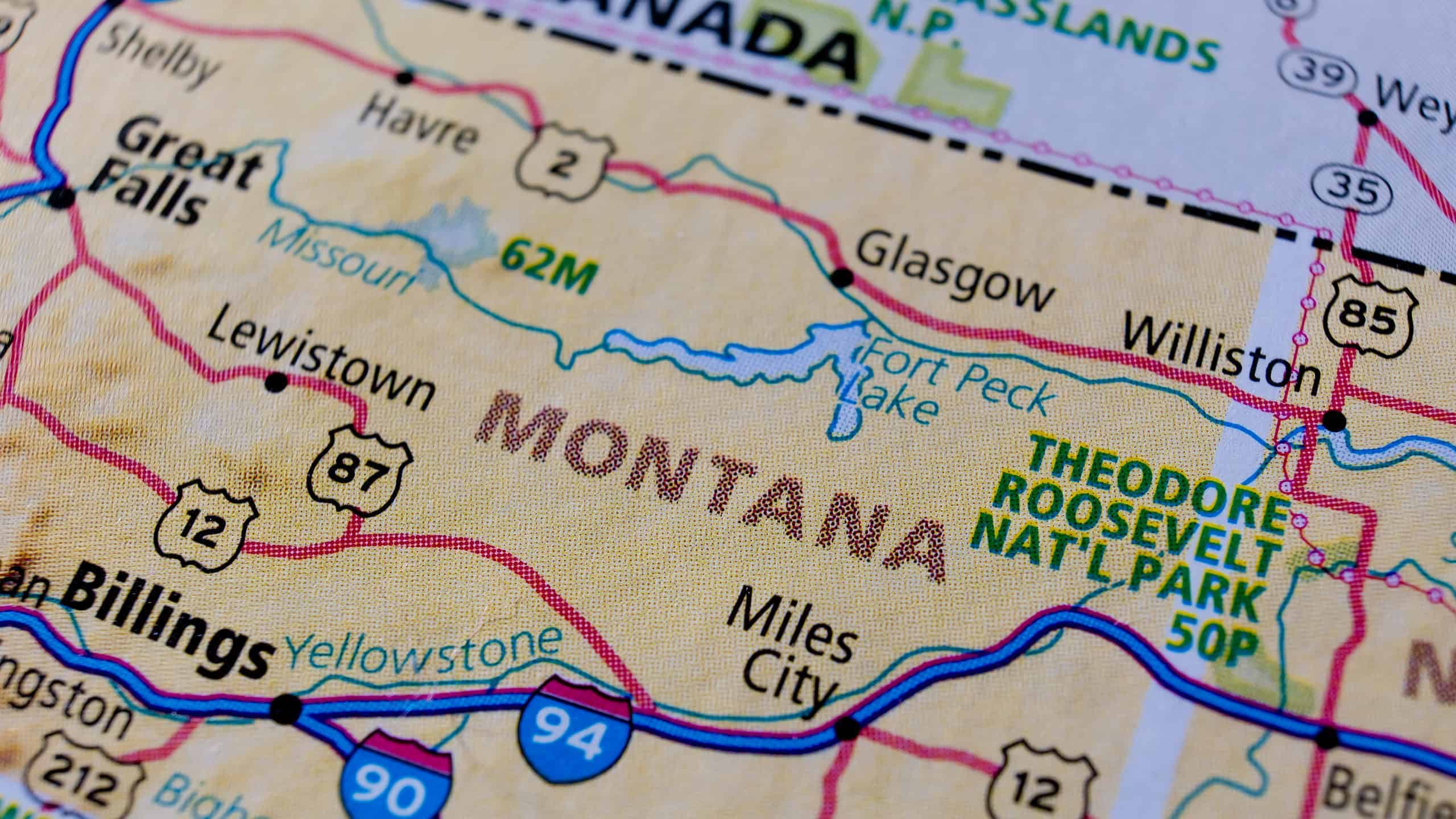
©Leo_nik/Shutterstock.com
Even though big earthquakes are not common in Montana, small earthquakes still happen throughout the year. There’s about an average of seven to 10 earthquakes every day in the state.
6. Utah
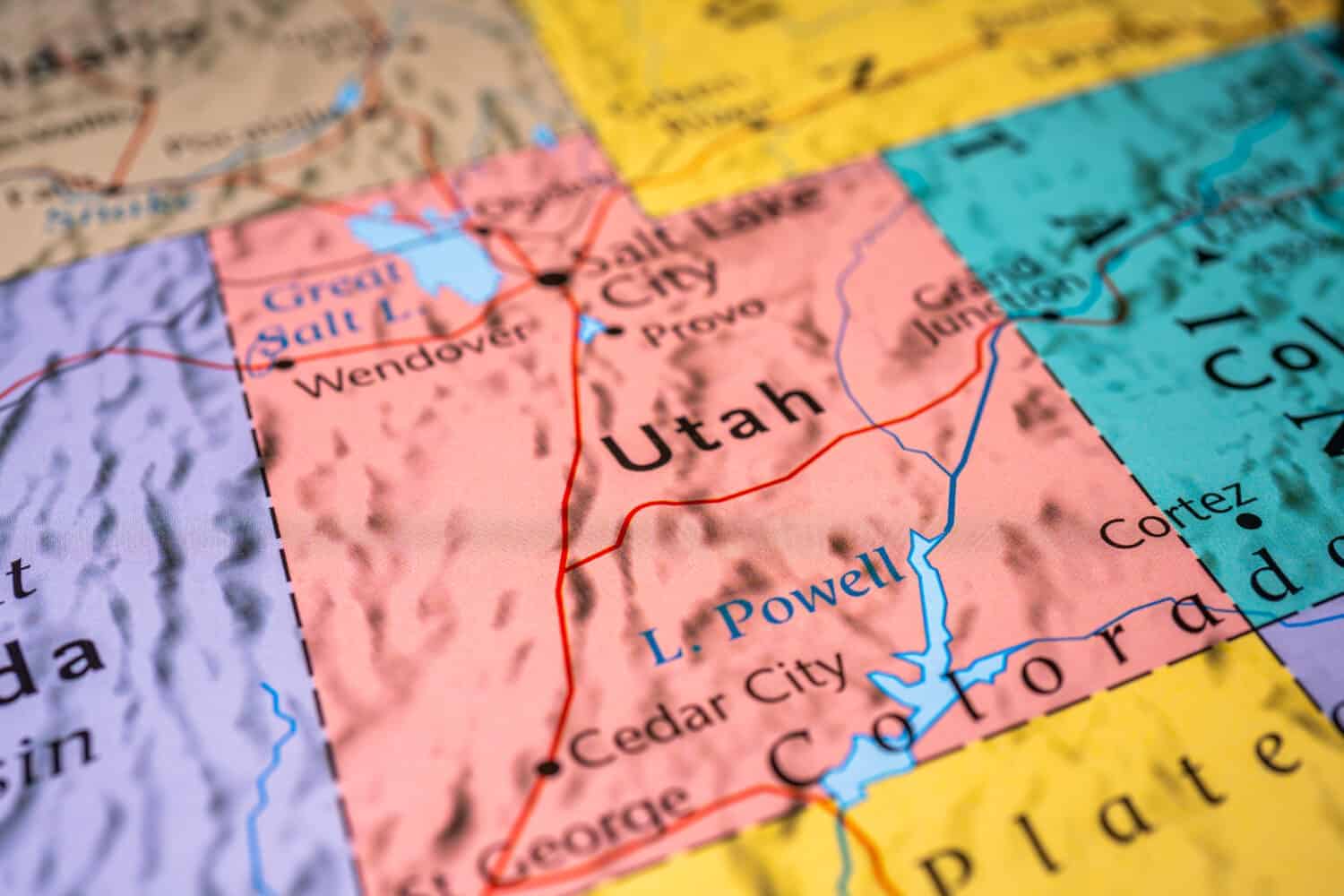
©Alexander Lukatskiy/Shutterstock.com
Every year, there are about 1,500 earthquakes that occur in Utah. Only 2% of them are felt, however. Furthermore, Utah has an Earthquake Index of 2.02.
5. Nevada

©iStock.com/gguy44
Because of its proximity to California, Nevada also gets a lot of earthquakes. It is one of the most earthquake-prone states in the country with an Earthquake Index of 2.88.
4. Alaska
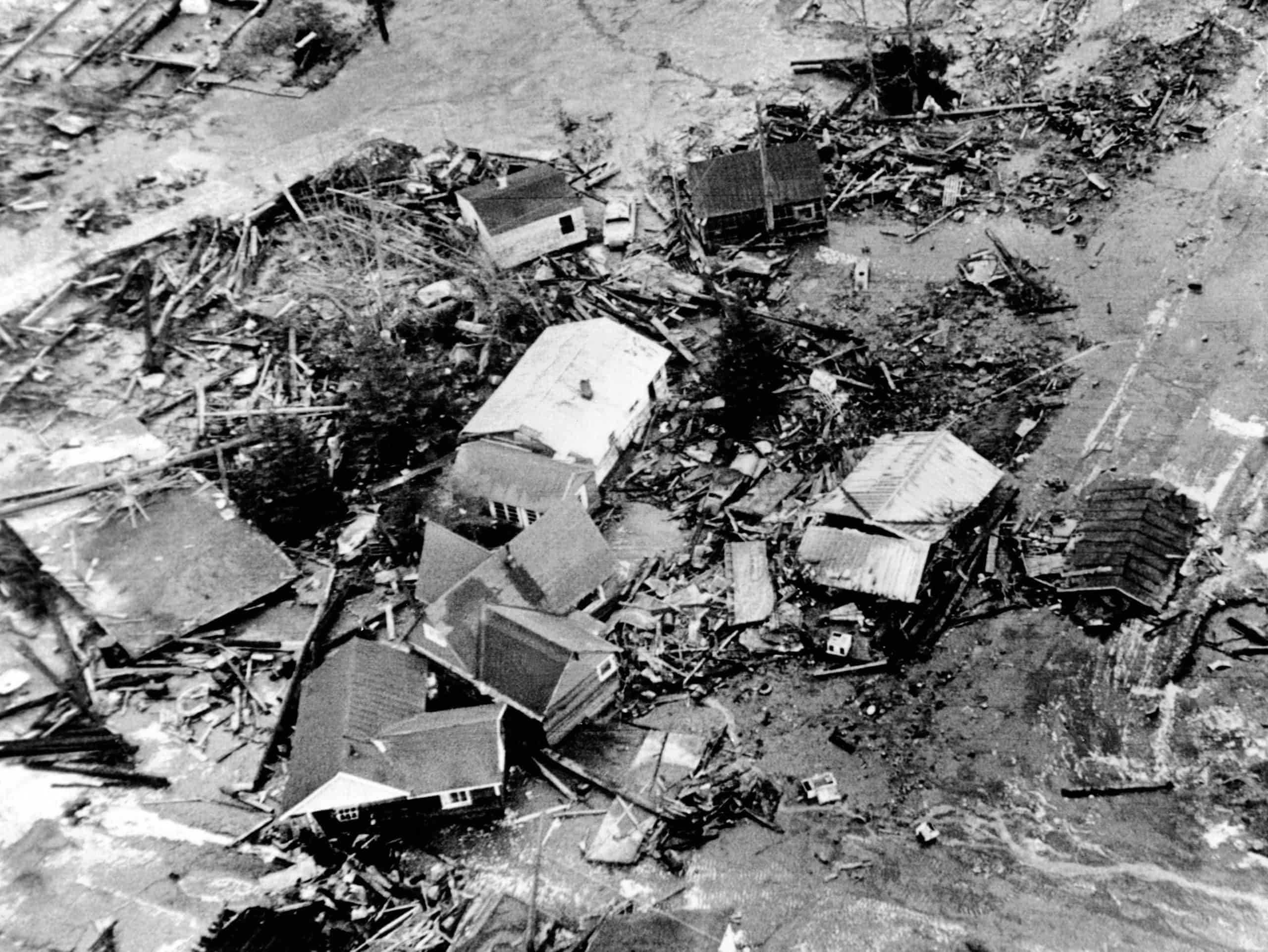
©Everett Collection/Shutterstock.com
Earthquakes are quite common in Alaska, with five to six major ones every year. However, about a thousand earthquakes occur in Alaska every month.
3. Washington
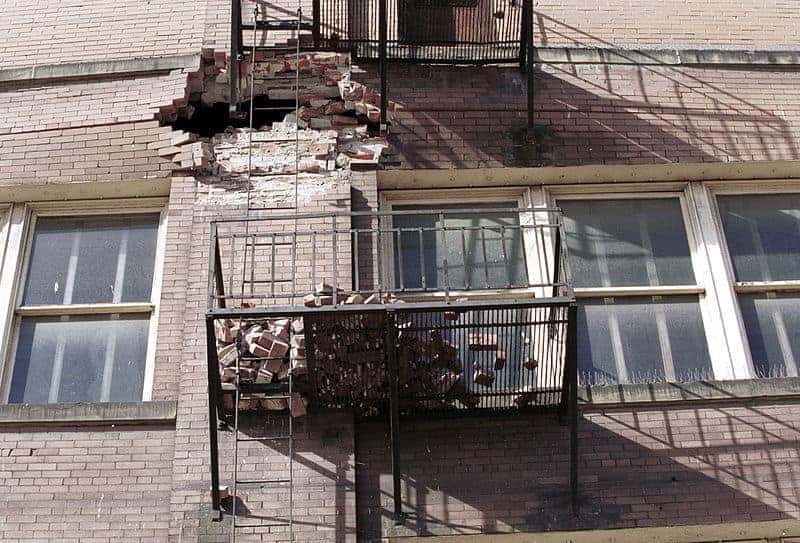
©Kevin Galvin, Public domain, via Wikimedia Commons - Original / License
Earthquakes occur every single day in the state of Washington, some of them can be felt, and others cannot. The largest earthquake to ever hit Washington was in January 1700 with a magnitude of 9.0.
2. Hawaii

©Henry L. Chase / Public domain, via Wikimedia Commons - Original / License
With an earthquake index of 13.37, Hawaii comes at number two on the list. Since 1823, Hawaii has had an average of about 100 earthquakes of a magnitude of 3.0 or higher. The state has also had 10 earthquakes with a magnitude of 4.0, and one earthquake with a magnitude of 5.0. With a magnitude of 7.9, Hawaii experienced its largest earthquake in history in 1868.
1. California
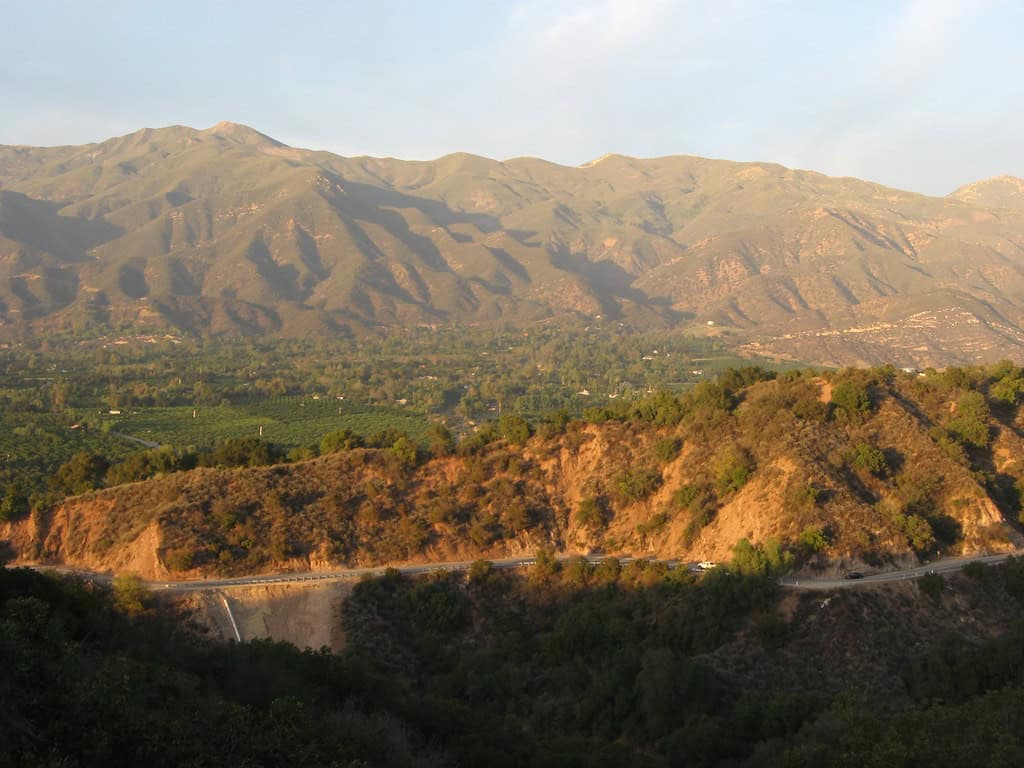
©"Ojai, California (26)" by Ken Lund is licensed under BY-SA 2.0. - Original / License
We all know that the Golden State is the most earthquake-prone state in the country. It has an earthquake index of 21.80, which is the highest in the nation. The largest earthquake ever to hit California was the San Francisco Earthquake in 1906. It nearly destroyed the entire city with subsequent fires, and more than 3,000 people died. San Diego, San Jose, and Vallejo are the three cities that are most at risk of earthquakes.

