
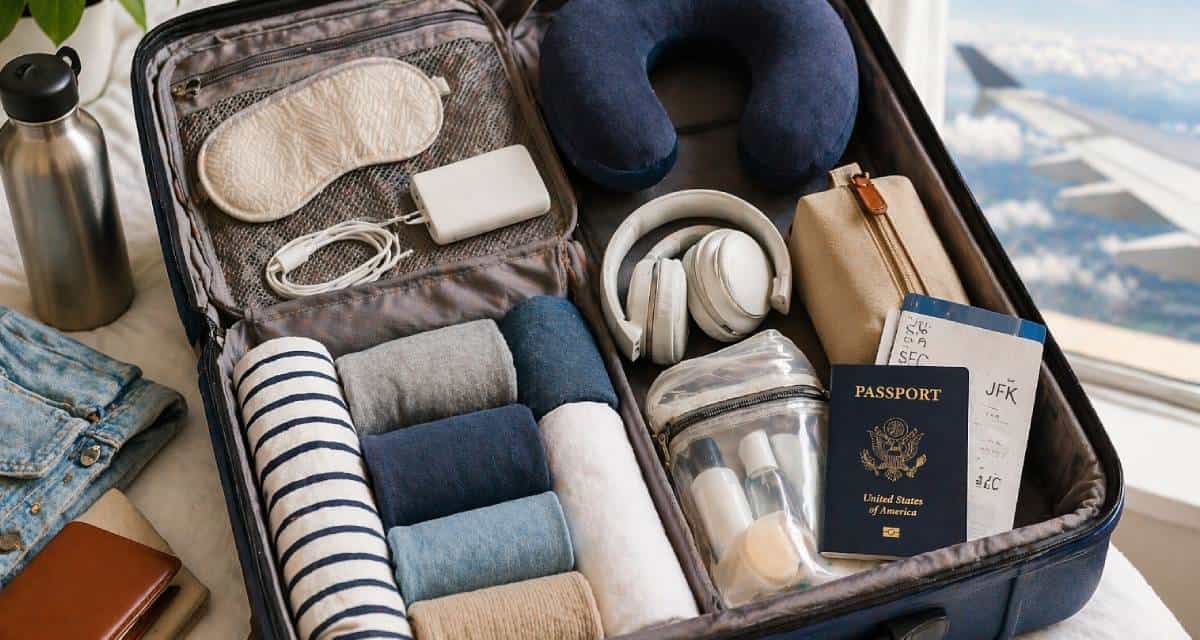
Packing for a long-haul flight takes more thought than a quick weekend trip. From choosing what goes in your carry-on to planning for comfort during hours in the air, small decisions can make a big difference in how smoothly your journey goes. Travelers who fly often know that the right packing strategy can help reduce stress, avoid delays, and make long flights far more manageable.
Over time, airline crew members and frequent flyers have developed practical systems for staying organized and prepared. Their advice covers everything from keeping essentials within reach to packing in a way that makes airport security and in-flight needs easier to handle. These tips are shaped by real experience and are designed to help travelers stay comfortable and efficient from departure to arrival.
This guide brings together packing advice from trusted travel sources and seasoned travelers, highlighting simple ways to improve your routine before your next trip. Whether you’re heading overseas or preparing for an overnight flight, these insights can help you pack smarter and travel with more confidence.
Start with a Packing List
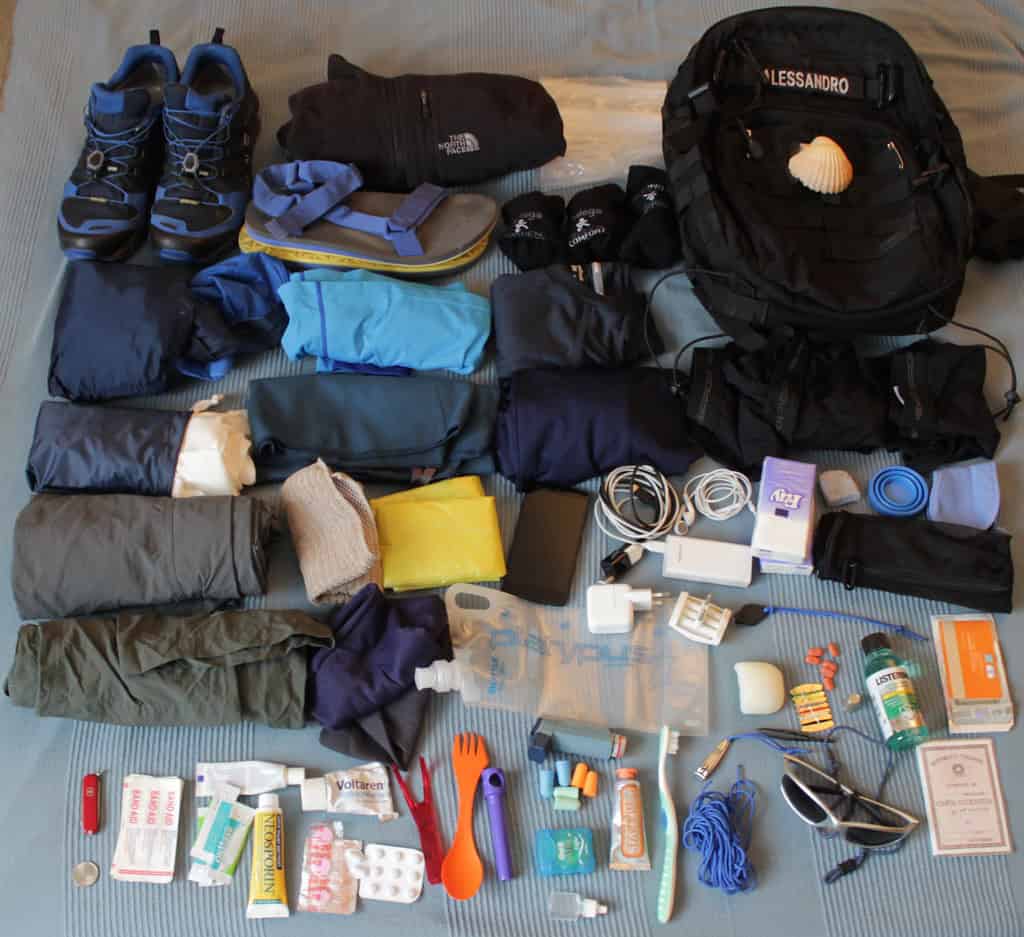
©"Packing List Camino de Santiago May/June 2015" by liquene is licensed under BY 2.0. - Original / License
Frequent travelers swear by having a packing list ready, either digital or on paper. It reduces the chance of forgetting essentials when you’re stressed or rushing, which can happen easily before a long flight. Many seasoned flyers create separate lists for carry-on and checked bags, keeping everything sorted. A packing list also helps with repacking quickly during multi-leg trips.
Use Packing Cubes to Stay Organized
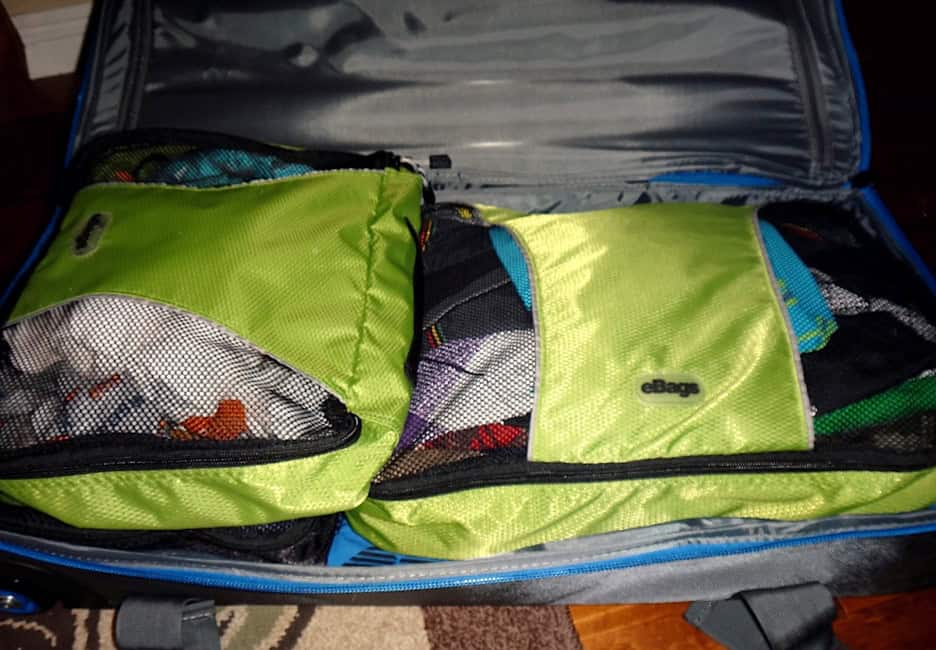
©"eBags Packing Cubes to Organize a Suitcase" by AngryJulieMonday is licensed under BY 2.0. - Original / License
Packing cubes help divide your clothing by category or day, as well as compress bulky items. These simple travel additions make it easier to find what you need without disrupting your carefully organized suitcase. Frequent travelers often pack outfits per cube to avoid rummaging mid-trip, and cubes also makes customs inspections faster if your bag is searched.
Keep a Dedicated In-Flight Comfort Kit
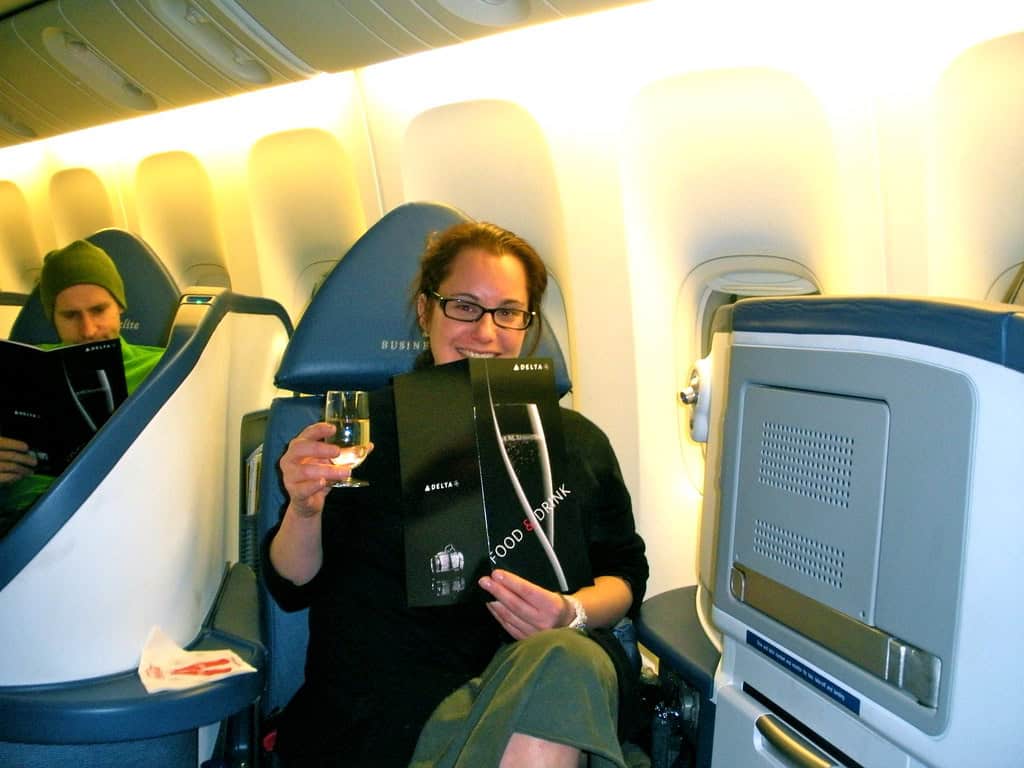
©"LONG Flight" by Studio Sarah Lou is licensed under BY 2.0. - Original / License
Long flights can leave you dry, sore, and restless, so many frequent flyers pack a kit of their own unique essentials. This might include lip balm, hand lotion, sleep mask, socks, and noise-canceling headphones. Keeping it all in one pouch makes it easy to reach without standing up, so be sure to keep this kit in your carry on rather than checked bag.
Layer Up, But Don’t Bulk Up
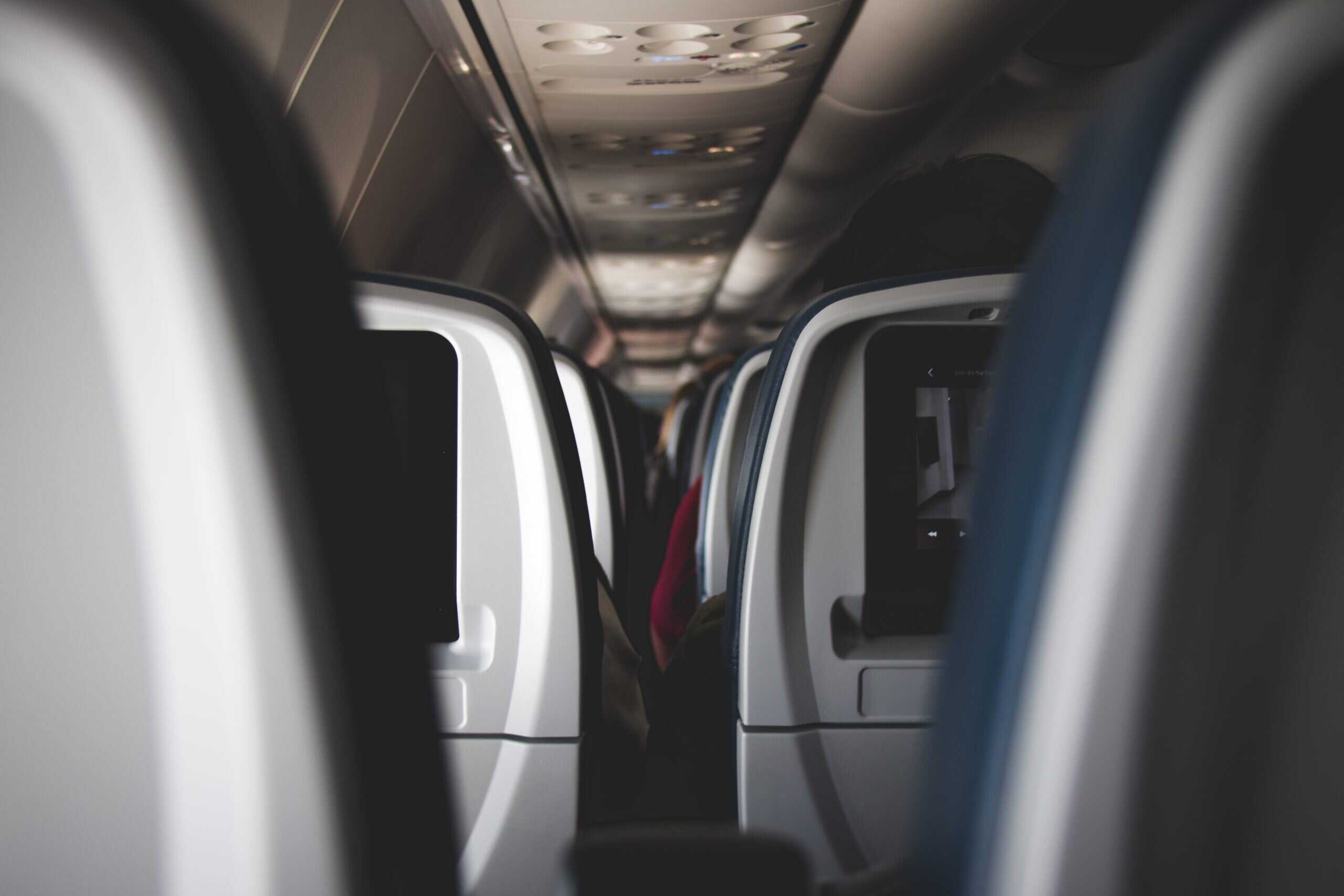
©"Plane seat rows (Unsplash)" by Steve Halama steve3p_0 is licensed under CC0 1.0. - Original / License
Experienced travelers avoid placing bulky items in their luggage, opting to wear layers on the plane instead. Cabin temperatures can swing wildly from freezing to stuffy, which is why layers can be both a blessing and a curse. A light jacket, scarf, and breathable base layer will give you flexibility and warmth. It also saves precious suitcase space.
Choose the Right Carry-On Bag
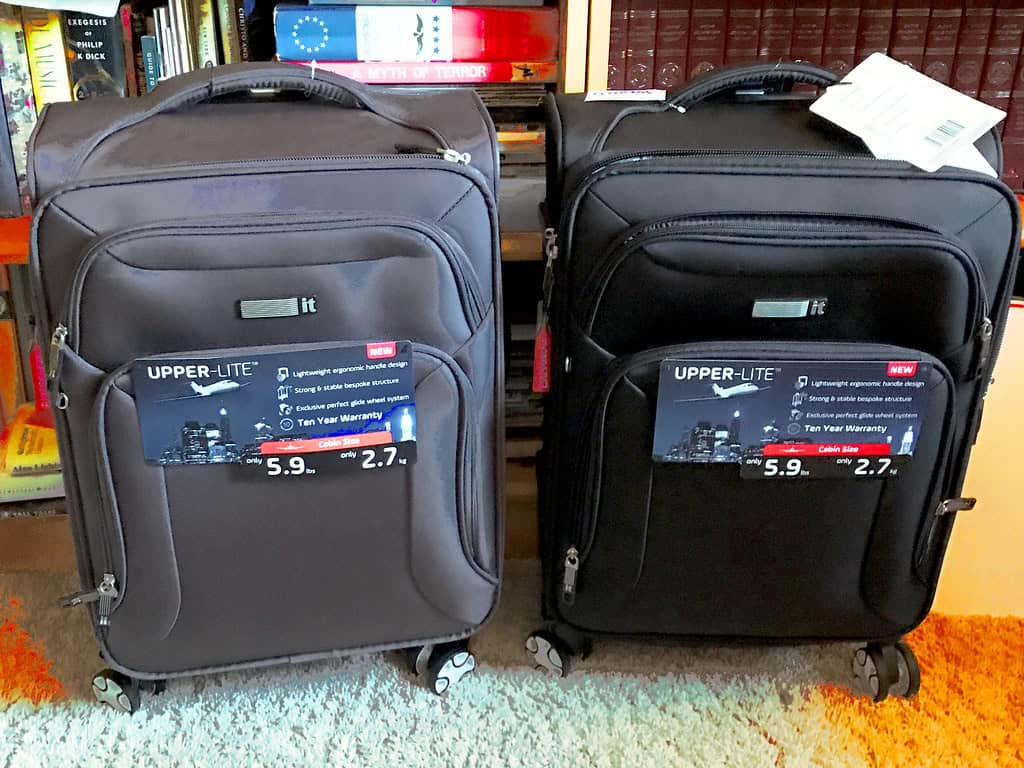
©"His and Hers Carry-on Bags" by byzantiumbooks is licensed under BY 2.0. - Original / License
Not all carry-ons are created equal, and frequent travelers look for function over fashion every time. Look for bags with multiple compartments, external pockets, and a laptop sleeve if you’re bringing your computer. Soft-sided bags offer more give, while hard-shell suitcases protect fragile gear. Backpack-style carry-ons are a favorite for hands-free airport navigation, but it all depends on your needs.
Pack Snacks You’ll Actually Eat
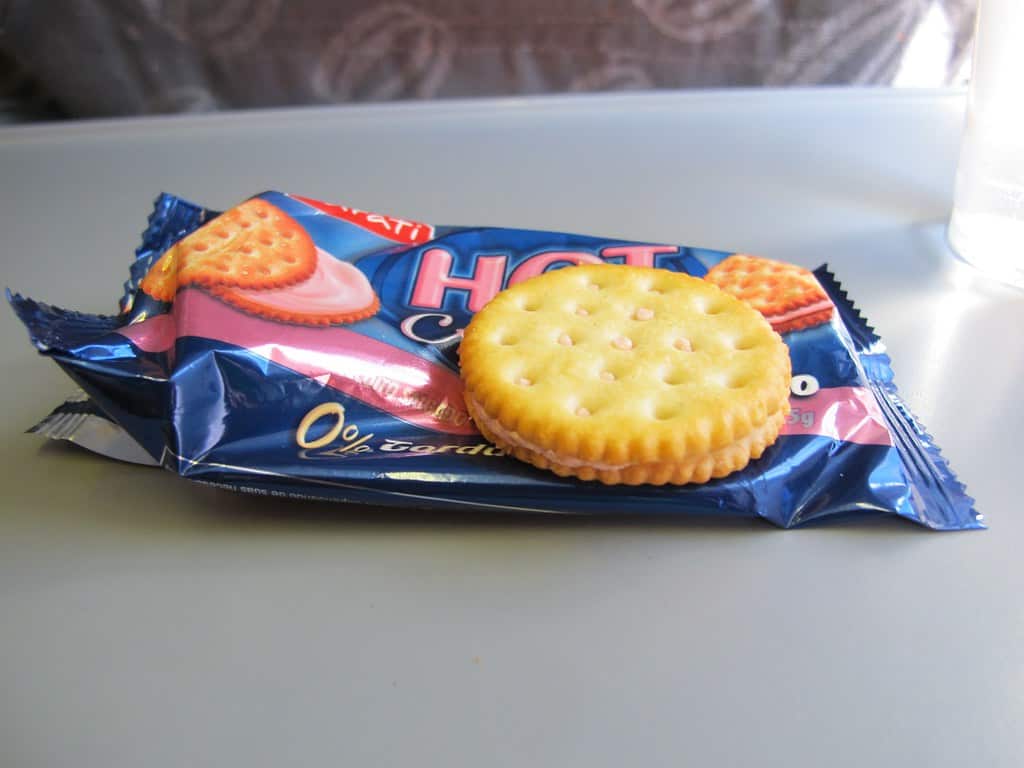
©"Flight Snack" by jennalex is licensed under BY 2.0. - Original / License
Airport food is consistently overpriced and often underwhelming. Frequent travelers pack their favorite snacks like granola bars, trail mix, or even instant noodles. It’s a smart way to avoid hunger pangs during unexpected delays or in-flight hunger on long journeys. Choose non-perishable items that don’t require refrigeration, and remember that flight attendants always have hot water should you need it.
Hydration Is a Must

©"water bottle" by Muffet is licensed under BY 2.0. - Original / License
Long flights are incredibly dehydrating, especially on overnight routes or if you opt for an in-flight alcoholic beverage. Frequent travelers bring collapsible water bottles and fill them after making it through TSA security. Some even pack electrolyte tablets or rehydration powders. Staying hydrated helps with jet lag, skin health, and overall comfort, which is why most jetsetters recommend keeping it in mind.
Use Compression Socks for Circulation
©"SSJ100_VIP-1" by SuperJet International is licensed under BY-SA 2.0. - Original / License
Compression socks aren’t just for older passengers; they’re actually a consistent favorite of frequent flyers. They reduce swelling and prevent blood clots on long flights, helping you arrive feeling less fatigued and more mobile. Choose a pair with medical-grade compression for maximum benefit, and bring an extra pair of regular socks should your compression options get too uncomfortable.
Pack an Extra Set of Clothes in Your Carry-On
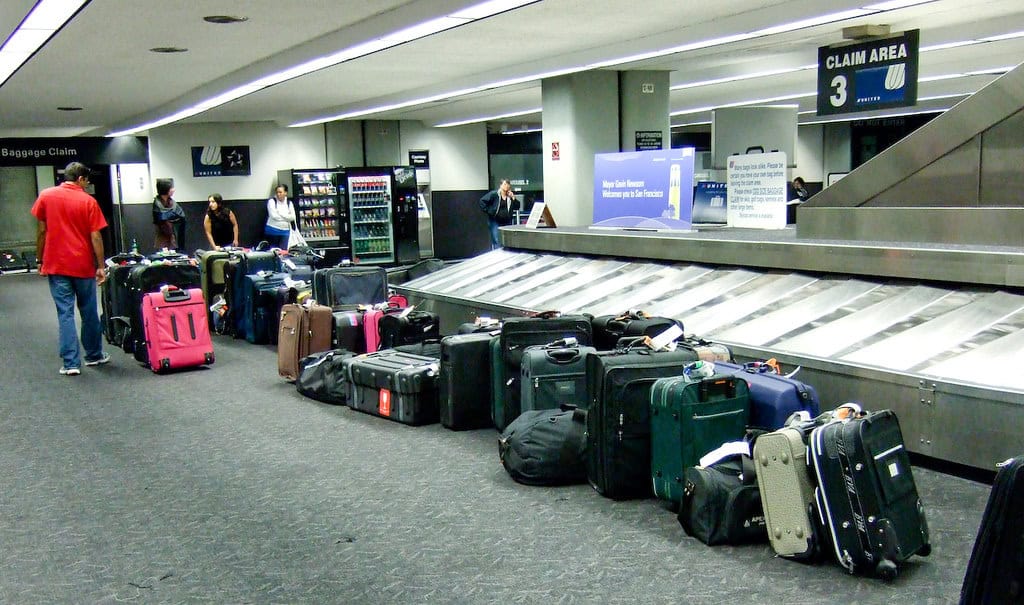
©"'Please report any unattended luggage.'" by ToastyKen is licensed under BY 2.0. - Original / License
Much like packing extra socks, an entire extra outfit isn’t a bad idea either. Checked luggage can get delayed or rerouted, so seasoned travelers always carry a backup outfit. Include underwear, a clean shirt, and, of course, socks. It’s especially useful after red-eyes or layovers, as freshening up mid-trip can make a world of difference.
Bring a Lightweight Travel Blanket or Shawl
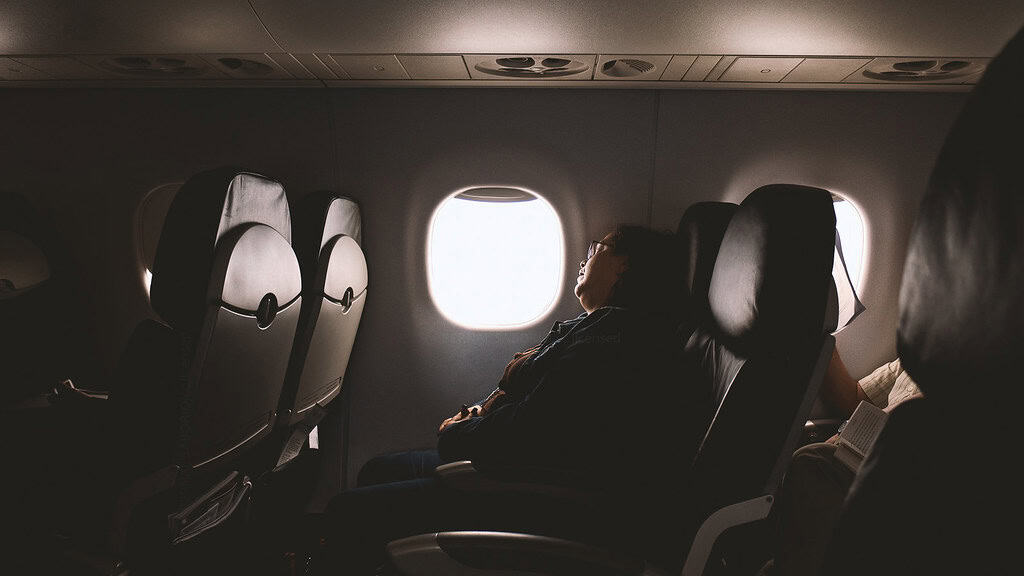
©"flyer" by Bernal Saborio G. (berkuspic) is licensed under BY-SA 2.0. - Original / License
Airplane blankets are often thin or unavailable, especially on budget airlines or full flights. A soft travel shawl or compact blanket provides warmth and privacy. It can also double as a pillow, bringing you the comfort you need when you’re in the air for 10+ hours.
Keep Electronics and Chargers Accessible
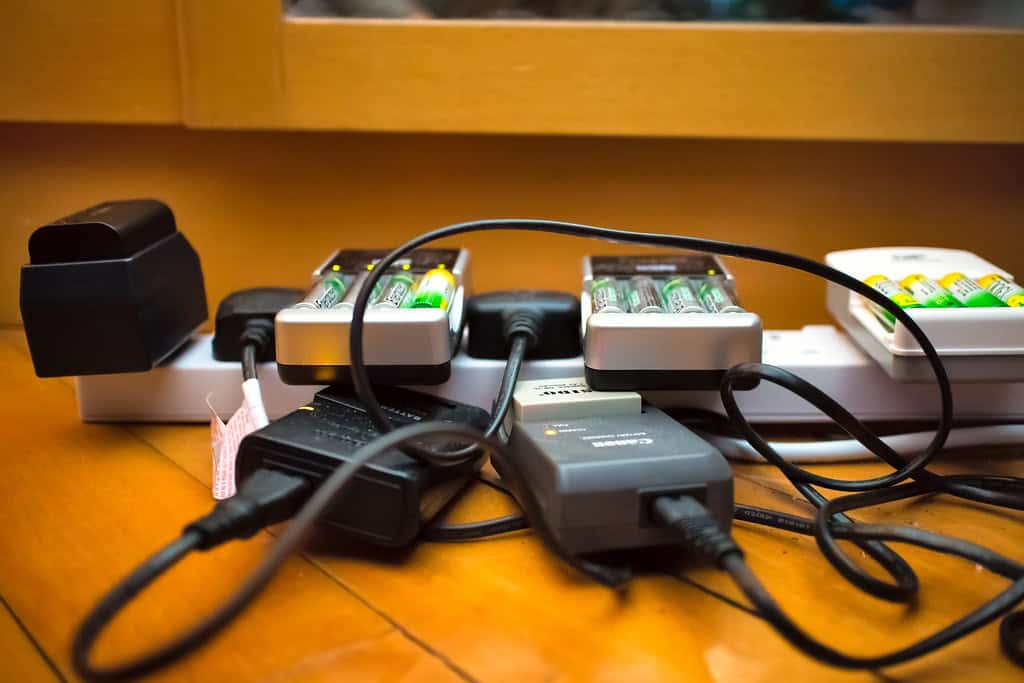
©"“Cable management is for pussies” (paraphrasing Olek) / Order + Chaos / Nerds Opinions / SML.20130217.EOSM.02267.P1" by See-ming Lee (SML) is licensed under BY 2.0. - Original / License
Frequent flyers never bury their chargers or tech gear deep in their bag. Outlet availability varies between airlines and aircraft, but having cables and devices easily accessible avoids stress during layovers and boarding. Many use a tech pouch or organizer to keep cords untangled, especially if they know there will be outlets available on their flights.
Minimize Liquids and Maximize Solids
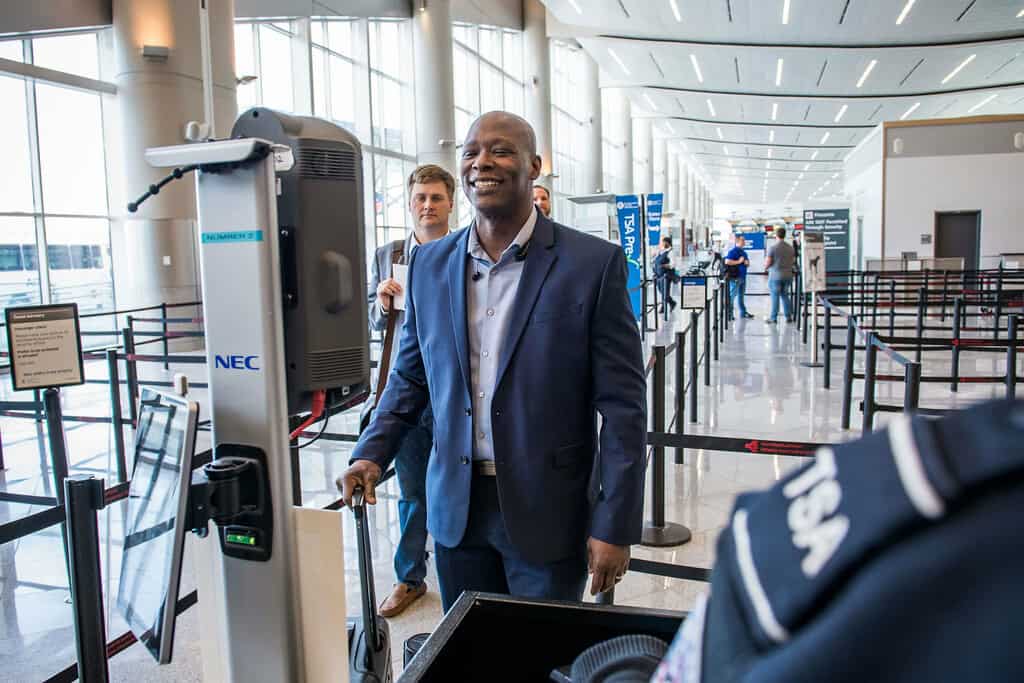
©"Customer uses facial recognition as identification at TSA security checkpoint" by DeltaNewsHub is licensed under BY 2.0. - Original / License
TSA regulations on liquids remain strict, so travelers prefer solid alternatives. This includes bar soap, shampoo bars, solid perfume, and toothpaste tablets. All of these options tend to take up less room and eliminate potential leaks. And, as a bonus, they often mean you can skip checking a bag.
Pack a Pen and Paper
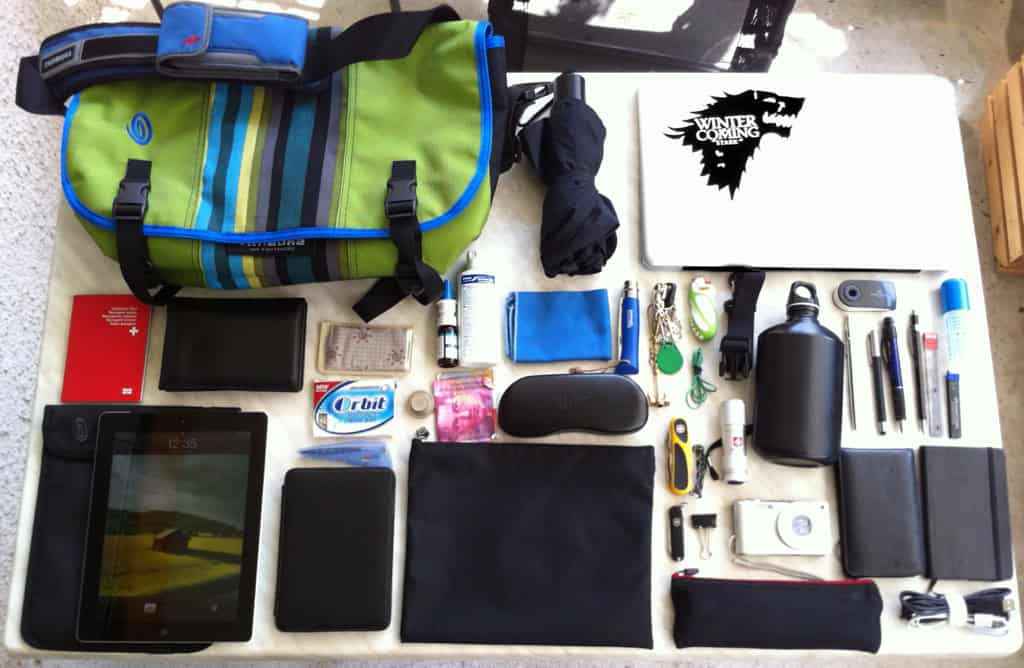
©"What's in my bag August 12, 2012" by Do8y is licensed under BY-ND 2.0. - Original / License
A surprising number of frequent travelers swear by carrying a pen and small notepad, especially if traveling internationally. You’ll need one for customs forms or jotting down important addresses. It’s also useful for passing notes if your seatmate is asleep or for journaling in-flight thoughts. Don’t rely solely on your phone, especially if you don’t have charging access.
Don’t Forget Sleep Essentials
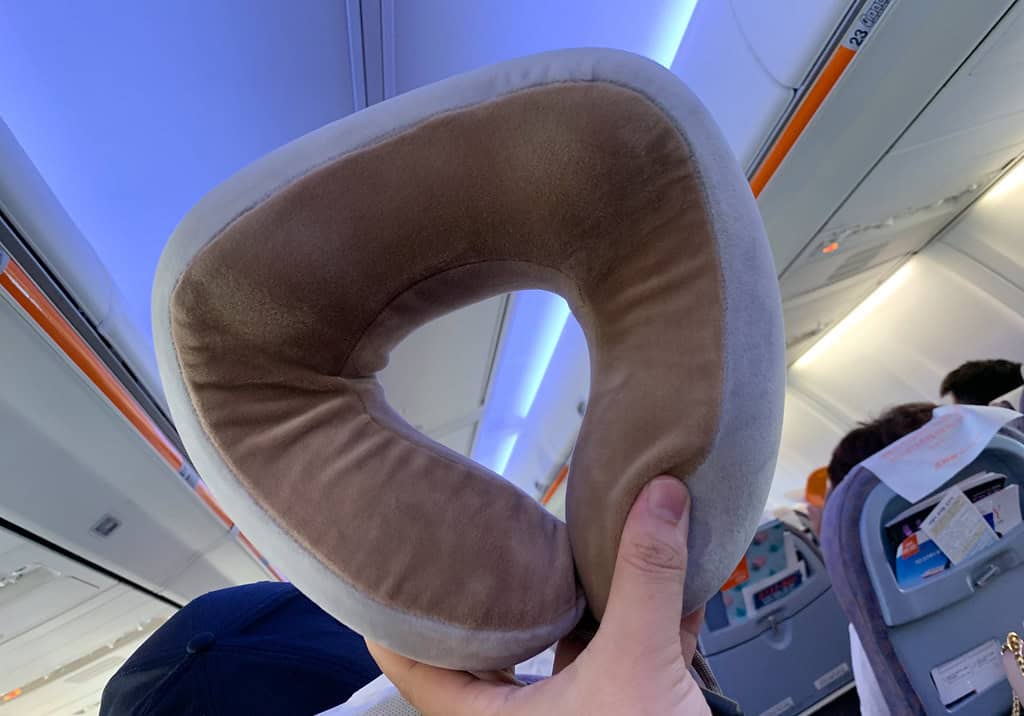
©"Neck Pillow" by TheBetterDay is licensed under BY-ND 2.0. - Original / License
Good sleep on a plane makes all the difference, especially on long, long flights. Eye masks, earplugs, and neck pillows are must-haves for many travelers. Apps with ambient noise or guided meditation can help you drift off, even if you’re nervous on your flight. You may not be able to afford a first-class sleeping seat, but the right accessories can make it feel almost as comfortable.
Leave a Little Space for Souvenirs
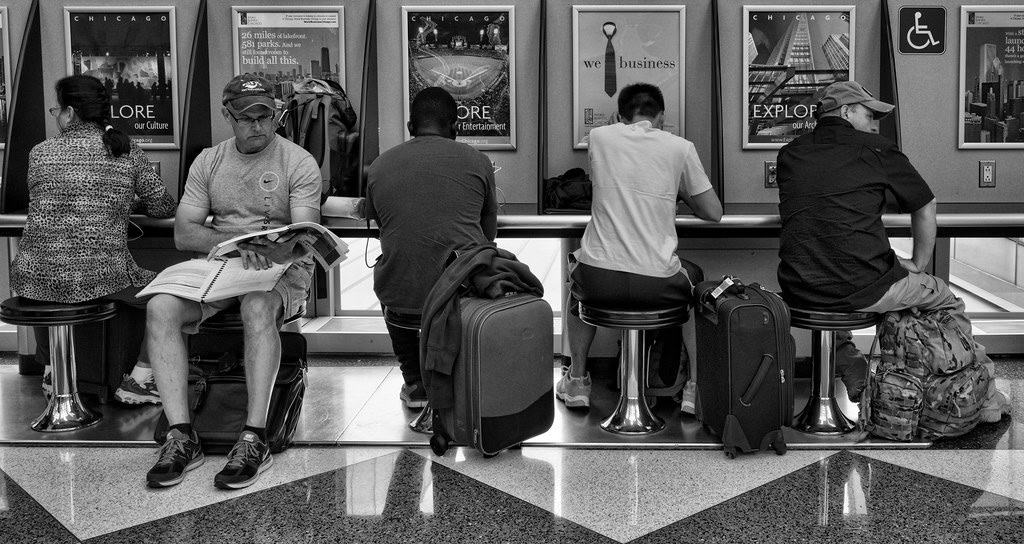
©"Explore" by Anne Worner is licensed under BY-SA 2.0. - Original / License
Savvy travelers never pack their suitcases to the brim before a trip. Leaving extra room avoids overpacking penalties and also ensures you have space for anything you picked up abroad. A foldable tote bag can come in handy for return flights, as you can always pack it up and carry it on.

