
Frank Lloyd Wright is often associated with the Midwest, but his architectural legacy reaches much farther west than many people realize. Across Washington, Oregon, and Northern California, several Wright-designed homes still stand, each offering a rare look at how his ideas translated to the landscapes, materials, and lifestyles of the West Coast.
In this guide, Seattle Travel looks at Frank Lloyd Wright’s surviving buildings in the Pacific Northwest and nearby Northern California. These homes reflect different stages of Wright’s career, from his emphasis on harmony with nature to the clean lines and affordable ideals of his Usonian designs. They are not always easy to visit, since many remain private residences, but they continue to attract architecture lovers, preservationists, and curious travelers interested in seeing a quieter side of Wright’s work.
To build this list, we referenced sources including the Frank Lloyd Wright Foundation, the National Register of Historic Places, Oregon Historical Society materials, Stanford University archives, and regional preservation groups. Here are the Frank Lloyd Wright buildings still standing in Washington, Oregon, and Northern California, and what makes each one worth knowing.
Gordon House – Silverton, Oregon
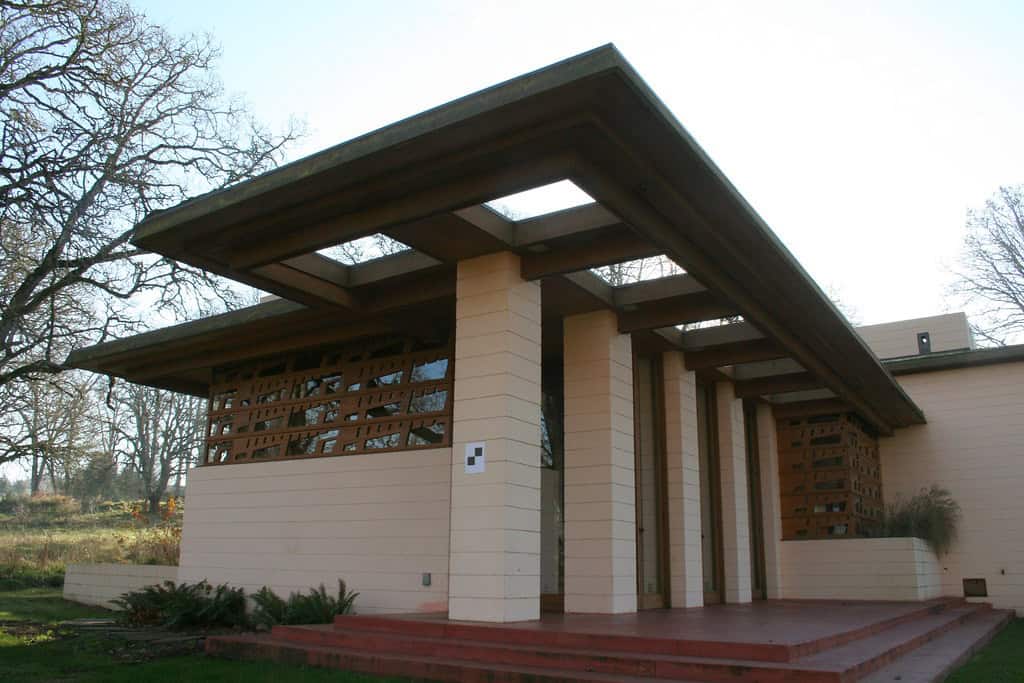
©"Frank Lloyd Wright House, Silverton, Oregon" by born1945 is licensed under BY 2.0. - Original / License
Size: Approximately 2,133 sq ft
Bedrooms/Bathrooms: 3 bedrooms, 3 bathrooms
Architectural Style: Usonian
Design Period: 1957 (Late career)
Completed: 1963 (Posthumously)
Public Access: Yes; open for tours
Gordon House – Silverton, Oregon
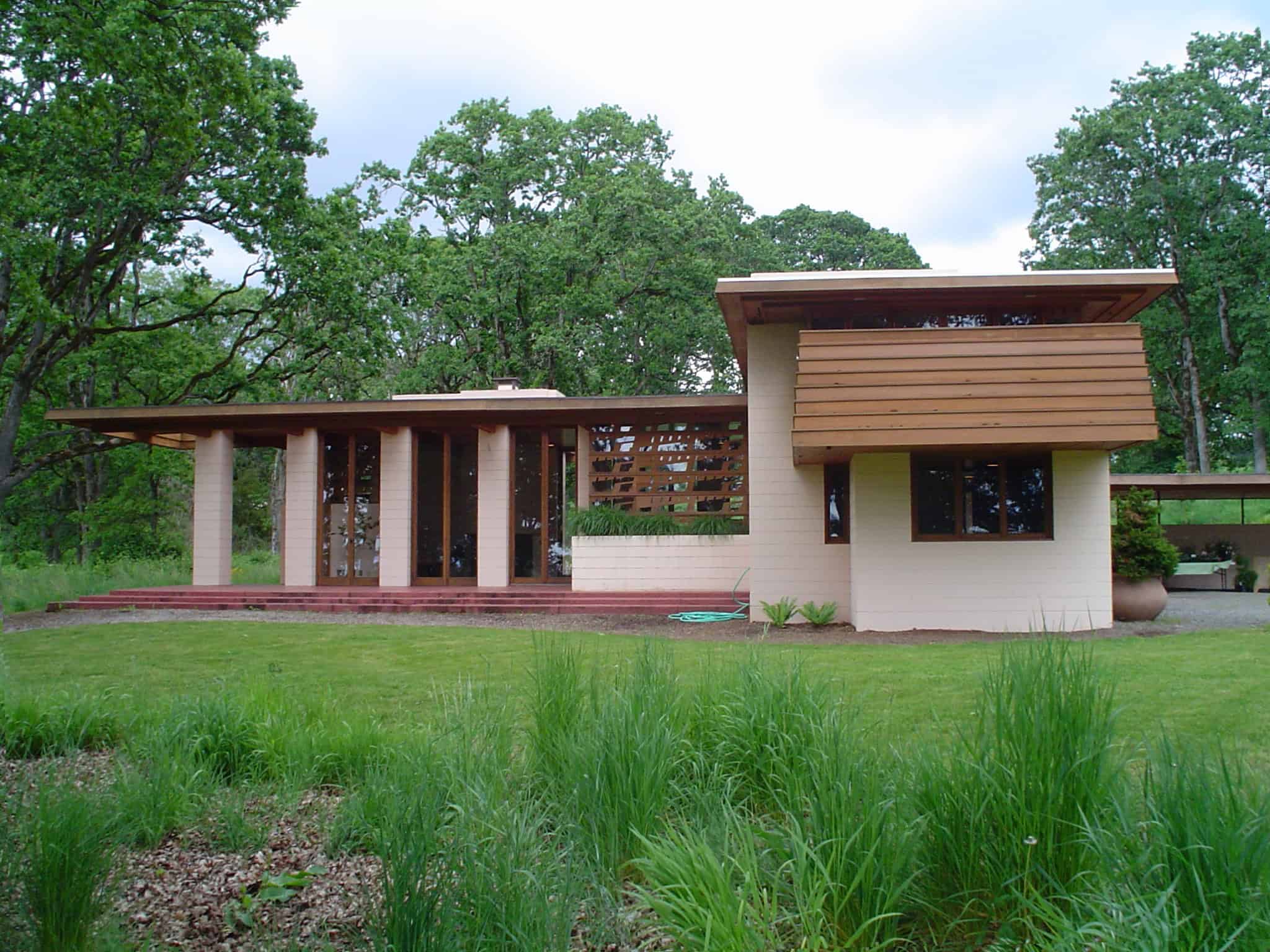
©"File:Gordon House front.jpg" by Andrew Parodi at English Wikipedia is licensed under BY-SA 3.0. - Original / License
The Gordon House is Oregon’s only Frank Lloyd Wright-designed structure. Commissioned by Conrad and Evelyn Gordon, the home was originally situated near Wilsonville before being relocated to Silverton in 2001 to prevent demolition. Based on Wright’s 1938 “dream house” concept for Life magazine, the T-shaped residence features a spacious great room, radiant-heated concrete floors, and extensive use of western red cedar.
Gordon House – Silverton, Oregon
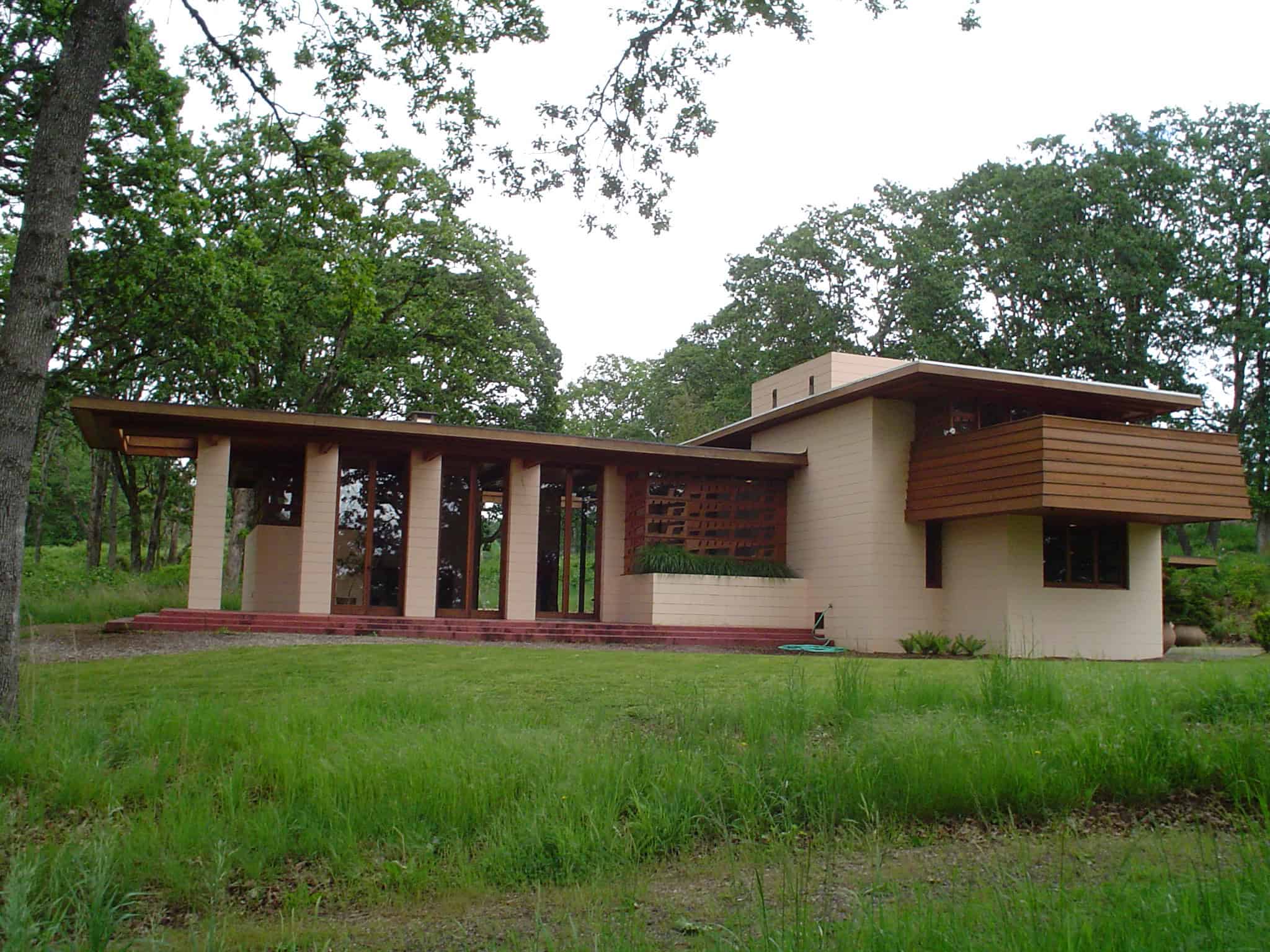
©"Gordon House southeast side" by Andrew Parodi at English Wikipedia is licensed under BY-SA 3.0. - Original / License
Notable design elements include perforated wooden window treatments (fretwork) and built-in furnishings. The house exemplifies Wright’s Usonian principles, emphasizing simplicity, functionality, and harmony with nature. It is listed on the National Register of Historic Places and is open to the public for tours.
Brandes House – Sammamish, Washington
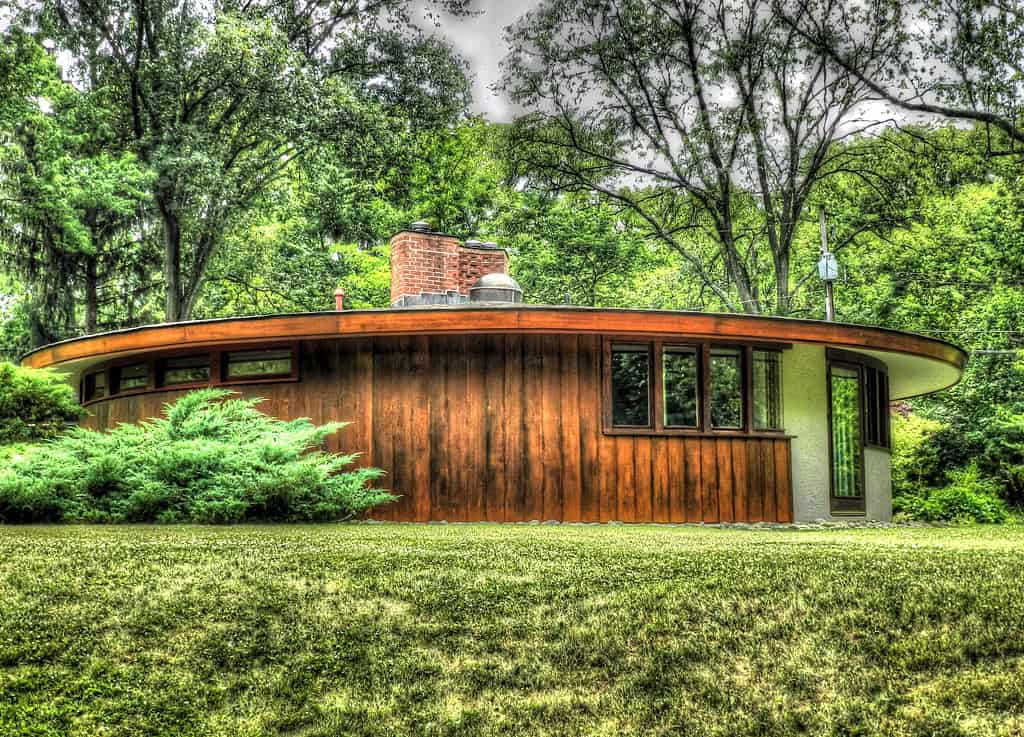
©"Round House in Rush Creek Village" by dok1 is licensed under BY 2.0. - Original / License
Architectural Style: Usonian
Design Period: 1952 (Late career)
Public Access: Private residence
Brandes House – Sammamish, Washington
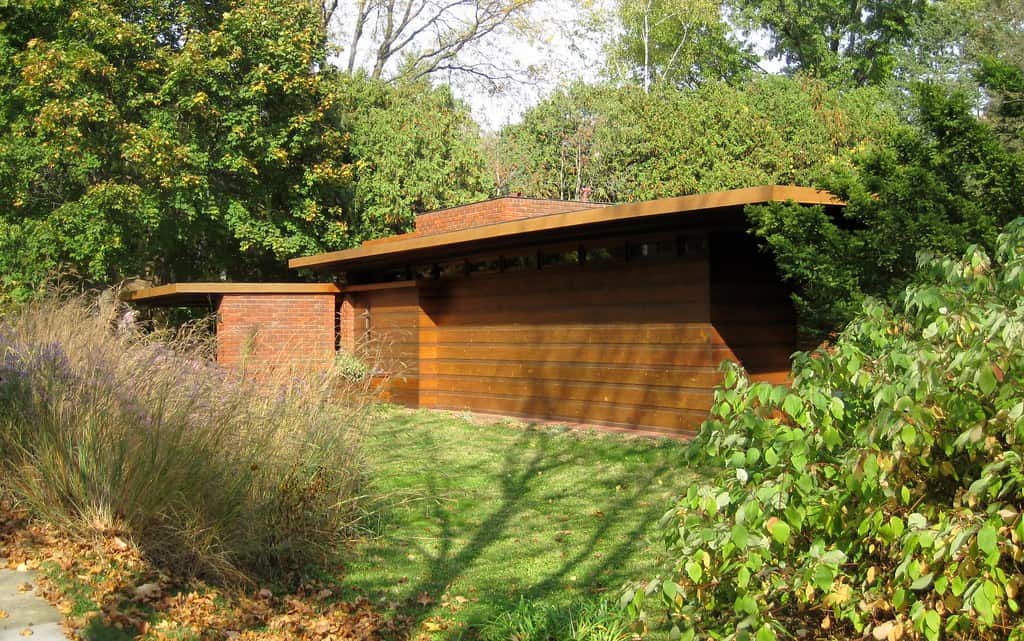
©"Herbert and Katherine Jacobs First House" by Teemu008 is licensed under BY-SA 2.0. - Original / License
The Ray Brandes House, constructed in 1952, is a well-preserved example of Wright’s Usonian design. Located in Sammamish, the home emphasizes integration with nature, featuring local flora in its landscaping.
Brandes House – Sammamish, Washington
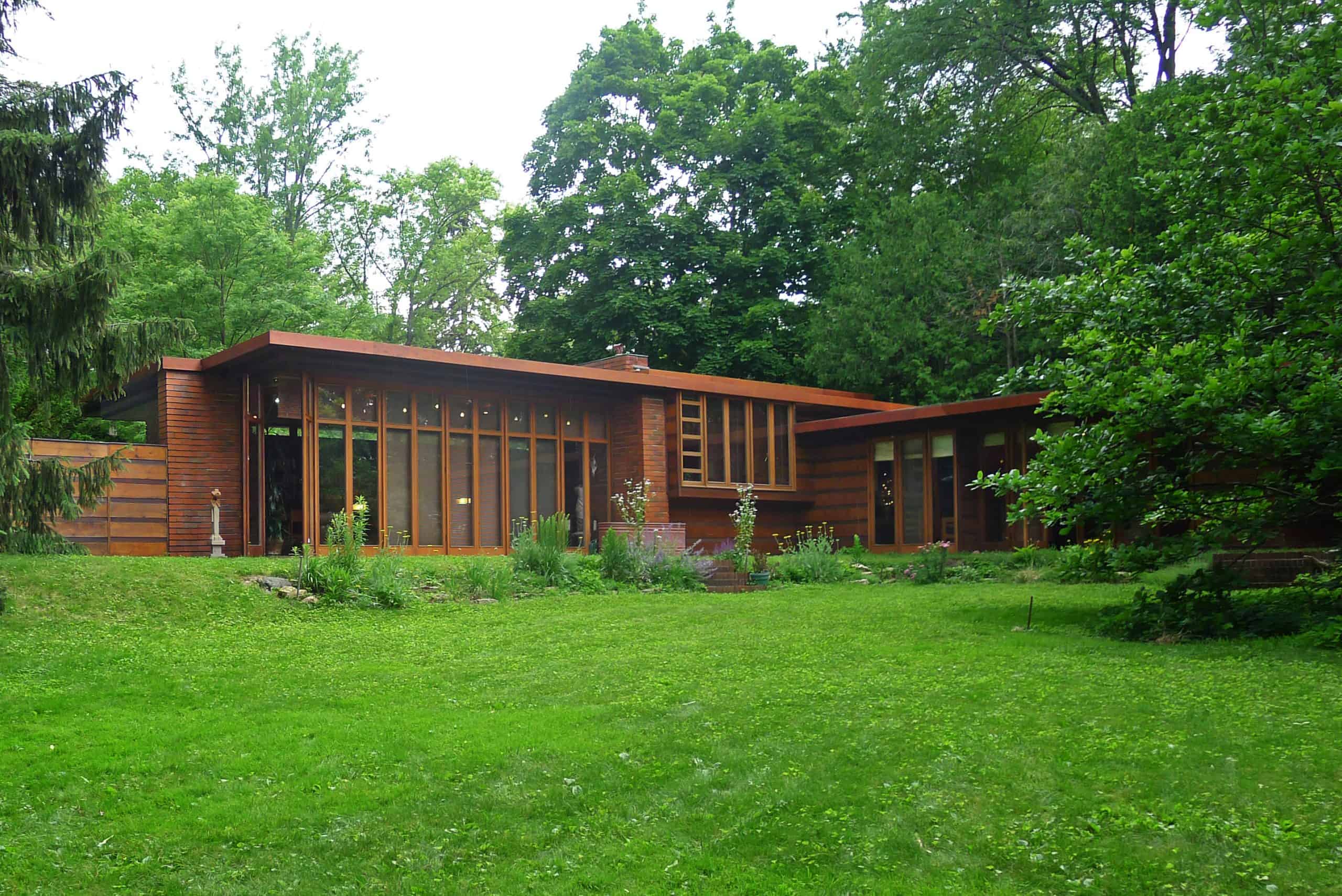
©"File:Jacobs First House - back 02.jpg" by James Steakley is licensed under BY-SA 4.0. - Original / License
The design promotes a seamless flow between indoor and outdoor spaces, characteristic of Wright’s philosophy. The house remains a private residence and is listed on the National Register of Historic Places.
Tracy House – Normandy Park, Washington
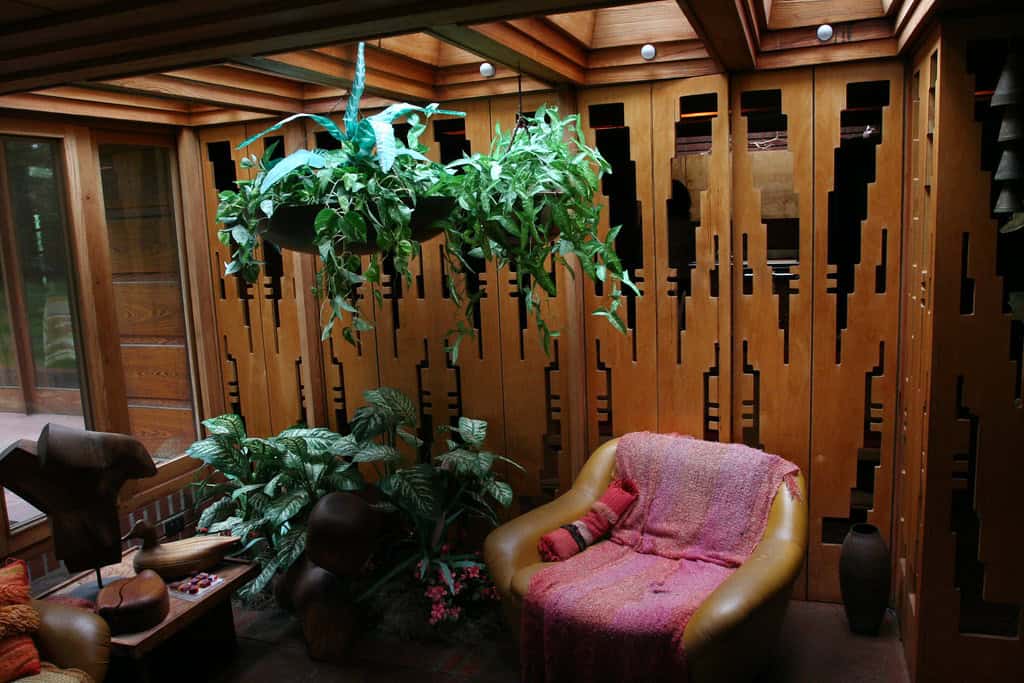
©"Melvyn Maxwell Smith House living room - FLW, Architect - Bloomfield Hills built in 1946" by string_bass_dave is licensed under BY-SA 2.0. - Original / License
Size: Approximately 1,150 sq ft
Bedrooms/Bathrooms: 3 bedrooms, 1 bathroom
Architectural Style: Usonian Automatic
Design Period: 1956 (Late career)
Public Access: Private residence
Tracy House – Normandy Park, Washington
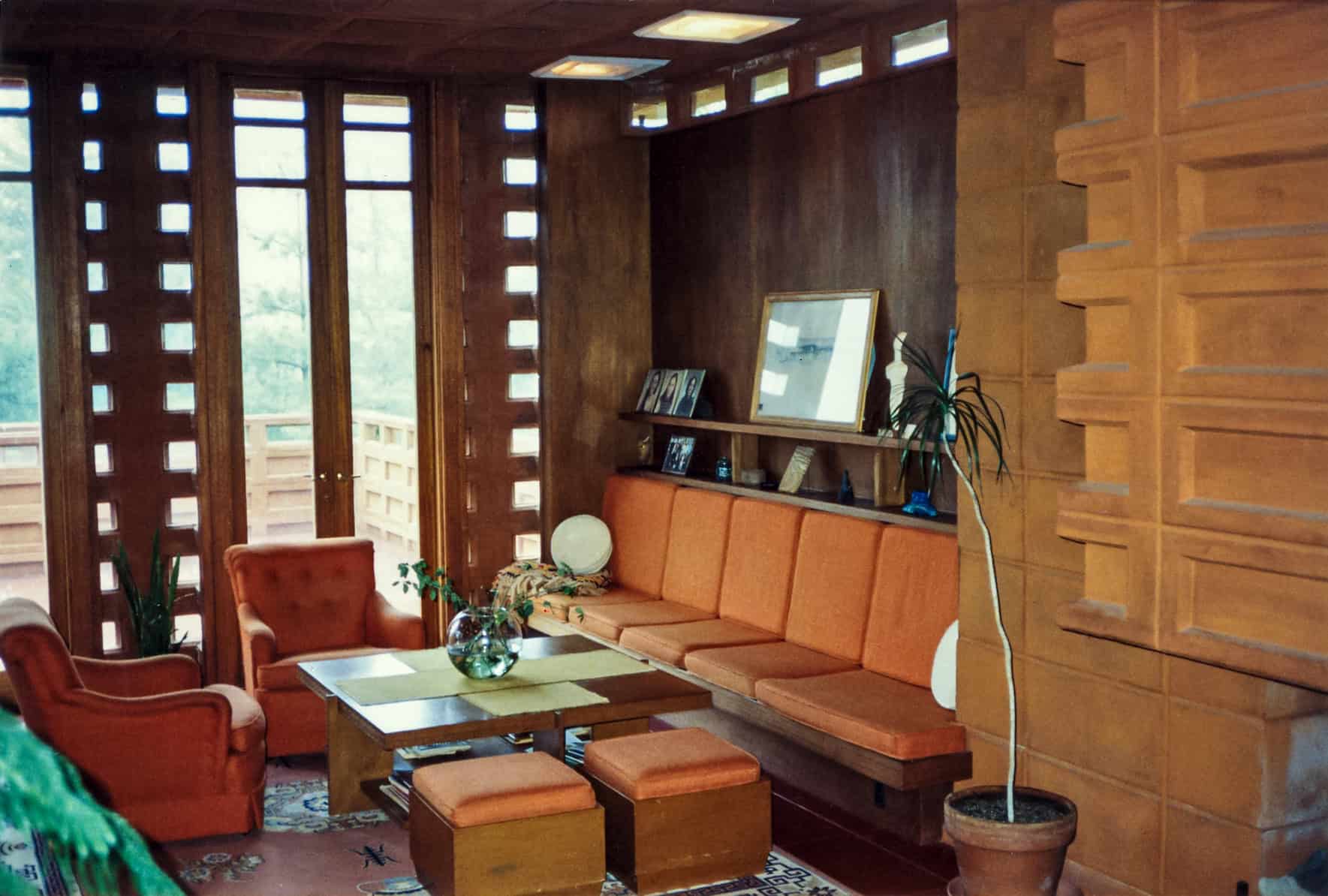
©"Pappas House Interior Living Area" by Douglas J. Klostermann is licensed under BY-SA 4.0. - Original / License
The Tracy House, also known as the Bill and Elizabeth Tracy House, is a Usonian Automatic home constructed in 1956. This design utilizes modular concrete blocks, allowing for cost-effective construction.
Tracy House – Normandy Park, Washington

©"File:Vashon Island (213322669).jpeg" by Dana Hutchinson is licensed under BY 3.0. - Original / License
Situated on a 31,000 sq ft lot facing Puget Sound, the home features redwood plywood interiors and expansive glass elements. It was recognized by Seattle Met as one of the ten greatest homes in the Seattle area.
Griggs House – Tacoma, Washington
©"Dorothy Turkel House living room from balcony - FLW, Architect - 1955" by string_bass_dave is licensed under BY-SA 2.0. - Original / License
Size: Not specified
Bedrooms/Bathrooms: Not specified
Architectural Style: Usonian
Design Period: Mid-1940s (Late career)
Completed: Mid-1950s
Public Access: Private residence
Griggs House – Tacoma, Washington
©"Cedar Rock Garden Room (3)" by L. M. Bernhardt is licensed under BY-ND 2.0. - Original / License
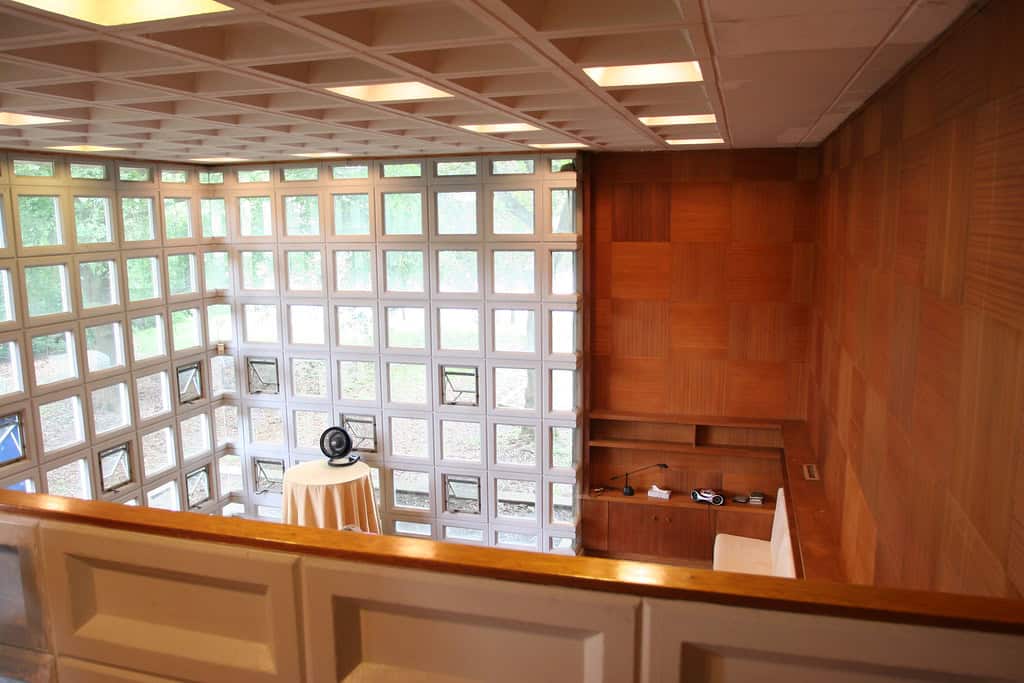
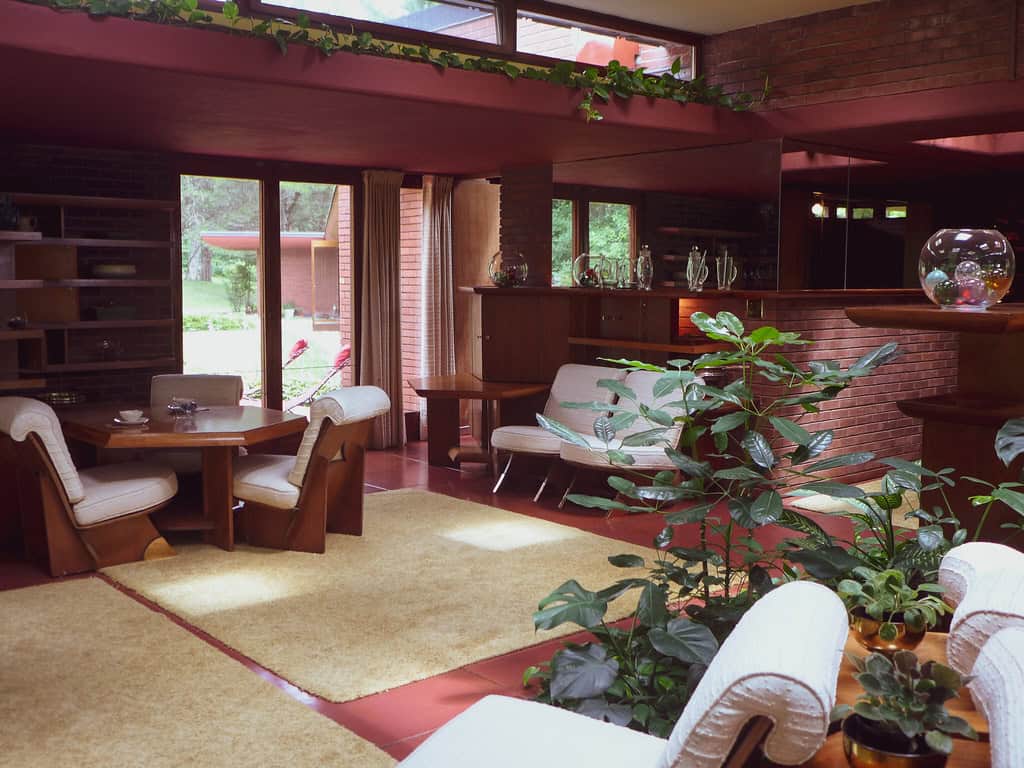
The Griggs House is notable for being the first Frank Lloyd Wright-designed home in the Seattle area.
Griggs House – Tacoma, Washington
©"Yodokou guesthouse" by GinkgoTelegraph is licensed under BY-SA 2.0. - Original / License
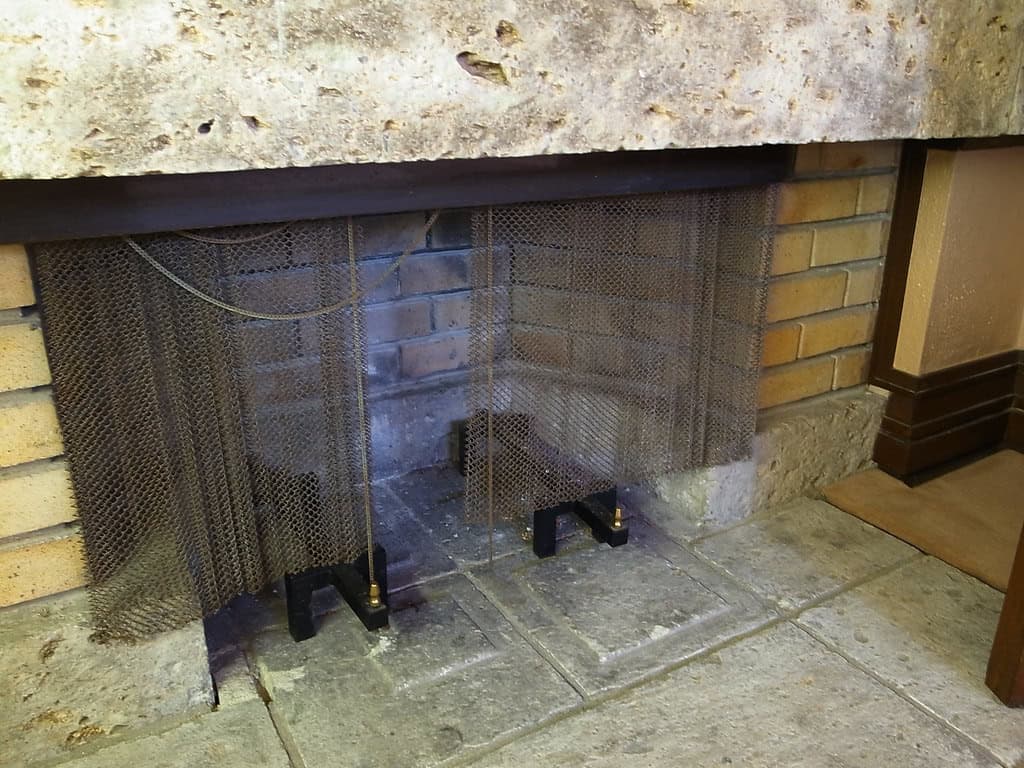
Featuring a seven-foot grid system and three fireplaces, including one large enough to stand in, the home showcases Wright’s innovative use of space and materials. The construction employs stacked concrete blocks, emphasizing horizontal lines and integration with the surrounding environment.
Pilgrim Congregational Church – Redding, California
©"Pilgrim Congregational Church" by stu_spivack is licensed under BY-SA 2.0. - Original / License
Architectural Style: Pole and Boulder Gothic
Design Period: 1958 (Late career)
Completed: 1963 (Posthumously)
Public Access: Active church; limited public access
Pilgrim Congregational Church – Redding, California
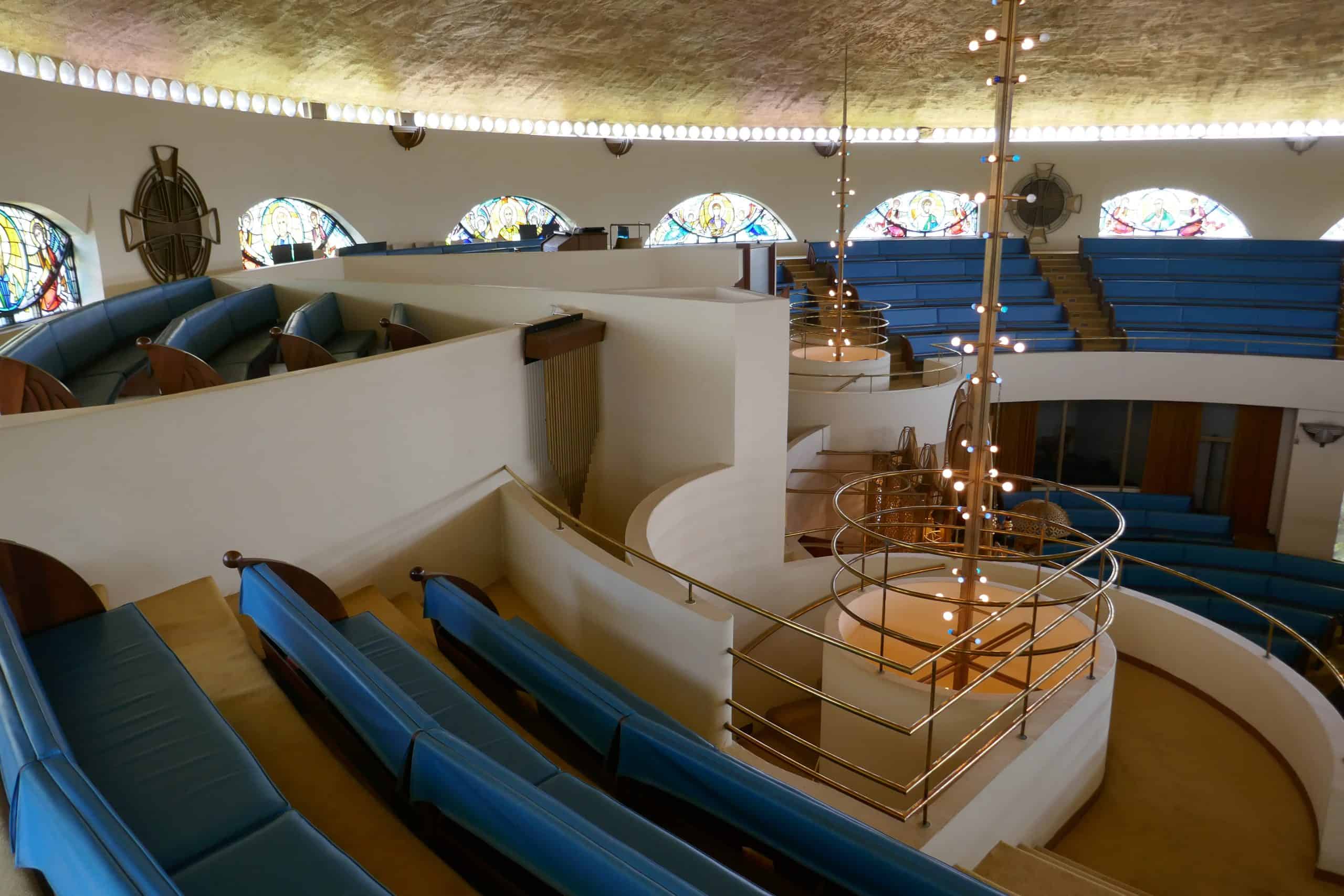
©"Interior of Annunciation Greek Orthodox Church" by Michael R. Perry is licensed under BY 2.0. - Original / License
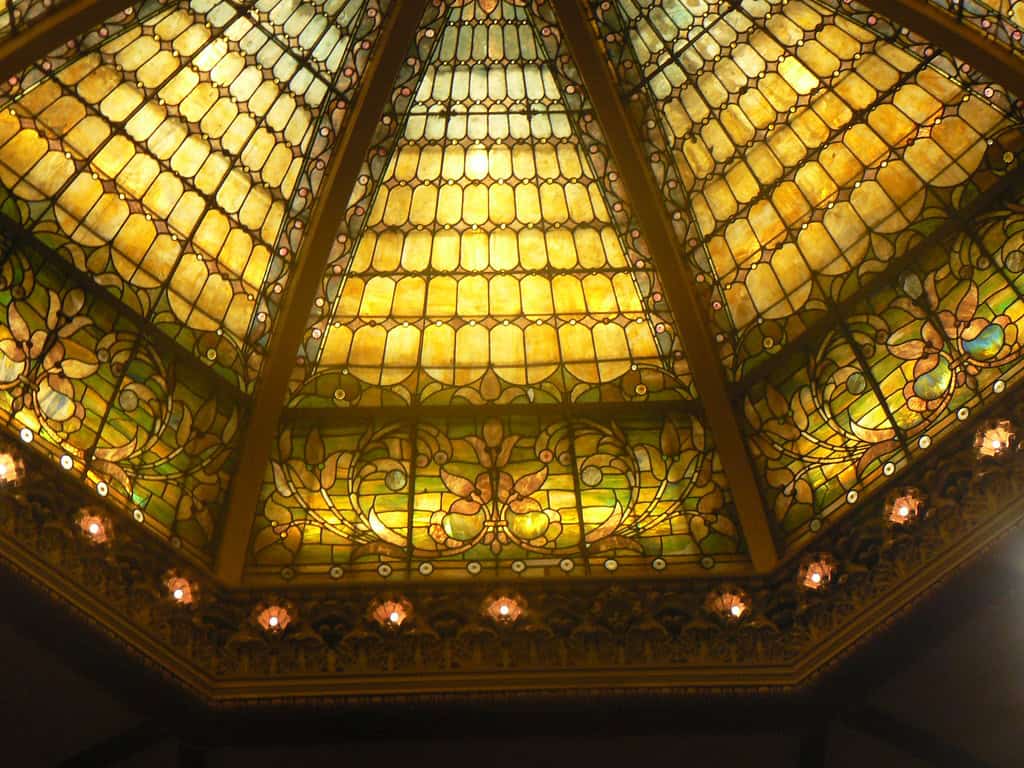
The Pilgrim Congregational Church in Redding is one of Wright’s final designs and his last church project. Characterized by massive desert rubblestone walls and 23 giant steel and concrete roof supports, the church embodies Wright’s “Pole and Boulder Gothic” style.
Pilgrim Congregational Church – Redding, California
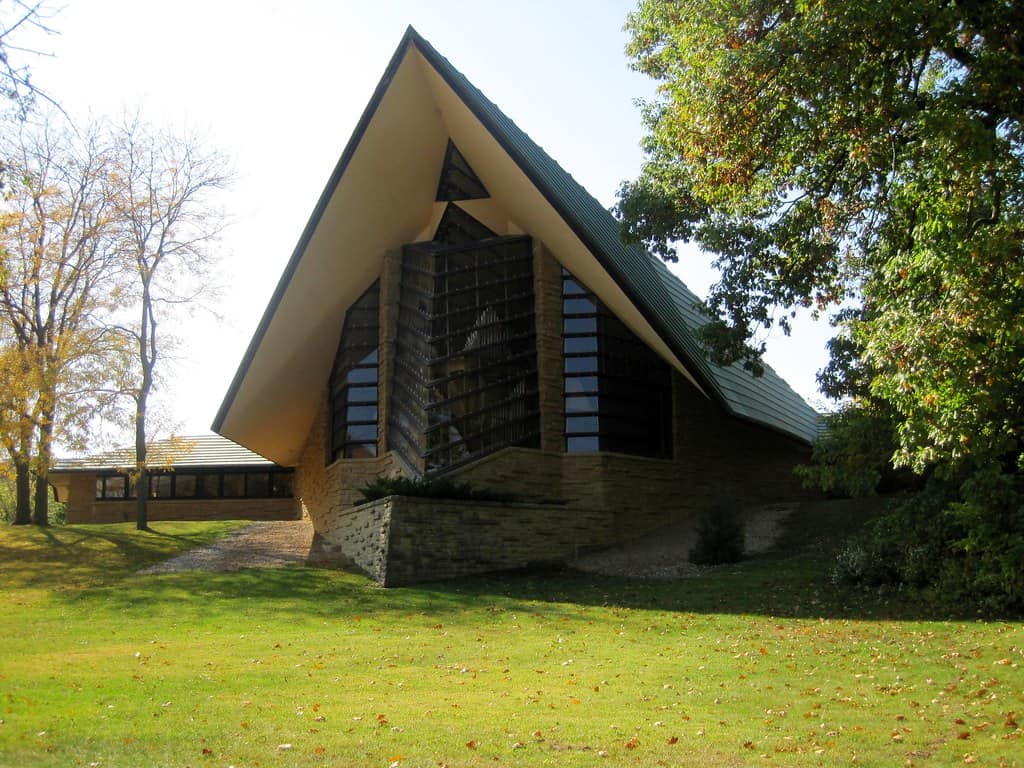
©"First Unitarian Society Meeting House" by Teemu008 is licensed under BY-SA 2.0. - Original / License
The design symbolizes a tent, representing the transient nature of life. Due to budget constraints, the congregation built the church themselves, completing it in 1963.
Marin County Civic Center – San Rafael, California
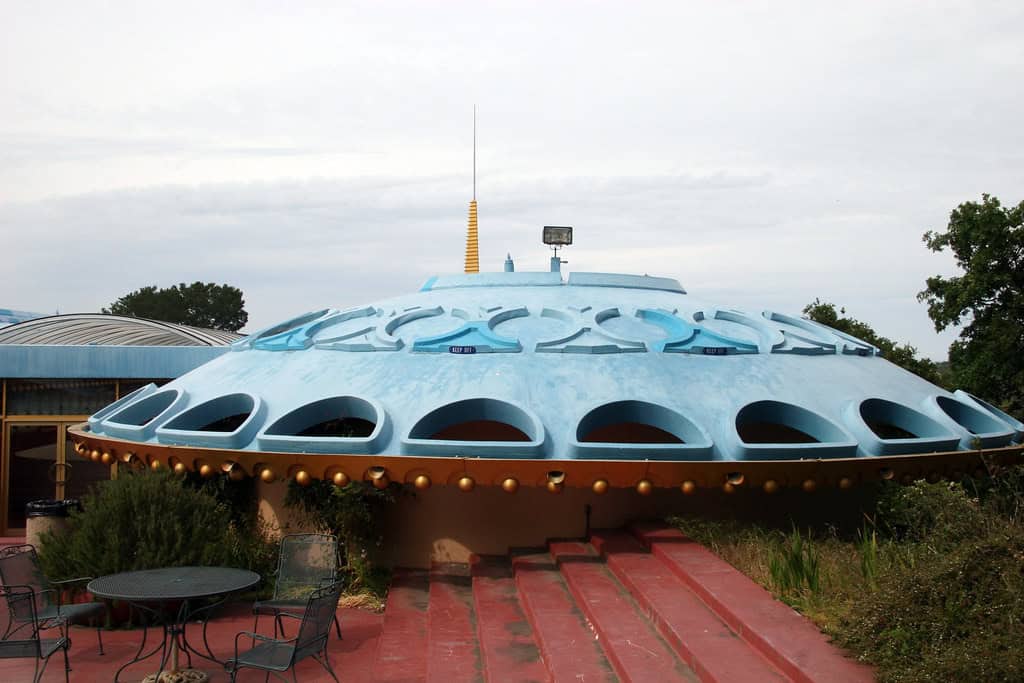
©"Marin County Civic Center 12" by joevare is licensed under BY-ND 2.0. - Original / License
Architectural Style: Modern Movement
Design Period: 1957 (Late career)
Completed: 1962–1976 (Posthumously)
Public Access: Yes; government facility
Marin County Civic Center (continued)
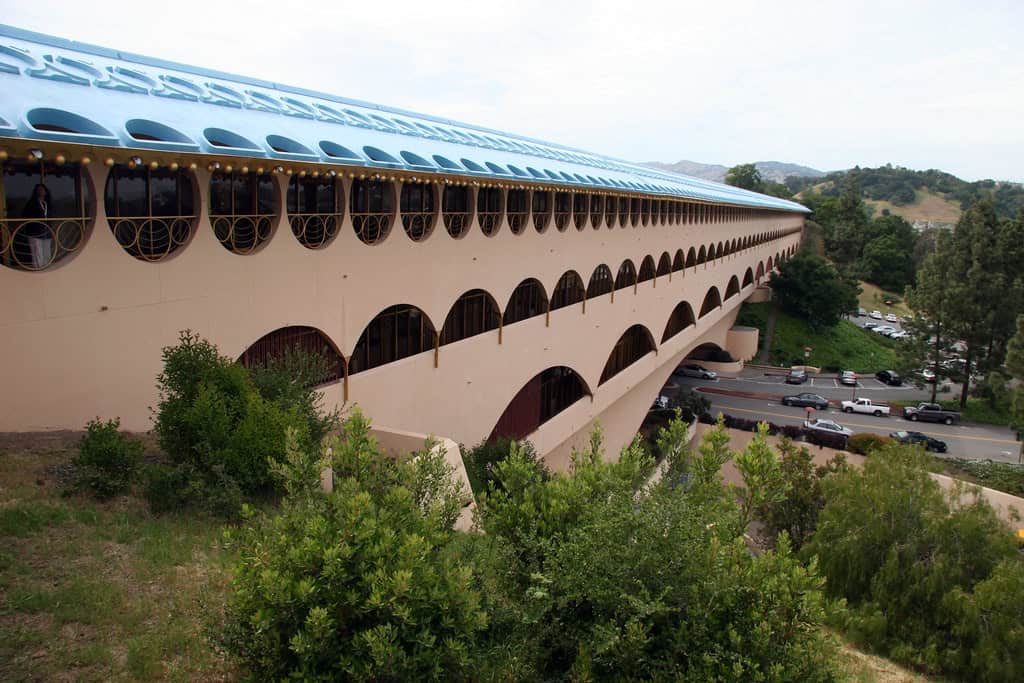
©"Marin County Civic Center 16" by joevare is licensed under BY-ND 2.0. - Original / License
The Marin County Civic Center is the last major commission by Frank Lloyd Wright. Designed in 1957 and completed after his death, the complex features distinctive pink stucco walls, blue roof, and scalloped balconies. It houses various county departments and is a National Historic Landmark.
Nakoma Clubhouse – Clio, California

©"Clio, California" by Judy Gallagher is licensed under BY 2.0. - Original / License
Architectural Style: Organic architecture
Design Period: 1924 (Mid-career)
Completed: 2001 (Posthumously)
Public Access: Yes; part of Nakoma Resort
Nakoma Clubhouse – Clio, California
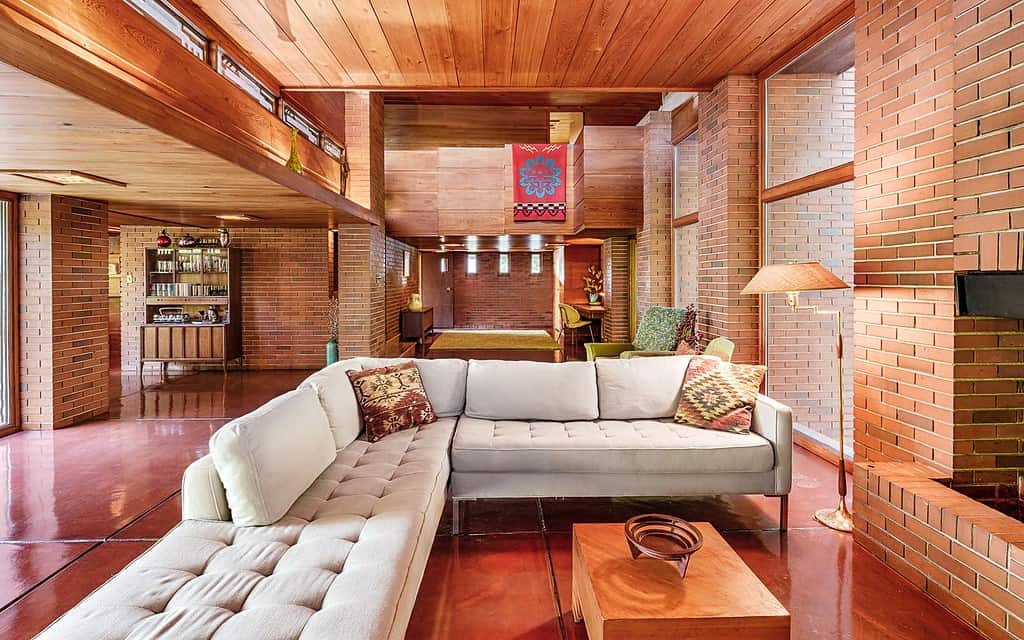
©"Frank Lloyd Wright interior" by karlyn6 is licensed under PDM 1.0. - Original / License
Originally designed in 1924 for the Nakoma Country Club in Wisconsin, this clubhouse was never built during Wright’s lifetime. In 2001, the design was realized in Clio, California, as part of the Nakoma Resort. The structure features tepee-like roof structures and a stunning interior, embodying Wright’s principles of organic architecture.
Hanna–Honeycomb House – Stanford, California
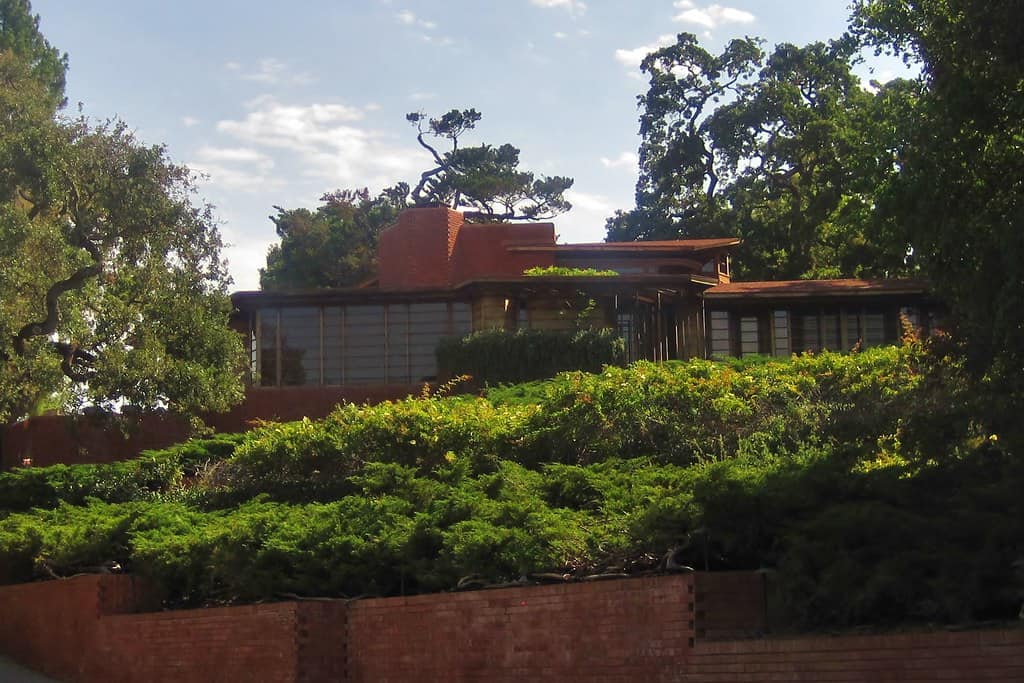
©"Hanna-Honeycomb House" by Teemu008 is licensed under BY-SA 2.0. - Original / License
Size: Approximately 3,570 sq ft
Bedrooms/Bathrooms: 4 bedrooms, 3 bathrooms
Architectural Style: Usonian
Design Period: 1937 (Mid-career)
Public Access: Limited; maintained by Stanford University
Hanna–Honeycomb House – Stanford, California
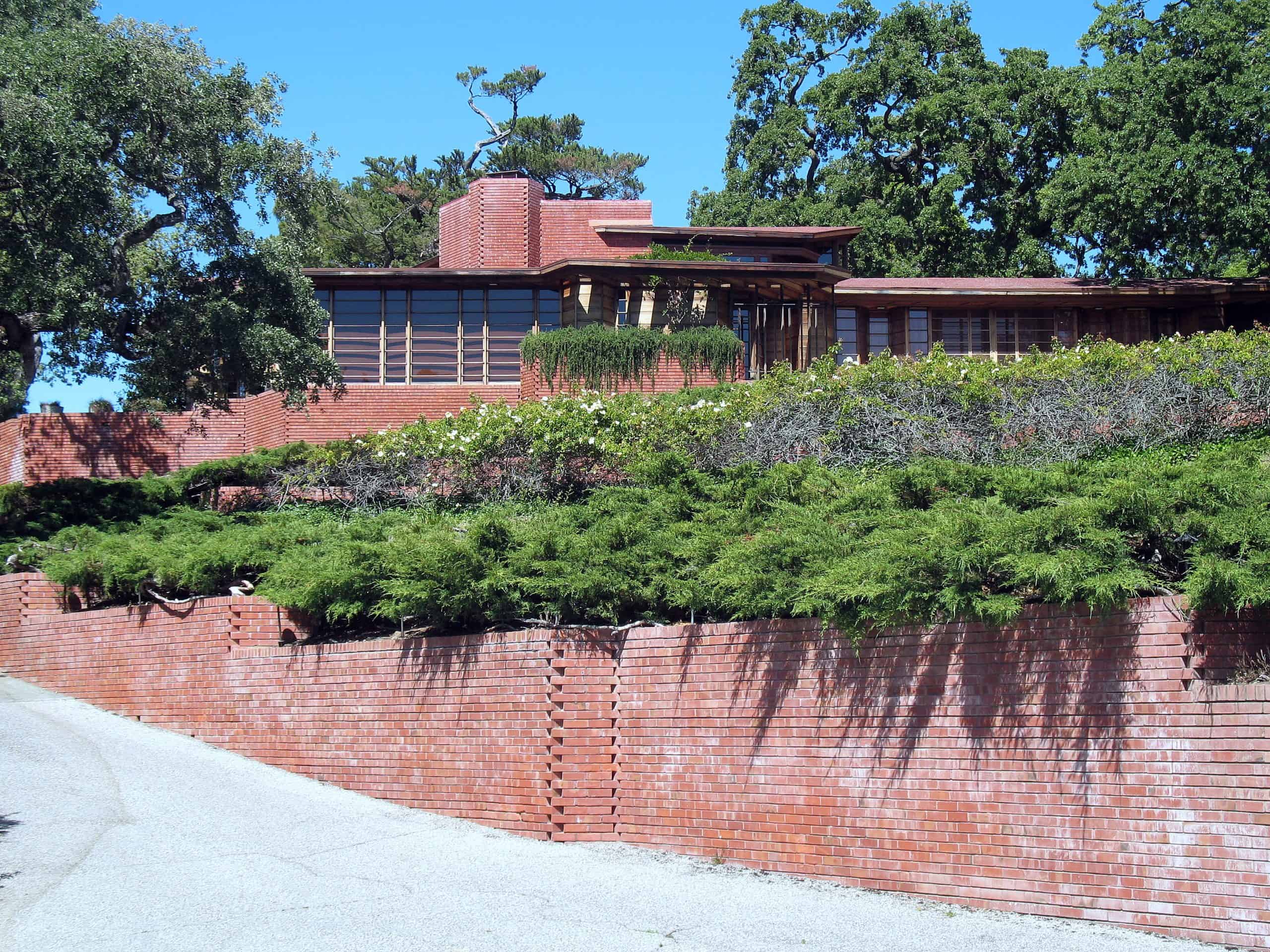
©"Hanna-Honeycomb House, 737 Frenchman's Rd., Palo Alto, CA 6-3-2012 3-38-21 PM" by Sanfranman59 is licensed under BY-SA 3.0. - Original / License
The Hanna–Honeycomb House, located on the Stanford University campus, is notable for its hexagonal design, a departure from Wright’s typical rectangular structures. Built in 1937, the house incorporates six-sided figures throughout its plan, including tiled terraces and built-in furnishings. It is recognized as a National Historic Landmark.

