
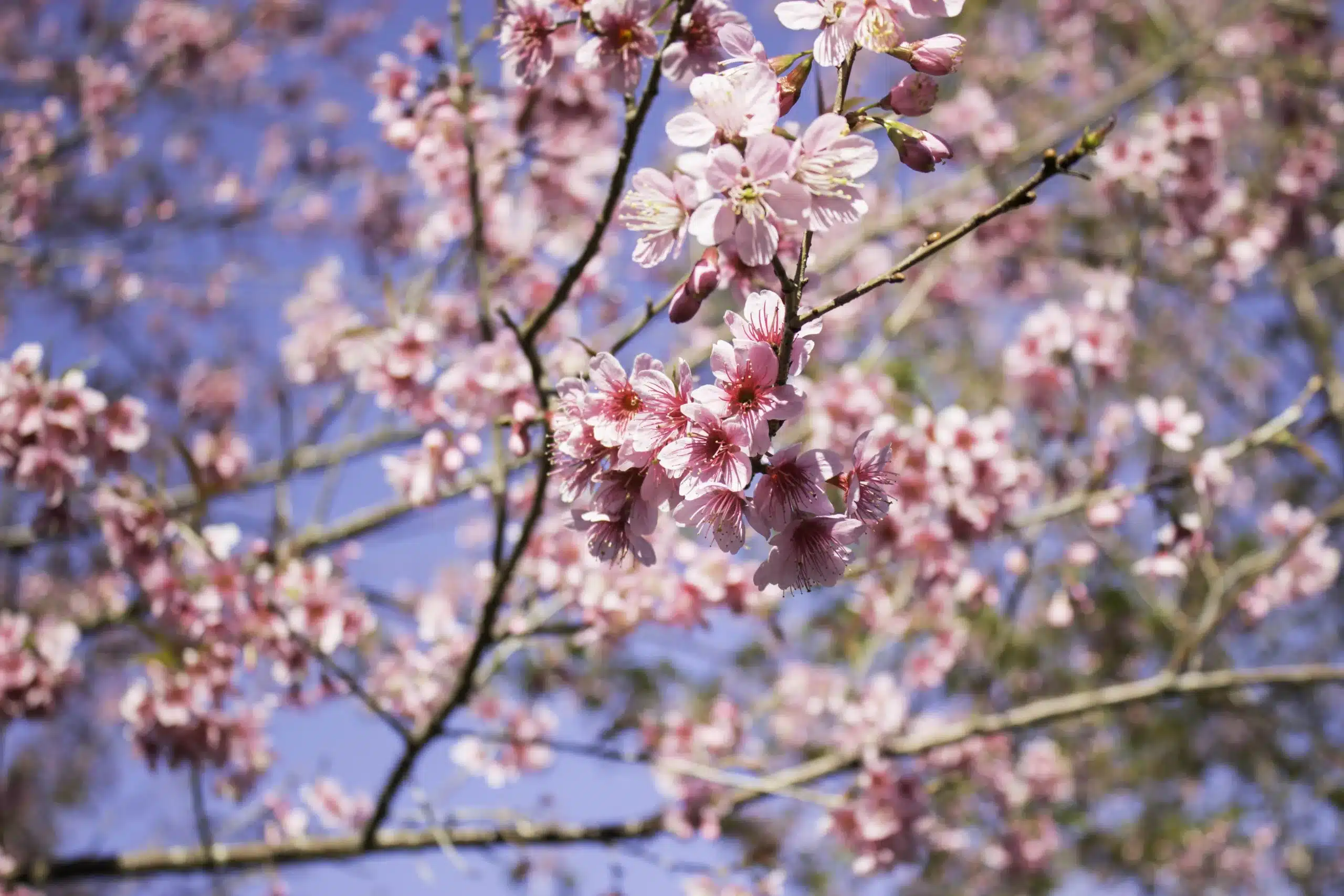
Seattle in spring is hard to beat, and the city’s flowering cherry trees are a big reason why. For a few weeks each year, parks, college campuses, and ordinary neighborhood streets suddenly fill with pink and white blossoms.
Exactly when the trees bloom depends on the variety and the weather. The famous Yoshino cherries at the University of Washington usually reach their peak in March, often during the second half of the month, although a colder or warmer spring can shift the timing by days or even weeks. Other flowering cherry varieties around Seattle can continue blooming into April.
Seattle’s connection to Japanese cherry trees goes back nearly a century. In 1929, Japan gave Seattle 3,500 cherry trees in connection with a visit by Japanese diplomats. Another major gift came in 1976, when Japanese Prime Minister Takeo Miki presented 1,000 cherry trees to commemorate the United States bicentennial and the friendship between the people of Japan and Washington state. Those gifts helped make flowering cherries a lasting part of Seattle’s spring landscape.
If cherry blossoms are the goal, timing matters almost as much as location. A tree can go from barely open to peak bloom surprisingly quickly, and wind or heavy rain can shorten the show. Check current bloom reports before making a special trip, particularly if the University of Washington’s Quad is at the top of your list.
This guide covers six places to look for cherry blossoms around Seattle. Some, especially the UW Quad, can become extremely crowded at peak bloom. Others give you more room to wander and come with enough other scenery to make the trip worthwhile even if the blossoms are not at their absolute peak.
Here are some of the best places to start your spring blossom hunt in Seattle.
Where to See Cherry Blossoms in Seattle
The Quad at The University of Washington
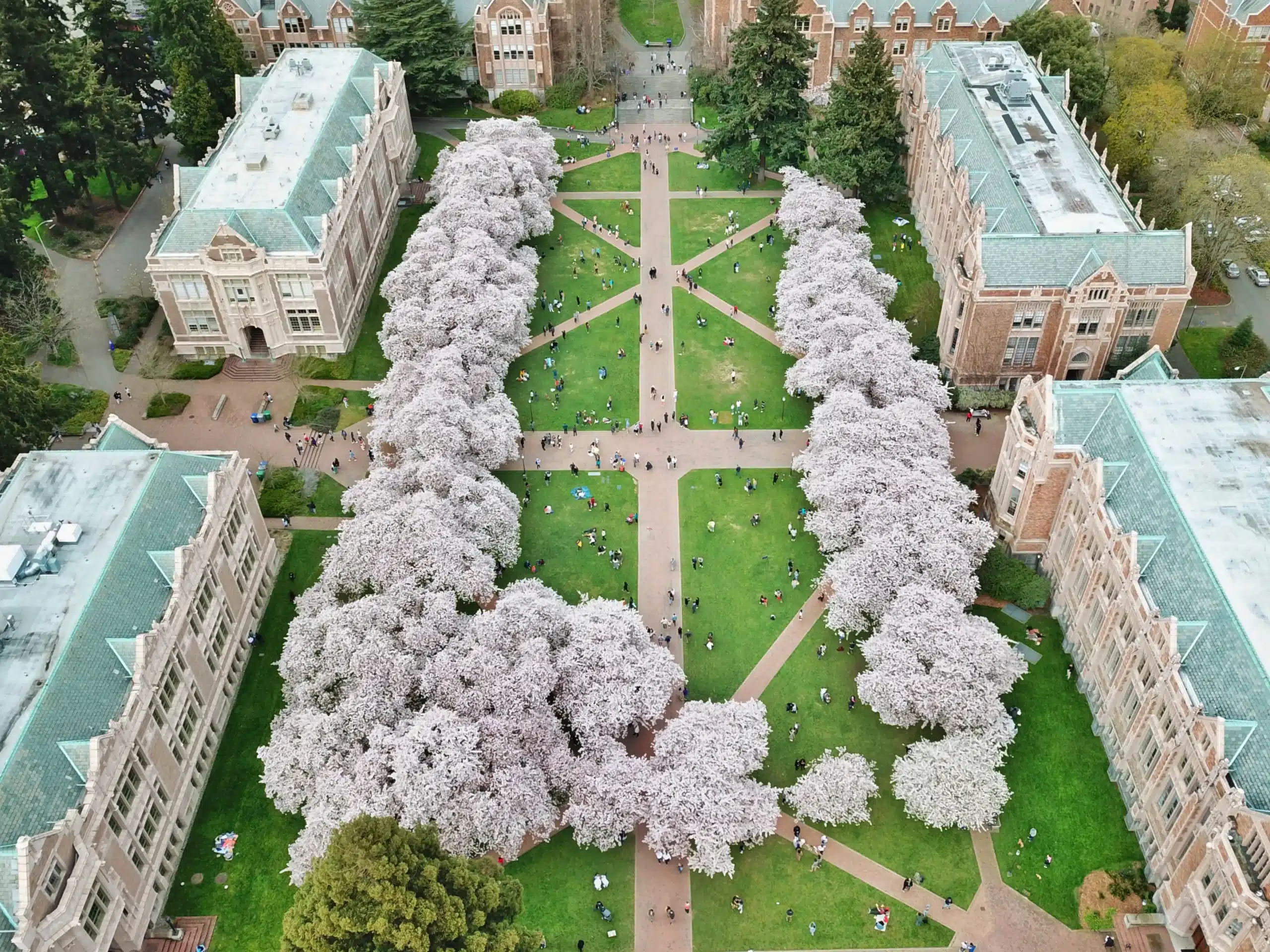
University of Washington (image Credit : iStock / Zi Ye)
©iStock.com/Zi Ye
The Quad at the University of Washington is Seattle’s signature cherry-blossom destination. The Quad is lined with 29 Yoshino cherry trees, creating a canopy of pale pink and white flowers when the trees reach peak bloom. Thousands of visitors head to campus each spring to see them, and it is easy to understand why once you are standing underneath them.
The trees have an interesting history of their own. They were transplanted to the Quad from the Washington Park Arboretum in 1962. Exactly where they came from before that remains less certain. UW researchers have spent years digging into their history, and recent research has challenged older stories about precisely when and how the trees first arrived at the Arboretum.
The surrounding University District gets into the act, too. The U District Partnership organizes a Cherry Blossom Festival around bloom season, with neighborhood businesses offering cherry and blossom-inspired food, drinks, desserts, shopping specials, and other promotions. It turns a visit to the Quad into a pretty easy excuse to spend a few more hours exploring the neighborhood.
There is one catch: everyone else has the same idea. Peak-bloom weekends can bring huge crowds to the Quad. If you want the classic Seattle cherry-blossom experience, it is still worth doing at least once. If you would rather admire flowers without weaving through hundreds of phones and cameras, keep reading.
Washington Park Arboretum
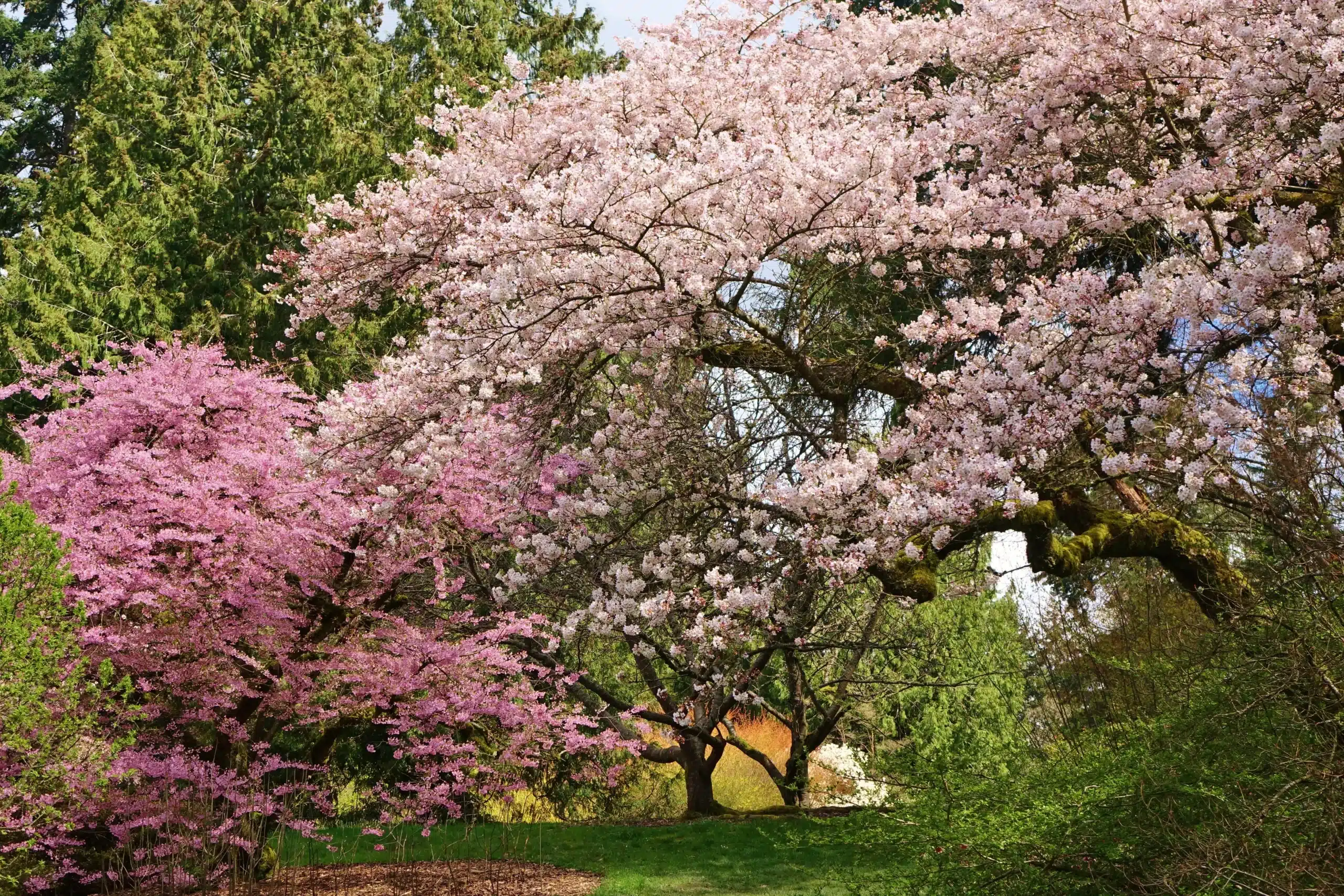
(Image Credit: Shutterstock / Dan Lewis)
©Dan Lewis/Shutterstock.com
Washington Park Arboretum is one of Seattle’s best places for a broader spring flower show. You are not limited to one grove or one type of tree here. Flowering cherries share the landscape with magnolias, azaleas, dogwoods, rhododendrons, and plenty of other plants that wake up as Seattle heads into spring.
Azalea Way is the obvious place to start. The historic path runs about three-quarters of a mile through the heart of the Arboretum and is lined with flowering cherries, azaleas, dogwoods, and other plants. Because different species and cultivars flower on different schedules, the Arboretum can stay interesting well beyond the relatively short peak of the UW Quad.
The Arboretum can certainly get busy on a sunny spring weekend, but its size gives visitors much more room to spread out than the Quad. If the blossoms are only part of what you want to see, this is probably the strongest all-around spring stop on the list.
Seward Park
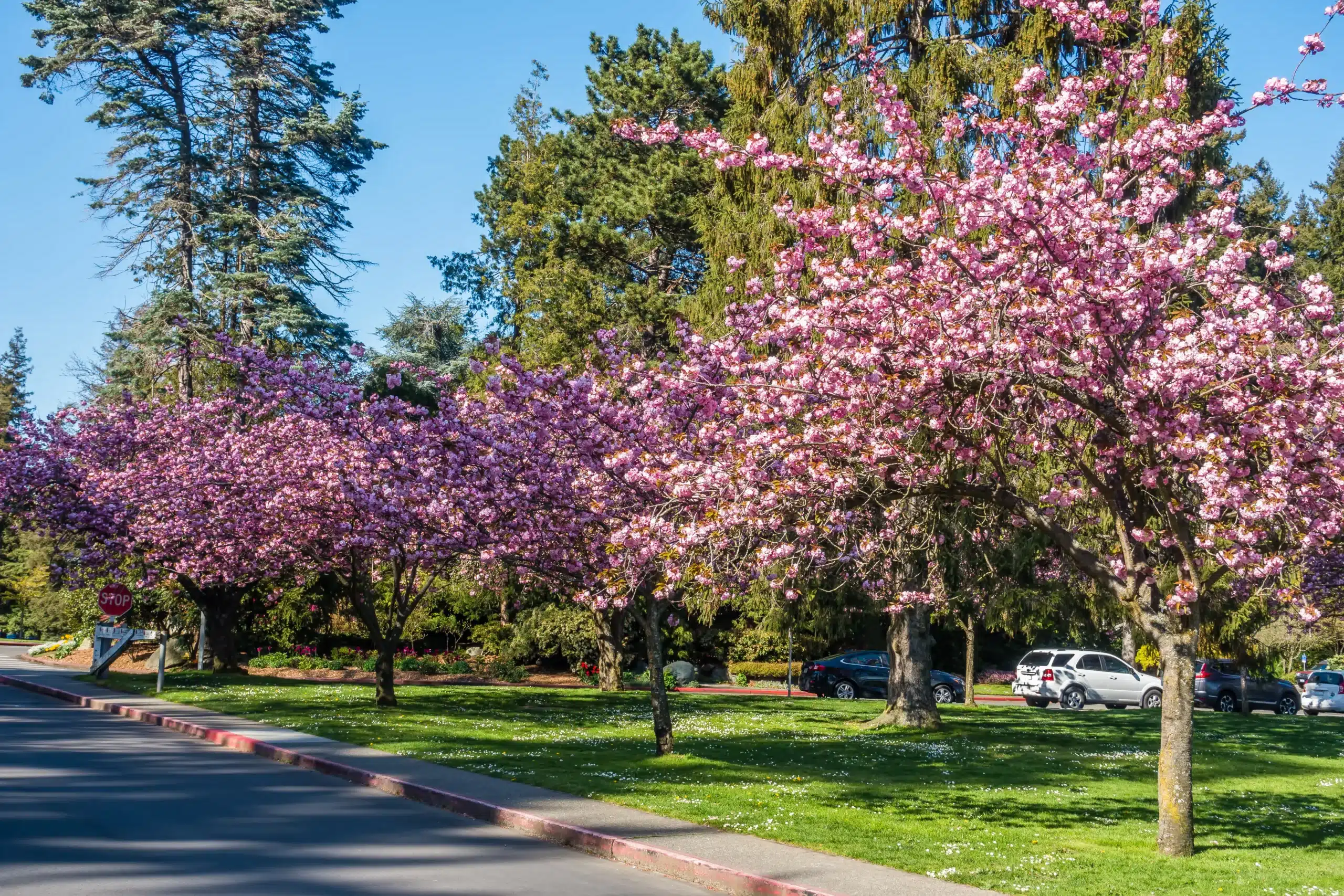
Seward Park combines cherry blossoms with one of the better waterfront settings in Seattle. Flowering cherry trees line Lake Washington Boulevard as it approaches the park and can also be found around the historic bathhouse area. Several cherries near the entrance circle date to the early decades of the park.
There is some real Seattle history behind these trees. Many of the 3,500 cherry trees Japan gave Seattle in 1929 were planted at Seward Park, and Seattle Parks says some of those trees still survive around the entrance circle. Many of the park’s other cherry trees came from the 1976 gift associated with Prime Minister Takeo Miki. Add Lake Washington, walking trails, and plenty of room to roam, and Seward Park makes an excellent alternative when the UW crowds get a little ridiculous.
Jefferson Park
Jefferson Park gives you another quieter option in Beacon Hill. In 2012, 25 Yoshino cherry trees were planted here as part of the nationwide commemoration of the 100th anniversary of Japan’s famous 1912 gift of cherry trees to the United States. That original 1912 gift was destined for Washington, D.C., but Seattle was among the cities that received new ceremonial plantings during the centennial celebration.
The park itself has plenty going for it beyond the blossoms. Jefferson Park sits high on Beacon Hill, with an Olmsted-inspired network of paths and wide views toward the city, the Duwamish River, and the Olympic Mountains. The cherry trees are spread through the park rather than forming one enormous canopy like the UW Quad, which makes this more of a walk-and-discover stop than a single photo destination.
Seattle Chinese Garden
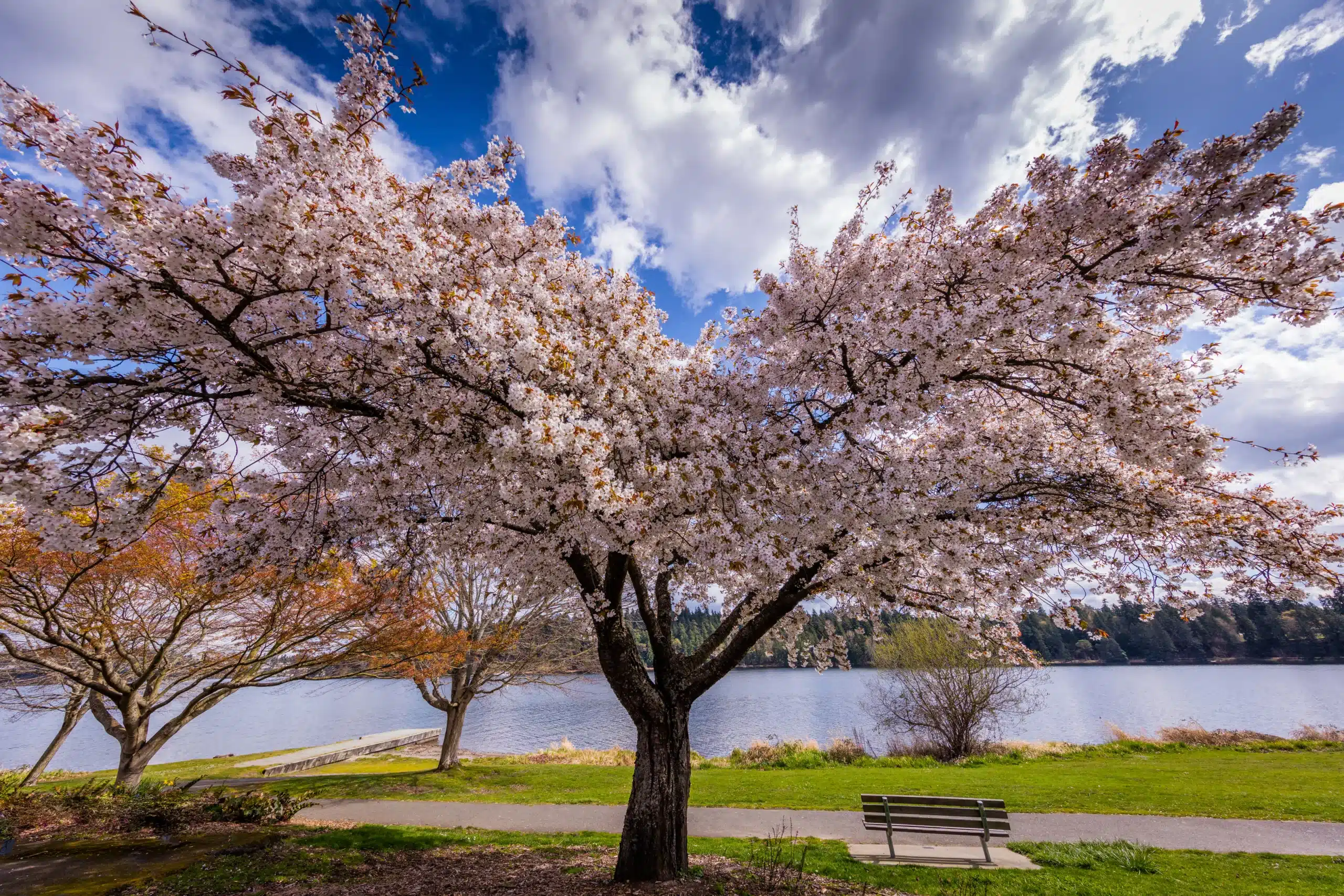
The Seattle Chinese Garden is one of West Seattle’s quieter spring destinations. It sits at the north end of South Seattle College, not Southwest Community College, and its grounds are free to visit. The 4.6-acre garden is designed in the Sichuan style, combining plants with traditional architecture, stone, and water features.
This one comes with a caveat if cherry blossoms are your entire mission. The garden does not promote itself as a concentrated cherry-blossom destination on the scale of the UW Quad or Seward Park, so I would come for the full spring-garden experience rather than expecting rows of Yoshino trees. The adjacent South Seattle College Arboretum adds another five acres of gardens to explore, making the two an easy combination for a quiet spring walk.
Residential Streets
This option is for people who would rather wander than follow the crowd. You do not have to visit a major park or garden to find flowering cherries. Seattle has street trees scattered throughout its different neighborhoods, and some of the best spring displays show up unexpectedly along ordinary residential blocks.
Because street trees are removed, replaced, and replanted over time, specific blocks are not guaranteed to look the same every spring. Seattle’s official Street Tree Inventory Map is a better tool than relying on an old list of addresses. It lets you search the city’s inventory by location and tree species, which can turn cherry-blossom hunting into its own little neighborhood scavenger hunt.
–
Cherry blossom season in Seattle never lasts as long as you want it to. Peak bloom can shift from year to year, and a stretch of wind or rain can knock petals down quickly. If you happen to be in the city when the trees are putting on their spring show, take advantage of it. Start with the UW Quad for the classic experience, then try one of Seattle’s parks or gardens when you want a little more breathing room.

