
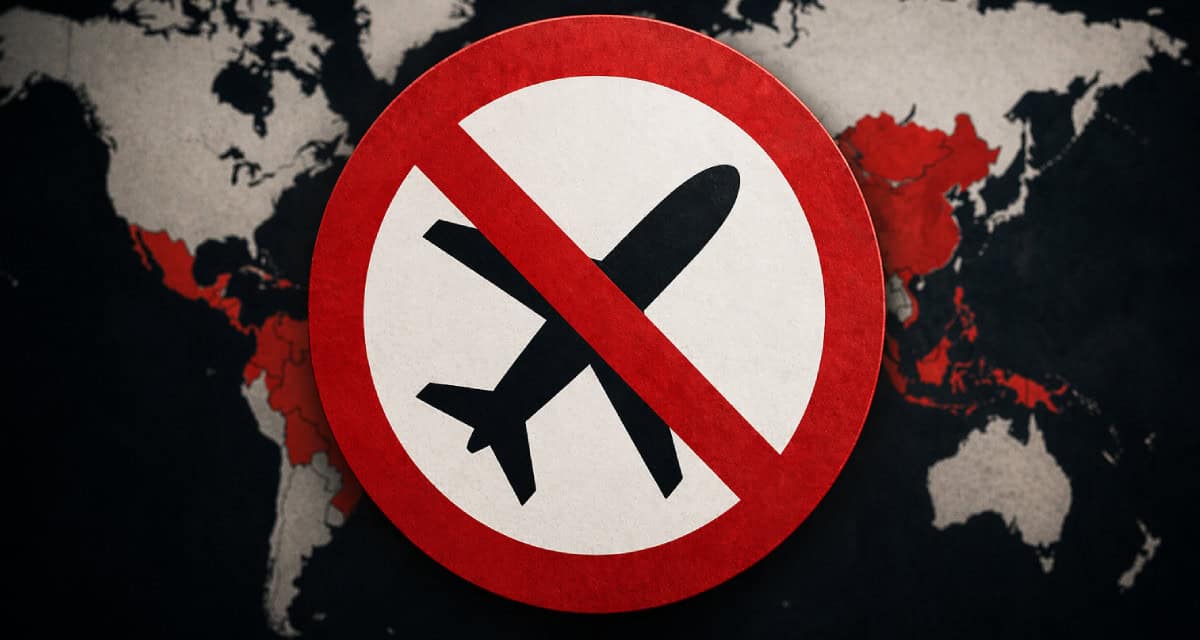
International travel is more accessible than ever, but not every destination offers the same level of safety or stability. For U.S. travelers in particular, certain countries come with heightened risks due to political unrest, crime, infrastructure challenges, or strained diplomatic relationships. Knowing where extra caution is needed can make all the difference when planning a trip abroad.
Government travel advisories and real-world conditions can change quickly, which is why it’s important to stay informed before booking flights or finalizing itineraries. Some destinations may still attract visitors with their culture, history, or natural beauty, but current conditions on the ground can make travel far more complicated or even dangerous than expected.
In this guide, we take a closer look at countries where Americans should carefully reconsider travel plans. Whether it’s due to safety concerns, limited emergency support, or ongoing instability, these are places where awareness and preparation are essential before making the decision to go.
1. Yemen
©Getty Images
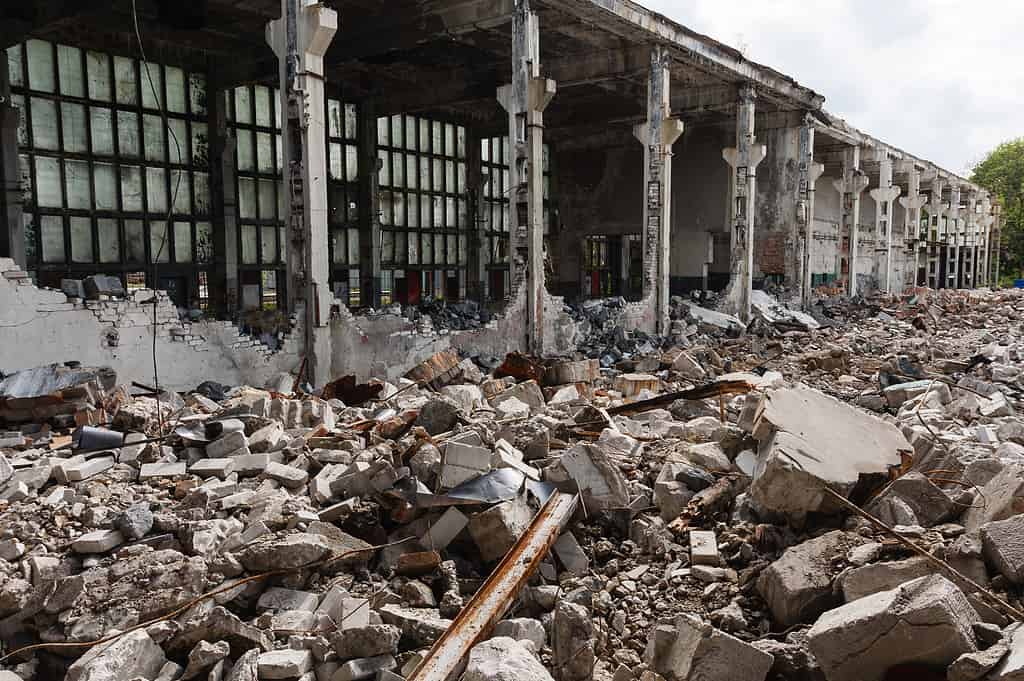
Yemen is located on the southern end of the Arabian Peninsula, bordering Saudi Arabia and Oman. In recent years, the country has faced ongoing conflict and political instability that have made daily life extremely difficult for its residents. Infrastructure has been heavily damaged, and access to basic services like healthcare, clean water, and reliable transportation remains limited in many areas.
For travelers, these conditions create serious safety concerns. High levels of poverty, unemployment, and humanitarian challenges have contributed to an unpredictable environment, and government travel advisories strongly warn against visiting. With limited emergency support available for U.S. citizens, Yemen is widely considered one of the most dangerous places to travel right now.
2. Afghanistan
©Getty Images
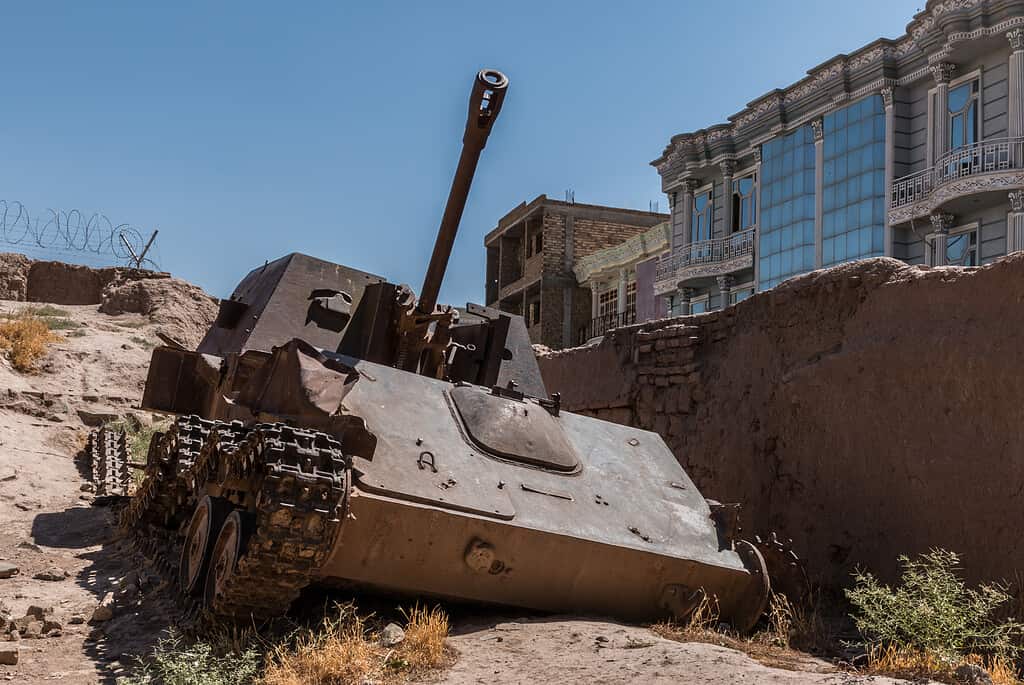
Afghanistan has long been one of the world’s largest producers of opium, a reality tied to its geography, economy, and decades of instability. Positioned along historic trade routes that once connected Asia and the Middle East, the country has remained strategically important for centuries. However, ongoing conflict since the late 20th century has disrupted governance, economic development, and daily life for millions of people.
For travelers, the situation remains highly volatile. Political uncertainty, security concerns, and limited infrastructure make movement within the country extremely risky. Most governments strongly advise against travel to Afghanistan, citing the lack of reliable emergency assistance and the ongoing threat of violence in many regions.
3. Syria
©Getty Images
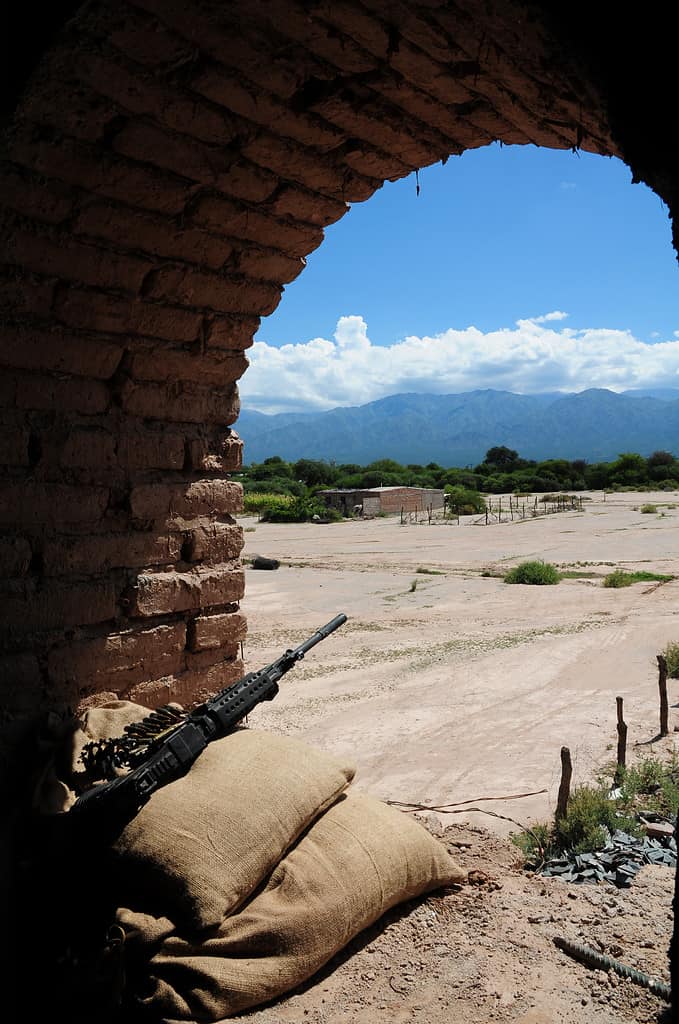
Syria is a geographically diverse country, with landscapes that range from mountains to deserts and a population made up of many ethnic and religious groups. Over the past decade, however, the country has been deeply affected by civil war and political fragmentation. Control over different regions is divided among various groups, creating a complex and often unpredictable situation on the ground.
These conditions have made Syria one of the most dangerous places in the world for journalists and aid workers. Access to large parts of the country is heavily restricted, and reporting from within Syria carries significant risk. For travelers, the ongoing instability, security concerns, and limited access to basic services make it a destination that most authorities strongly advise avoiding.
4. South Sudan
©Getty Images
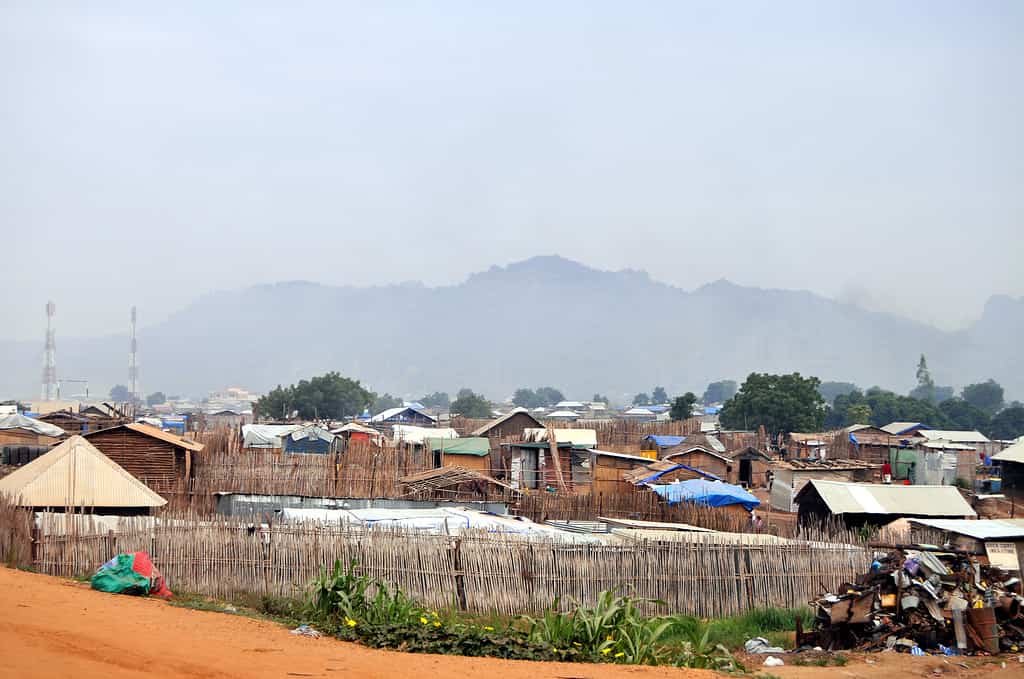
South Sudan is one of the world’s youngest nations, but it continues to face major challenges related to development, infrastructure, and political stability. It consistently ranks near the bottom of the Human Development Index, reflecting widespread poverty, limited access to healthcare, and ongoing humanitarian concerns.
Travel in South Sudan can be difficult and unpredictable. Basic services are limited in many areas, and infrastructure such as roads and transportation networks is underdeveloped. Combined with ongoing security concerns in certain regions, these factors make it a challenging and potentially dangerous destination for visitors, especially those unfamiliar with local conditions.
5. DR Congo
©"Uvira, DR Congo" by DBlomgren is licensed under BY-SA 3.0. - Original / License
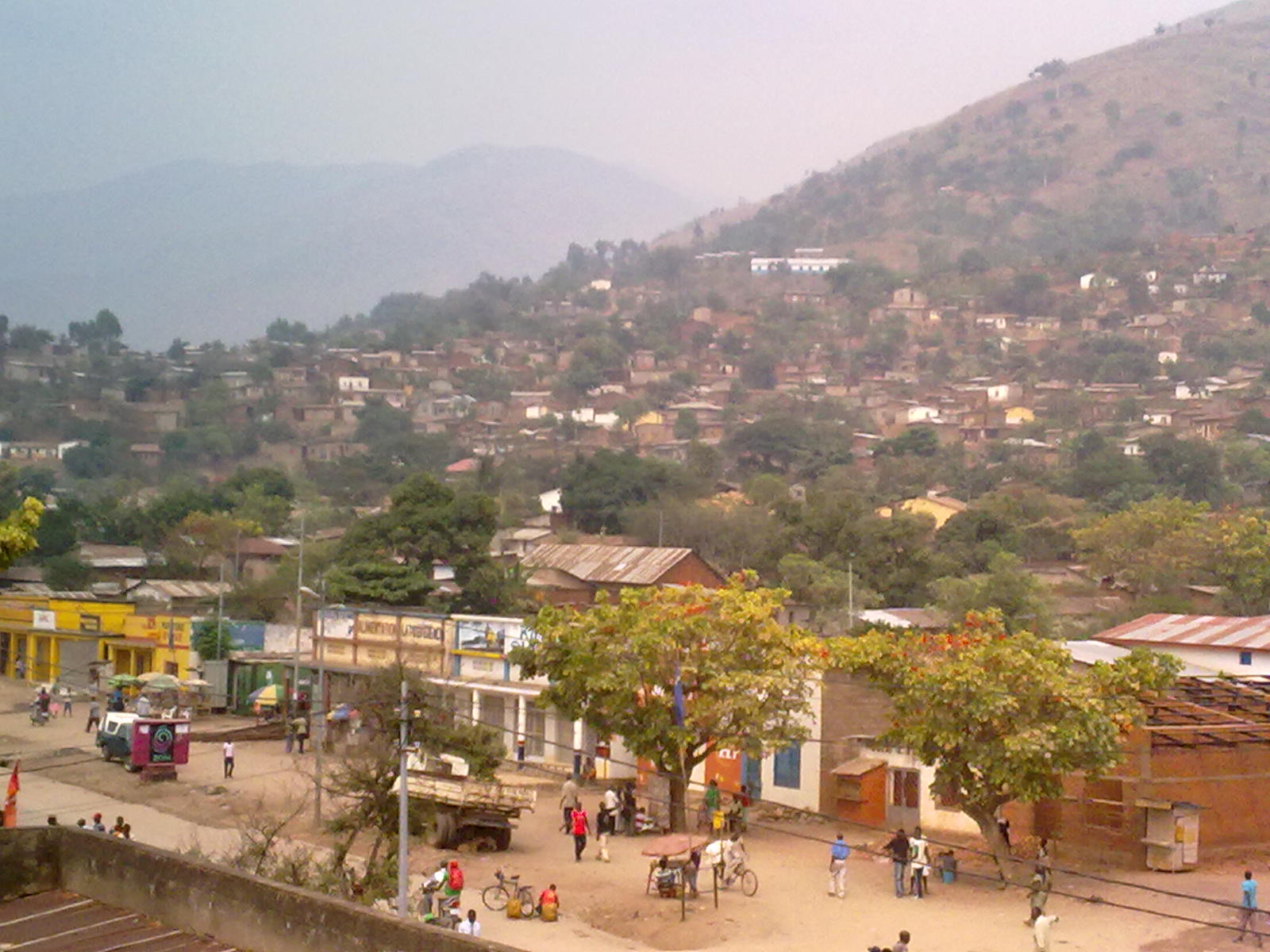
The DR Congo is often considered unsafe due to a long history of internal conflicts, political instability, and various armed groups vying for control over its mineral-rich territories. Despite its natural wealth, many of its residents face dire poverty, and the presence of various diseases, including periodic Ebola outbreaks, further compounds the challenges.
6. Russia
©"Saint Petersburg, Russia" by szeke is licensed under BY-SA 2.0. - Original / License
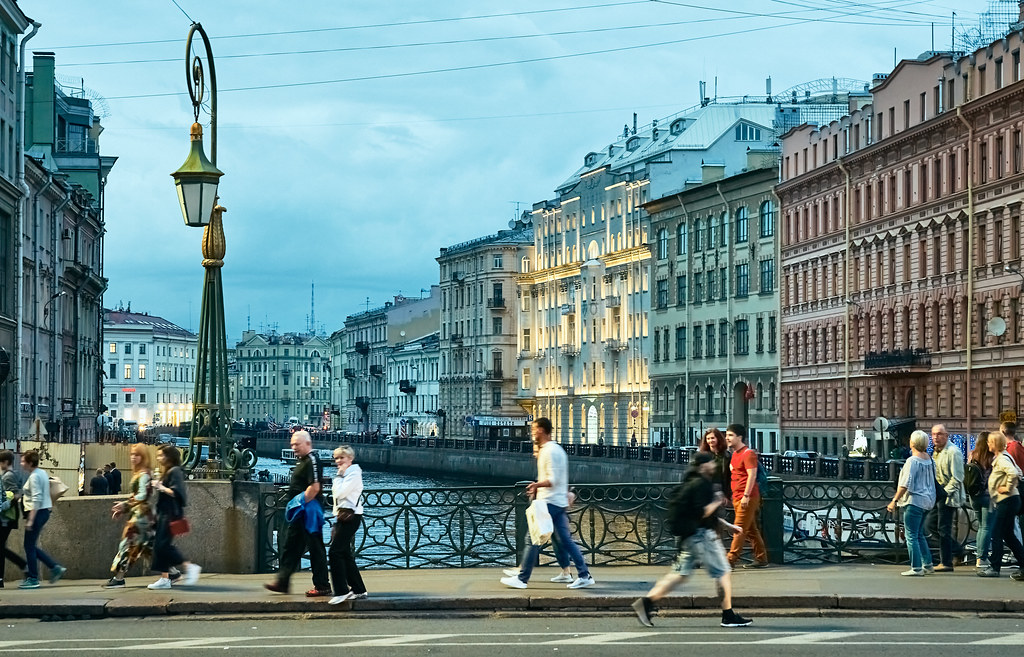
Russia is a vast country with major cities, remote regions, and a wide range of travel experiences. While some urban areas are well-developed and frequently visited, certain regions present higher risks due to crime, political tensions, and limited access to support services for foreign travelers. Organized crime has historically been a concern in parts of the country, although its visibility has decreased in major cities over time.
In recent years, geopolitical tensions and government restrictions have made travel more complicated for U.S. citizens. Limited consular support, shifting regulations, and the potential for detentions or legal complications have led many governments to issue heightened travel warnings. Anyone considering a trip should carefully review current advisories and understand the risks before visiting.
7. Ukraine
©"On Day of Defenders of Ukraine President presents orders of Gold Star, Cross of Combat Merit awards, awards military units with honorary titles." by President Of Ukraine is licensed under CC0 1.0. - Original / License
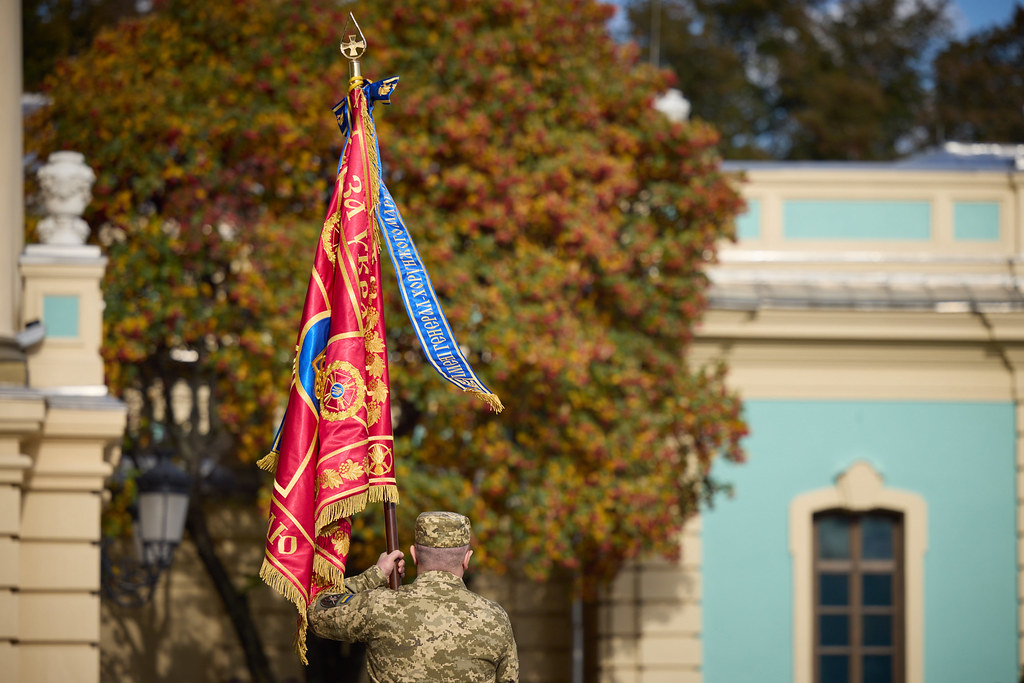
Ukraine has faced significant challenges in recent years, largely due to the ongoing conflict with Russia. While the country has a rich cultural history and many developed urban centers, active conflict zones and infrastructure damage have made travel unsafe in large parts of the country. Conditions can change quickly, especially in areas near the front lines.
Travel advisories strongly discourage visiting Ukraine due to security risks, including missile strikes, limited transportation options, and reduced access to emergency services. While many regions were previously popular with travelers, the current situation makes it essential to avoid nonessential travel until stability returns.
8. Somalia
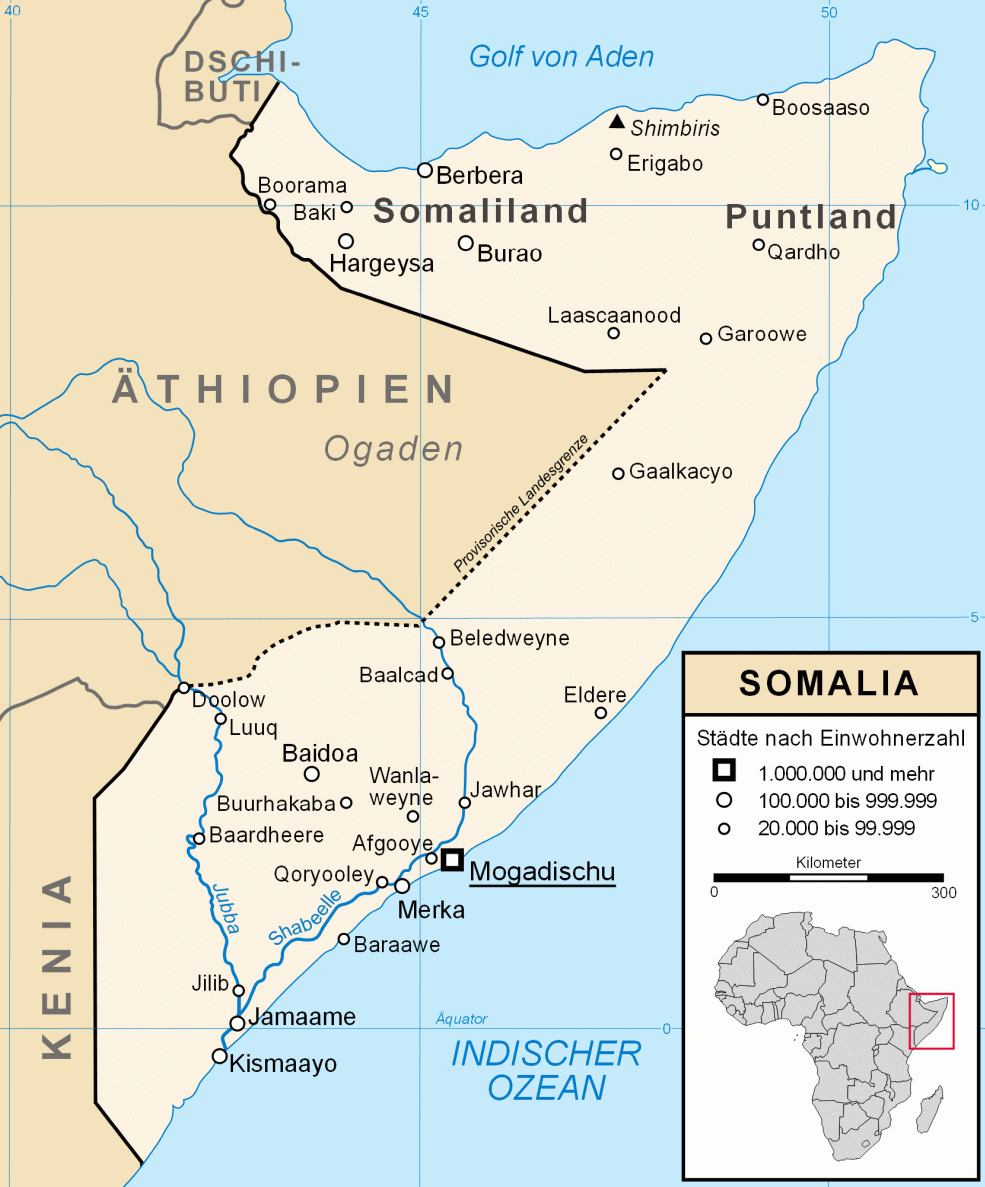
©"Karte Map Somalia" by Lencer is licensed under BY-SA 2.5. - Original / License
Culturally, this country is considered to be homogeneous. As a result, everyone there is a Somali. Somali and Arabic are the languages, and the religion is primarily Muslim. Natural resources are very important in Somalia. You will find salt, iron, and copper, and bananas. Conversely, it is also a dangerous place, as kidnapping and murder happen frequently.
9. Sudan
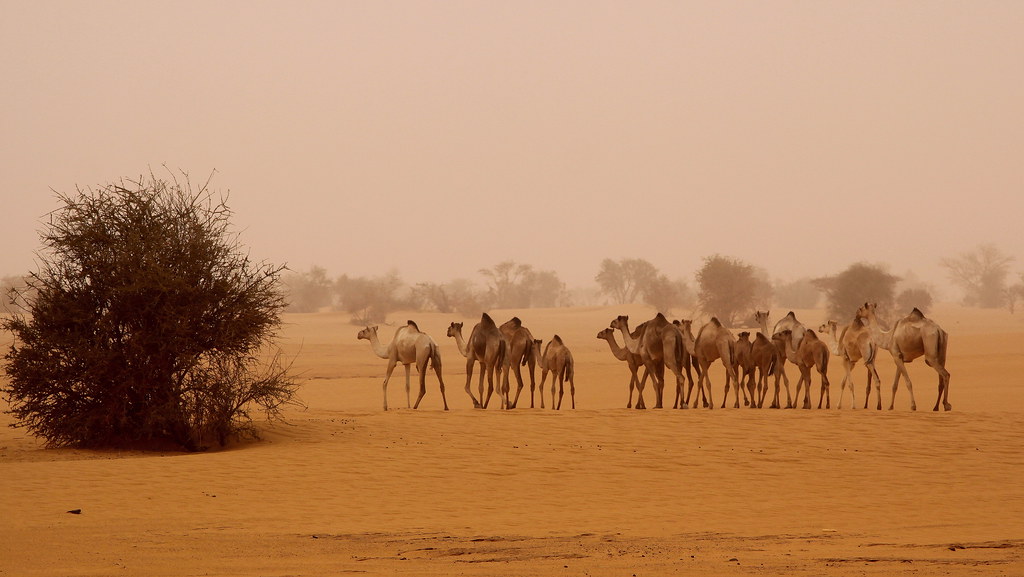
©"sudan - the black pharaohs" by Retlaw Snellac Photography is licensed under BY 2.0. - Original / License
It is a well-known fact that the soil of Sudan is eroding due to large-scale agriculture. A lack of medical safety is just one reason why visiting Sudan is not recommended.
10. Iraq
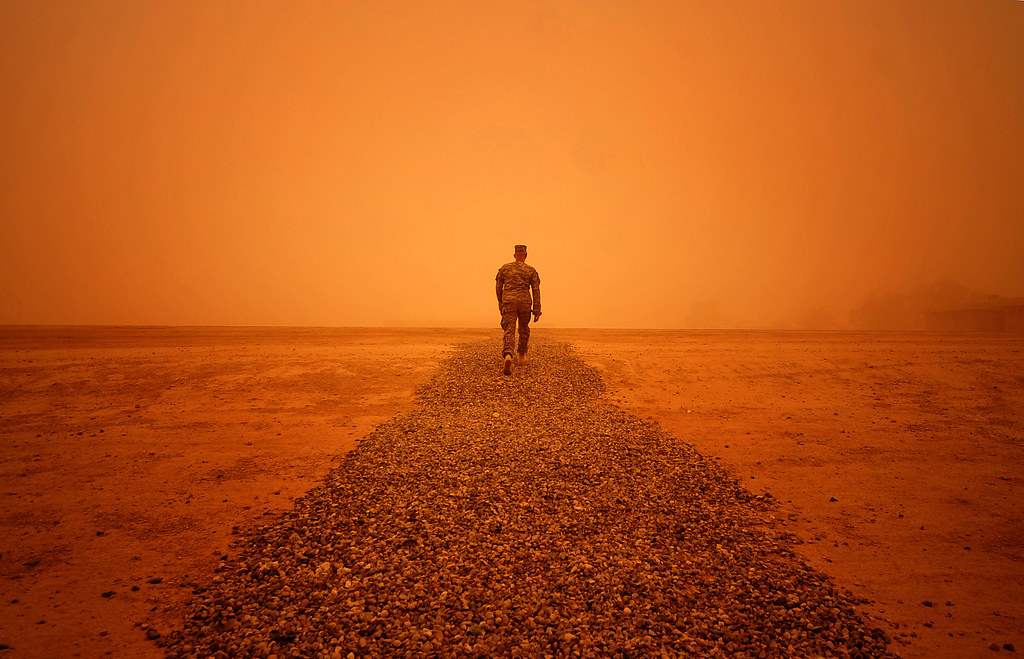
©"Iraq sandstorm [Image 2 of 2]" by DVIDSHUB is licensed under BY 2.0. - Original / License
Iraq has been a country at war since 1980. Under those circumstances, their government infrastructure is not strong enough to withstand all the political corruption that keeps hitting them. With constant warfare, it is hard for their country to rebuild. However, Iraq is known for its culture, history, and art.
11. Mali
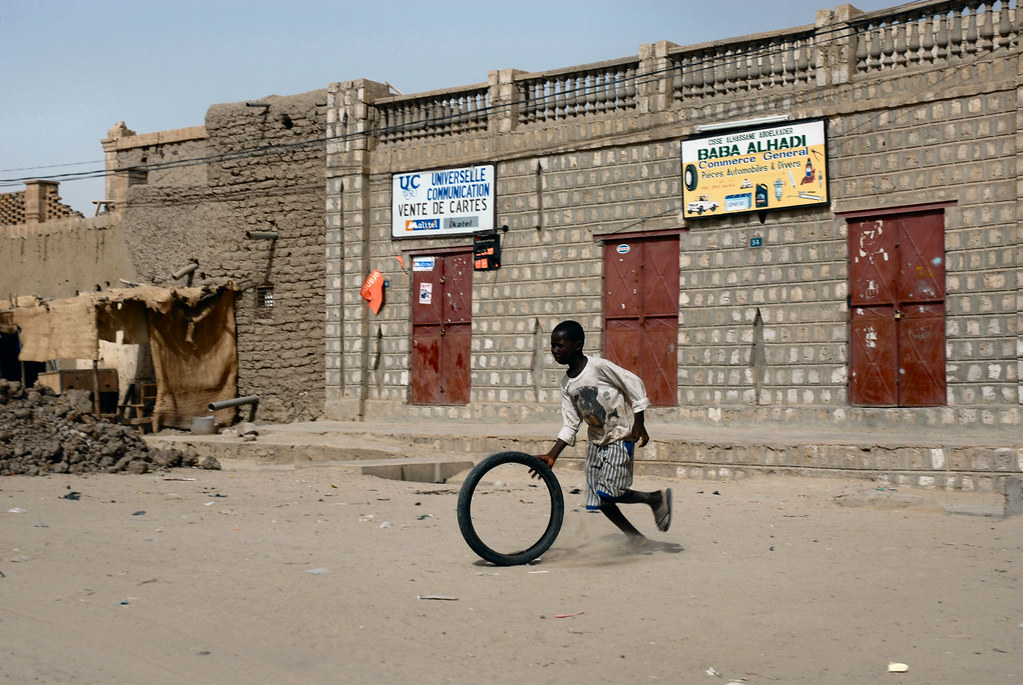
©"Timbuktu, Mali, Sub Sahara W. Africa" by emilio labrador is licensed under BY 2.0. - Original / License
Military corruption has been a huge issue in Mali. Since 2020, there have been two different military takeovers. Terrorism runs Mali, and the impoverished nature of the culture cannot fight against it. Most of the people living in this country work in agriculture, even though most of Mali is considered a desert.
12. Central African Republic
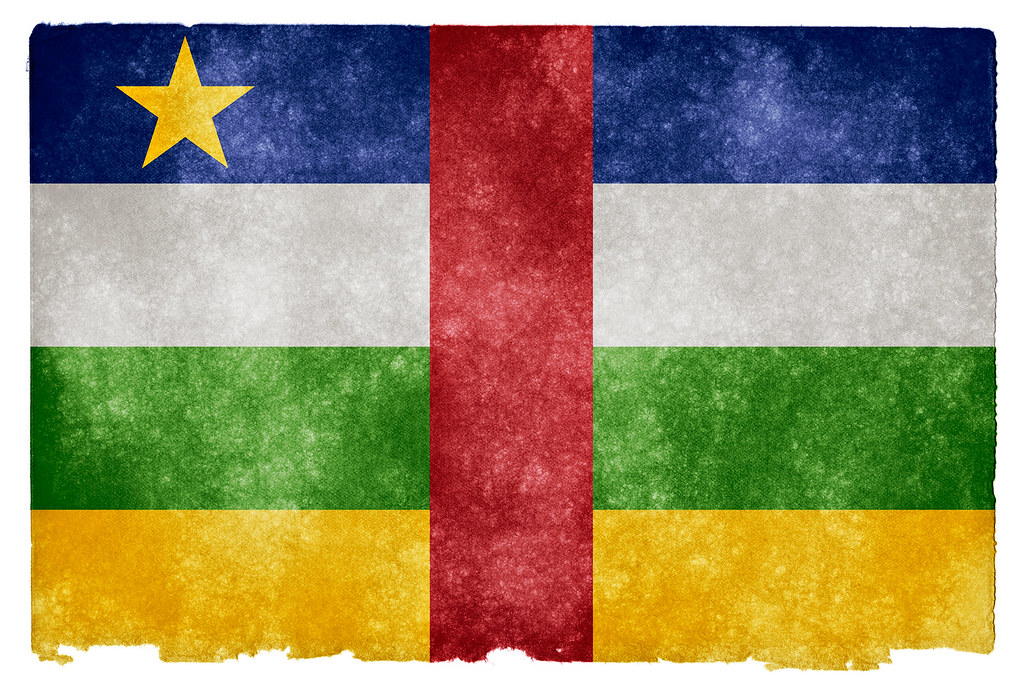
©"Central African Republic Grunge Flag" by Free Grunge Textures - www.freestock.ca is licensed under BY 2.0. - Original / License
Did you know this country has been at war for almost 12 years? Their civil war started around 2012 and rebel leaders have been chosen as President ever since. Over and over again, it has just been a struggle for governmental control and in an appropriate manner.
13. Ethiopia
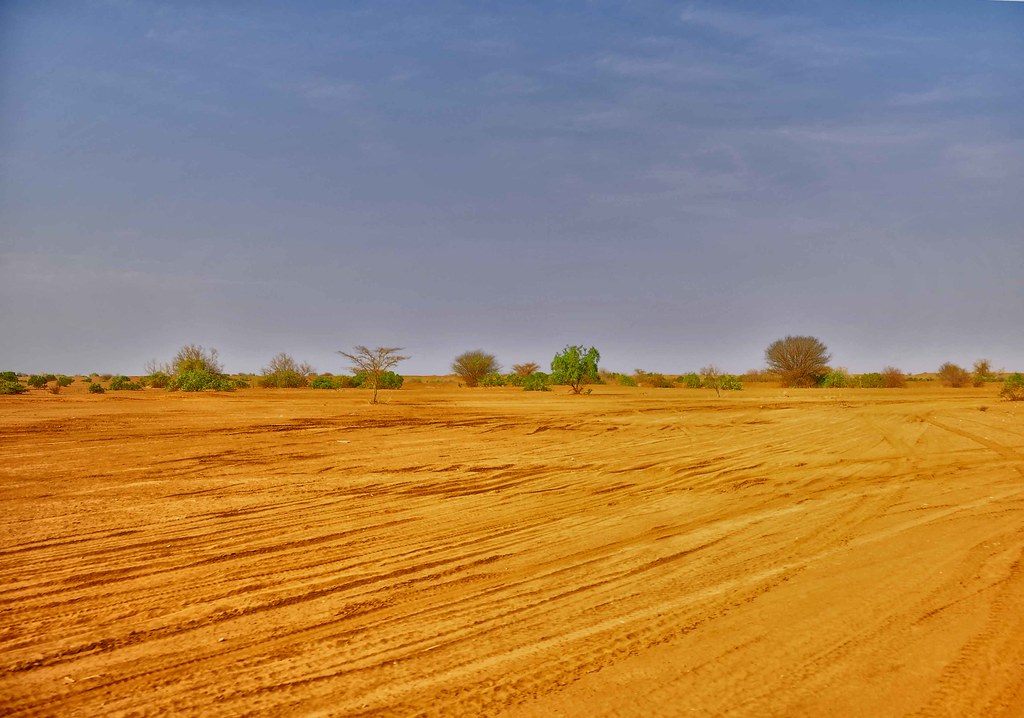
©"Sand and the Omo Valley, Ethiopia" by Rod Waddington is licensed under BY-SA 2.0. - Original / License
Ethiopia has one of Africa’s strongest militaries protecting it and they are active throughout its cities. While this country’s travel bans may shift given the lucrative industries located here, it is still not advised to visit as a tourist.
14. North Korea
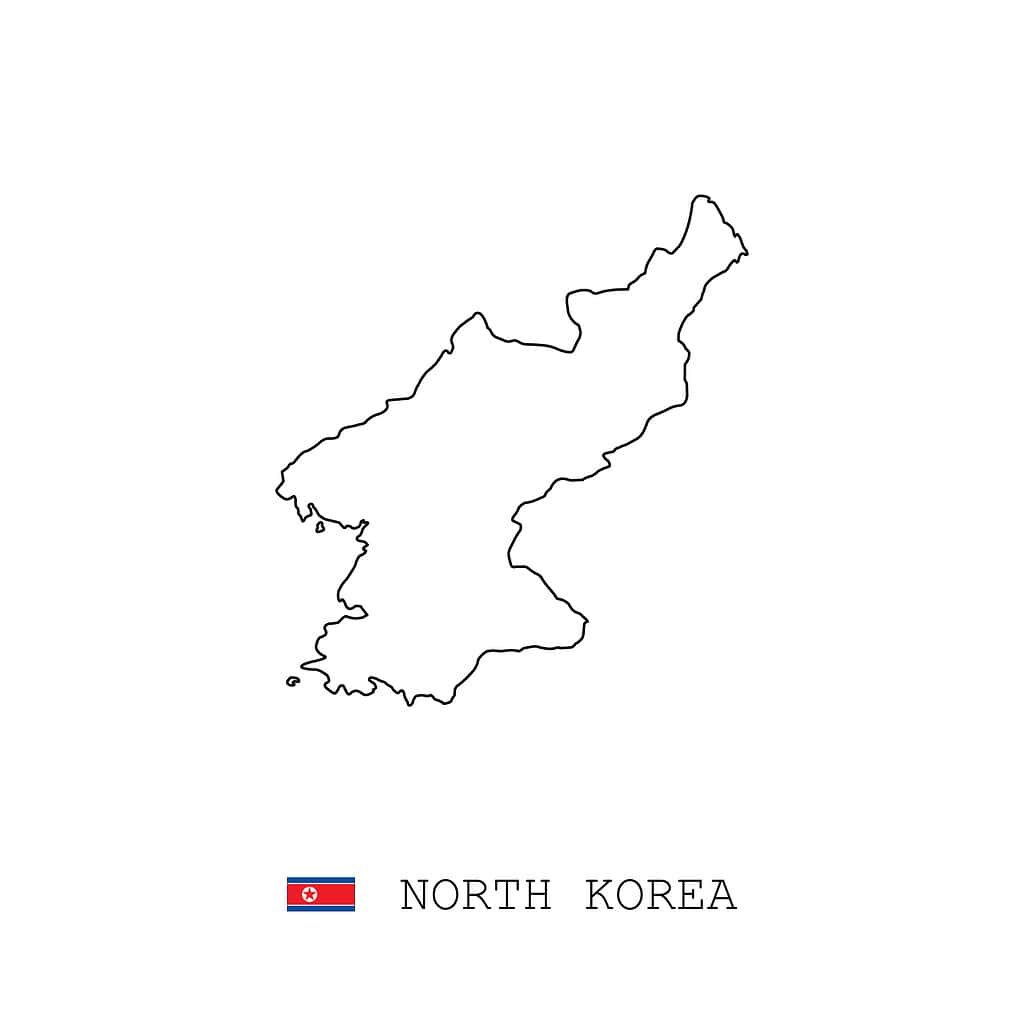
©Getty Images
North Korea is known to hold onto its communist roots. Recently, they have been working on changing their views to bring in more democratic values, but it is a prolonged process. There are still many things North Koreans are not allowed to do, like travel, whether around the country or abroad.
15. Iran
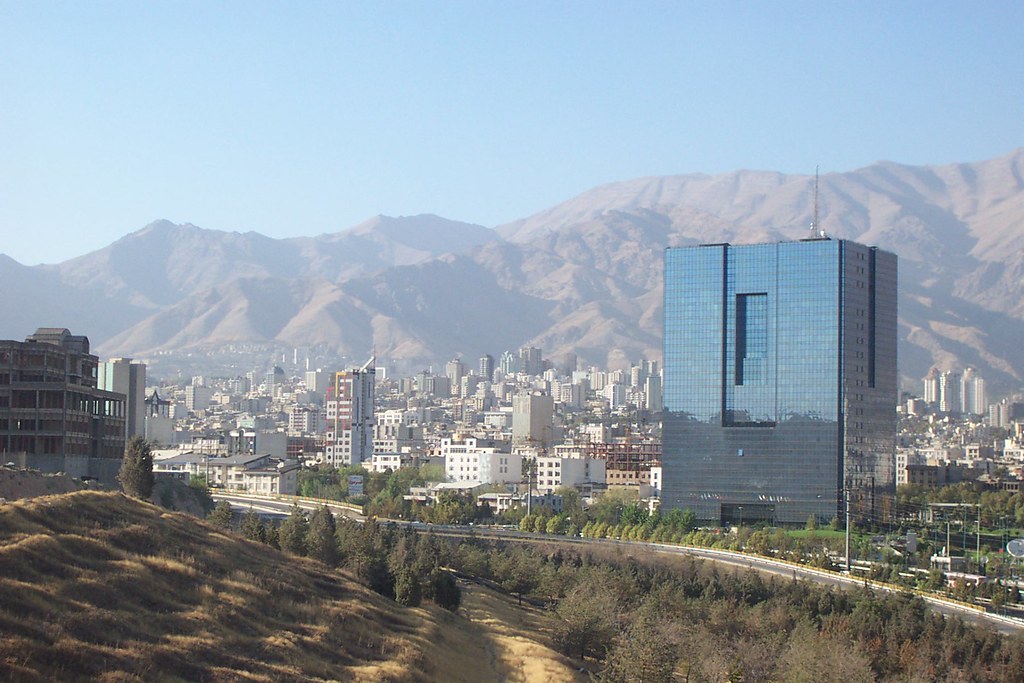
©"1120. Central Bank of Iran, Tehran" by Ensie & Matthias is licensed under BY-SA 2.0. - Original / License
Iran, previously known as Persia, is almost isolated from the outside world and stuck between extreme desert to the east and rough mountains to the west. It is a challenging destination to land on. This is why change is hard to come by.
16. Colombia
©"Bogota, Colombia" by szeke is licensed under BY-SA 2.0. - Original / License
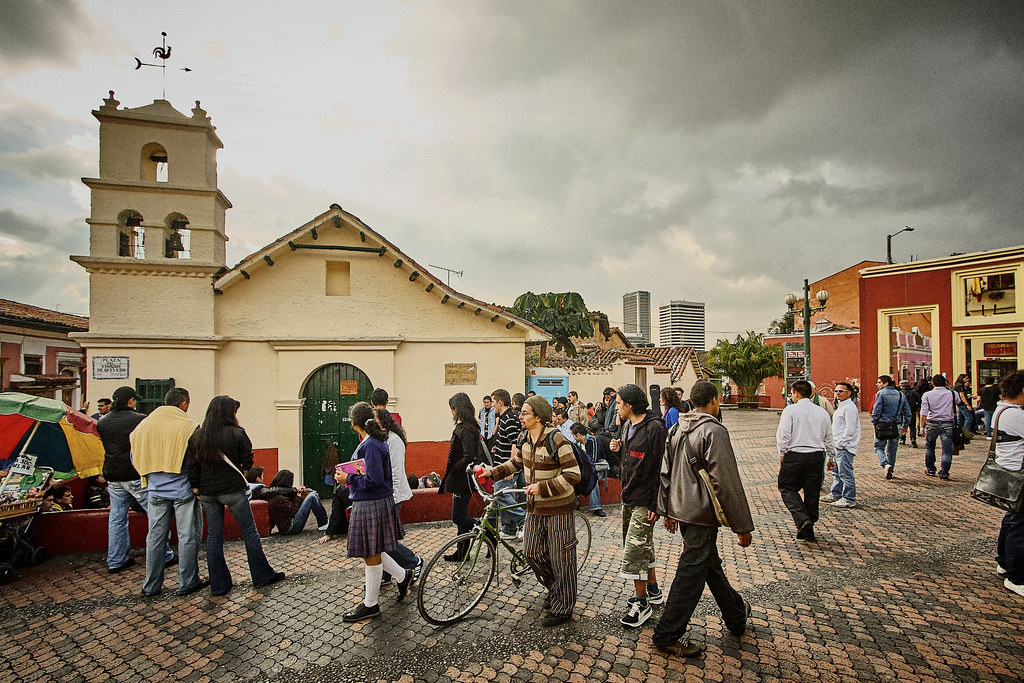
Colombia uses its natural resources to provide for its economy. Petroleum is a vast resource that they possess, providing them with much of their wealth. However, during the height of the drug trade in the late 20th century, the narcos had a profound and often devastating impact on the country’s politics, economy, and social fabric.
17. Venezuela
©Photo Spirit/Shutterstock.com
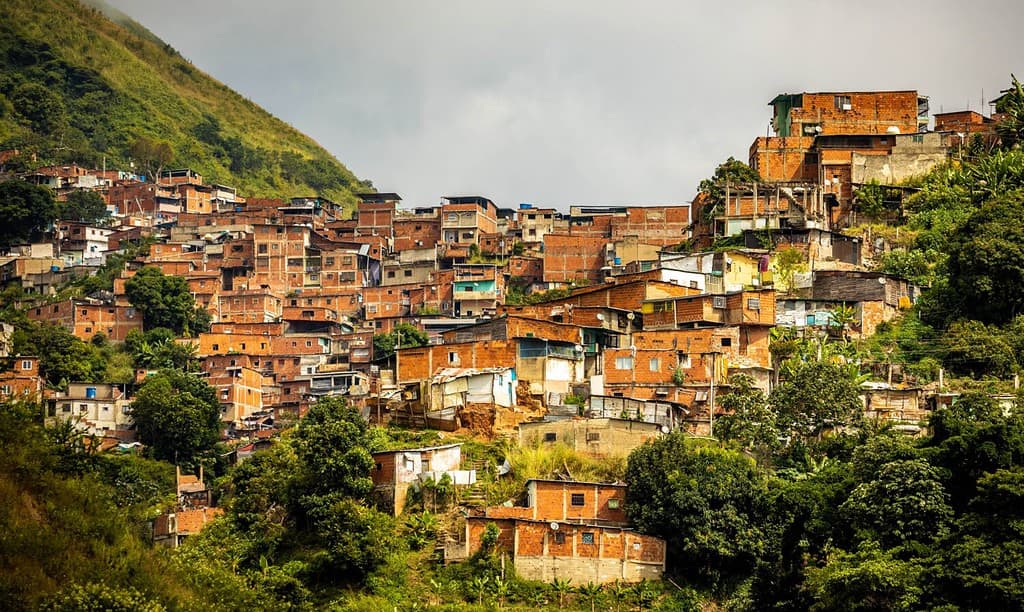
Poverty in Venezuela has declined in the last few years, dropping around 15%. Yet the country is still in financial crisis. Crime is high here because there is no actual inclination to who is in charge. Corruption regarding their policing force is a massive problem that this country has.

