
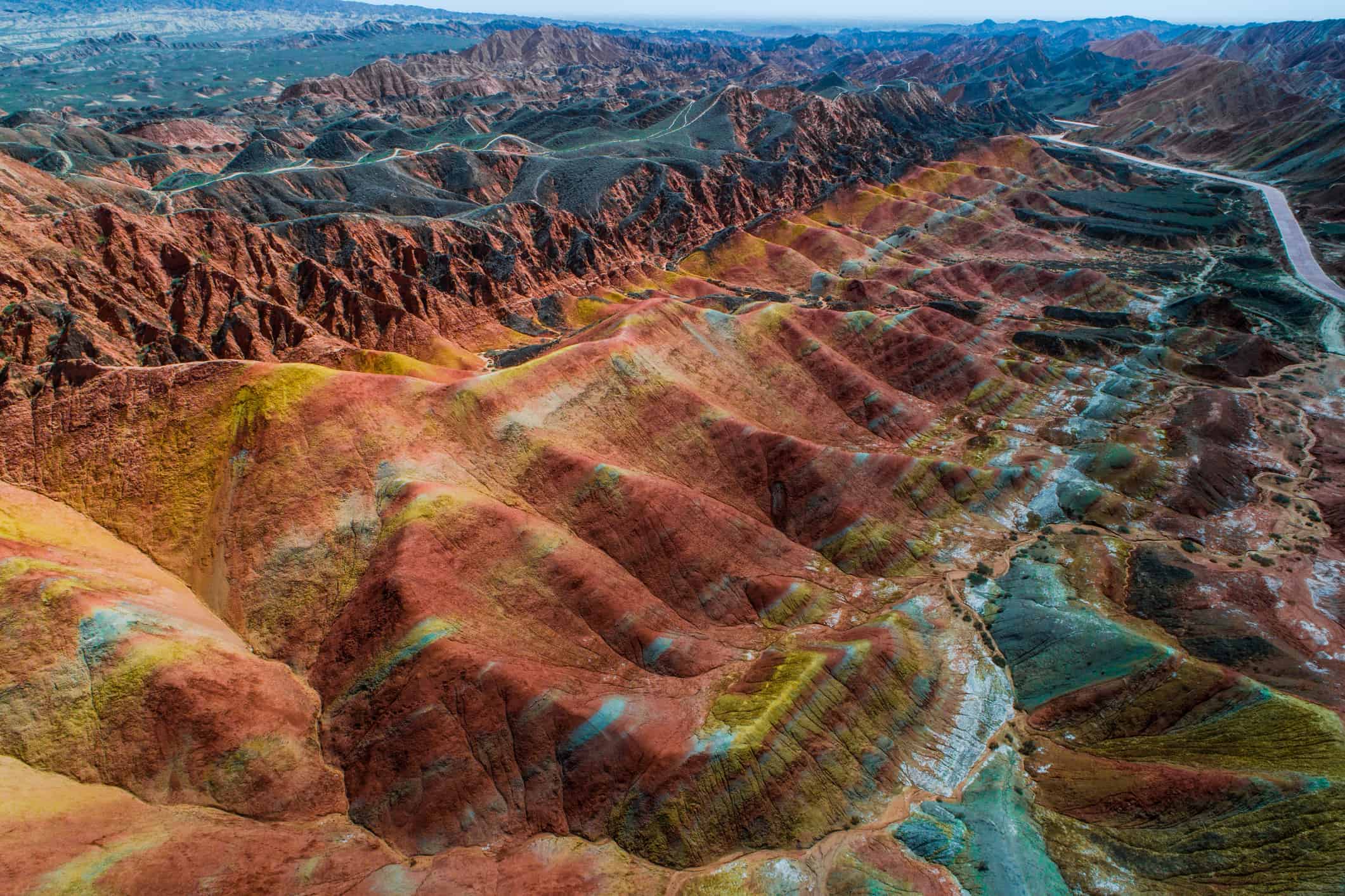
Some places on Earth look so unusual that they almost seem fictional. From bright mineral pools and wave-shaped rock formations to salt flats, volcanic landscapes, desert towers, and colorful natural basins, these destinations show how strange and beautiful the planet can be when time, weather, water, heat, and geology all leave their mark.
This slideshow explores 14 of the strangest-looking places on Earth and explains what makes each one stand out. Some were shaped by erosion over millions of years, while others were formed by volcanic activity, mineral deposits, extreme climates, or rare natural conditions. Together, they are a reminder that some of the world’s most unforgettable travel destinations do not need exaggeration. They already look unbelievable.
Naica’s Crystal Cave
©Alexander Van Driessche, CC BY 3.0, via Wikimedia Commons - Original / License
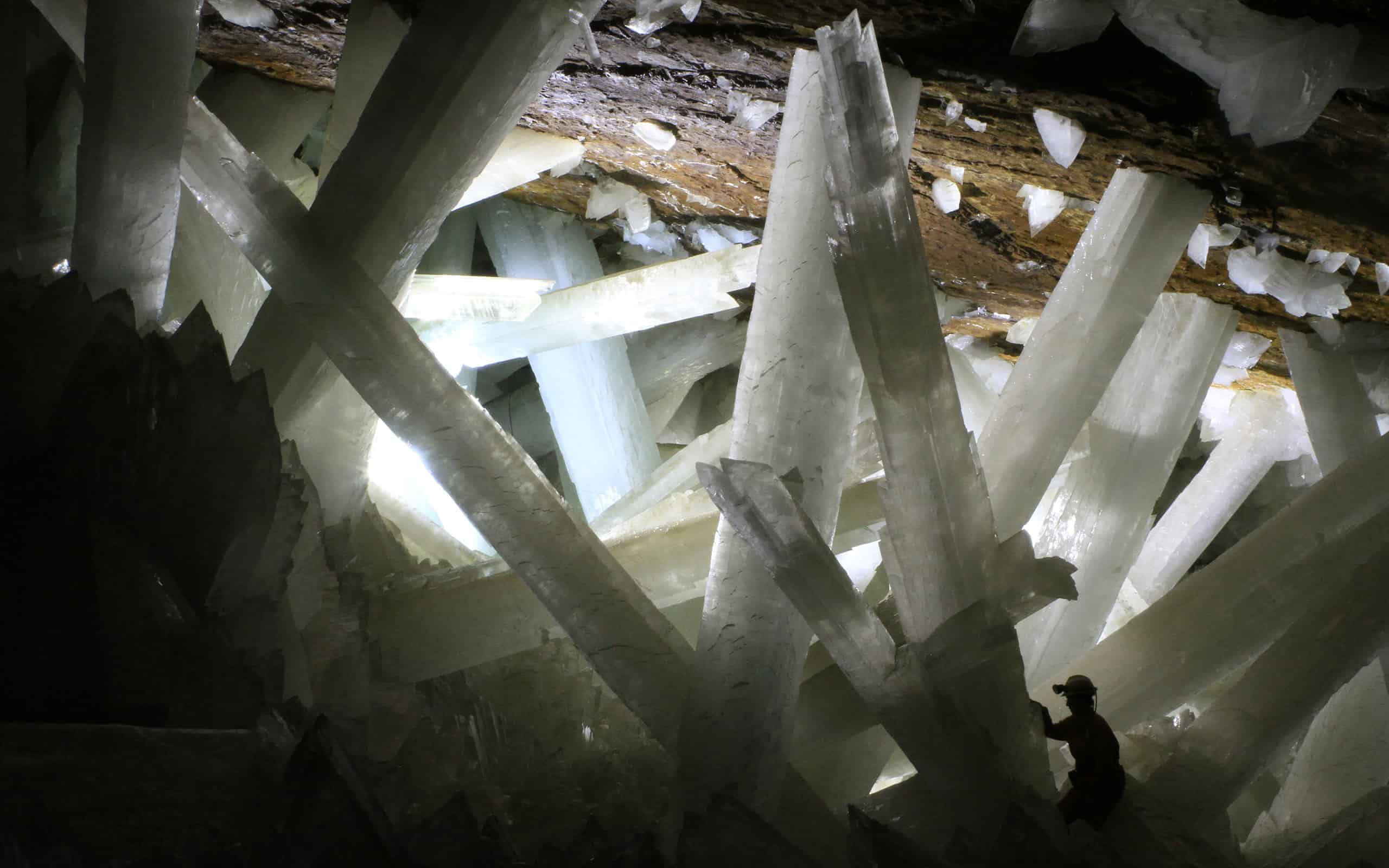
Naica’s Crystal Cave in Chihuahua, Mexico, looks like something from science fiction. Its massive selenite crystals grew under nearly perfect underground conditions, with extreme heat, mineral-rich water, and humidity close to 100%. Temperatures inside can reach about 136 degrees Fahrenheit, making the cave as dangerous as it is beautiful.
Manpupuner
©danilsnegmb/iStock via Getty Images
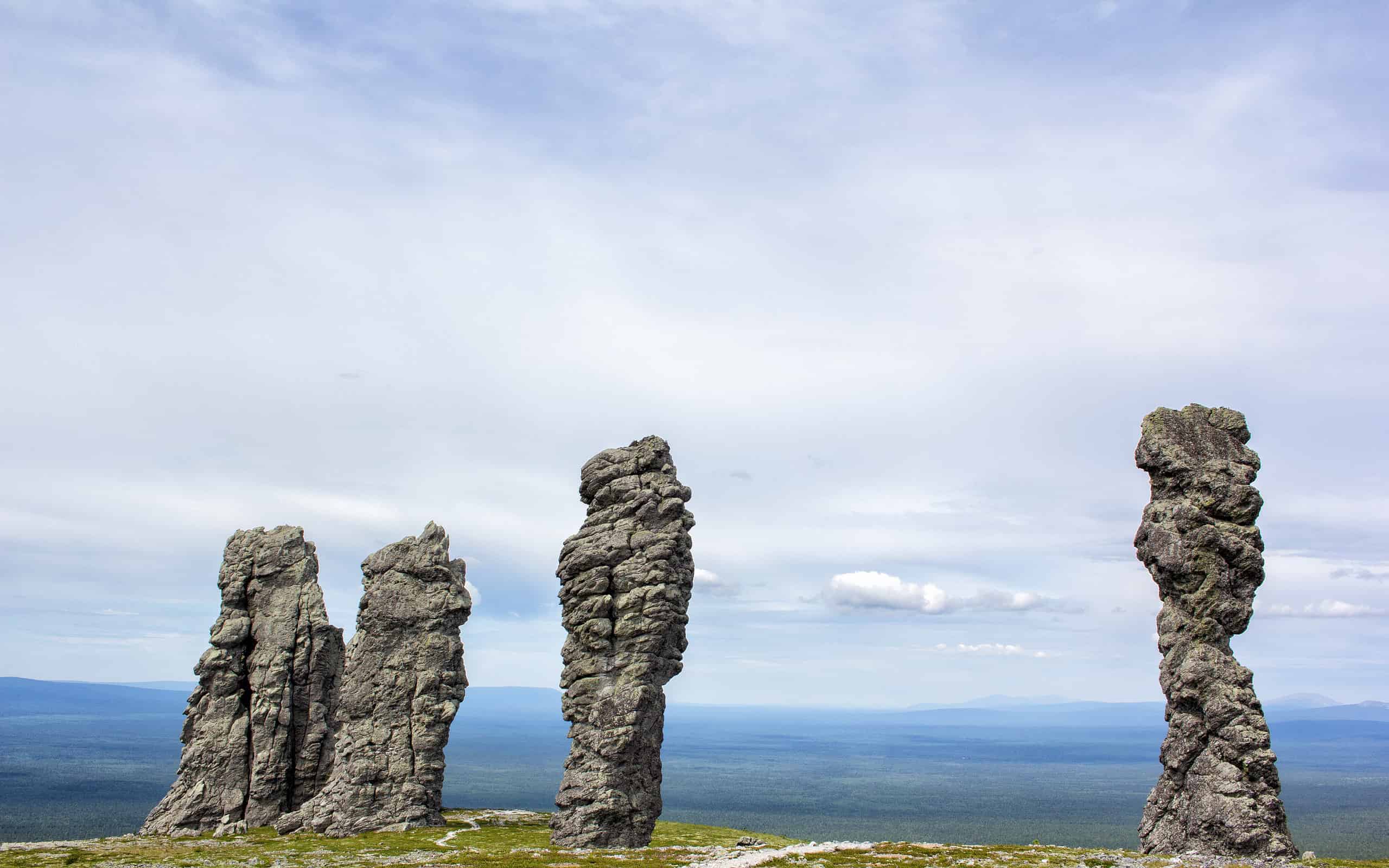
Manpupuner is one of Russia’s strangest natural landmarks. The site is made up of seven towering stone pillars, sometimes called the Seven Strong Men Rock Formations or the Poles of the Komi Republic. Their isolated setting and unusual shapes make them look almost impossible, as if they were placed there on purpose.
Giant’s Causeway
©iStock.com/romrodinka
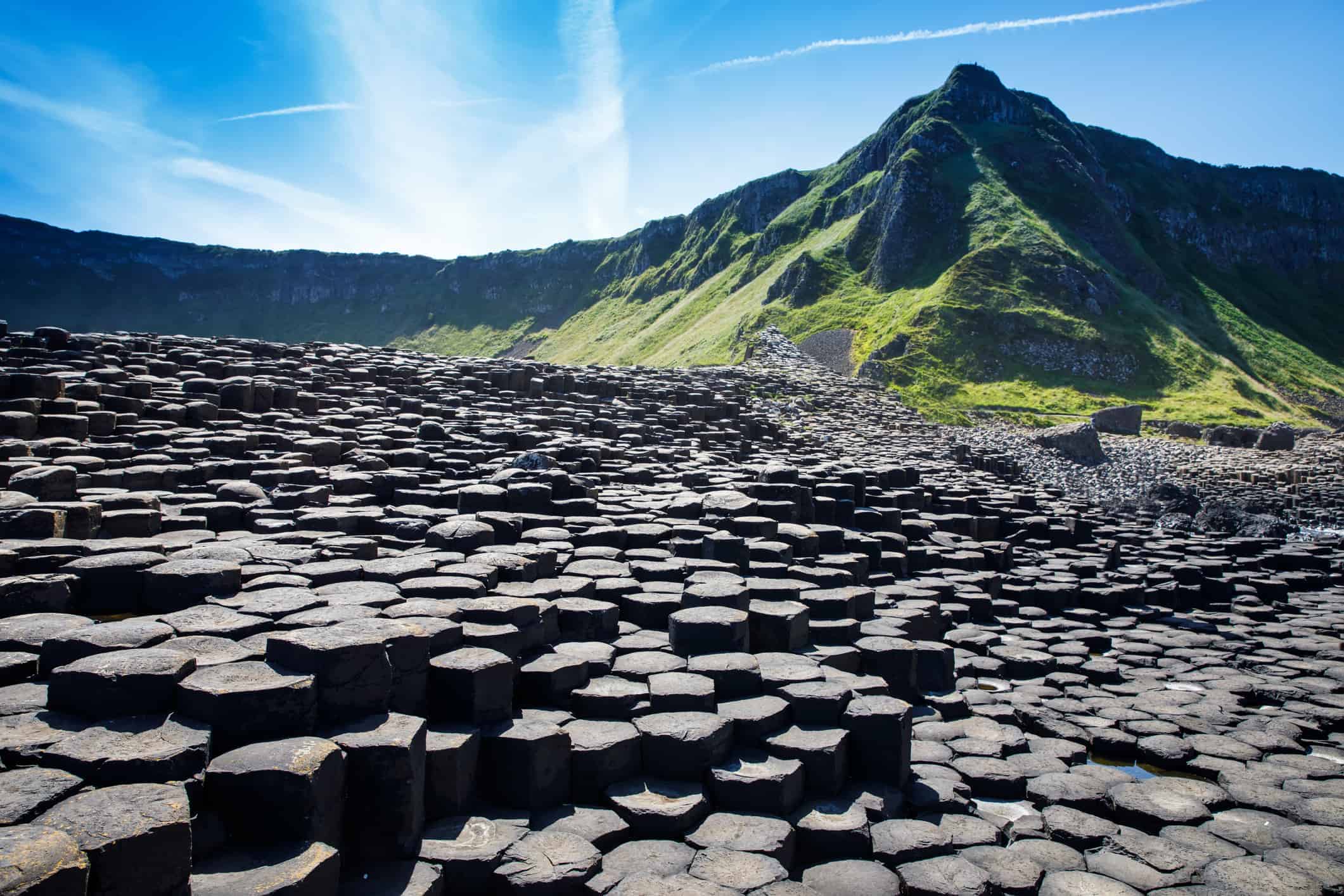
Northern Ireland’s Giant’s Causeway is famous for its roughly 40,000 interlocking basalt columns, many of them shaped like giant stone steps. Known in Irish as Clochán an Aifir or Clochán na bhFomhórach, the site was formed by ancient volcanic activity and remains one of the most recognizable natural wonders in the United Kingdom.
Spotted Lake
©Matt_Collingwood/iStock via Getty Images
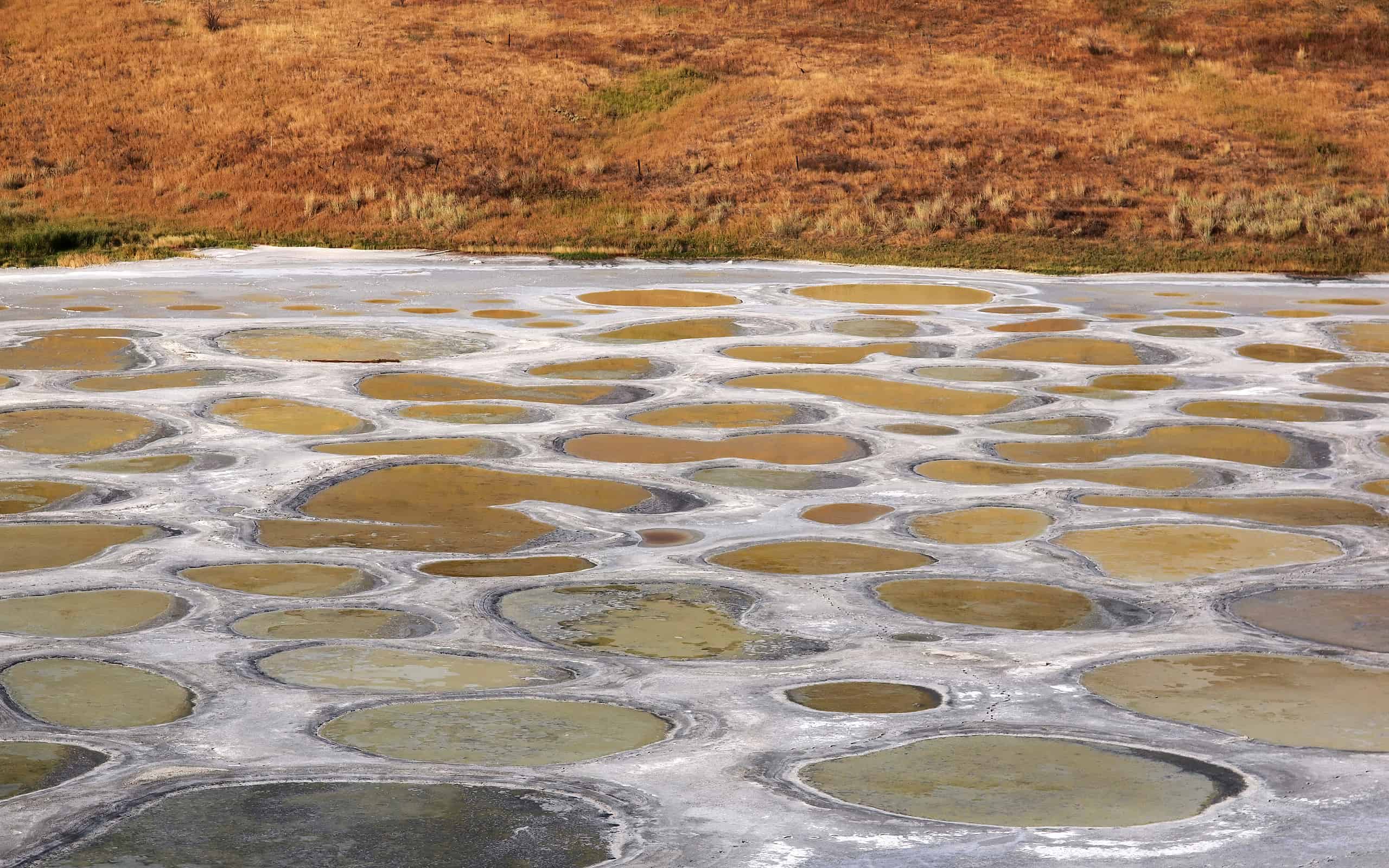
Spotted Lake in British Columbia changes dramatically with the seasons. During the warmer months, much of the water evaporates and leaves behind colorful mineral pools in shades of blue, green, and yellow. For much of the rest of the year, it can look far more ordinary, which makes its summer transformation even more striking.
Isla Madre de Dios
©CherylRamalho/Shutterstock.com
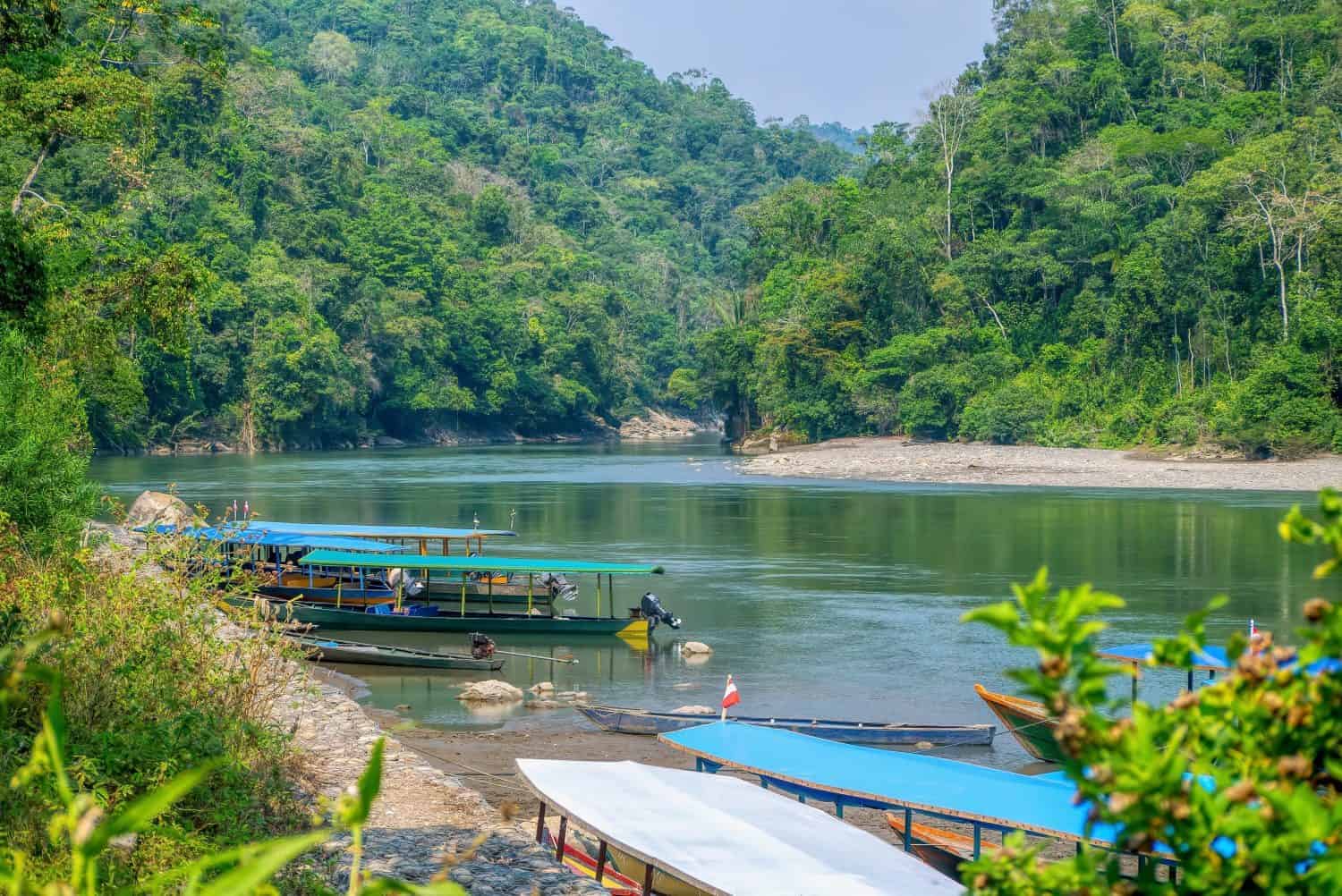
Isla Madre de Dios, off the coast of Chilean Patagonia, is remote, rugged, and difficult to reach. Its marble caves, limestone formations, and windswept landscapes make it beautiful, but harsh rain, strong winds, and isolation keep it far from a typical tourist destination.
Plain of Jars
©Thidavanh PHETDOUANGCHANHLAO/iStock via Getty Images
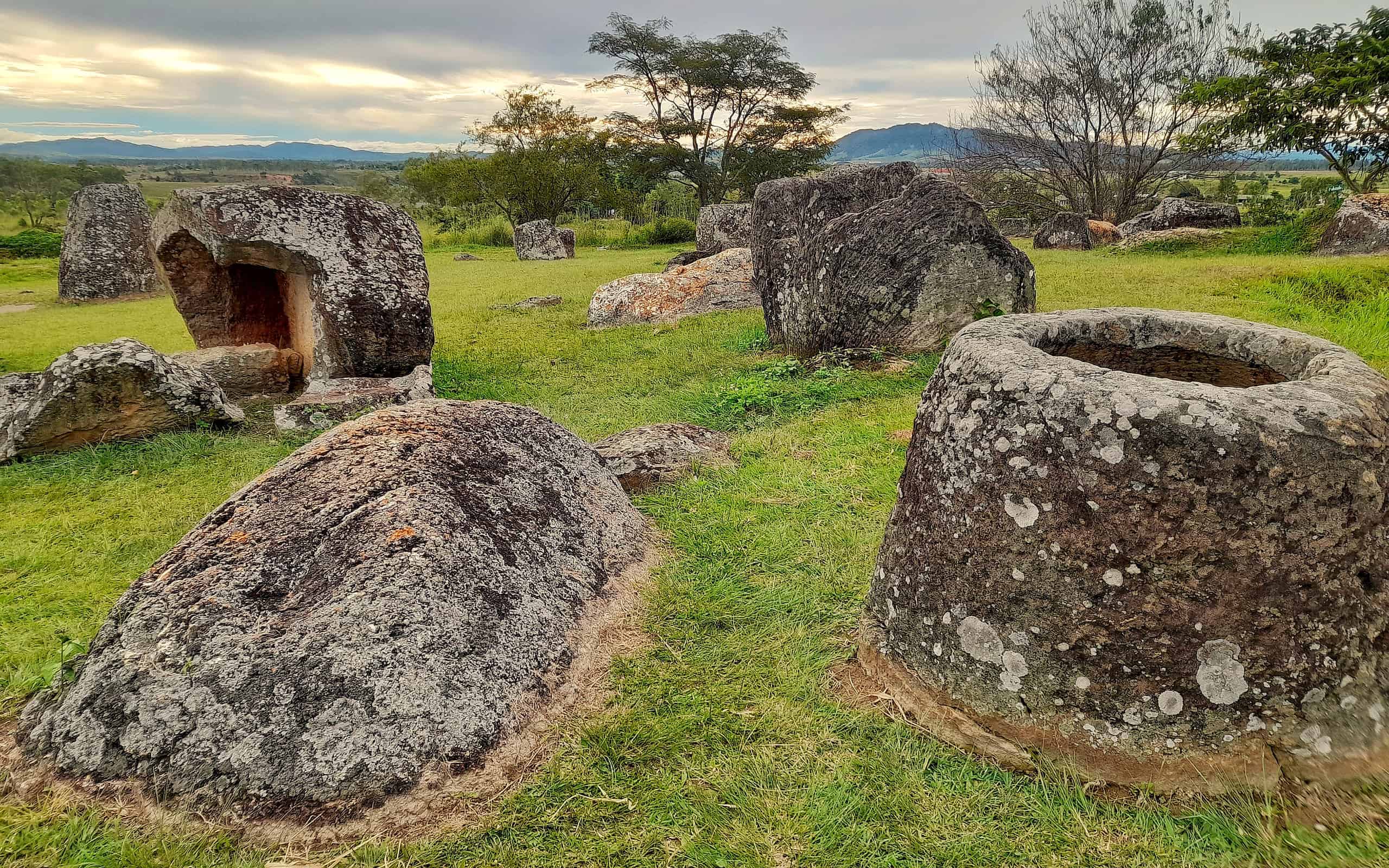
Laos’ Plain of Jars is one of Southeast Asia’s great archaeological mysteries. Thousands of large stone jars are scattered across the Xiangkhouang Plateau, and UNESCO notes that they were tied to Iron Age funerary practices. The area was also heavily bombed during the 20th century, and unexploded ordnance has made research and travel more complicated in parts of the region.
Tsingy de Bemaraha
©mirecca/iStock via Getty Images
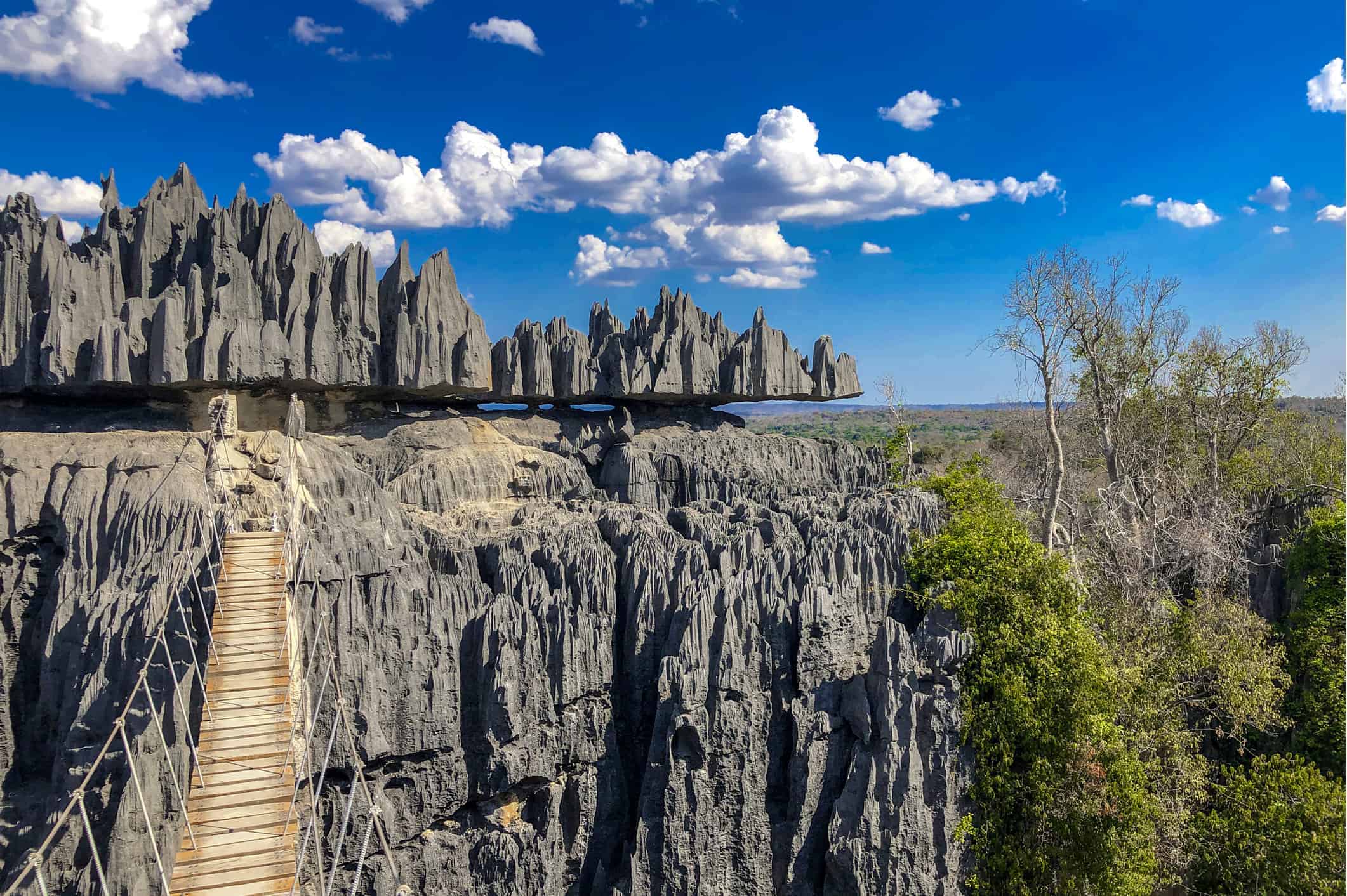
Tsingy de Bemaraha in Madagascar is a landscape of sharp limestone pinnacles, narrow canyons, and jagged stone towers. The word “tsingy” is often used to describe terrain so sharp and difficult that it cannot easily be walked across, which fits this dramatic maze of rock perfectly.
Socotra
©Oleg Znamenskiy/Shutterstock.com
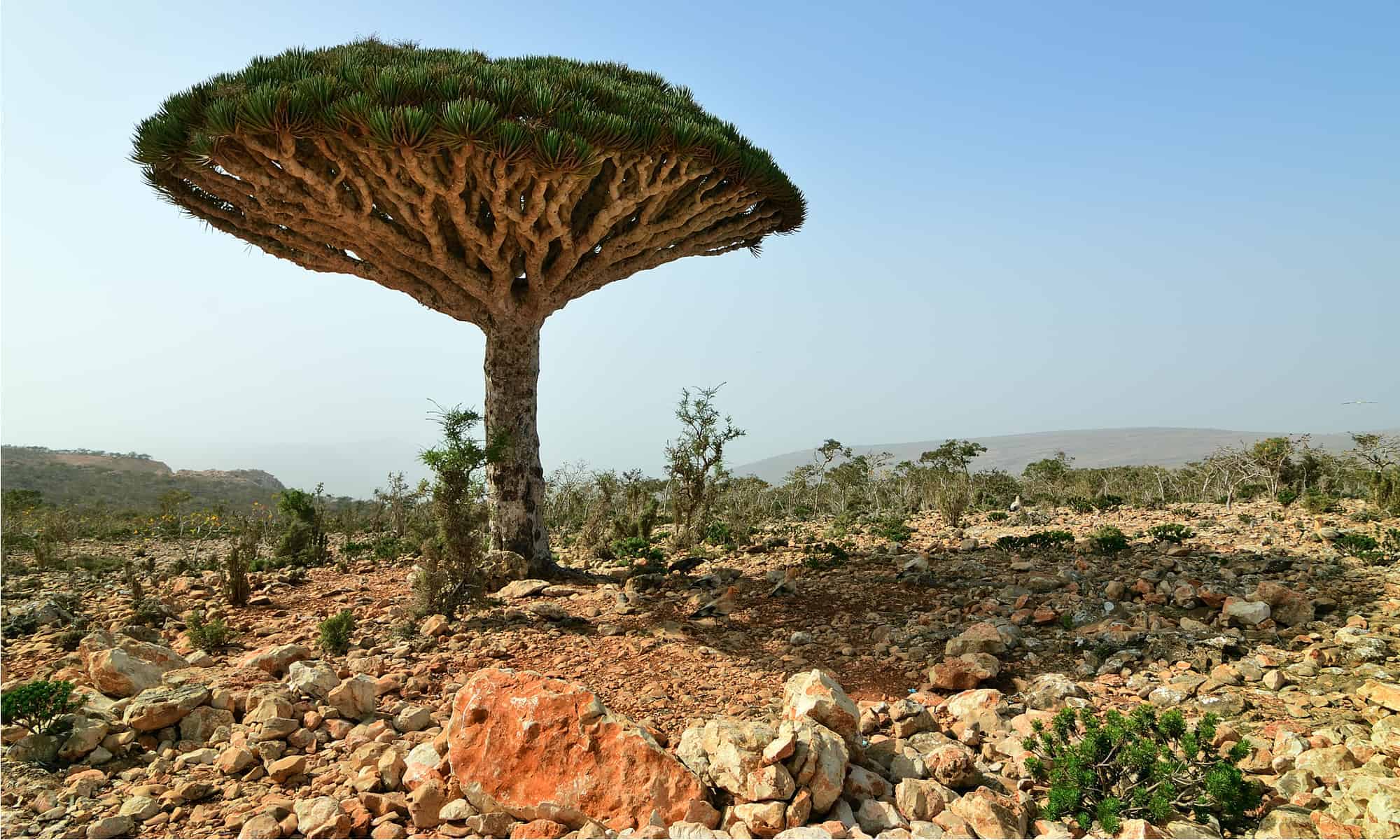
Socotra, an island off the coast of Yemen, is famous for plants and animals found nowhere else on Earth. Its dragon’s blood trees, bottle trees, and unusual desert landscapes give parts of the island an almost alien appearance, making it one of the strangest-looking natural places in the world.
Jervis Bay
©lovleah/iStock via Getty Images
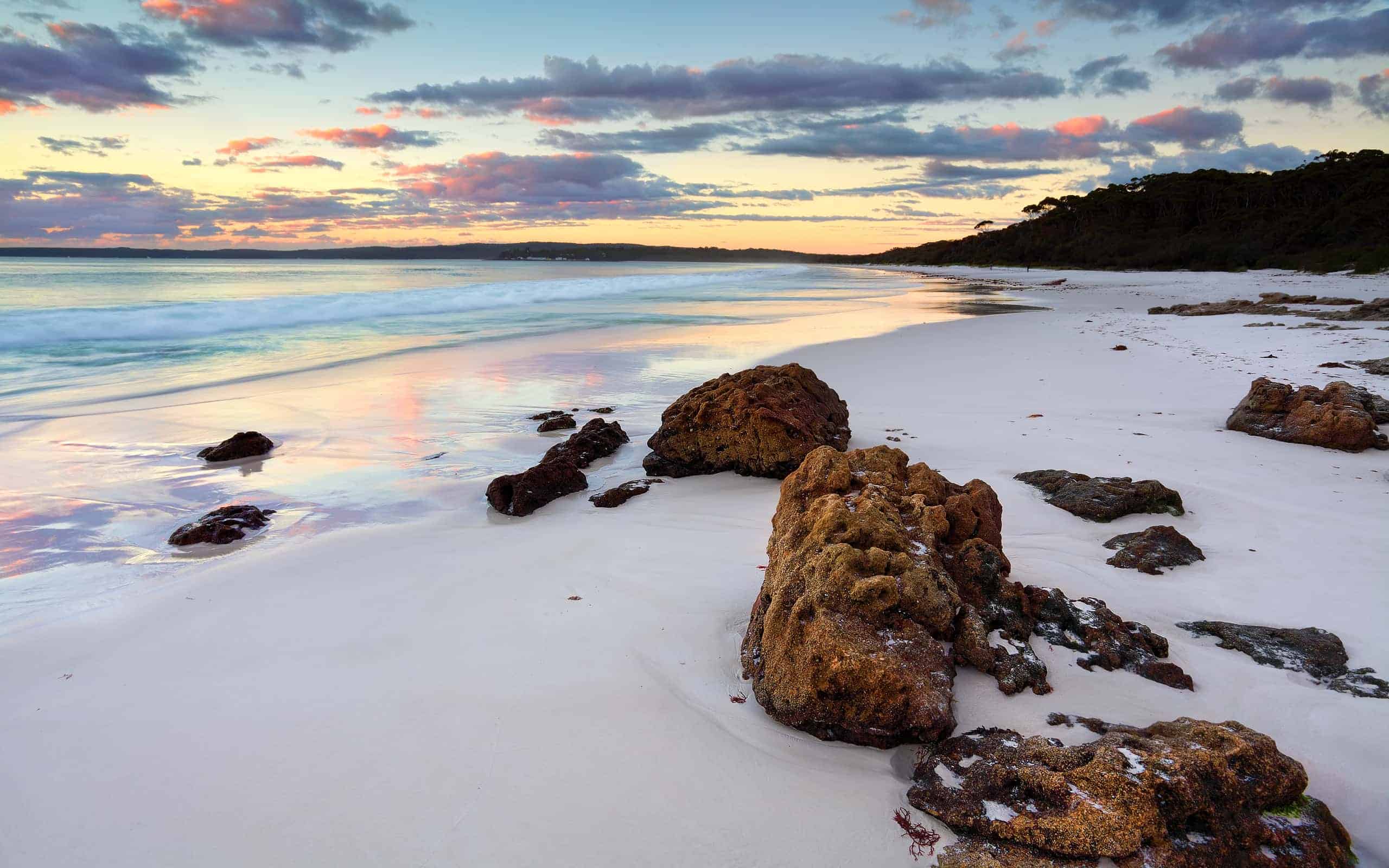
Jervis Bay in Australia is known for bright white beaches, clear water, and occasional displays of bioluminescence. When conditions are right, tiny marine organisms can glow blue as the water moves, creating a nighttime scene that looks unreal. The glow is most often reported during warmer months, though it depends on local conditions.
Chocolate Hills
©Ershov_Maks/iStock via Getty Images
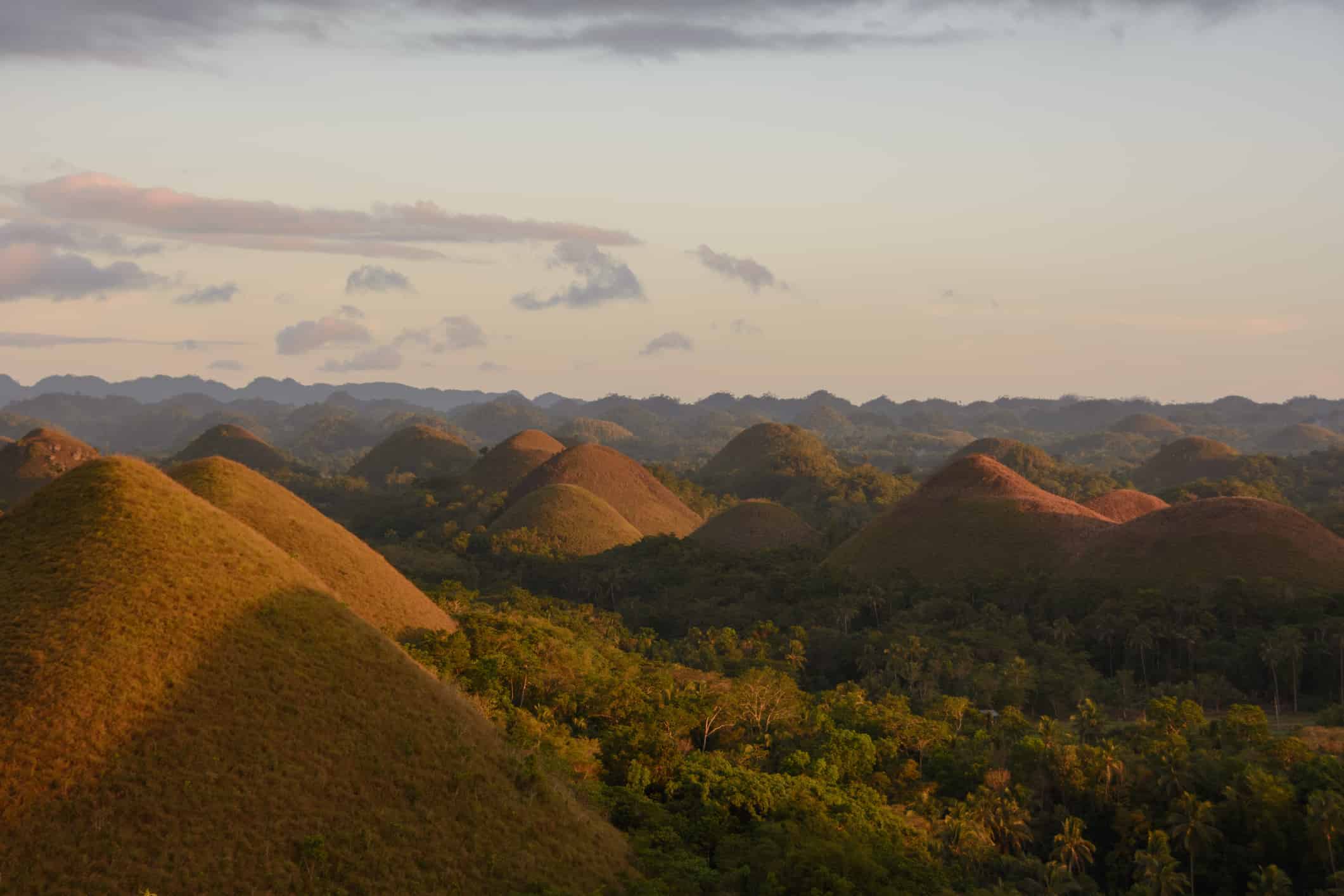
The Chocolate Hills in the Philippines are made up of hundreds of rounded, grass-covered hills spread across Bohol. During the dry season, the grass turns brown, giving the hills their chocolate-like appearance and making the landscape look unlike almost anywhere else.
Cataumbo River
©Christian Pinillo Salas/ via Getty Images
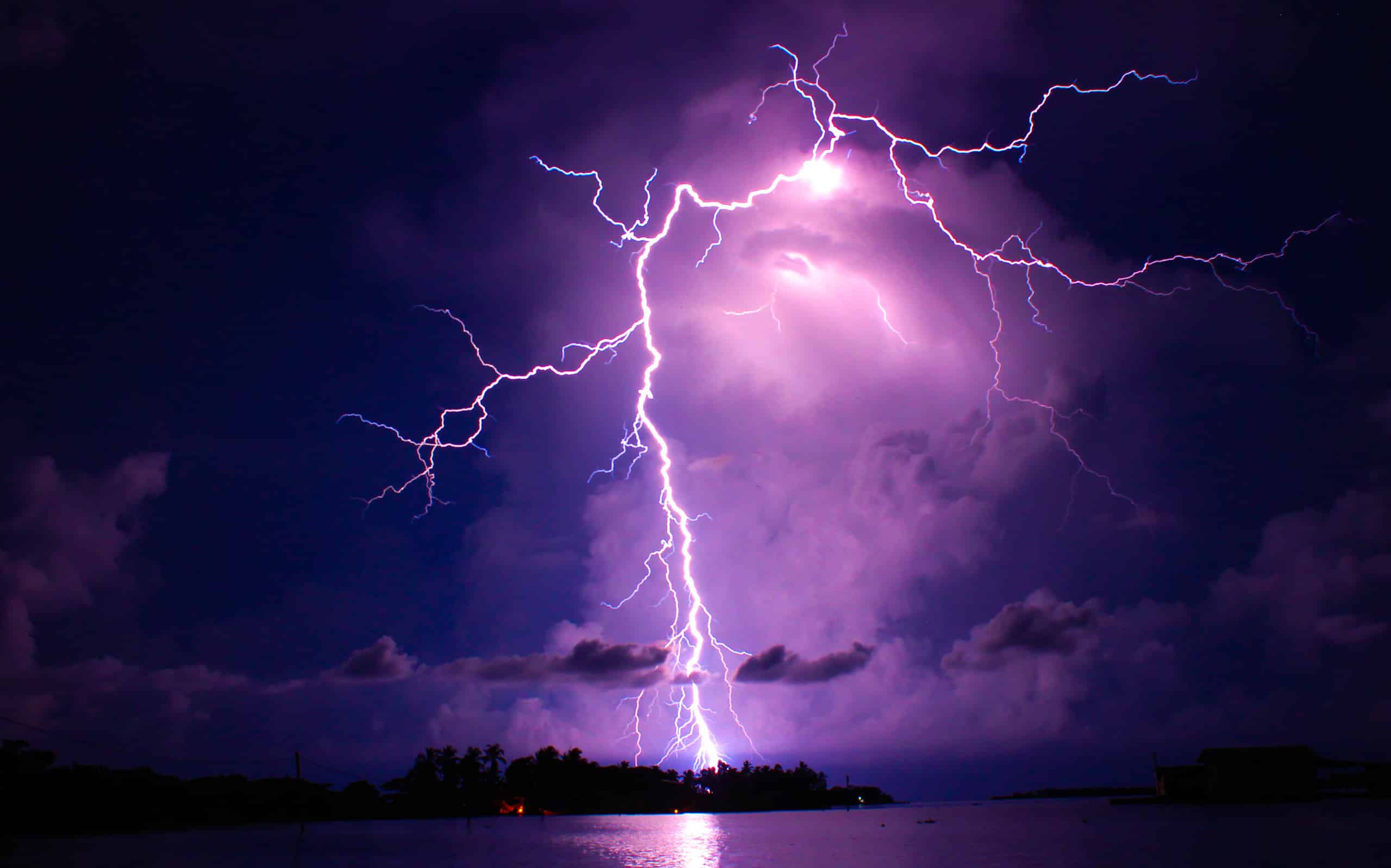
Catatumbo lightning occurs near the point where Venezuela’s Catatumbo River flows into Lake Maracaibo. The area is famous for frequent nighttime lightning storms, often reported on roughly 140 to 160 nights per year, sometimes lasting for hours at a time. The result is one of the world’s most unusual and persistent lightning displays.
Danakil Depression
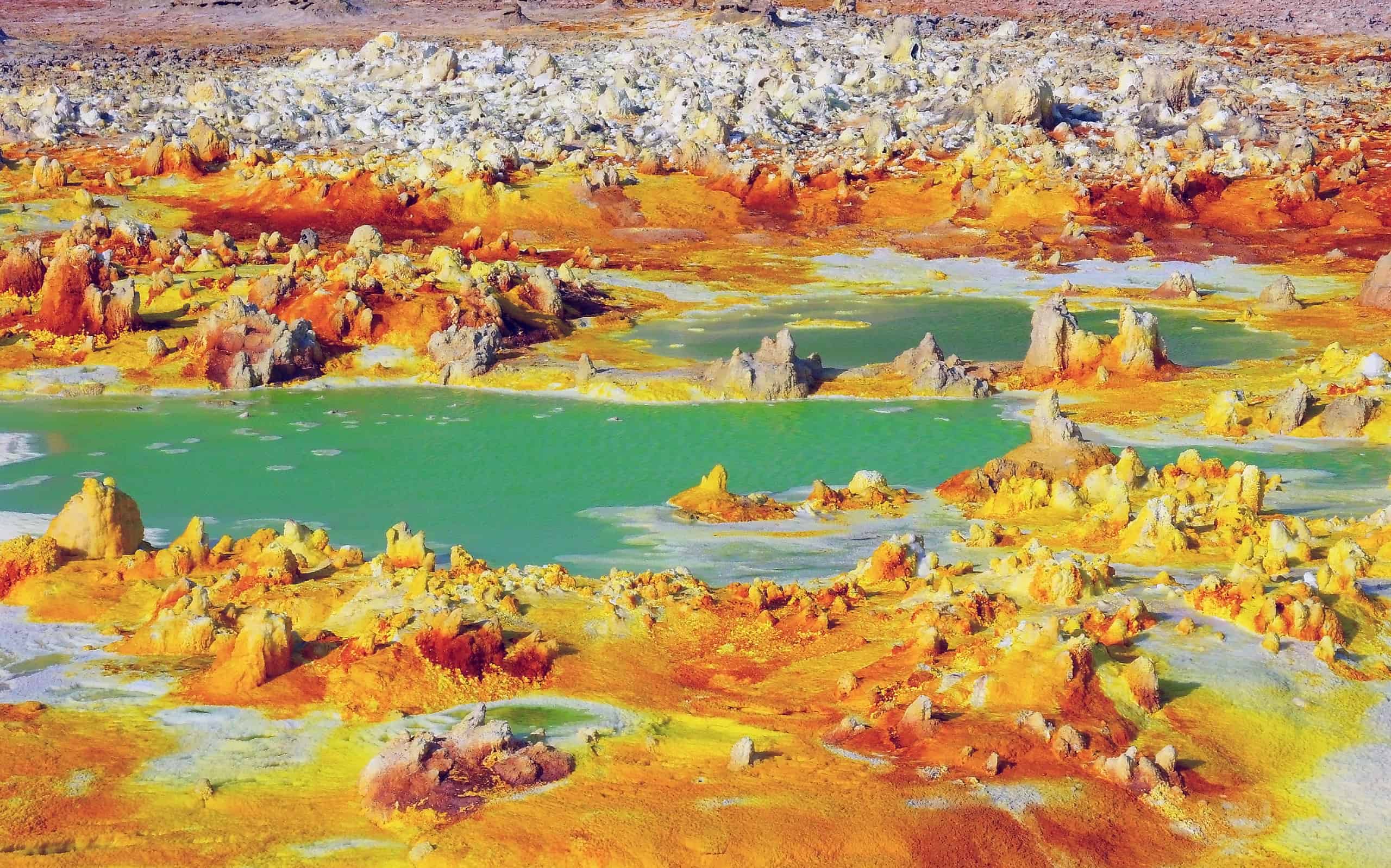
©Evgenii Mitroshin/iStock via Getty Images
The Danakil Depression in Ethiopia is one of the hottest and most extreme landscapes on Earth. It sits near the meeting point of the Arabian, Somali, and Nubian tectonic plates, where geological forces have created salt flats, sulfur springs, lava fields, and neon-colored mineral pools.
Dead Vlei
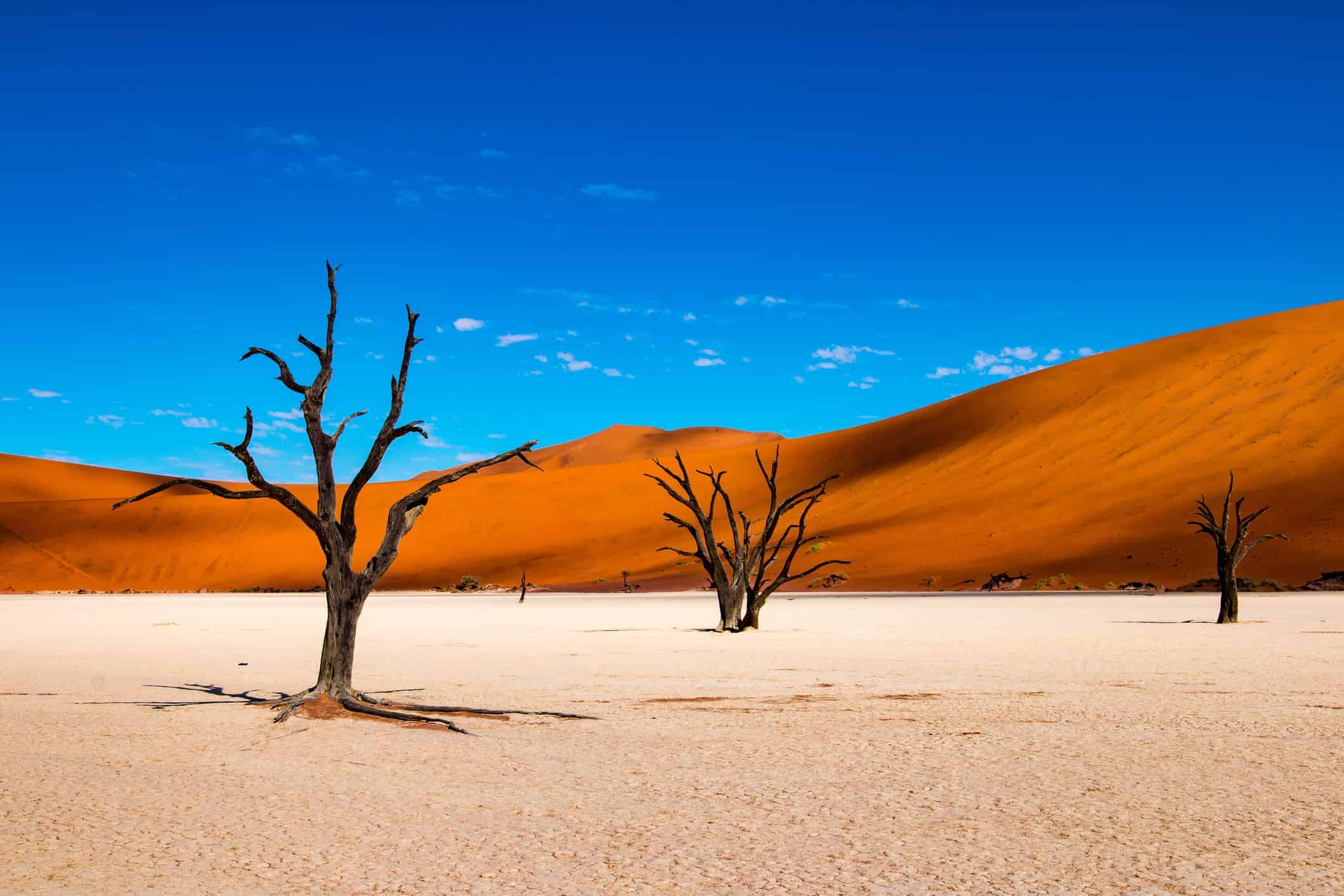
©evenfh/iStock via Getty Images
Dead Vlei in Namibia is famous for its cracked white clay pan, dark skeletal camel thorn trees, and towering orange dunes. The trees died after the area dried out, but the desert climate preserved them for centuries, creating one of the most haunting landscapes in Africa.
Goblin Valley State Park
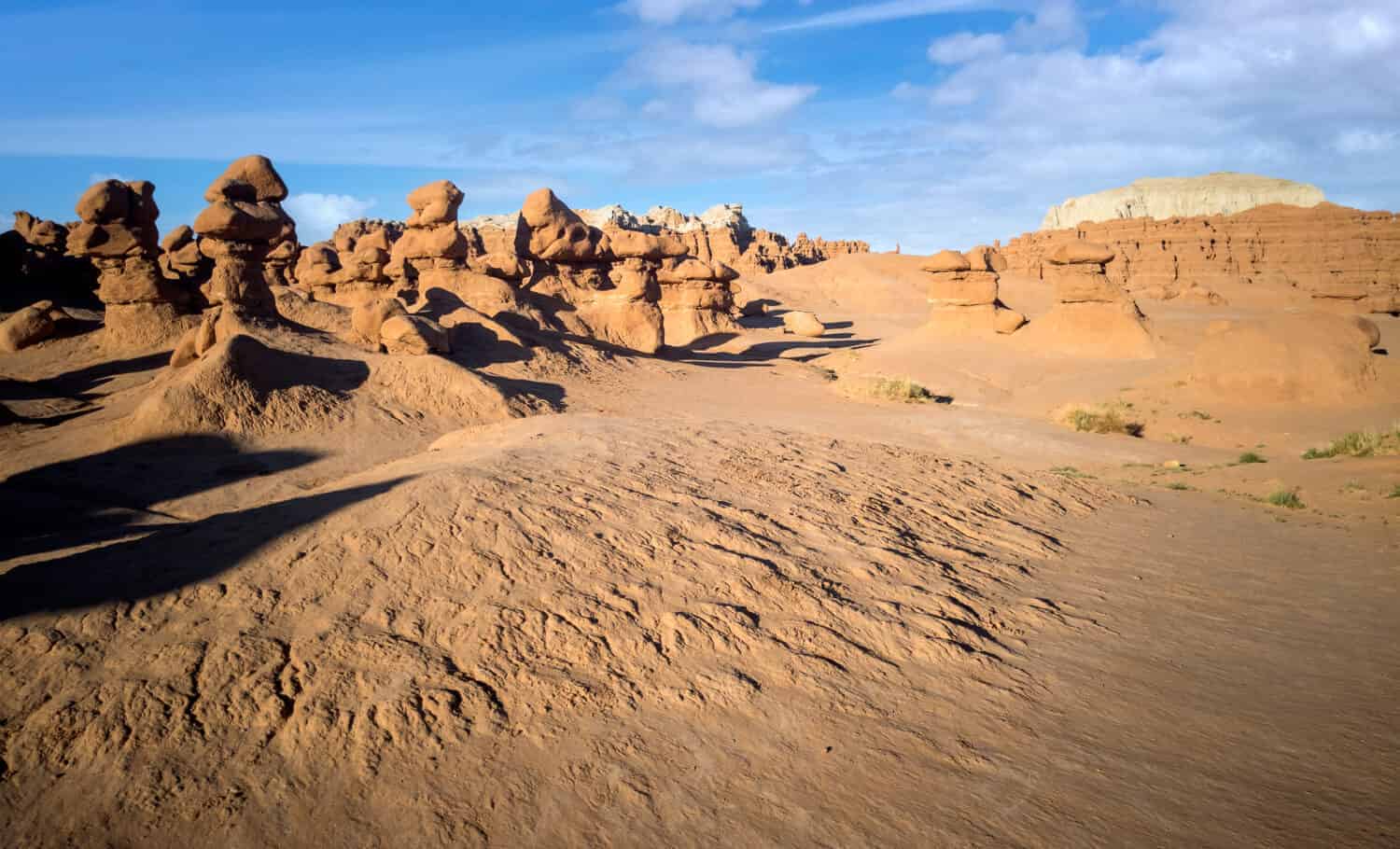
©marcsanchez/Shutterstock.com
Goblin Valley State Park in Utah is filled with thousands of odd sandstone formations known as hoodoos, or “goblins.” These strange shapes were carved by erosion from rock that was once part of an ancient muddy environment, leaving behind a playful but eerie desert landscape.

