
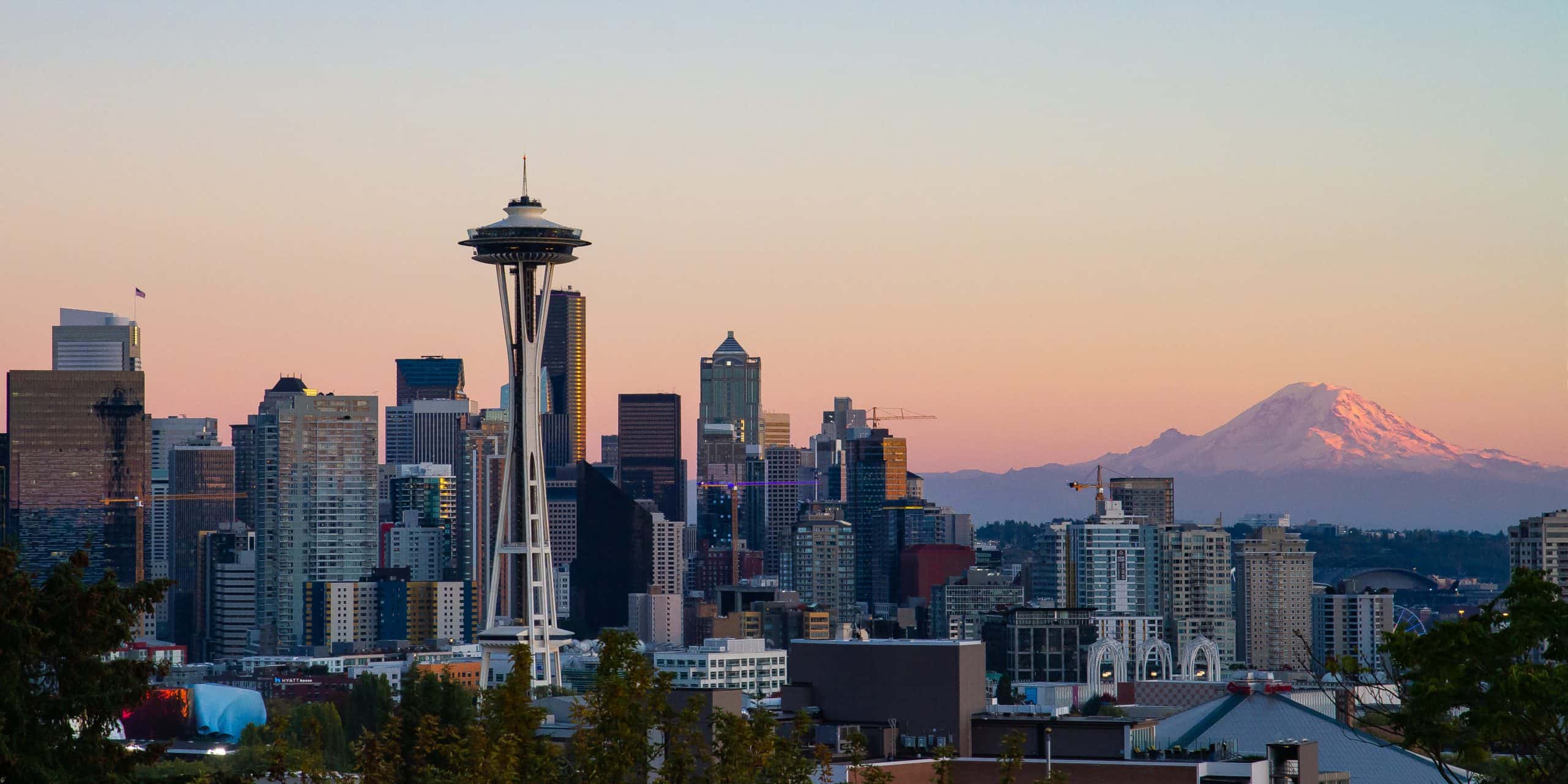
Rising housing costs have changed the affordability landscape across the United States. In many cities, monthly rent and everyday expenses have climbed so quickly that they can feel out of step with what residents actually earn or experience day to day. For people relocating, traveling, or considering a move, the gap between price and value can be especially noticeable.
To identify some of the most overpriced cities in America, we looked at recent rent benchmarks along with broader cost-of-living factors. Rent prices often serve as the clearest signal of how expensive a city has become, since housing tends to be the largest monthly expense for most households.
In this slideshow, we highlight cities where costs currently feel the most inflated. Each slide explains what’s driving prices in that location and includes one practical tip for getting better value if you live there or plan to visit. Data sources include recent rental market reports from Zumper and other cost-of-living research.
1. New York City, NY

With a long-term reputation of being overpriced, NYC’s baseline costs feel like they’re charging you for access rather than any type of comfort. Zumper’s latest national rent table puts a median one-bedroom in the city at around $4,320, and the median two-bedroom around $5,140, making this location unfeasible for most.
The upside of Manhattan is endless options, but the reality is that space is scarce, and convenience often costs extra in ways you may not notice if you’re living there for the first time. Make this city worth it by sticking to public transit so you’re not paying New York prices and also a vehicle, if you can help it.
2. San Francisco, CA

©MargaretW / iStock via Getty Images
Zumper’s latest information for San Francisco prices a one-bedroom at roughly $3,670, and this is if you can even find one in the first place. It can be magical on a perfect day, but day-to-day, SF can feel like you’re paying a luxury premium while still dealing with small apartments and a high cost for basic amenities like groceries.
Being ruthless about your ideal location and lifestyle is the only way to make it in this city, because a shorter commute and a walkable routine help ease the pain your wallet feels.
3. Jersey City, NJ
©SeanPavonePhoto / iStock via Getty Images
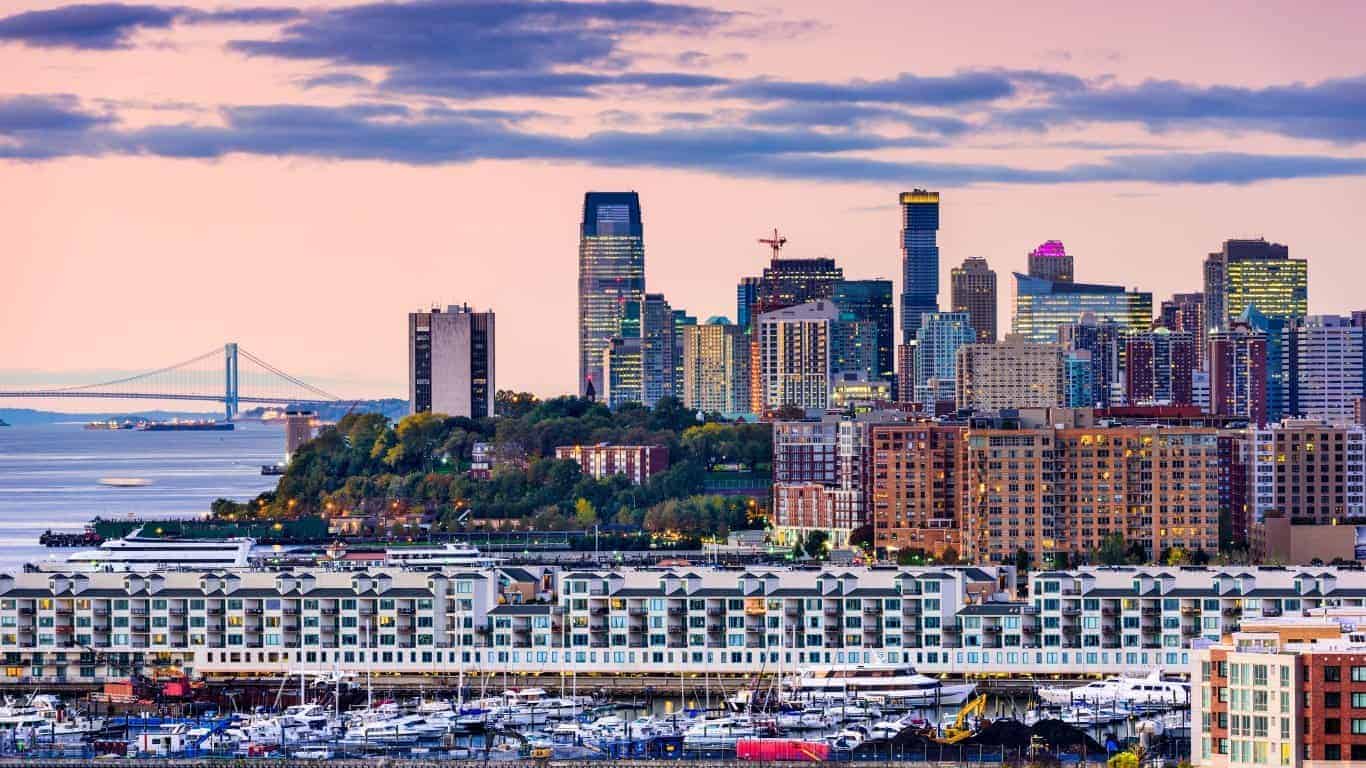
NYC’s neighbor has apartments available for around $3,000, which is more affordable but only so much. While Jersey City’s access to Manhattan is useful, the surprise is that the savings are smaller than people expect. Make sure you pick a transit-first neighborhood that you truly like, because if you still end up spending constantly in Manhattan, you’re paying two-city prices for one subpar lifestyle.
4. Boston, MA
©FilippoBacci / E+ via Getty Images
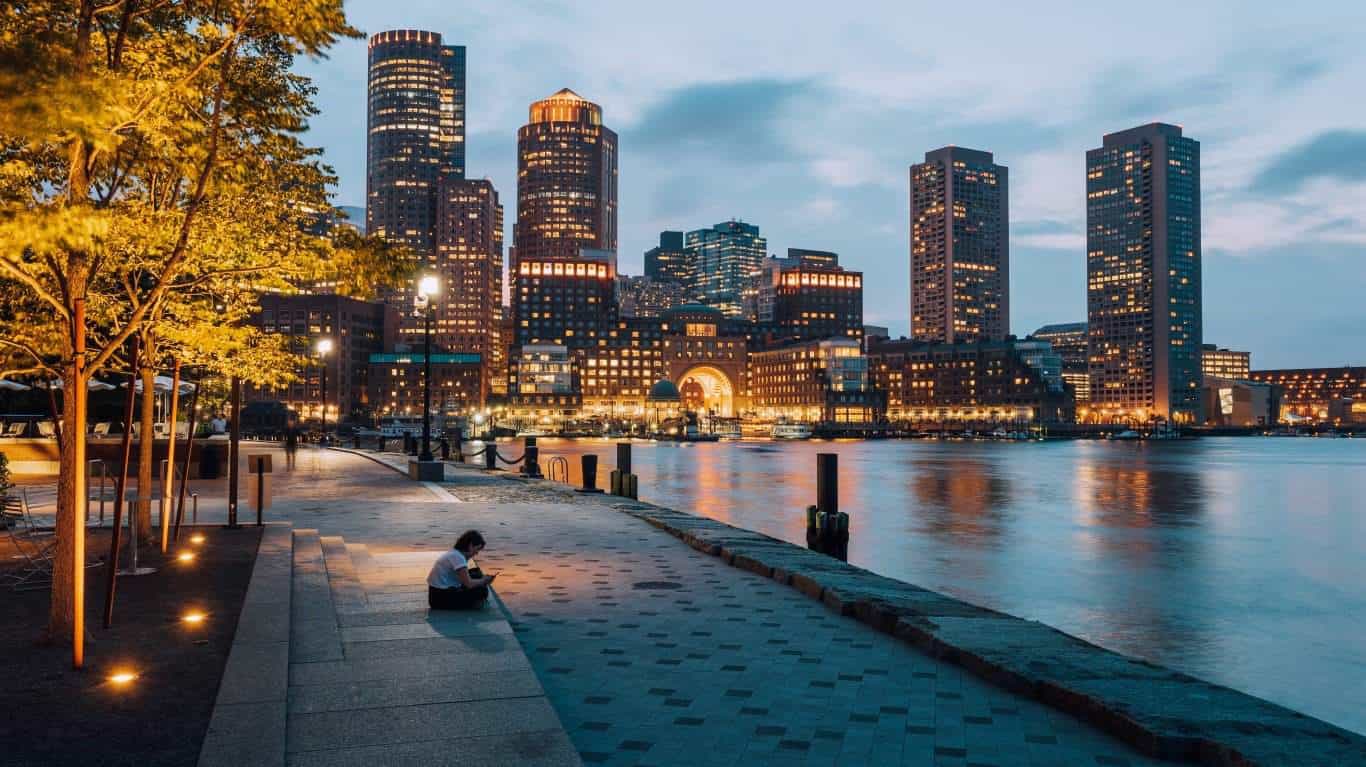
You may end up spending an average of $2,930 for a one-bedroom in Boston, a staggering fee compared to other cities in the U.S. Boston is compact and culture-rich, but the housing market can make the city feel impossible to pay for without roommates. This is an option to consider, one that may make other costs more realistic, especially if you want to live in a desirable neighborhood close to your workplace.
5. San Jose, CA
©Uladzik Kryhin/Shutterstock.com
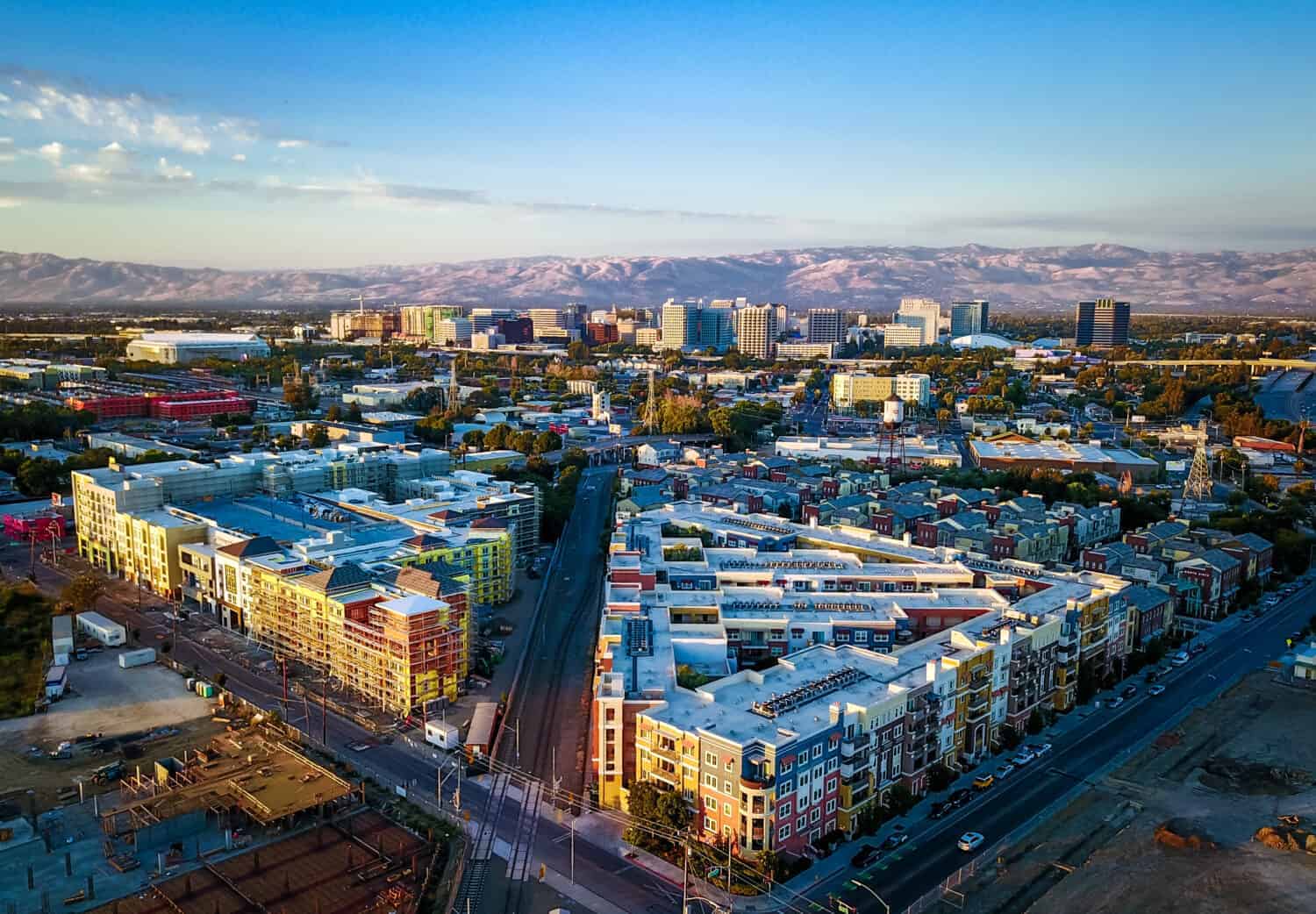
San Jose also tops our list, with an average of $2,670 for a single bedroom and around $3,310 for two. This city often feels expensive in a quieter way, as the costs are high even when the day-to-day is much more suburban than its prices suggest. Deciding what you actually want from the Bay Area can help, as the premium becomes harder to justify compared to other, nearby cities where a commute may not be the worst idea.
6. Miami, FL
©Davel5957 / iStock via Getty Images
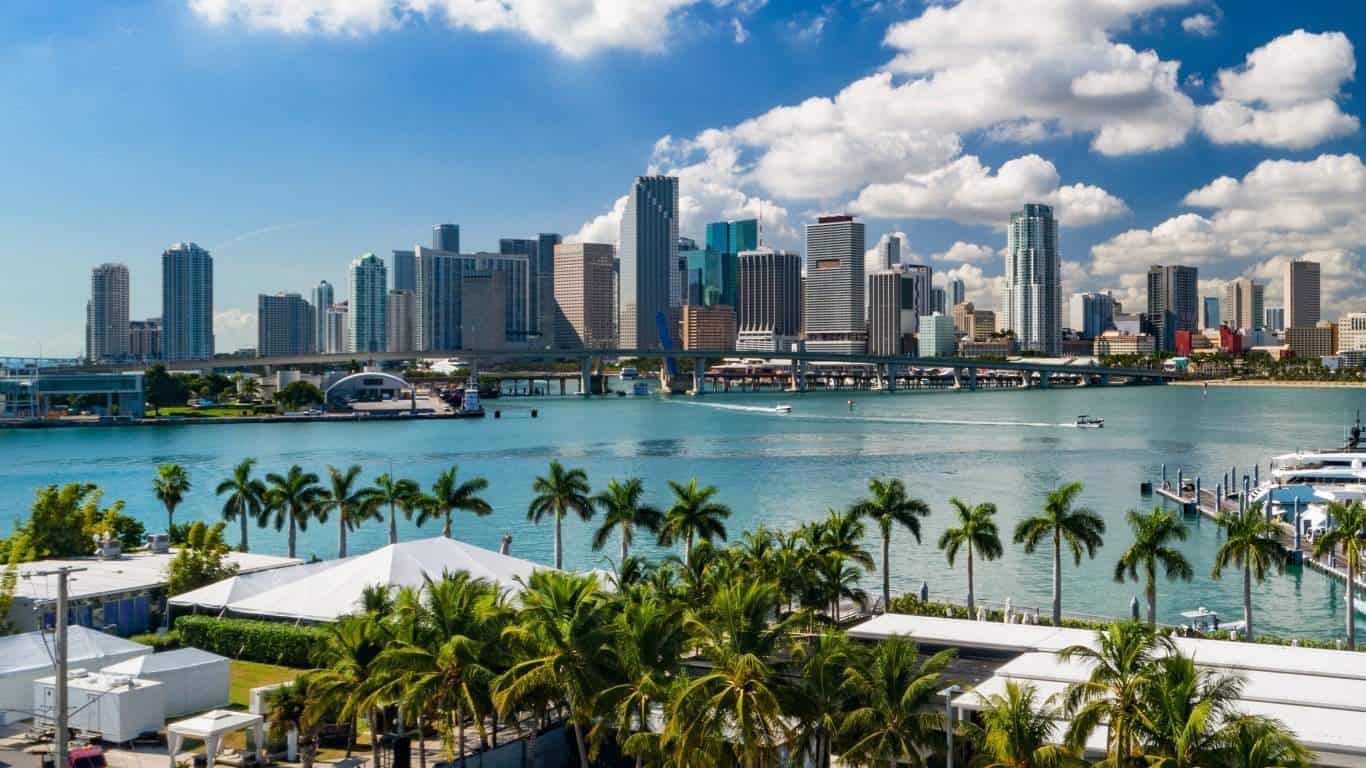
Miami can feel like a constant upcharge city, where convenience, parking, dining out, and anything near the water come with extra costs. Housing averages around $2,430 for a single bedroom, and the median two-bedroom is around $3,090. Make this vibrant locale worth it by choosing one monthly splurge and letting the rest be budget-friendly; you can’t live on a vacation budget here your whole life.
7. Arlington, VA
©SeanPavonePhoto / iStock via Getty Images
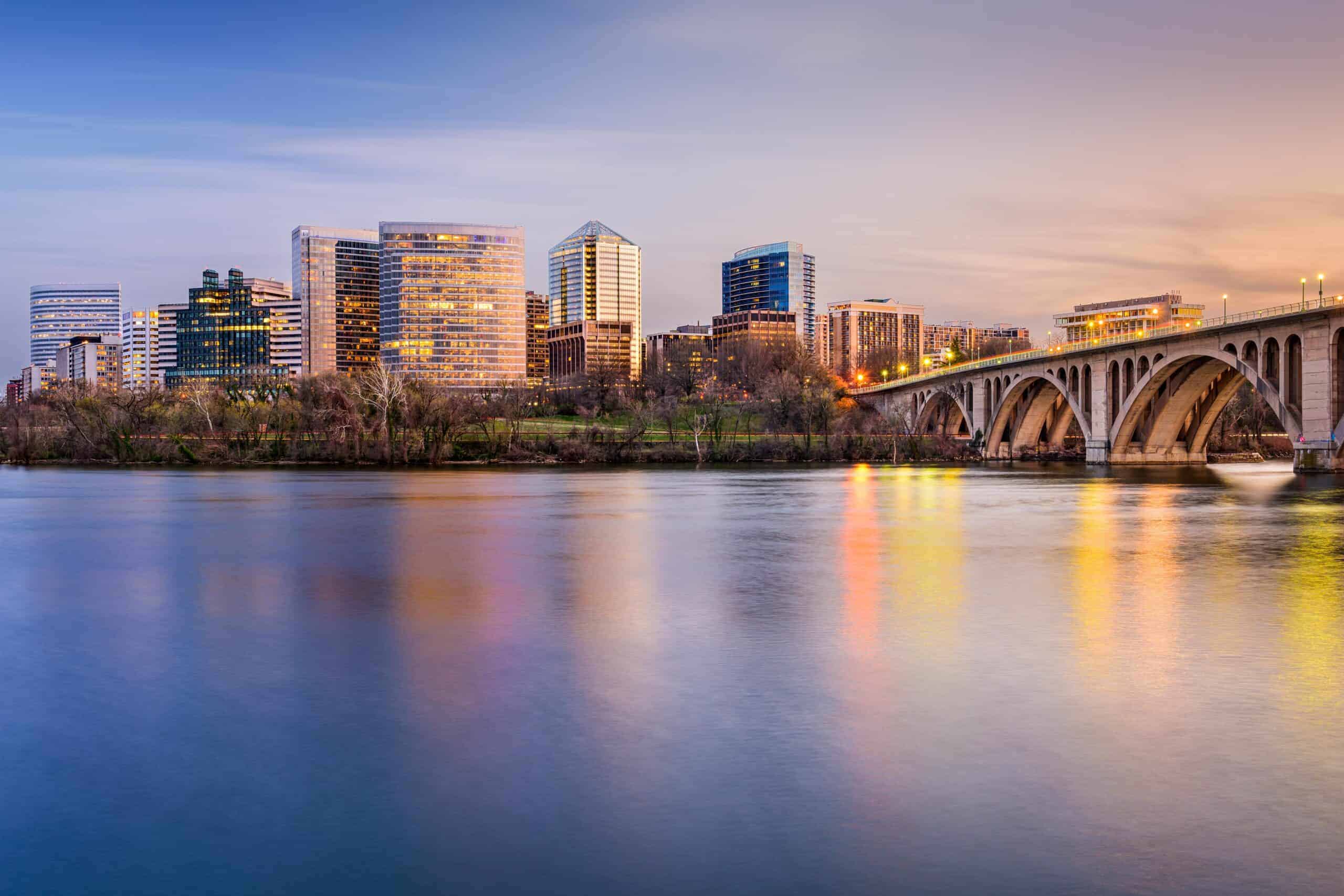
Arlington, VA is a potentially surprising addition to this list, but a one-bedroom costs roughly $2,330 by itself. Its pricing is a reminder that proximity to a powerhouse job market can push rents into dangerously high brackets. Ultimately, the premium makes more sense when you’re utilizing the city’s walkability and Metro access, but just make sure your job can support the cost of living.
8. Los Angeles, CA
©Wikipedia
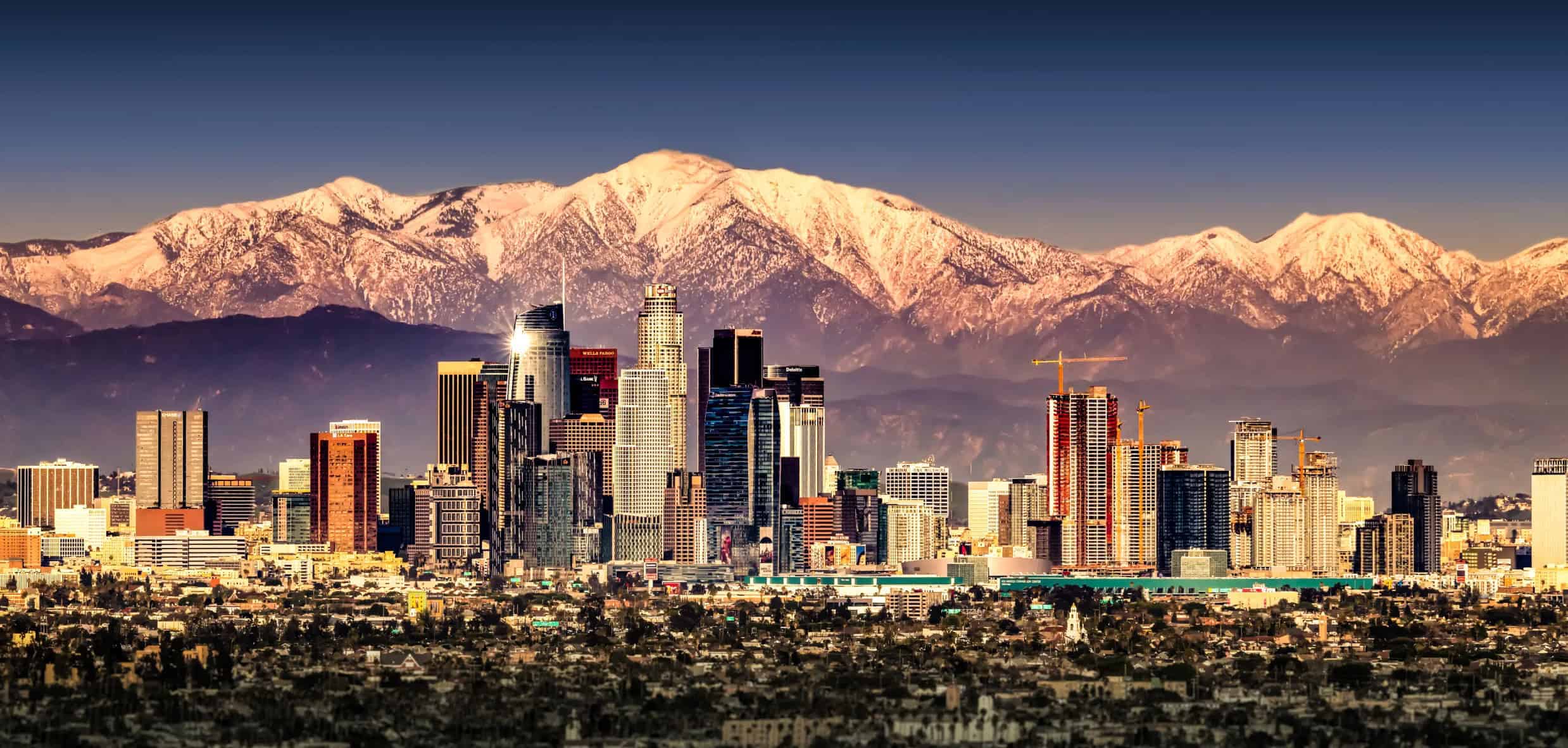
It’s no secret that L.A. is expensive, with $2,290-$3,110 common prices to pay for basic apartments. You’re also often paying for optional access to the majority of the city, because traffic and distance can block you from the lifestyle you pictured. You may want to cater your life around one side of town, because the fastest way to feel ripped off in L.A. is spending half your week in the car.
9. San Diego, CA
©Art Wager / E+ via Getty Images
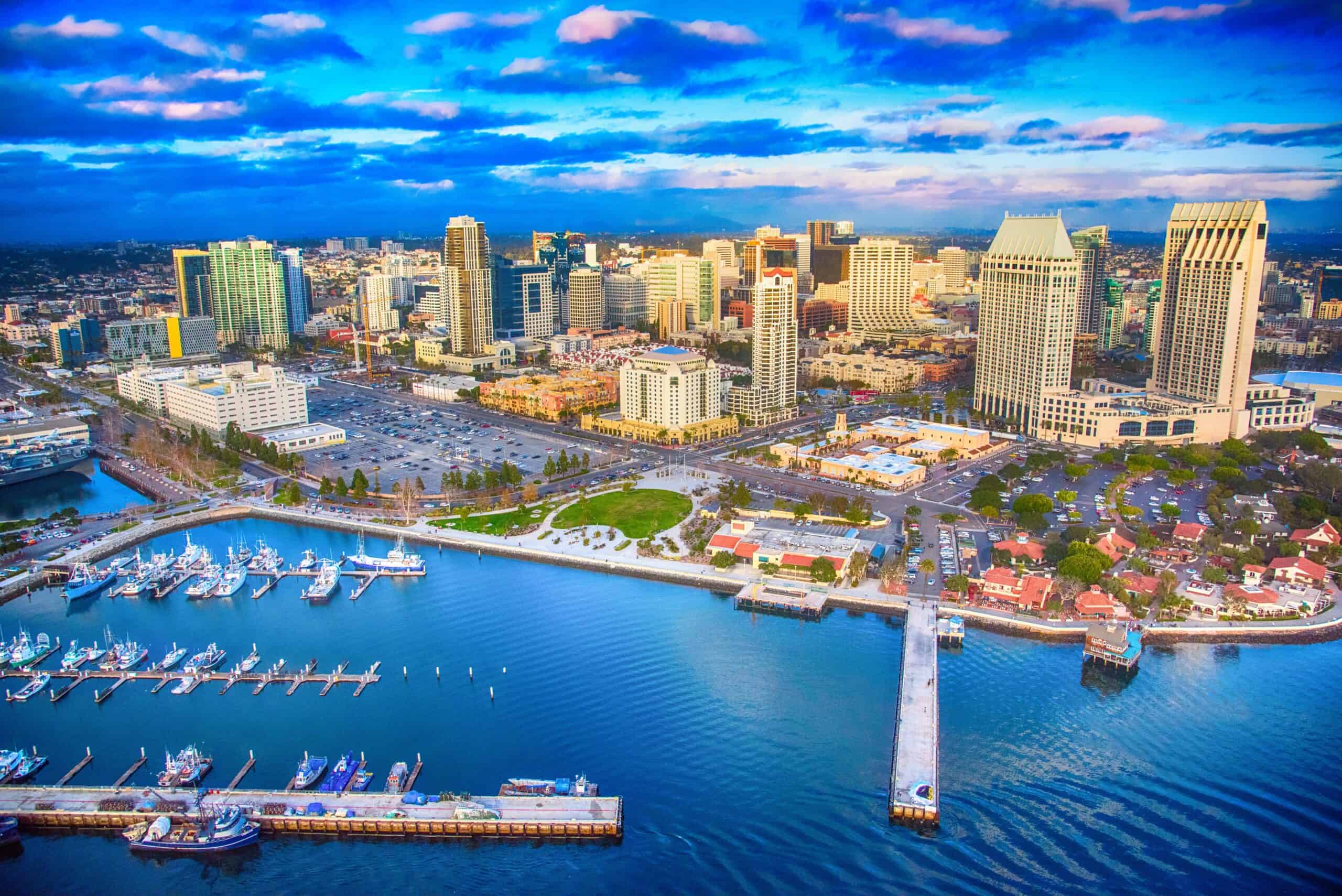
Just down the coast from L.A. is San Diego, with strikingly similar prices to its neighbor: $2,220-$3,000. San Diego’s weather is an absolutely real asset, but the costs can quickly eclipse that fact when everyday life still includes long commutes and high housing pressure. Spend your time outdoors and keep your schedule simple, as the city is most worth it when you’re actually using its free advantages.
10. Washington, DC

©SeanPavonePhoto / iStock via Getty Images
Zumper places D.C.’s median one-bedroom rent at around $2,210, and the median two-bedroom around $2,930, which means you’d best have a decent job to live here. The city’s best experiences are free museums, but the fixed costs of living nearby are not free at all. Try to do this city without a car, or consider a nearby suburb; while these prices are still high, you may end up with a bit more breathing room.
11. Urban Honolulu, HI

©Art Wager / E+ via Getty Images
Urban Honolulu is a bit cheaper than D.C., with one-beds at an average of $2,200. Still, Honolulu can feel like the definition of paying for geography, as this island’s reality means incredibly high everyday prices. Try to make your routine all about the beach and walkable errands, without constant add-ons and dining out.
12. Anaheim, CA
©Nancy Pauwels/Shutterstock.com
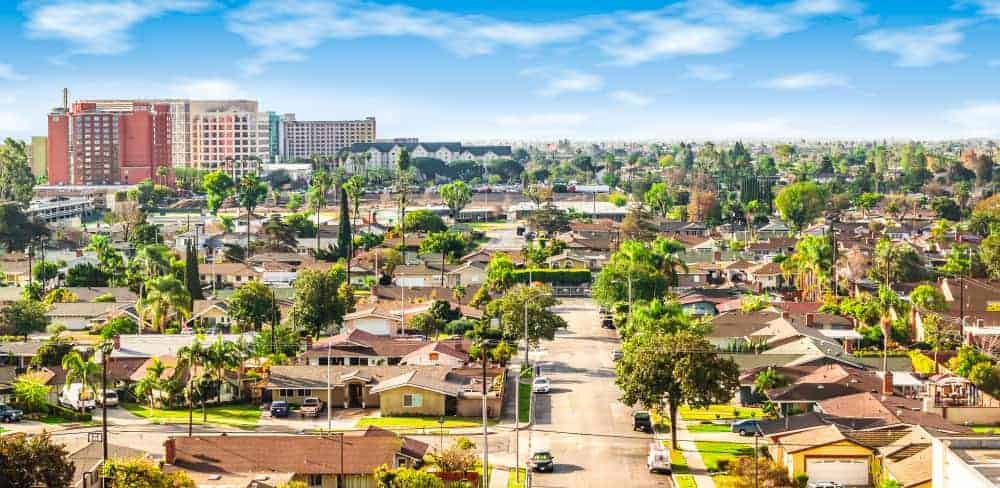
At roughly $2,080-$2,680 a month, this Southern California city surprises a great deal of people. Anaheim is often framed through a lens of entertainment, yet normal life still carries a premium, even for the people who make the magic happen here. Make it worth it by being strategic about what you’re paying for, because if you are not using the regional job market and access, your rent may be better spent elsewhere.
13. Santa Ana, CA
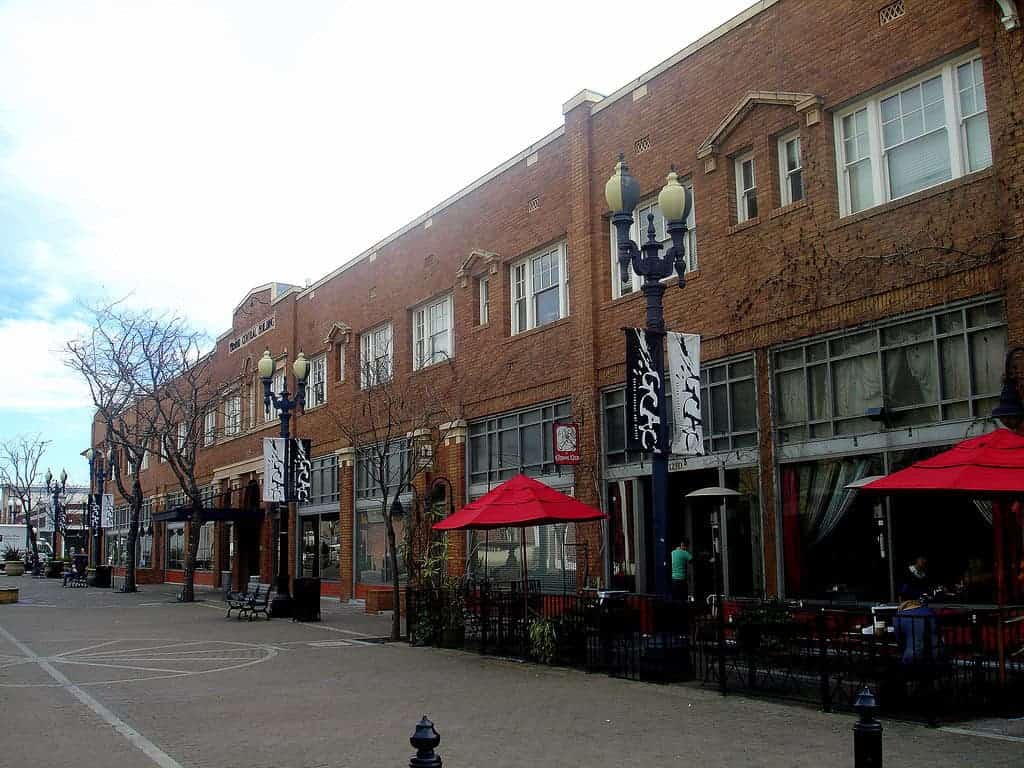
Santa Ana sits inside a region where housing pressure is real, and it can feel overpriced even when you are not living on the beach. Its prices are comparable to Anaheim, its nearby neighbor, and you know you’ll be paying for a car here as well. Try to take advantage of any free entertainment in the area, and check out all your local grocery stores before picking your go-to; some are cheaper than others.
14. Seattle, WA
©LoweStock / iStock via Getty Images
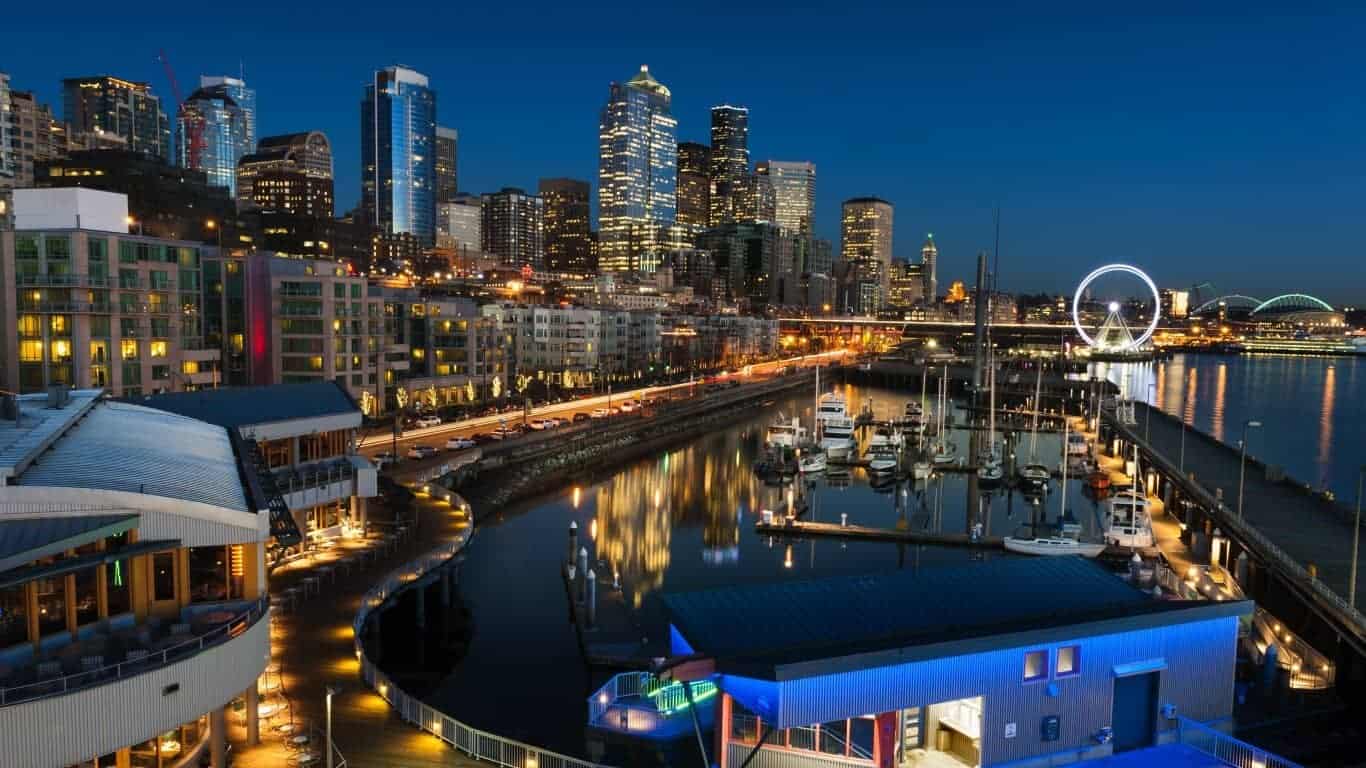
Seattle, WA, ducks just below $2k for a single bedroom, with $1,920 being the latest average. Seattle’s costs can feel disproportionate when its constant gray-season reality sets in and you start feeling gloomy as well as impoverished. Try to craft your life and routine around weather-proof routines, as Seattle begins to feel like home when you lean into and embrace its cozy culture, gray days, neighborhoods, and easy access to its iconic water and trails.
15. Scottsdale, AZ
©BCFC / iStock via Getty Images
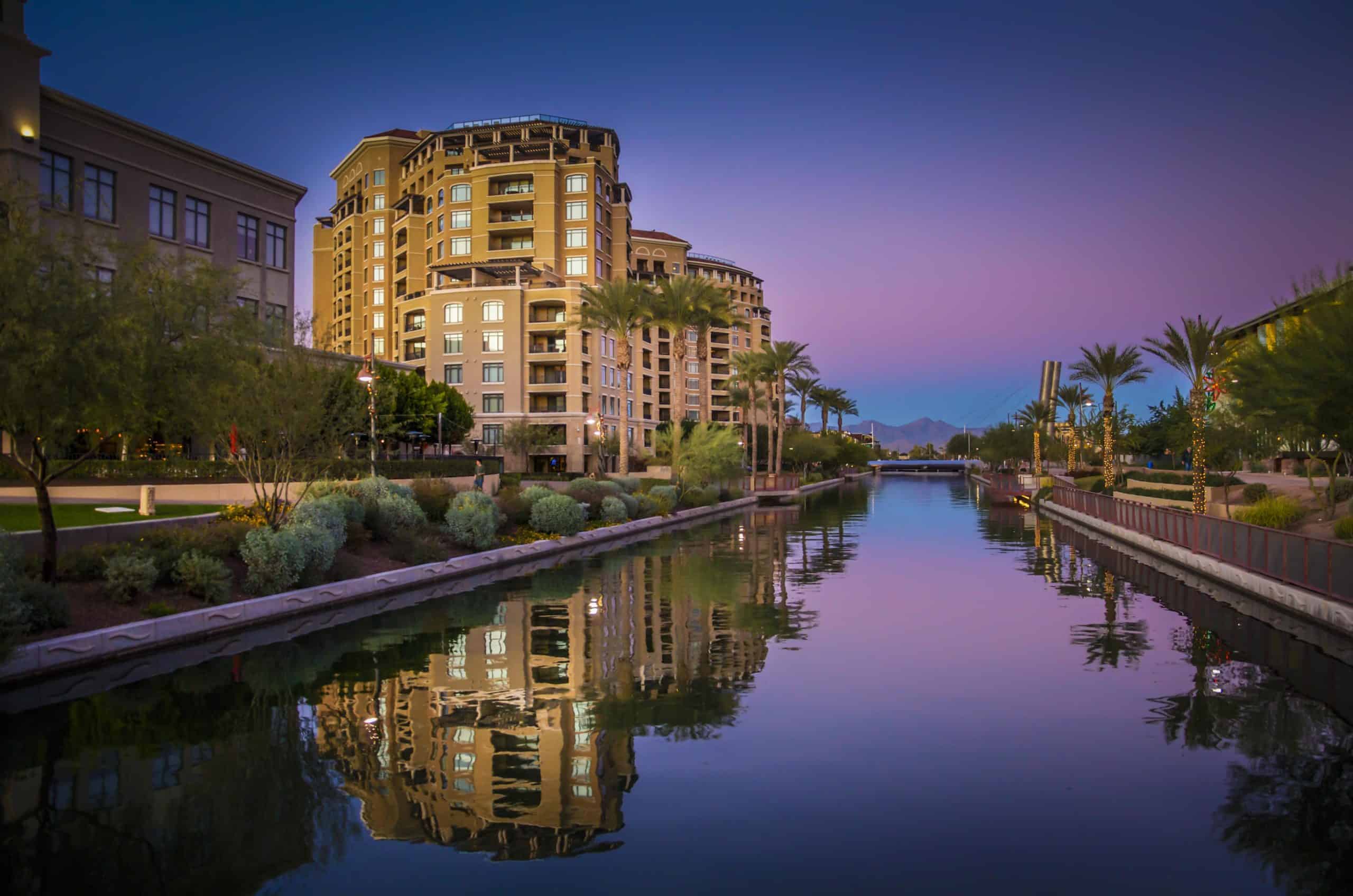
A median one-bedroom in Scottsdale is around $1,710, and the median two-bedroom is around $2,500, making most question what the city actually has to offer. Scottsdale can feel even more overpriced when the resort-town reputation inflates your everyday expenses, especially in peak seasons when demand spikes. Try to take advantage of the city outside of typical tourist times, as local restaurants and stores may have more reasonable prices. Still, some of the housing here is dominated by vacation homes, so finding a place you like may prove difficult.
16. Denver, CO
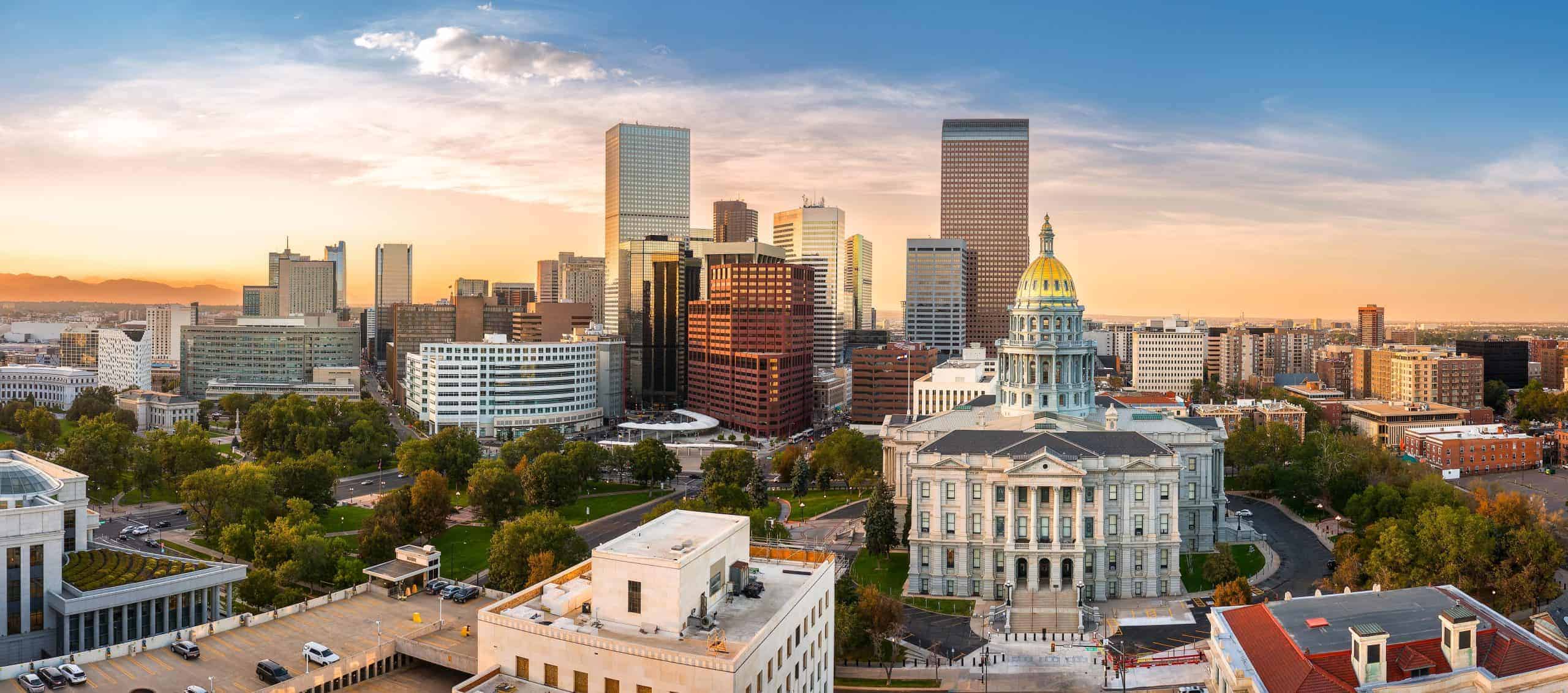
Gorgeous Denver doesn’t necessarily have gorgeous prices, with $1,590-$2,200 as the latest reported average rent prices. So much of the Colorado dream in this city still requires extra time in traffic and planning, especially as Denver has grown more popular. Hopefully, you’re moving here for the outdoor recreation, which is one of the cheapest ways to enjoy living in Denver. Its four-season offerings are worth it to some, but not to all.
17. Austin, TX
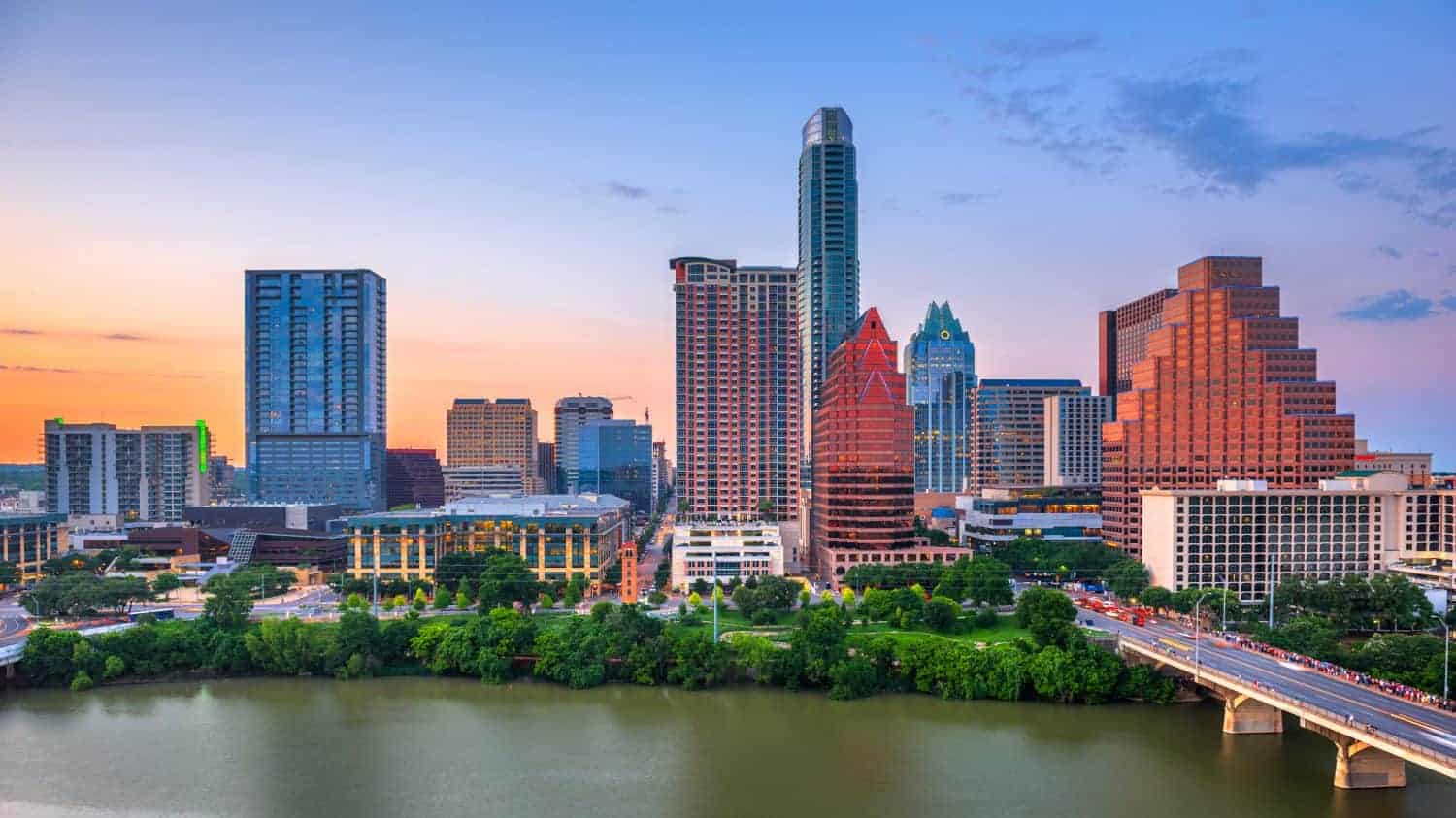
©Sean Pavone / Shutterstock.com
Austin, TX, has proven pricey for decades, as it is one of the most artistic and evolving cities in the state. Zumper places a one-bedroom in this city at around $1,500, with two-beds averaging below $2,000. Still, Austin can feel overpriced quickly when the heat sets in and countless tourists make a mess of your local haunts. Avoid driving as much as possible here, both for your wallet and your own safety. If you aren’t yet familiar with Texas drivers, you’re in for a rude awakening.
18. Nashville, TN
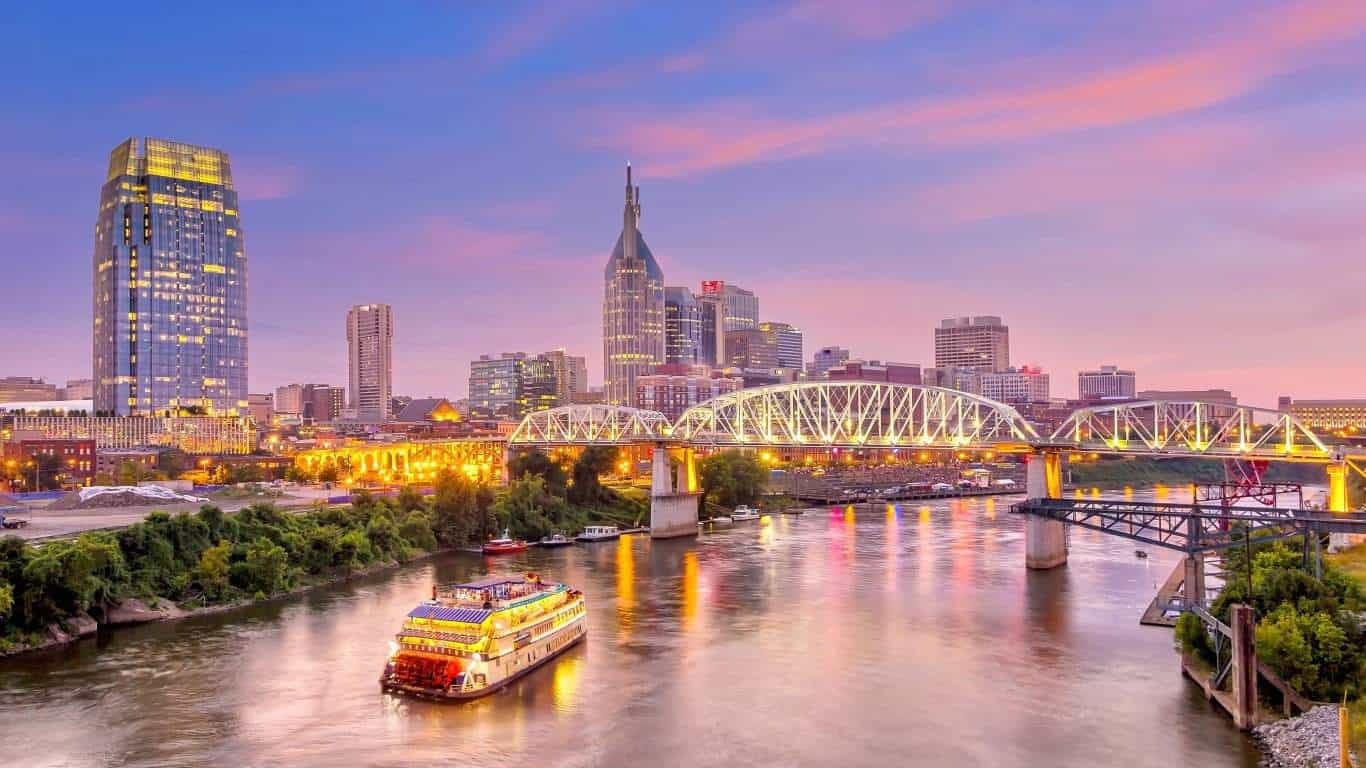
©f11photo / iStock via Getty Images
Nashville completes our list, with $1,500-$1,680 listed as your average rent prices for basic apartments. The tourist economy spills into daily life here, and the city starts charging these unfair visitor prices in more places than you expect. Weekends are especially difficult to get anything done, so it’s best to stick to local dives and affordable places during the week, with your weekends spent out of town or comfortably at home. There’s a lot to do in this city, but you’ll need to question whether it’s worth it to go out and mingle amongst the crowds.
19. Portland, OR
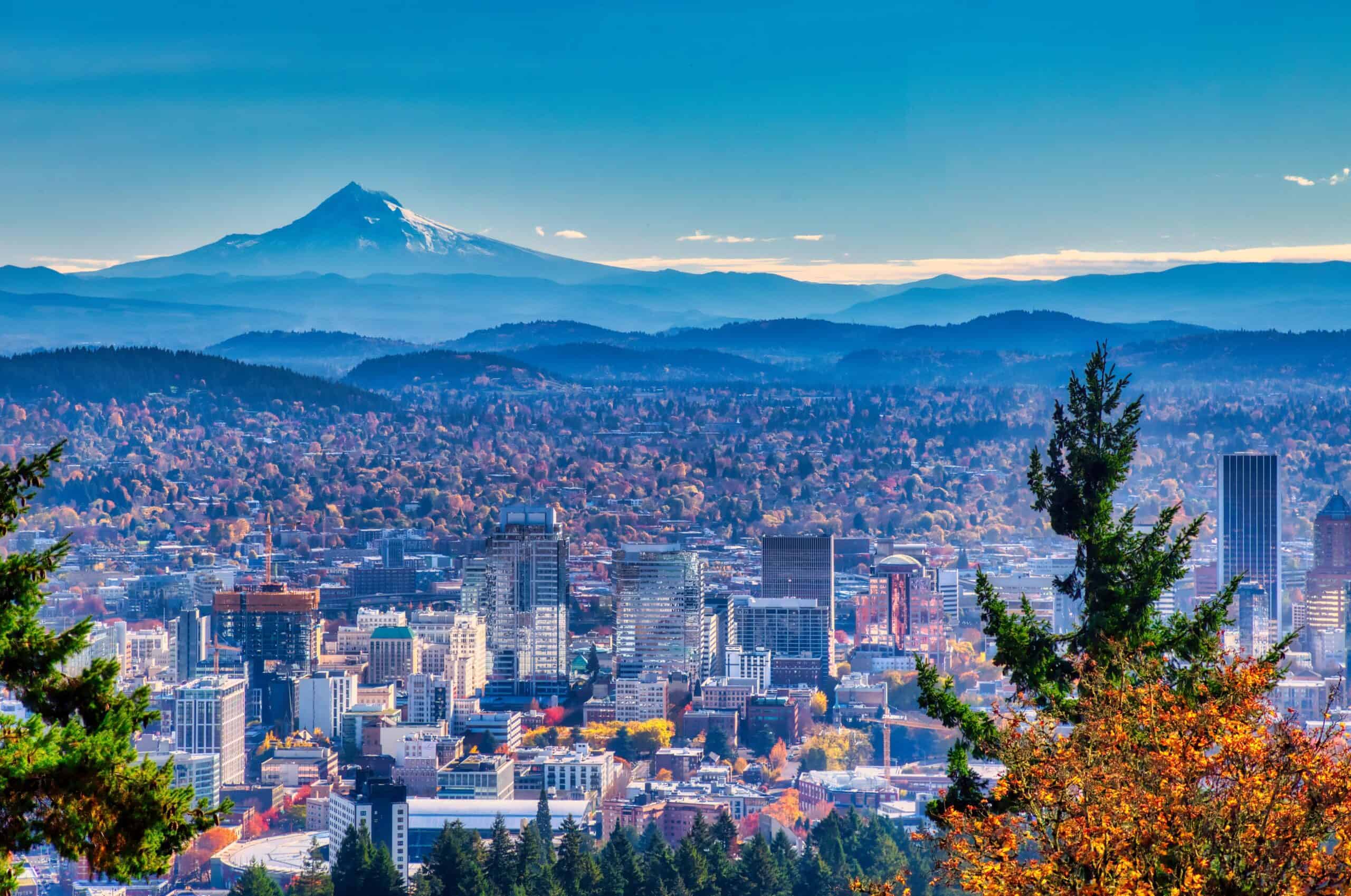
©BruceBlock / iStock via Getty Images
If Nashville is sitting around the $1,500 mark, Portland is right behind or on par with it. Recent data suggests the median rent across all bedroom counts and property types is $1,500, with more square footage garnering premium prices. Portland can also feel overpriced because its “cool city” pitch doesn’t always match its on-the-ground tradeoffs, especially if you’re living far out and spending a lot on driving and parking. Dining can also get expensive, given the city’s reputation for food. Plan on treating the city’s cheapest strengths (parks, riverfront loops, easy access to the Gorge) like your default plan to save some money, and walk whenever the rain isn’t too dreadful.
20. Minneapolis, MN
©Davel5957 / E+ via Getty Images
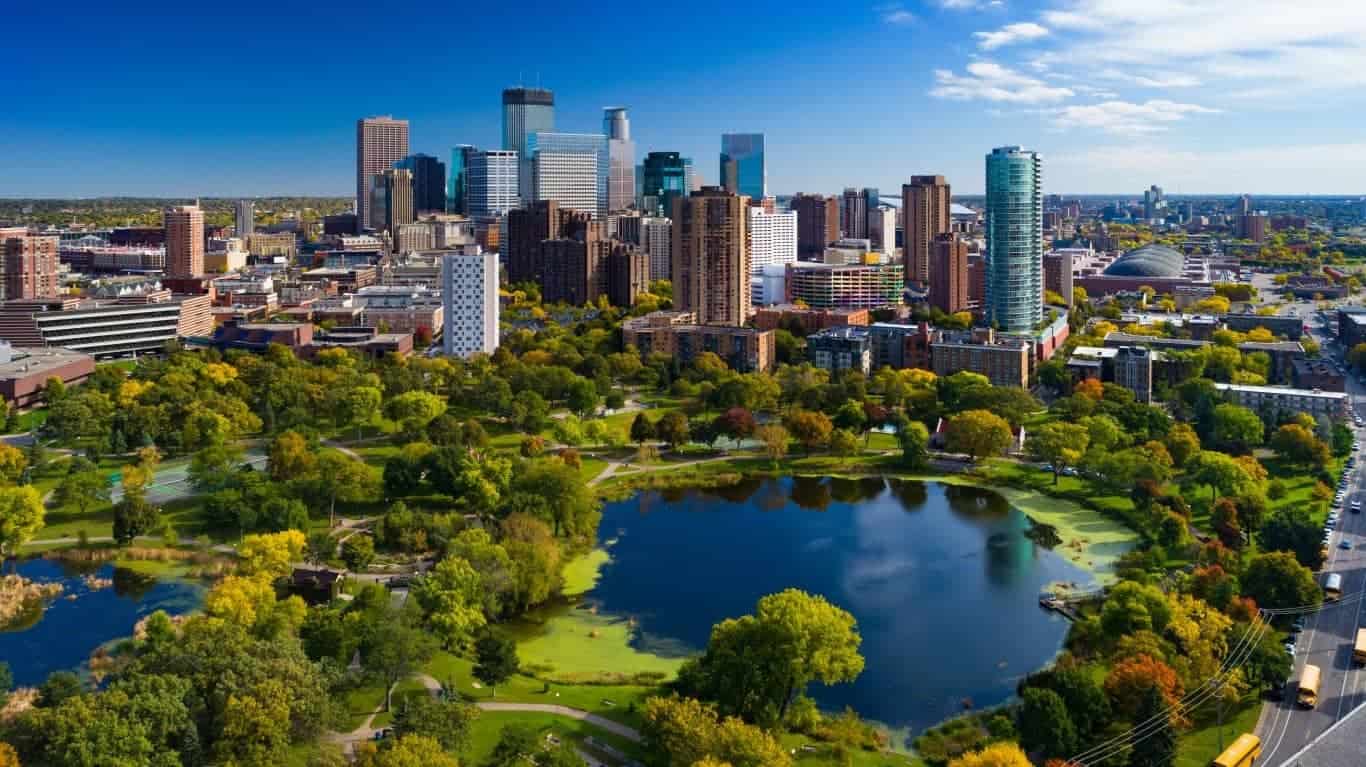
Slightly cheaper than Portland, Minneapolis often has one-bedrooms around $1,467 as of February 2026. However, is the price of this city worth it in the long run? The sticker shock here comes from paying near-major-city rent while winter adds issues to everyday life, so much so that it has the potential to shrink what you can do on a random weeknight.
Minneapolis is still worth it for a lot of people, but it becomes a bad deal if you’re spending heavily to escape the season through constant ride-shares and pricey indoor entertainment. Consider spending more funds when the weather is good, and plan plenty of cozy time at home when it isn’t in order to save money.

